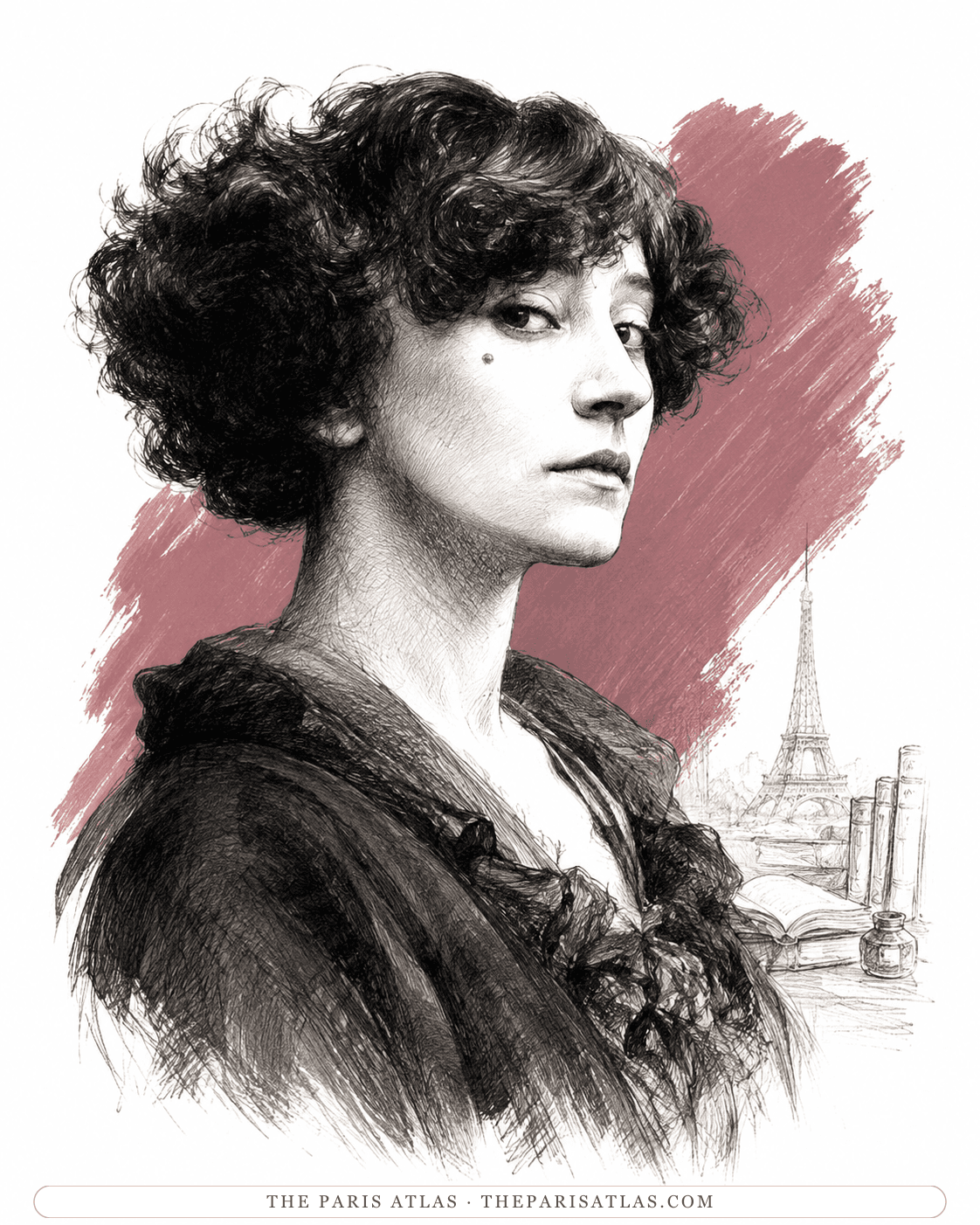
Colette
Performed here · 1906
Colette's public stage debut: she played a faun in the mimed drama Le Désir, la Chimère et l'Amour, 6–25 February 1906.
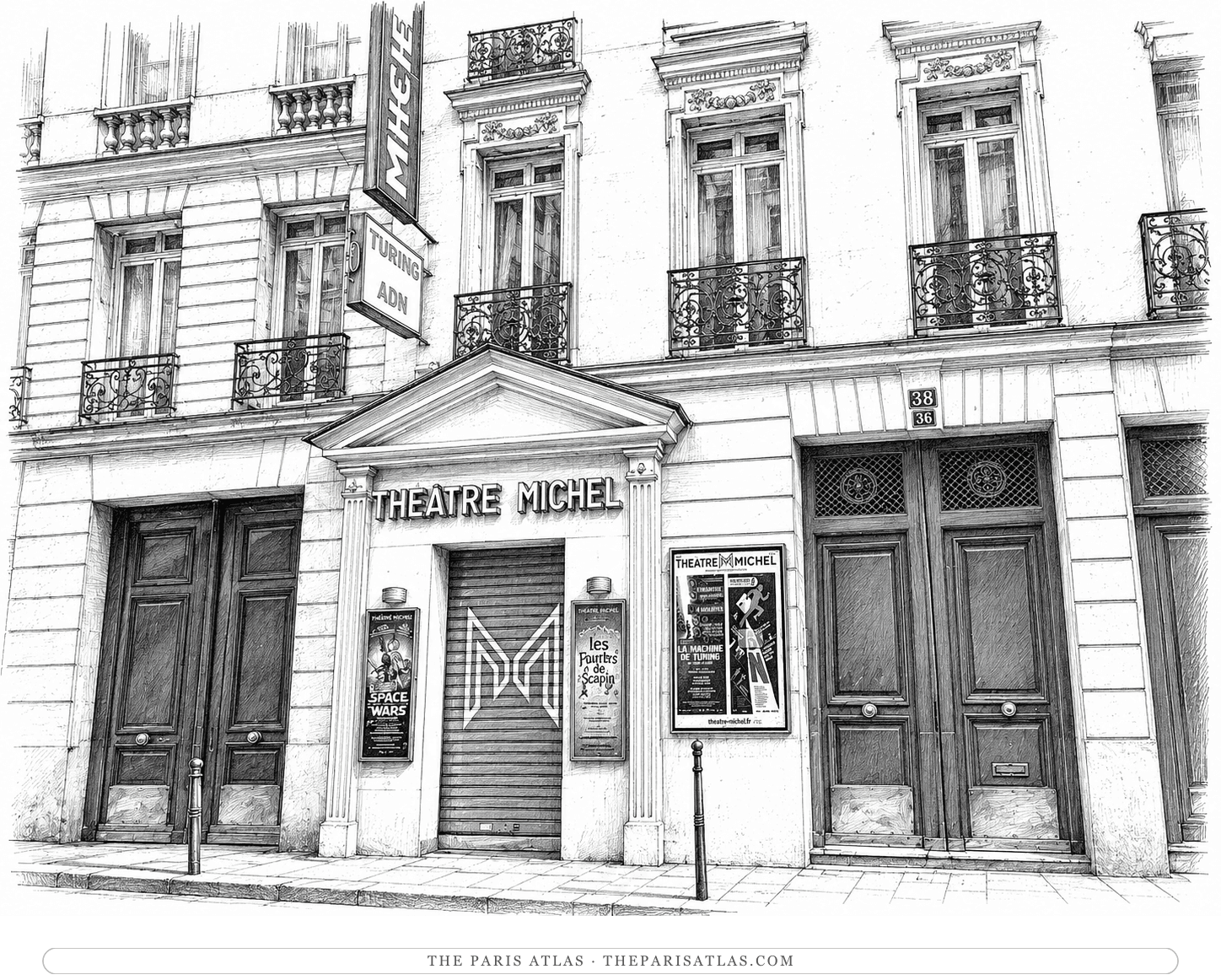
Where Colette made her public stage debut in 1906, the first step of the music-hall career that won her independence from Willy.
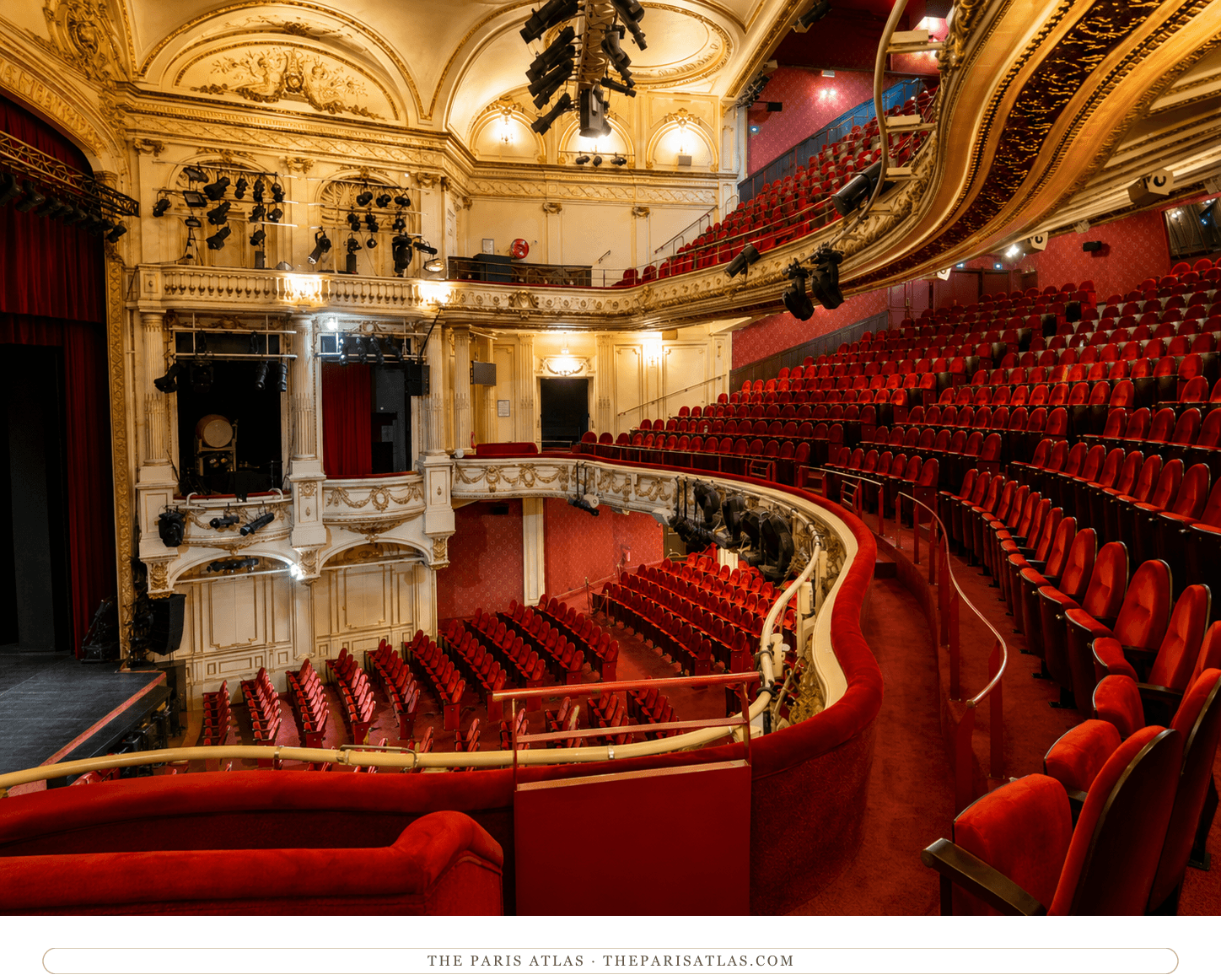
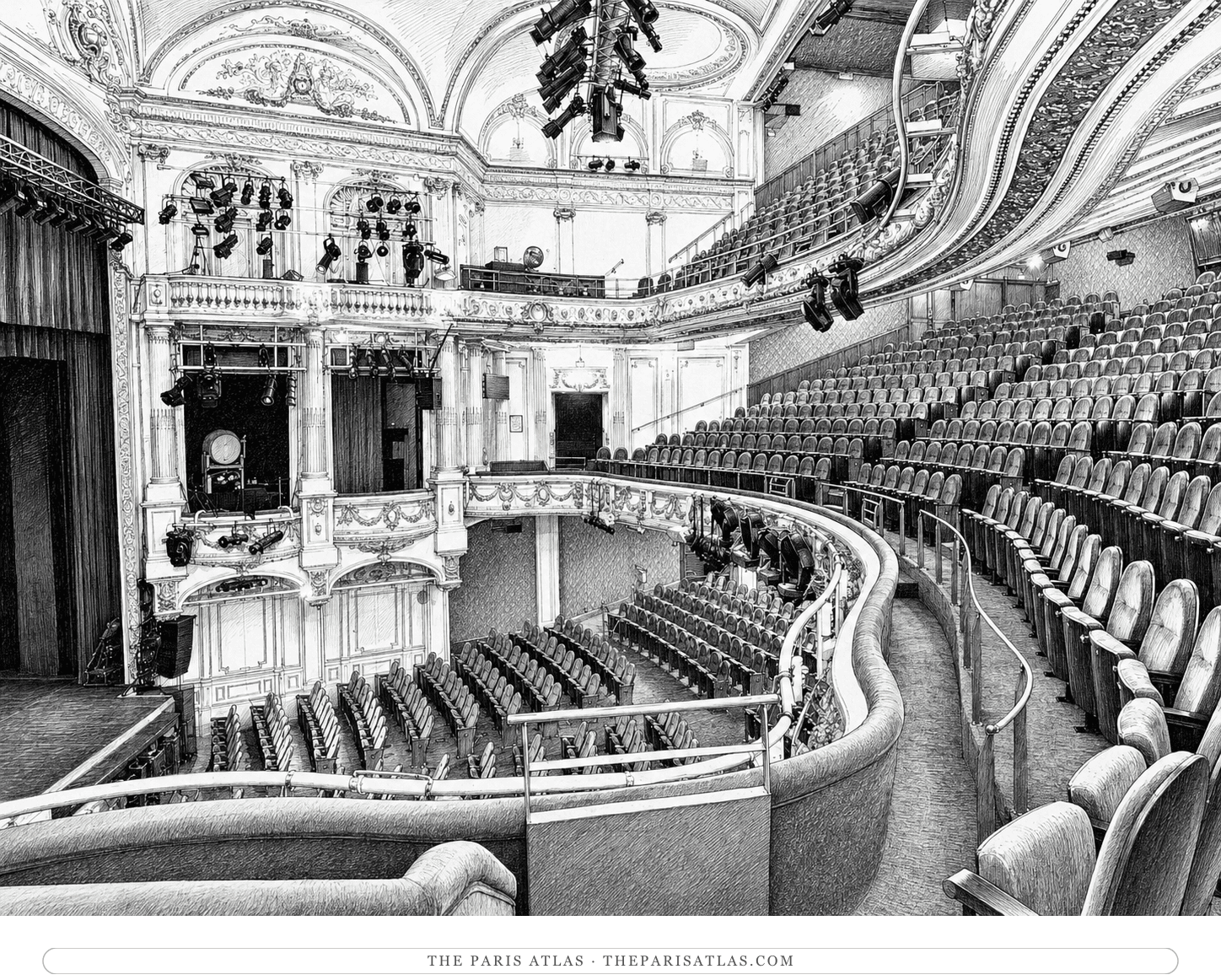
Colette first appeared before a paying Paris audience at the Théâtre des Mathurins, in February 1906. She played a faun in Le Désir, la Chimère et l'Amour, a mimed drama, in performances that ran from the 6th to the 25th. She was thirty-three, still married to the writer Willy, who had published the Claudine novels under his own name, and the stage was how she began to earn a living and a public identity of her own.
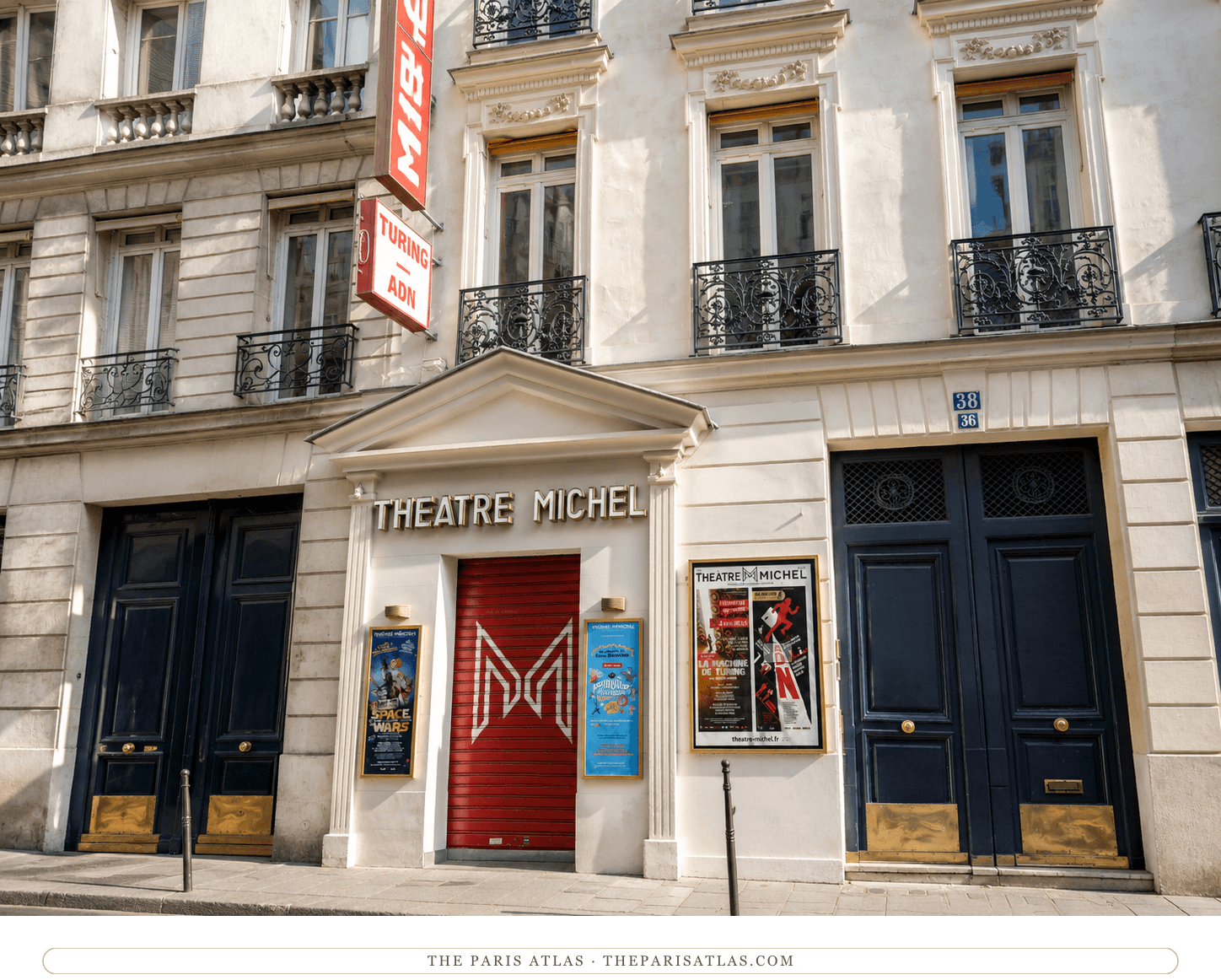
The engagement launched a run of pantomime and music-hall work across 1906 and 1907 — the Olympia, the Théâtre Marigny, the Moulin Rouge — that made her, for a few years, a professional performer as much as a writer. The theatre opened in 1897 and still operates on the rue des Mathurins in the 8th arrondissement.
The Théâtre des Mathurins opens.
Colette makes her public stage debut here, 6–25 February, in a mimed role.
A run of music-hall engagements follows at the Olympia, the Marigny and the Moulin Rouge.
Performed here · 1906
Colette's public stage debut: she played a faun in the mimed drama Le Désir, la Chimère et l'Amour, 6–25 February 1906.

Frequented by · 1956
Camus adapted Faulkner's Requiem for a Nun for the Théâtre des Mathurins in 1956 — one of several Paris theatres he worked in as an adapter and director as well as a novelist.
Where the stage version of Chéri premiered in 1921, and where Colette herself played Léa at its hundredth performance.
Visit the place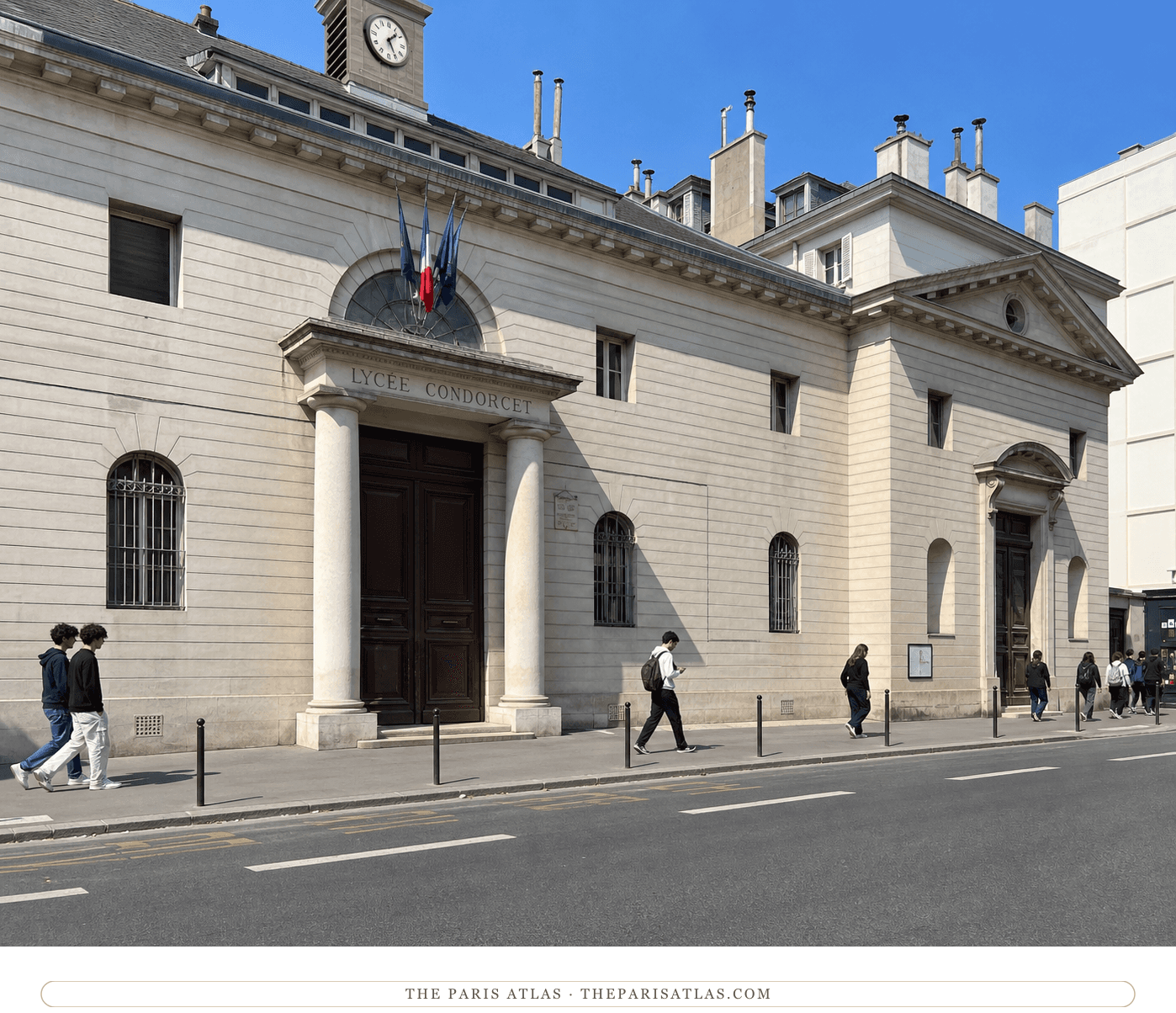
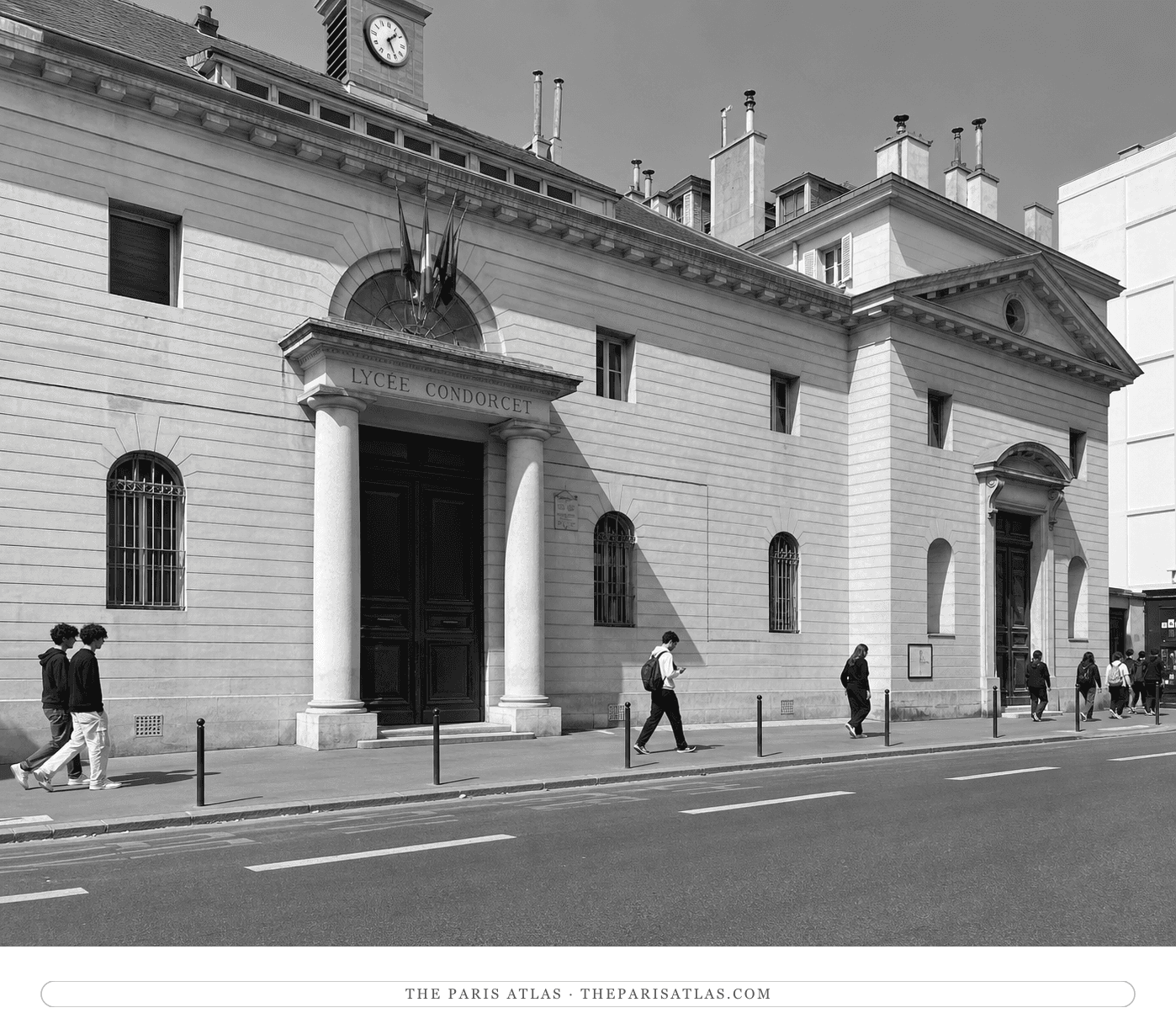
One of the oldest and most prestigious lycées in Paris, by the Gare Saint-Lazare. Marcel Proust was a pupil here, and it is where his first writing was done — in small magazines produced with schoolfriends.
Visit the place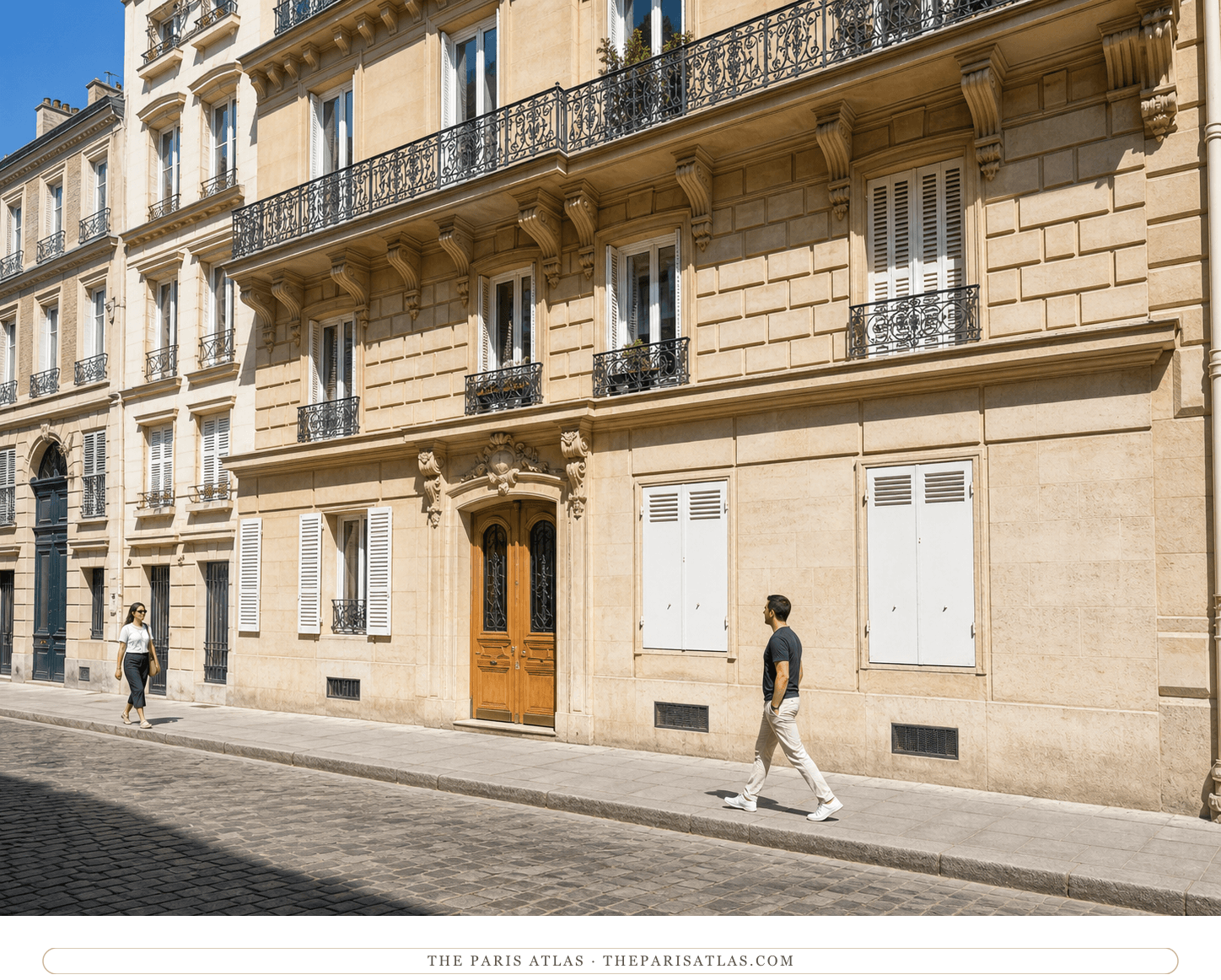
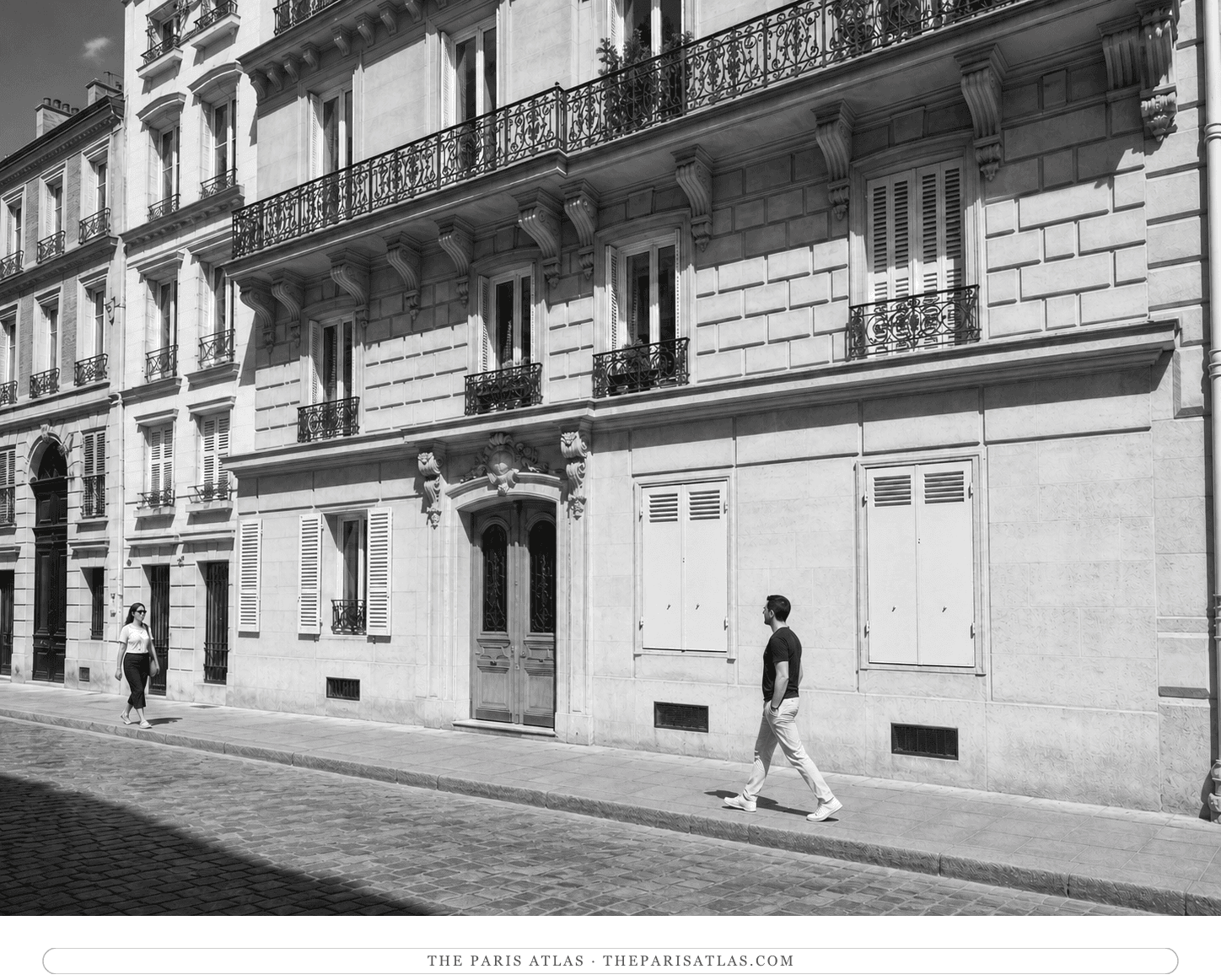
The studio Édouard Manet kept from around 1856 to 1859, in the first years after he left Thomas Couture's teaching and began working on his own.
Visit the place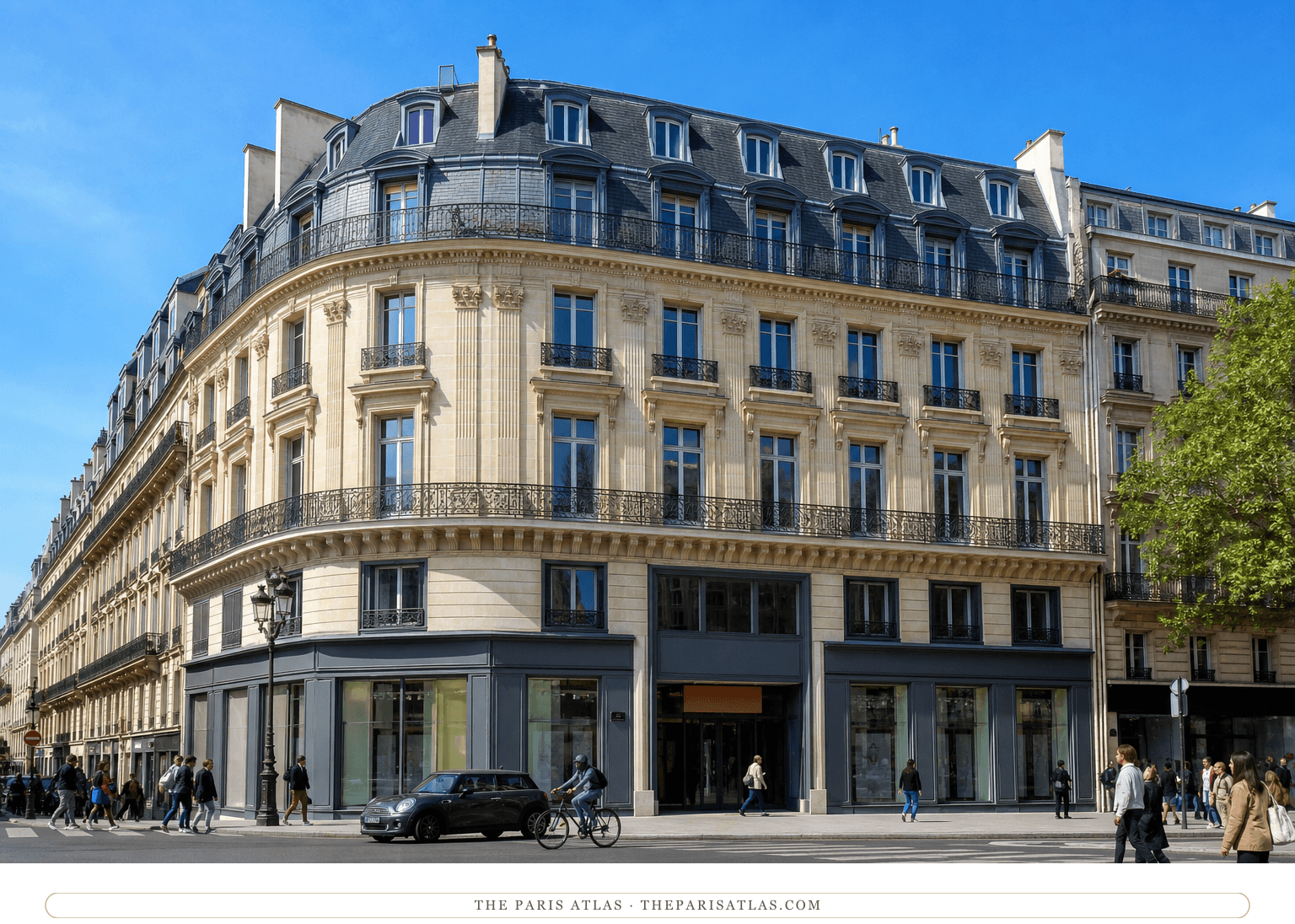
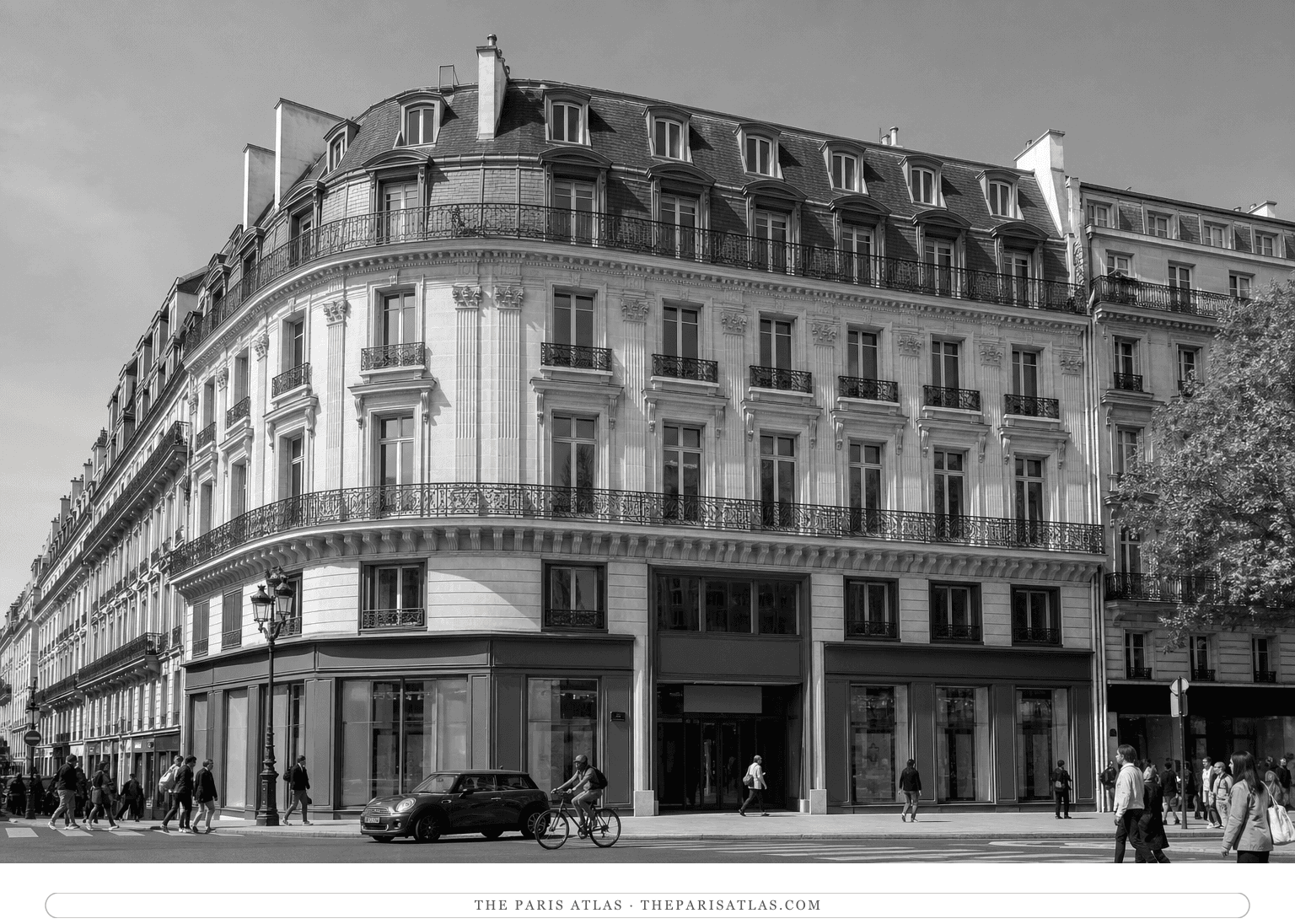
The flat where Marcel Proust wrote most of In Search of Lost Time, in a bedroom he had lined with cork to keep the noise of the boulevard out. He moved in on 27 December 1906, after his parents' deaths, and stayed thirteen years. The room itself is now reassembled at the Musée Carnavalet.
Visit the placeThe sources below include histories, archival materials, scholarly research, and official records that informed this page. They document Théâtre des Mathurins, the people connected to it, and its place in Paris.


Web source consulted for documented facts and historical context presented on the Théâtre des Mathurins page.
The theatre's own history of the house: the hall rebuilt in 1897-1898 and inaugurated under Marguerite Deval, and its successive directors.

Map data used to verify addresses, geographic coordinates, and the placement associated with Théâtre des Mathurins.
Web source consulted for documented facts and historical context presented on the Théâtre des Mathurins page.
These references provide the documented foundation for this page's history and context. Claim-level citations remain attached to the specific claims they support.
 Explore more resources
Newsletter
The cafés, studios, and walk-up flats where the work was made — one story from the map in every letter.