The place, briefly
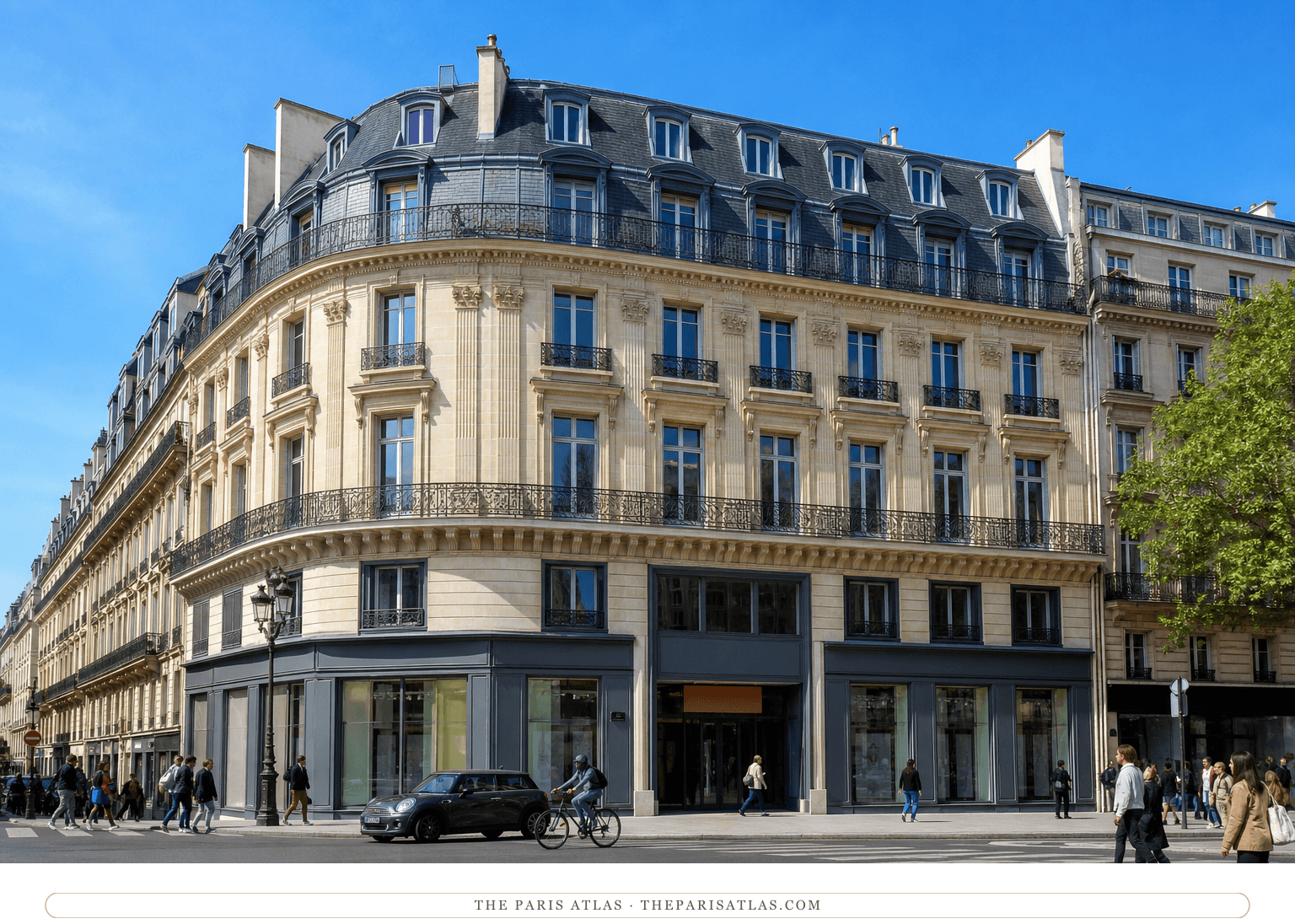
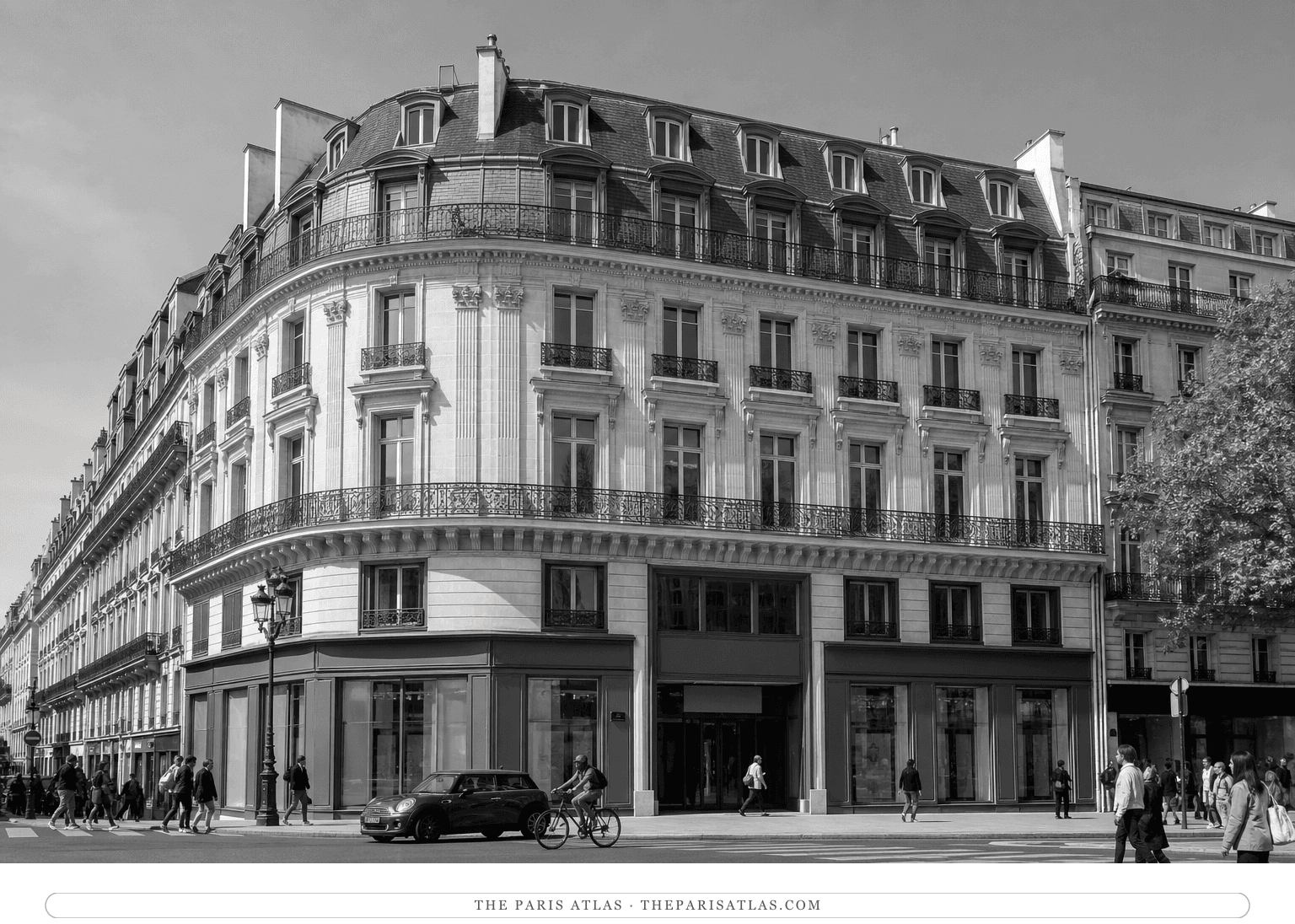
Marcel Proust moved into 102 boulevard Haussmann on 27 December 1906. Both his parents were dead — his father in 1903, his mother in 1905 — and the move was into a building his family already had connections to, in the eighth arrondissement he had grown up in.[1]
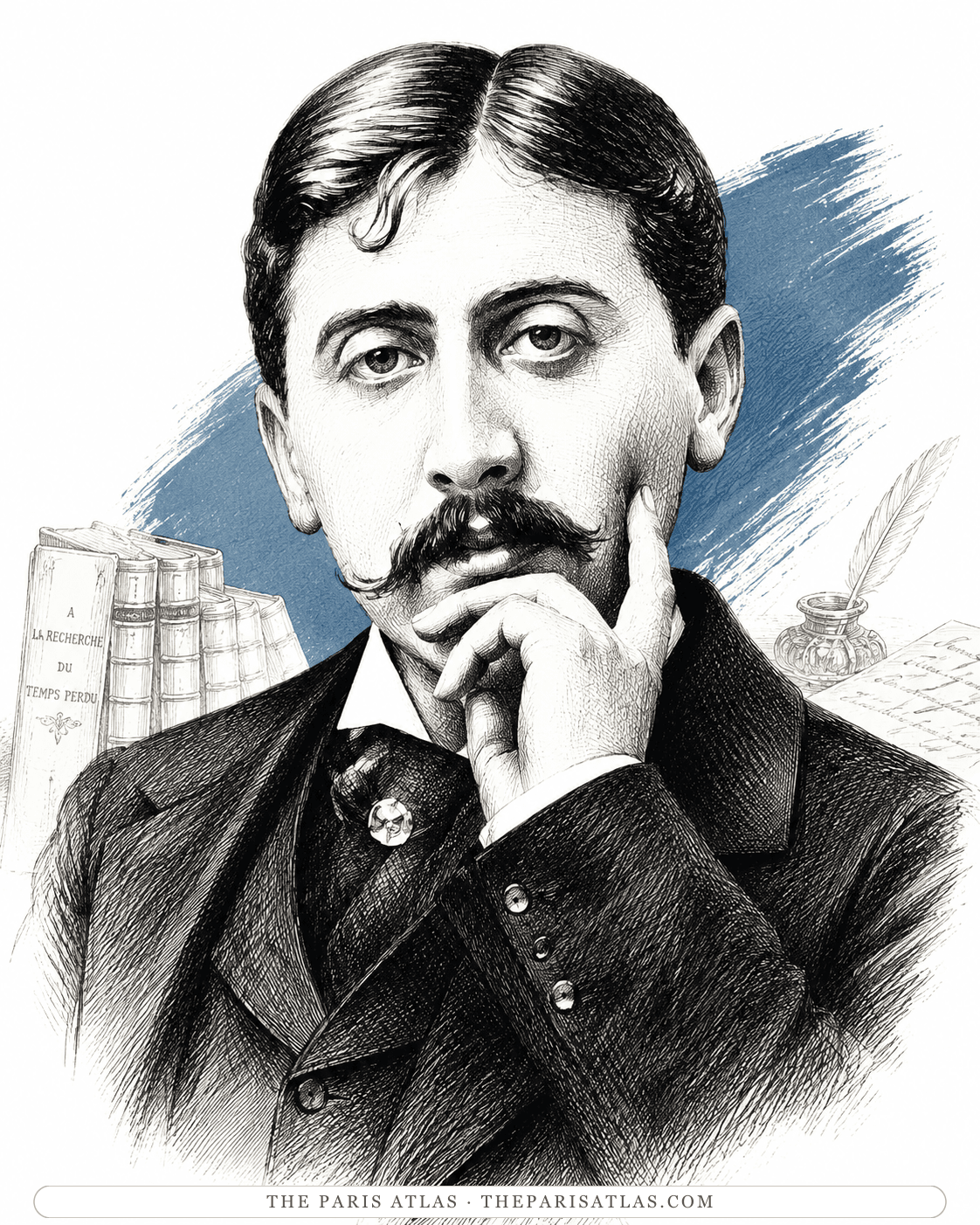
He stayed thirteen years, and in that time he became the writer everyone means by his name. The great work of In Search of Lost Time was conceived and largely written here.[1]
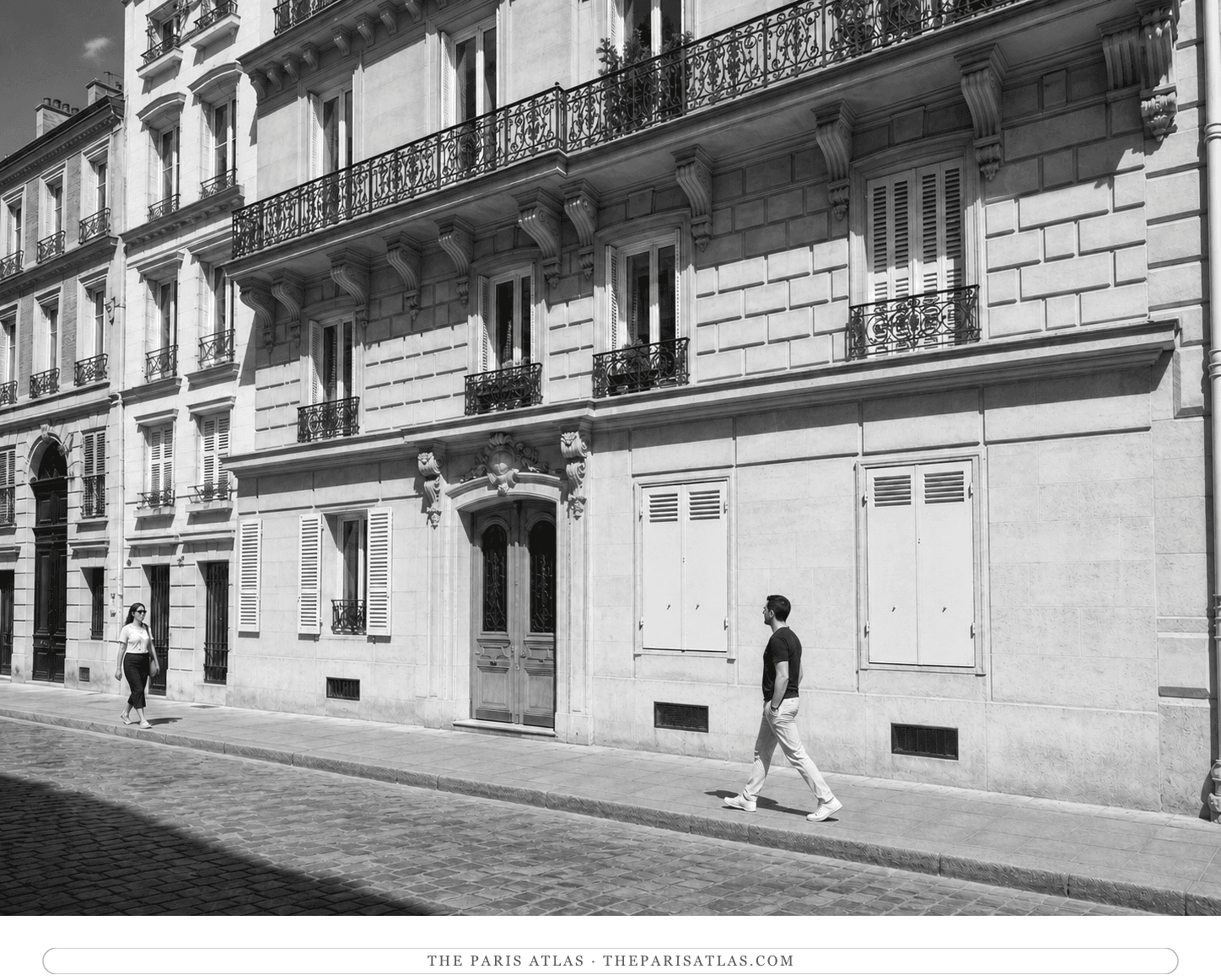
The cork is the detail everyone knows and it deserves explaining, because it was not an affectation. Proust's asthma was severe and his sleep was inverted — he worked at night and slept through the day — and the boulevard Haussmann is a wide, loud Haussmannian street with traffic on it at all hours. So he had the bedroom walls lined with cork to deaden the sound, kept the curtains shut, and wrote in bed.[2]
The result was one of the most extreme working arrangements in literature: a man in his thirties and forties, indoors, largely nocturnal, reconstructing an entire society from memory in a sealed room a few metres from one of the busiest streets in Paris. The novel's obsession with time and recall was written by someone who had removed himself from both daylight and noise in order to do it.[2]
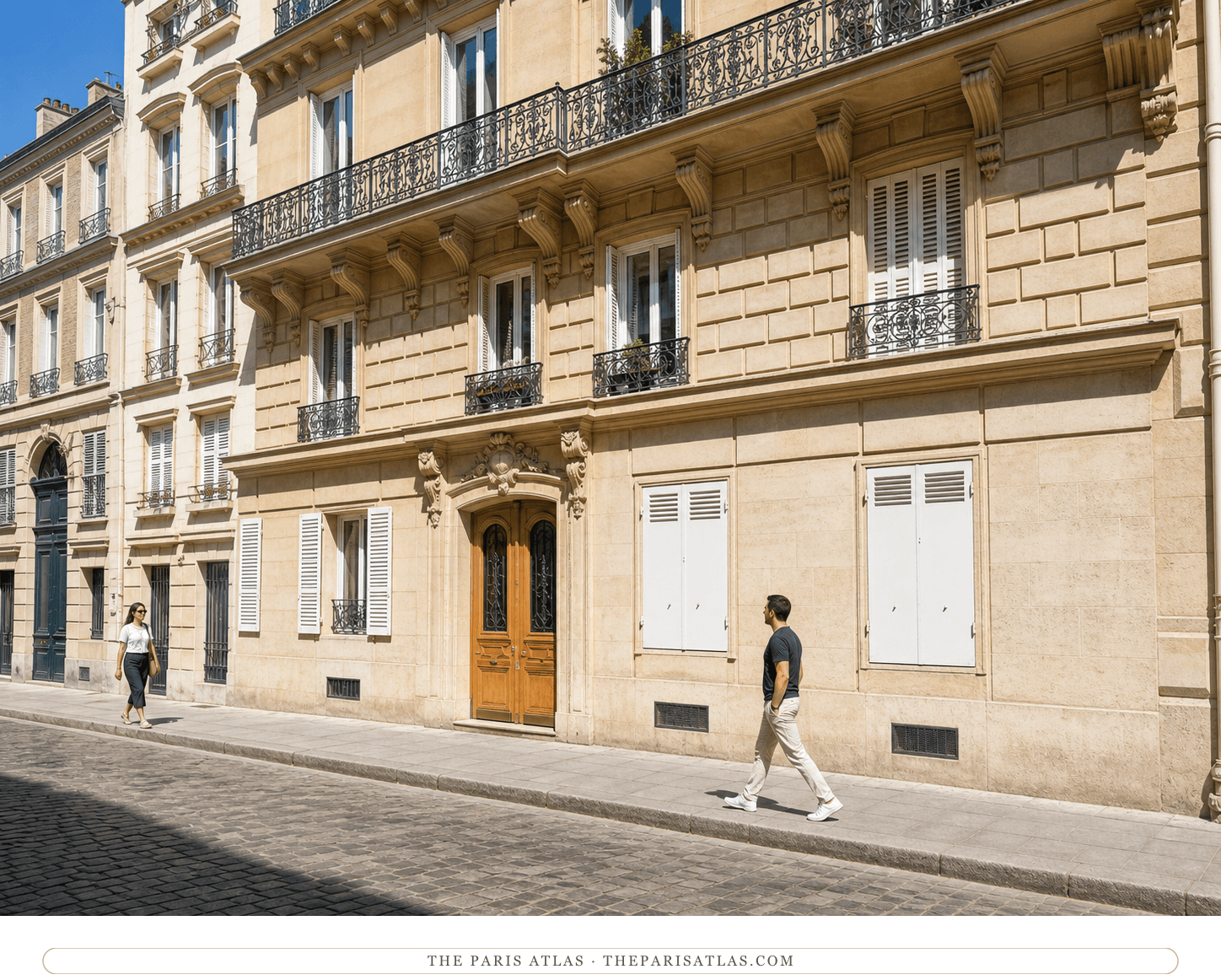
In early 1919 the building was sold, and he had to leave. He moved to 44 rue de l'Amiral-Hamelin, which he called an ignoble hovel, and died there in 1922.[1]
The flat is private and there is nothing to see from the street but the façade. The room, however, survives: the Musée Carnavalet holds and displays Proust's bedroom — the furniture and the cork — reassembled, which is as close as anyone can now get to standing in it.[3]


 View source