The Paris AtlasCharting the artists, works, and places worth returning to.
  • Painter
· French · 1841–1895

Berthe Morisot

Founding Impressionist who showed in seven of the group's eight exhibitions — more than anyone but Pissarro — and whose largest collection now hangs at the Musée Marmottan Monet.

In images

Details

Lived
1841–1895
Born
1841
Birthplace
Bourges
Died
1895
Place of death
Paris
Nationality
French
Roles
Painter

About Berthe Morisot

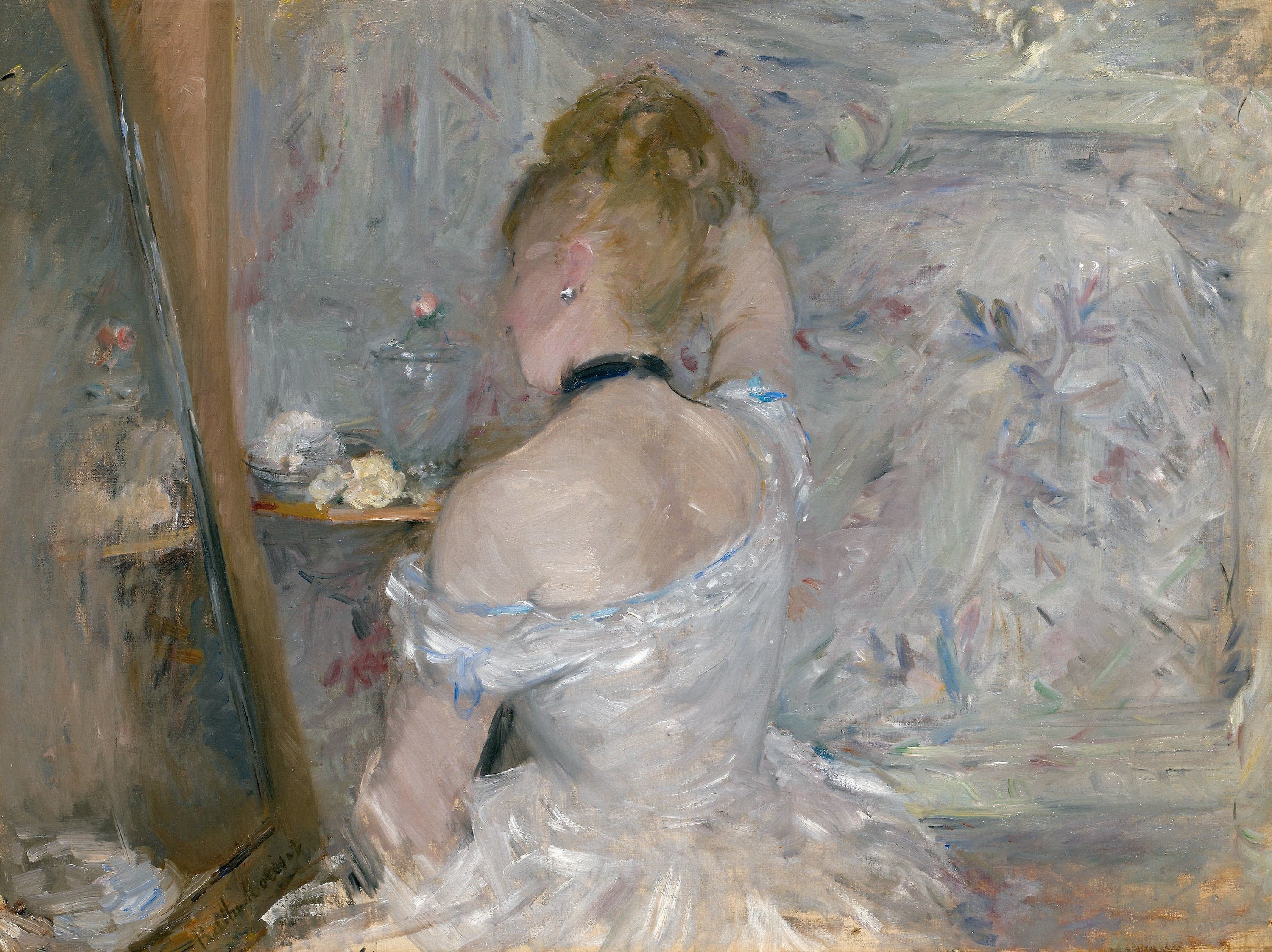
Berthe Morisot was in the first Impressionist exhibition of 1874 and in every one after it except one. Of the painters who built Impressionism, only Camille Pissarro showed more often, yet for a century she was easier to find in other painters' pictures — Édouard Manet painted her fourteen times — than in the museums.

This page follows her through the movement she helped found: the 1874 exhibition and The Cradle, the Manet household she married into, the Passy interiors and gardens that were her subjects, and the family bequest that made the Musée Marmottan Monet the largest collection of her work anywhere.

Trained seriously, exhibited early

Morisot was born in Bourges in 1841 into a prosperous bourgeois family that moved to Passy, in western Paris, in her childhood. Unusually, her mother treated her daughters' art lessons as more than an accomplishment: Berthe copied old masters at the Louvre and studied plein-air painting under Camille Corot. In 1864, at twenty-three, she had work accepted at the Paris Salon, and she showed there regularly through the rest of the decade.

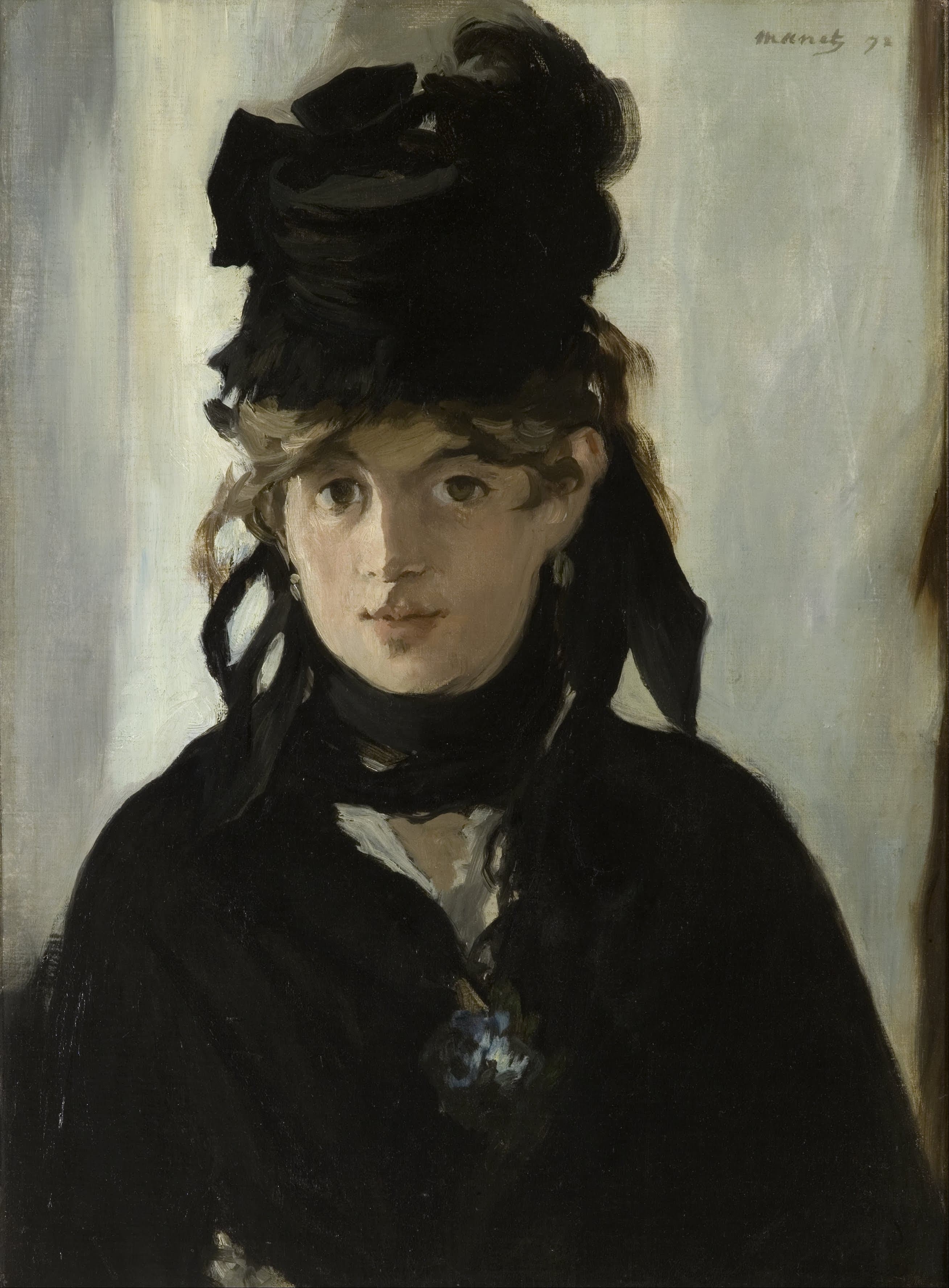
In 1868 she met Édouard Manet, and the acquaintance reshaped both careers. He painted her fourteen times over the following years — the portrait with a bouquet of violets at the Musée d'Orsay is the best known — and she was never his student. The influence ran in both directions.

Manet's Berthe Morisot with a Bouquet of Violets, 1872. He painted her fourteen times; she married his brother. (Édouard Manet (Musée d'Orsay), via Wikimedia Commons · Public domain)

Seven of the eight exhibitions

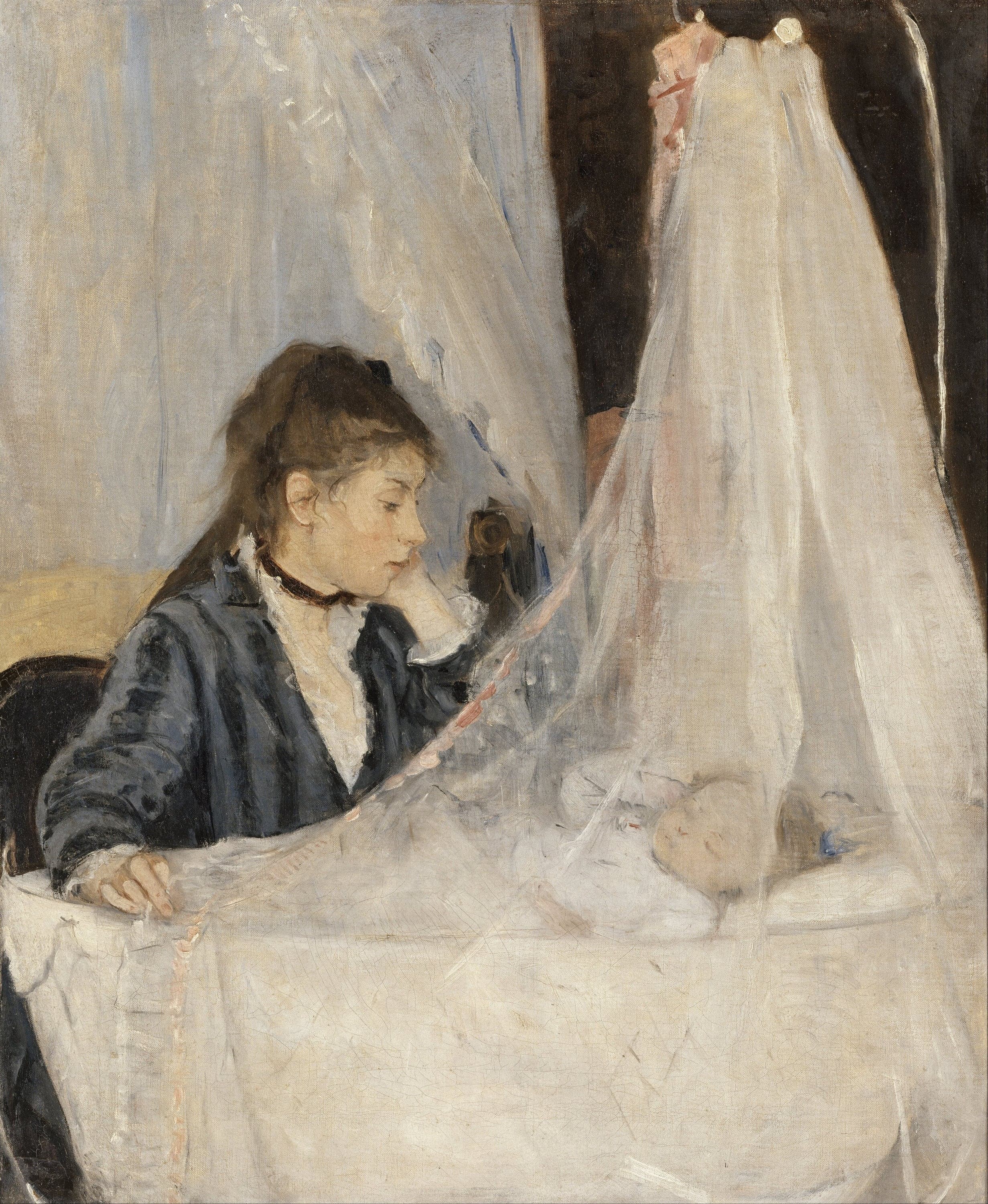
When the independents organized their first exhibition in April 1874, Morisot was invited and accepted, setting aside the Salon that had already taken her work. She hung The Cradle — a mother watching her sleeping child through a veil of muslin — in the rooms on the boulevard des Capucines where Louis Leroy coined 'Impressionist' as an insult.

The Cradle, 1872, now at the Musée d'Orsay — shown at the first exhibition of 1874. (Berthe Morisot (Musée d'Orsay), via Wikimedia Commons · Public domain)

She then showed in every exhibition the group held except the fourth, in 1879, months after her daughter's birth — the reason usually suggested for her one absence. Only Camille Pissarro, present at all eight, appeared more often. She was one of the artists who constituted Impressionism, exhibition by exhibition, from the first room to the last.

The Manet household and Passy

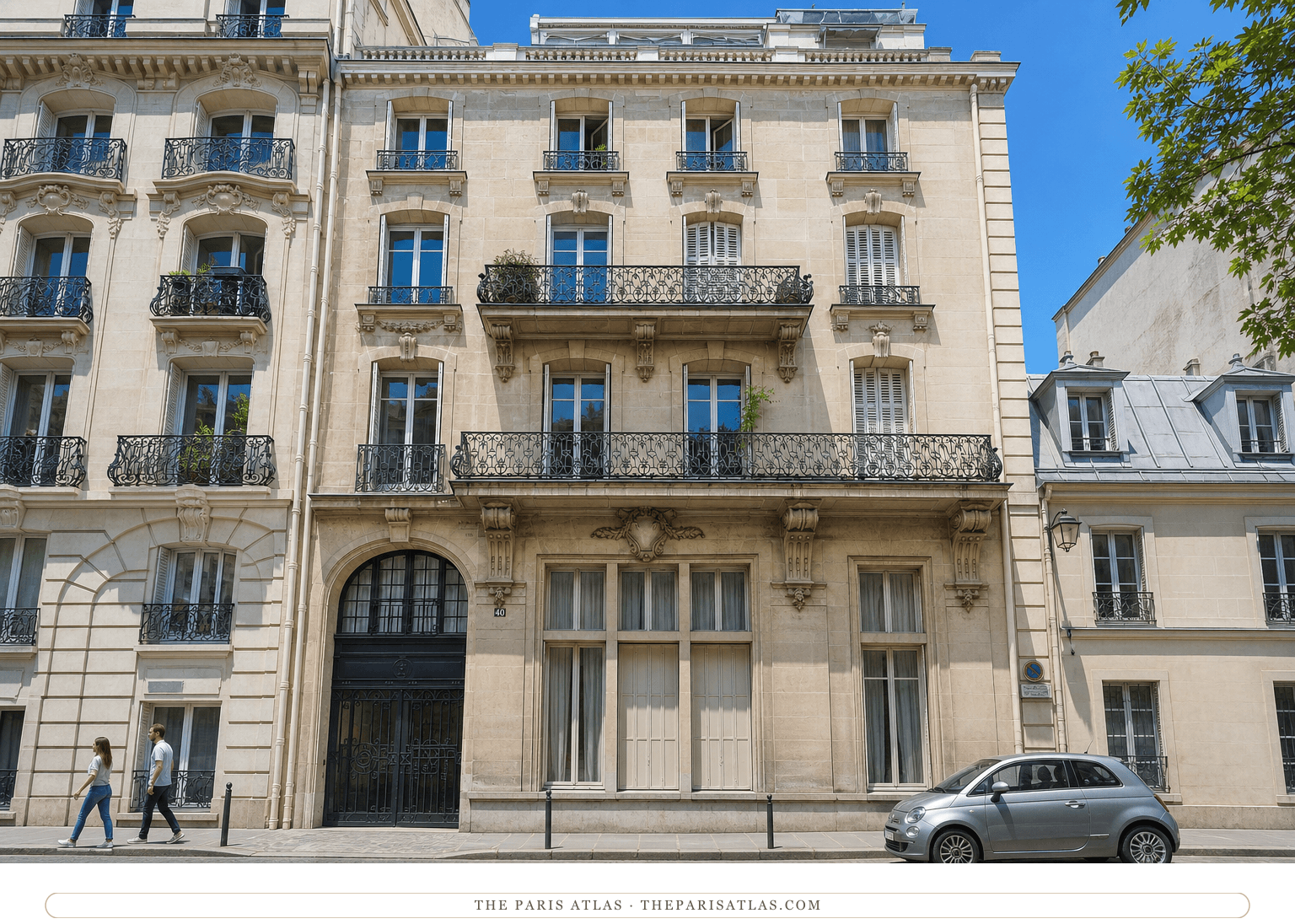
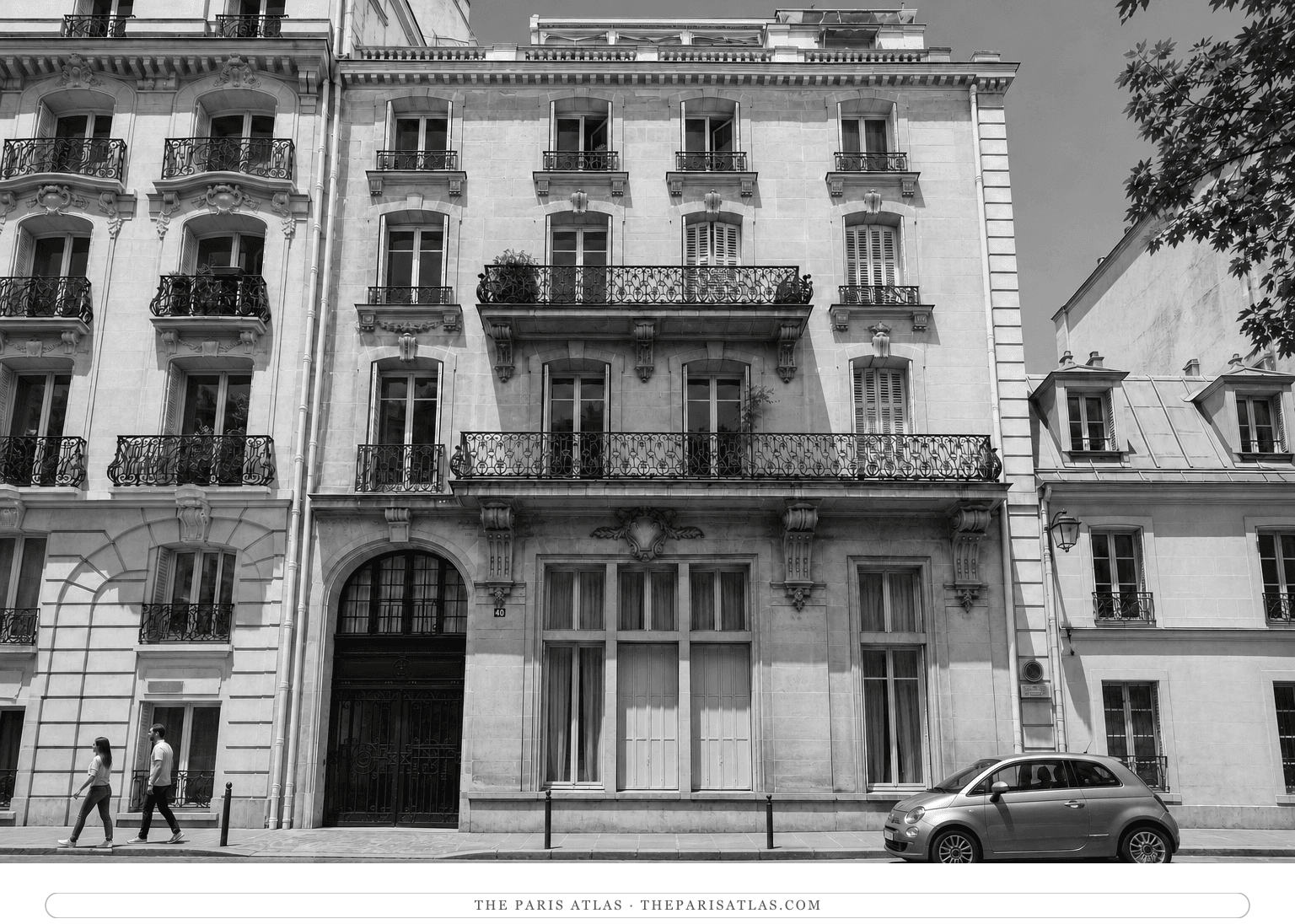
On 22 December 1874, the year of the first exhibition, Morisot married Eugène Manet, Édouard's younger brother. Their daughter Julie was born on 14 November 1878, and the family later built a house at 40 rue de Villejust, near the Bois de Boulogne.

Her subjects were the modern life she had access to paint: interiors, gardens, women reading or at the toilette, Julie at every age. Critics praised the work in gendered terms — spontaneity, delicacy, a 'feminine' eye — and that language followed her reputation for a century. The paintings themselves are fast and decisive, and late canvases like Le Cerisier, now at the Marmottan, are looser still.

Death, and the family's long answer

In the winter of 1895 Julie caught influenza, and Morisot, nursing her, developed pneumonia. She died in Paris on 2 March 1895, at fifty-four, and was buried beside Eugène and Édouard Manet. Julie, sixteen, was left in the care of the circle her mother had gathered; her diary of those years became one of the movement's essential documents.

Poor Madame Morisot, the public hardly knows her!

Camille Pissarro, on her death in 1895

The public knows her now largely because her family kept the work together. In 1993 the descendants of Julie Manet — the Rouart family — bequeathed twenty-five oil paintings and some seventy-five watercolours, with pastels and drawings, to the Musée Marmottan Monet, which calls it the world's leading collection of her work. The Cradle hangs at the Musée d'Orsay; most of the rest is in the house by the Ranelagh gardens.

Life events

  1. 1841

    Born in Bourges; the family settles in Passy, in western Paris, during her childhood.

    Berthe Morisot — Artist Profile

  2. 1864

    First accepted at the Paris Salon, where she shows regularly through the decade.

    Berthe Morisot — Artist Profile

  3. 1868

    Meets Édouard Manet, who paints her fourteen times over the following years.

    Édouard Manet (1832–1883) — The Metropolitan Museum of Art; Rachel Cohen, Berthe Morisot comes into her own (2018)

  4. 1874

    Shows The Cradle at the first independent exhibition in April; marries Eugène Manet on 22 December.

    Berthe Morisot, The Cradle, 1872 (Musée d'Orsay) — shown at the first exhibition of 1874, where Morisot became the first woman to exhibit with the group. (Berthe Morisot (Musée d'Orsay), via Wikimedia Commons)

    Berthe Morisot — Artist Profile; Morisot, Berthe (1841–1895)

  5. 1878

    Julie Manet is born on 14 November.

    Morisot, Berthe (1841–1895)

  6. 1879

    Misses the fourth exhibition — the only one of the eight she does not join.

    Morisot, Berthe (1841–1895)

  7. 1886

    Shows in the eighth and final Impressionist exhibition.

    Morisot, Berthe (1841–1895)

  8. 1895

    Dies of pneumonia in Paris on 2 March, at fifty-four, after nursing Julie through influenza.

    Morisot, Berthe (1841–1895)

  9. 1993

    The Rouart bequest brings the world's leading collection of her work to the Musée Marmottan Monet.

    The museum and its history — Musée Marmottan Monet; Berthe Morisot — Musée Marmottan Monet

People they knew

Documented connections — every one carries its source.

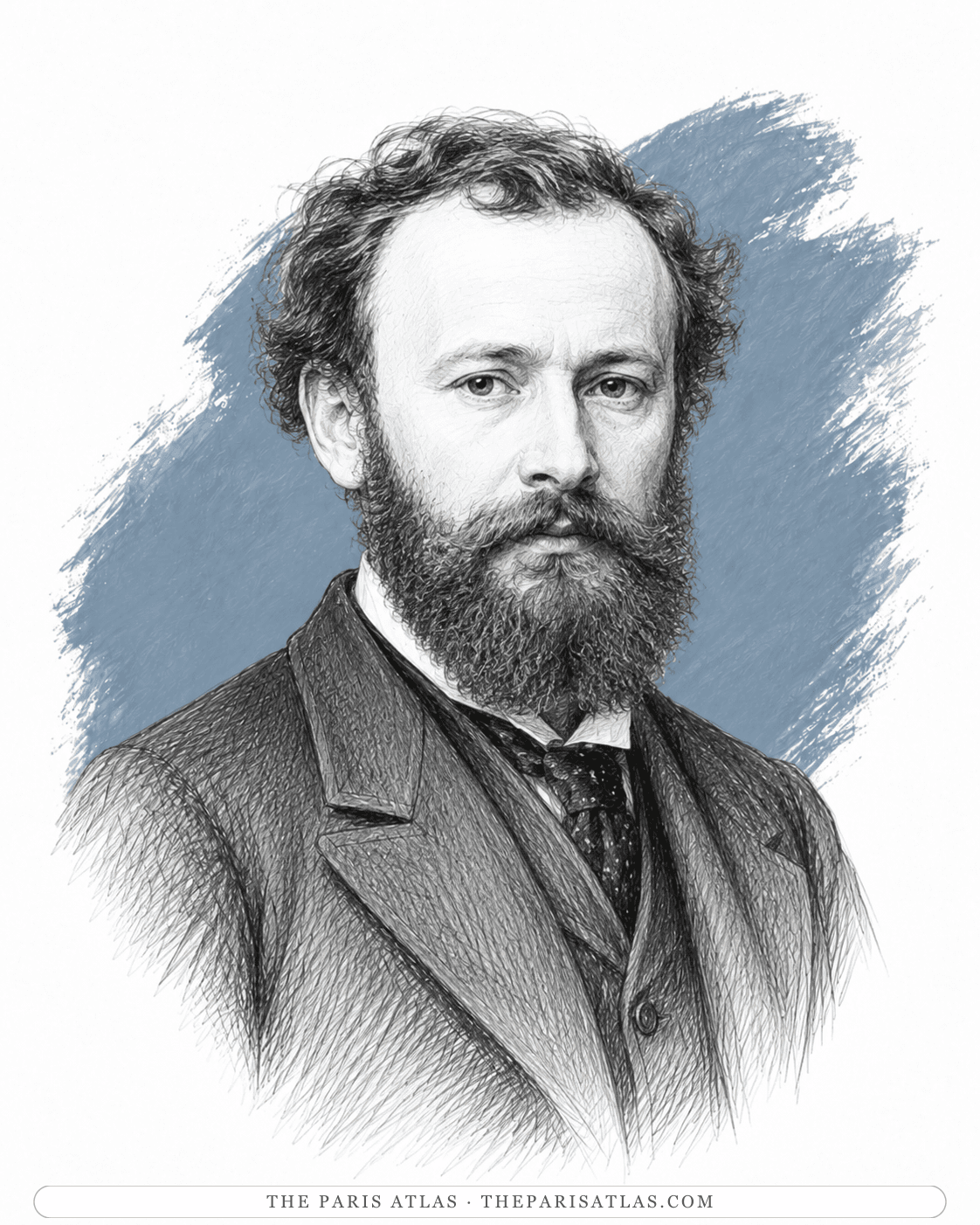
Illustrated portrait of Édouard Manet

Édouard Manet

  • Painter

Met

The Met records the friendship plainly: Manet befriended Morisot, and she eventually married his younger brother Eugène. The Orsay catalogues her as 'Berthe Morisot (Madame Eugène Manet).'

Édouard Manet (1832–1883) — The Metropolitan Museum of Art; Le Berceau (Berthe Morisot) — Musée d'Orsay

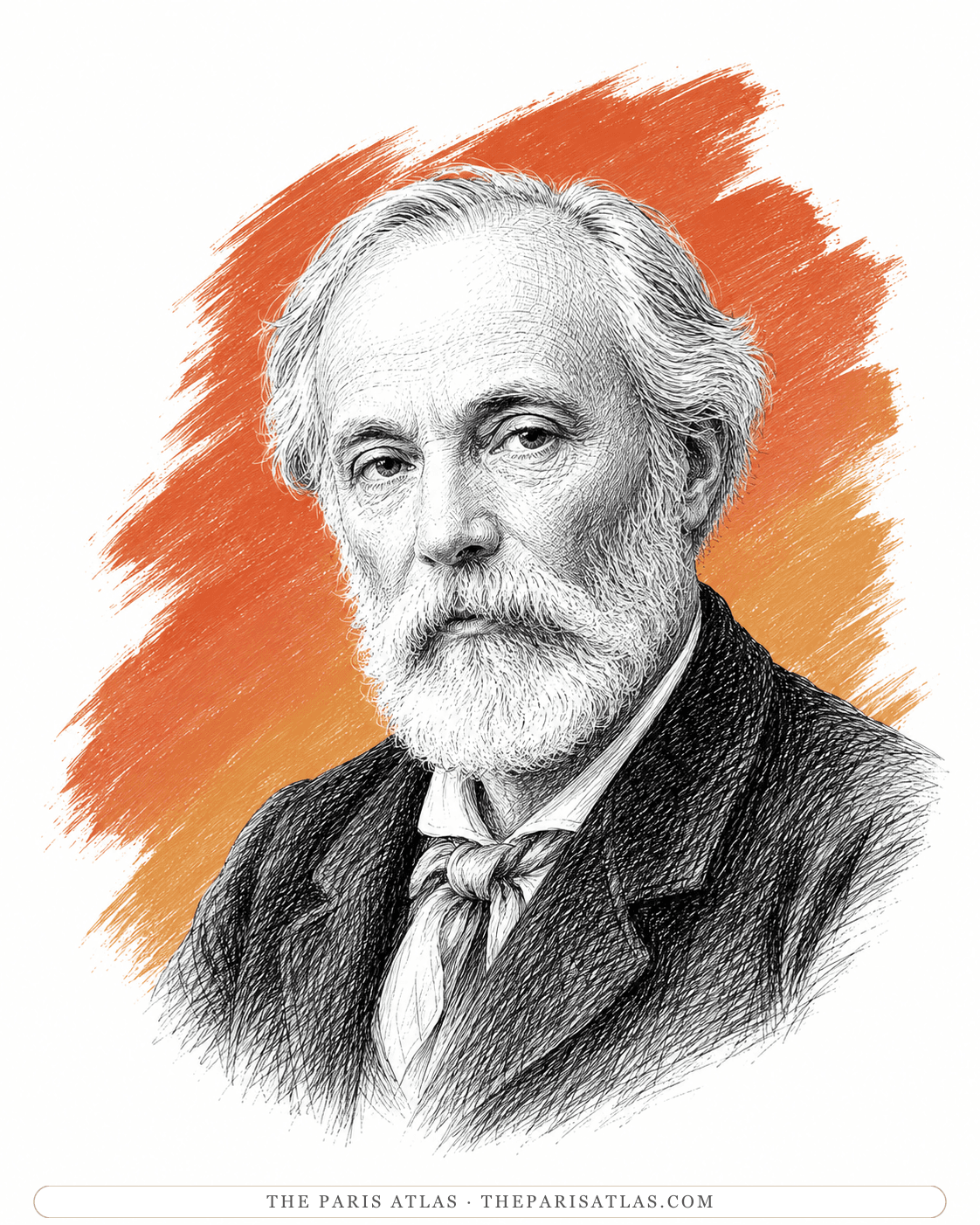
Illustrated portrait of Pierre-Auguste Renoir

Pierre-Auguste Renoir

  • Painter
  • Sculptor

Met

Fellow exhibitors of the independent shows and close family friends: Renoir painted Morisot with her daughter Julie in 1894, and after Morisot's death in 1895 he took the orphaned Julie in for the summer and kept a continuing interest in her welfare.

Philip McCouat, Julie Manet, Renoir and the Dreyfus Affair — Journal of Art in Society

Who they drew from

Influence running inward — the writers and artists whose work fed theirs. Admiration is not acquaintance; these edges claim neither a meeting nor a friendship.

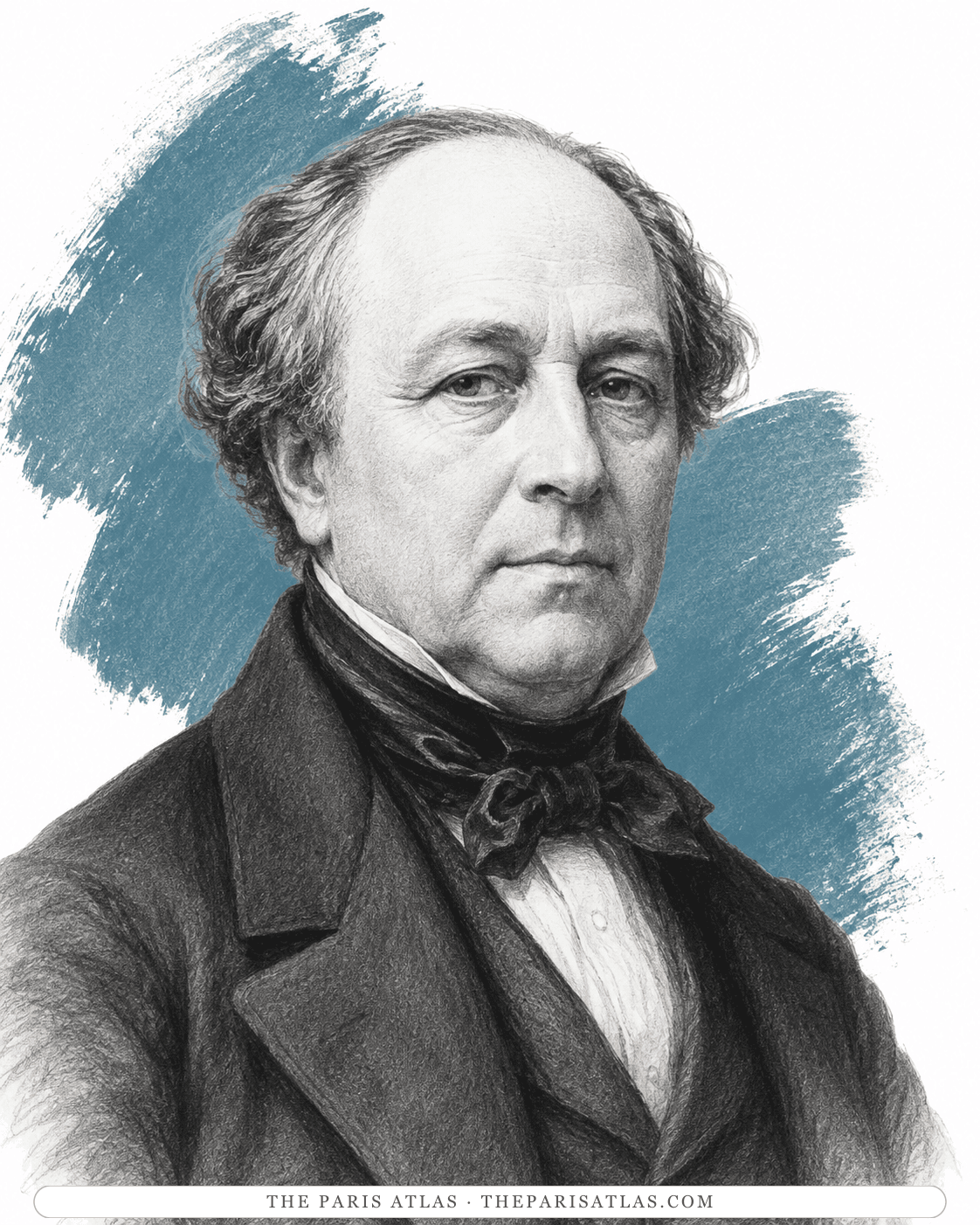
Illustrated portrait of Jean-Baptiste-Camille Corot

Jean-Baptiste-Camille Corot

Corot taught Morisot in the late 1850s and early 1860s, which puts him behind two of the painters who would show at the first Impressionist exhibition.

Pissarro: Father of Impressionism — exhibition press release

Movements

The artistic and literary currents this life ran through.

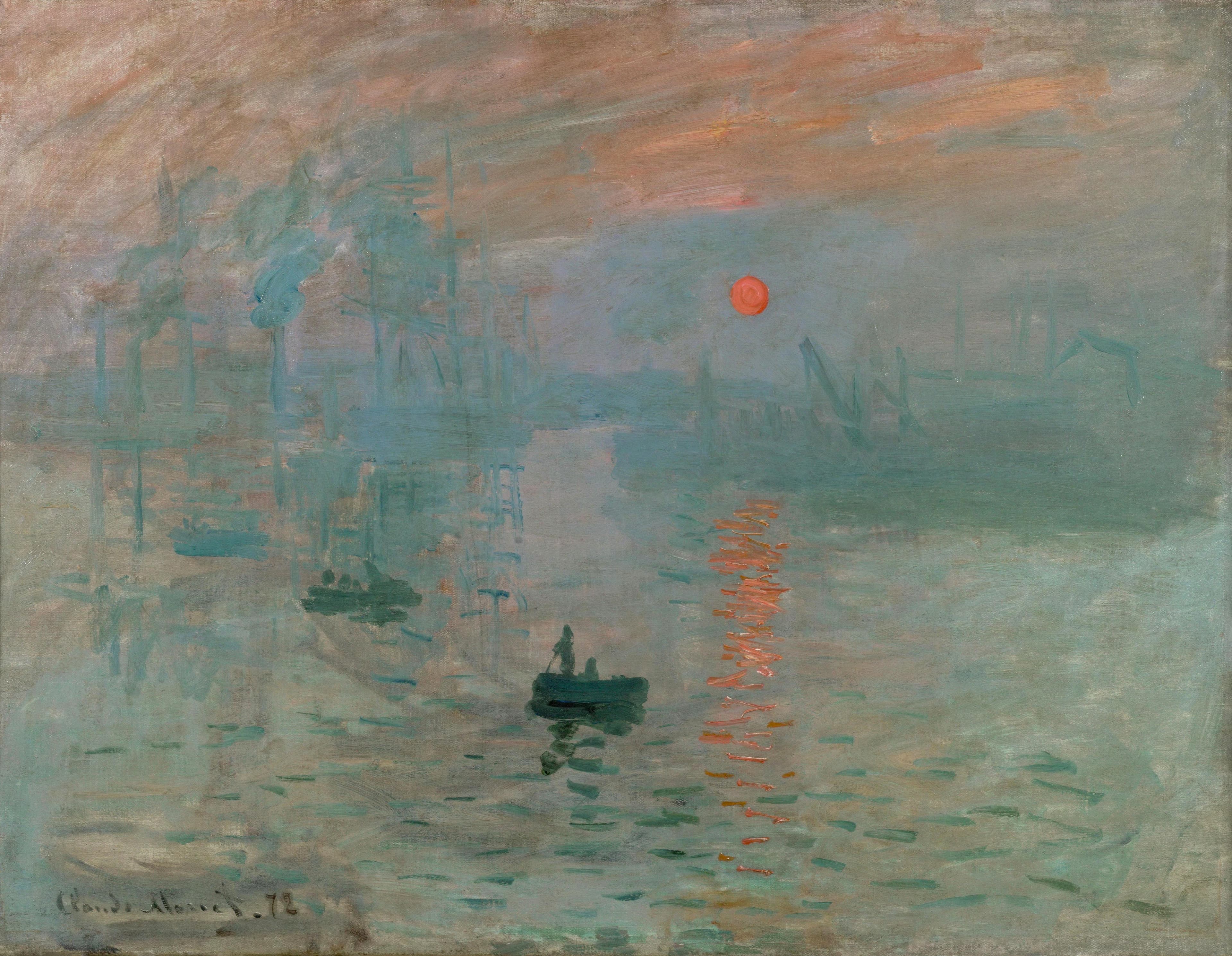
An orange sun over a hazy blue-grey harbor, small boats in the foreground, painted in loose broken strokes

Art movement · 1874–1886

Impressionism

Showed in seven of the eight independent exhibitions — only Pissarro appeared more often.

Impressionism: Art and Modernity — The Metropolitan Museum of Art

Questions about Berthe Morisot

Who was Berthe Morisot?

A founding painter of Impressionism. She showed in seven of the group's eight exhibitions between 1874 and 1886 — only Camille Pissarro appeared in more — painting the interiors, gardens, and family life of modern Paris.

Was Berthe Morisot related to Édouard Manet?

By marriage. She met Manet in 1868, modeled for him repeatedly, and on 22 December 1874 married his younger brother Eugène. She was never Manet's student; the influence between the two painters ran in both directions.

How many Impressionist exhibitions did Morisot show in?

Seven of the eight, missing only the fourth in 1879, months after her daughter Julie's birth. Only Camille Pissarro, who showed in all eight, appeared more often.

What is Morisot's most famous painting?

The Cradle (1872), a mother watching her sleeping child through a muslin veil, shown at the first Impressionist exhibition in 1874 and now at the Musée d'Orsay.

How did Berthe Morisot die?

Of pneumonia, in Paris on 2 March 1895, at fifty-four. She fell ill while nursing her daughter Julie through influenza, and was buried beside her husband Eugène Manet and his brother Édouard.

Where can you see Berthe Morisot's paintings in Paris?

The Musée Marmottan Monet holds the world's leading collection of her work — twenty-five oils and some seventy-five watercolours from the 1993 Rouart family bequest. The Musée d'Orsay holds The Cradle.

Sourced claims

Every connection the graph holds for Berthe, with the evidence behind it.

Associated with · 1874–1886

Impressionism

Showed in seven of the eight independent exhibitions — only Pissarro appeared more often.

Impressionism: Art and Modernity — The Metropolitan Museum of Art

Met

Édouard Manet

The Met records the friendship plainly: Manet befriended Morisot, and she eventually married his younger brother Eugène. The Orsay catalogues her as 'Berthe Morisot (Madame Eugène Manet).'

Édouard Manet (1832–1883) — The Metropolitan Museum of Art; Le Berceau (Berthe Morisot) — Musée d'Orsay

Met

Pierre-Auguste Renoir

Fellow exhibitors of the independent shows and close family friends: Renoir painted Morisot with her daughter Julie in 1894, and after Morisot's death in 1895 he took the orphaned Julie in for the summer and kept a continuing interest in her welfare.

Philip McCouat, Julie Manet, Renoir and the Dreyfus Affair — Journal of Art in Society

Influenced by

Jean-Baptiste-Camille Corot

Corot taught Morisot in the late 1850s and early 1860s, which puts him behind two of the painters who would show at the first Impressionist exhibition.

Pissarro: Father of Impressionism — exhibition press release