Woman at Her Toilette
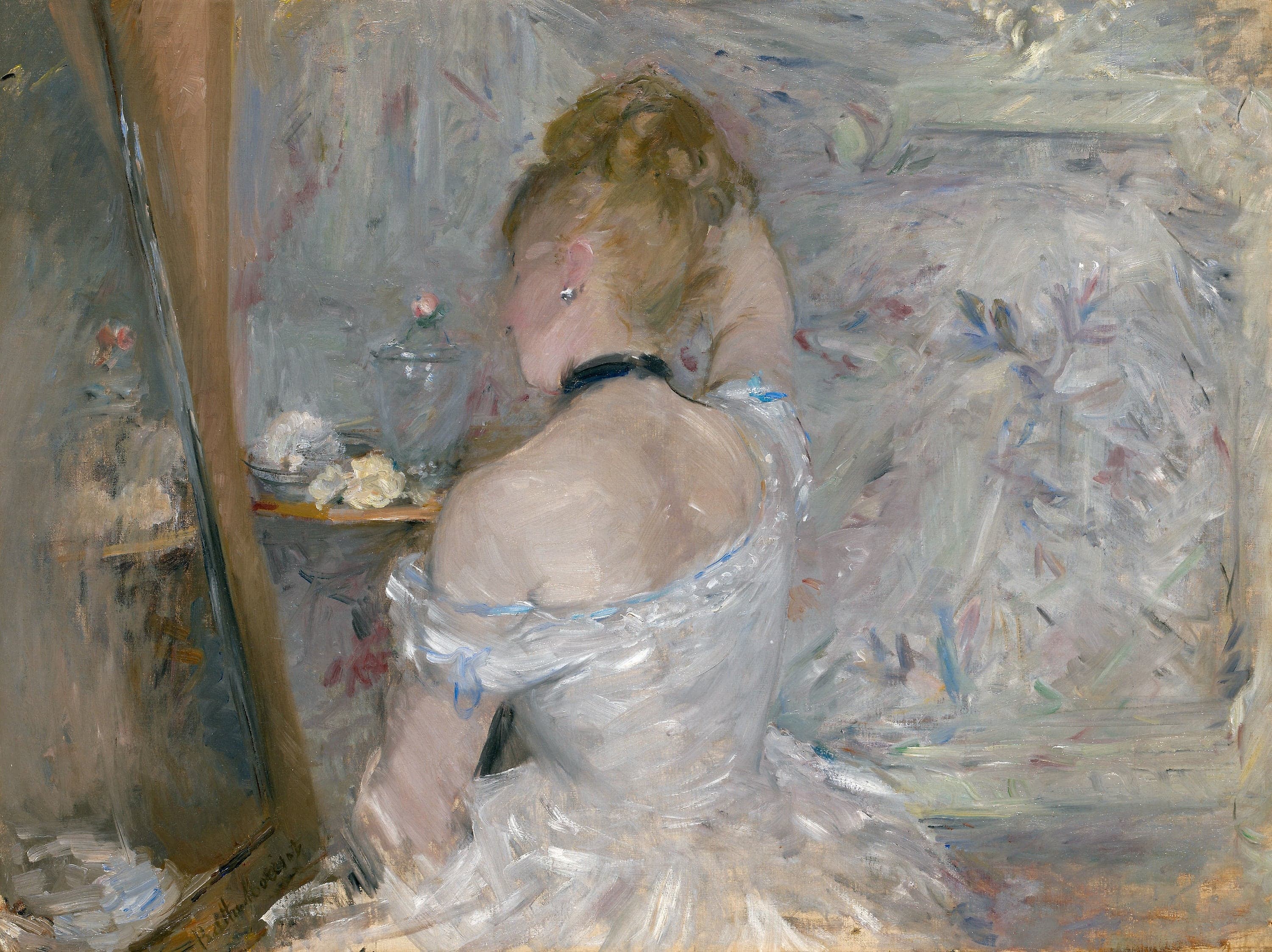
A woman sits with her back to the viewer at a dressing table, in a pale off-the-shoulder dress and a black velvet ribbon, one arm raised toward her hair. Berthe Morisot painted her between 1875 and 1880 in strokes so thin and open that the mirror on the left gives back almost nothing. The Art Institute of Chicago has had the canvas since 1924; Mary Cassatt owned it in 1896.
- 1875–80
- Oil on canvas
- Art Institute of ChicagoChicago, Illinois, United States
About Berthe Morisot
What the painting shows
The figure is seen from behind and slightly to the side, seated, her head turned to the left in profile. Her fair hair is pinned up, an earring catches the light at her ear, and a narrow black ribbon runs around her throat. The dress is white and pale gray, off the shoulder, with light blue ribbon bows at the sleeves.
A tall mirror stands at the left, running the full height of the canvas. Its glass is a dim gray, and a band of warm brown marks the frame. To its right, on a narrow table, are a lidded glass pot with a pink rose above it, a shallow dish holding a white powder puff, and cream-yellow flowers lying along the table edge. Everything behind her is loose color: pale lavender, pink, blue and gray, with a few blue-green strokes at the right that read as a flowered wall or bedspread.
The Art Institute of Chicago describes the figure as a Parisienne at her vanity table after a ball, still in her earrings and neck ribbon, reaching up to take down her chignon.[1] The museum gives the canvas as 60.3 by 80.4 centimeters and the inscription as lower left: Berthe Morisot.[2]
The mirror that shows nothing
A woman at a mirror was a standard subject, and it usually carried a standard meaning: vanity. The Art Institute's reading is that Morisot blocks it. She painted the mirror in the same soft, open handling as the rest of the picture, so the reflection never resolves, and the moral point has nothing to attach to.[1]
The signature is part of that. Morisot signed her name along the bottom of the mirror rather than in a corner of the canvas. The museum suggests the placement may mean the figure stands in for the artist.[1] It is a suggestion, not a documented identification, and no sitter is named in the record.
The handling is what critics of the 1870s and 1880s argued about. One reviewer at the 1880 Impressionist exhibition asked why, with her talent, Morisot did not take the trouble to finish; another dismissed her pictures as promises of paintings that would never be done.[3]
The fifth Impressionist exhibition, 1880
The Art Institute records the painting in the fifth Impressionist exhibition in Paris in 1880, as catalogue number 115, and notes that Morisot's work was well received there. The museum also records a possible earlier showing at the second exhibition in April 1876.[2]
Morisot took part in seven of the eight Impressionist exhibitions: 1874, 1876, 1877, 1880, 1881, 1882 and 1886.[4] Interiors like this one sat alongside her gardens, seaside houses, and paintings of women and children.[5]
From William Merritt Chase to Chicago
The ownership chain runs through two American painters. The Art Institute records the canvas with William Merritt Chase in New York, sold at the American Art Galleries in 1896, and with Mary Cassatt the same year.[2]
It then passed to the dealer Durand-Ruel in Paris by 1905, to Wildenstein & Co. in New York, and to Paul Rosenberg, who sold it to the Art Institute of Chicago in 1924. It is accession 1924.127, bought with the Stickney Fund.[2]
The painting went on show in Pittsburgh the same year, in an exhibition at the Carnegie Institute that put Morisot beside Édouard Manet and Pierre-Auguste Renoir.[2]
Close reading
Reading the work, detail by detail
The sitter has her back to us and the mirror returns no face. These six views follow the shoulders, the black ribbon, the dressing table and the signature Berthe Morisot laid along the mirror's frame.
1.The bare shoulders
The back is the largest area of skin in the picture and it is built from a few long strokes with the drawing left visible under them. Nothing is blended smooth, and the edge where the shoulder meets the background is soft in places.
2.The black neck ribbon
A thin dark ribbon runs around her throat, black at the edges with a stroke of navy through the middle. The Art Institute of Chicago describes the figure as still wearing her evening jewelry after a ball, and this band is the strongest dark accent anywhere in the painting.
3.The earring
The earring is two or three touches of light paint set against a dark one. It sits at the point where the head turns into profile. With the neck ribbon just below it, the two are the only hard edges in an upper half otherwise built from open strokes.
4.The mirror that shows nothing
The mirror is painted in the same thin handling as the rest of the room. A pink dab and some pale forms float in the glass, but no reflected face resolves. The Art Institute reads the choice as breaking the old convention in which a woman at a mirror stands for vanity.
5.The signature on the mirror
The Art Institute records the inscription at the lower left. Berthe Morisot wrote it diagonally along the mirror's frame rather than in a corner of the canvas. The museum suggests the placement may mean the figure is a stand-in for the painter.
6.The dressing table
The objects on the table are laid in with a few loaded strokes: a lidded glass pot, a pink rose, a shallow dish with a powder puff in it, and cream-yellow flowers along the table edge. They are the only still life in the painting, and they are handled no more tightly than the flowered wall behind them.
Timeline
1876
Possibly shown at the second Impressionist exhibition in Paris in April, according to the Art Institute of Chicago's record.
1880
Shown at the fifth Impressionist exhibition in Paris as catalogue number 115, where Morisot's work drew high praise.
1896
Sold from William Merritt Chase's collection at the American Art Galleries, New York, and acquired by Mary Cassatt. Shown the same year in the Morisot memorial exhibition at Durand-Ruel, Paris.
1905
With Durand-Ruel in Paris.
1924
Bought by the Art Institute of Chicago from Paul Rosenberg, New York, with the Stickney Fund. Accession 1924.127.
1987
Included in Berthe Morisot: Impressionist at the National Gallery of Art, Washington, and the Kimbell Art Museum, Fort Worth.
2018
Travels with Berthe Morisot: Woman Impressionist to the Barnes Foundation, the Dallas Museum of Art and the Musée d'Orsay.
2023
Shown in Berthe Morisot: Shaping Impressionism at the Dulwich Picture Gallery, London, and then at the Musée Marmottan Monet, Paris.
Where to see it
Art Institute of Chicago
111 South Michigan Avenue, Chicago, IL 60603, United States
Recorded in Gallery 201. Gallery displays change, so check the official object record before making a special visit.
Plan your visit on the museum’s official website (opens in a new tab)Frequently asked questions
Where is Woman at Her Toilette?
The Art Institute of Chicago, accession number 1924.127, bought with the Stickney Fund. The museum's record places it in Gallery 201. Gallery displays change, so check the object record before making a special trip.
When did Berthe Morisot paint Woman at Her Toilette?
The Art Institute of Chicago dates it 1875 to 1880. The museum records it in the fifth Impressionist exhibition of 1880 as catalogue number 115, and possibly in the second exhibition of April 1876.
How big is Woman at Her Toilette?
60.3 by 80.4 centimeters, about 24 by 32 inches. The museum gives the framed size as 85.8 by 105.5 by 10.5 centimeters.
Where is the signature on Woman at Her Toilette?
Along the bottom of the mirror at the lower left, reading Berthe Morisot. The Art Institute notes that signing there, inside the picture's furniture rather than in a corner, may suggest the woman stands in for the artist.
Why can you not see the sitter's reflection?
Morisot painted the mirror in the same thin, feathery strokes as the rest of the picture, so nothing in it resolves into a face. The Art Institute reads the choice as breaking the old convention of a woman gazing into a mirror as a sign of vanity.
Did Mary Cassatt own Woman at Her Toilette?
Yes. The Art Institute's ownership chain records Mary Cassatt acquiring it in 1896, the year it was sold from William Merritt Chase's collection in New York. It reached Chicago in 1924 through the dealer Paul Rosenberg.
Who is the woman in the painting?
No sitter is named. The Art Institute describes the figure as a fashionable Parisienne at her dressing table after a ball, and raises the possibility that Morisot intended her as a stand-in for herself.
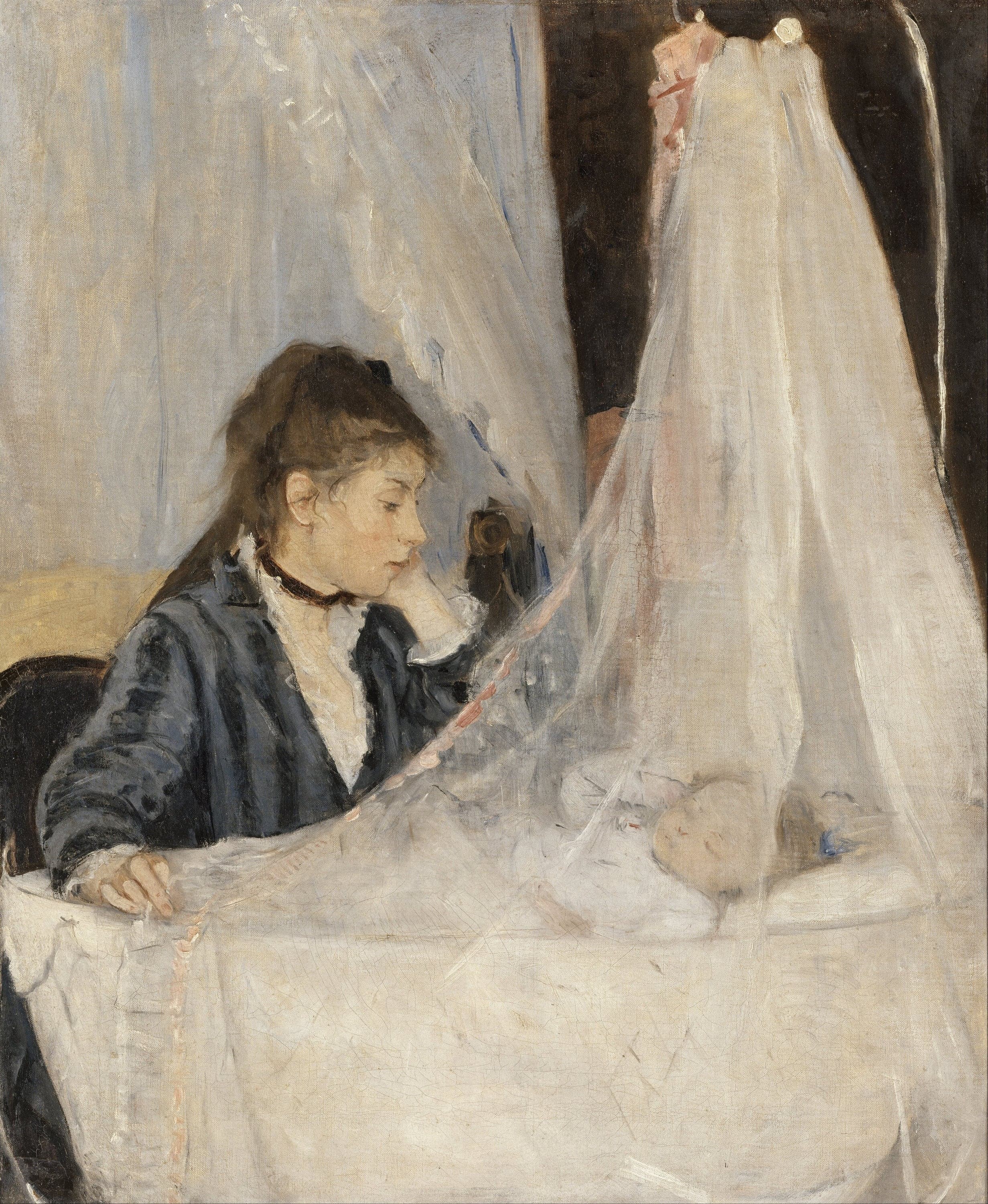
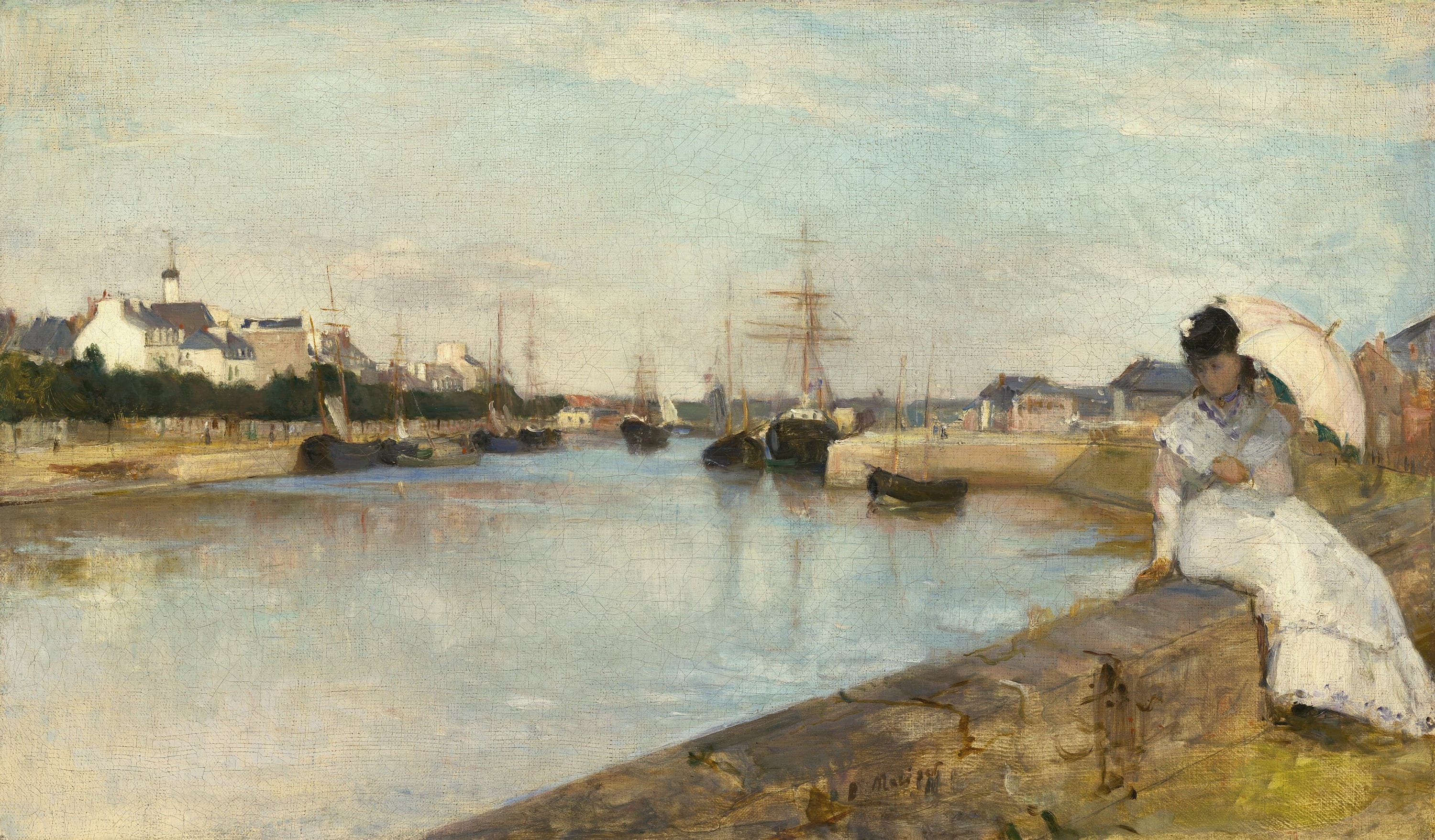
More by Berthe Morisot
If you like Berthe Morisot
Explore painters from the same movements and circles.

Gustave Caillebotte
Painter of Haussmann's geometry and the group's organizer-financier; his bequest of Impressionist paintings forced the French state to take the movement in.
View artist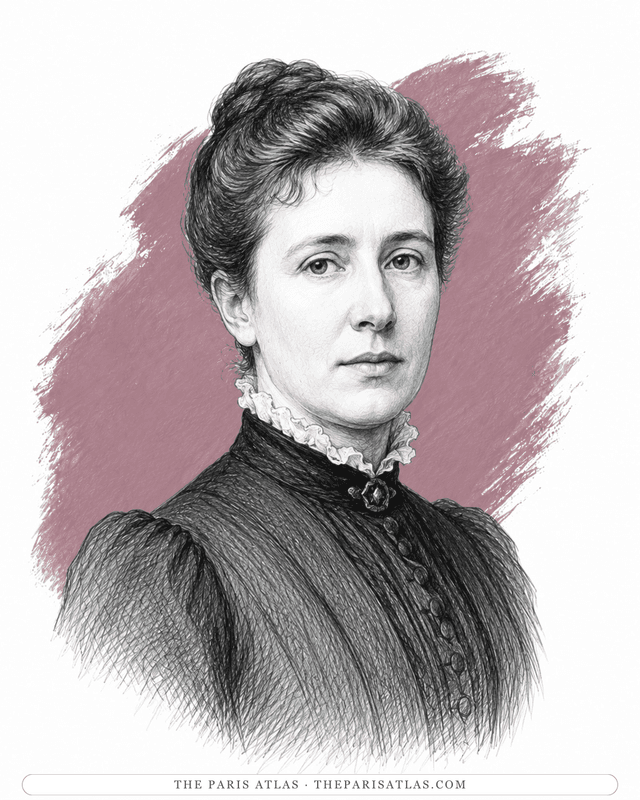
Mary Cassatt
Mary Cassatt was an American painter and printmaker known for her depictions of women and children. Based in France for the last fifty-two years of her life, she was the only American to exhibit with the original French Impressionist group, participating in four of its eight exhibitions. Edgar Degas invited her to exhibit with the group in 1877 after the Salon jury rejected her submissions.
View artist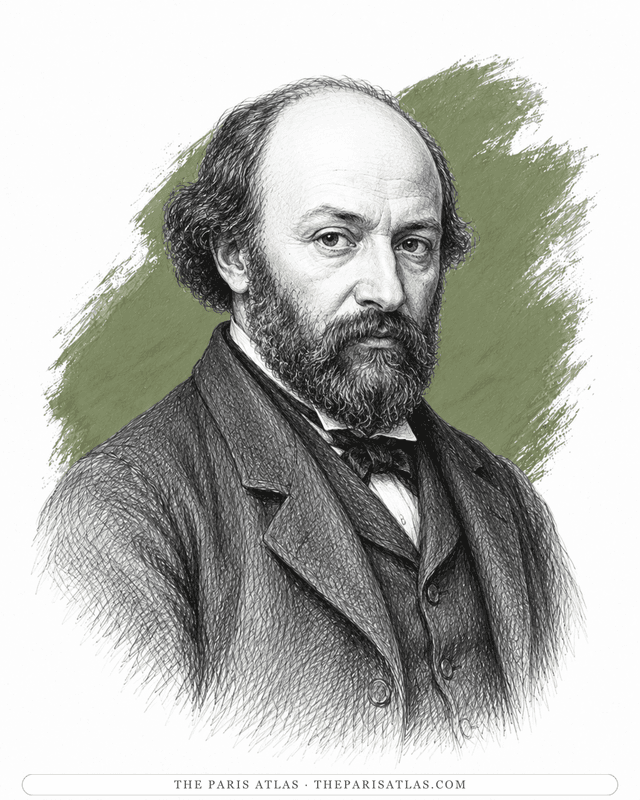
Paul Cézanne
Painter between Impressionism and everything after — shown in the independents' exhibitions, emulated by the Cubists, and present at the Orangerie through 15 works in the Walter-Guillaume collection.
View artist
References
The sources below include collection records, catalogues, scholarly research, and primary materials that informed this page. They document Woman at Her Toilette, its making, and its place in cultural history.


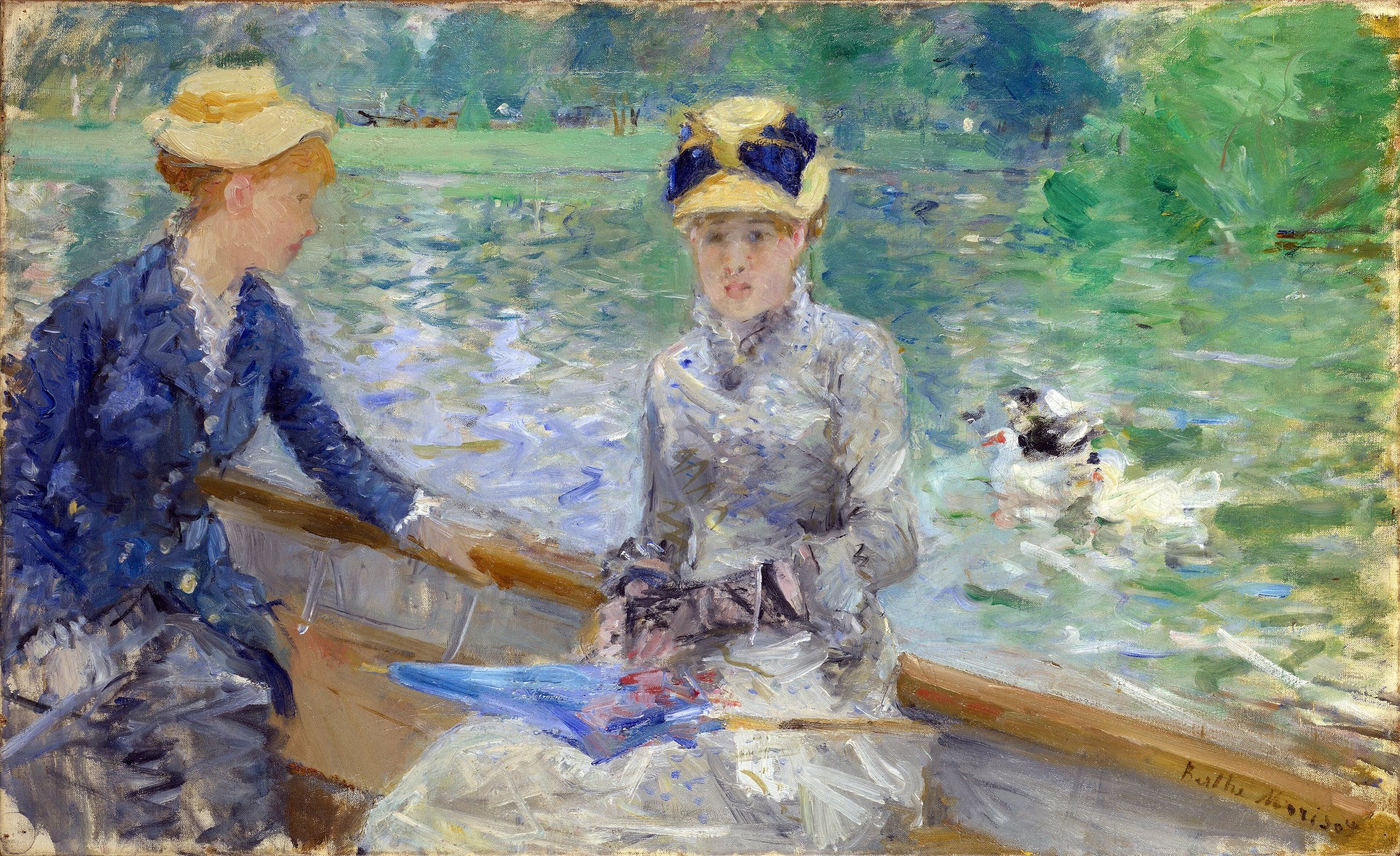
3↑Berthe Morisot, Summer's Day — catalogue entry
WebsiteThe National Gallery, LondonUsed forWeb source consulted for documented facts and historical context presented on the Woman at Her Toilette page.
4↑Morisot, Berthe (1841–1895)
BiographyWomen in World History: A Biographical Encyclopedia (via Encyclopedia.com)Used forBiographical evidence used to verify chronology, relationships, and historical context connected to Woman at Her Toilette.
5↑Berthe Morisot — Artist Profile
WebsiteNational Museum of Women in the ArtsUsed forWeb source consulted for documented facts and historical context presented on the Woman at Her Toilette page.
These references provide the documented foundation for this work's history and interpretation. Claim-level citations remain attached to the specific claims they support.
 Explore more resources