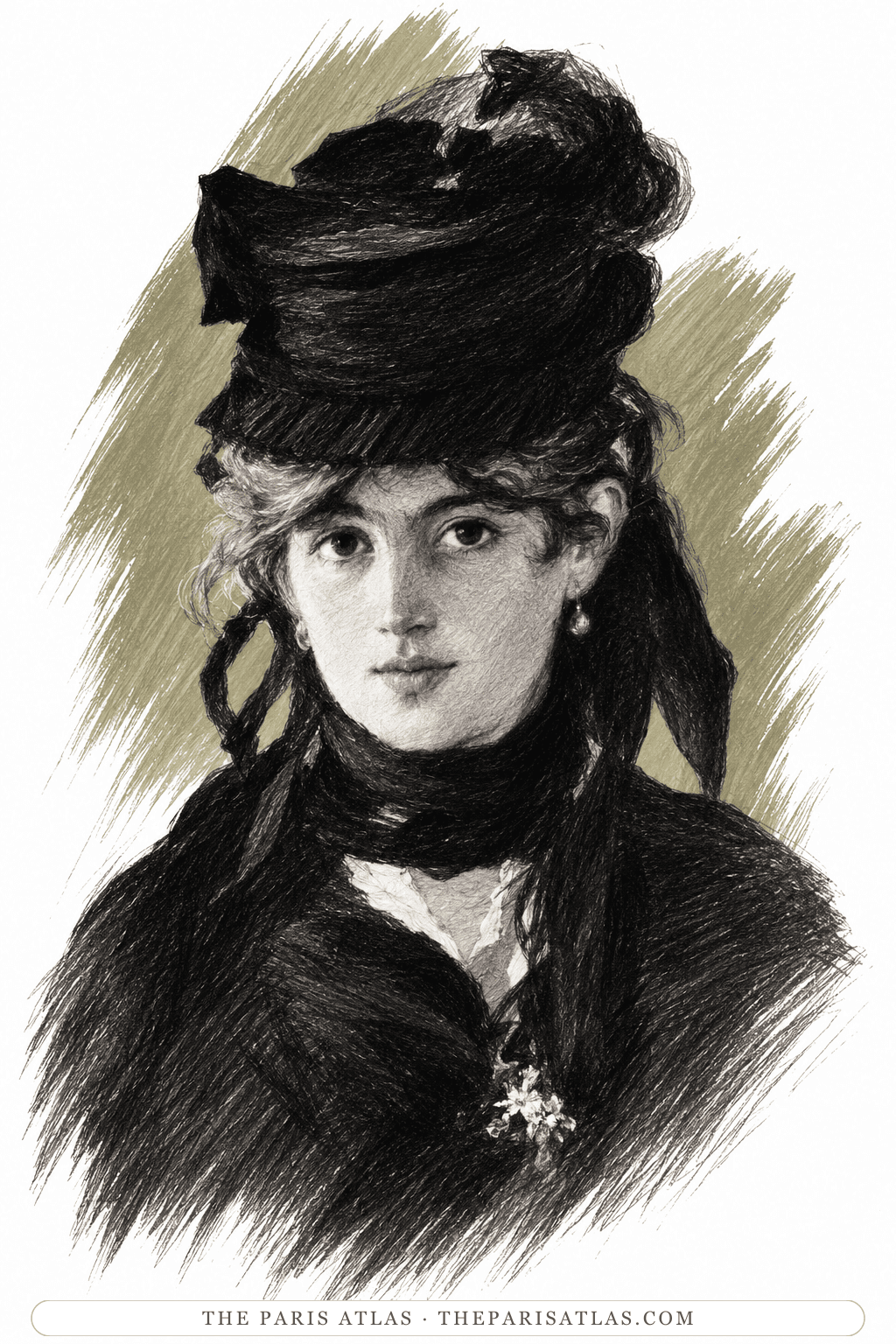
Berthe Morisot
Morisot exhibited in the second Impressionist exhibition, held at Paul Durand-Ruel's gallery on the rue Le Peletier in 1876.
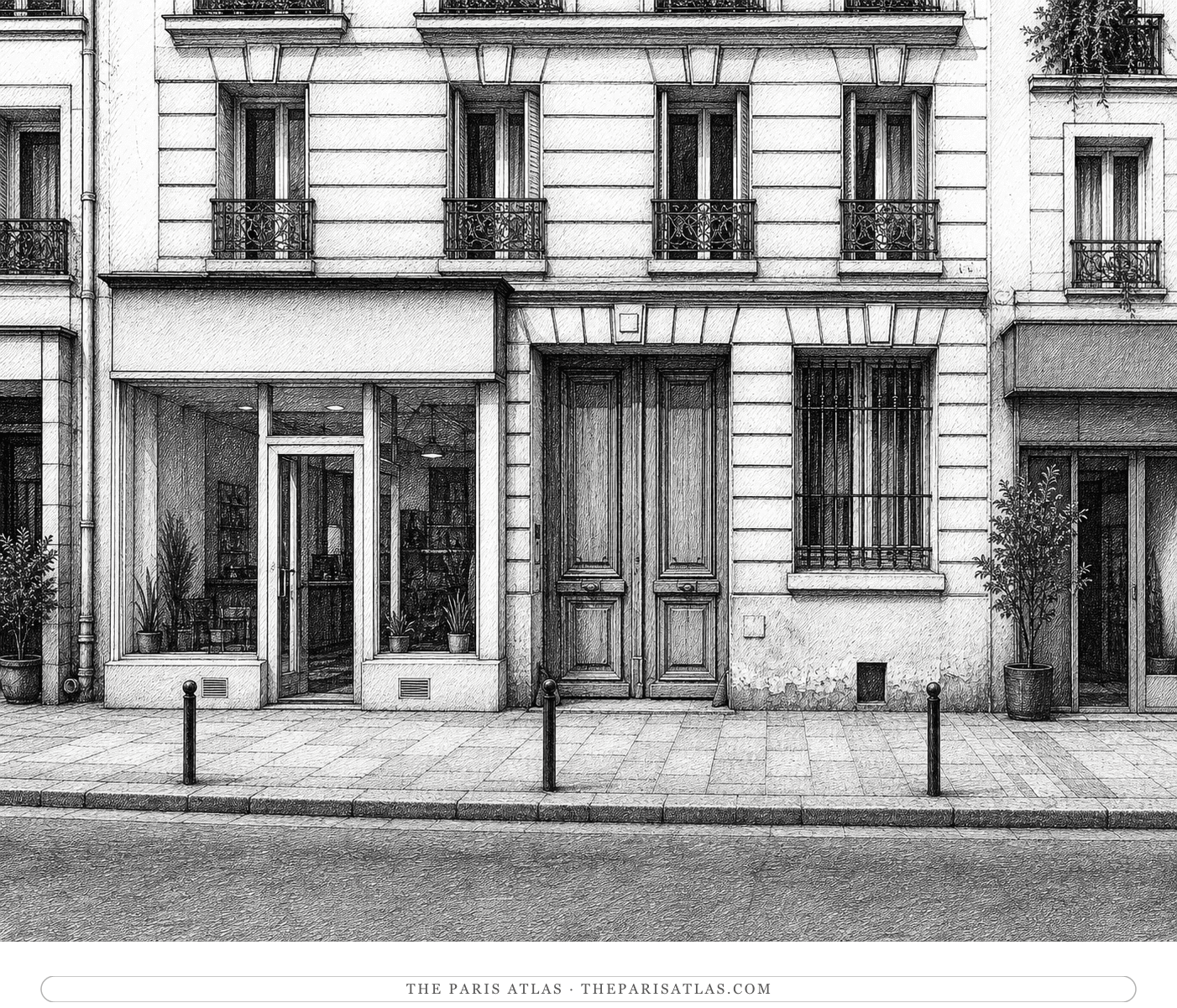
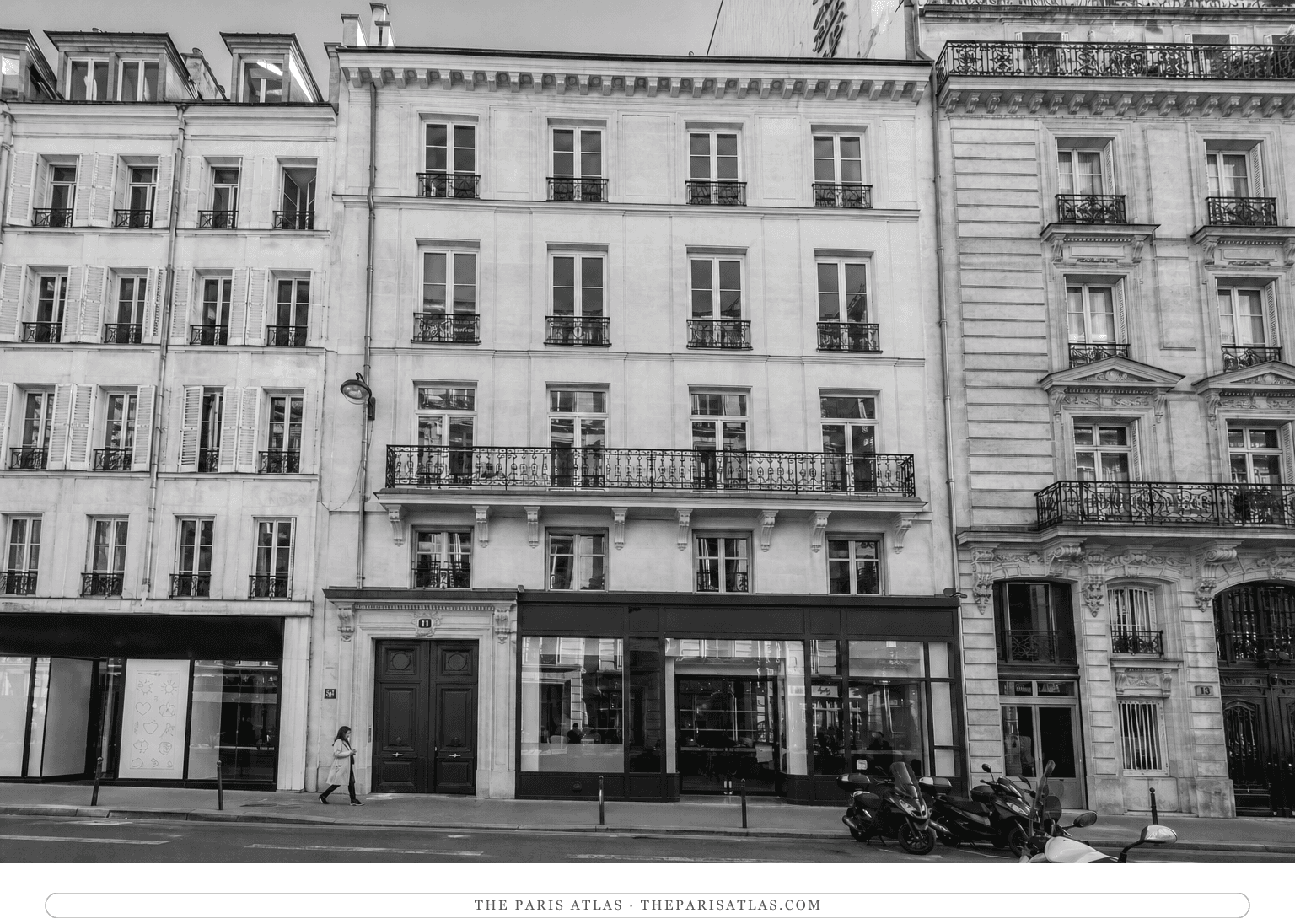
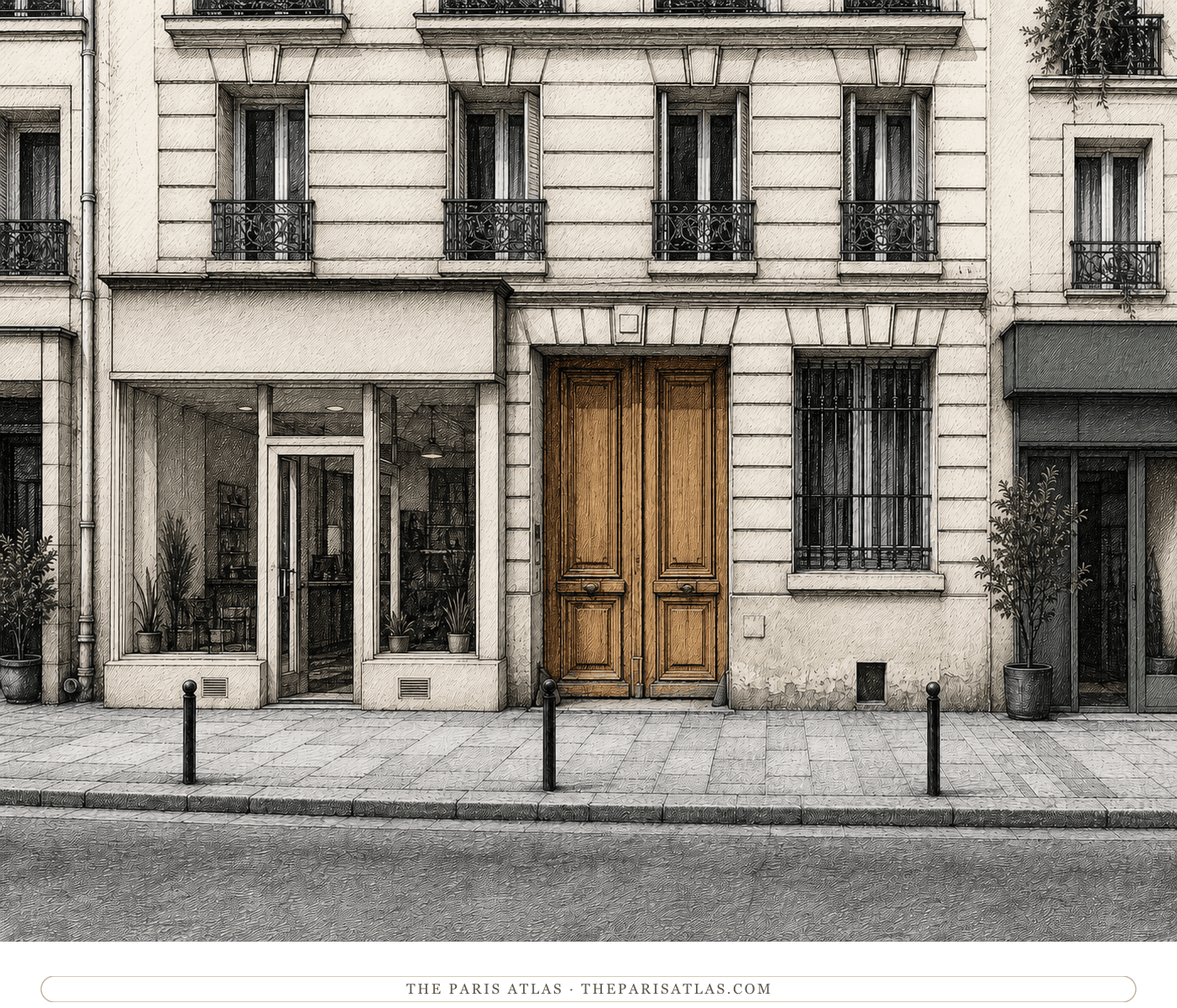
Paul Durand-Ruel's gallery, where the second Impressionist exhibition was held in 1876 — the dealer who kept buying the group's work through the years when almost nobody else would.
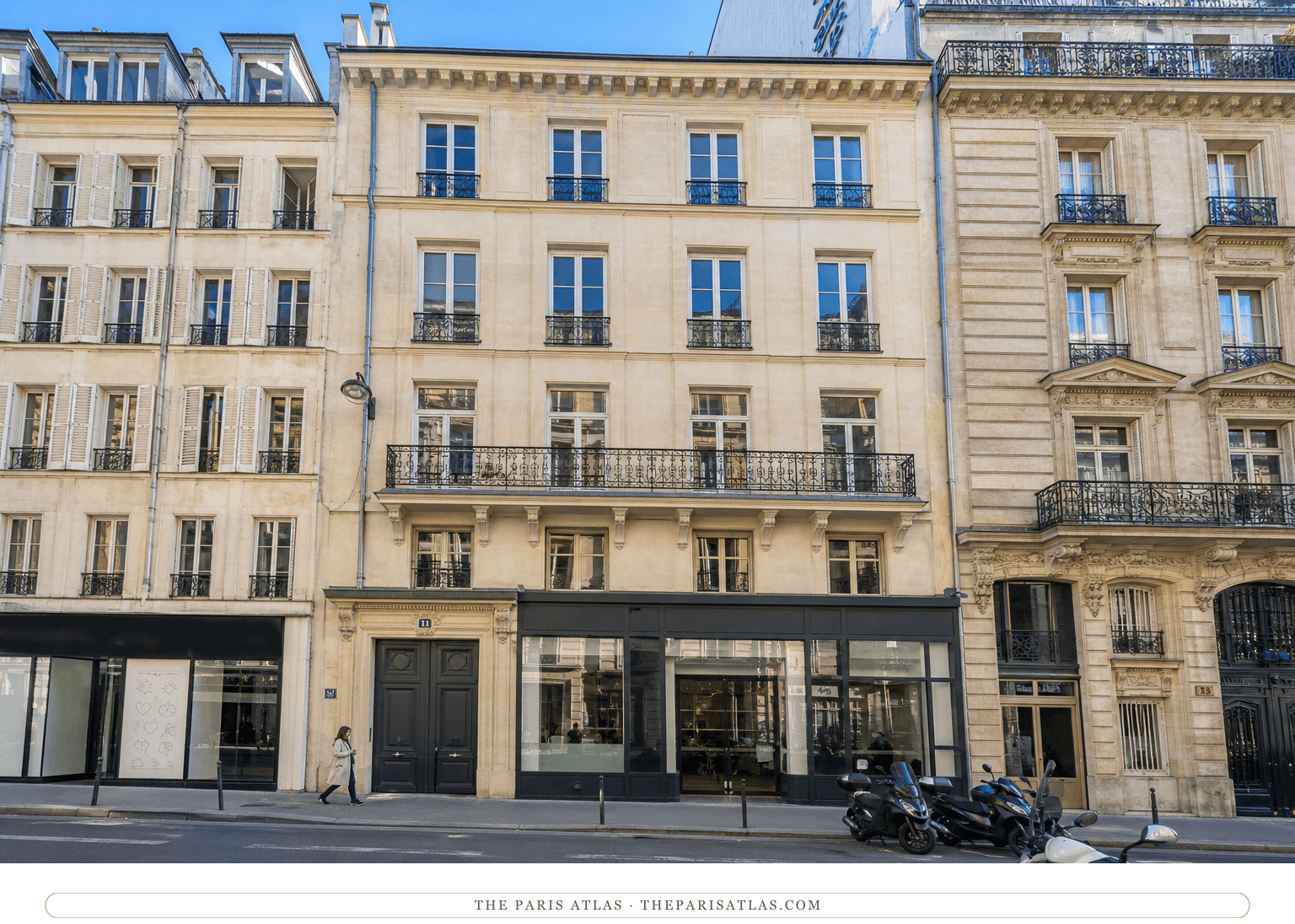
Paul Durand-Ruel is the reason a number of these painters had careers at all. He bought steadily, at his own considerable financial risk, through decades in which the market for the work barely existed, and he kept doing it when it nearly ruined him. Almost every Impressionist provenance of the period runs through his stock books.
In 1876 his gallery on the rue Le Peletier housed the second exhibition of the independent group. Berthe Morisot exhibited, as she had in the first. The street is the same one the Salle Le Peletier had stood on until it burned three years earlier — for a short period this was one of the busiest few hundred metres in artistic Paris.
Durand-Ruel's other decisive contribution came later, in 1891, when he gave Claude Monet a room in which to hang fifteen wheat stacks together. That show worked, commercially and critically, and it changed what a painter could do with an exhibition.
The gallery has long gone from this address.
The second Impressionist exhibition is held at the Durand-Ruel gallery.
Durand-Ruel hangs fifteen of Monet's wheat stacks together in Paris.
At Paul Durand-Ruel's gallery, 11 rue Le Peletier in the 9th arrondissement, in 1876.
The dealer who supported the Impressionists financially for decades, buying their work through long periods when there was almost no market for it. Most Impressionist provenances pass through his firm.
Morisot exhibited in the second Impressionist exhibition, held at Paul Durand-Ruel's gallery on the rue Le Peletier in 1876.
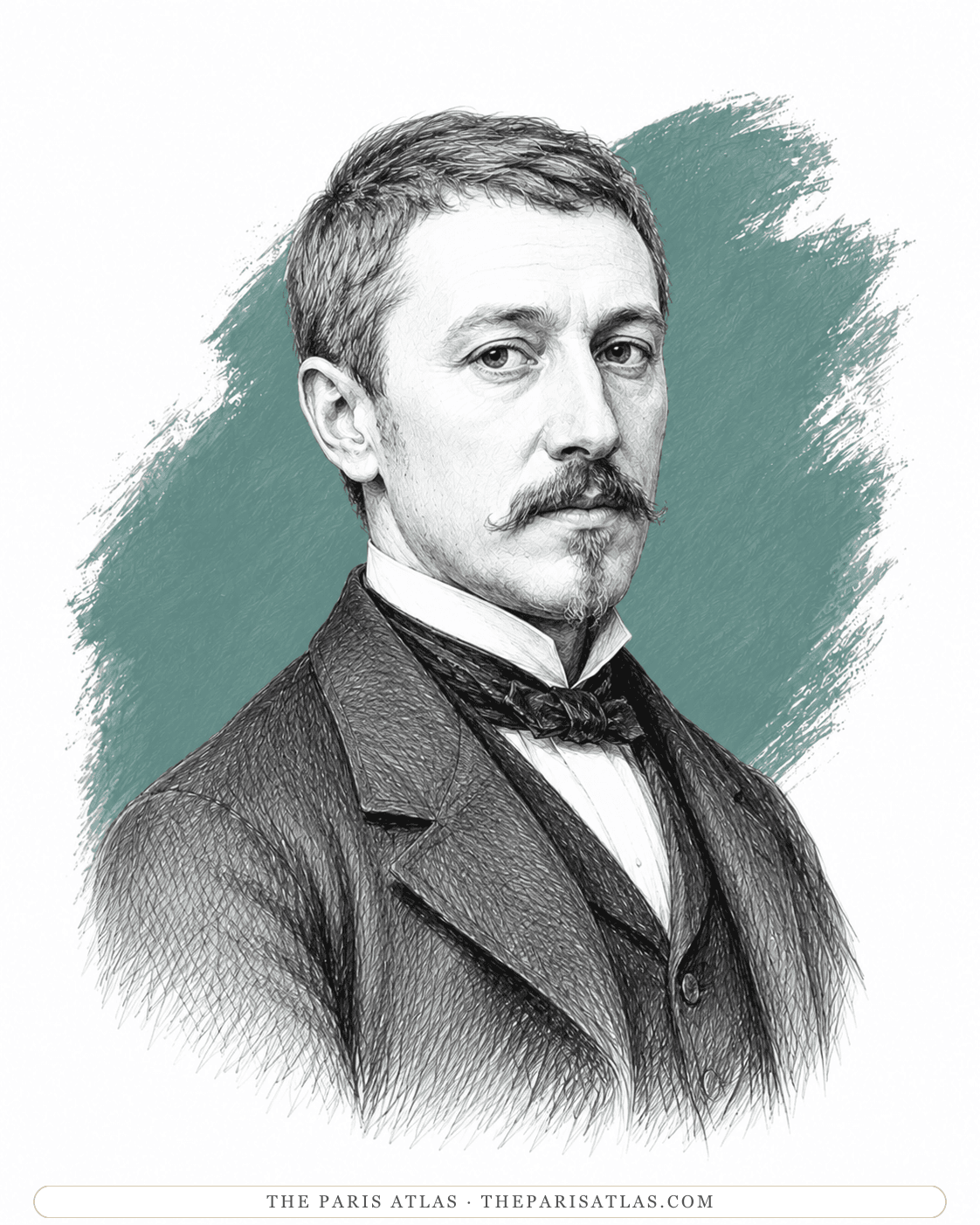
Caillebotte showed The Floor Scrapers at the second Impressionist exhibition, held at Paul Durand-Ruel's gallery on the rue Le Peletier in 1876, after the Salon had rejected it.
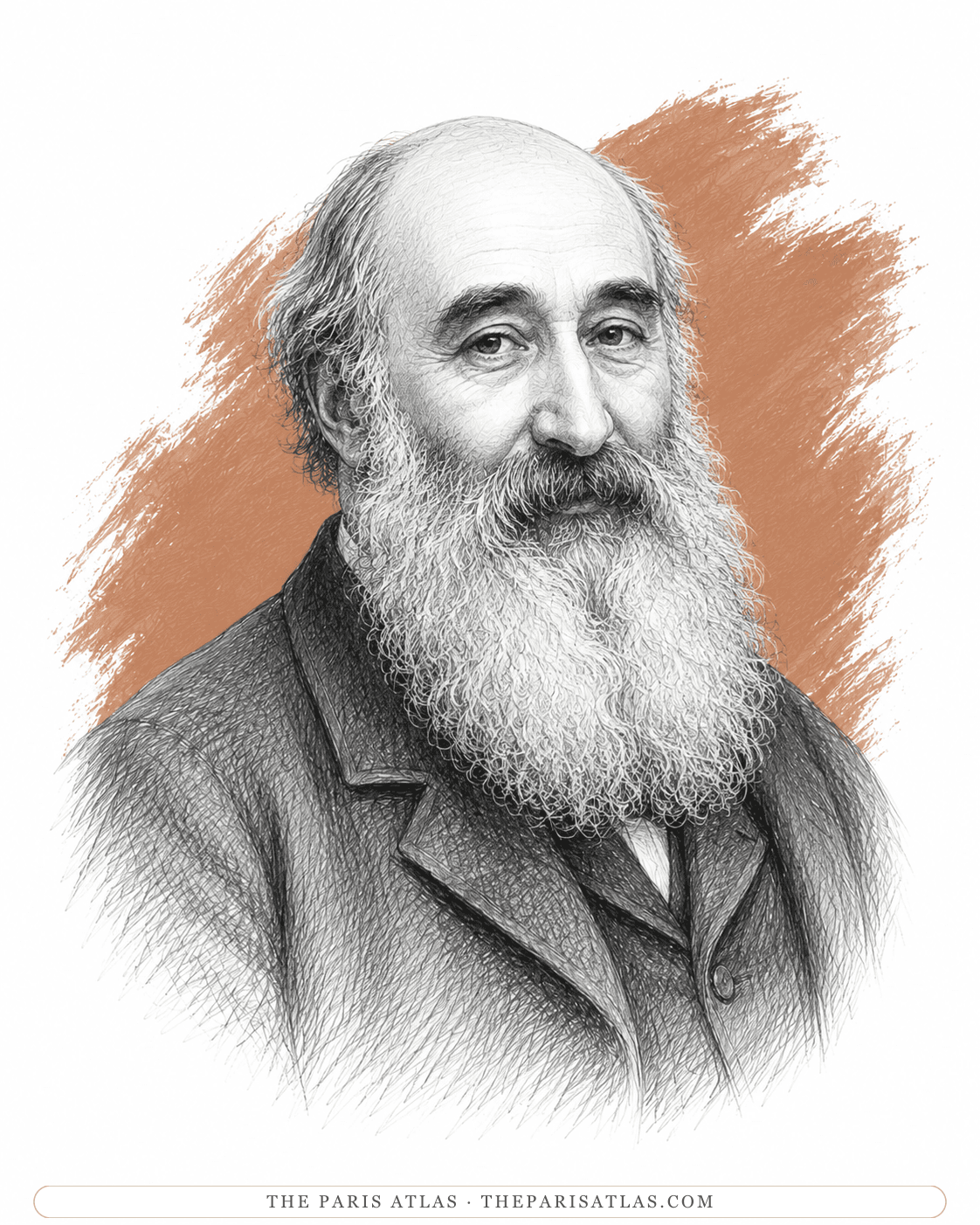
Pissarro showed twelve works in the second Impressionist exhibition, held at Paul Durand-Ruel's gallery on the rue Le Peletier in 1876.
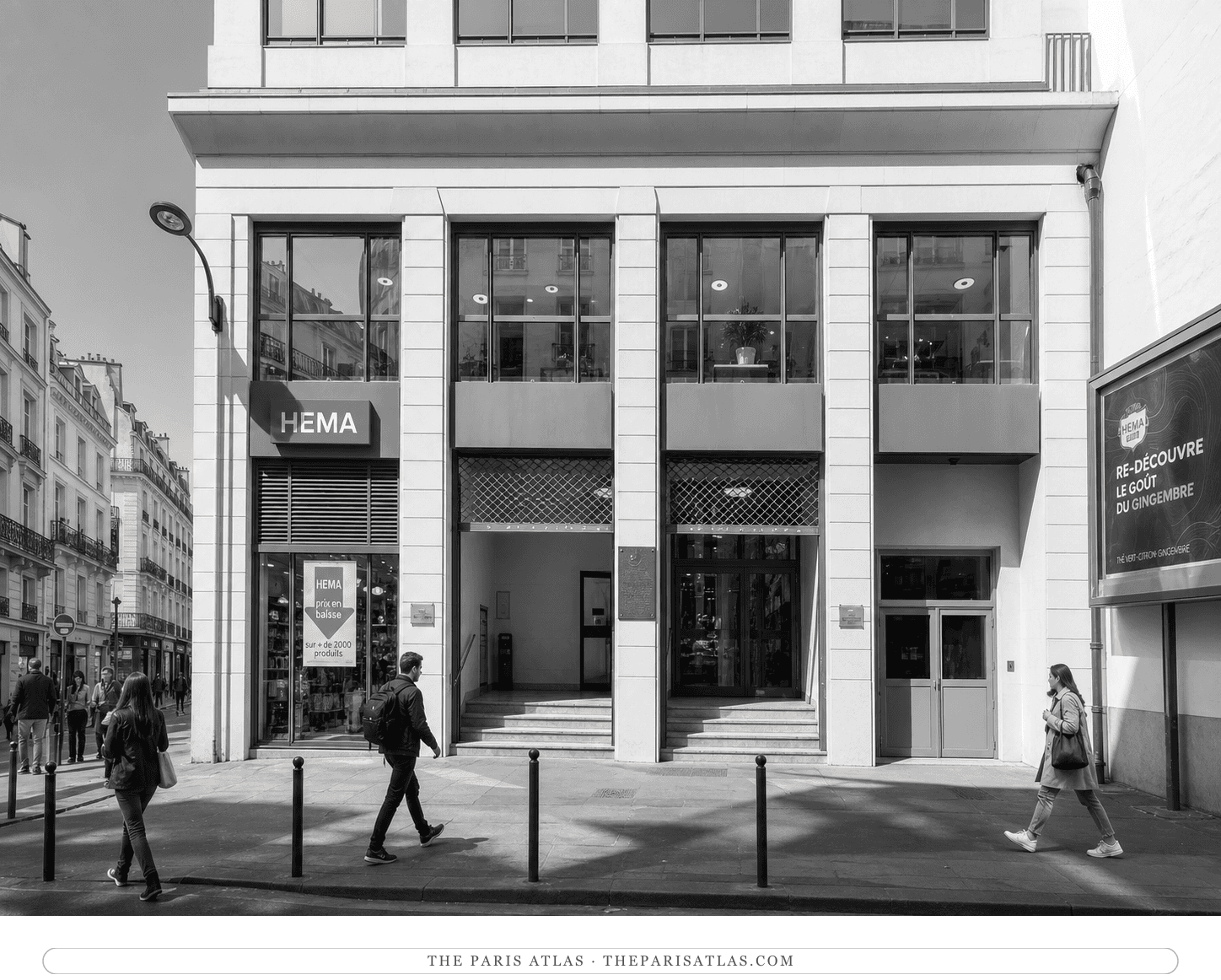
The theatre that housed the Paris Opera until it burned down in 1873. Its stage, rehearsal rooms and subscribers' foyer are the world behind Degas's dancers — and he went on painting it from memory long after it was ash.
Visit the place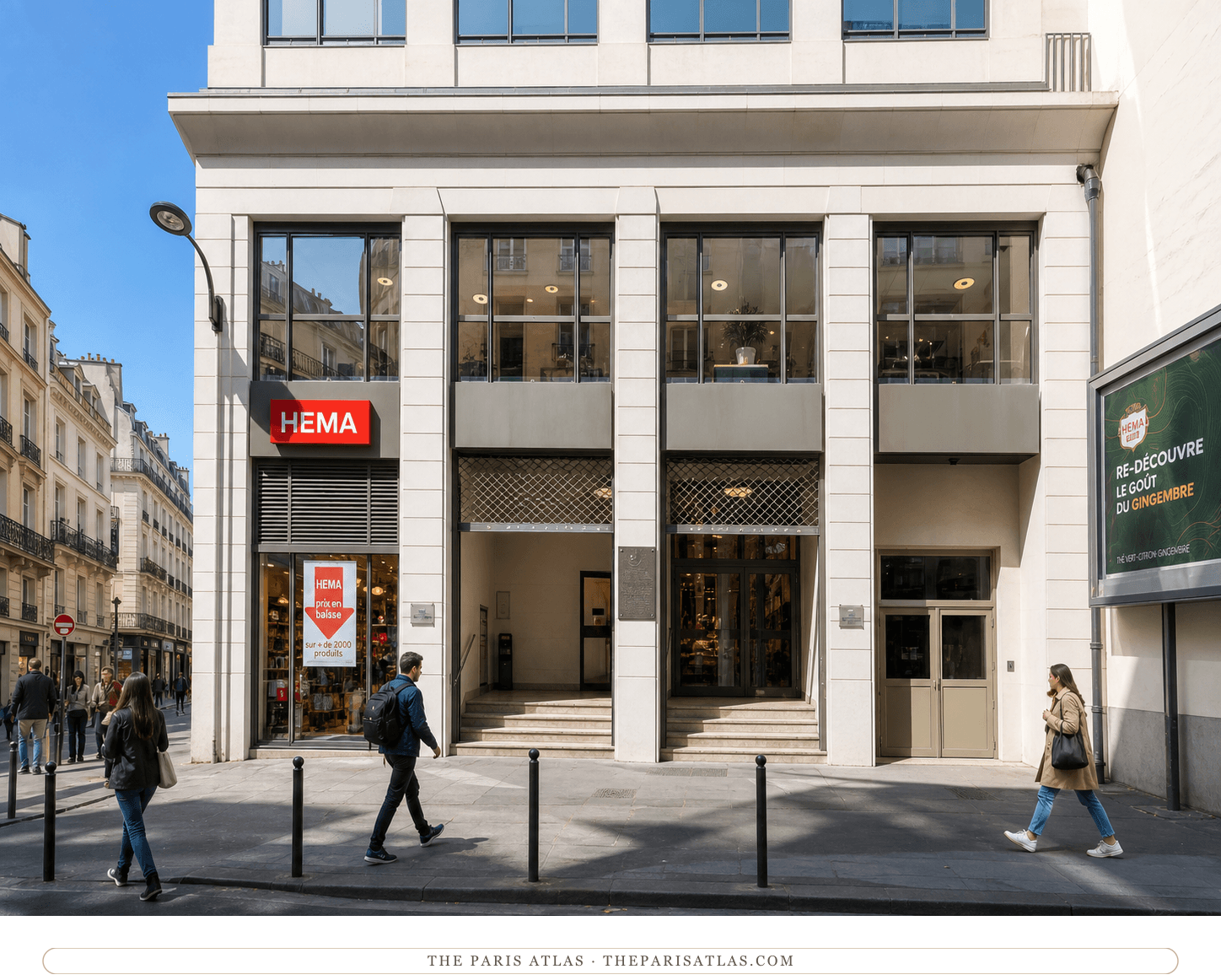
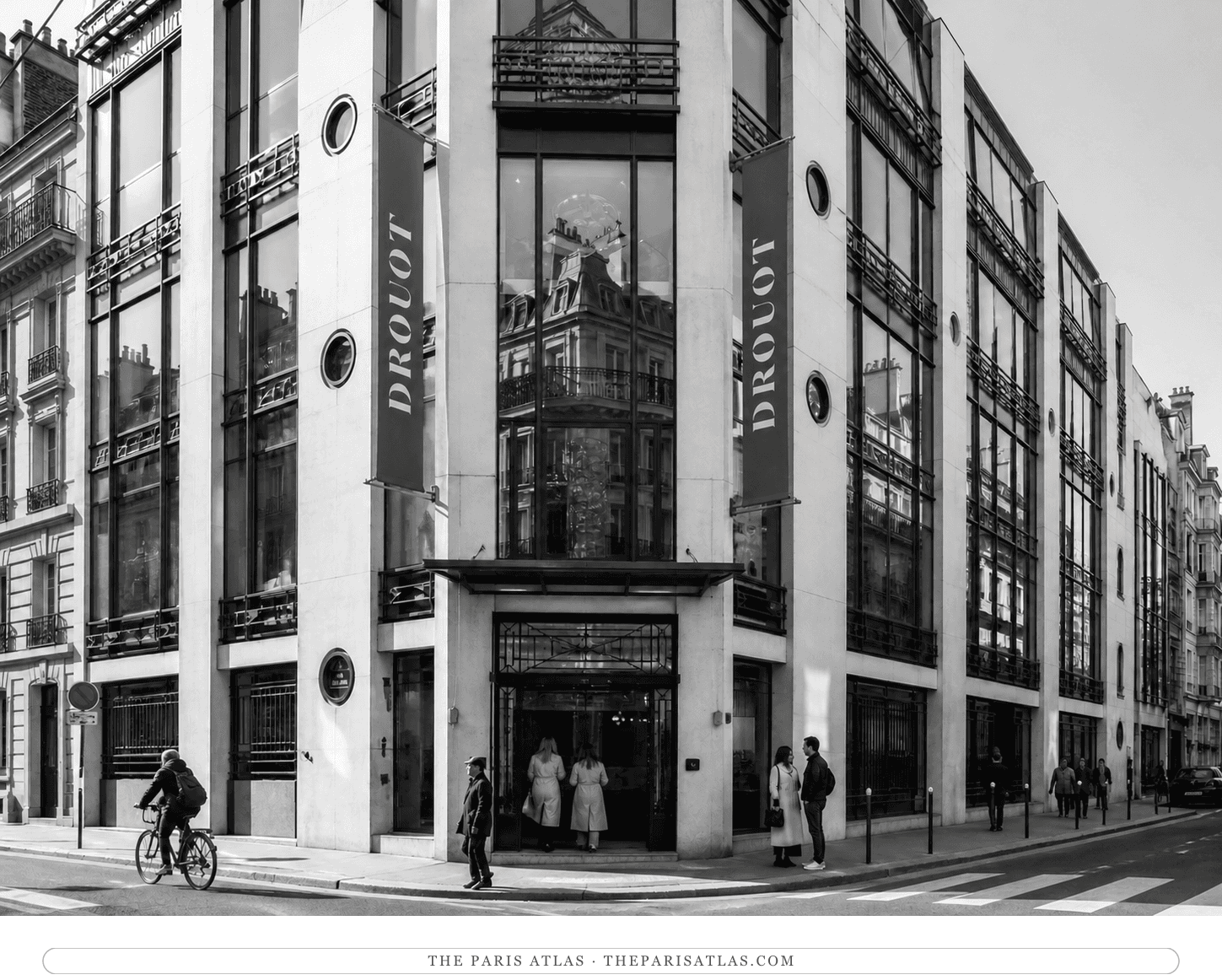
The vanished hotel on the corner of the rue Drouot and the Grands Boulevards where Camille Pissarro took a large room in February 1897 and painted sixteen canvases of the boulevards below without moving.
Visit the place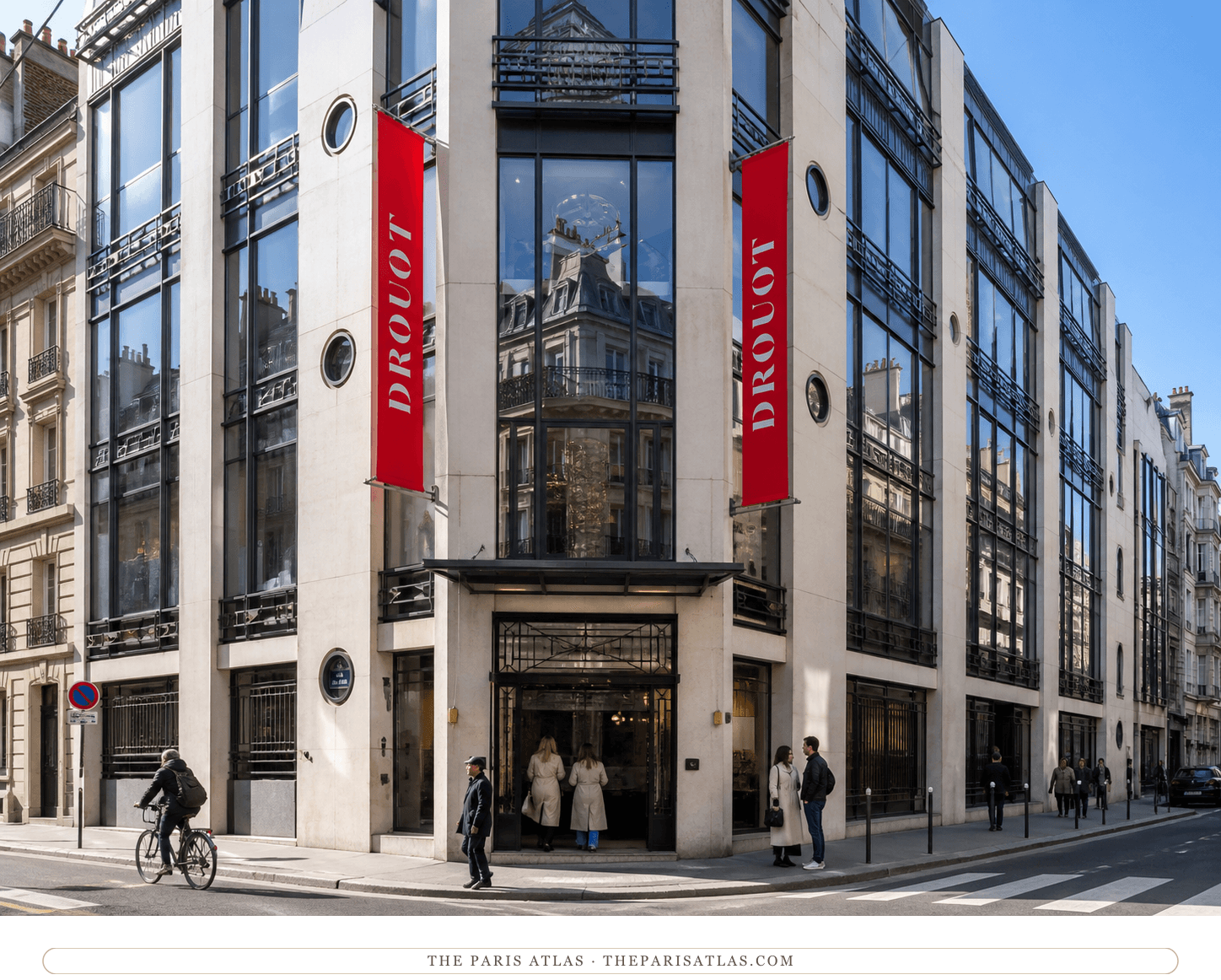
The Paris auction house where Gustave Caillebotte bid on his friends' unsellable pictures to keep prices up and money flowing — and where Paul Gauguin sold thirty of his own paintings to pay for Tahiti.
Visit the place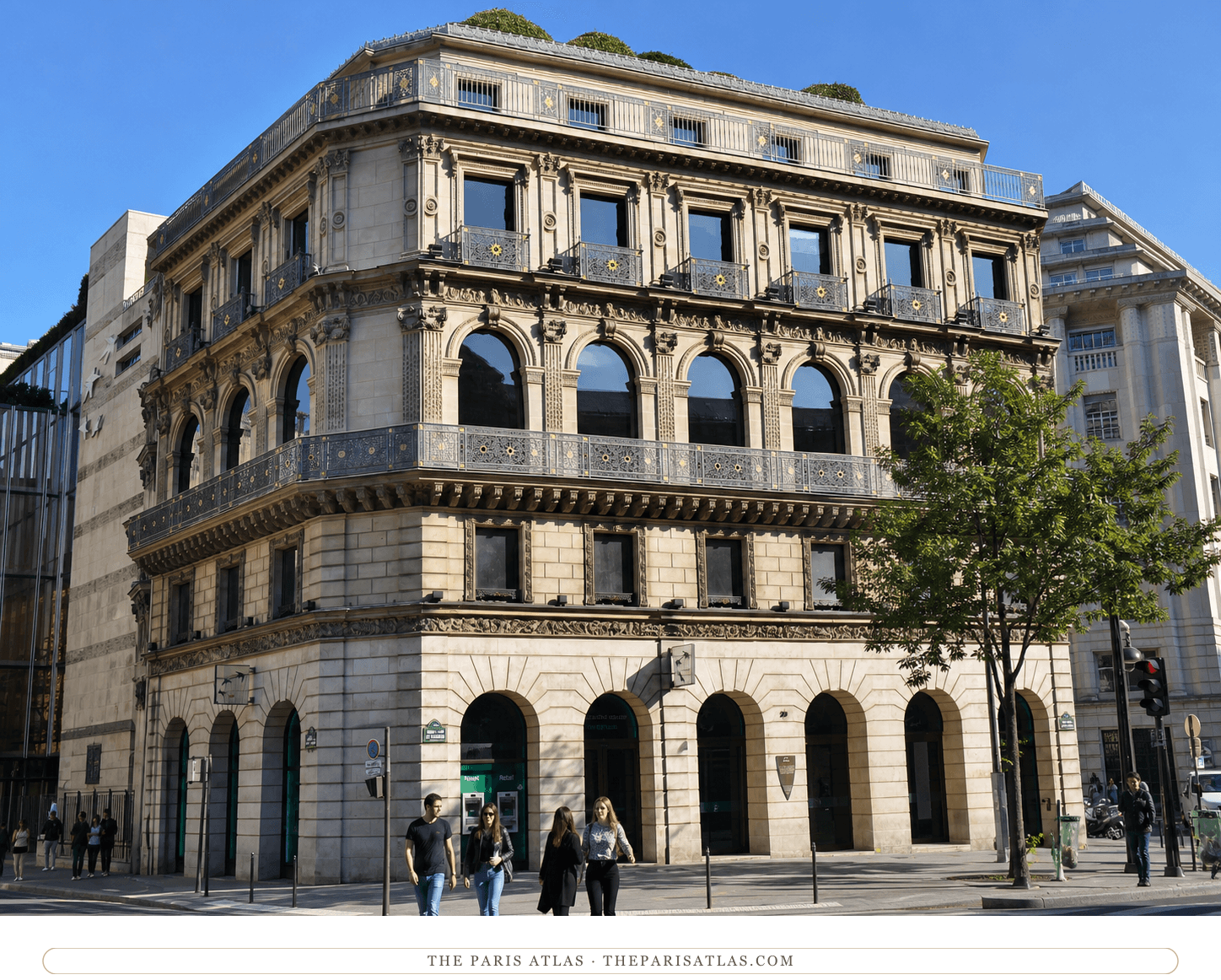
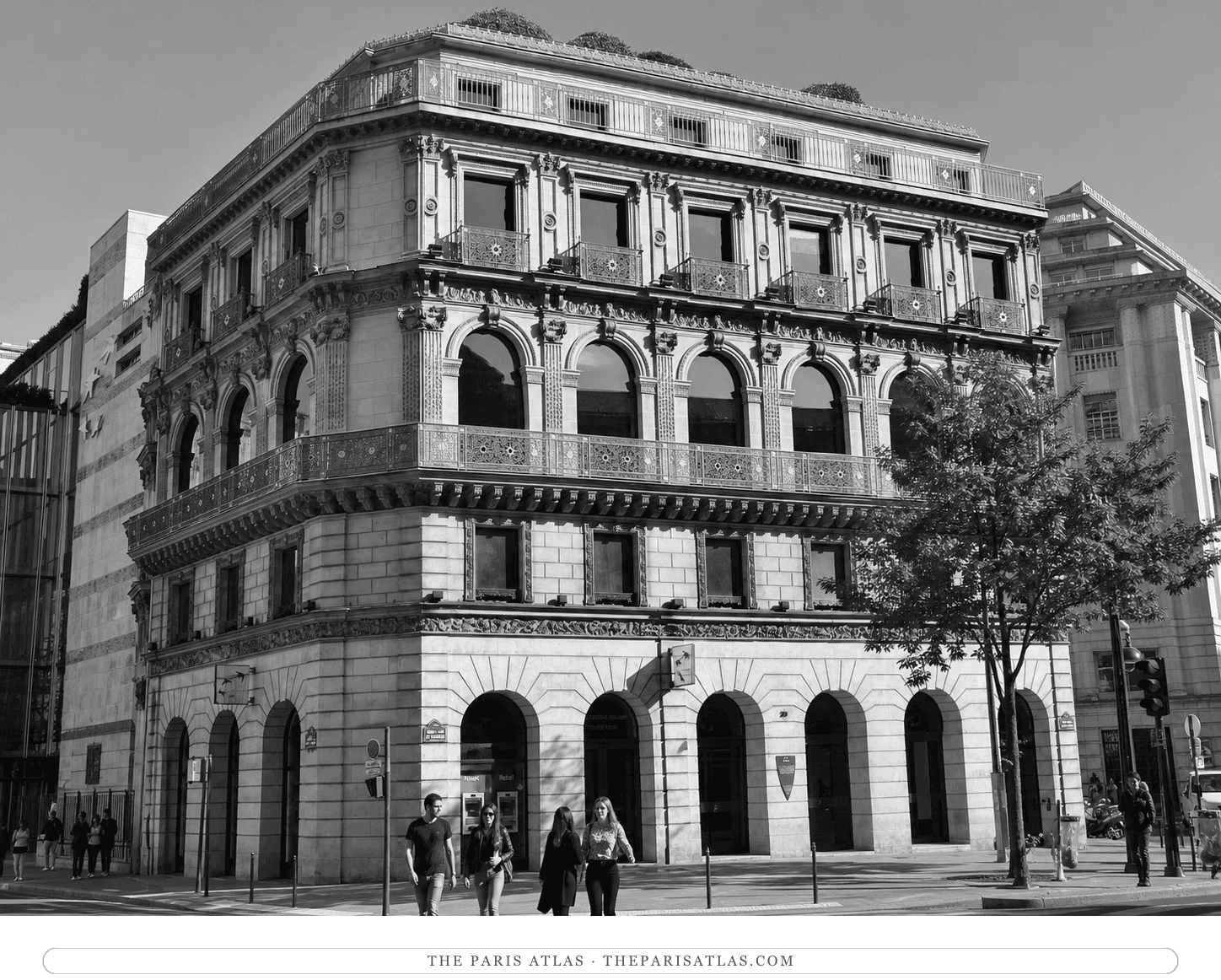
The luxury restaurant on the boulevard des Italiens whose upper rooms housed the eighth and last Impressionist exhibition in 1886 — the one Camille Pissarro helped organise, and where he brought the Neo-Impressionists into the group.
Visit the placeThe sources below include histories, archival materials, scholarly research, and official records that informed this page. They document Galerie Durand-Ruel, 11 rue Le Peletier, the people connected to it, and its place in Paris.

Web source consulted for documented facts and historical context presented on the Galerie Durand-Ruel, 11 rue Le Peletier page.
Web source consulted for documented facts and historical context presented on the Galerie Durand-Ruel, 11 rue Le Peletier page.
Web source consulted for documented facts and historical context presented on the Galerie Durand-Ruel, 11 rue Le Peletier page.
Web source consulted for documented facts and historical context presented on the Galerie Durand-Ruel, 11 rue Le Peletier page.
These references provide the documented foundation for this page's history and context. Claim-level citations remain attached to the specific claims they support.
 Explore more resources
Newsletter
The cafés, studios, and walk-up flats where the work was made — one story from the map in every letter.