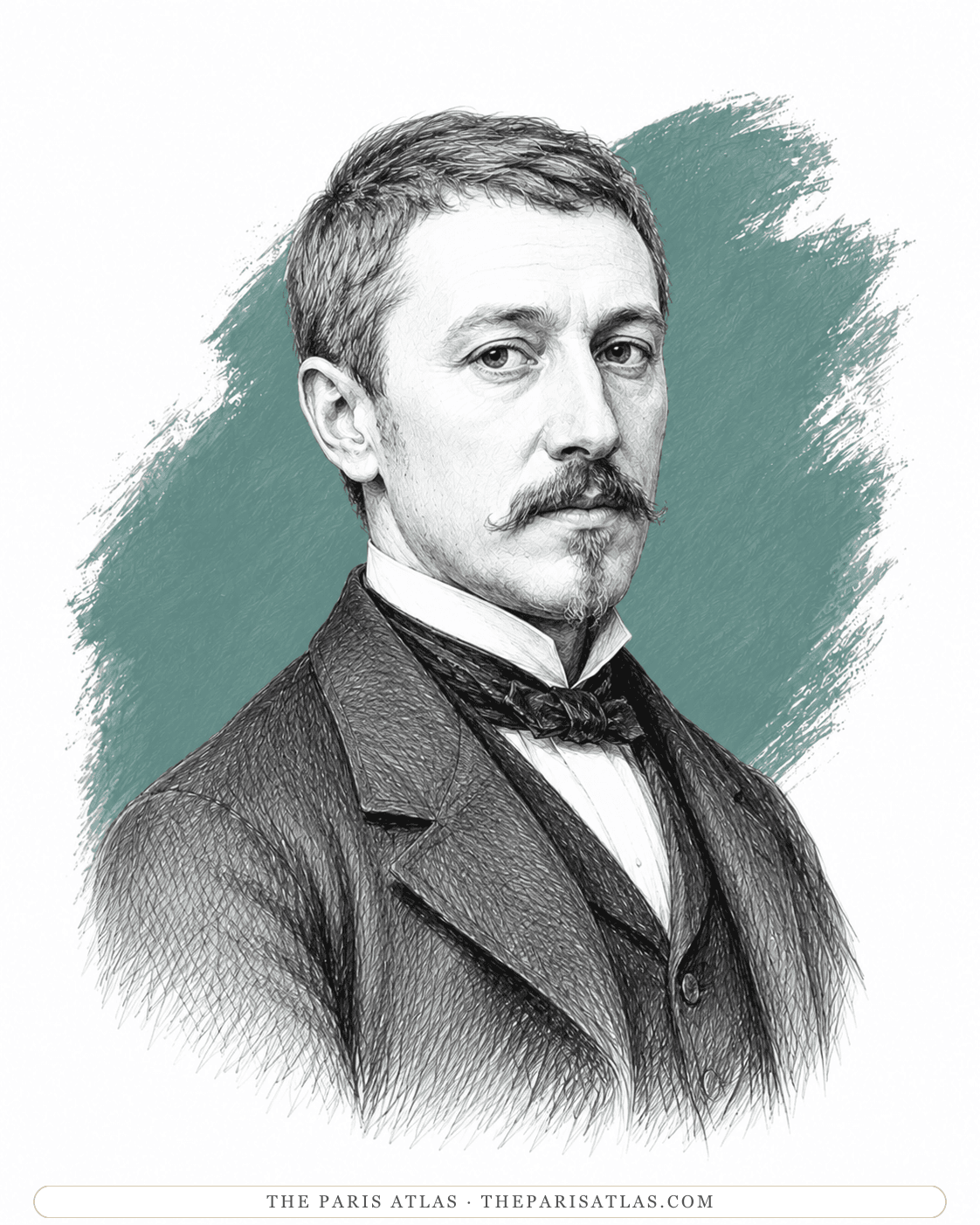
Gustave Caillebotte
Caillebotte used the Paris auction house to buy the work of painters who could not sell, paying proper prices and so supporting both the artists and the visible market for Impressionist work.
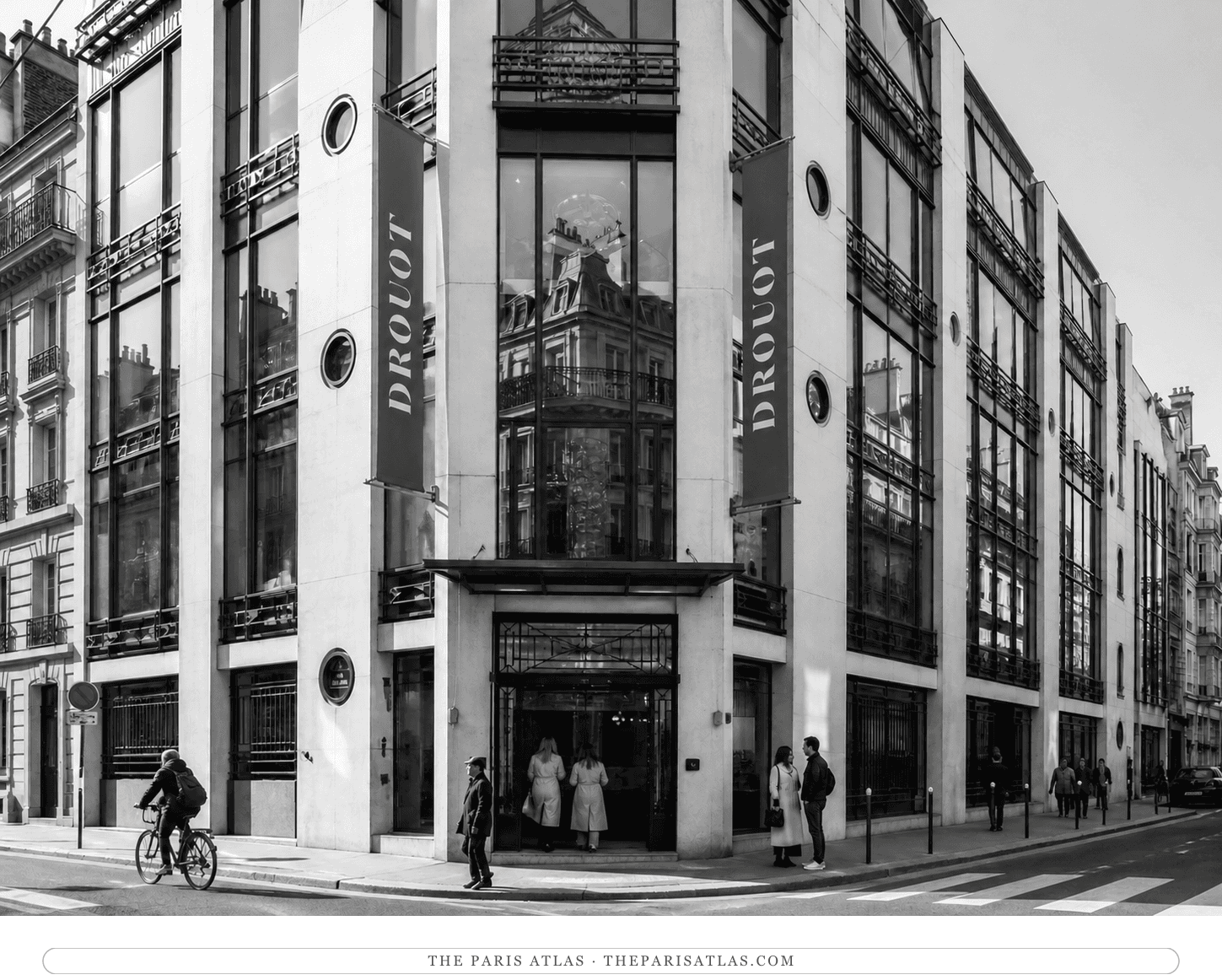
The Paris auction house where Gustave Caillebotte bid on his friends' unsellable pictures to keep prices up and money flowing — and where Paul Gauguin sold thirty of his own paintings to pay for Tahiti.
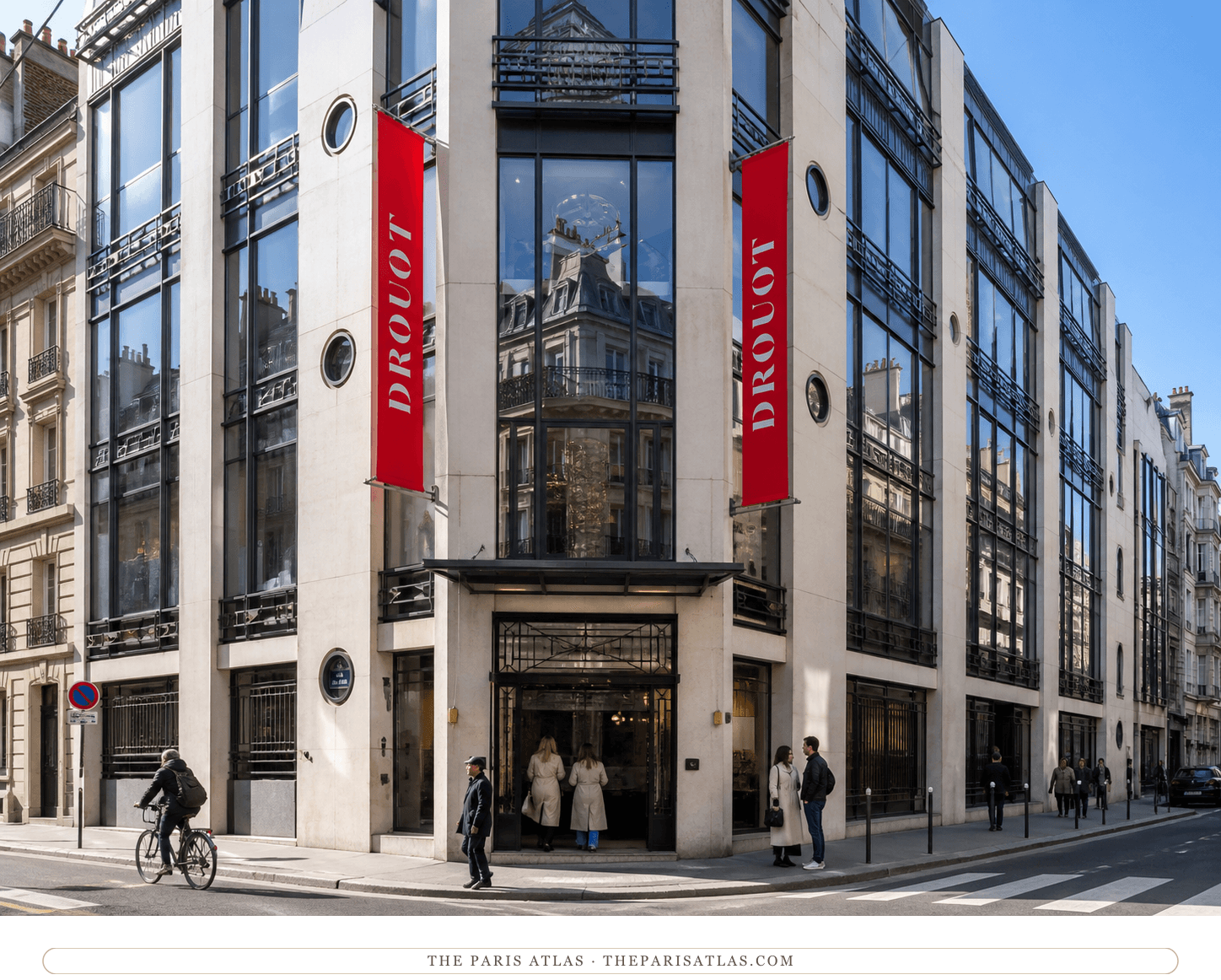
The Hôtel Drouot has been the auction house of Paris since 1852, and almost everything that has changed hands in the French art market has passed through its rooms at some point.
Gustave Caillebotte's role there was unusual. He had inherited a large fortune, and he used it at Drouot and elsewhere to buy the work of painters who could not sell — Monet, Renoir, Pissarro, Degas, Cézanne, Manet. He paid properly rather than cheaply, which supported both the artists and the visible price of their work at a moment when a collapse in either would have been serious.
That collection became the Caillebotte bequest, and its acceptance by the French state after his death in 1894 was contested for years. What the state eventually took now forms a substantial part of the Impressionist holdings in Paris. Caillebotte's own paintings were largely forgotten in the process; he was remembered as a patron for most of a century before being looked at again as a painter.
The saleroom has another claim on the period too: in 1891 Paul Gauguin auctioned thirty of his own canvases here to raise the fare to Tahiti.
The present building replaced the nineteenth-century halls in the 1970s. Viewings remain free and open, which makes it one of the easier art-world interiors in Paris to walk into.
The Hôtel Drouot opens as the Paris auction house.
Caillebotte buys Impressionist work that the market will not take.
Gauguin auctions thirty of his paintings to pay for the voyage to Tahiti.
Caillebotte dies; the bequest of his collection to the state begins years of argument.
Yes. Pre-sale viewings are free and open to anyone, which makes it unusually accessible for a working auction house.
The Impressionist collection Caillebotte assembled and left to the French state at his death in 1894. Its acceptance was disputed for years, and what the state took forms a major part of the Impressionist holdings in Paris today.
Caillebotte used the Paris auction house to buy the work of painters who could not sell, paying proper prices and so supporting both the artists and the visible market for Impressionist work.
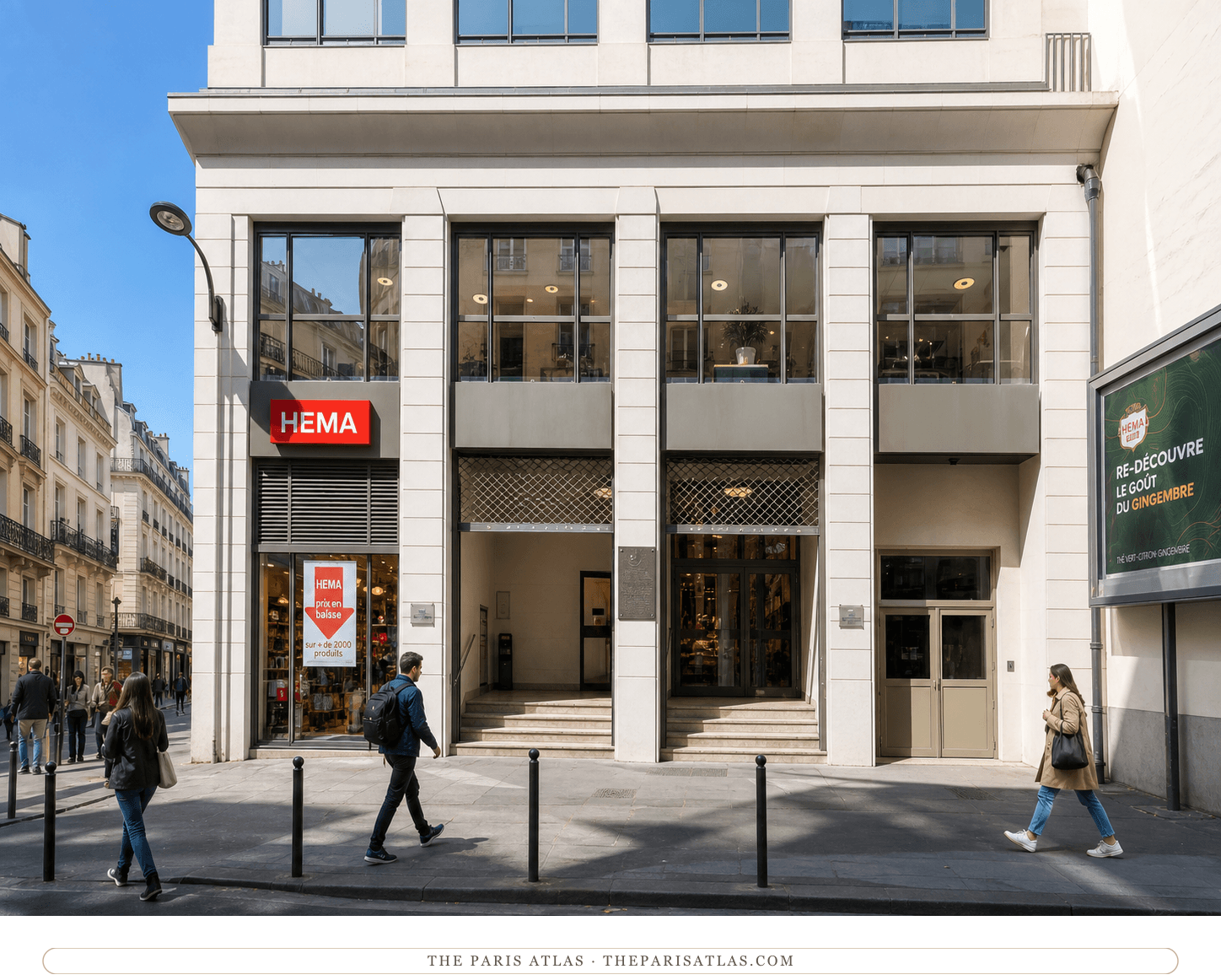
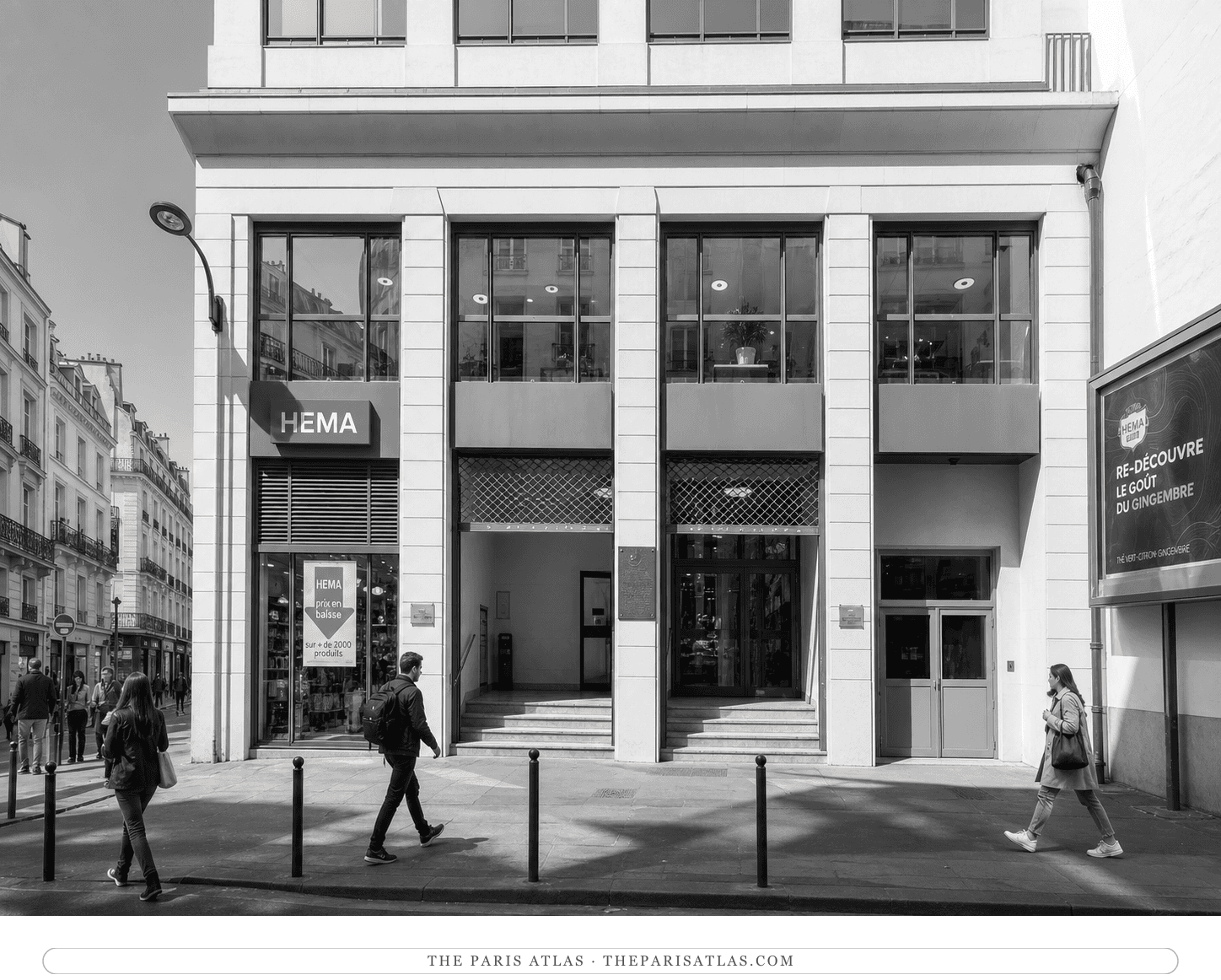
The vanished hotel on the corner of the rue Drouot and the Grands Boulevards where Camille Pissarro took a large room in February 1897 and painted sixteen canvases of the boulevards below without moving.
Visit the place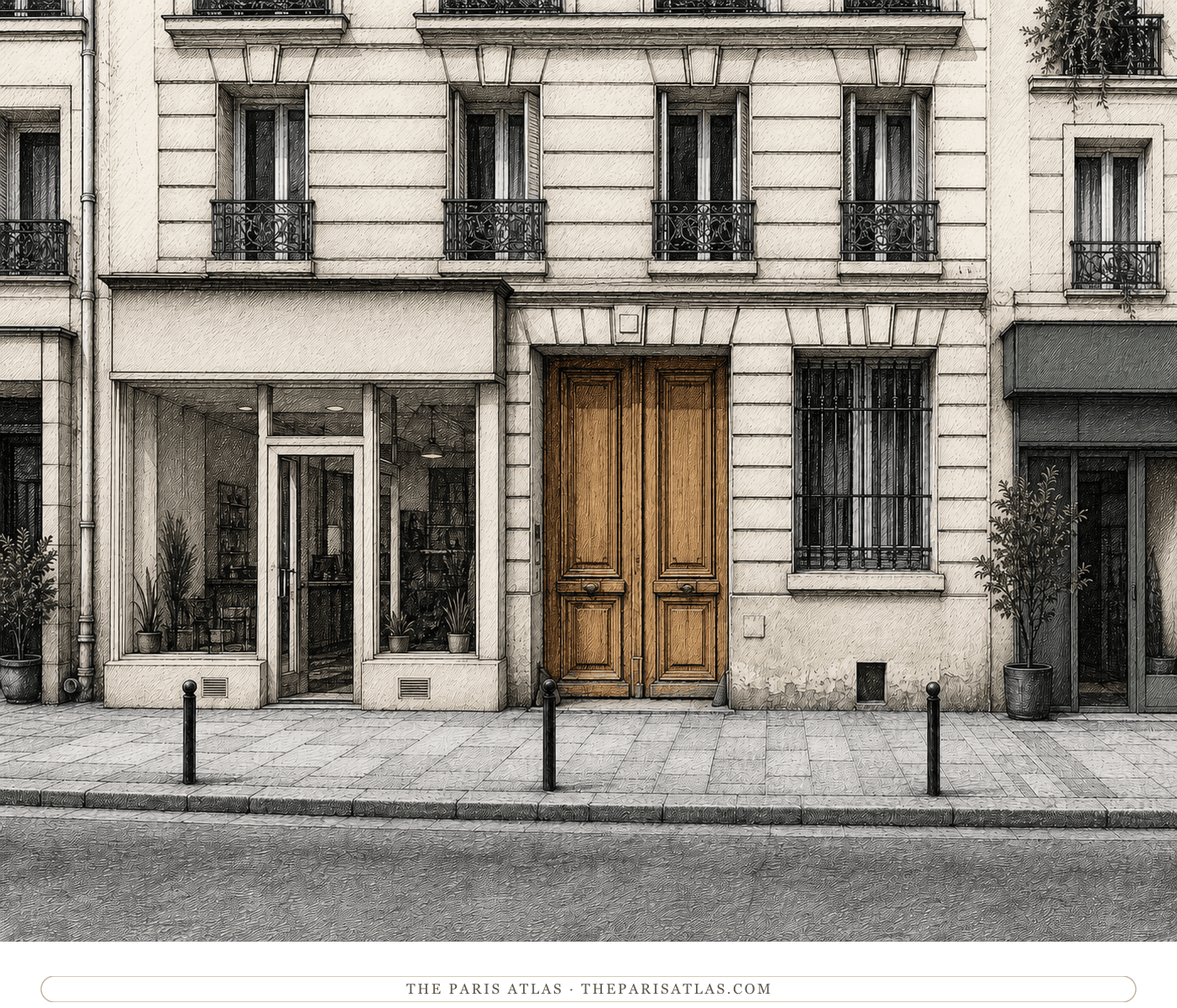
The theatre that housed the Paris Opera until it burned down in 1873. Its stage, rehearsal rooms and subscribers' foyer are the world behind Degas's dancers — and he went on painting it from memory long after it was ash.
Visit the place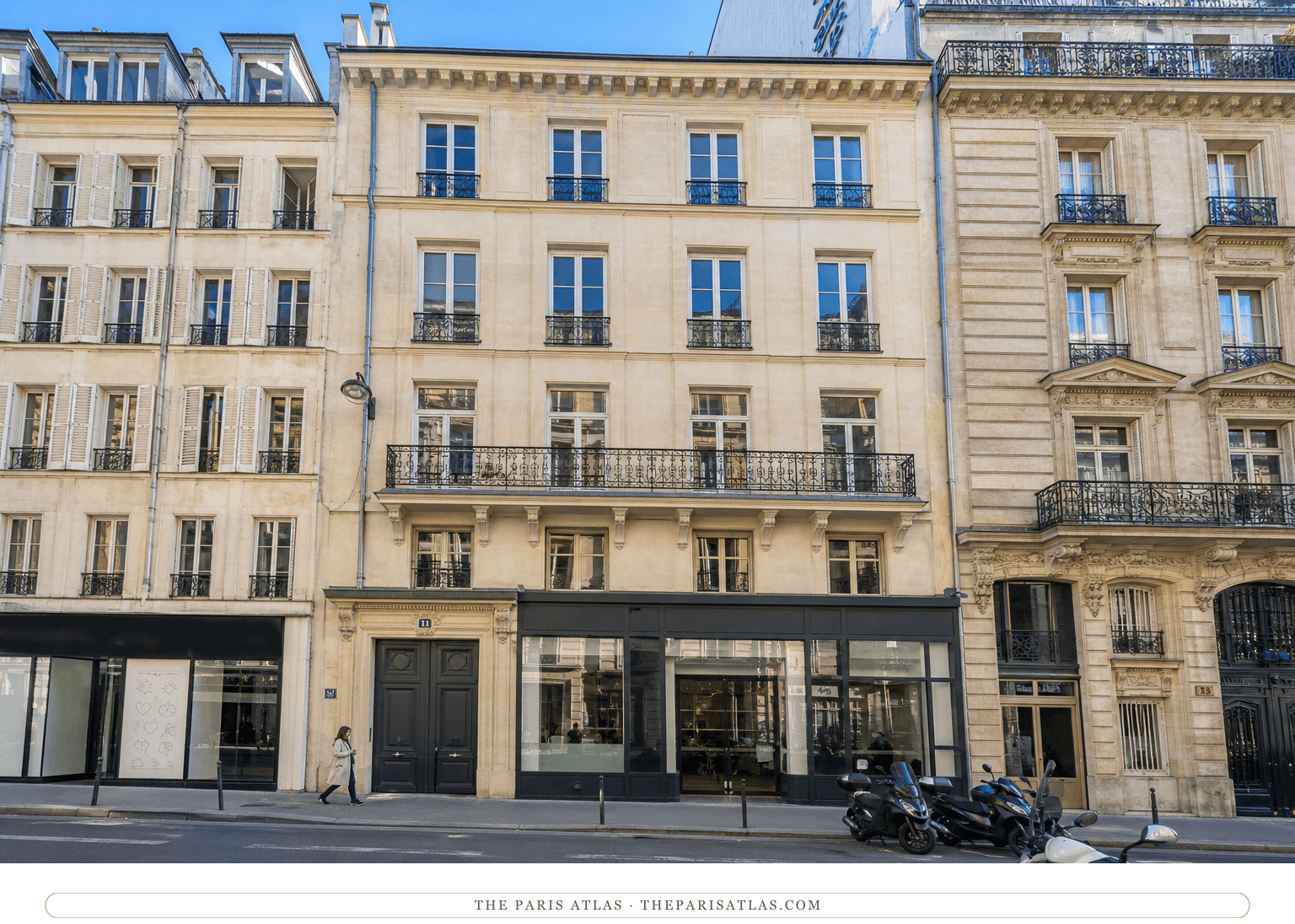
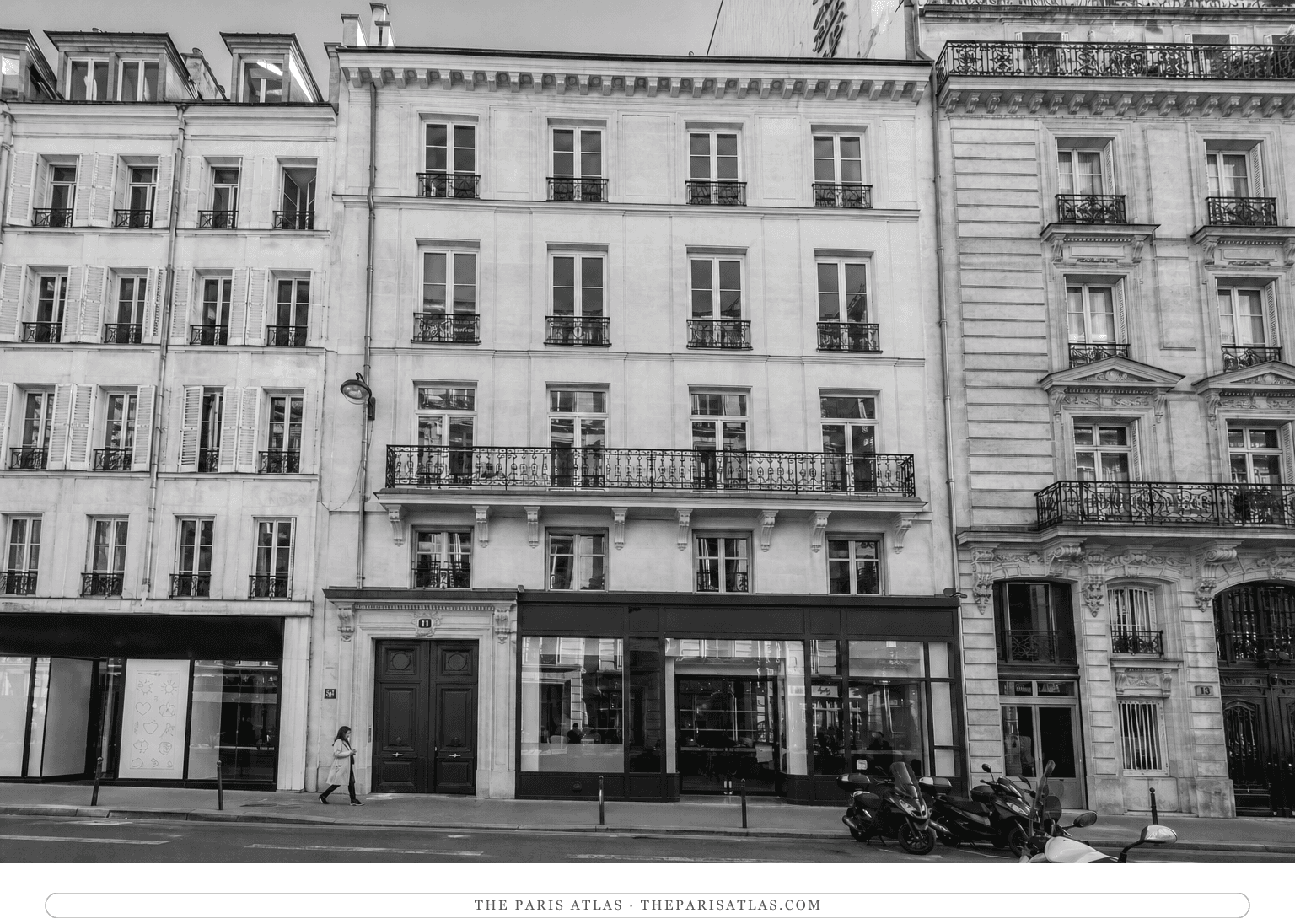
Paul Durand-Ruel's gallery, where the second Impressionist exhibition was held in 1876 — the dealer who kept buying the group's work through the years when almost nobody else would.
Visit the place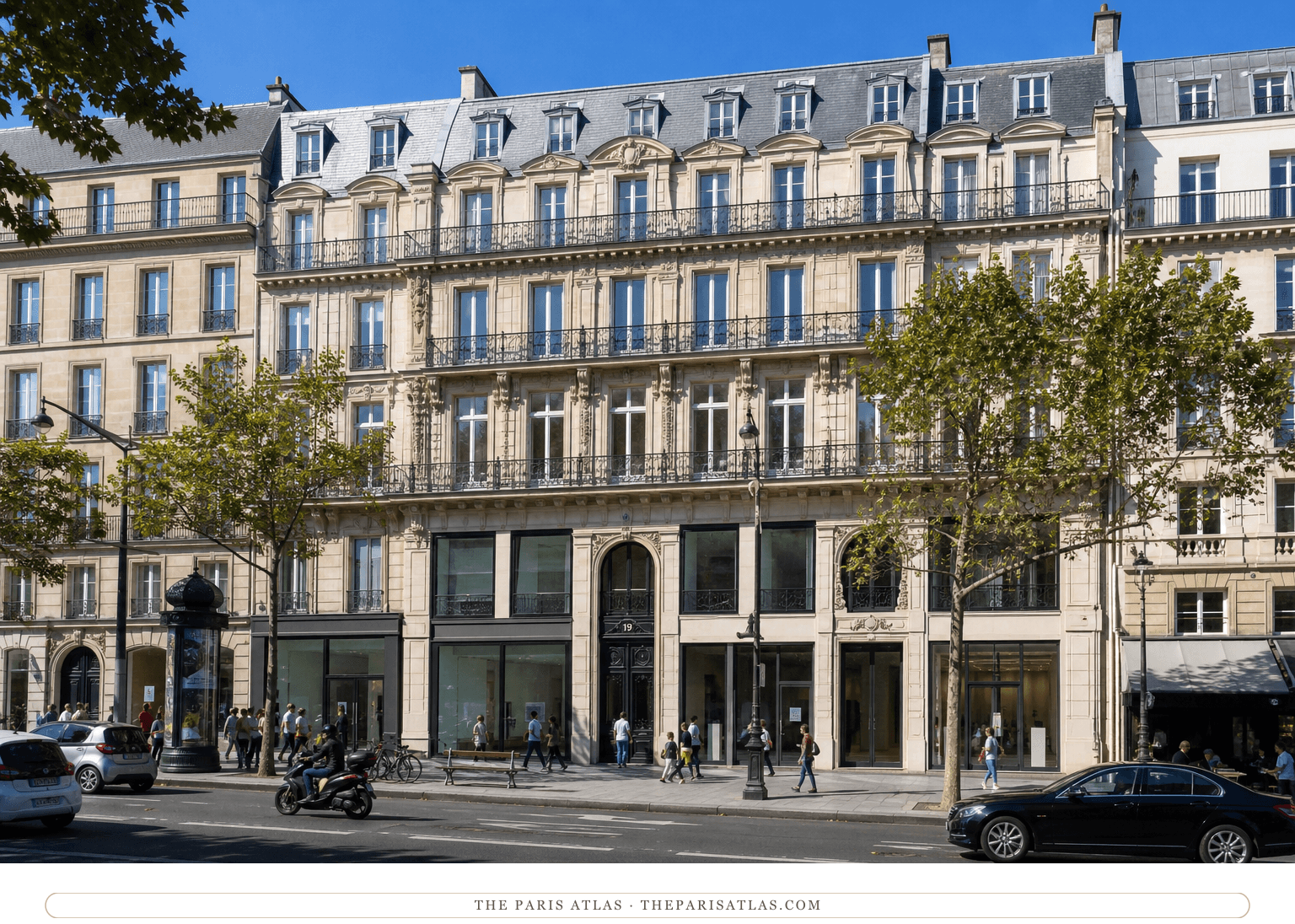
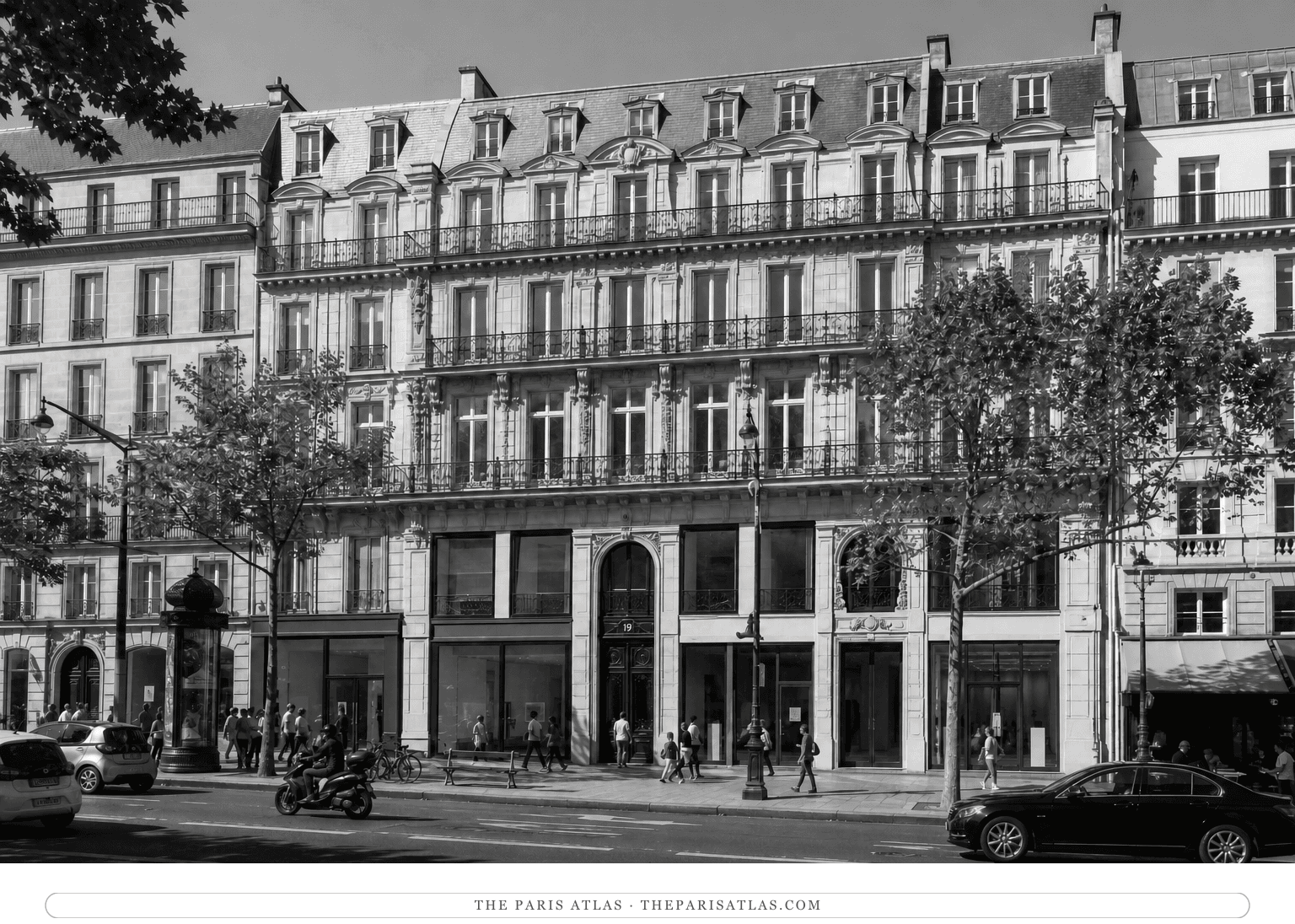
The Boussod, Valadon gallery on the boulevard Montmartre, where Berthe Morisot was given her first solo exhibition in 1892 — at the age of fifty-one, and three years before her death.
Visit the placeThe sources below include histories, archival materials, scholarly research, and official records that informed this page. They document Hôtel Drouot, the people connected to it, and its place in Paris.

Web source consulted for documented facts and historical context presented on the Hôtel Drouot page.
Web source consulted for documented facts and historical context presented on the Hôtel Drouot page.
Web source consulted for documented facts and historical context presented on the Hôtel Drouot page.
Web source consulted for documented facts and historical context presented on the Hôtel Drouot page.
Web source consulted for documented facts and historical context presented on the Hôtel Drouot page.
Web source consulted for documented facts and historical context presented on the Hôtel Drouot page.
These references provide the documented foundation for this page's history and context. Claim-level citations remain attached to the specific claims they support.
 Explore more resources
Newsletter
The cafés, studios, and walk-up flats where the work was made — one story from the map in every letter.