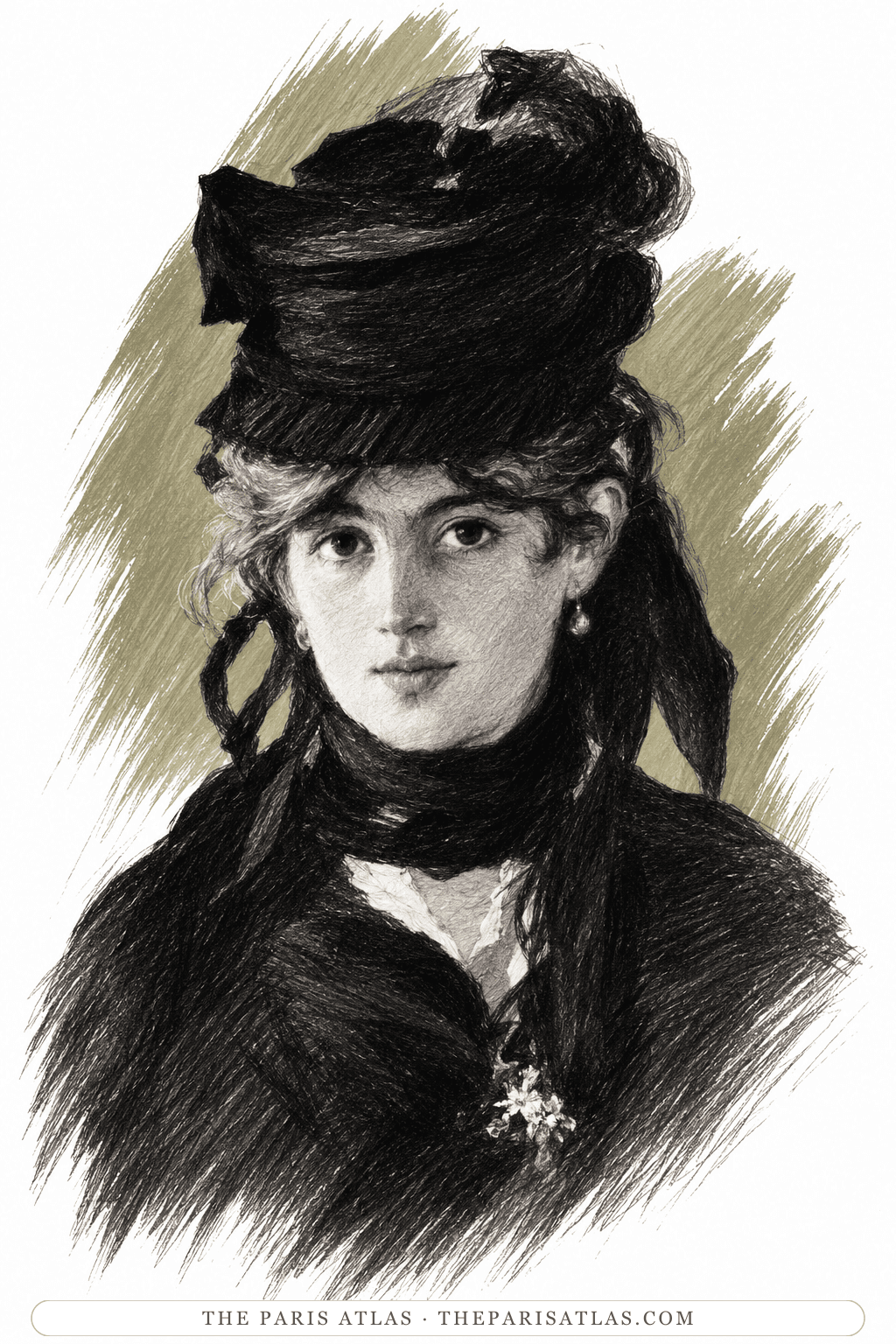
Berthe Morisot
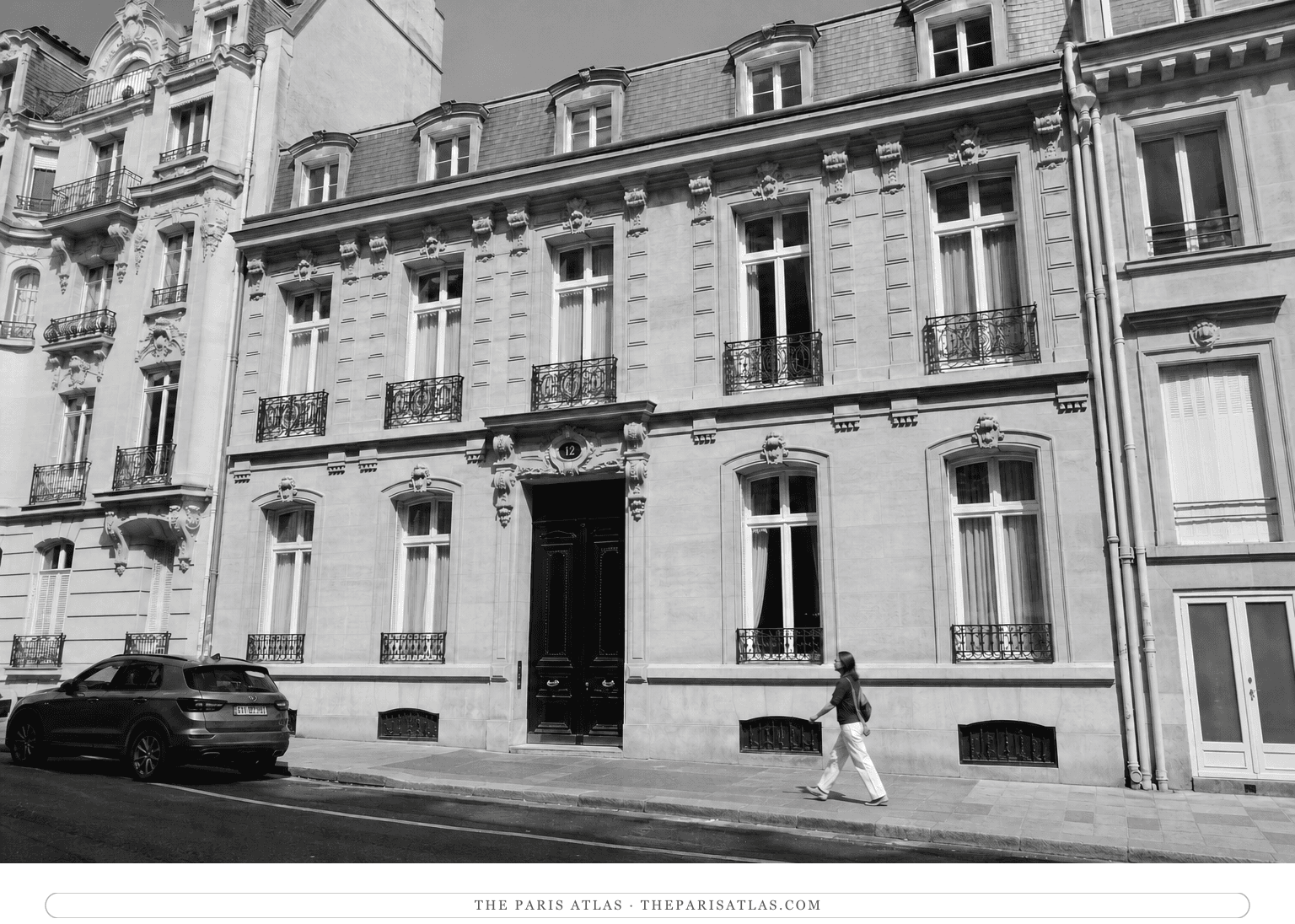
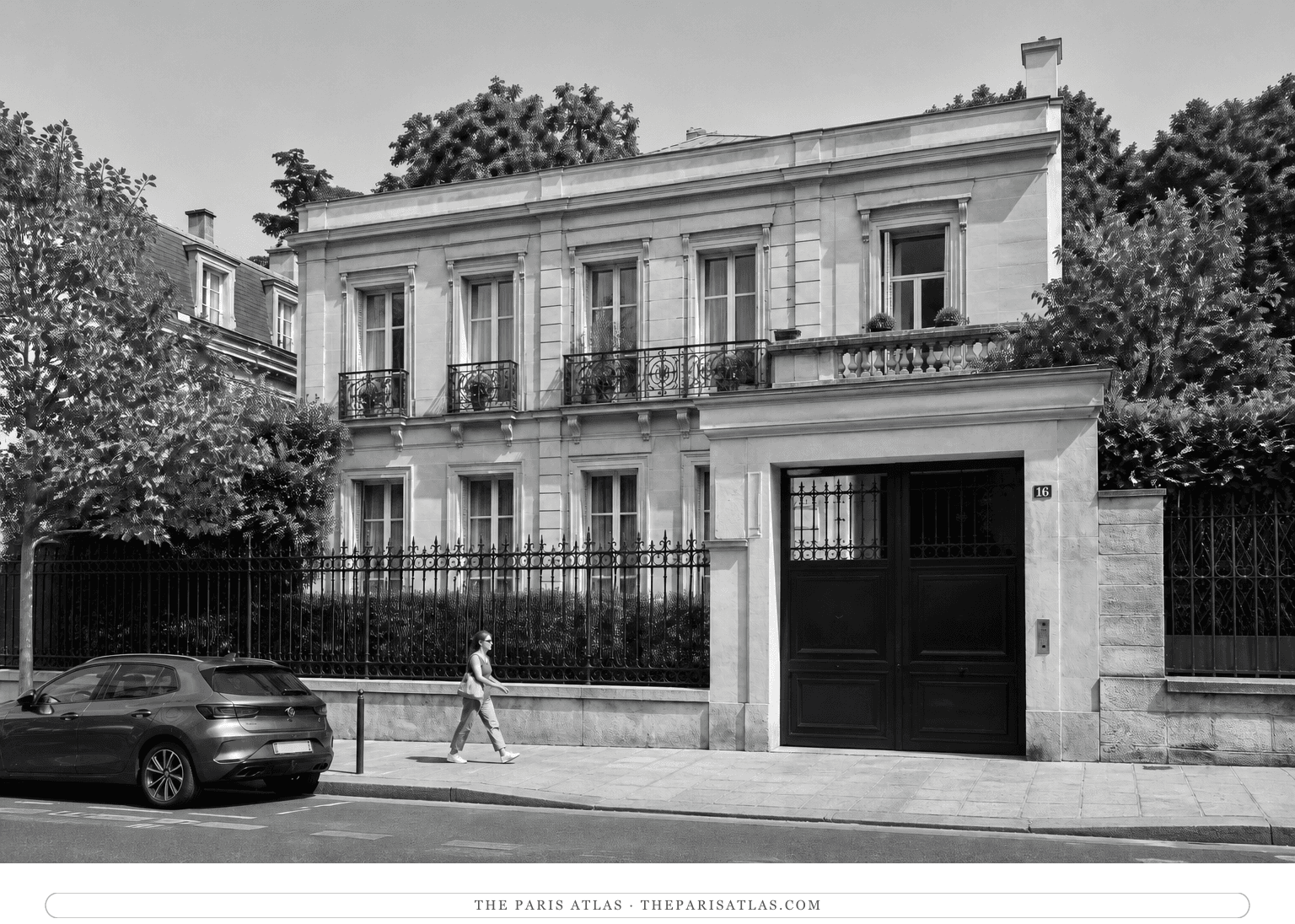
A Morisot family home on what was then the rue Franklin, where a studio was built in the garden for Berthe and her sister Edma.
The Morisot family house in Passy where a studio was built in the garden for Berthe and her sister Edma — an unusually serious commitment to two daughters' painting for a bourgeois family of the 1860s.
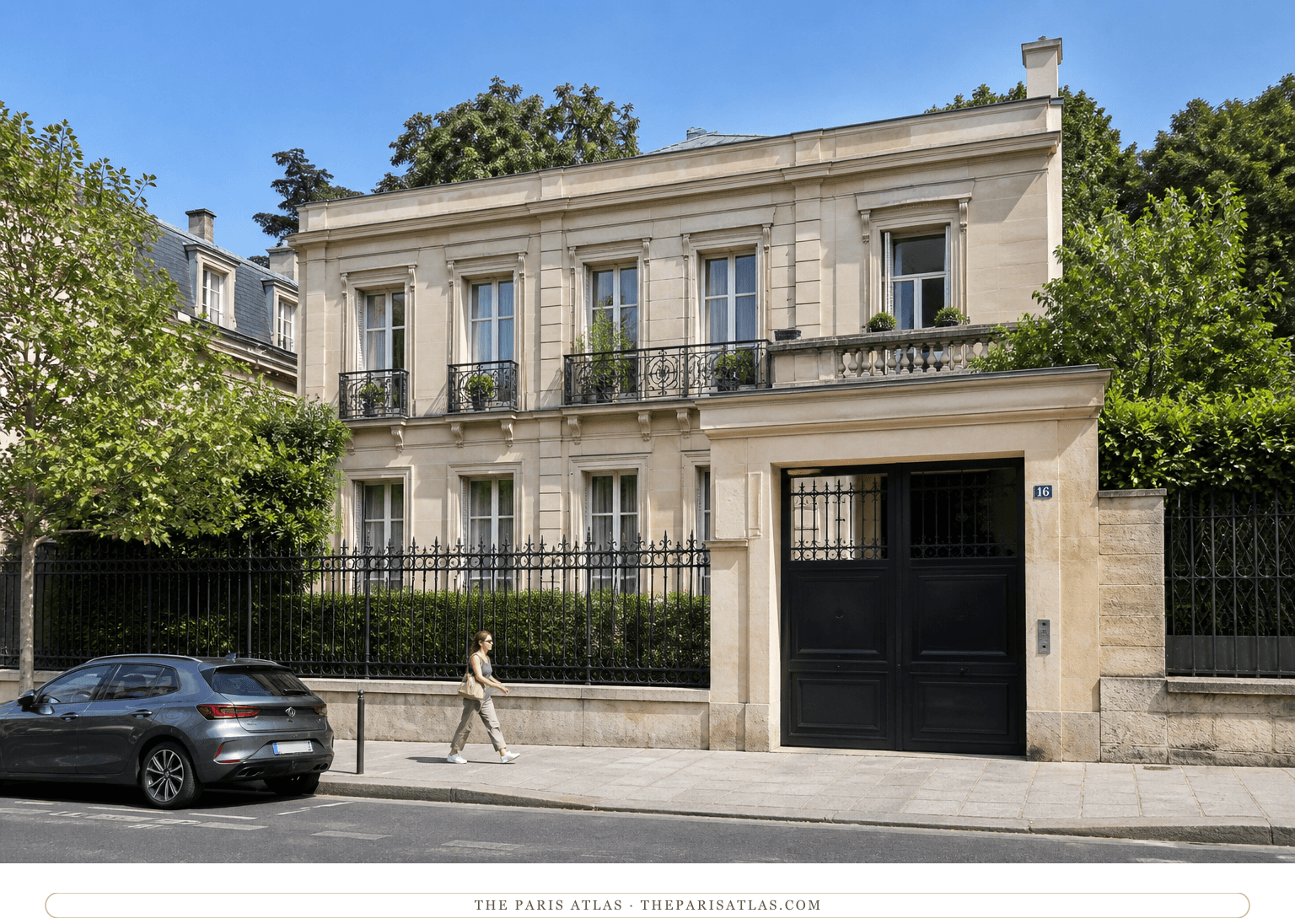
The Morisots were a well-off family — the father was a senior civil servant — living in Passy, then a quiet district on the western edge of Paris. What makes them unusual is what they did about their daughters' painting.
Berthe Morisot and her sister Edma both trained seriously, and at this house the family had a studio built for them in the garden. For two daughters in the 1860s that is a substantial statement: not an accomplishment to be practised in the drawing room until marriage, but a working space. The mother reportedly received a warning from one of their teachers that the girls were becoming painters in earnest, and that this would be catastrophic in their social class. The family carried on regardless.
Edma gave up painting when she married in 1869. Berthe did not, and the difference between the two sisters is one of the clearest illustrations there is of what it cost a woman to keep working.
The house is private. The street, called the rue Franklin in Morisot's day, is now the rue Benjamin-Franklin.
A studio is built in the garden for the two Morisot sisters.
Edma Morisot marries and gives up painting.
Yes. At the family house on the rue Franklin, now the rue Benjamin-Franklin, a studio was built in the garden for Berthe and her sister Edma.
Berthe's sister, who trained as a painter alongside her and gave it up when she married in 1869. Berthe painted her often.
A Morisot family home on what was then the rue Franklin, where a studio was built in the garden for Berthe and her sister Edma.
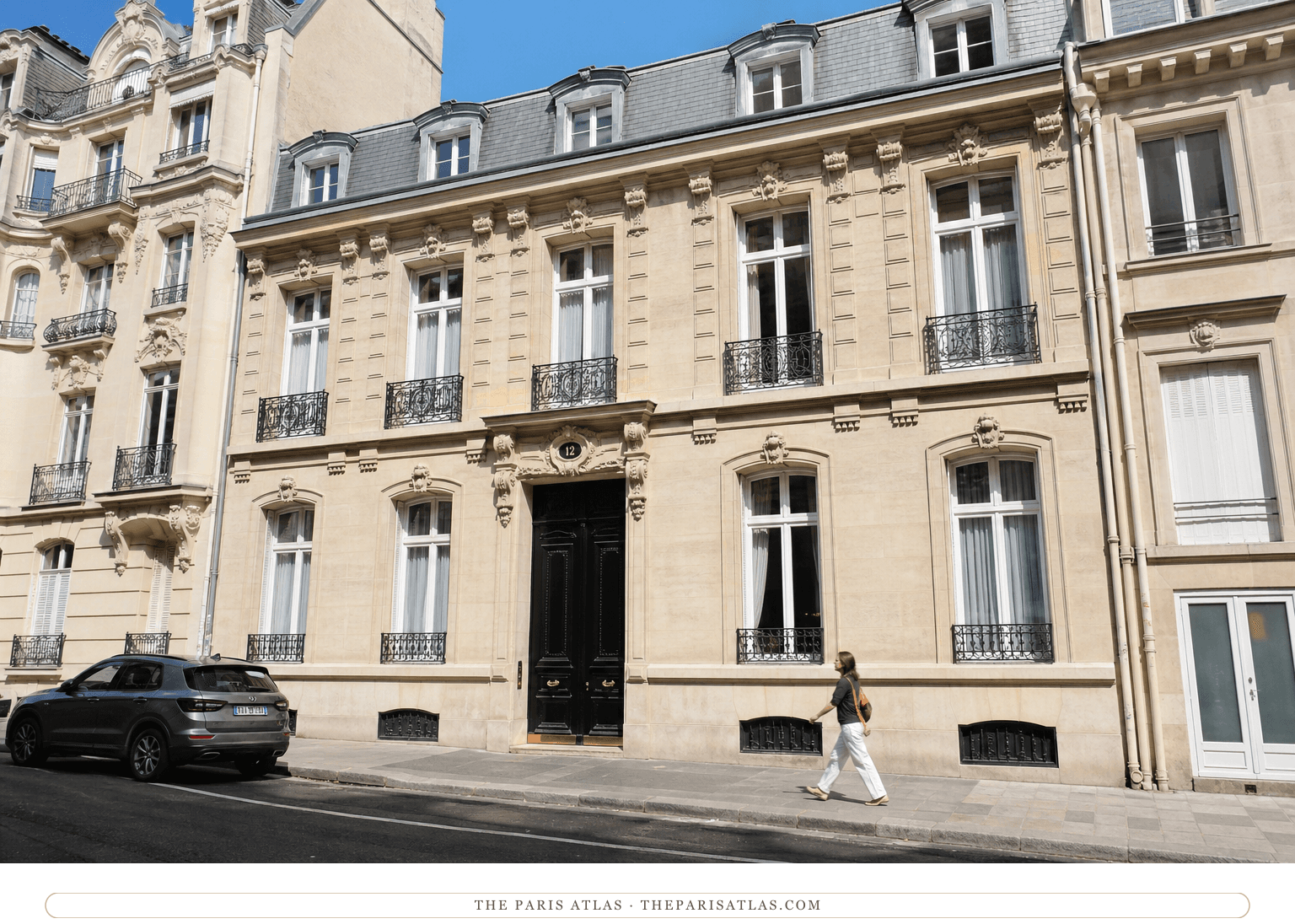
One of the Morisot family's Passy addresses during the years when Berthe and Edma Morisot were training as painters, a few doors from the house where their garden studio was built.
Visit the place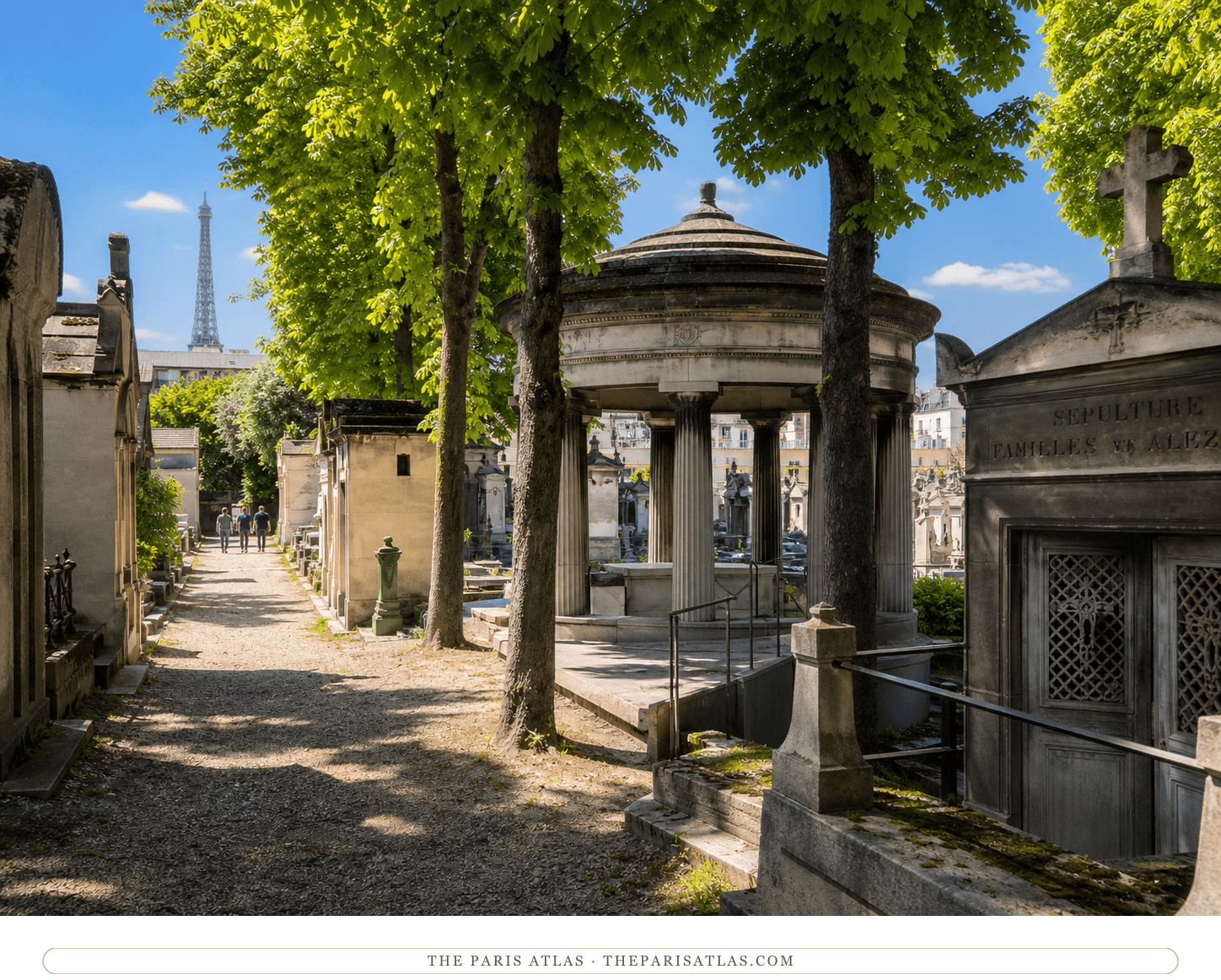
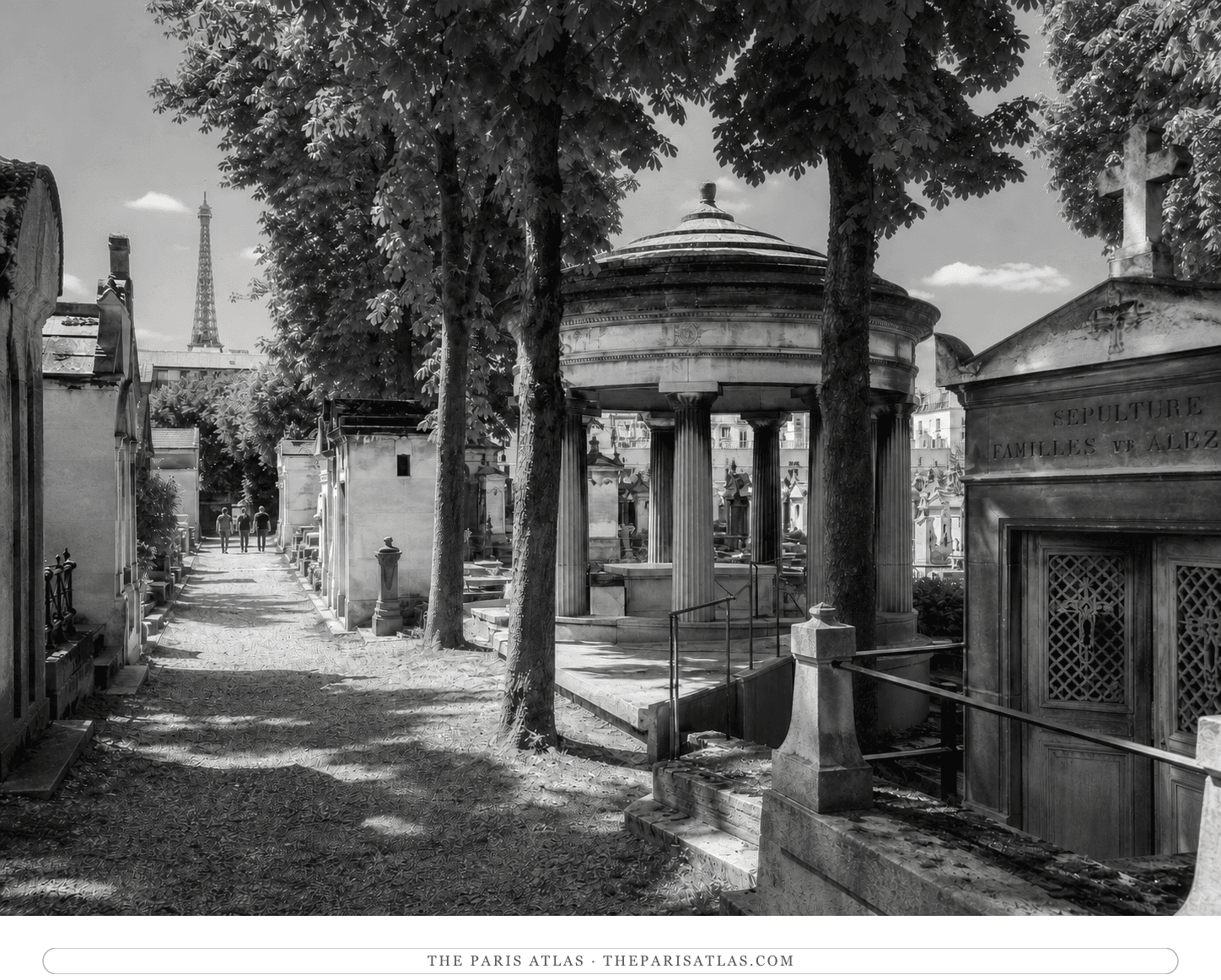
The small, wealthy cemetery beside the Trocadéro where Édouard Manet is buried in the family tomb — together with his brother Eugène and Eugène's wife, the painter Berthe Morisot.
Visit the place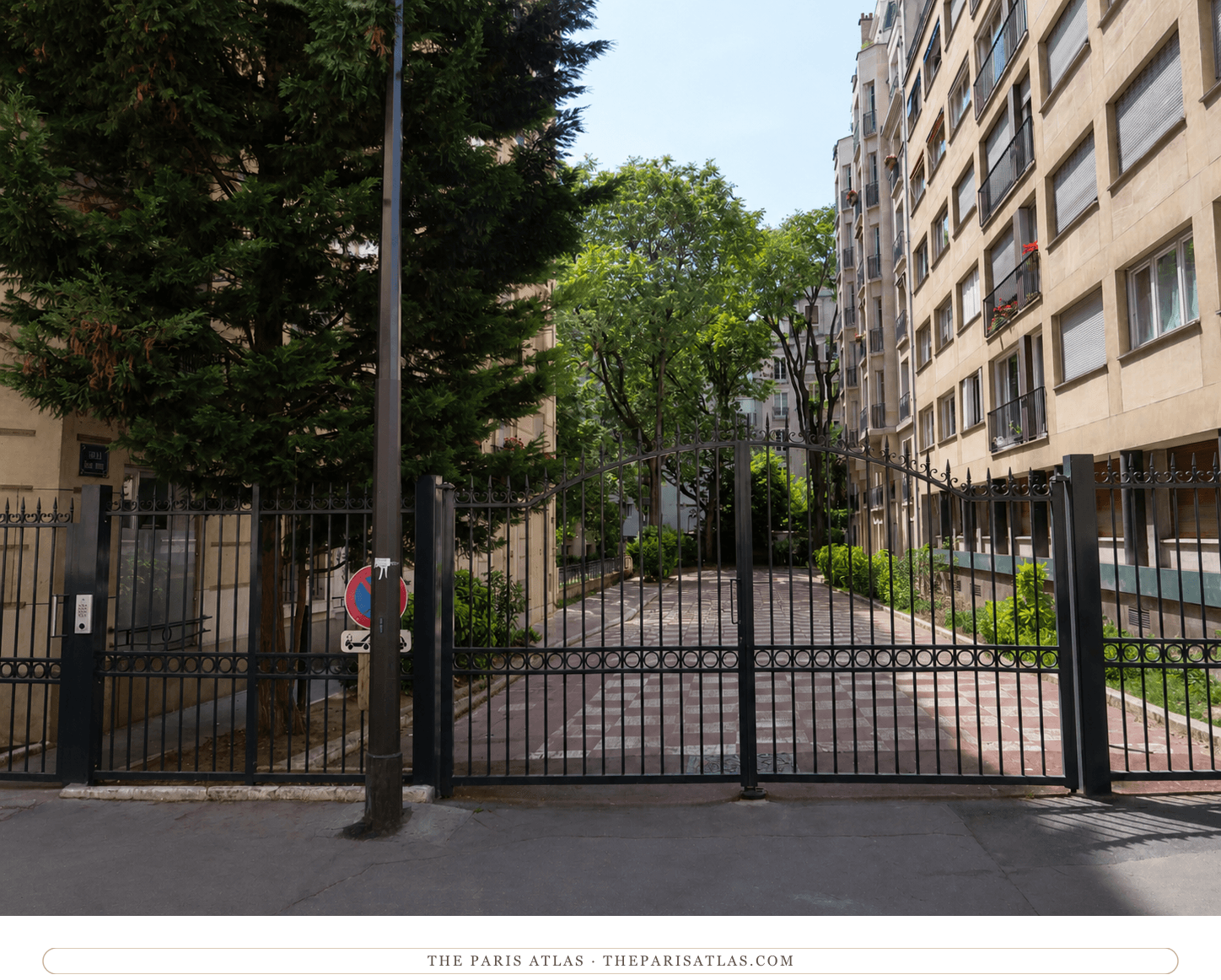
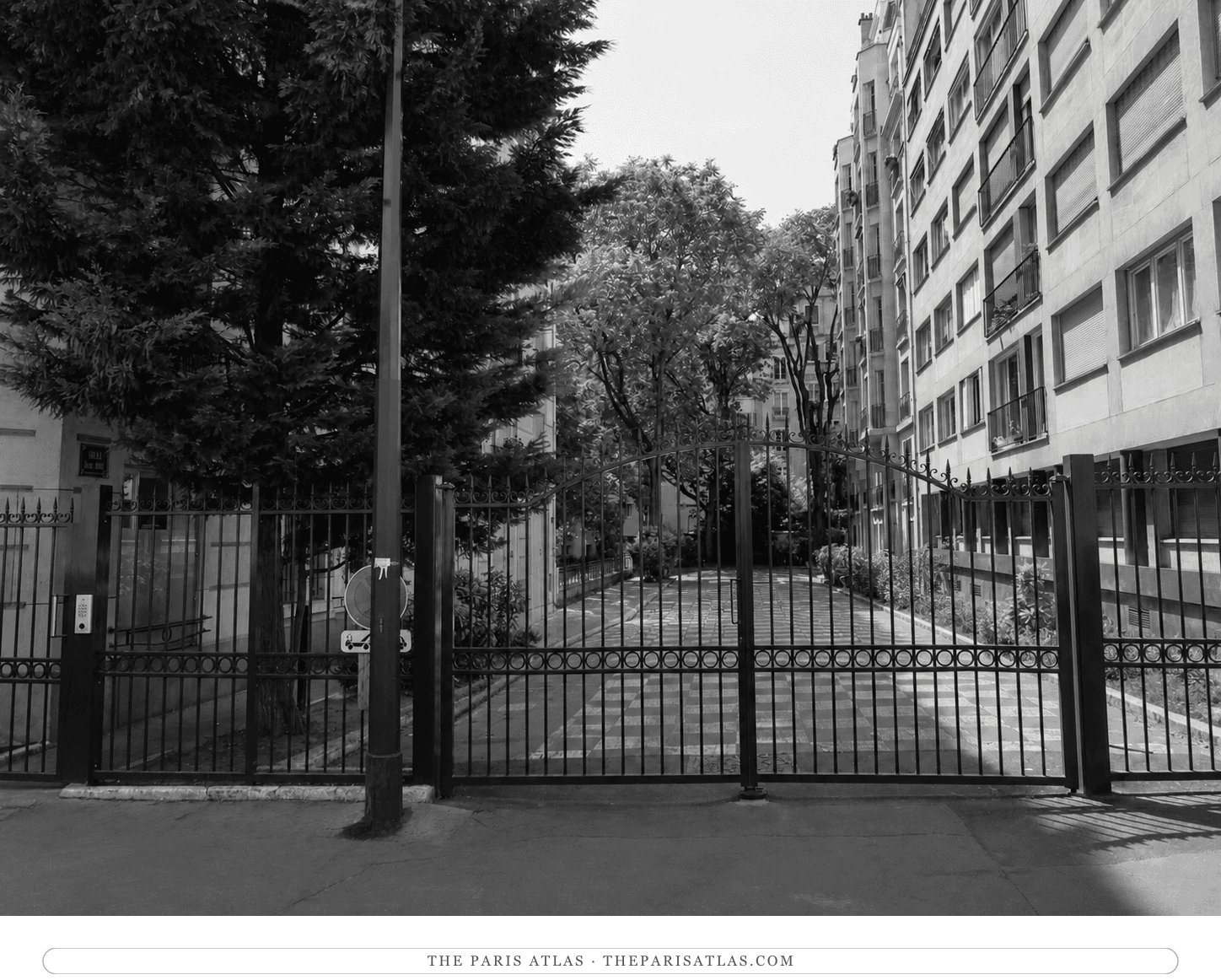
The Passy house with a large studio window that Marc Chagall took in the 1930s — twenty years and a world away from the unheated rotunda at La Ruche.
Visit the place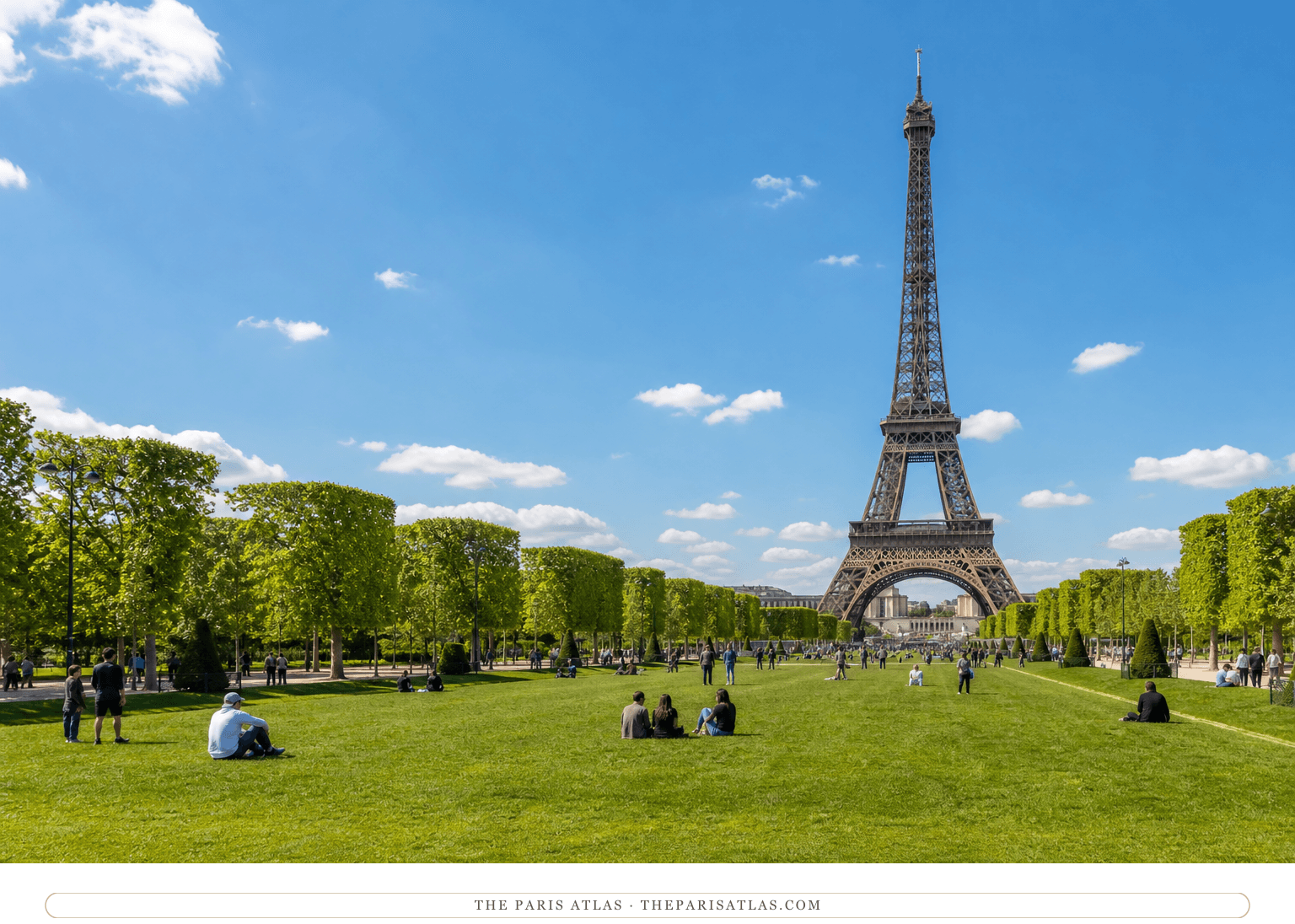
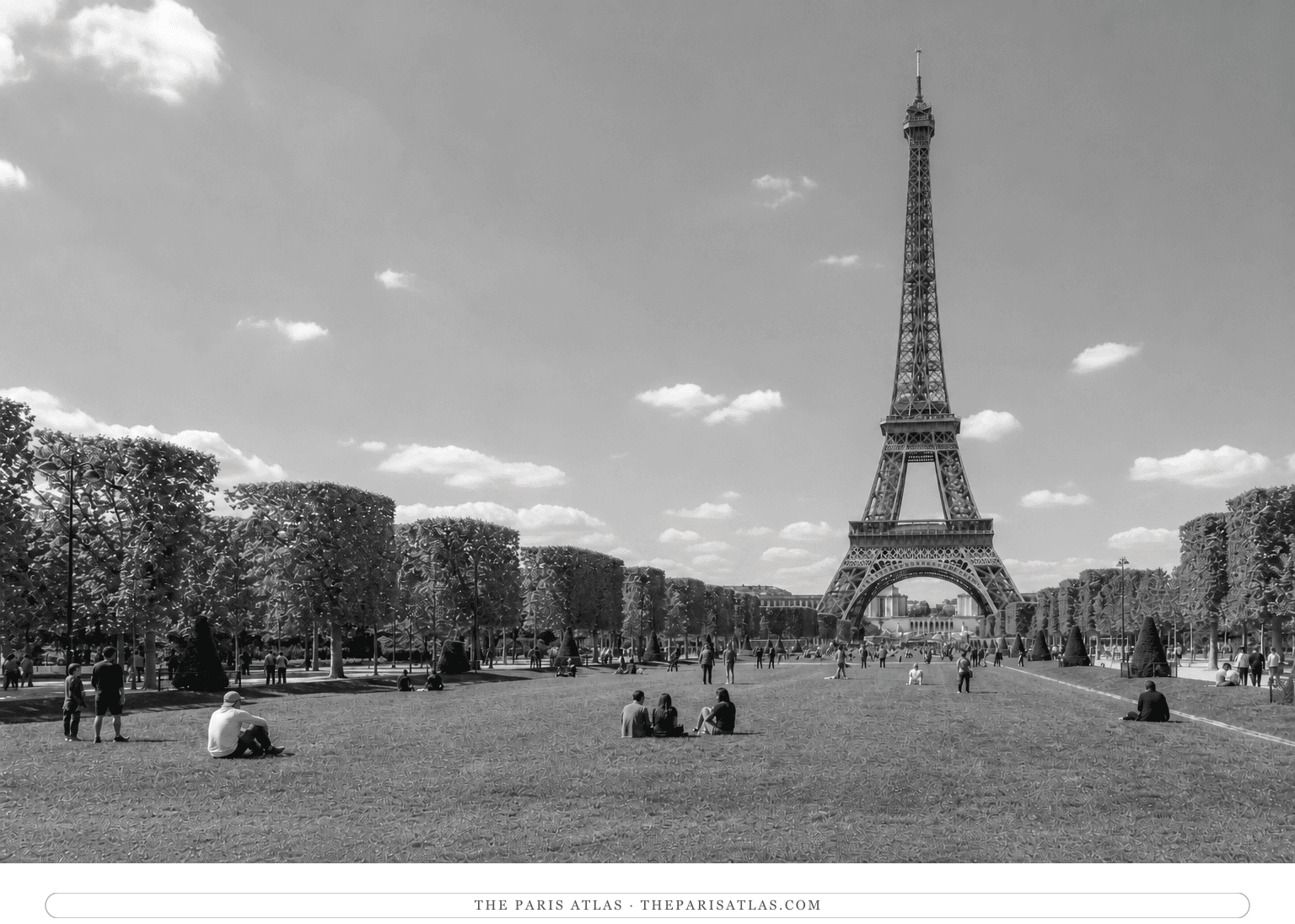
The great park below the Eiffel Tower, and the site of the 1889 Exposition Universelle — where Claude Debussy heard Javanese gamelan for the first time and never entirely got over it.
Visit the placeThe sources below include histories, archival materials, scholarly research, and official records that informed this page. They document 16 rue Benjamin-Franklin, the people connected to it, and its place in Paris.


Web source consulted for documented facts and historical context presented on the 16 rue Benjamin-Franklin page.
Web source consulted for documented facts and historical context presented on the 16 rue Benjamin-Franklin page.
Web source consulted for documented facts and historical context presented on the 16 rue Benjamin-Franklin page.
Web source consulted for documented facts and historical context presented on the 16 rue Benjamin-Franklin page.
These references provide the documented foundation for this page's history and context. Claim-level citations remain attached to the specific claims they support.
 Explore more resources
Newsletter
The cafés, studios, and walk-up flats where the work was made — one story from the map in every letter.