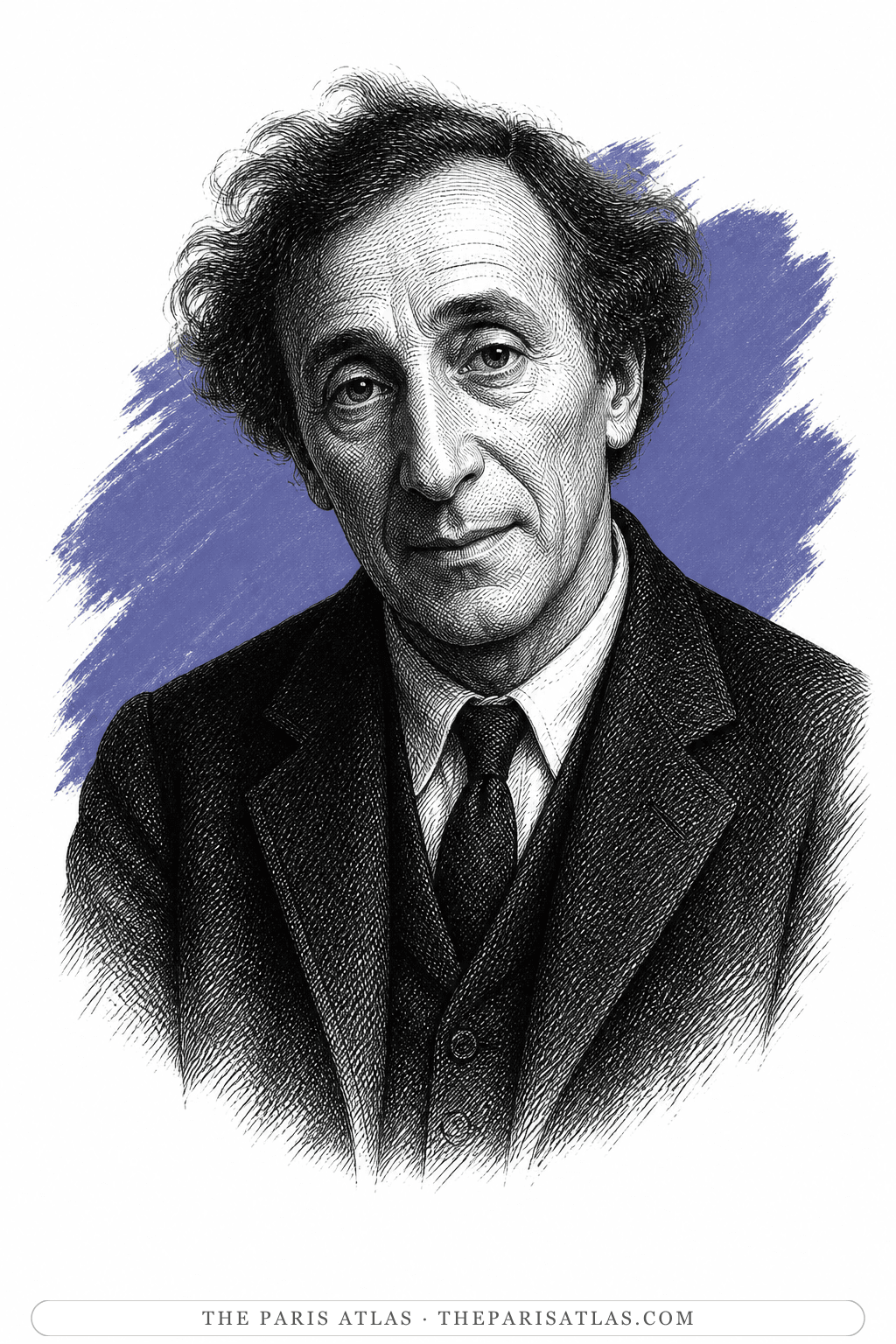
Marc Chagall
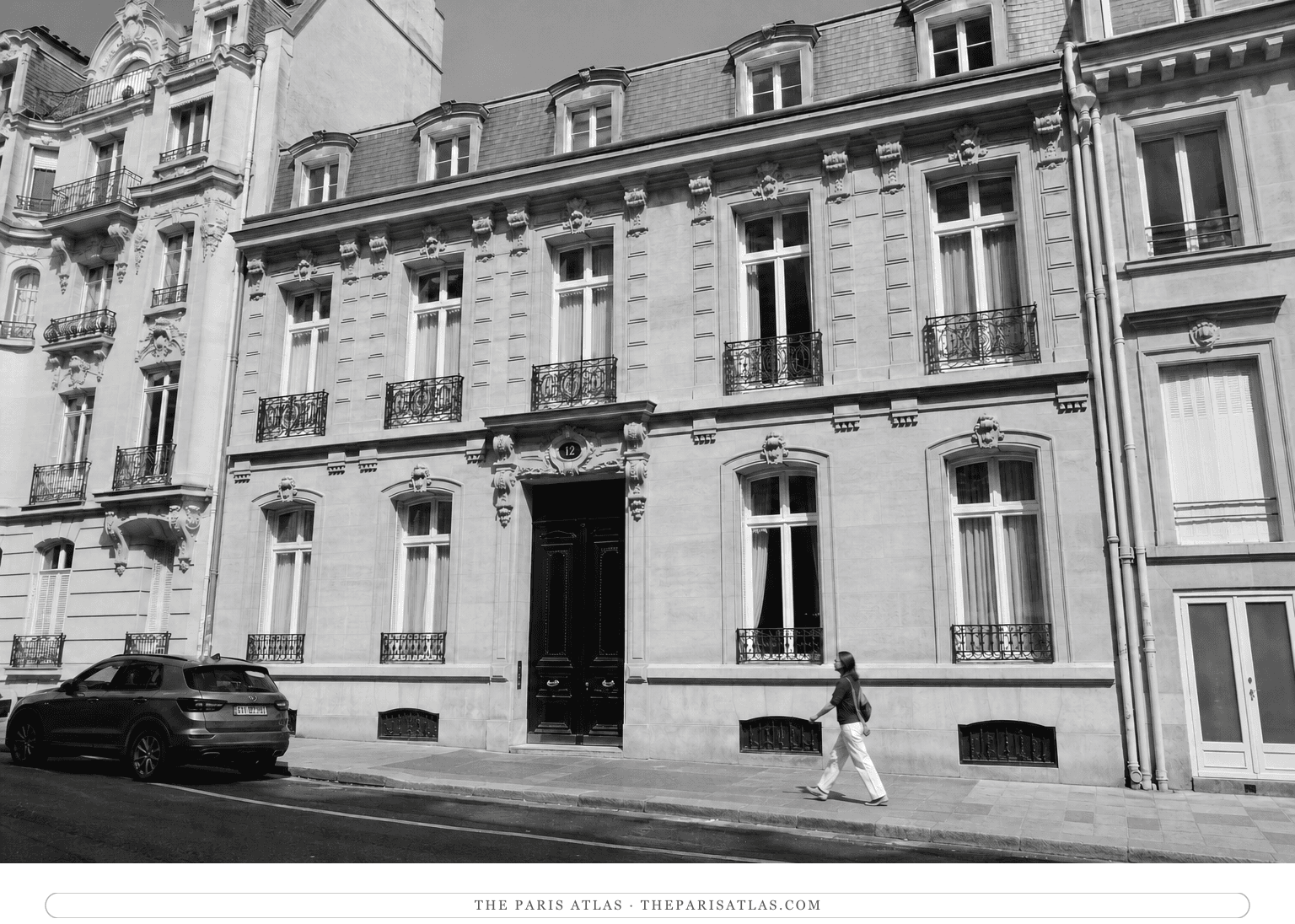
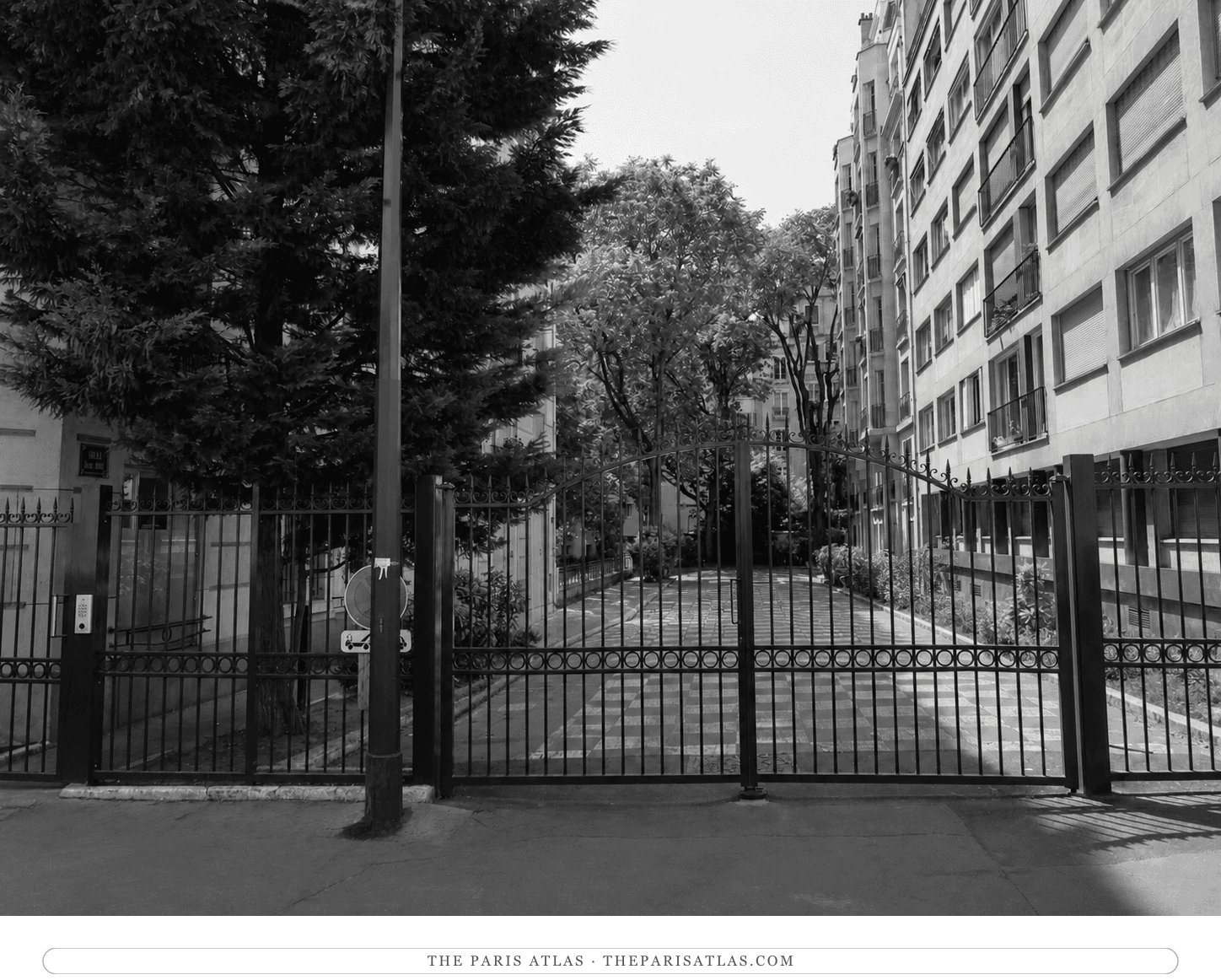
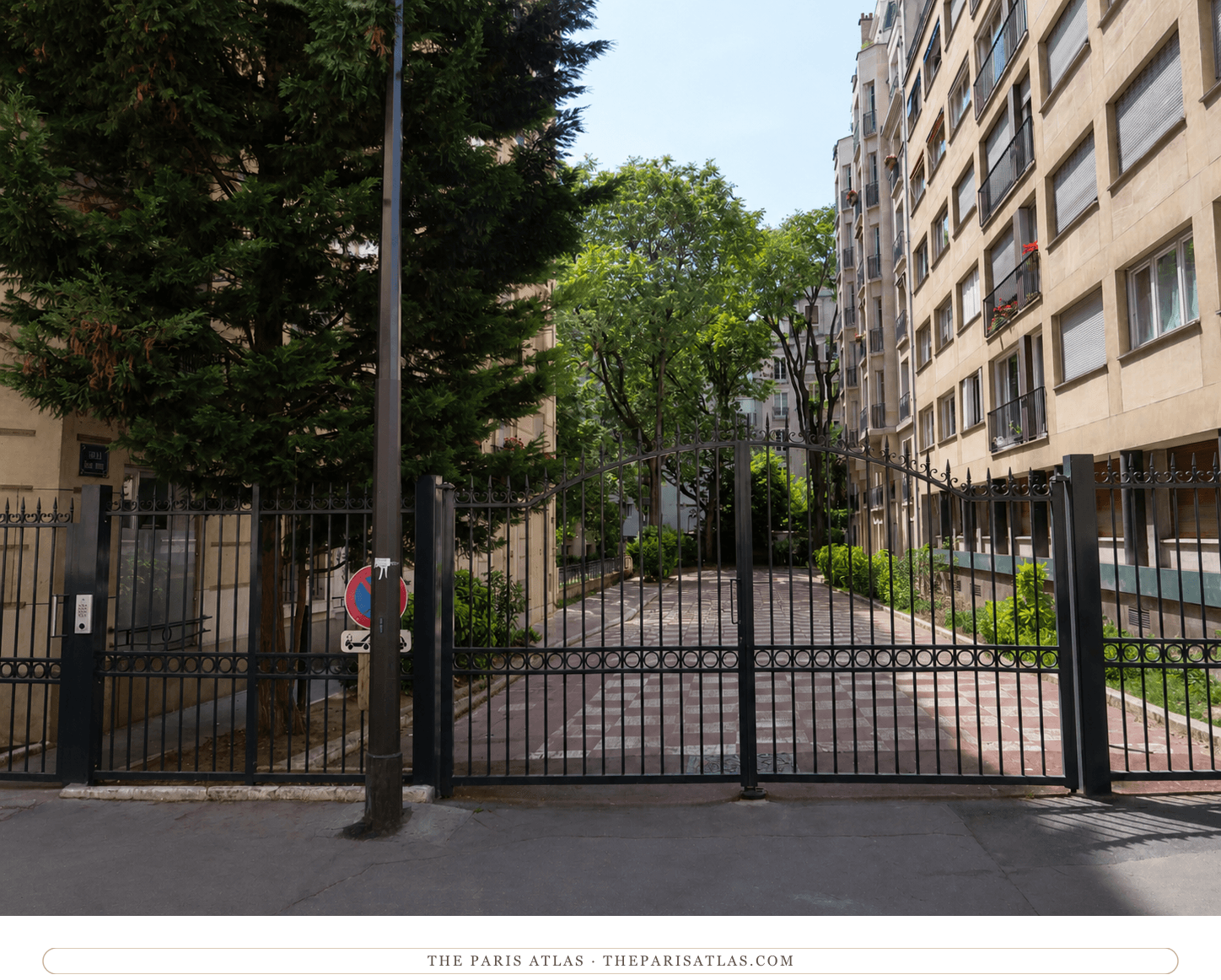
Chagall's home and studio in Passy during the 1930s, built around a large studio window. He left occupied France for New York in 1941.
The Passy house with a large studio window that Marc Chagall took in the 1930s — twenty years and a world away from the unheated rotunda at La Ruche.
The distance between La Ruche and this address is the whole shape of Marc Chagall's middle life. In 1912 he was in an unheated wedge-shaped room in Vaugirard painting on bedsheets. By the 1930s he was an internationally collected artist living in a house on a private lane in Passy, with a studio built around a large window.
That change was not a straight Paris success story. Chagall returned to Russia in 1914 expecting a visit and remained through war and revolution, served as arts commissar in Vitebsk, clashed with the Suprematists he had invited to the school, worked for the Jewish theatre in Moscow, and left for Berlin before returning to France in 1923. The Passy studio came after repeated political and artistic dislocation.[1]
Between the two came Vitebsk, the Russian Revolution — in which he was briefly a regional commissar for the arts — Moscow theatre commissions, Berlin, and a return to France in 1923 that made him a French painter for the rest of his life.[2]
In interwar Paris, Ambroise Vollard commissioned the long illustrated-book projects that occupied Chagall for years: Gogol's Dead Souls, La Fontaine's Fables and the Bible. A stable studio with controlled light mattered for drawing, proofing and painting across those different scales. The large window was working equipment, not merely a picturesque feature of the house.[1]
The 1930s work is lighter and more confident than anything before it, and the studio window is a large part of why: for the first time he had proper north light and space to work at scale.[3]
Security remained conditional. Nazi authorities classified Chagall as a degenerate artist, and the persecution against Jews intensified across Europe while he travelled and worked on biblical subjects. He became a French citizen in 1937, but citizenship did not remove the danger after occupation. The comfortable Passy address and the threat to its occupant existed at the same time.
It ended badly. As a Jewish artist in occupied France he was in serious danger, and in 1941 he escaped to New York with the help of the American rescue operation run out of Marseille. He did not come back to live in Paris.
His daughter Ida played a critical role in getting the contents of the studio out. Works left behind could have been seized, destroyed or dispersed; forwarding them to New York preserved the material record of the French years. The story of escape therefore includes packing and transport as well as visas and passage.
Villa Eugène-Manuel remains private and the short lane does not offer a public view into Chagall's rooms. The entrance establishes the seclusion of the address, but no studio interior is presented. Its value on the map lies in the contrast between achieved professional stability and the speed with which occupation made that stability untenable.
The illustrated books connect this private workspace to a large public. Chagall developed images through drawing and etching over long periods, responding to Russian literature, French fable and the Hebrew Bible while refusing simple illustration of a single line. The projects let memories of Vitebsk, Parisian modernism and scriptural narrative occupy the same sheets. A stable studio supported that slow accumulation.
Light in Chagall's work should not be reduced to a window specification, but the physical conditions mattered. A broad opening allowed consistent daytime work and room to step back from large surfaces. Compared with the cramped, irregular studios of his first Paris years, Passy made complex commissions and simultaneous projects easier to manage. Professional success could be measured in working conditions before it appeared in public honours.
Bella remained central to both household and imagery. Their shared life crossed Vitebsk, revolution, Berlin, Paris and eventual flight, while brides, lovers and floating couples recurred across Chagall's work. Treating the Passy address only as the male artist's studio would omit the family organisation and emotional partnership that travelled with the pictures.
The rescue of studio contents demonstrates why archives and artworks cannot be assumed to survive automatically. Transport required decisions about what could be packed, routes, money and people willing to intervene. Ida's work preserved objects that later allowed the interwar period to be studied and exhibited. The comfortable studio became cargo under threat, a transformation that makes the chronology of occupation materially clear.
After the escape, Chagall's American years changed the context again. New York offered safety, exhibitions and contact with other displaced European artists, but Bella died there in 1944. When he returned to France after the war, he did not resume this Paris household as if exile had been an interruption without loss. The Passy studio belongs to a completed phase: interwar work, citizenship, gathering danger and departure. Its private entrance survives as a geographic anchor, while the paintings and works on paper carry the interior history that visitors cannot see.
Chagall returns to France after years in Russia and Berlin.
He lives and works at villa Eugène-Manuel in Passy.
He escapes occupied France for New York.
Not really. Villa Eugène-Manuel is a short private lane and the house is not visible from the street beyond its entrance.
He was a Jewish artist in occupied France and in serious danger. He escaped to New York in 1941 with help from the American rescue effort operating out of Marseille.
Chagall's home and studio in Passy during the 1930s, built around a large studio window. He left occupied France for New York in 1941.
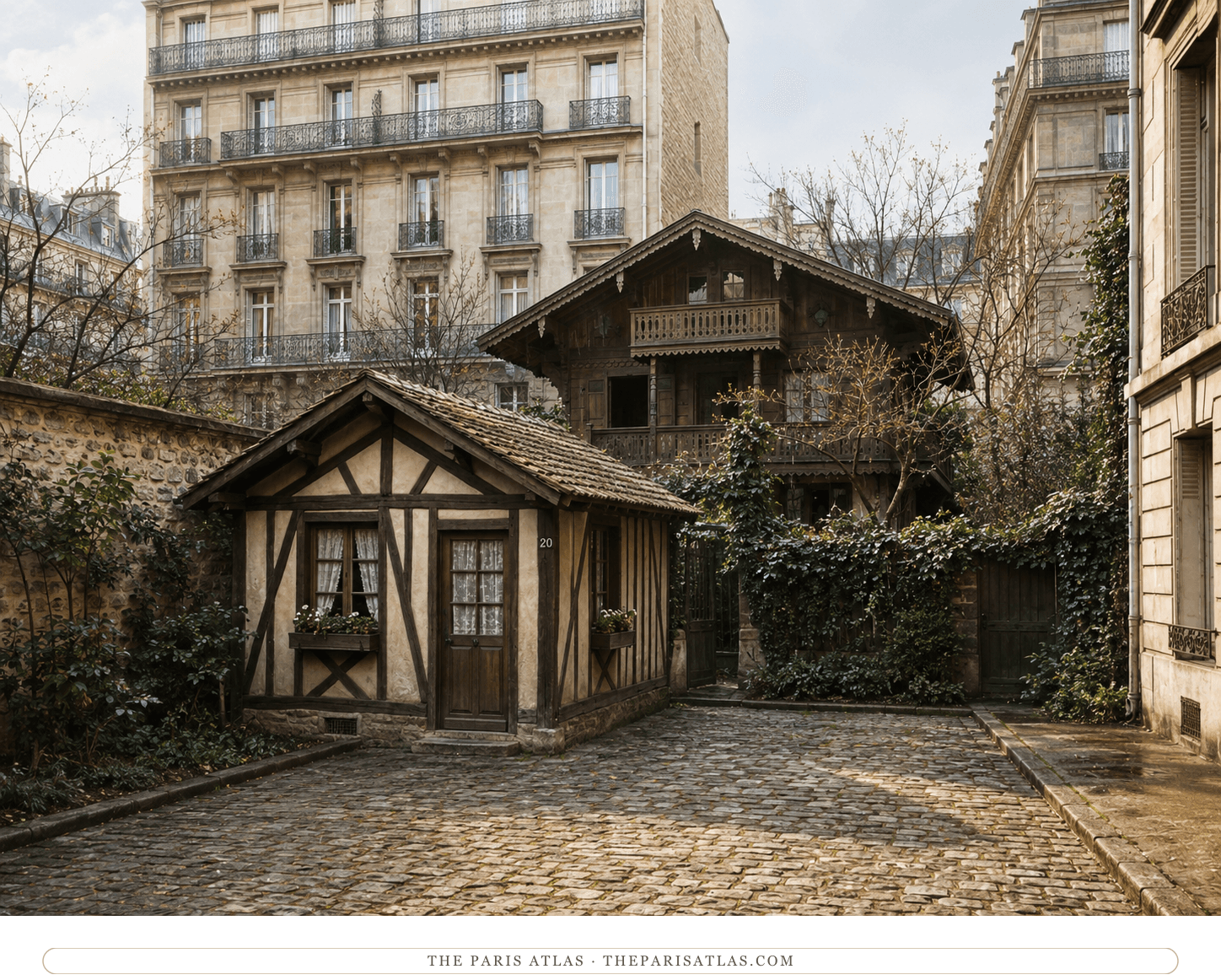
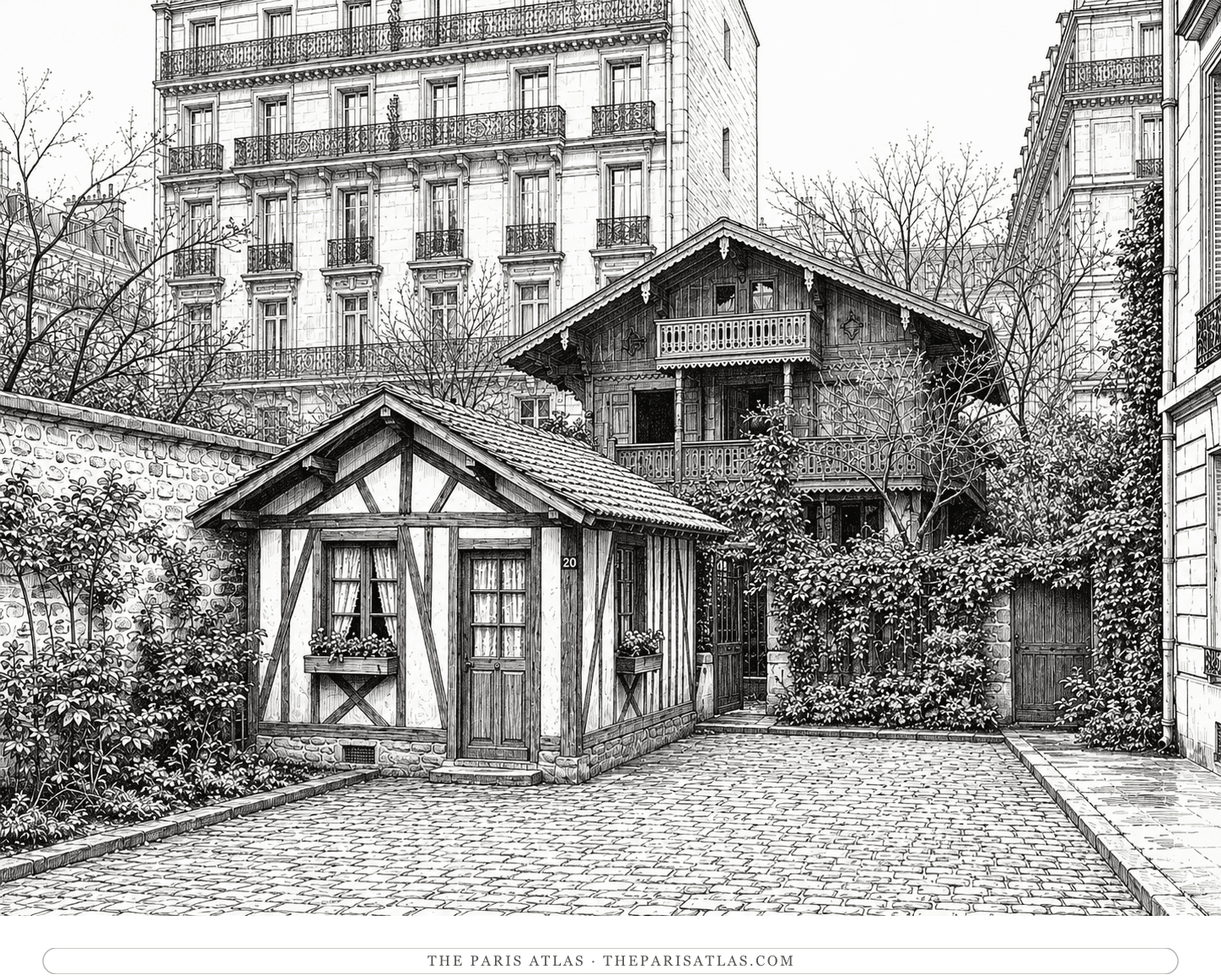
The wooden Swiss-style chalet in Passy, since demolished, where Colette lived through her second marriage and the birth of her daughter.
Visit the place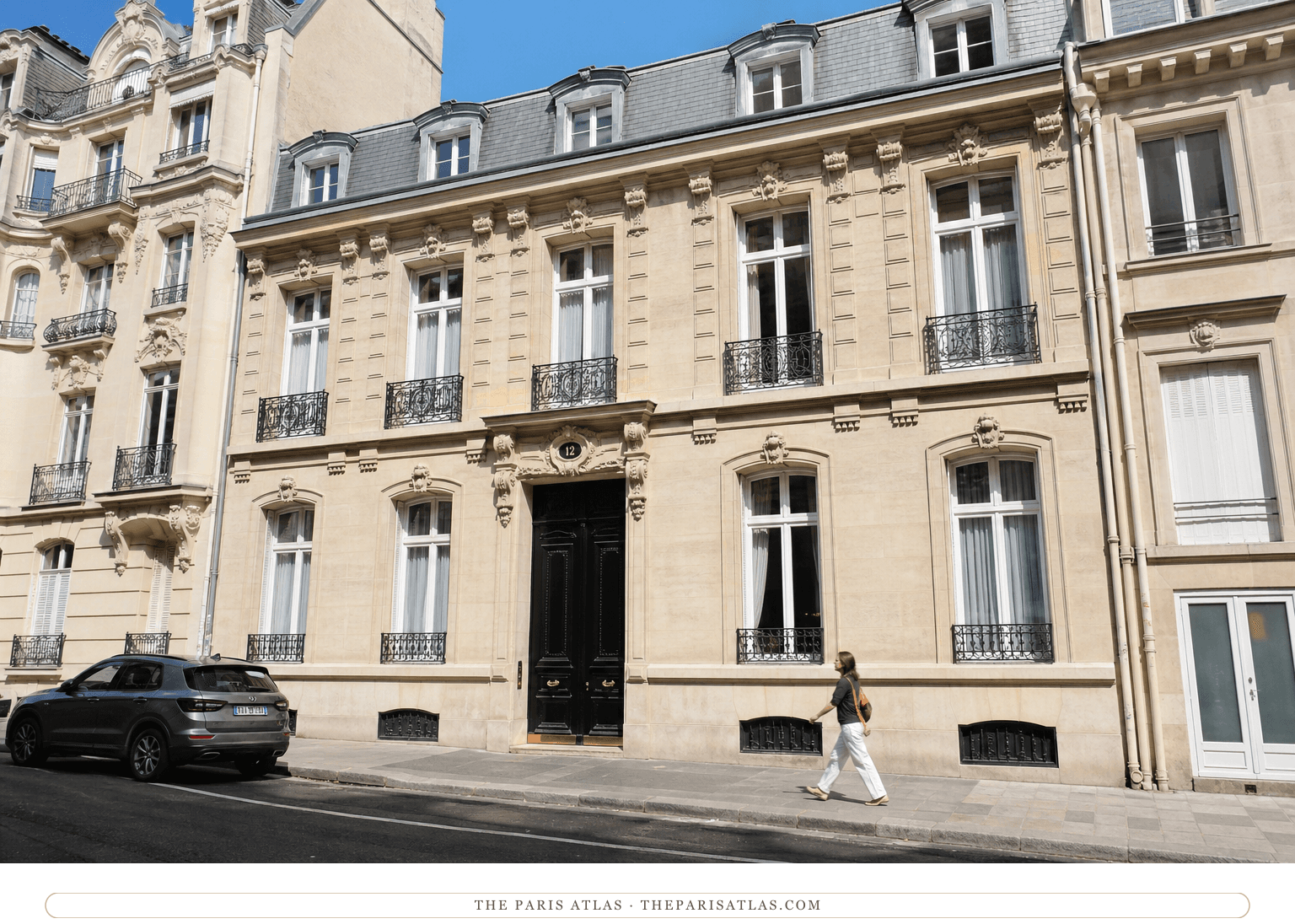
One of the Morisot family's Passy addresses during the years when Berthe and Edma Morisot were training as painters, a few doors from the house where their garden studio was built.
Visit the place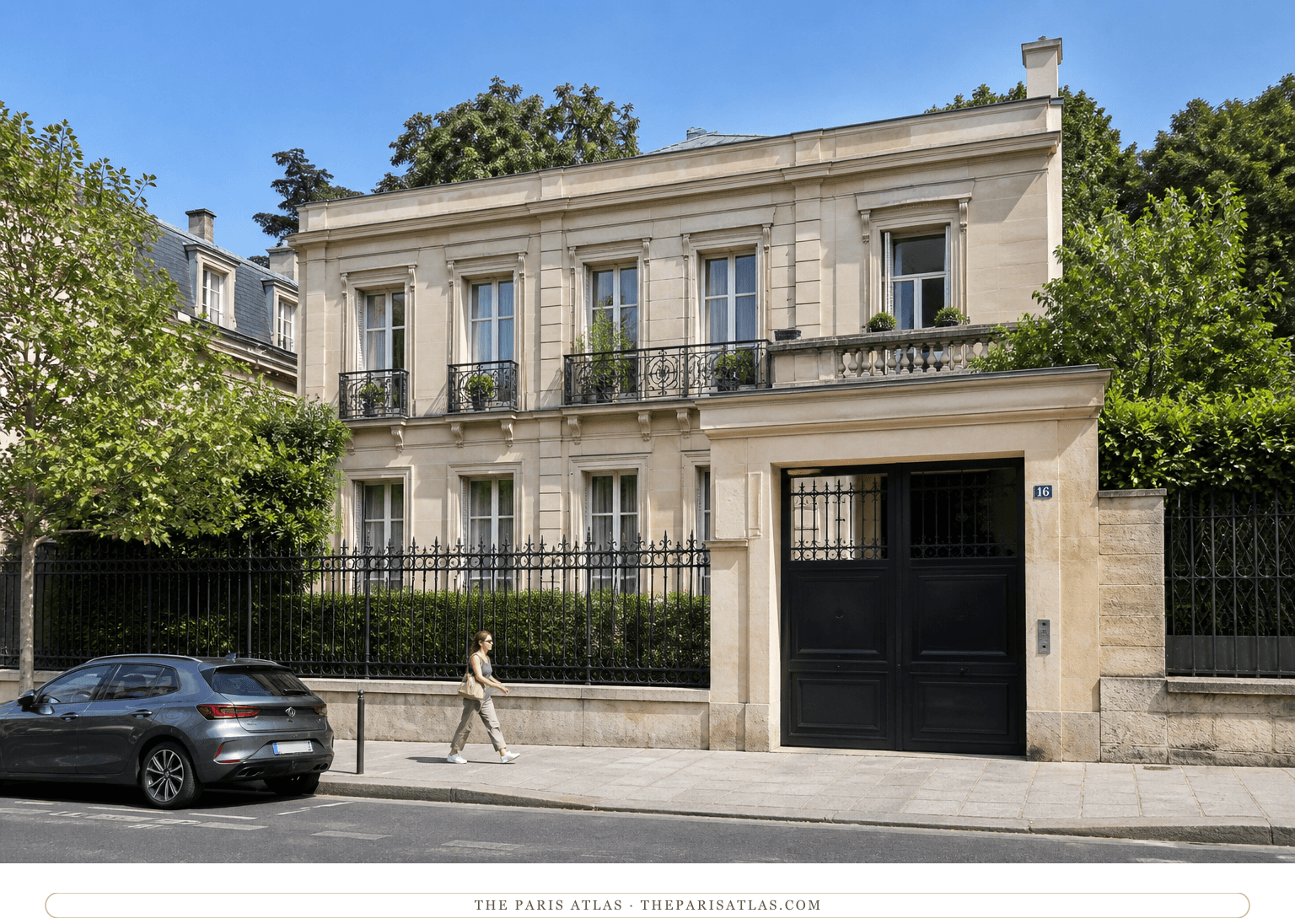
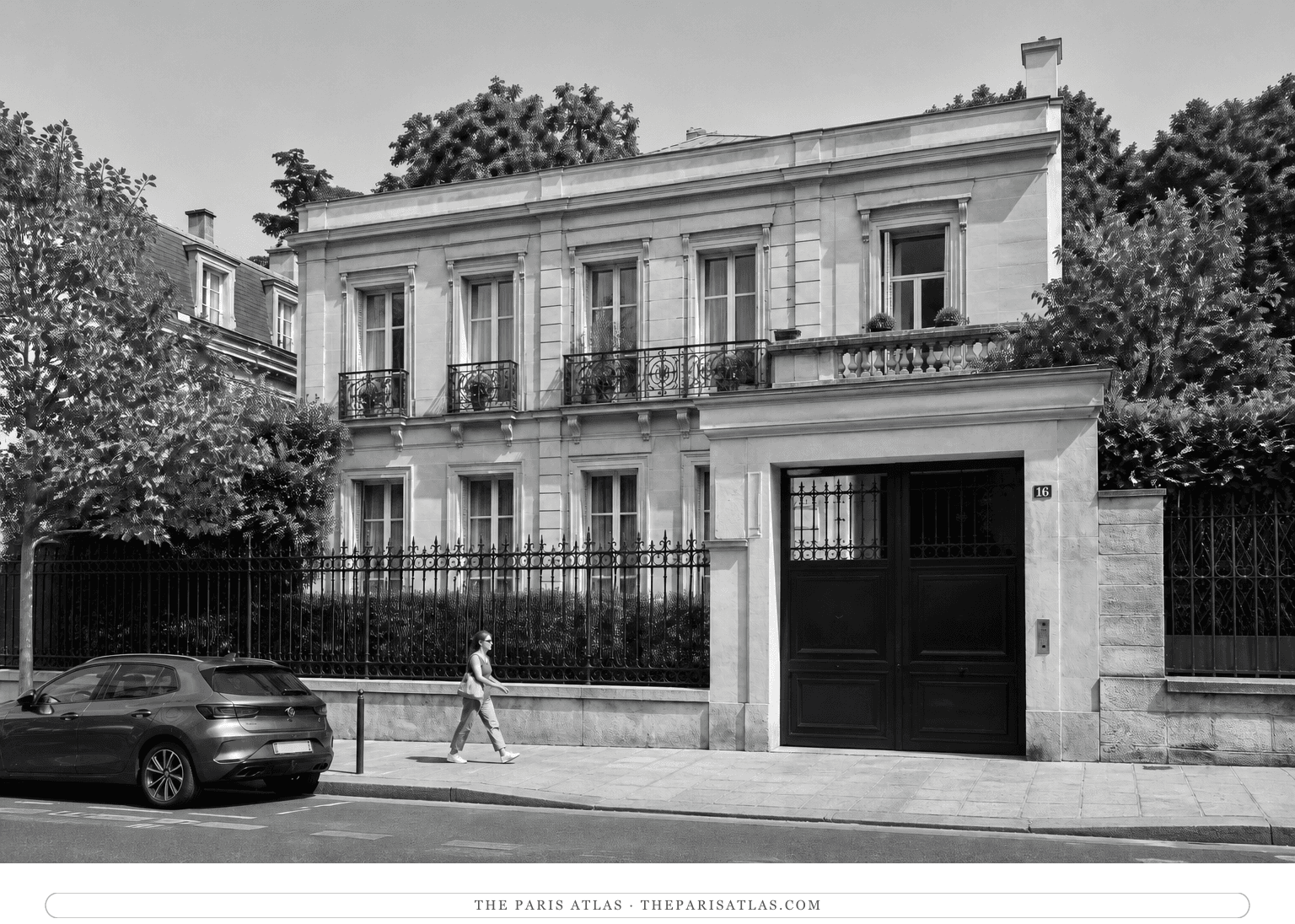
The Morisot family house in Passy where a studio was built in the garden for Berthe and her sister Edma — an unusually serious commitment to two daughters' painting for a bourgeois family of the 1860s.
Visit the place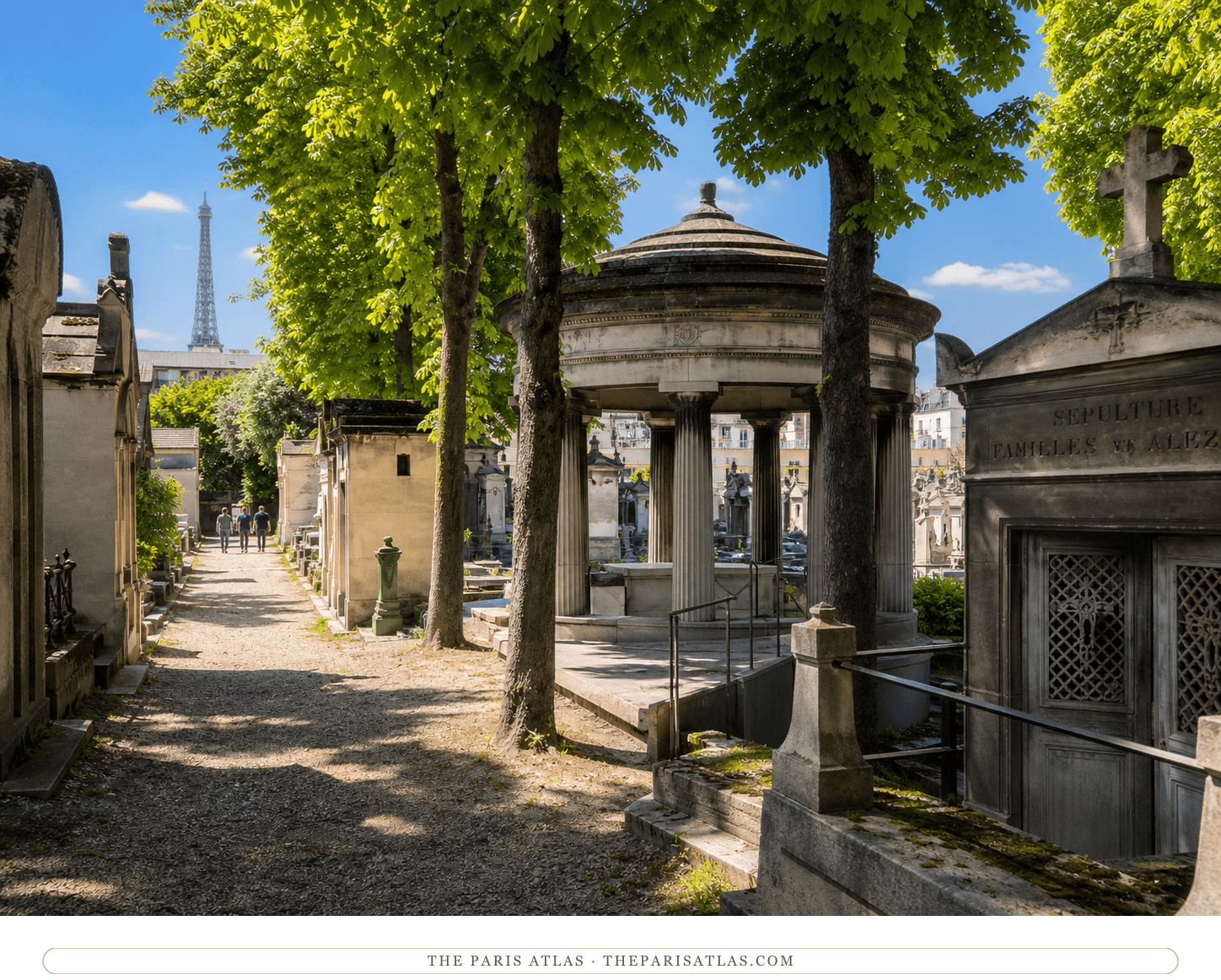
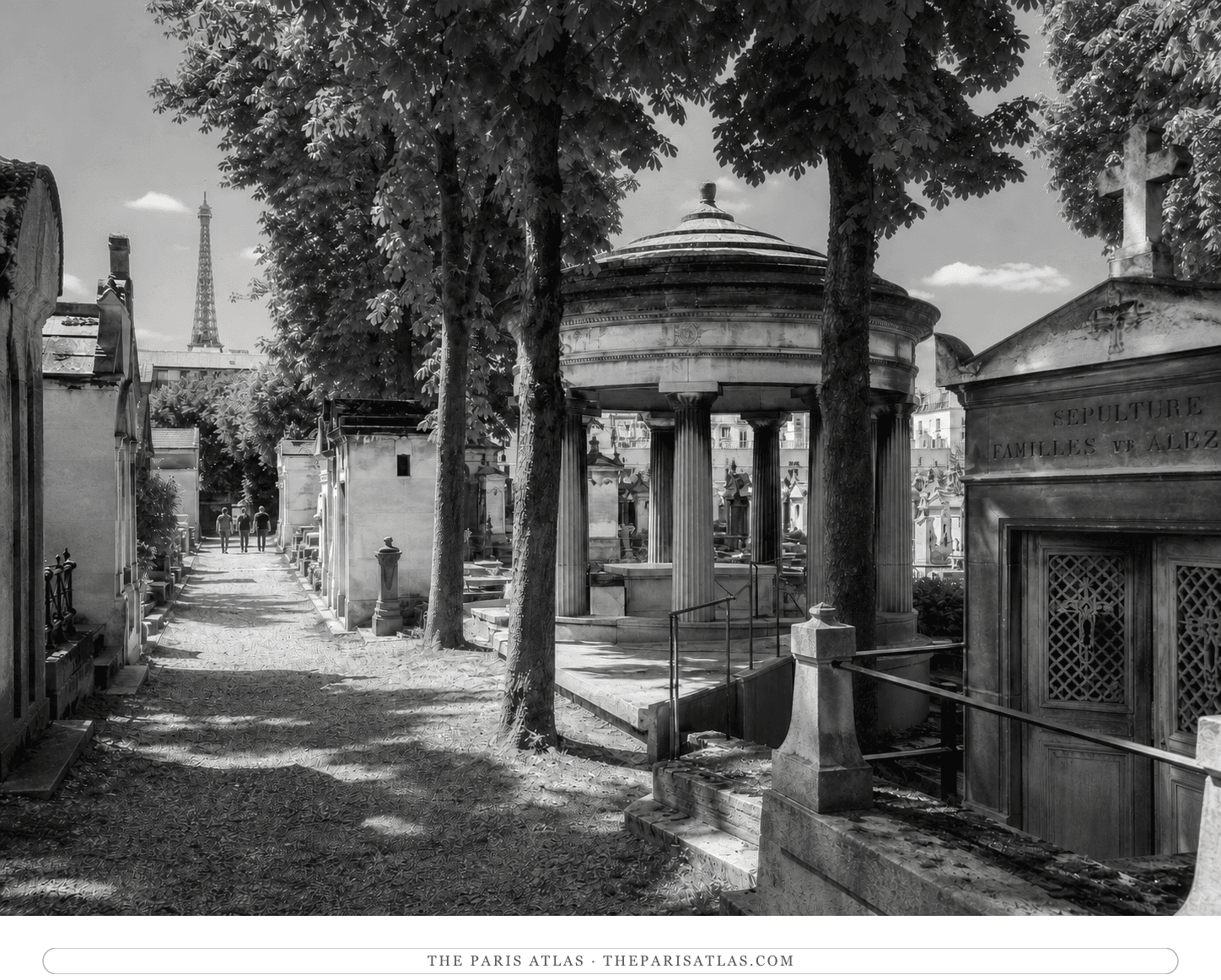
The small, wealthy cemetery beside the Trocadéro where Édouard Manet is buried in the family tomb — together with his brother Eugène and Eugène's wife, the painter Berthe Morisot.
Visit the placeThe sources below include histories, archival materials, scholarly research, and official records that informed this page. They document 4 villa Eugène-Manuel, the people connected to it, and its place in Paris.

Web source consulted for documented facts and historical context presented on the 4 villa Eugène-Manuel page.
Web source consulted for documented facts and historical context presented on the 4 villa Eugène-Manuel page.

Contemporary reporting or criticism used to document the historical reception and context of 4 villa Eugène-Manuel.
These references provide the documented foundation for this page's history and context. Claim-level citations remain attached to the specific claims they support.
 Explore more resources
Newsletter
The cafés, studios, and walk-up flats where the work was made — one story from the map in every letter.