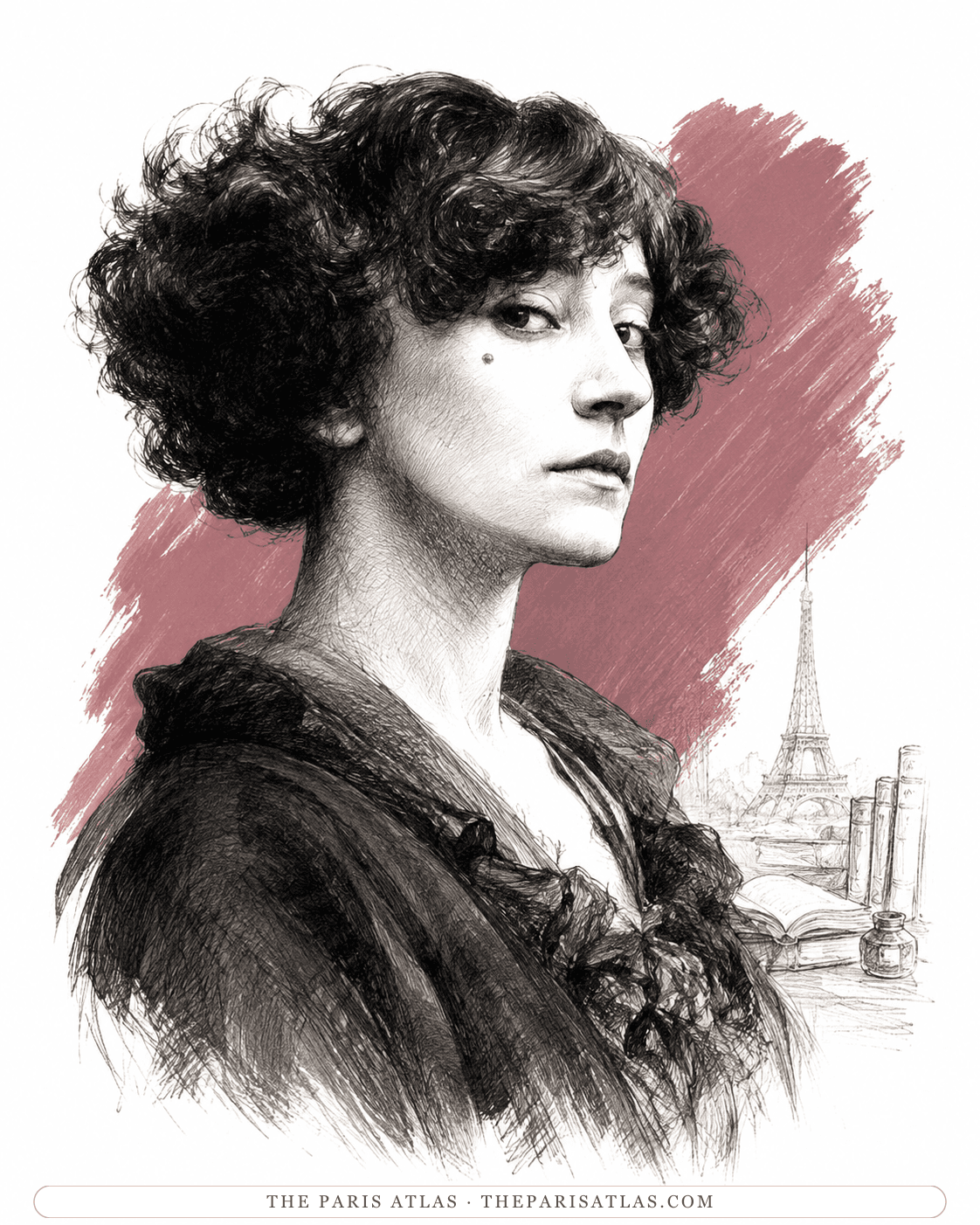
Colette
Lived here · 1911–1916
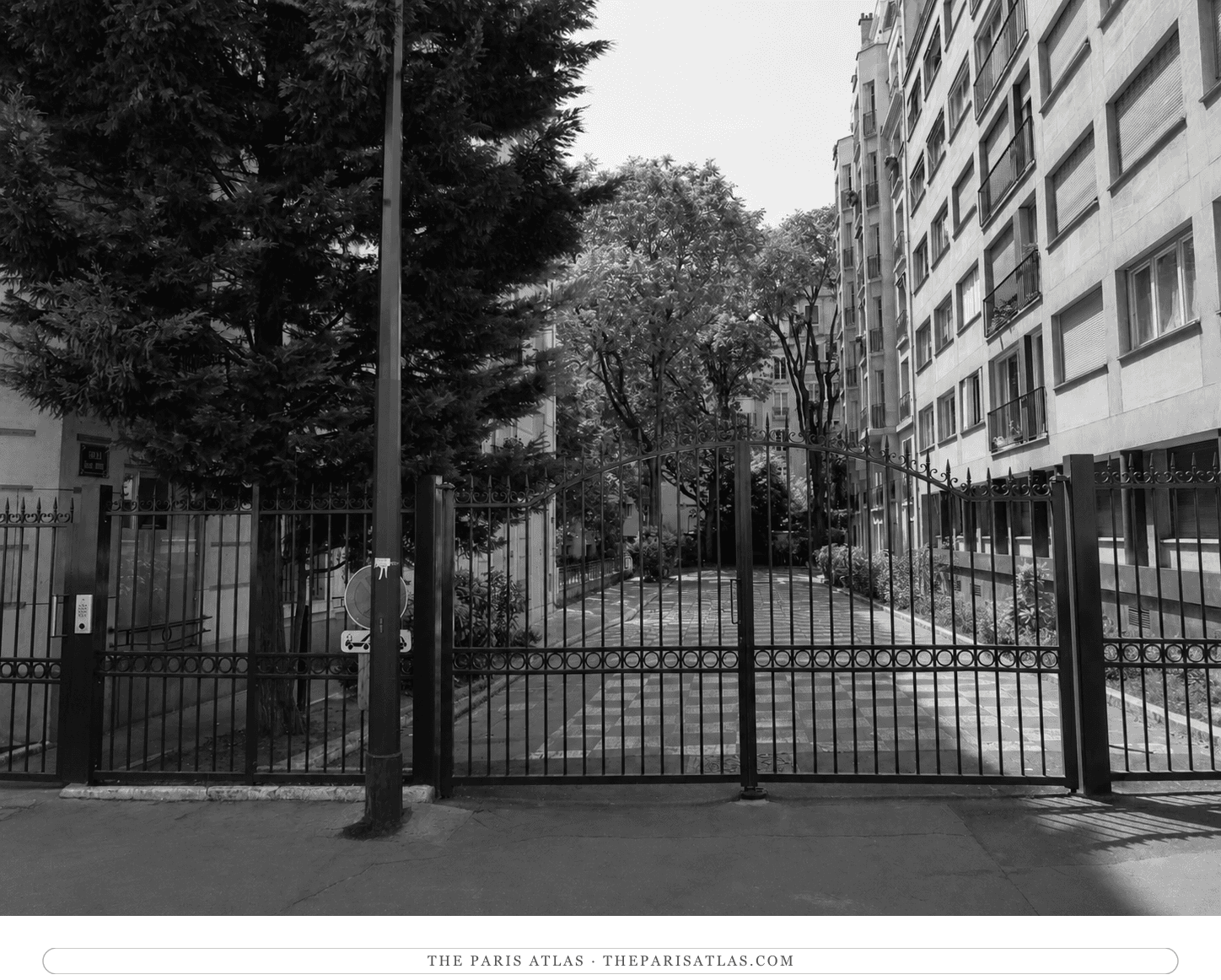
Henry de Jouvenel's house in Passy, where Colette lived from October 1911 through their 1912 marriage and the 1913 birth of their daughter.
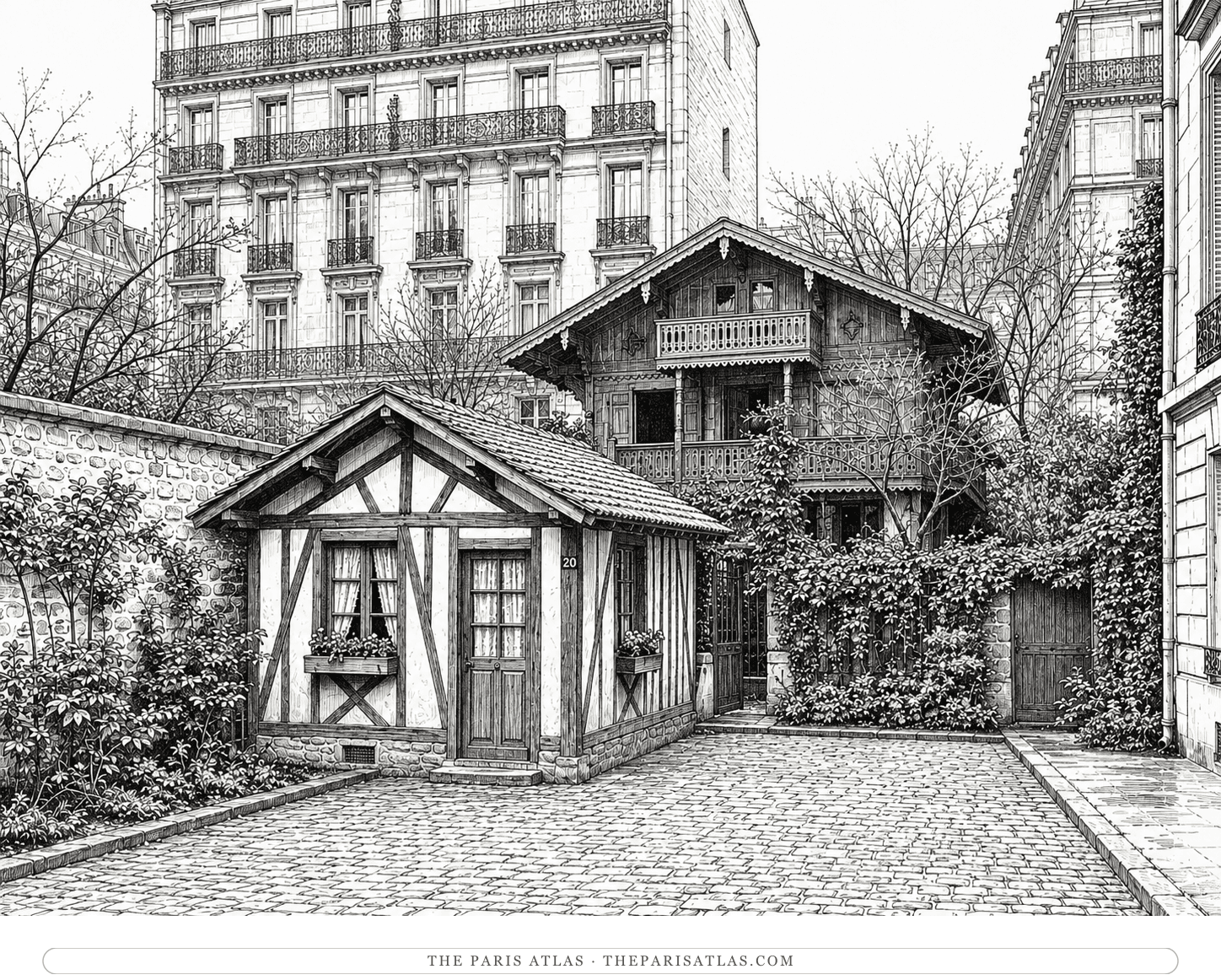
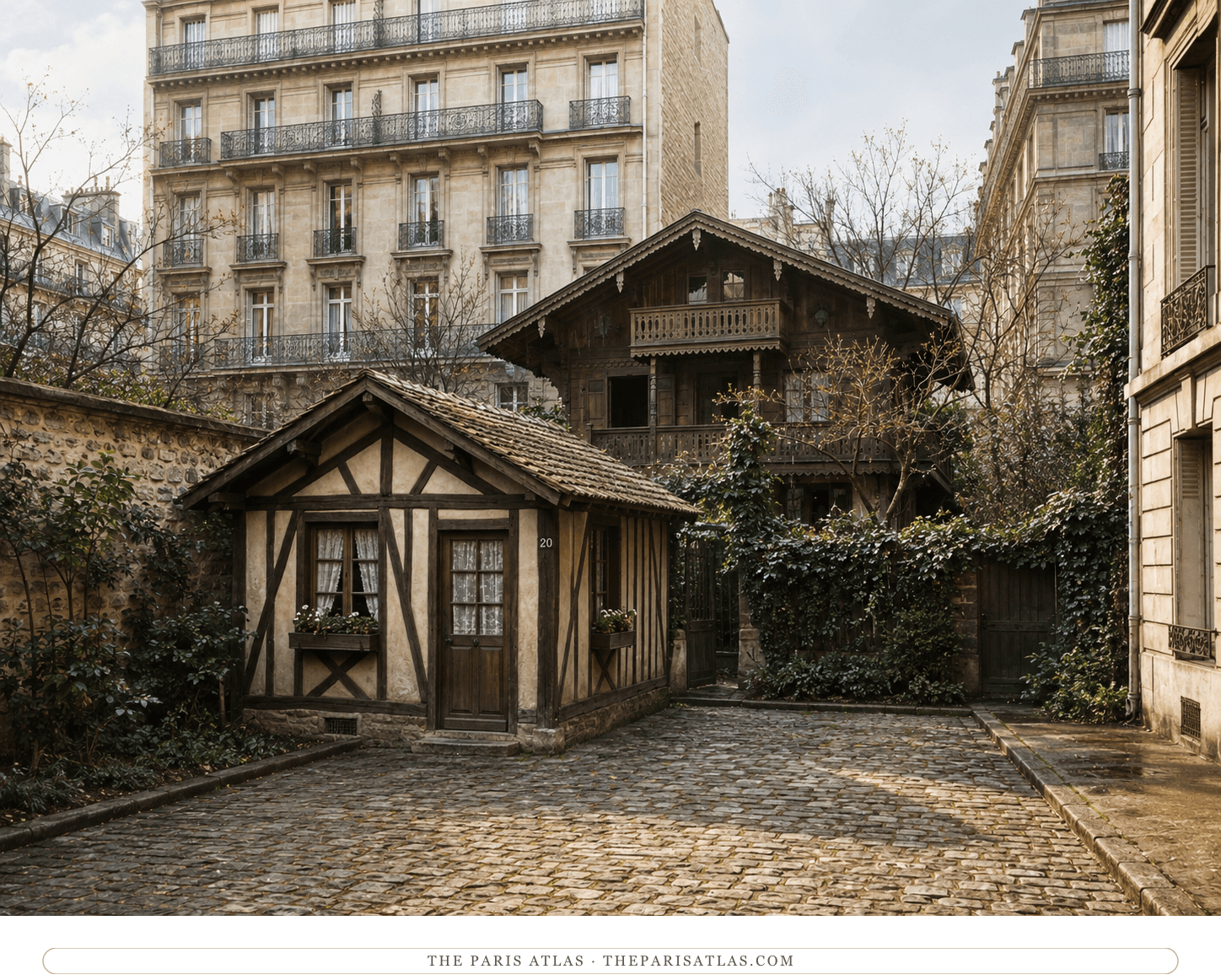
The wooden Swiss-style chalet in Passy, since demolished, where Colette lived through her second marriage and the birth of her daughter.
In October 1911 Colette moved into a house at 57 rue Cortambert, in Passy, belonging to Henry de Jouvenel — an editor at the newspaper Le Matin, where she had begun writing. They married in December 1912, and their daughter, also named Colette and nicknamed Bel-Gazou, was born in July 1913. These are the years Colette left the music hall behind and established herself as a journalist and novelist.
The house was an unusual one: a wooden chalet set back from the street in its own garden, in a Passy that was still half-rural when she arrived. During the First World War it became a gathering place for women in her circle, among them the actress Marguerite Moreno and the film star Musidora, while the men were at the front. Colette lived here until 1916, when the couple moved to the boulevard Suchet.
The chalet no longer exists. It was demolished, and a later apartment building stands on the site, so the address belongs on Colette's map as a historical one rather than a house to visit.
Colette moves into Henry de Jouvenel's house on the rue Cortambert in October.
Colette and Henry de Jouvenel marry in December.
Their daughter, Colette de Jouvenel, is born in July.
The family moves to the boulevard Suchet.
Lived here · 1911–1916
Henry de Jouvenel's house in Passy, where Colette lived from October 1911 through their 1912 marriage and the 1913 birth of their daughter.
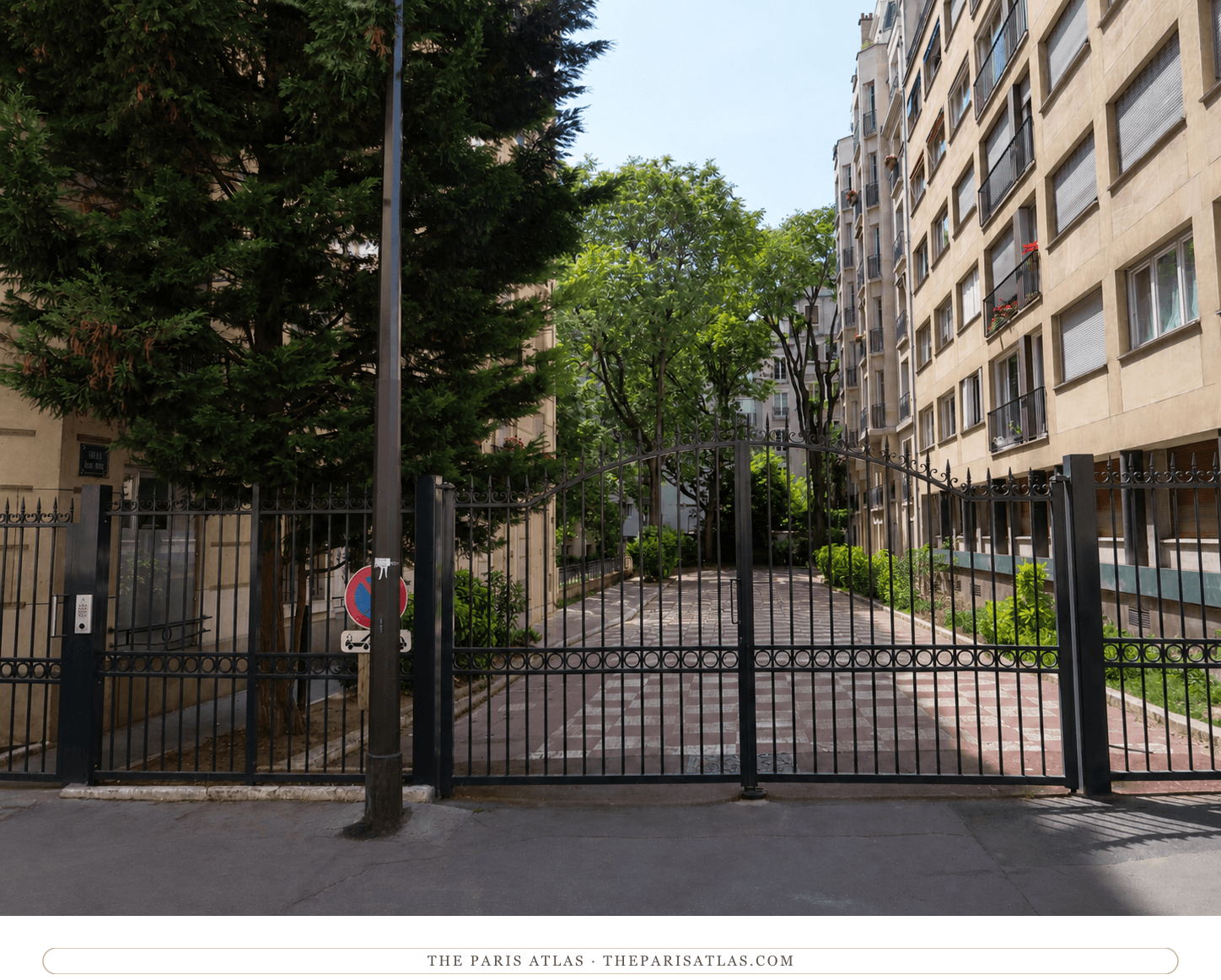
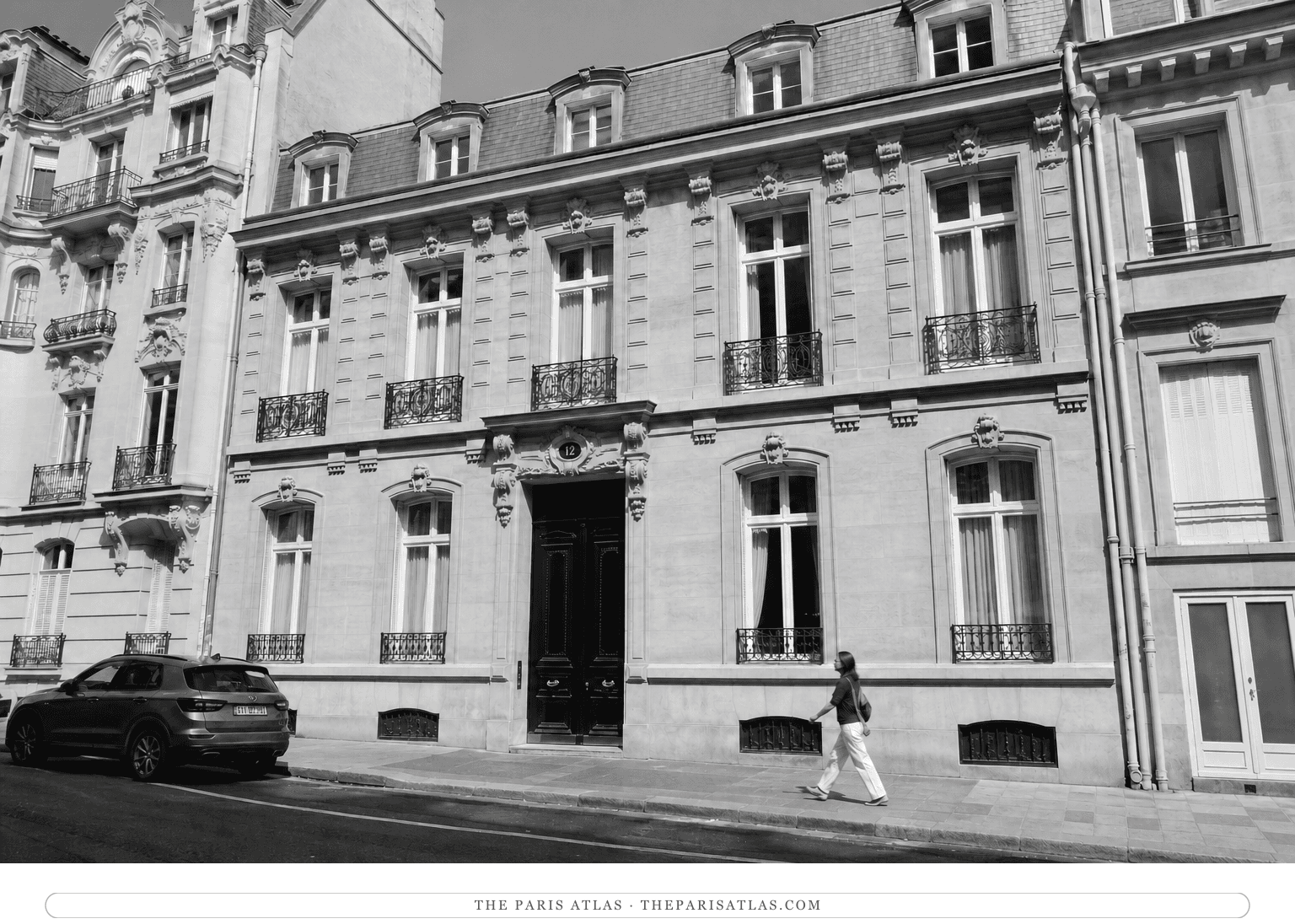
The Passy house with a large studio window that Marc Chagall took in the 1930s — twenty years and a world away from the unheated rotunda at La Ruche.
Visit the place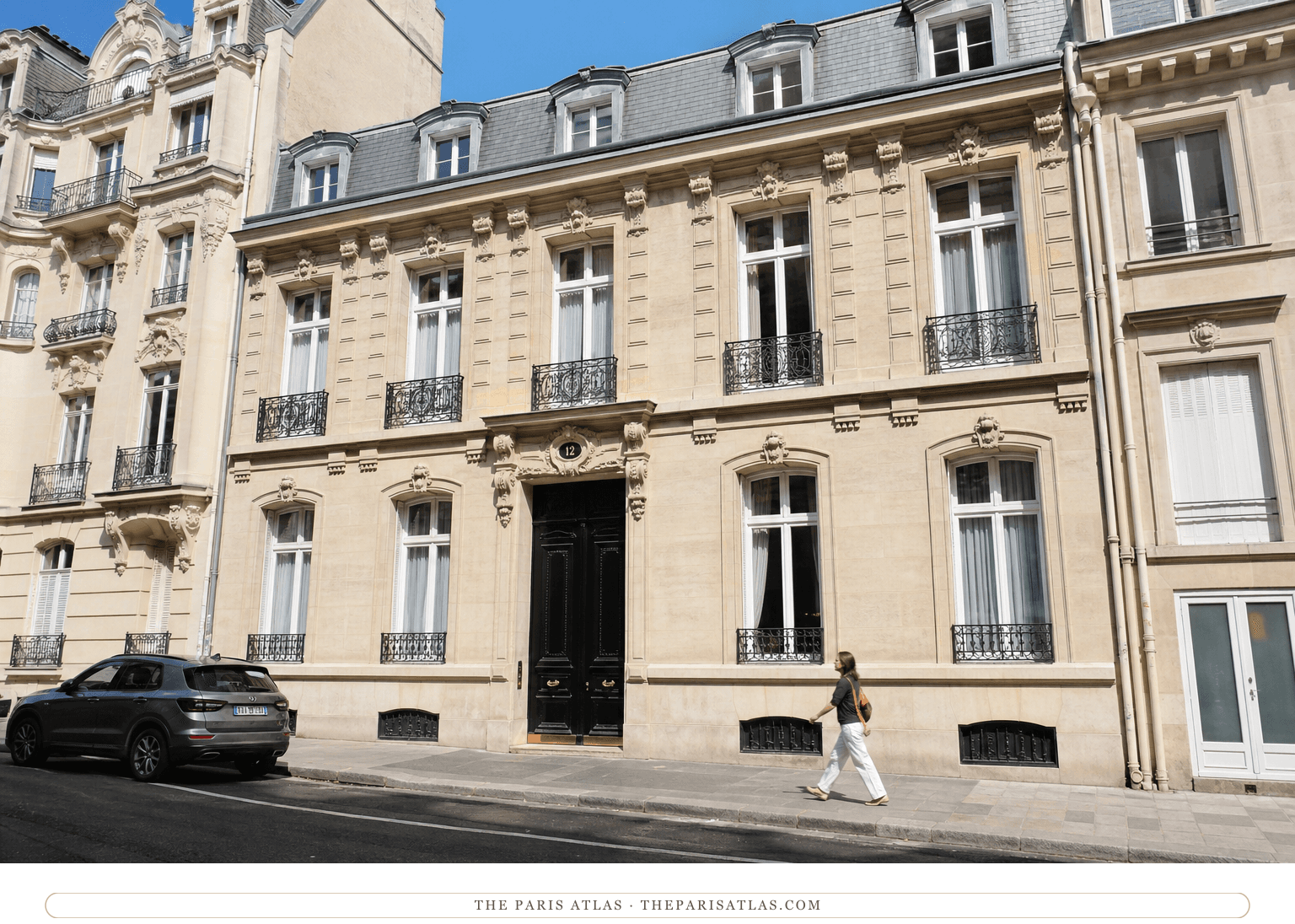
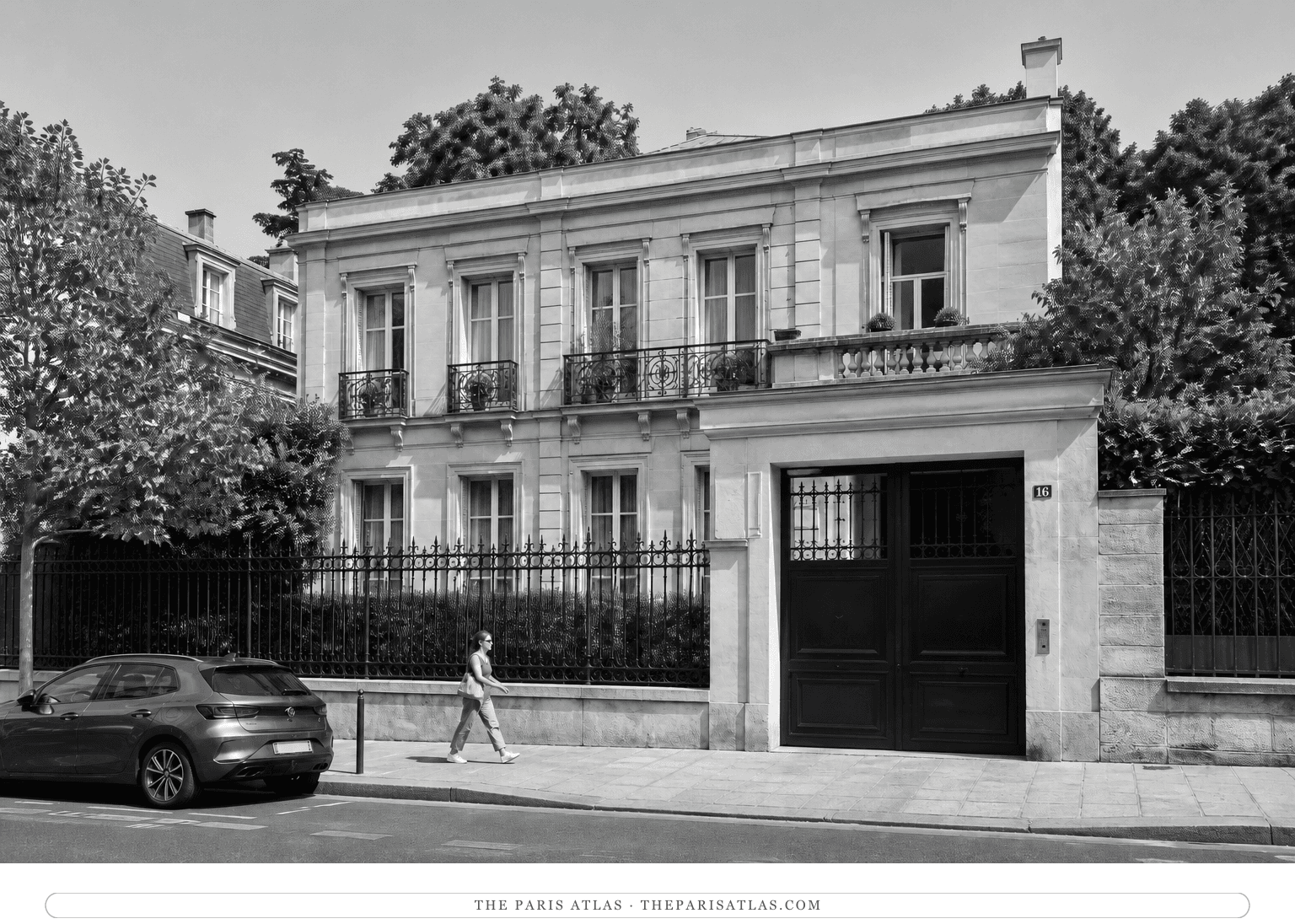
One of the Morisot family's Passy addresses during the years when Berthe and Edma Morisot were training as painters, a few doors from the house where their garden studio was built.
Visit the place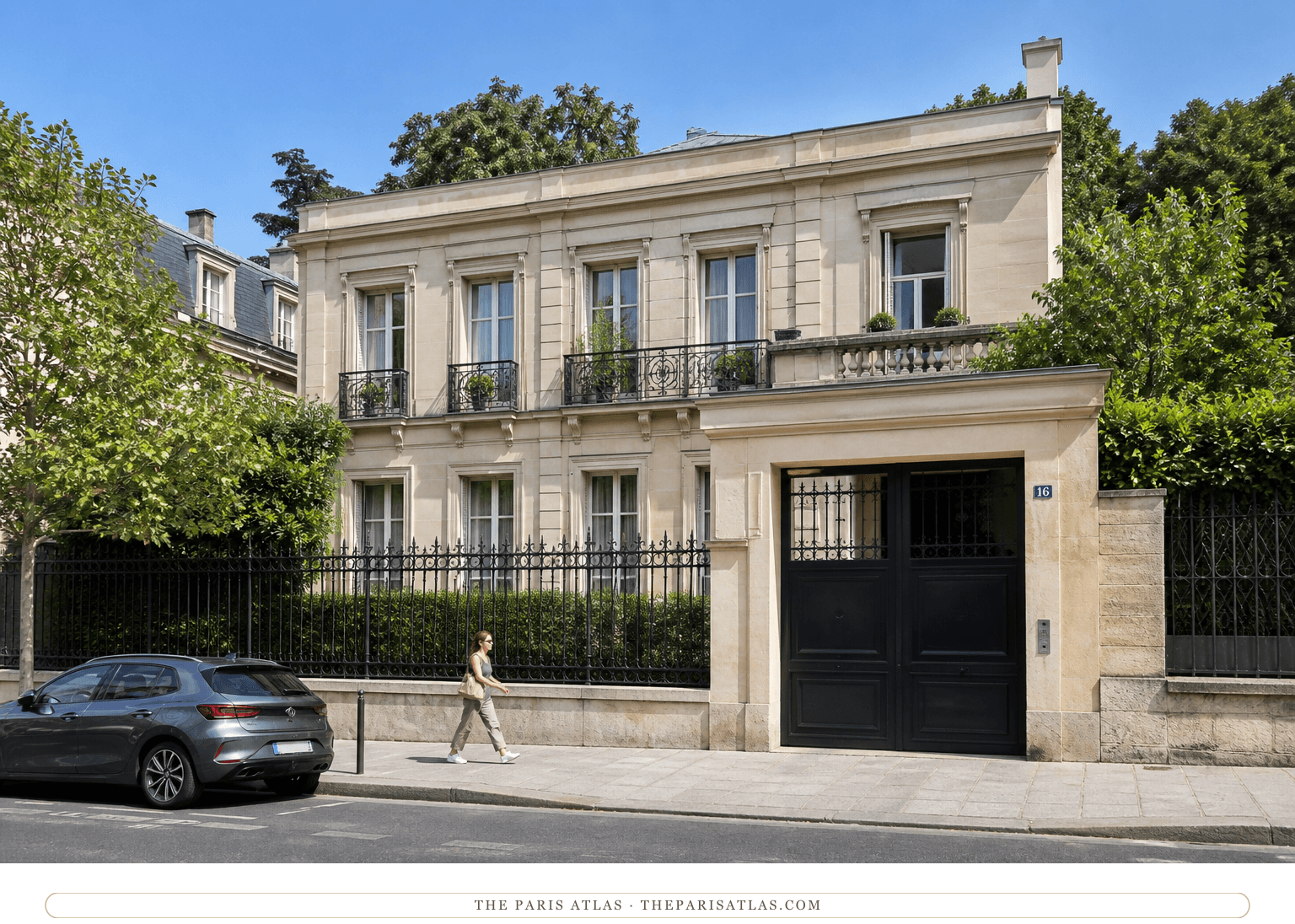
The Morisot family house in Passy where a studio was built in the garden for Berthe and her sister Edma — an unusually serious commitment to two daughters' painting for a bourgeois family of the 1860s.
Visit the place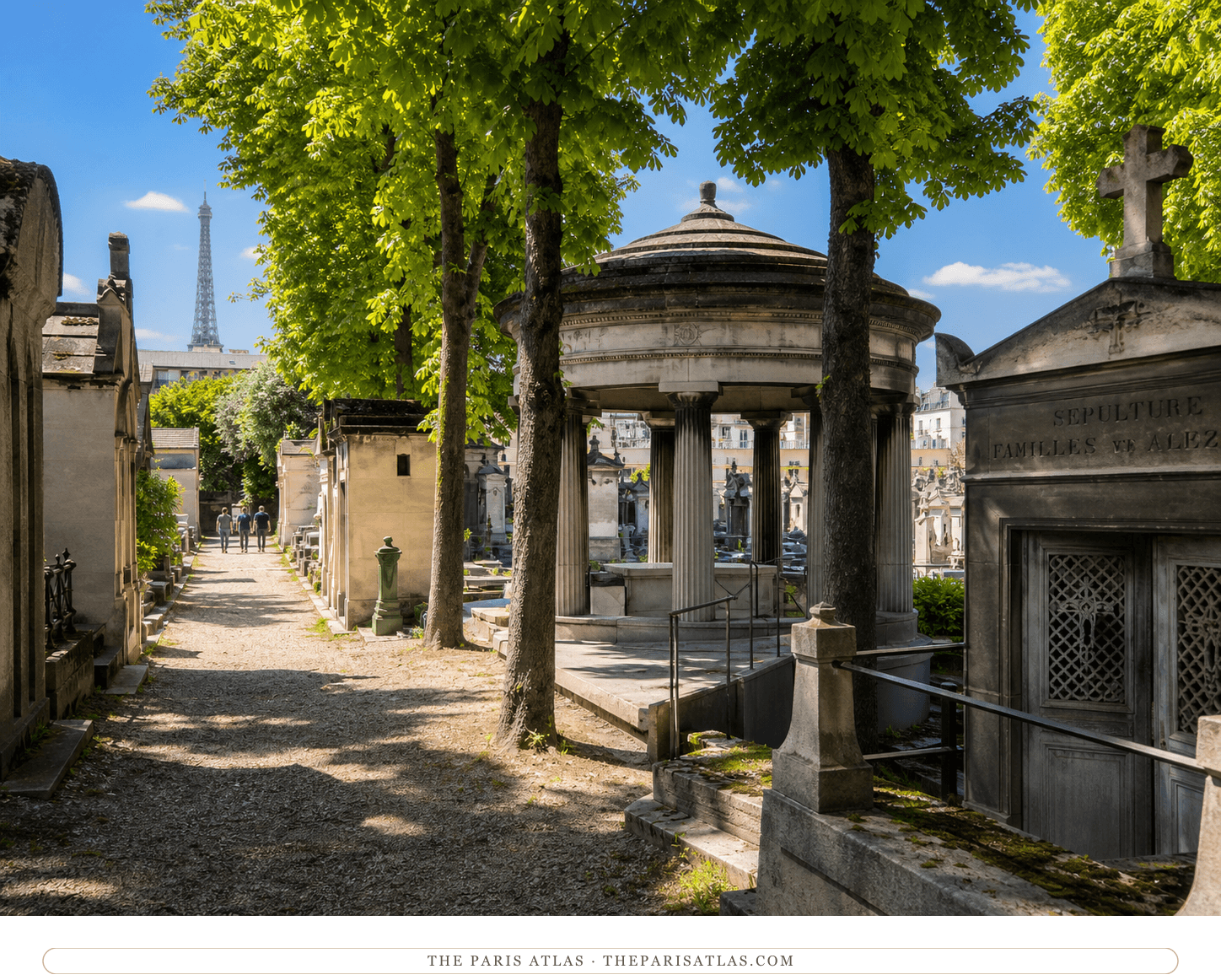
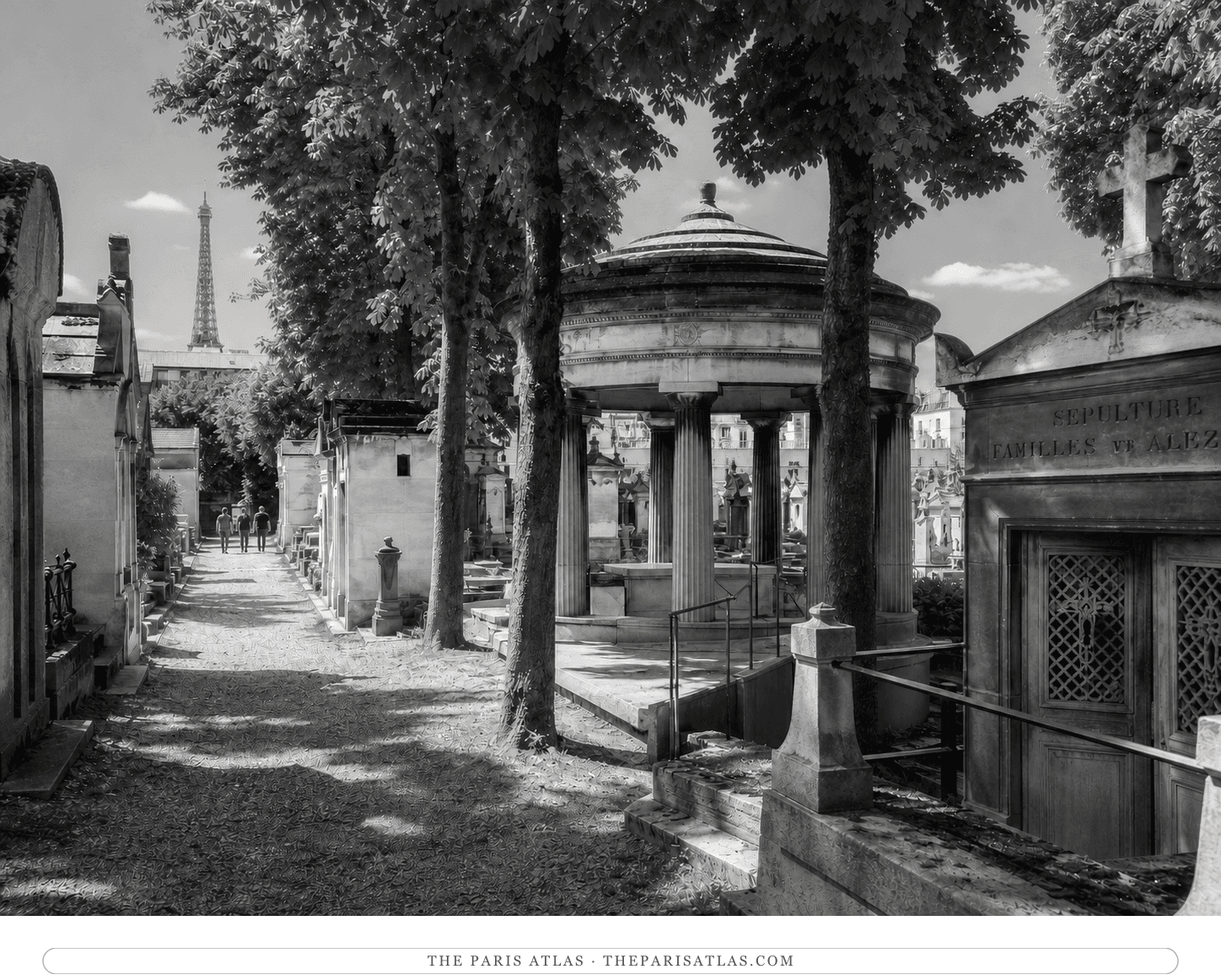
The small, wealthy cemetery beside the Trocadéro where Édouard Manet is buried in the family tomb — together with his brother Eugène and Eugène's wife, the painter Berthe Morisot.
Visit the placeThe sources below include histories, archival materials, scholarly research, and official records that informed this page. They document 57 rue Cortambert, the people connected to it, and its place in Paris.


Web source consulted for documented facts and historical context presented on the 57 rue Cortambert page.
Web source consulted for documented facts and historical context presented on the 57 rue Cortambert page.

Map data used to verify addresses, geographic coordinates, and the placement associated with 57 rue Cortambert.
Web source consulted for documented facts and historical context presented on the 57 rue Cortambert page.
These references provide the documented foundation for this page's history and context. Claim-level citations remain attached to the specific claims they support.
 Explore more resources
Newsletter
The cafés, studios, and walk-up flats where the work was made — one story from the map in every letter.