Édouard Manet
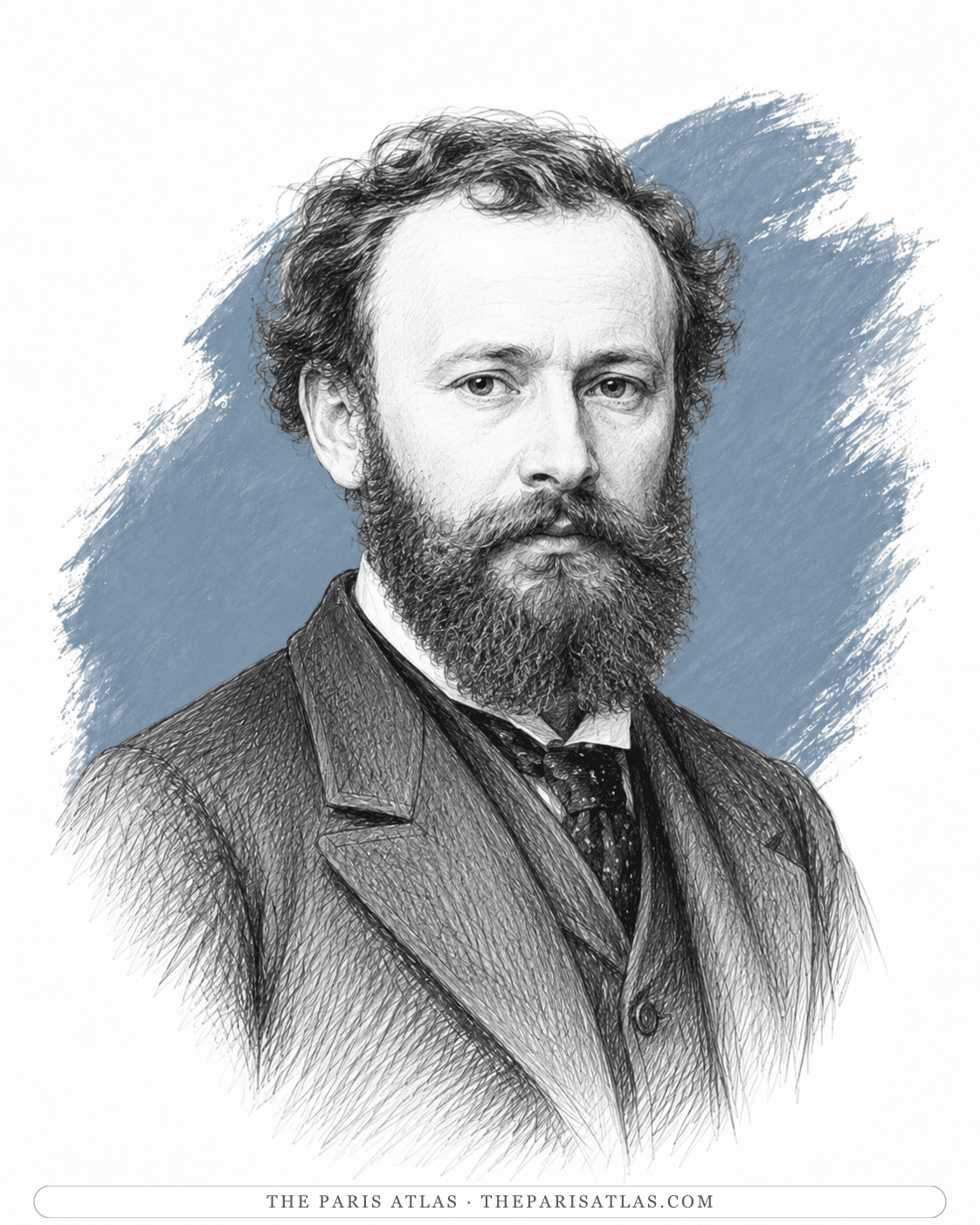
Manet is buried in the family tomb at Passy Cemetery, which also holds his brother Eugene Manet and Eugene's wife, the painter Berthe Morisot.
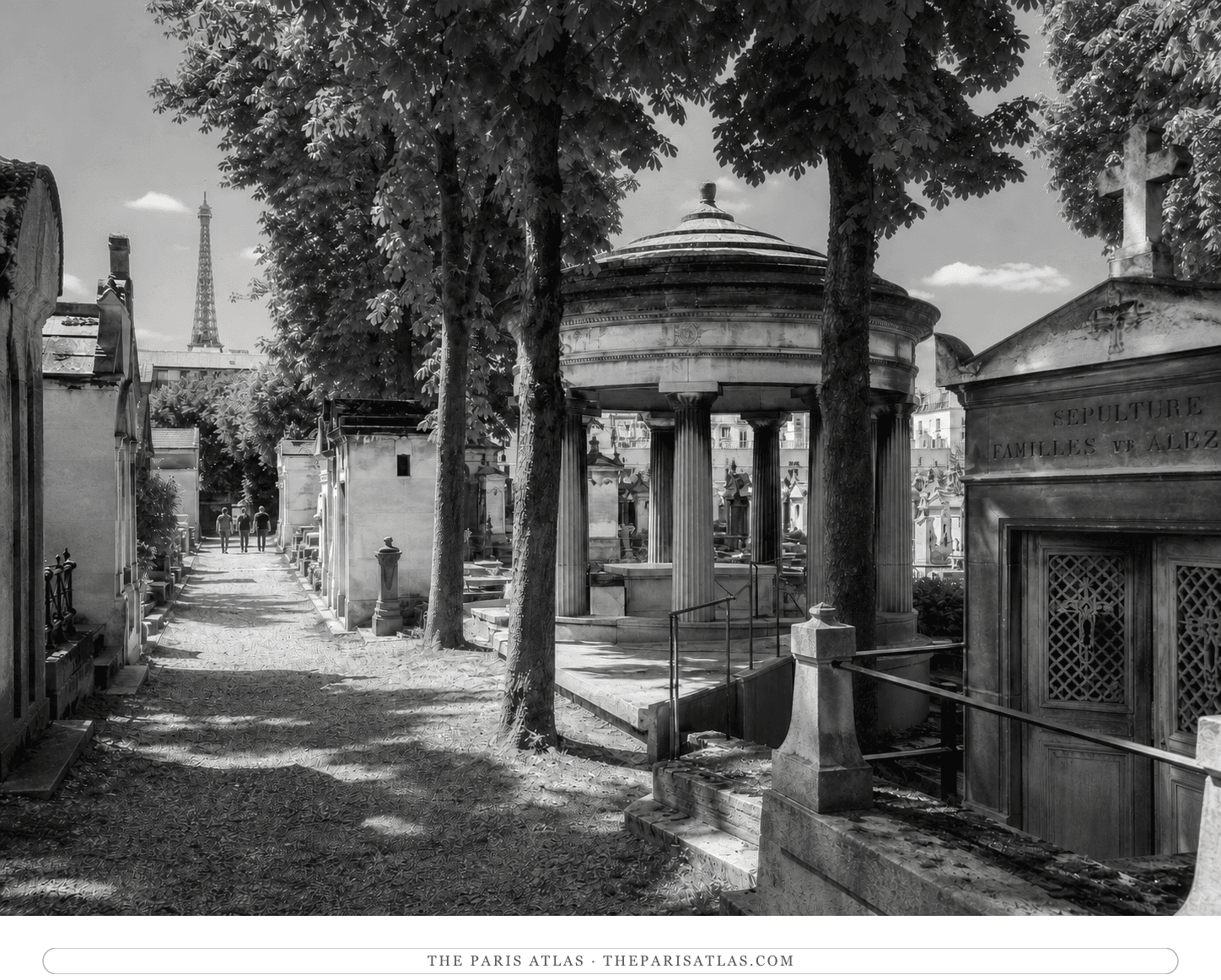
The small, wealthy cemetery beside the Trocadéro where Édouard Manet is buried in the family tomb — together with his brother Eugène and Eugène's wife, the painter Berthe Morisot.
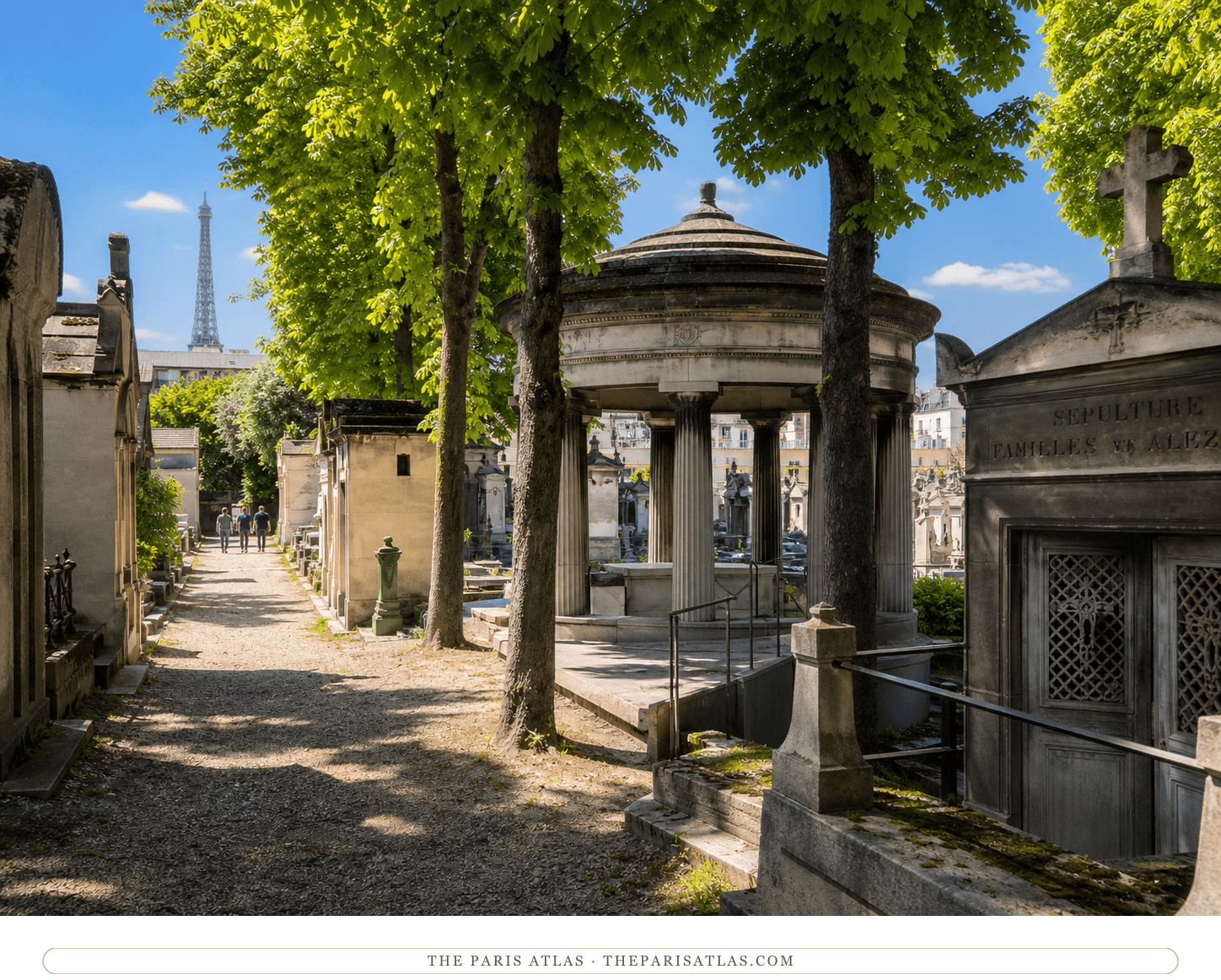
Passy is one of the smallest and most exclusive of the Paris cemeteries: walled, raised above the street, and set immediately beside the place du Trocadéro with the Eiffel Tower directly across the river. It served the wealthy sixteenth arrondissement and its residents reflect that.
The tomb that matters here holds three painters' worth of history in one family. Édouard Manet was buried in the family grave after his death in 1883. His younger brother Eugène Manet lies there too — and so does Eugène's wife, Berthe Morisot, who died in 1895.
The relationship is worth spelling out, because it is often garbled. Morisot met Édouard Manet in 1868 while she was copying at the Louvre; she modelled for several of his most striking paintings; and in 1874 she married his brother. She was a founding member of the independent exhibitions that year and one of the very few women in the group, and she was a serious painter throughout — not, as she is still sometimes described, an appendage to the Manet family. She is buried with them all the same.
The cemetery is open to the public and free. It is small enough to walk in a quarter of an hour.
The cemetery opens.
Édouard Manet is buried in the family tomb.
Berthe Morisot is buried with her husband Eugène Manet.
In the family tomb at Passy Cemetery, 2 rue du Commandant-Schloesing in the 16th arrondissement.
Yes. Berthe Morisot married Édouard Manet's brother Eugène in 1874, and she is buried in the same family tomb as both of them.
Yes — it is open to the public during cemetery hours and free to enter. It is small and takes about fifteen minutes to walk.
Manet is buried in the family tomb at Passy Cemetery, which also holds his brother Eugene Manet and Eugene's wife, the painter Berthe Morisot.
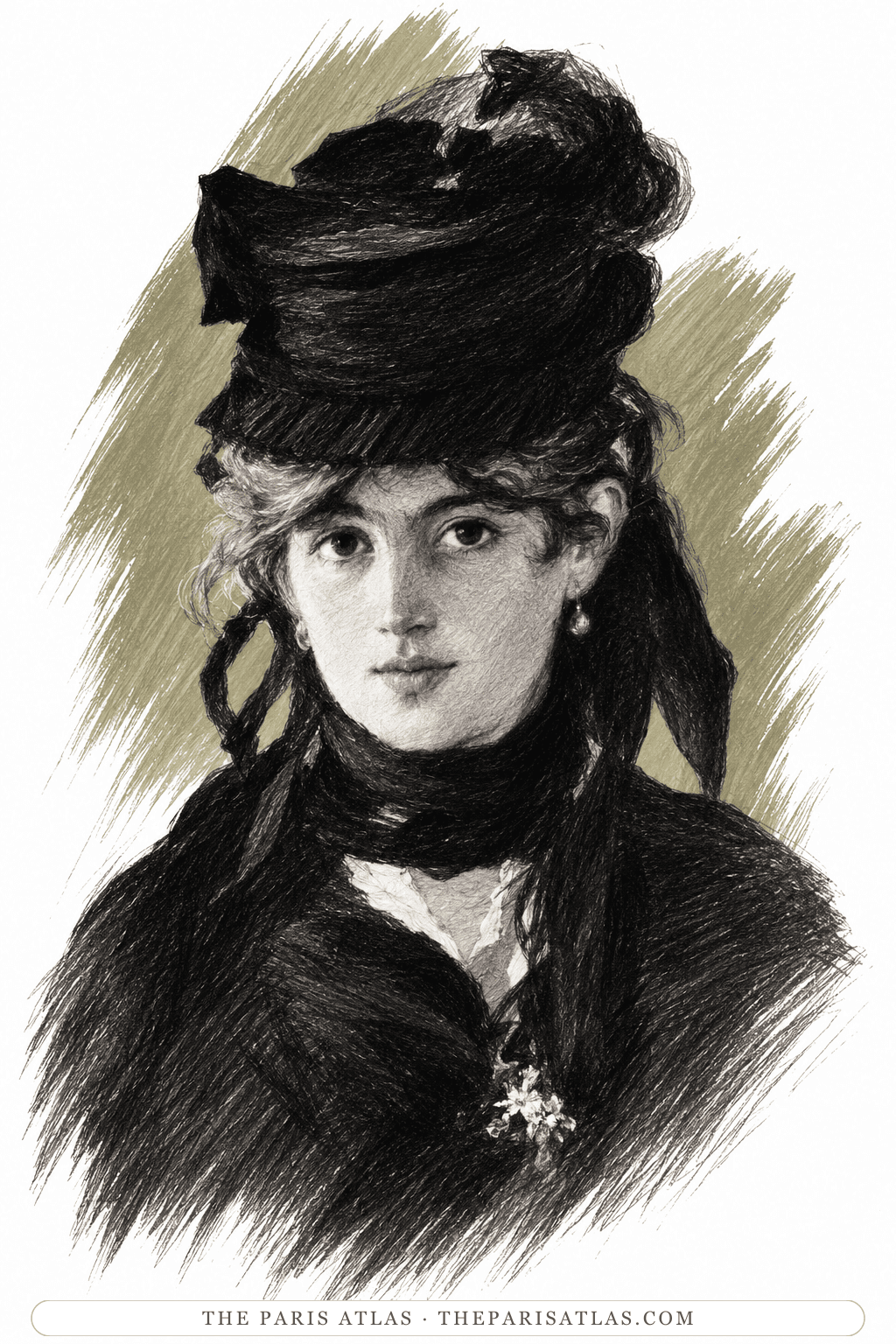
Morisot is buried in the Manet family tomb at Passy Cemetery with her husband Eugene Manet and her brother-in-law Edouard Manet.
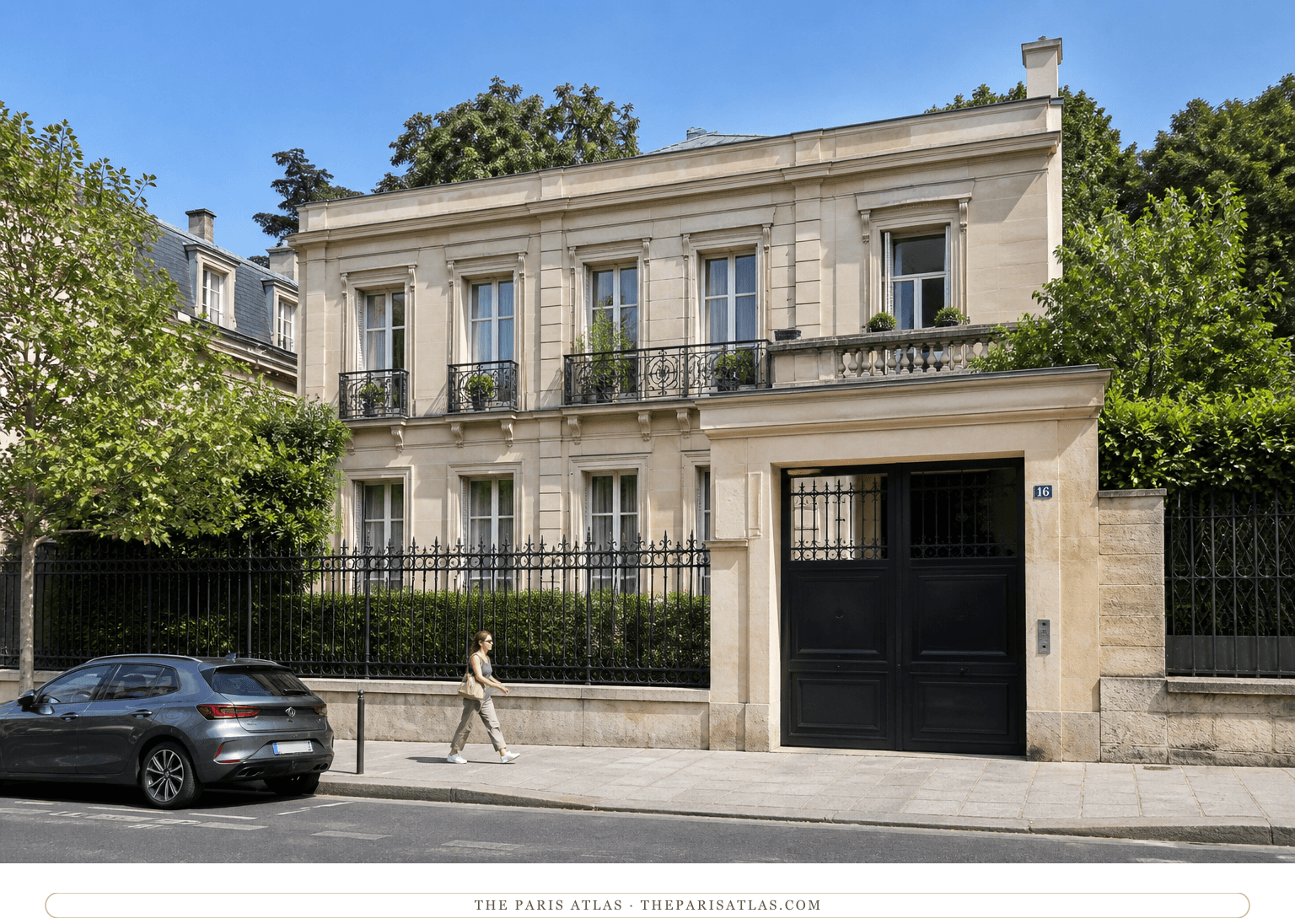
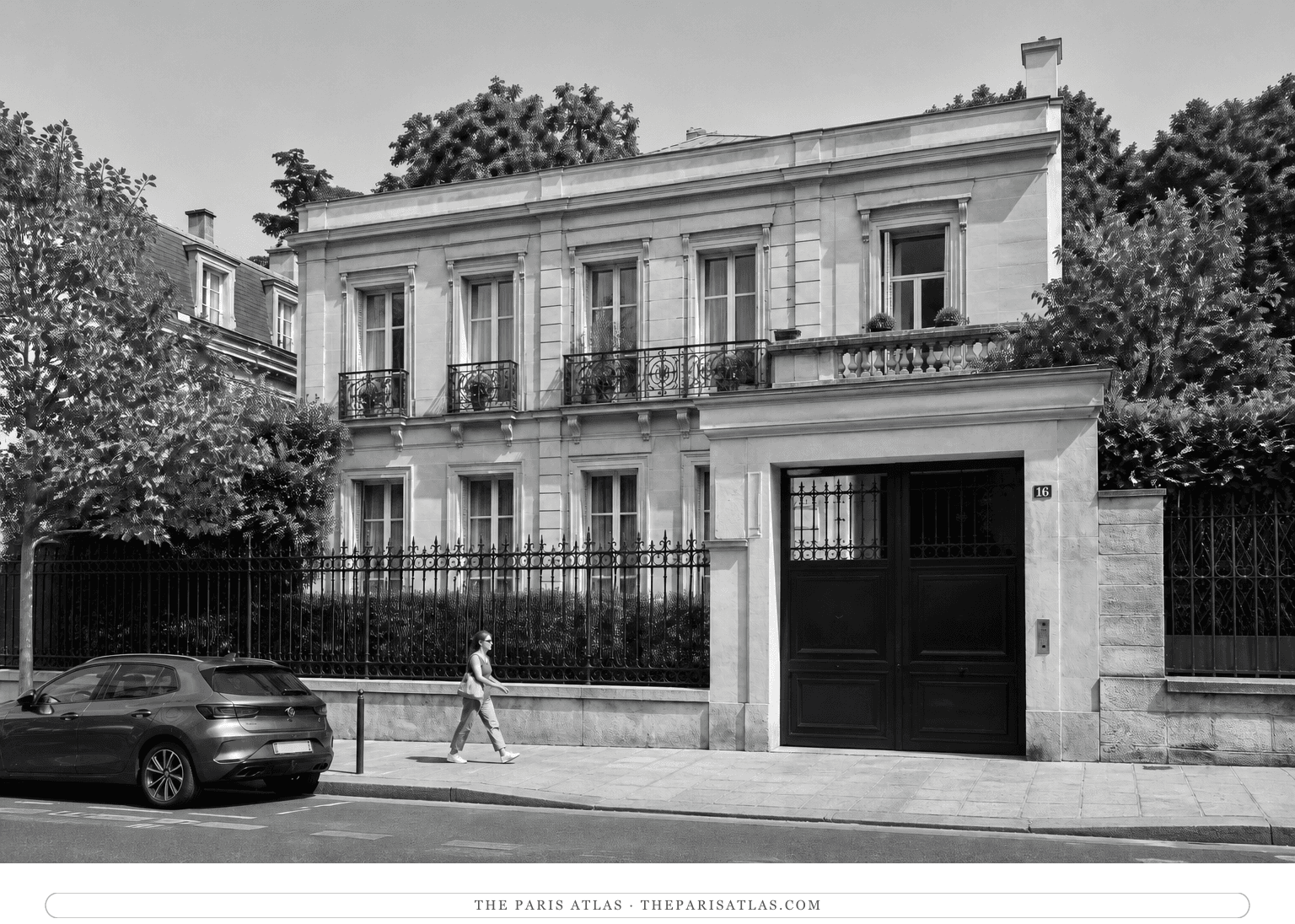
The Morisot family house in Passy where a studio was built in the garden for Berthe and her sister Edma — an unusually serious commitment to two daughters' painting for a bourgeois family of the 1860s.
Visit the place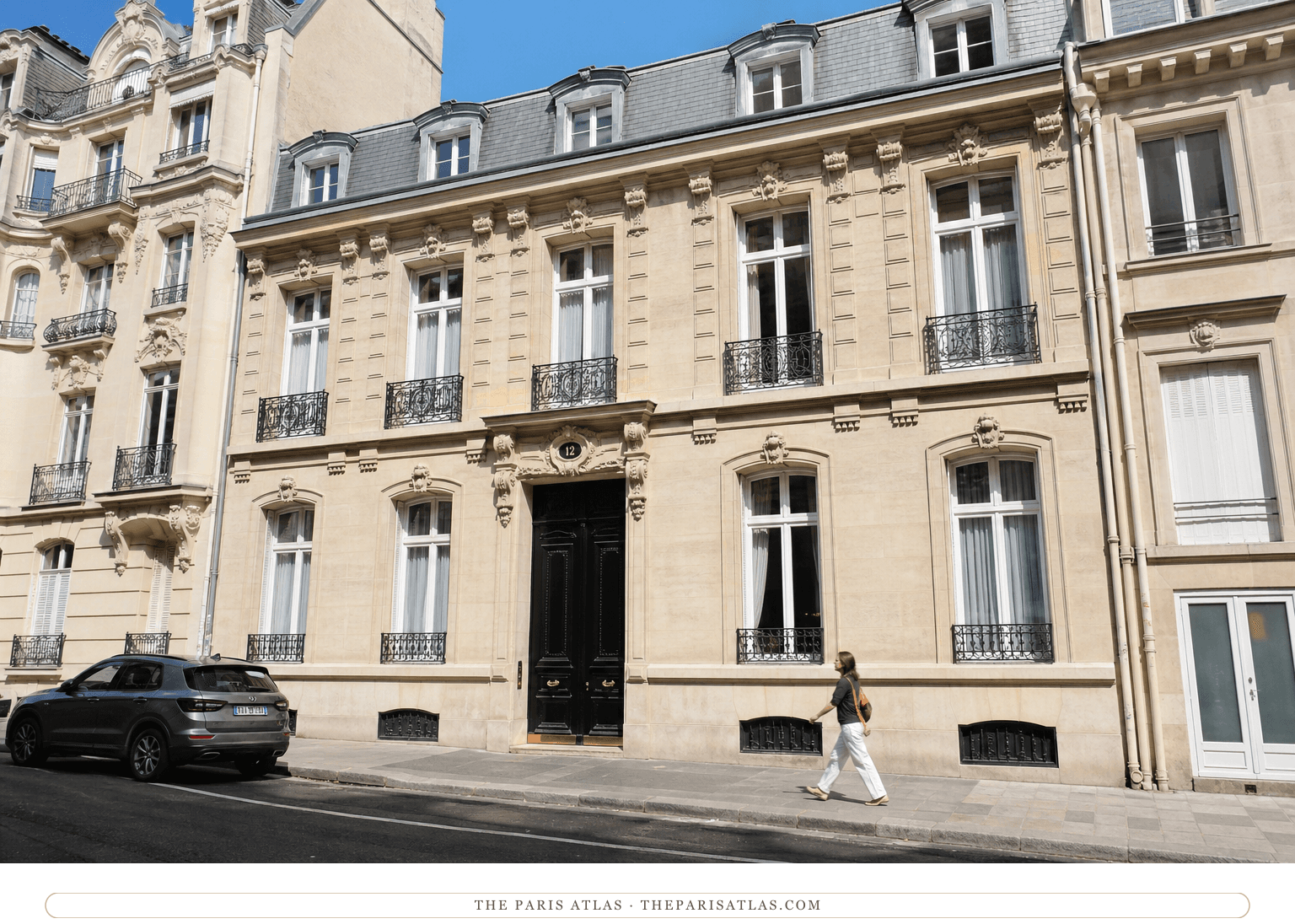
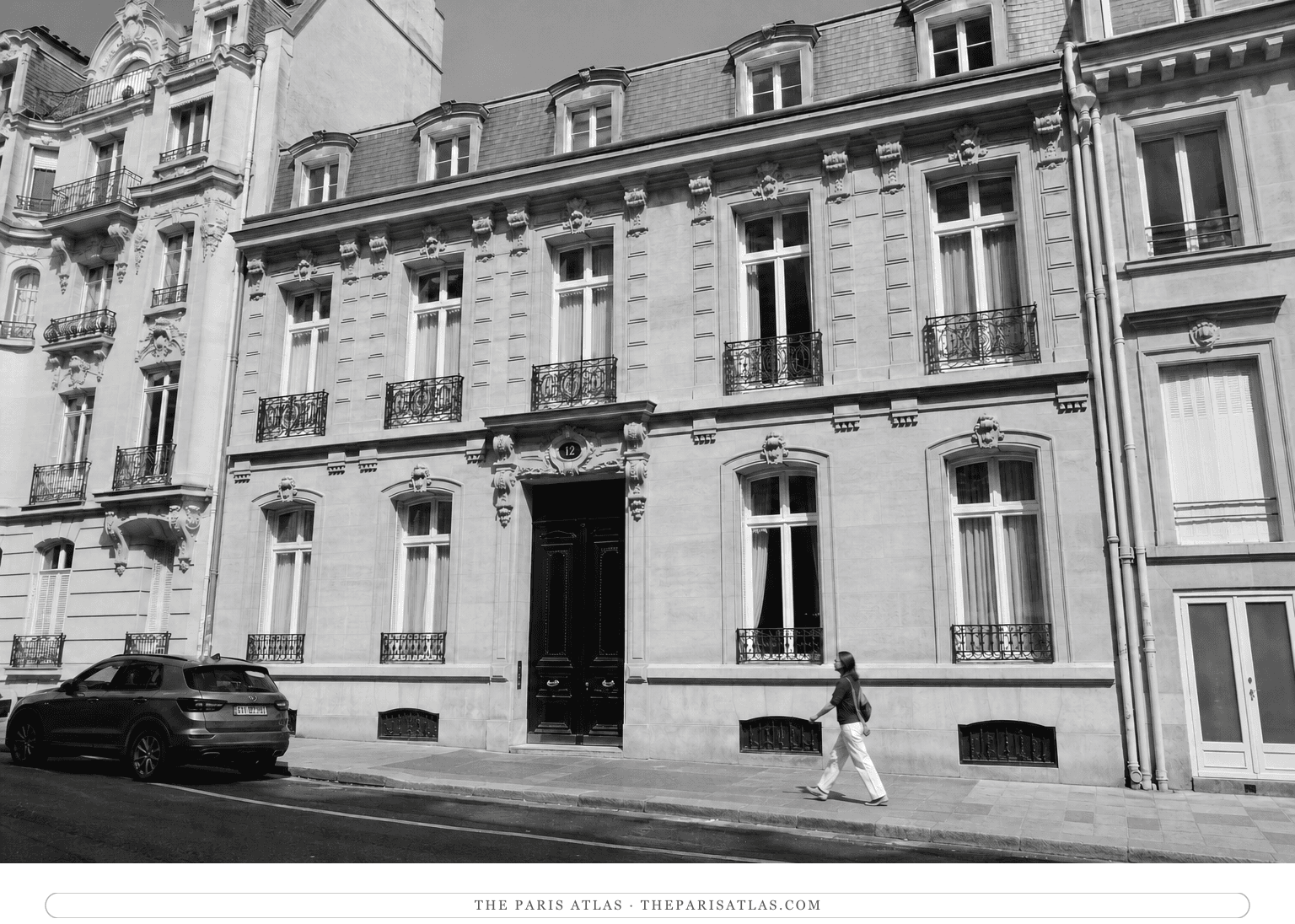
One of the Morisot family's Passy addresses during the years when Berthe and Edma Morisot were training as painters, a few doors from the house where their garden studio was built.
Visit the place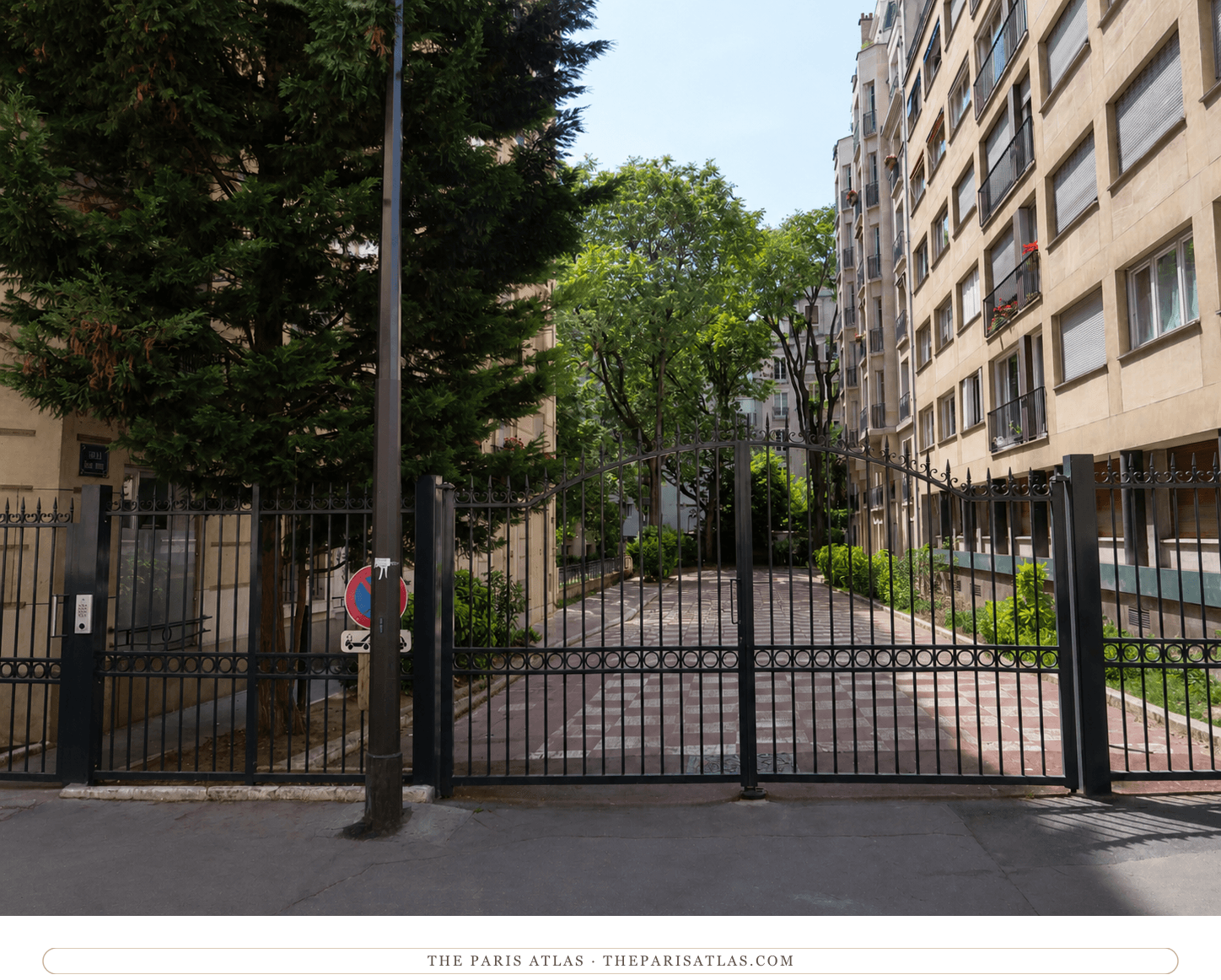
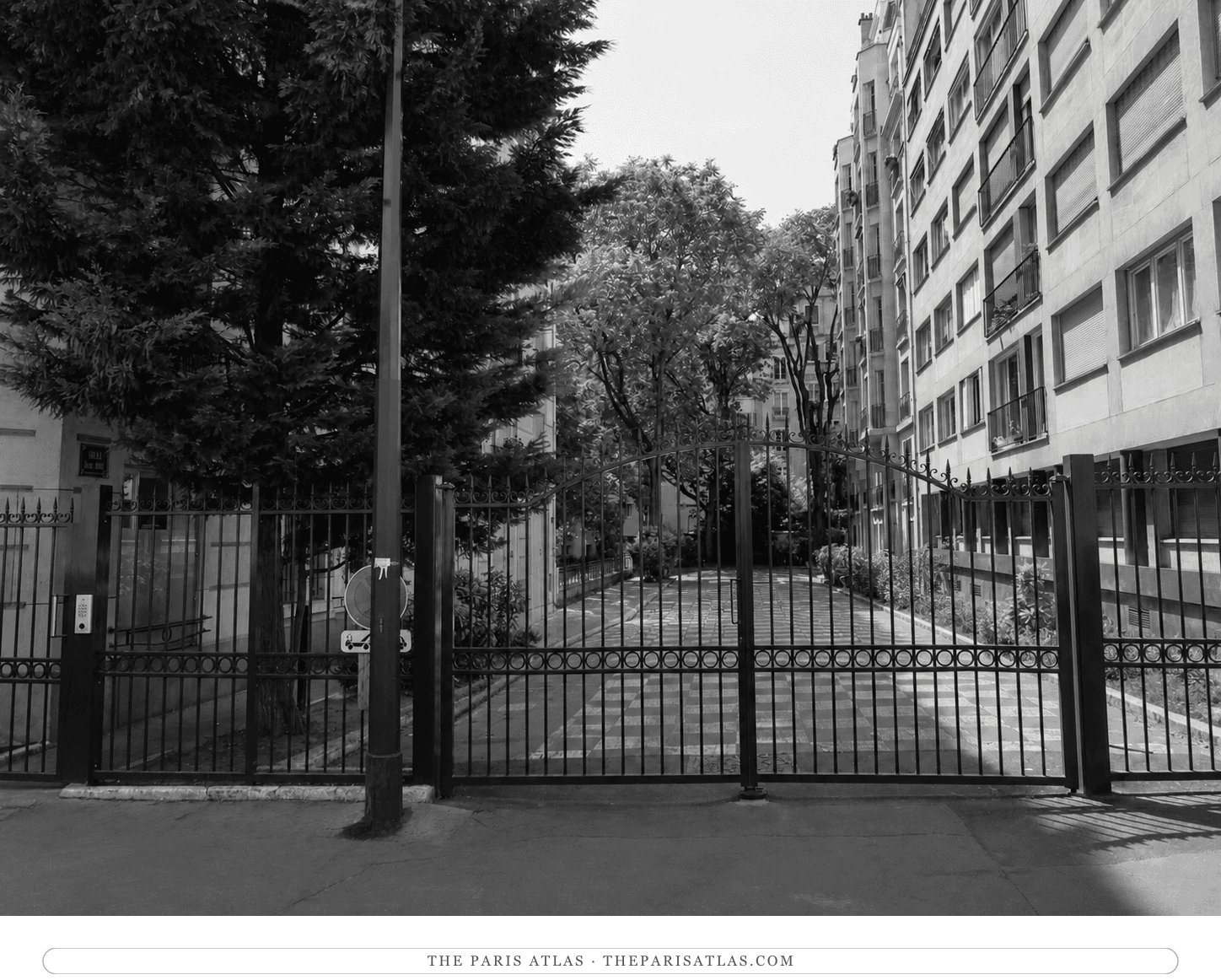
The Passy house with a large studio window that Marc Chagall took in the 1930s — twenty years and a world away from the unheated rotunda at La Ruche.
Visit the place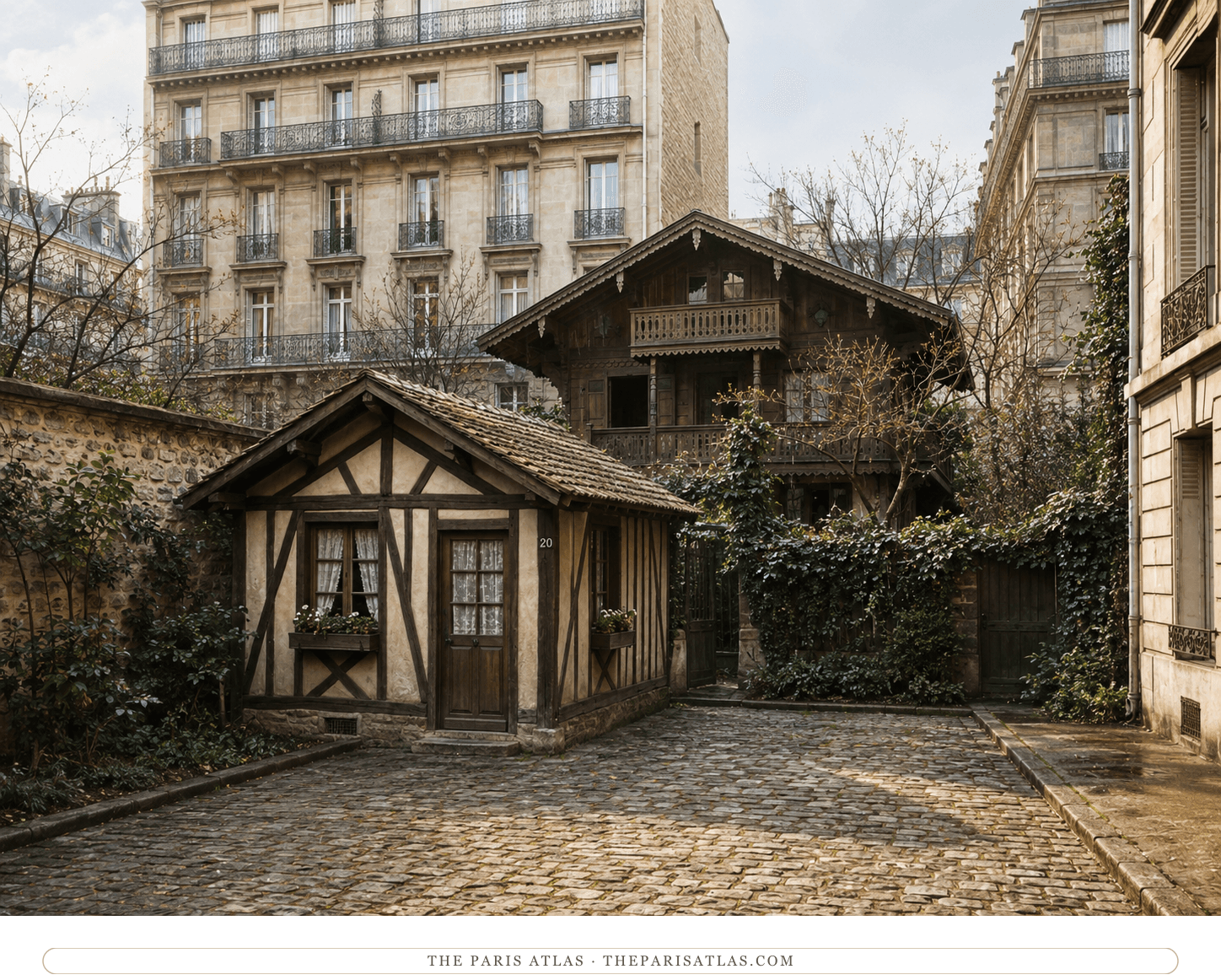
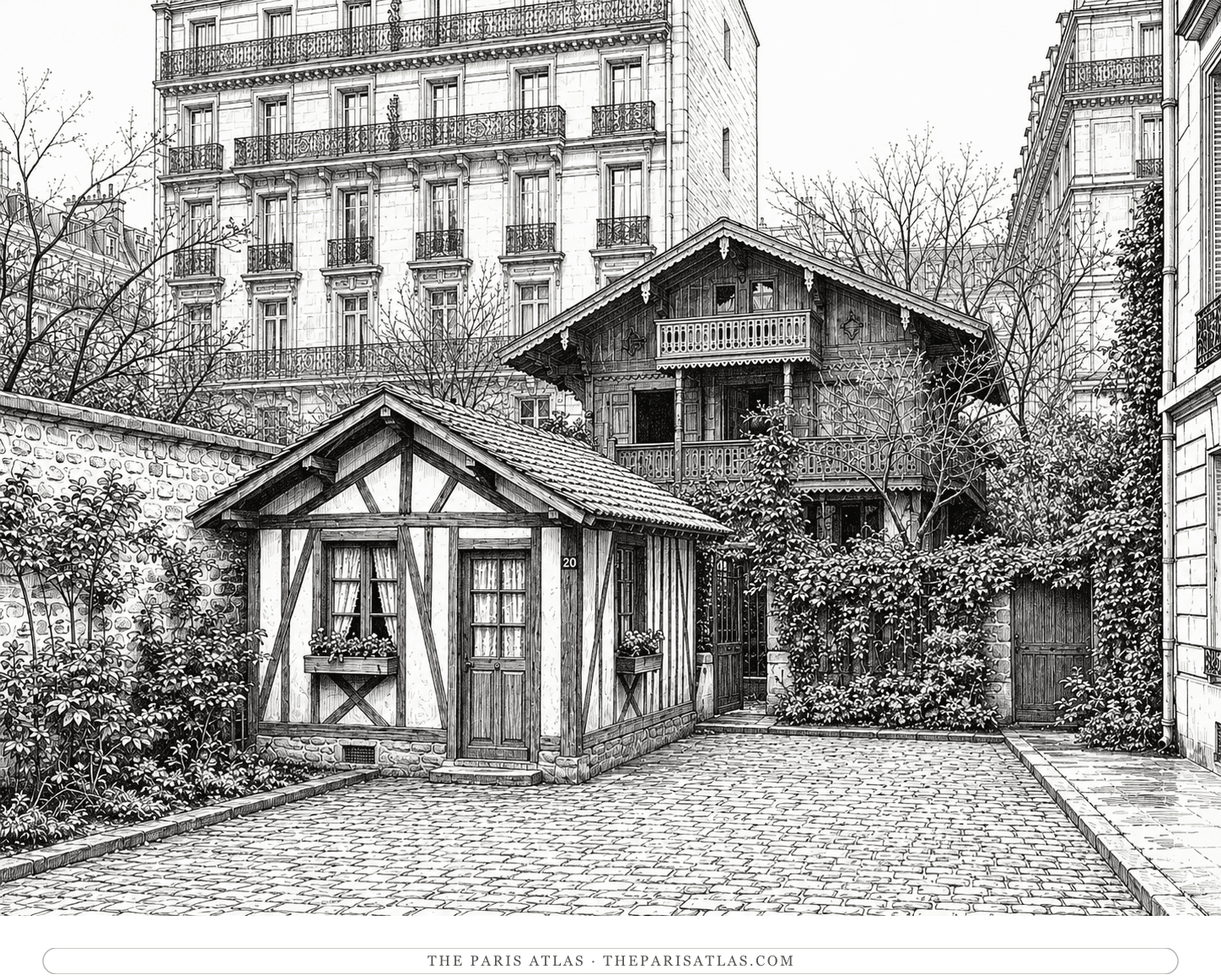
The wooden Swiss-style chalet in Passy, since demolished, where Colette lived through her second marriage and the birth of her daughter.
Visit the placeThe sources below include histories, archival materials, scholarly research, and official records that informed this page. They document Passy Cemetery, the people connected to it, and its place in Paris.


Web source consulted for documented facts and historical context presented on the Passy Cemetery page.
Web source consulted for documented facts and historical context presented on the Passy Cemetery page.
Web source consulted for documented facts and historical context presented on the Passy Cemetery page.
Web source consulted for documented facts and historical context presented on the Passy Cemetery page.
Web source consulted for documented facts and historical context presented on the Passy Cemetery page.
These references provide the documented foundation for this page's history and context. Claim-level citations remain attached to the specific claims they support.
 Explore more resources
Newsletter
The cafés, studios, and walk-up flats where the work was made — one story from the map in every letter.