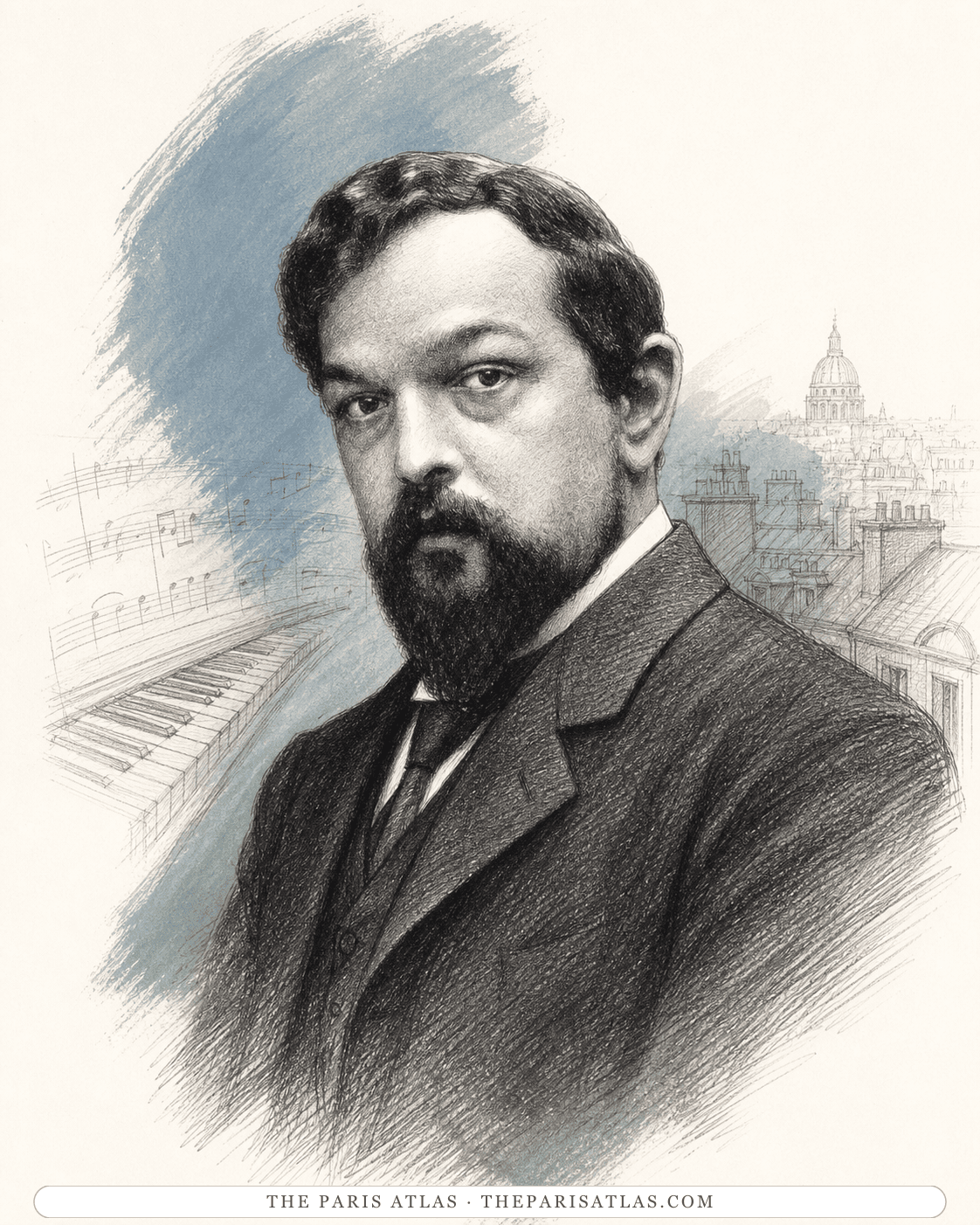
Claude Debussy
Debussy encountered Javanese gamelan and other non-European music at the Exposition Universelle of 1889, held on the Champ-de-Mars. The experience became lasting in his musical language.
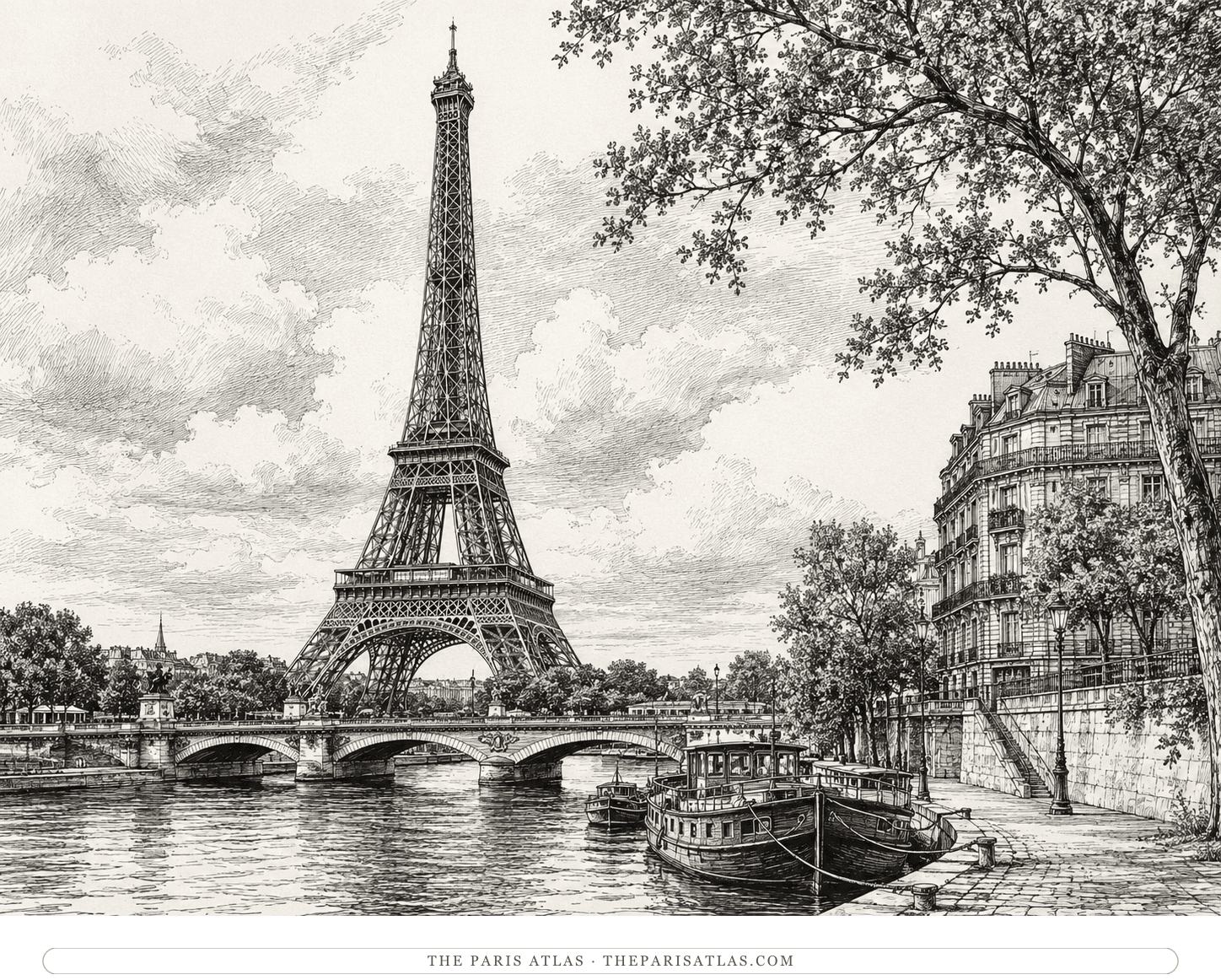
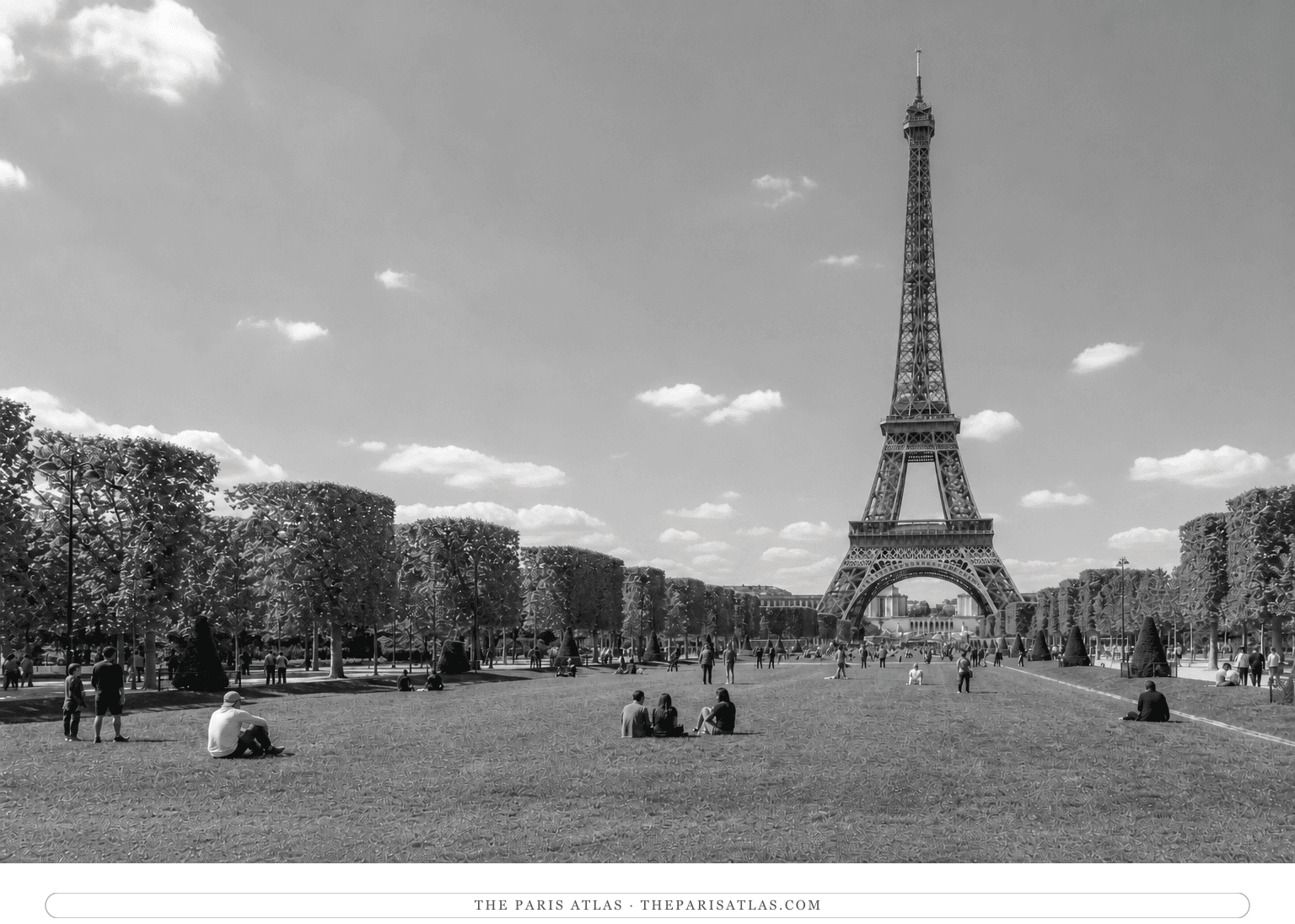
The great park below the Eiffel Tower, and the site of the 1889 Exposition Universelle — where Claude Debussy heard Javanese gamelan for the first time and never entirely got over it.
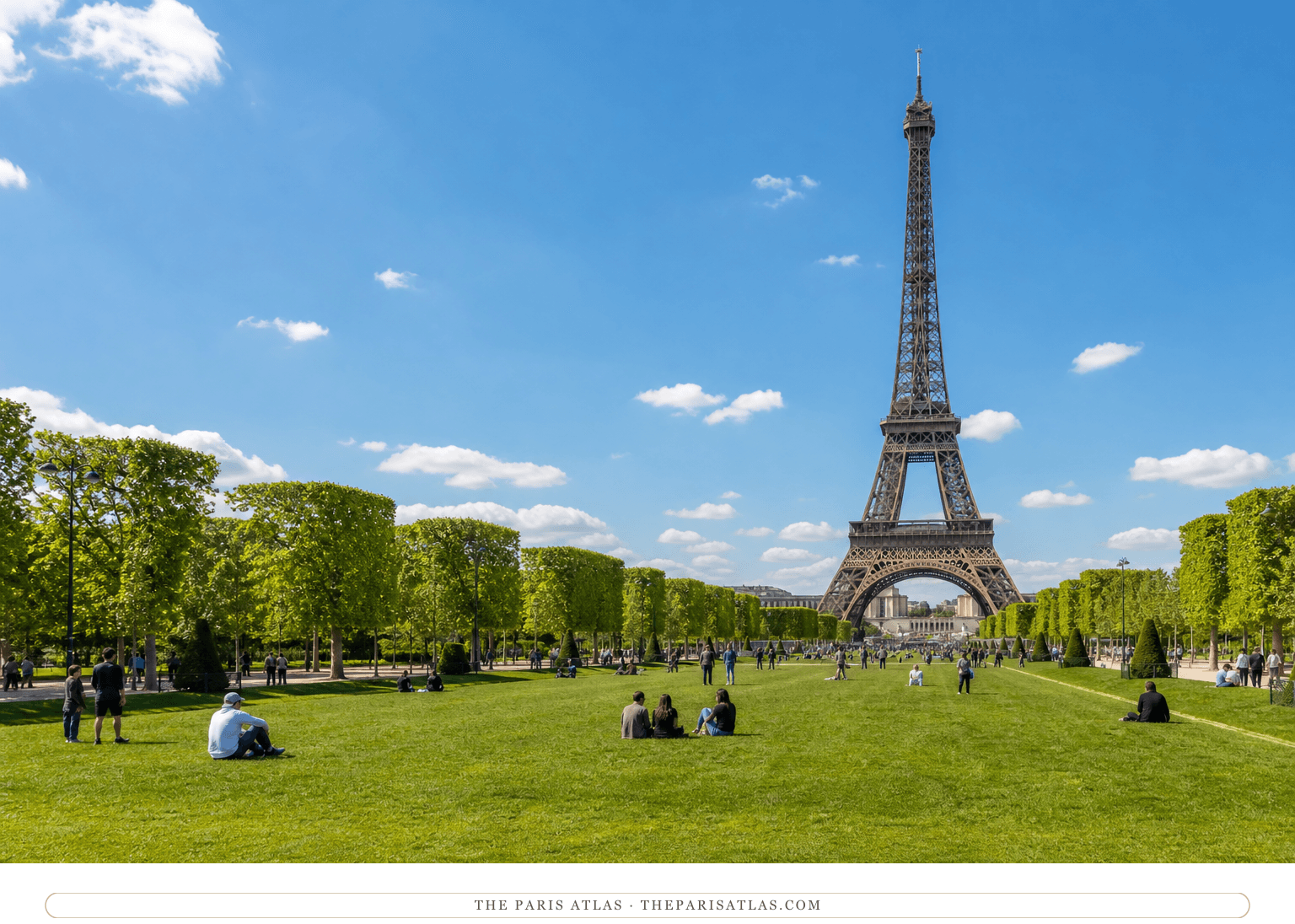
The Exposition Universelle of 1889 was held on the Champ-de-Mars, and the Eiffel Tower was built as its entrance arch. Among the attractions was a Javanese village, staged with the mixture of curiosity and colonial display that these expositions ran on, and with it came a gamelan ensemble.
Claude Debussy heard it, and it mattered enormously. What struck him was not the exoticism but the technical fact: music organised by layered cycles of repeating patterns rather than by European harmonic argument, built on scales that ignored the intervals he had been drilled in at the Conservatoire, and sustaining interest through colour and texture. He referred back to it for the rest of his life, and the traces are audible in the piano writing — in Pagodes, and in the way whole passages of the Préludes float free of functional harmony.
It is worth being clear about what this was and was not. Debussy did not imitate gamelan music, and the exposition that presented it was an imperial exhibition of subject peoples. What he took was a demonstration that the rules he had been taught were local conventions rather than laws of nature — which was, for a composer already inclined to disobedience, permission.
The Champ-de-Mars is a public park, free and open, running from the Eiffel Tower to the École Militaire.
The Exposition Universelle opens on the Champ-de-Mars; Debussy encounters Javanese gamelan.
At the Exposition Universelle of 1889, held on the Champ-de-Mars in the 7th arrondissement.
It showed him music built on repeating layered cycles and non-European scales, sustained by colour rather than harmonic argument. He referred to it for the rest of his life; Pagodes is the most direct trace.
Yes — it is a free public park below the Eiffel Tower.
Debussy encountered Javanese gamelan and other non-European music at the Exposition Universelle of 1889, held on the Champ-de-Mars. The experience became lasting in his musical language.
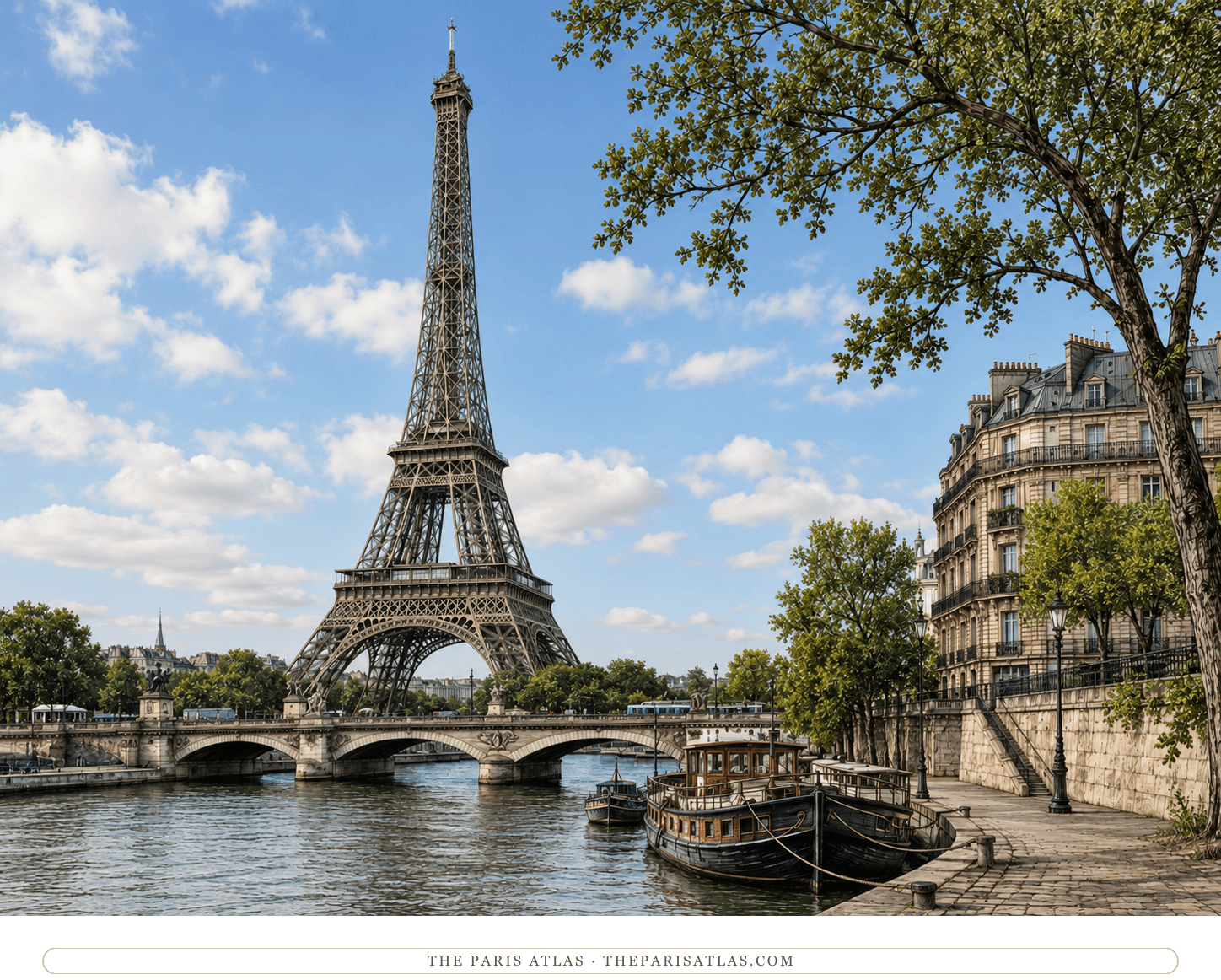
The tower at the era's edge of vision — and in the twenties and thirties, a champagne advertisement three hundred meters tall, fizzing in lights over everyone's night walks.
Visit the place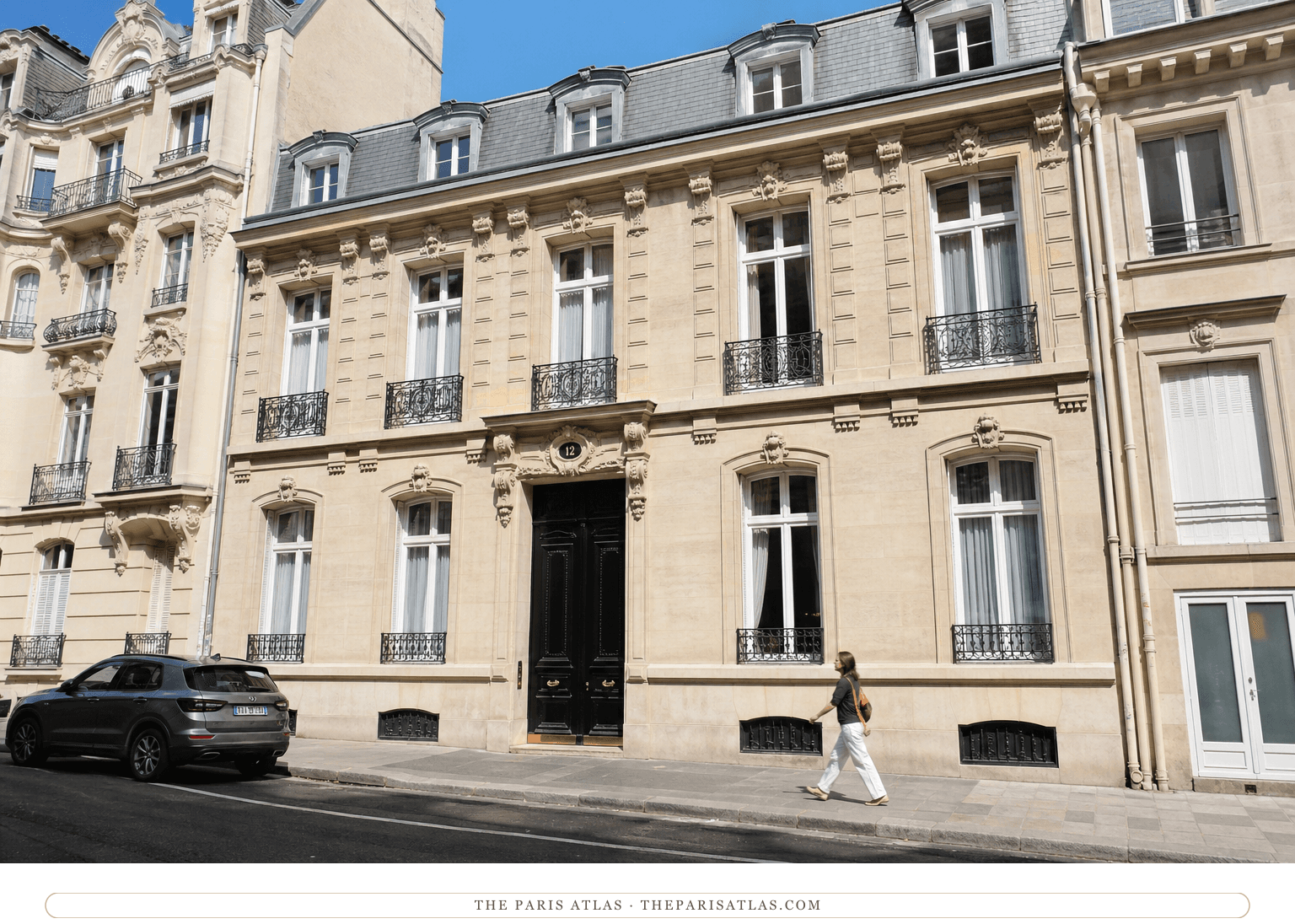
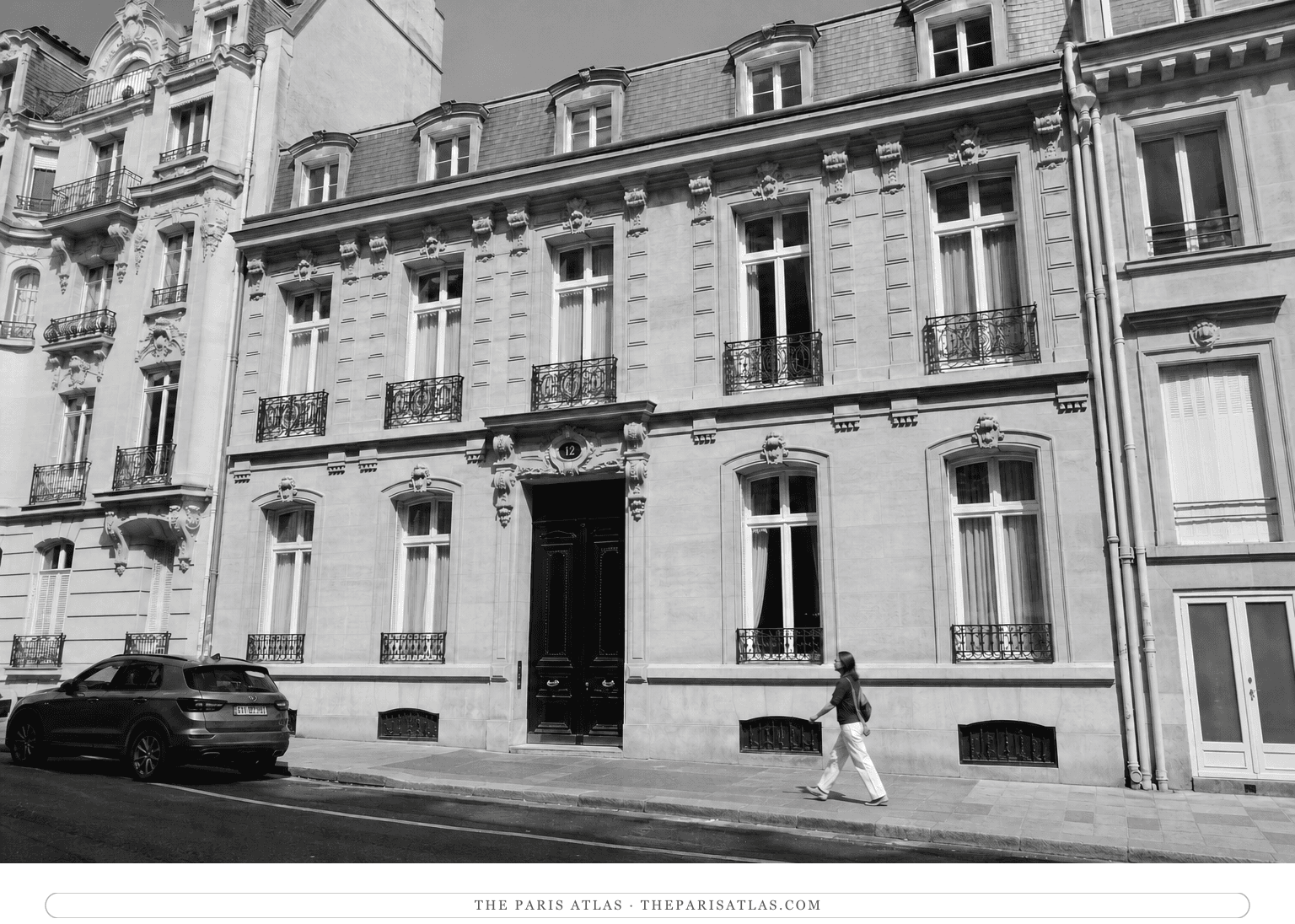
One of the Morisot family's Passy addresses during the years when Berthe and Edma Morisot were training as painters, a few doors from the house where their garden studio was built.
Visit the place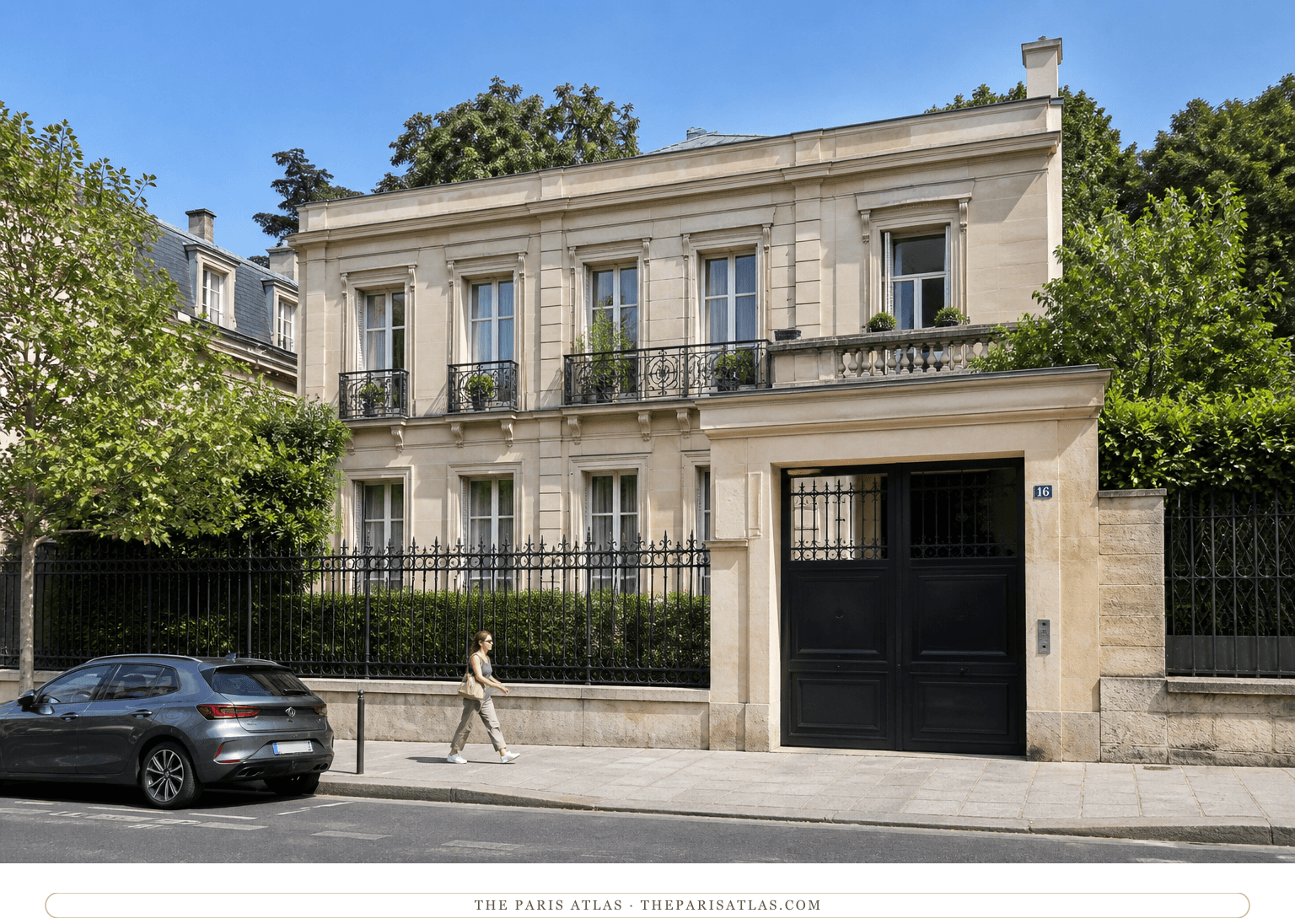
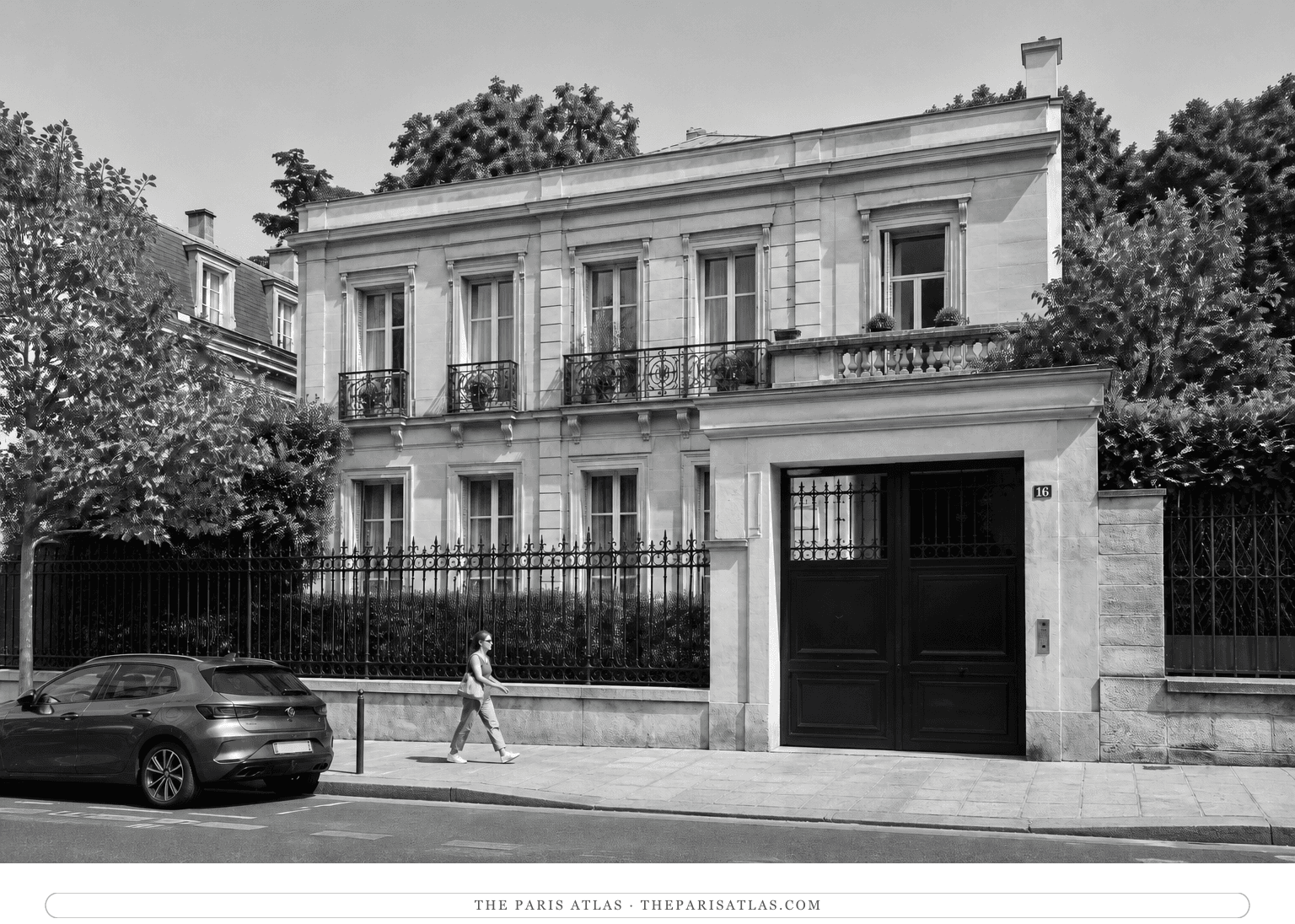
The Morisot family house in Passy where a studio was built in the garden for Berthe and her sister Edma — an unusually serious commitment to two daughters' painting for a bourgeois family of the 1860s.
Visit the place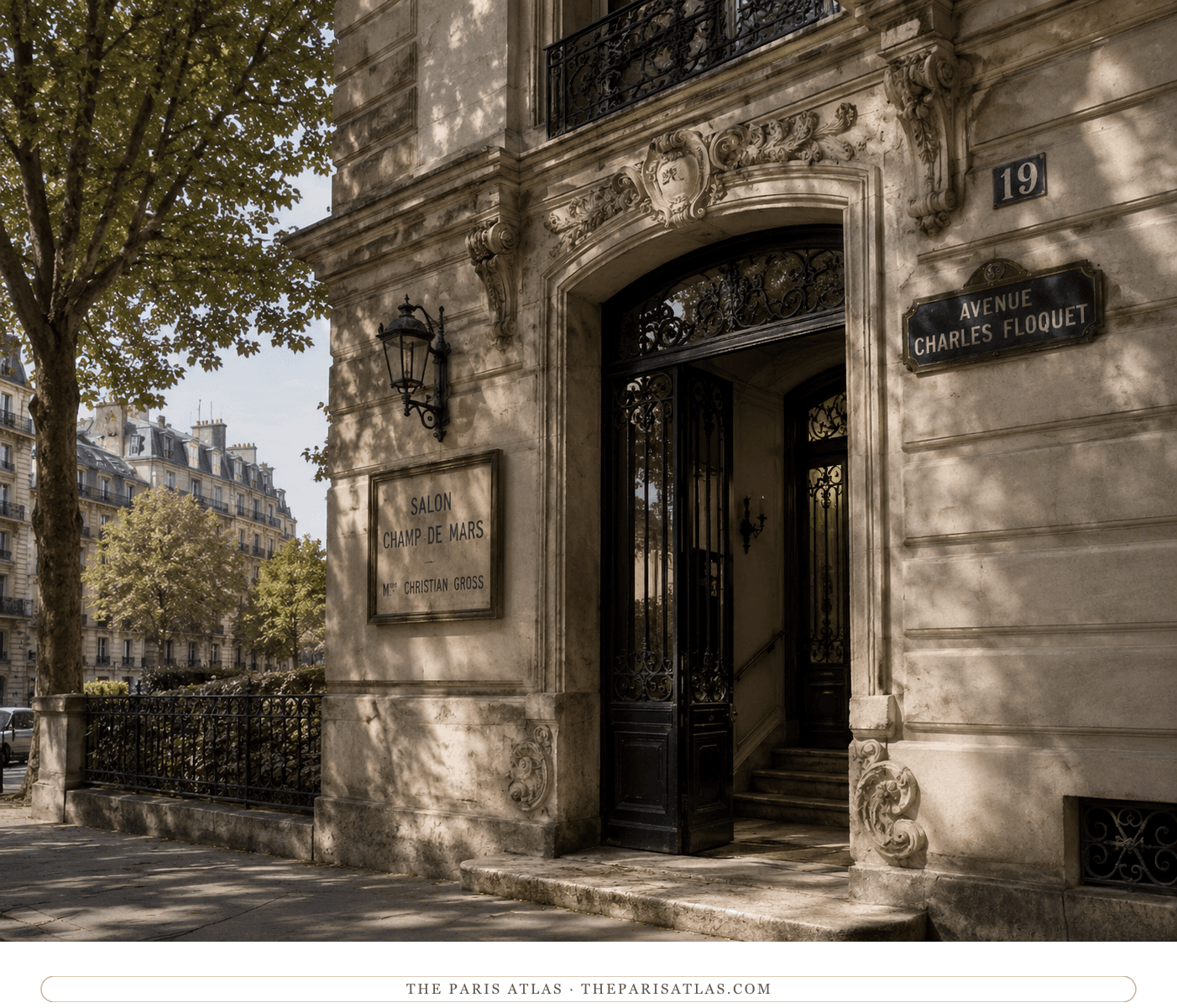
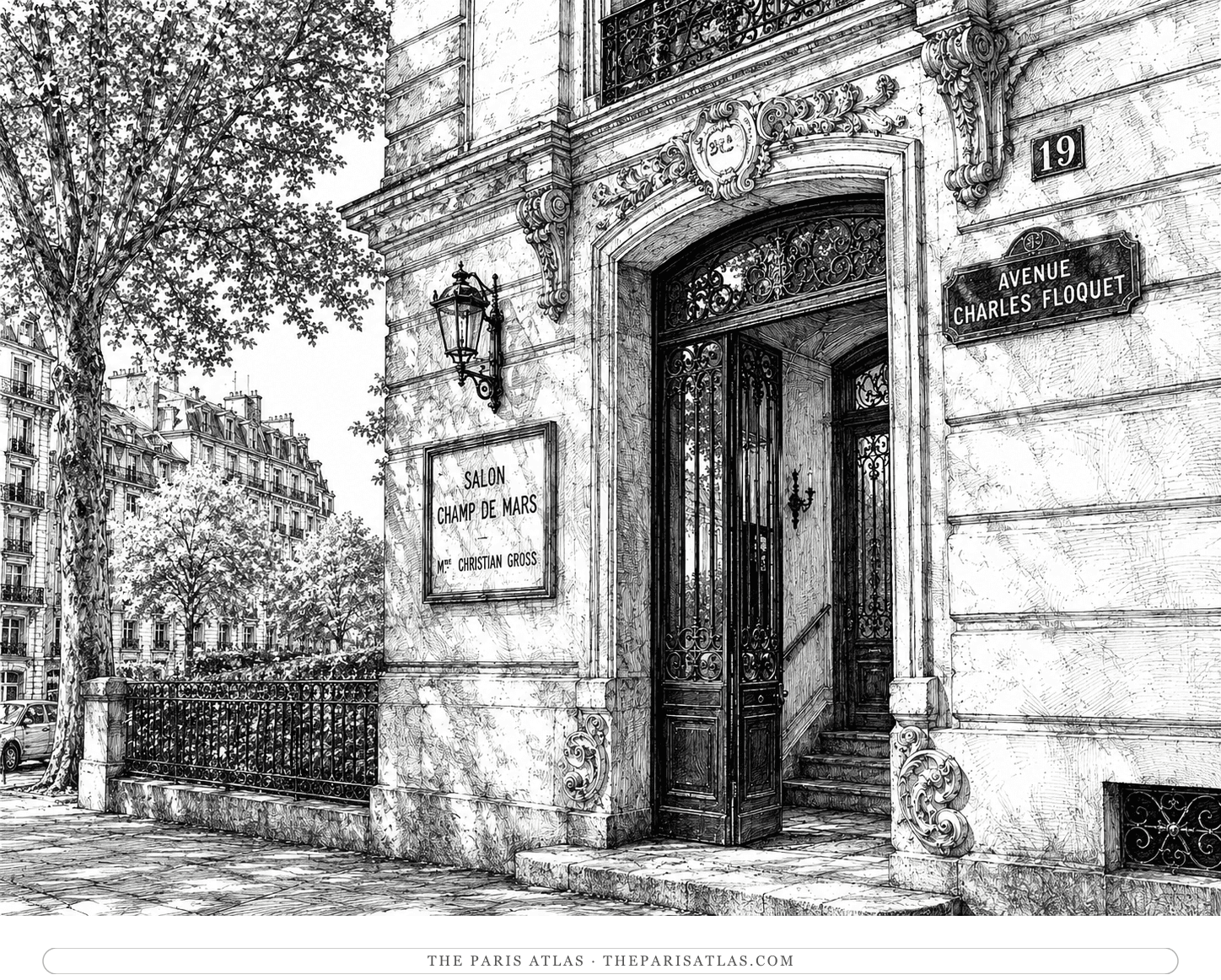
The drawing room by the Champ de Mars where Ezra Pound the composer made his debut — the Villon songs, heard by invitation before anyone believed he'd really done it.
Visit the placeThe sources below include histories, archival materials, scholarly research, and official records that informed this page. They document Champ-de-Mars, the people connected to it, and its place in Paris.


Web source consulted for documented facts and historical context presented on the Champ-de-Mars page.
Web source consulted for documented facts and historical context presented on the Champ-de-Mars page.
Web source consulted for documented facts and historical context presented on the Champ-de-Mars page.

Contemporary reporting or criticism used to document the historical reception and context of Champ-de-Mars.
These references provide the documented foundation for this page's history and context. Claim-level citations remain attached to the specific claims they support.
 Explore more resources
Newsletter
The cafés, studios, and walk-up flats where the work was made — one story from the map in every letter.