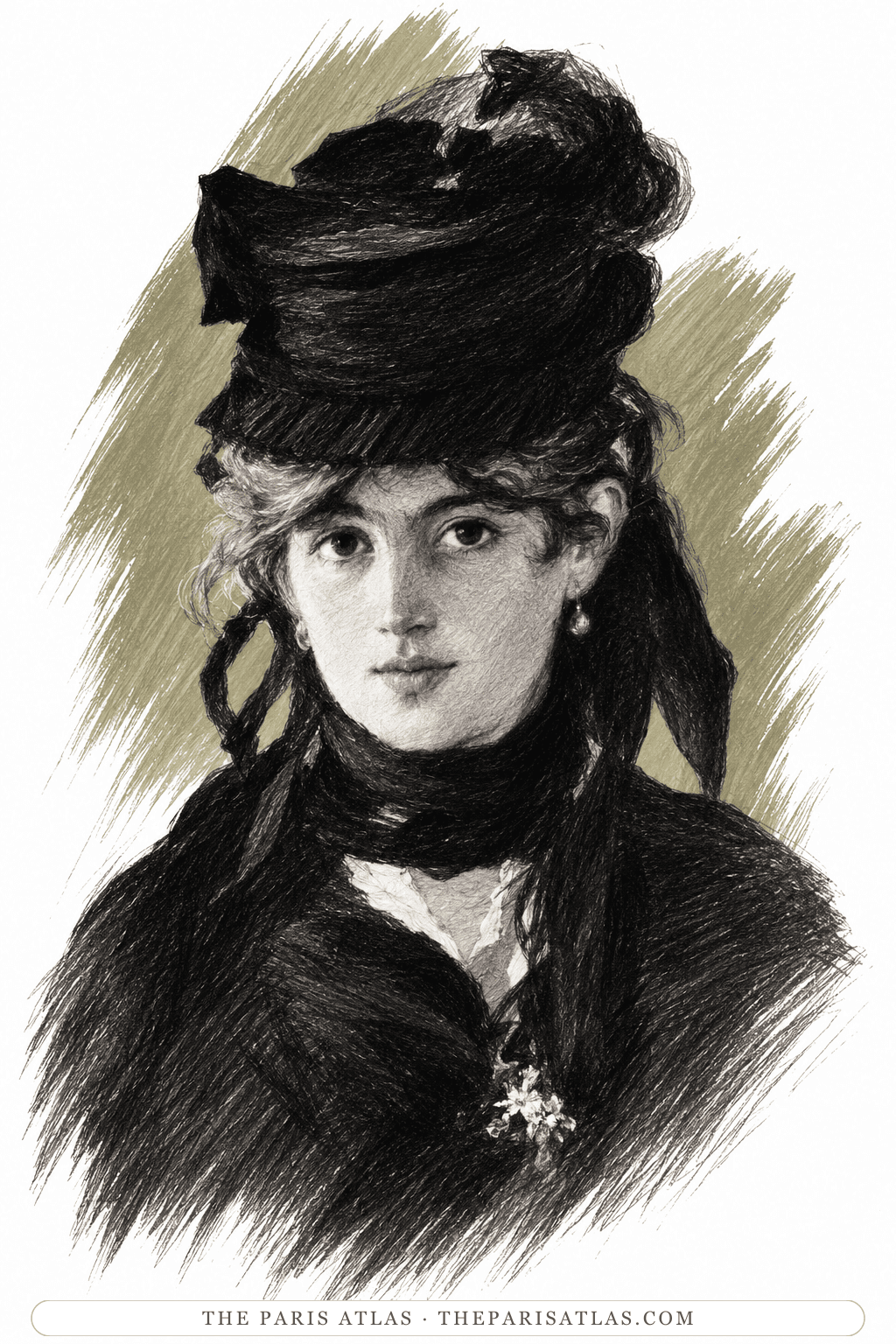
Berthe Morisot
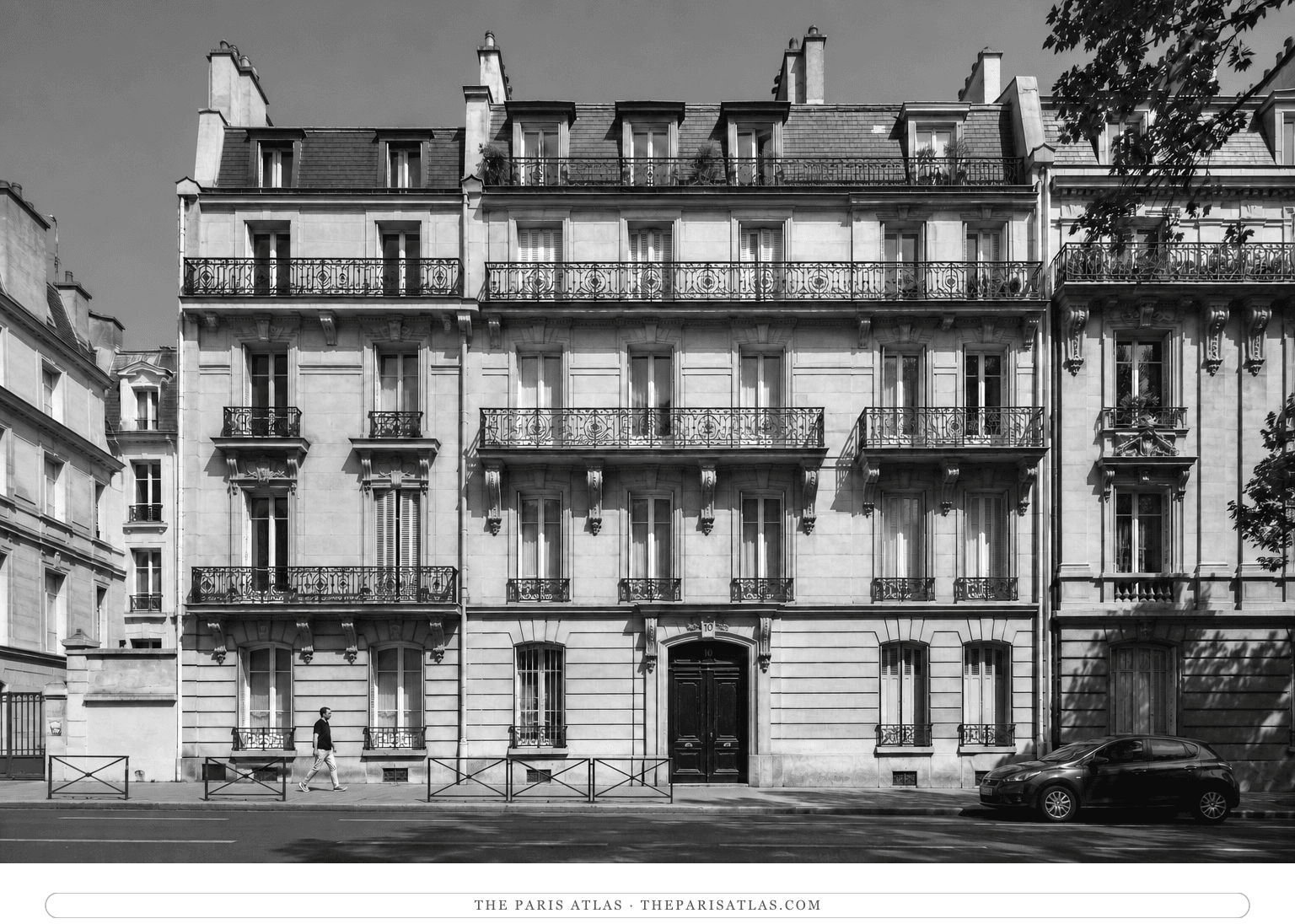
Morisot moved to 10 rue Weber after Eugene Manet's death in 1892 and completed more than a hundred works there before her own death in 1895.
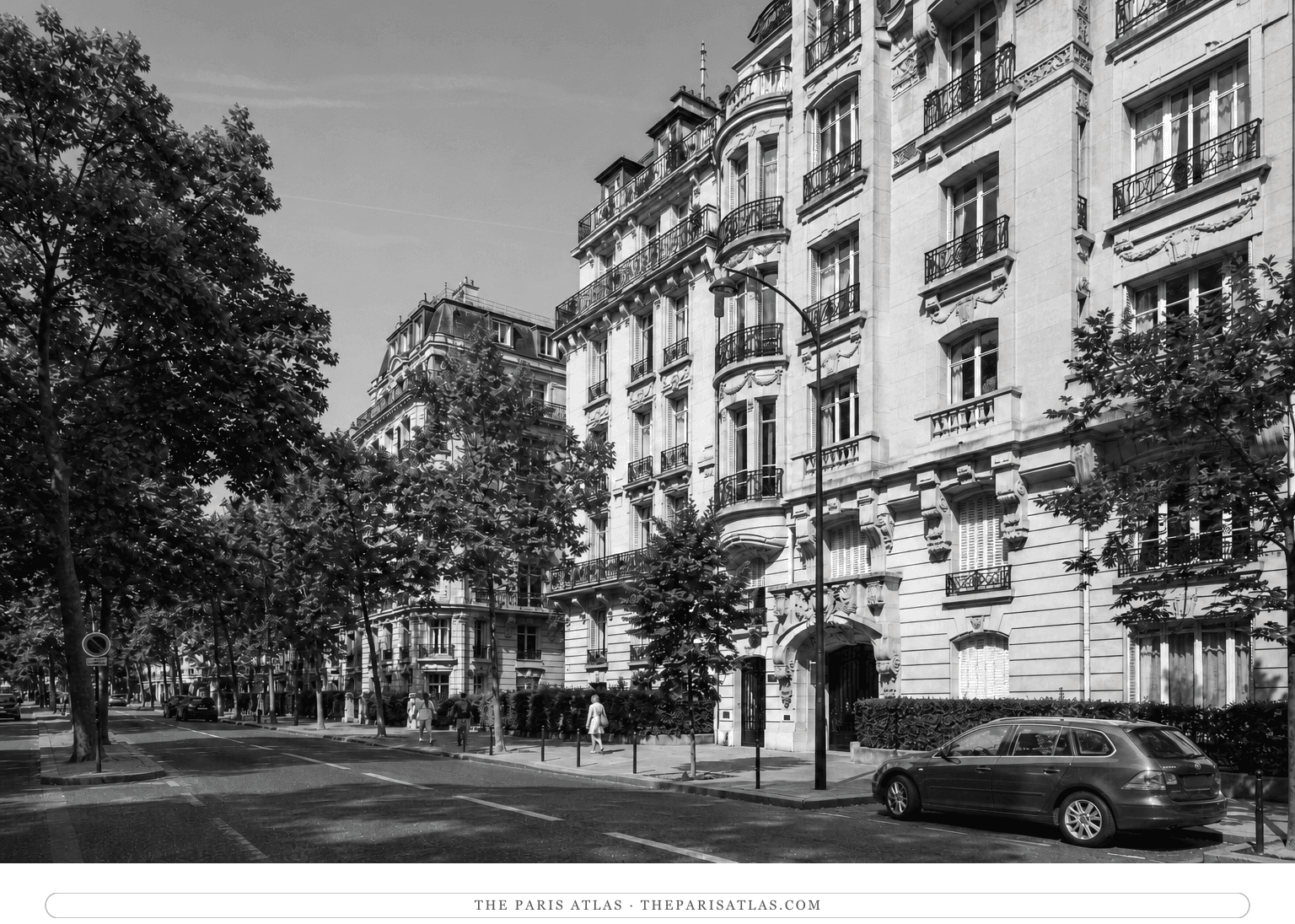
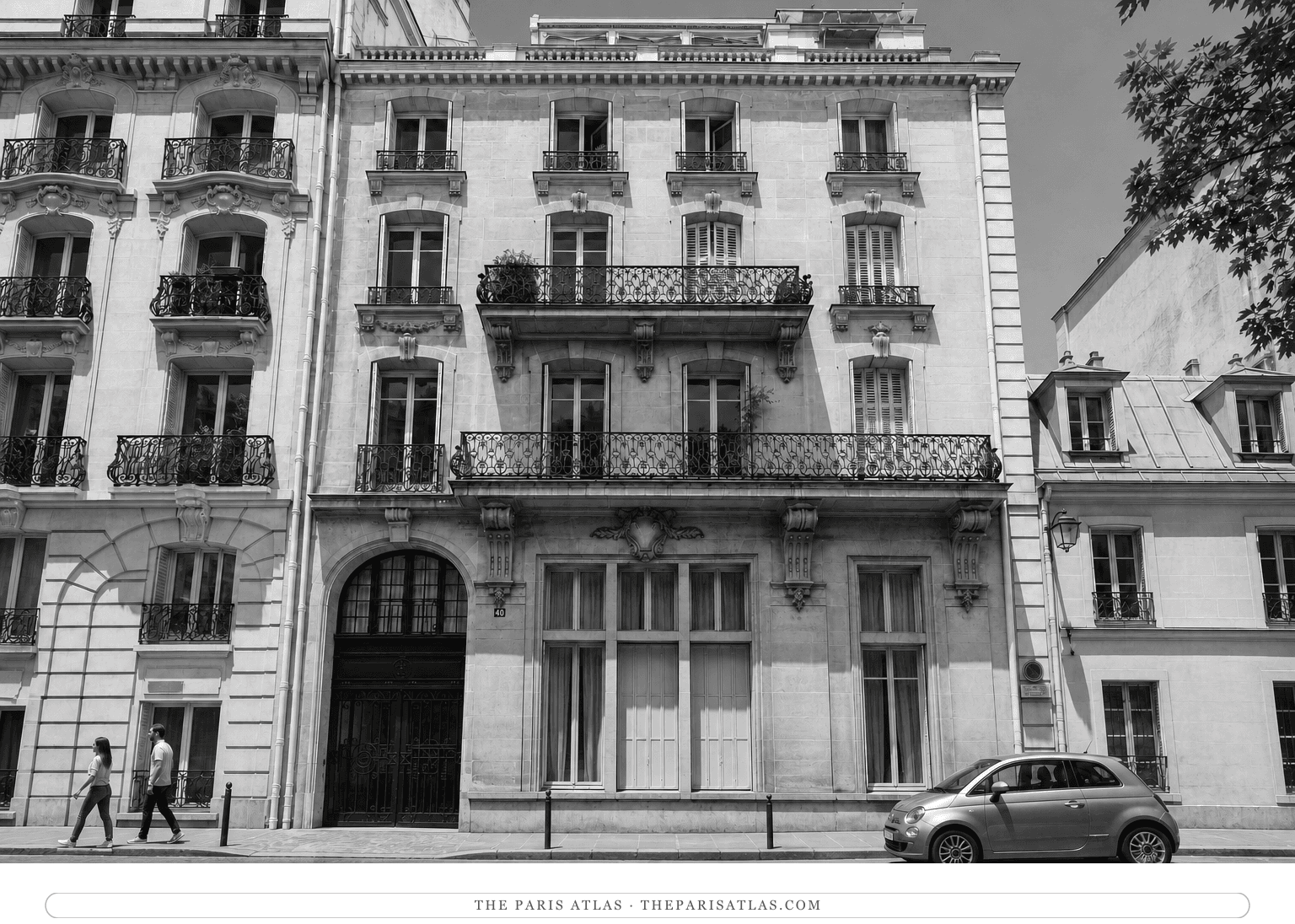
The apartment Berthe Morisot moved to after her husband's death in 1892, and where she worked hard through her final years — more than a hundred works came out of this address before she died in 1895.
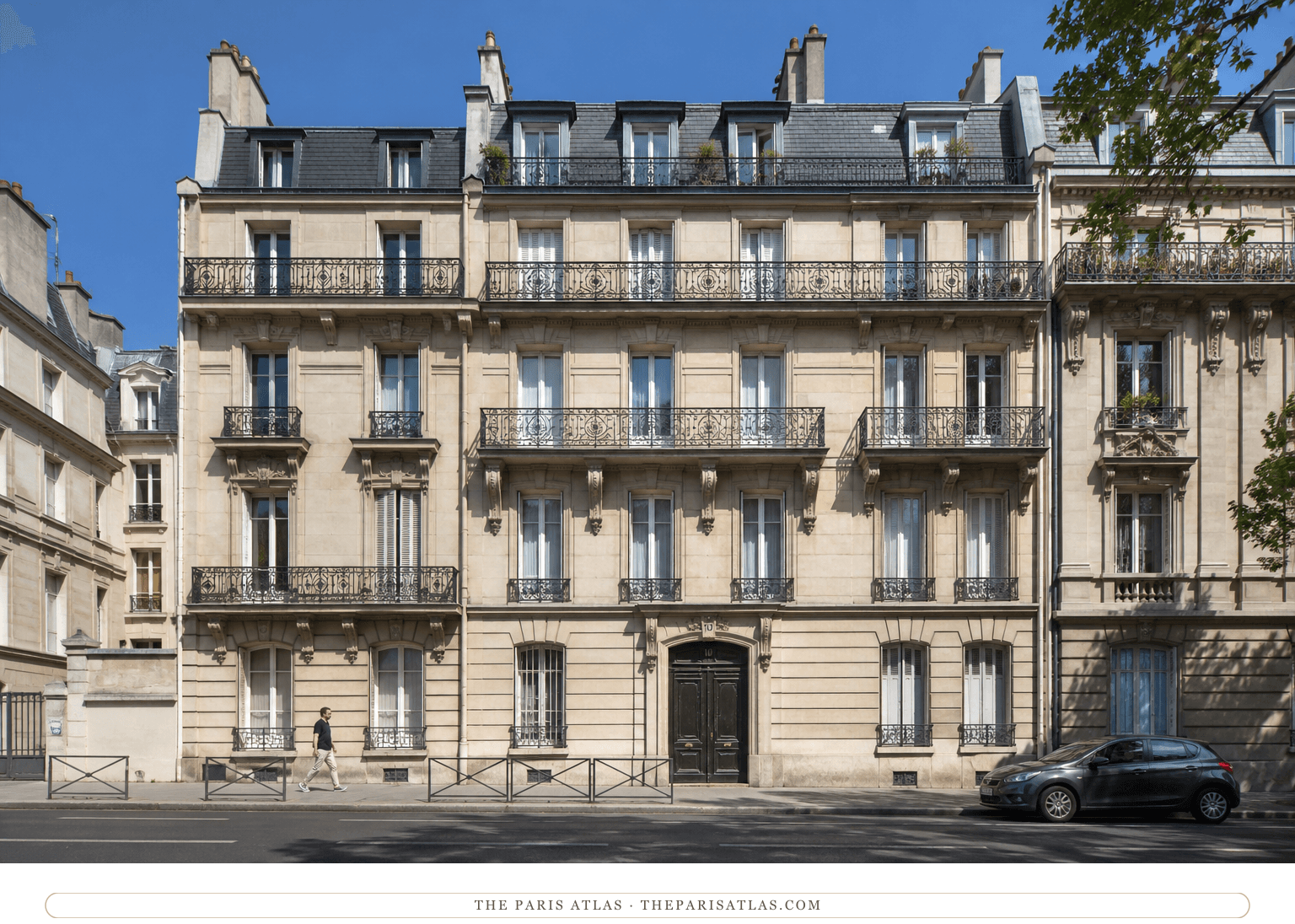
When Eugène Manet died in 1892, Berthe Morisot left the house the couple had built on the rue de Villejust and took an apartment here with her daughter Julie.
The last years were productive rather than quiet. She completed more than a hundred works at this address in a period of roughly three years, and in 1892 she had the first solo exhibition of her career at the Boussod, Valadon gallery on the boulevard Montmartre.
She died in March 1895, at fifty-four, after catching influenza from Julie while nursing her. Her death certificate reportedly recorded no profession. She is buried in the Manet family tomb at Passy Cemetery, and it took most of the twentieth century for her work to be looked at properly.
The building is private and carries no marker.
Morisot moves to the rue Weber with her daughter Julie after Eugène Manet's death.
Her first solo exhibition opens at Boussod, Valadon & Cie.
She dies in March and is buried at Passy Cemetery.
At 10 rue Weber in the 16th arrondissement, in March 1895, aged fifty-four.
Yes, intensively. She completed more than a hundred works during her last few years at this address.
Morisot moved to 10 rue Weber after Eugene Manet's death in 1892 and completed more than a hundred works there before her own death in 1895.

The house where Claude Debussy lived from 1905 until his death in 1918, and where he wrote most of his late music. Its address changed twice — the number was altered while he lived there, and the avenue was renamed afterwards.
Visit the place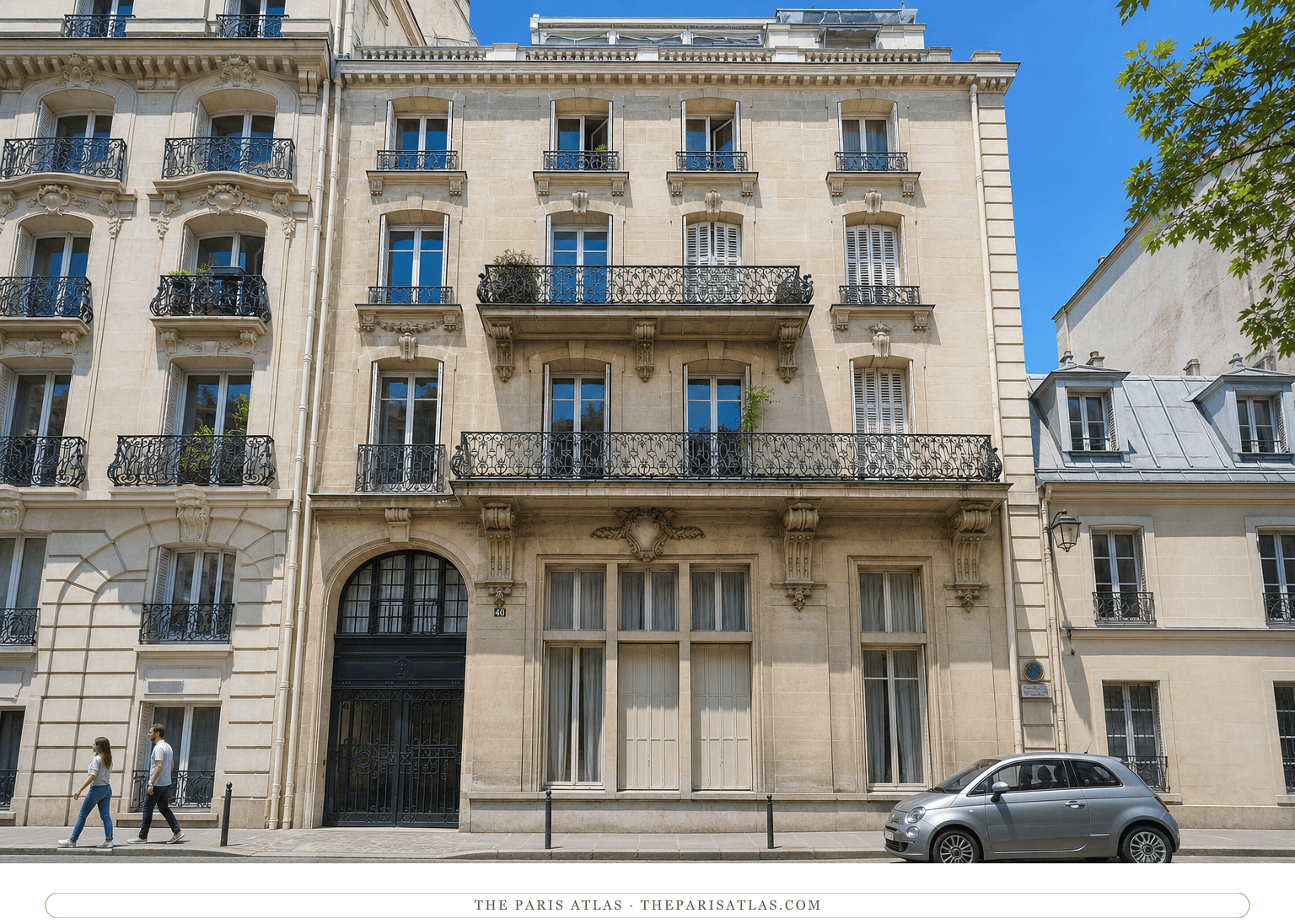
The house Berthe Morisot and Eugène Manet had built for themselves in the early 1880s on what was then the rue de Villejust — her home, her studio, and the setting of a salon that drew Renoir, Degas and Mallarmé.
Visit the place
The home of Mathilde de Morny — Missy — where Colette lived through much of their relationship after leaving Willy.
Visit the place
The ground-floor apartment Colette rented on her own after leaving Willy, remembered as a place of new independence. The building no longer exists.
Visit the placeThe sources below include histories, archival materials, scholarly research, and official records that informed this page. They document 10 rue Weber, the people connected to it, and its place in Paris.


Web source consulted for documented facts and historical context presented on the 10 rue Weber page.
Web source consulted for documented facts and historical context presented on the 10 rue Weber page.
Web source consulted for documented facts and historical context presented on the 10 rue Weber page.
Web source consulted for documented facts and historical context presented on the 10 rue Weber page.
These references provide the documented foundation for this page's history and context. Claim-level citations remain attached to the specific claims they support.
 Explore more resources
Newsletter
The cafés, studios, and walk-up flats where the work was made — one story from the map in every letter.