Displayed at · 1986
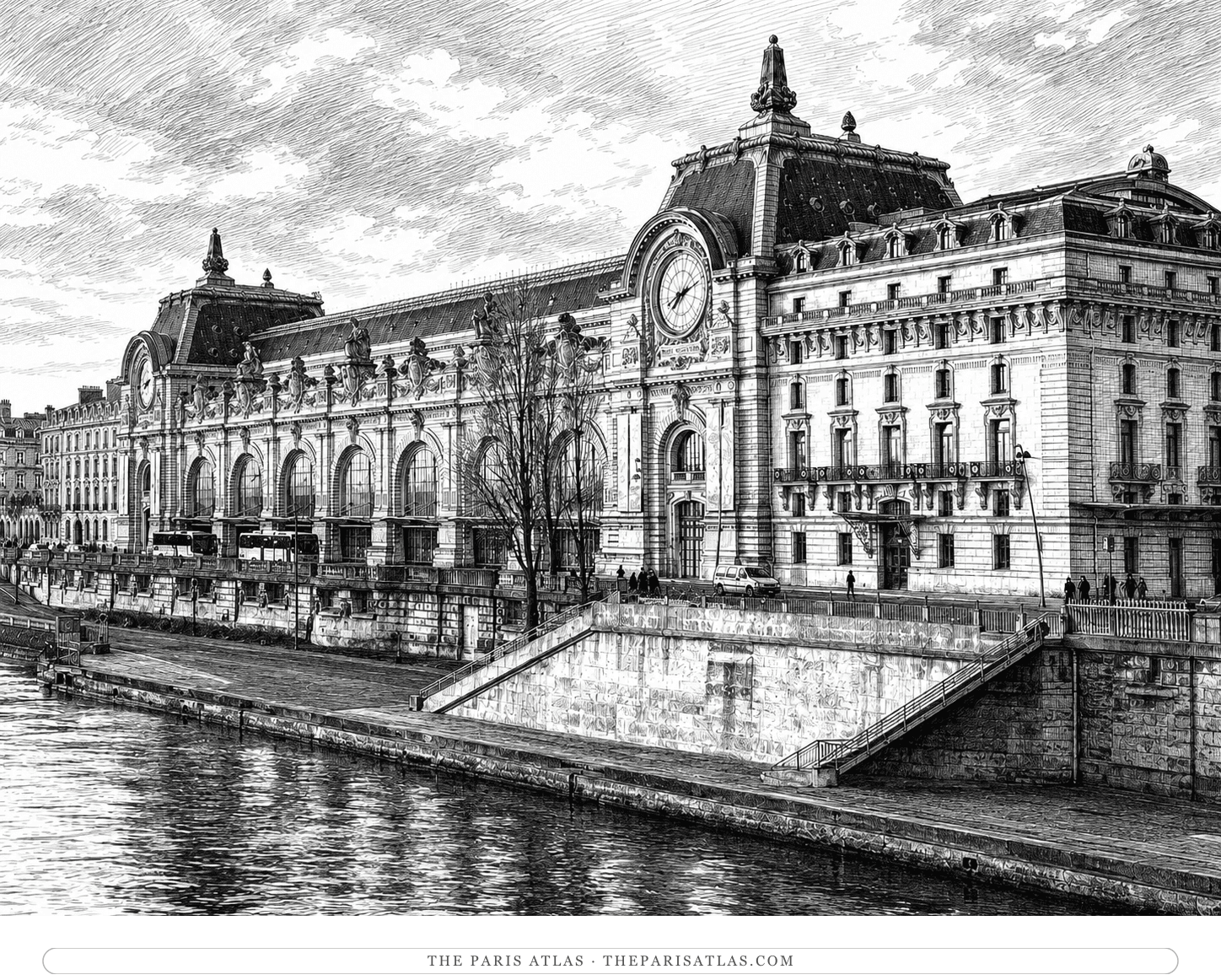
Gare d'Orsay
The painting was assigned to the Musée d'Orsay in 1986. The museum occupies the former Gare d'Orsay; collection membership does not guarantee current gallery display.
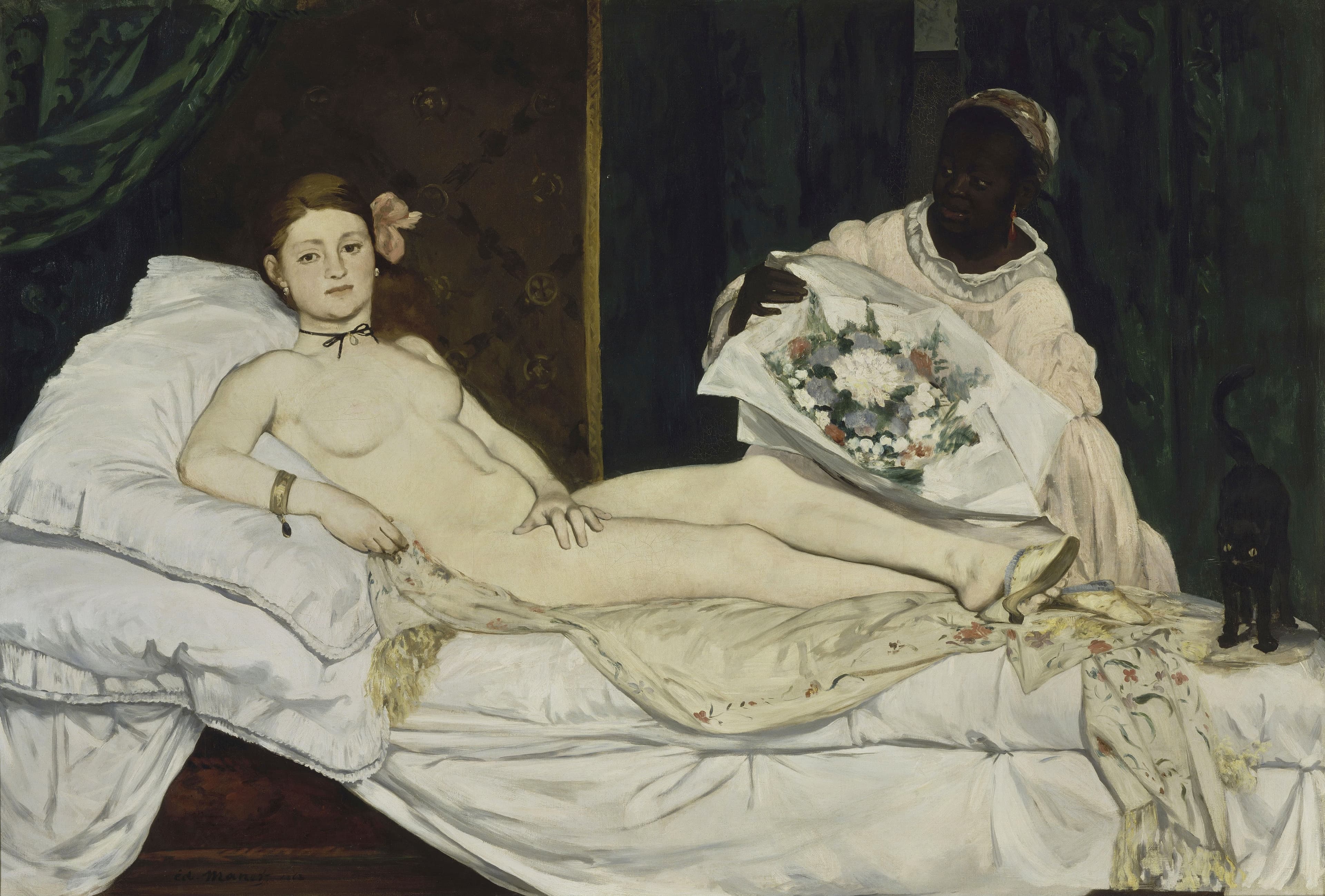
Édouard Manet's Olympia shows a reclining nude receiving flowers from an attendant. Painted in 1863 and exhibited at the Salon in 1865, it gave a familiar pose from older art a contemporary Parisian subject.
Édouard Manet places Olympia almost parallel to the picture's lower edge. Her body extends across white cushions and bedding. Her face turns toward the viewer, while an attendant stands behind her with a wrapped bouquet.
The pose is relaxed enough for reclining, but the gaze is direct. A black ribbon around her neck draws attention to the contrast between the pale skin and dark background.
Small objects remain clearly visible: a bracelet, a flower in her hair, slippers, and a black cat at the foot of the bed. Manet allows these details to interrupt the larger areas of skin and cloth.
Olympia was painted in 1863, but its public scandal belongs to the Salon of 1865. The Metropolitan Museum identifies its subject as a contemporary prostitute receiving a client. The nude was not presented as a goddess or a figure from a distant past.
The Musée d'Orsay also stresses the response to Manet's handling of paint. Abrupt changes between light and dark and limited soft shading made the figure look different from the smoothly modeled bodies favored in academic painting.
Manet drew on the reclining nude tradition, especially Titian's Venus of Urbino. That connection helps explain why a recognizable composition could still trouble its audience. The modern room, attendant, and accessories changed how the body was understood.
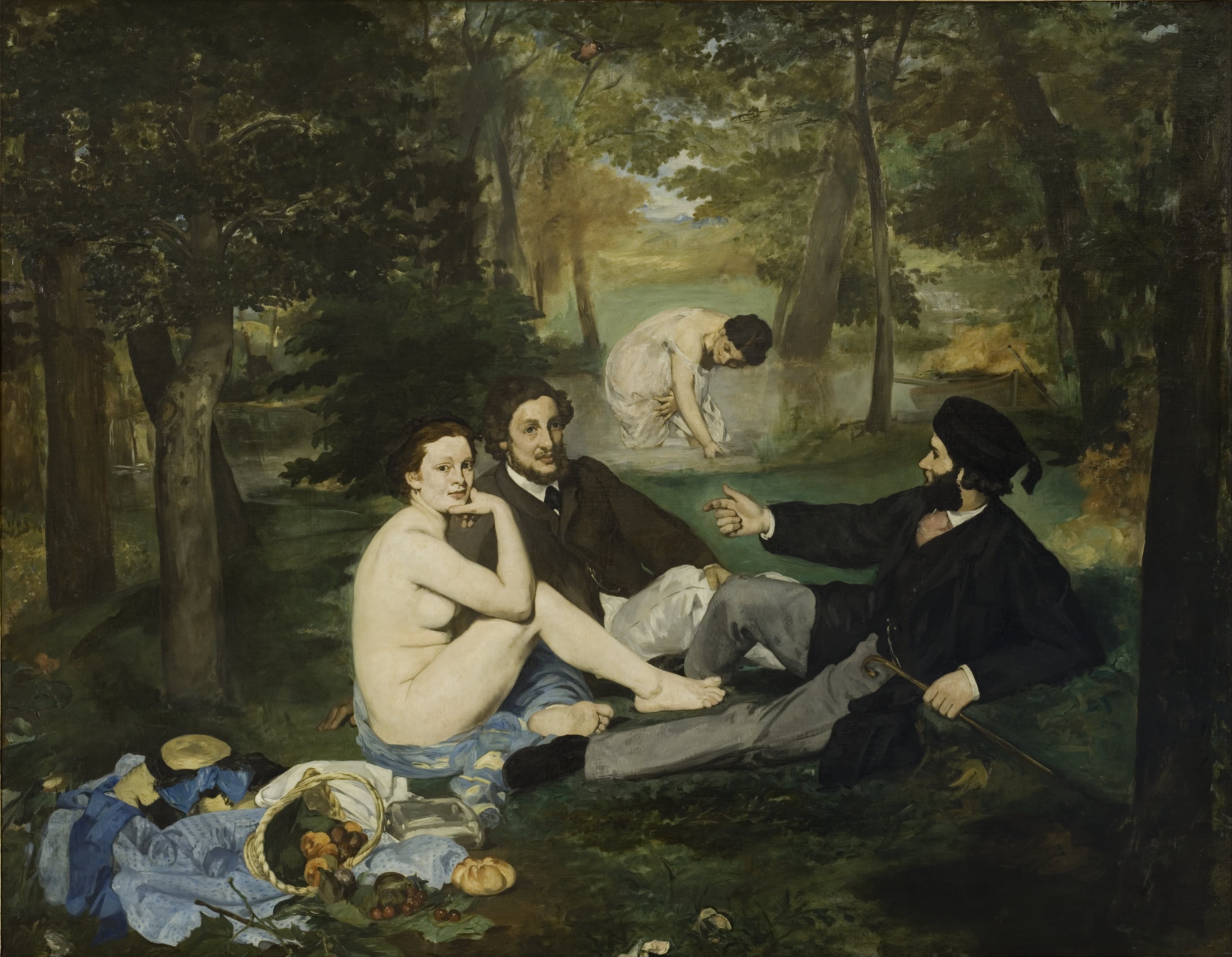
Le Déjeuner sur l'herbe, also painted in 1863, uses a related approach. Manet takes arrangements familiar from older art and places them alongside contemporary clothing and direct looks toward the viewer.
Victorine Meurent posed for the reclining Olympia, and a model named Laure posed for the attendant holding the flowers. Meurent was also a painter; Laure worked as a nursemaid in Paris and modeled for other works by Manet. The roles represented in a painting do not establish either model's occupation or biography.
Claude Monet led the public subscription that secured Olympia for the French state in 1890. It is now in the Musée d'Orsay collection.
Close reading
The body, flowers, and bedding contain most of the painting's light areas. Smaller dark details interrupt them and direct attention toward the figure's face and hands.
1.Olympia looks toward the viewer
Her eyes face outward rather than turning toward the attendant. The black ribbon gives a sharp boundary at the base of the pale neck.
2.The hand has a firm outline
The hand is placed flat, with fingers plainly separated. Its dark contour makes the gesture easy to see against the broad light area of skin.
3.Laure holds the bouquet
Laure looks toward the reclining woman. Her pale sleeve and the wrapping around the flowers form a second large light area on the right.
4.Flowers are grouped in colored touches
Small touches of color create a busy surface within the white paper. The bouquet contrasts with the smoother, broader areas of the figure's body.
5.The cat stands at the foot of the bed
The cat almost merges with the dark background. Its eyes and upright tail make the animal visible beside the pale bedding.
6.Folds and fringe fill the lower edge
Gray strokes mark the folds of the sheets. The patterned cloth adds smaller colored shapes across the same broad horizontal space.
1863
Manet painted Olympia in 1863.
1865
Olympia was exhibited at the official Salon in Paris in 1865.
1890
In 1890, Claude Monet led a public subscription that secured Olympia for the French state.
1986
In 1986, Olympia was assigned to the Musée d'Orsay.
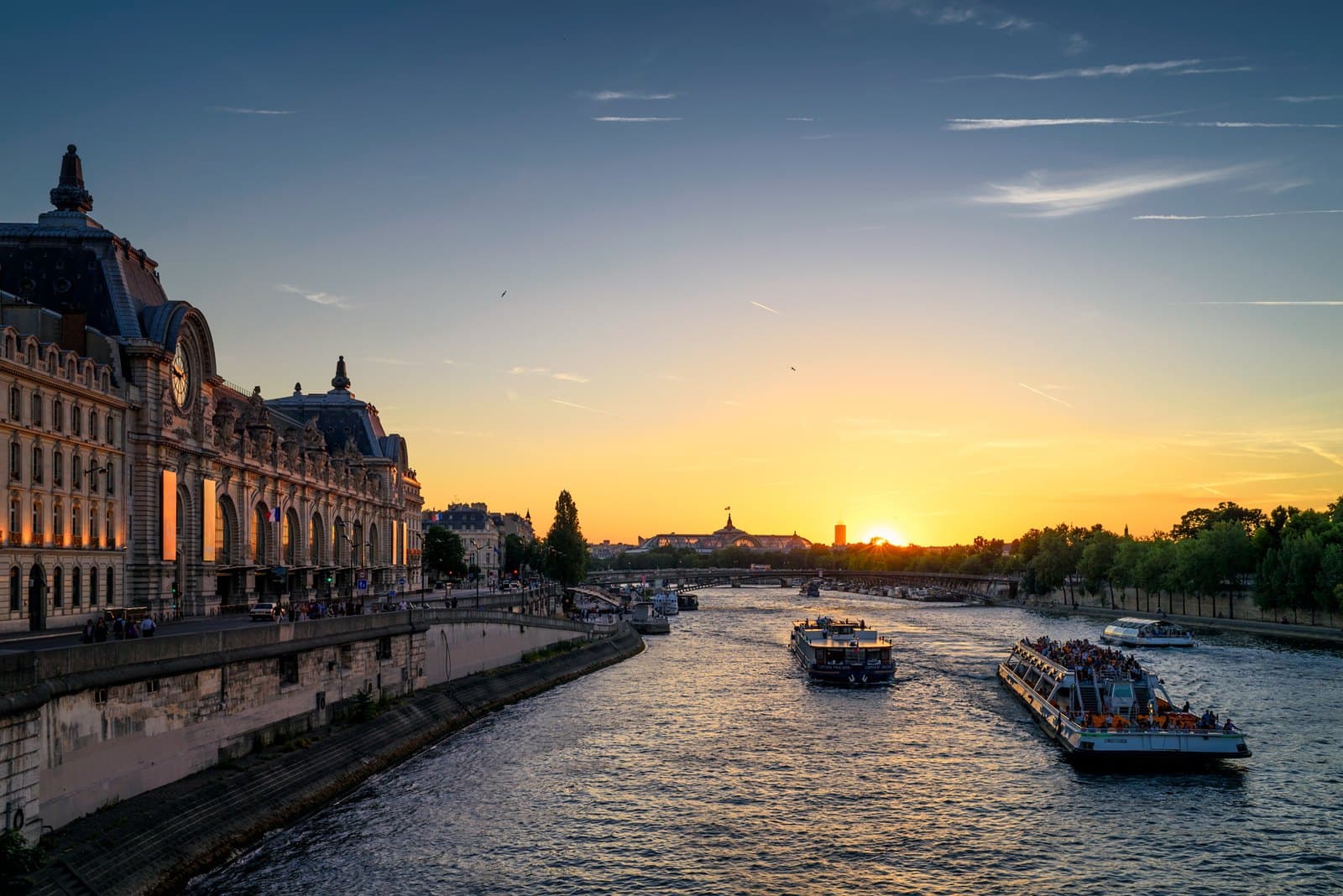
Musée d'Orsay, Paris
Esplanade Valéry Giscard d’Estaing, 75007 Paris, France
Displays and loans can change. Check whether this work is on view before making a special trip.
Plan your visitManet painted Olympia in 1863 and exhibited it at the official Salon in 1865.
Olympia's contemporary sexual subject and direct presentation challenged expectations for the idealized nude. Critics also objected to Manet's painting style.
Victorine Meurent posed for the reclining figure.
A black cat, standing with its tail raised.
Olympia belongs to the Musée d'Orsay in Paris as accession RF 644. Consult the museum for current display information.
Displayed at · 1986
The painting was assigned to the Musée d'Orsay in 1986. The museum occupies the former Gare d'Orsay; collection membership does not guarantee current gallery display.
Explore painters from the same movements and circles.
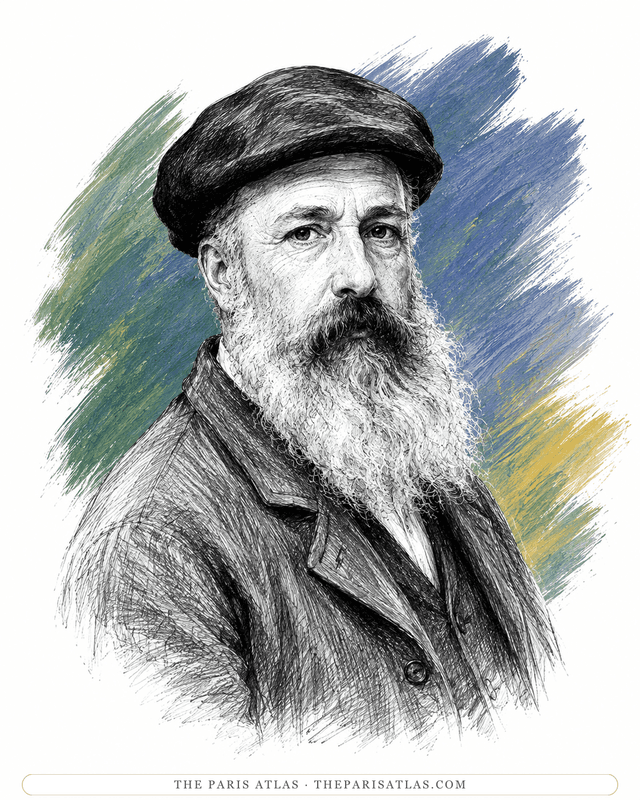
Impressionist painter whose late Water Lilies cycle fills the Orangerie's two oval rooms — a gift to France offered the day after the 1918 Armistice and installed to his design.
View artist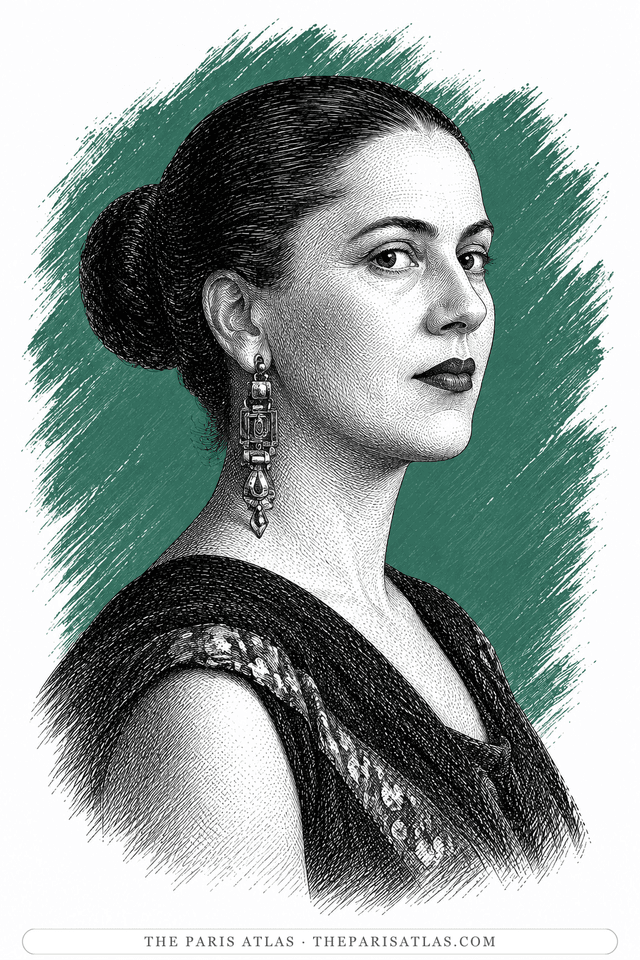
Brazilian painter who spent the 1920s moving between São Paulo and Paris, studied Cubism under André Lhote, Albert Gleizes and Fernand Léger, and used what she learned to paint Brazilian towns, railways, plants and bodies. Her 1928 painting Abaporu prompted the manifesto that gave the Anthropophagic movement its name.
View artist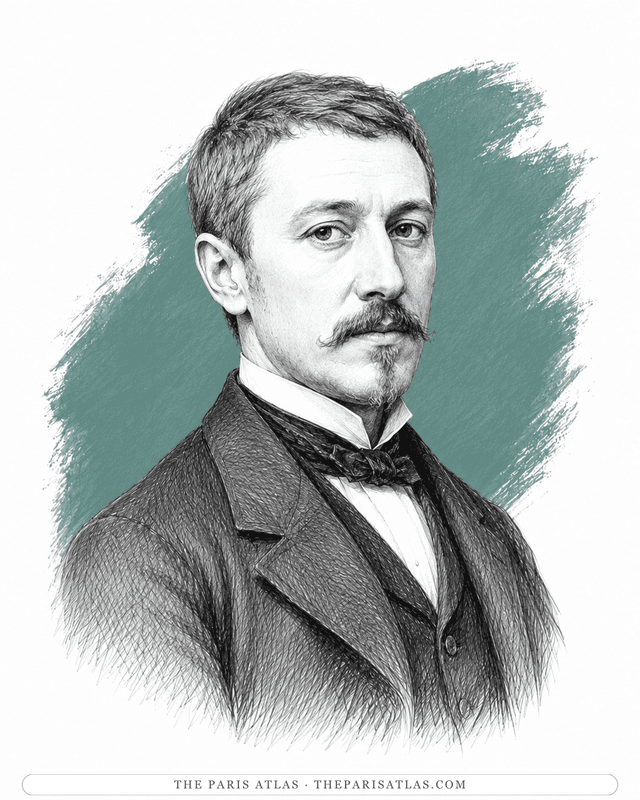
Painter of Haussmann's geometry and the group's organizer-financier; his bequest of Impressionist paintings forced the French state to take the movement in.
View artistThe sources below include collection records, catalogues, scholarly research, and primary materials that informed this page. They document Olympia, its making, and its place in cultural history.


The reproduction is the primary visual source for the close-reading details; rights metadata is preserved separately.
Web source consulted for documented facts and historical context presented on the Olympia page.
Web source consulted for documented facts and historical context presented on the Olympia page.
Web source consulted for documented facts and historical context presented on the Olympia page.
Identification and historical context for Laure, the model for Olympia's attendant.
These references provide the documented foundation for this work's history and interpretation. Claim-level citations remain attached to the specific claims they support.
 Explore more resources
 View source