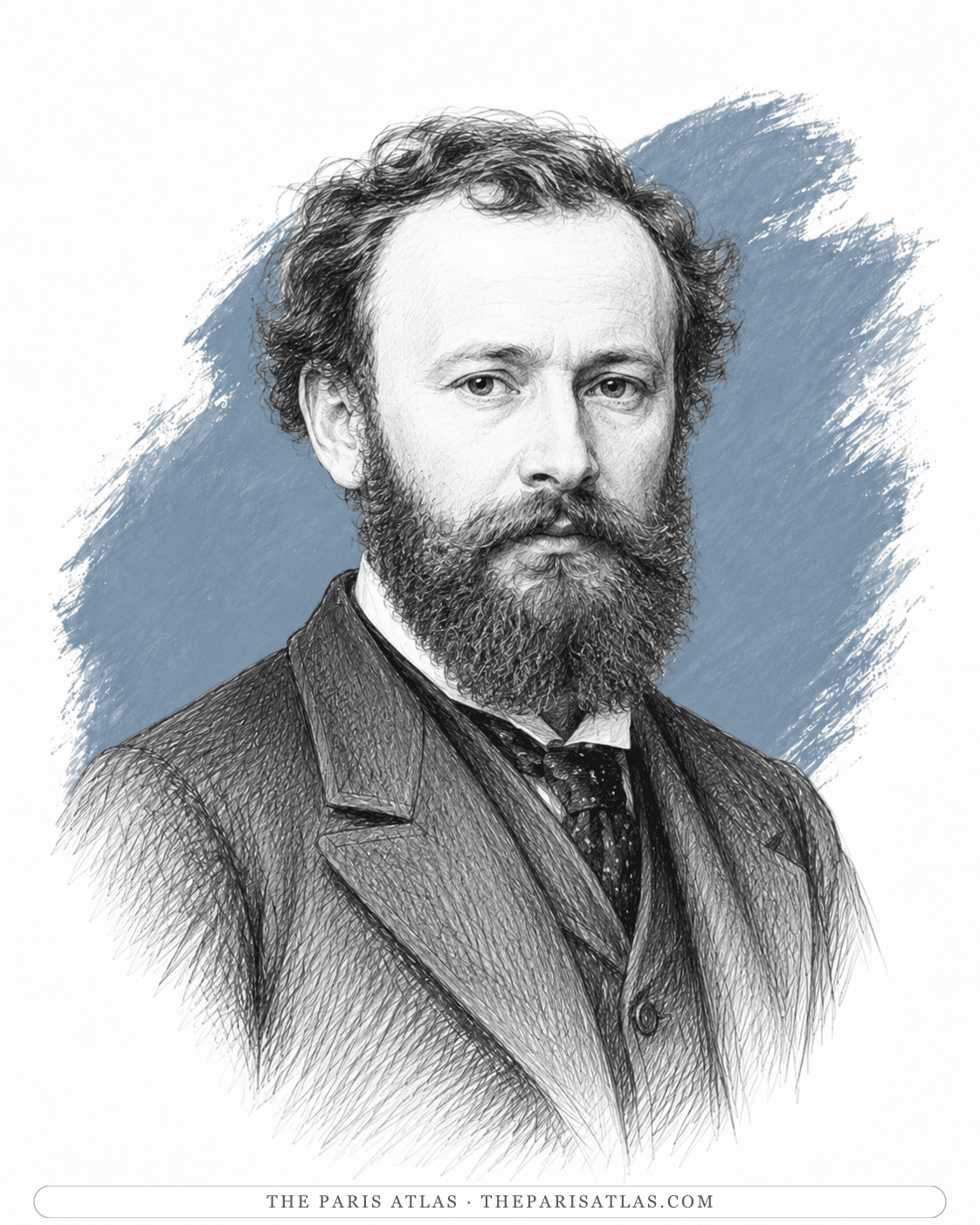
Édouard Manet
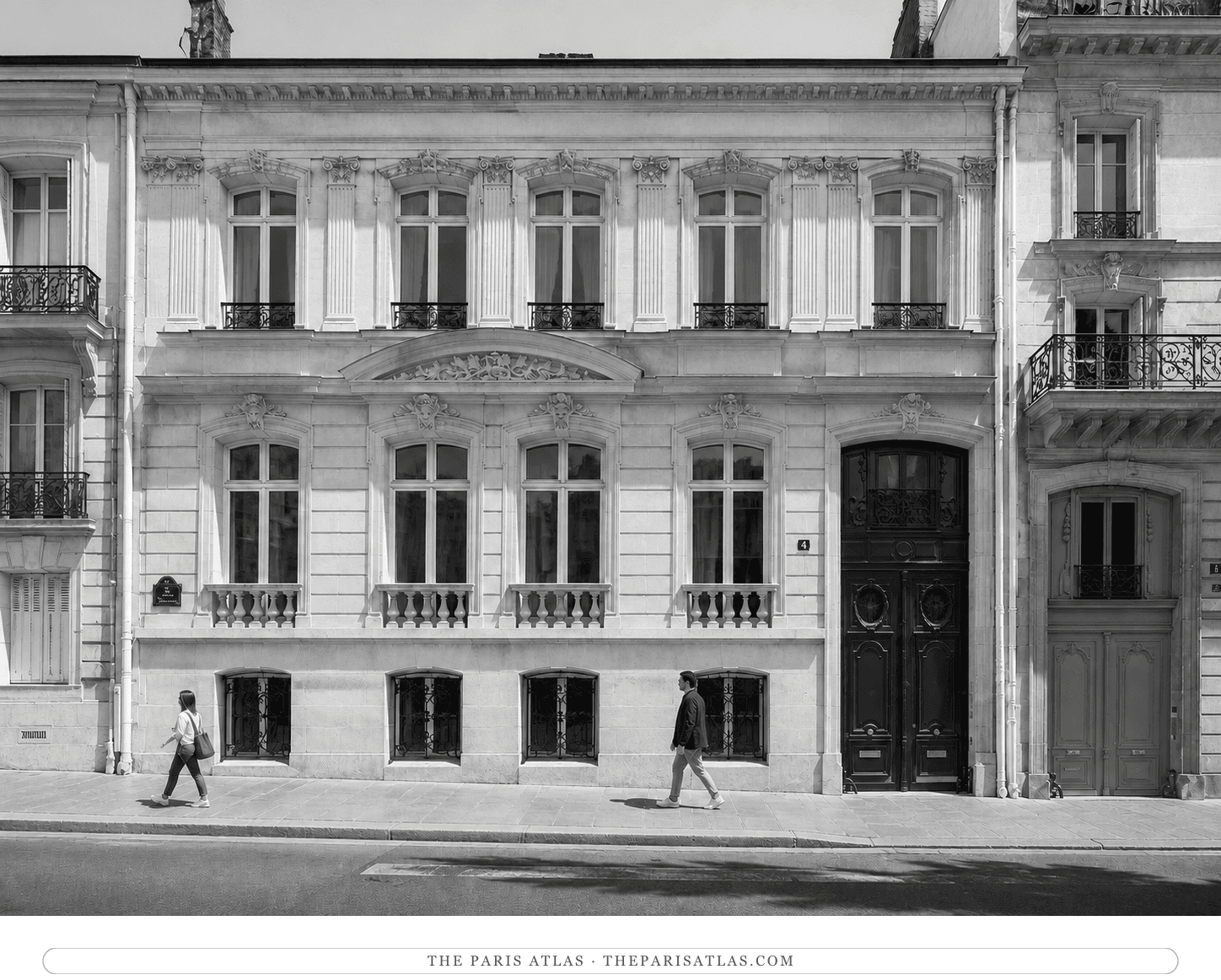
Manet's studio through the 1870s, until July 1878. Its windows overlooked the rue Mosnier, now the rue de Berne, which he painted several times including the flags hung for the national holiday of 30 June 1878.
Manet's studio through the 1870s, whose windows looked down on what was then the rue Mosnier — the street he painted repeatedly, flags and all, in the summer of 1878.
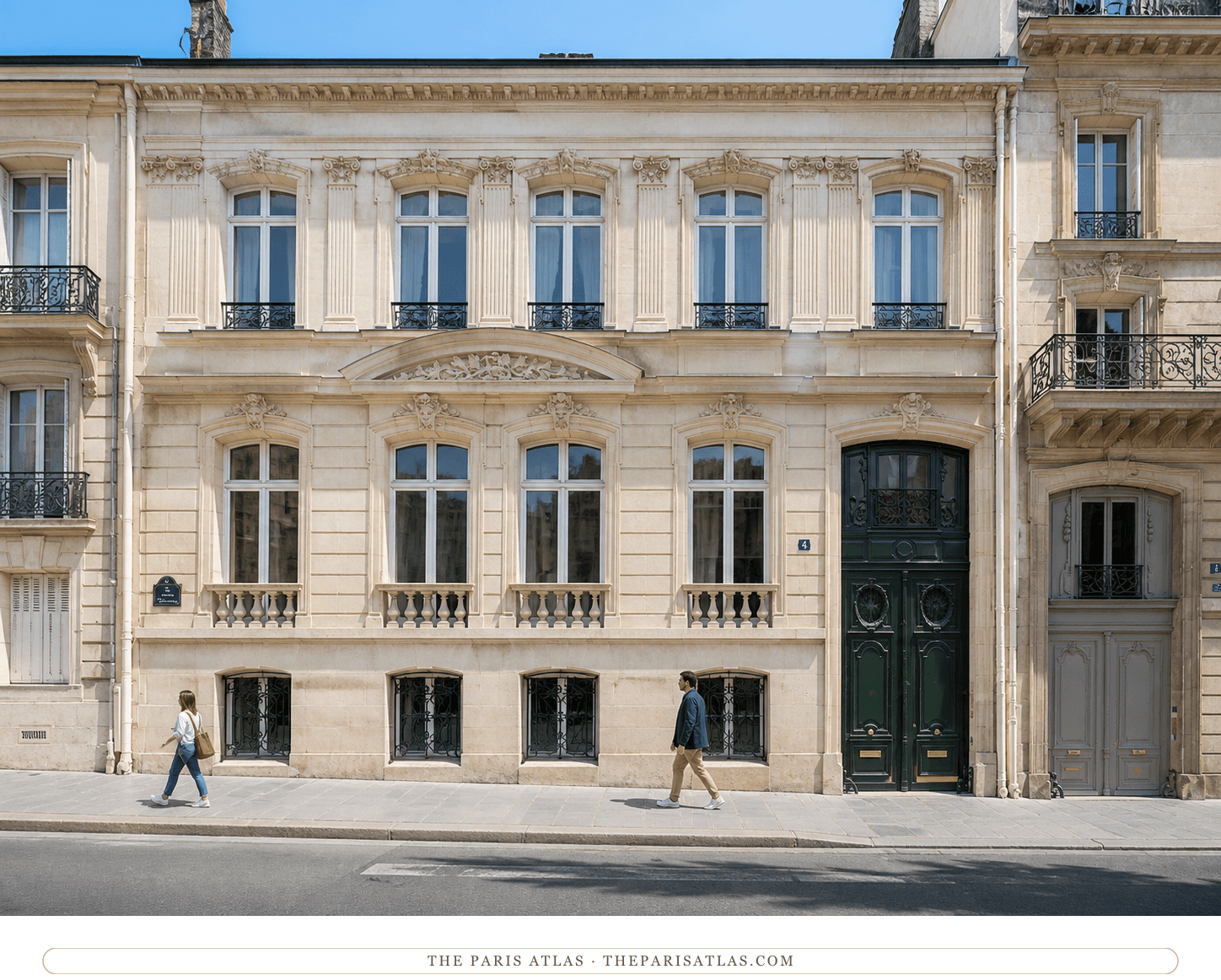
Édouard Manet used this studio through the 1870s, leaving it in July 1878. It sat in the Quartier de l'Europe, the district of new streets laid out around the Gare Saint-Lazare — the same quarter, and very nearly the same years, in which Claude Monet was painting inside the station itself.
The windows are the reason this address matters. They overlooked what was then the rue Mosnier, and Manet painted the view down into it several times: the street with workmen, the street with a one-legged man on crutches, and most famously the street hung end to end with tricolours for the national holiday of 30 June 1878. That day was a state-organised celebration marking France's recovery after the defeat of 1870 and the Commune, and both Manet and Monet went out and painted the flags — Monet on the rue Montorgueil, Manet from his own window.
The rue Mosnier has since been renamed the rue de Berne. The studio building on the rue de Saint-Pétersbourg stands and is private.
Manet paints the rue Mosnier hung with flags for the celebration of 30 June.
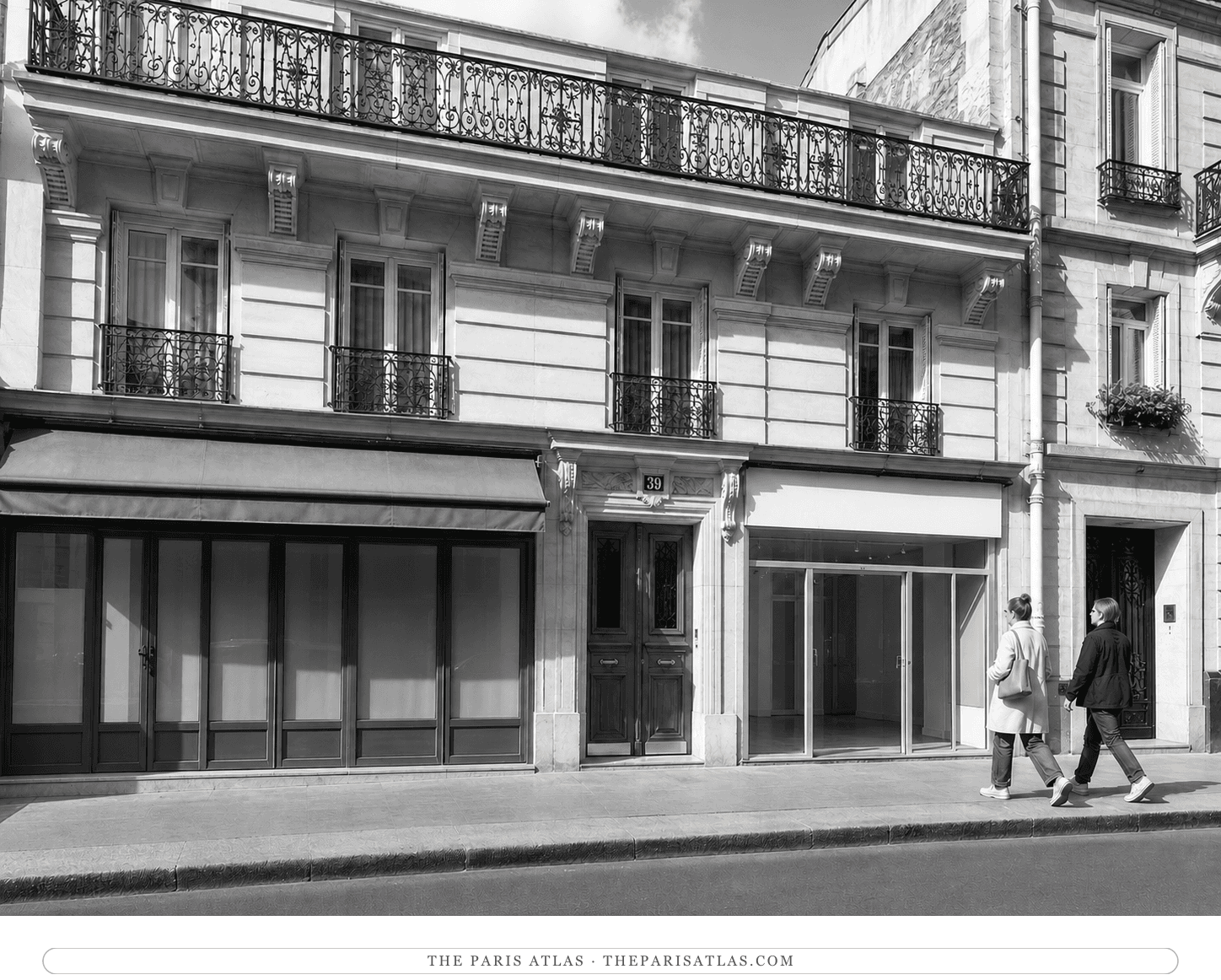
He leaves the studio in July and takes an apartment at 39 rue de Saint-Pétersbourg.
It is now the rue de Berne, in the 8th arrondissement.
A state-organised national holiday marking France's recovery after the defeat of 1870 and the Commune. Paris was hung with flags, and both Manet and Monet painted the streets that day.
No. The building stands but is private and unmarked.
Manet's studio through the 1870s, until July 1878. Its windows overlooked the rue Mosnier, now the rue de Berne, which he painted several times including the flags hung for the national holiday of 30 June 1878.
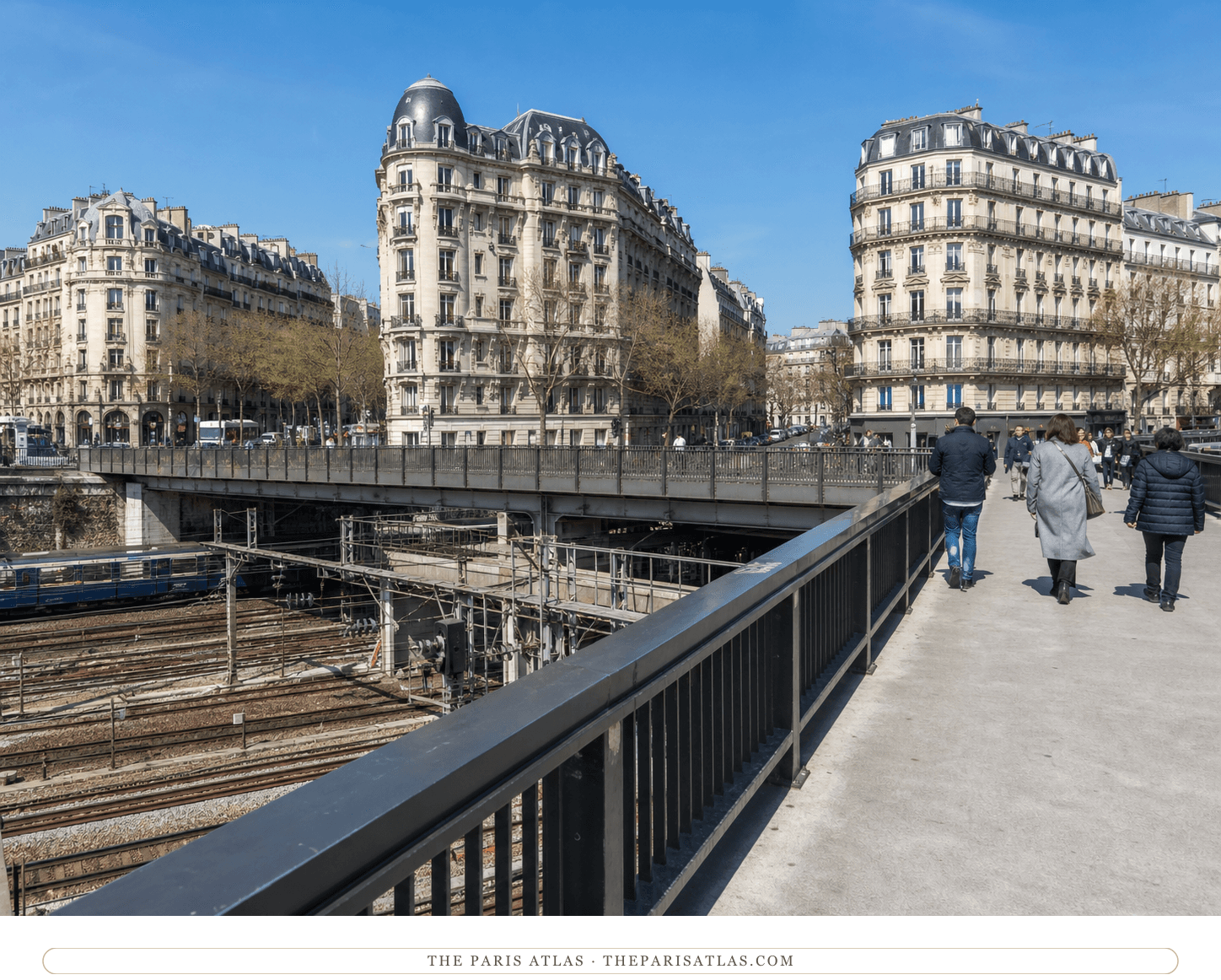
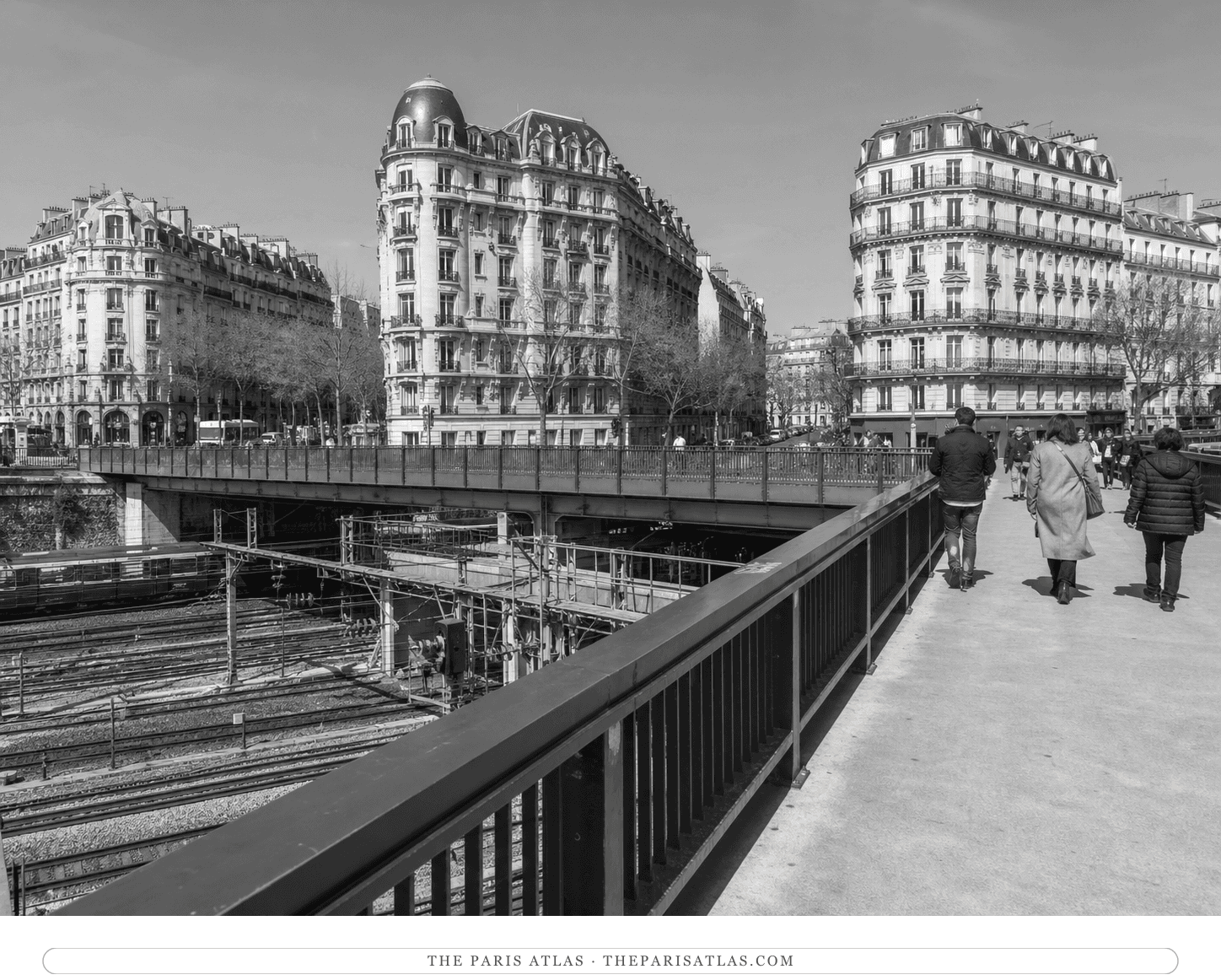
The iron bridge carrying six streets across the tracks behind Gare Saint-Lazare — the subject of Gustave Caillebotte's 1876 painting, and the spot where Impressionism looked hardest at industrial Paris.
Visit the place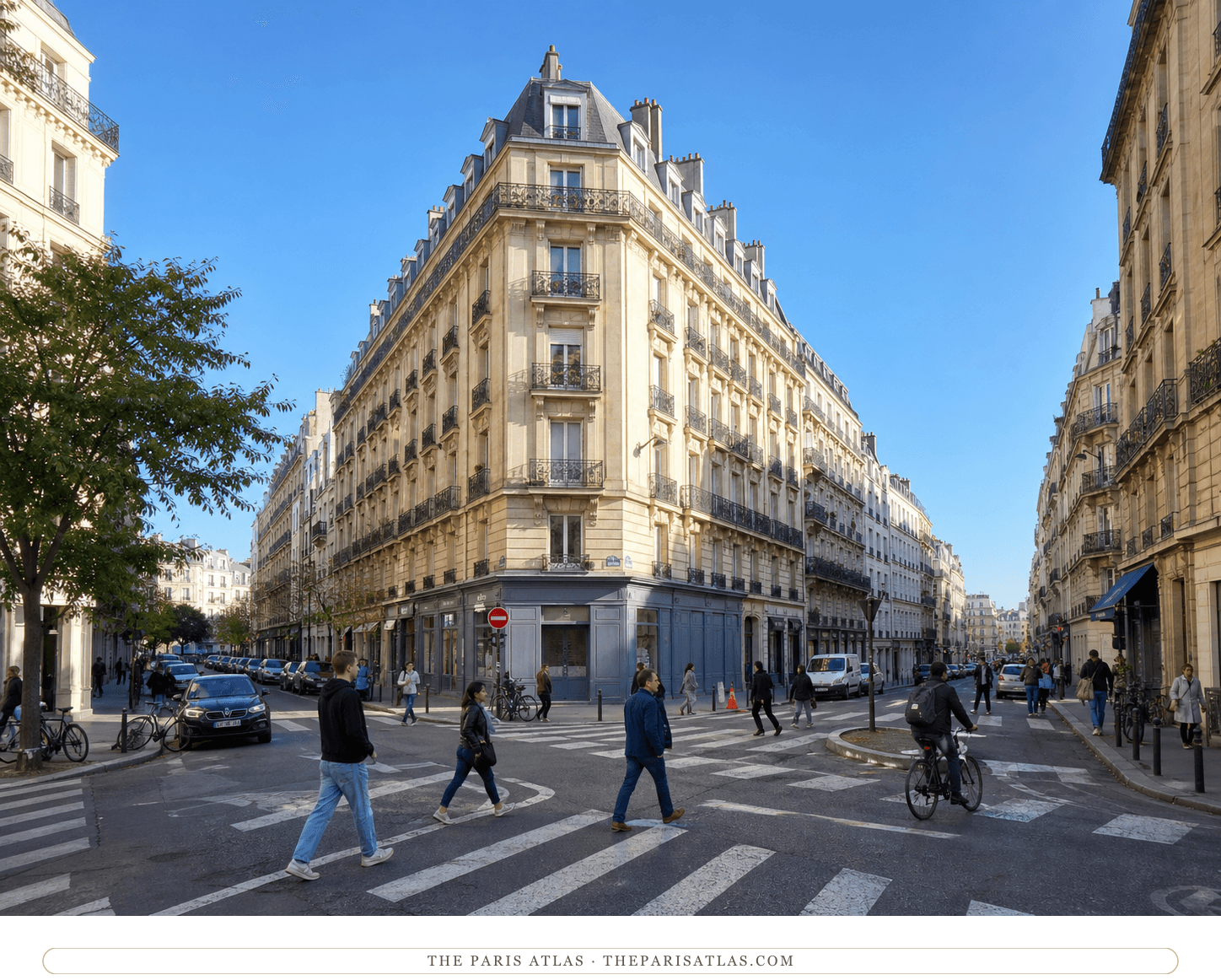
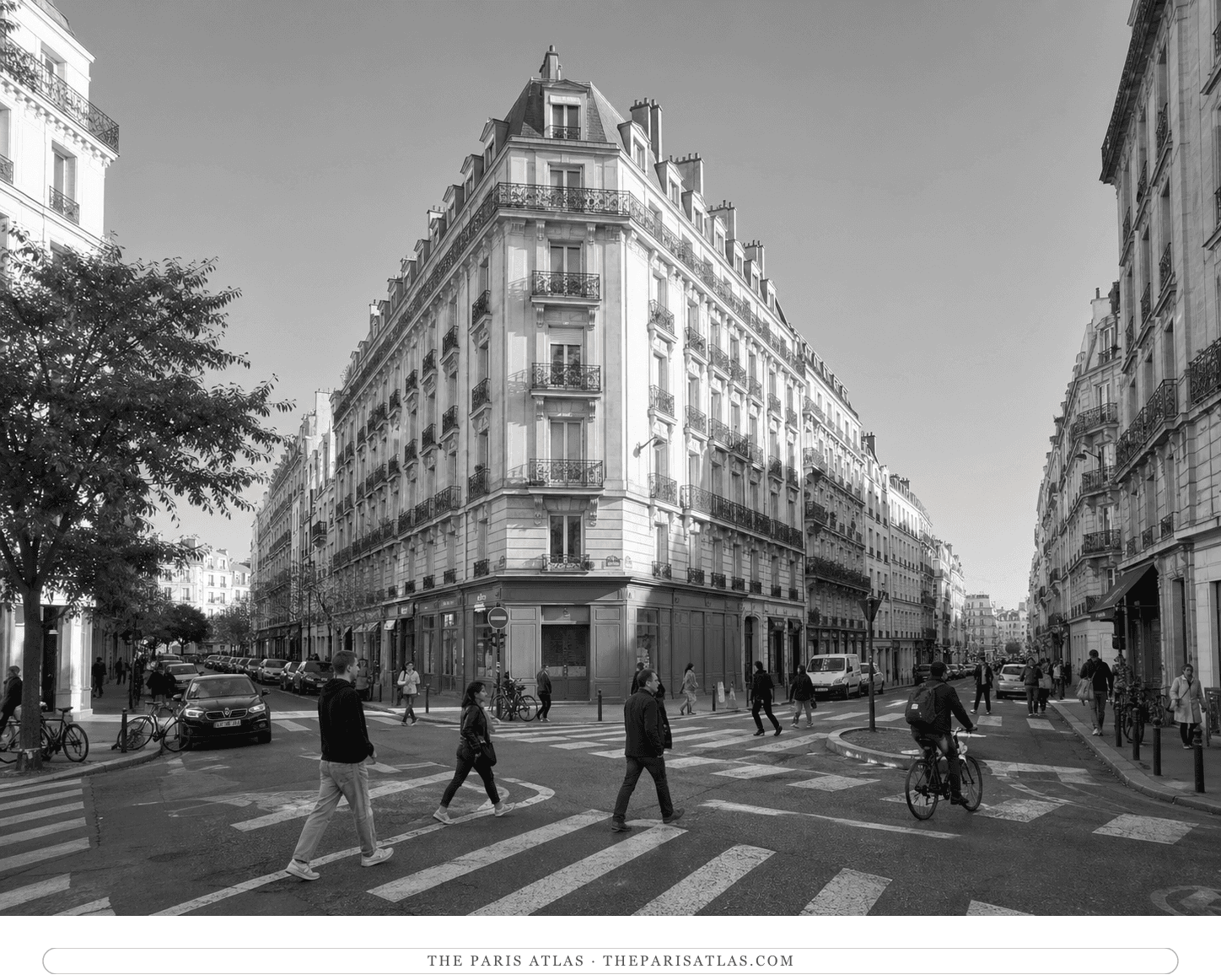
The star-shaped junction in the Quartier de l'Europe where Gustave Caillebotte set Paris Street; Rainy Day — and one of the few places in Paris where you can stand almost exactly where a famous painting was composed and recognise everything.
Visit the place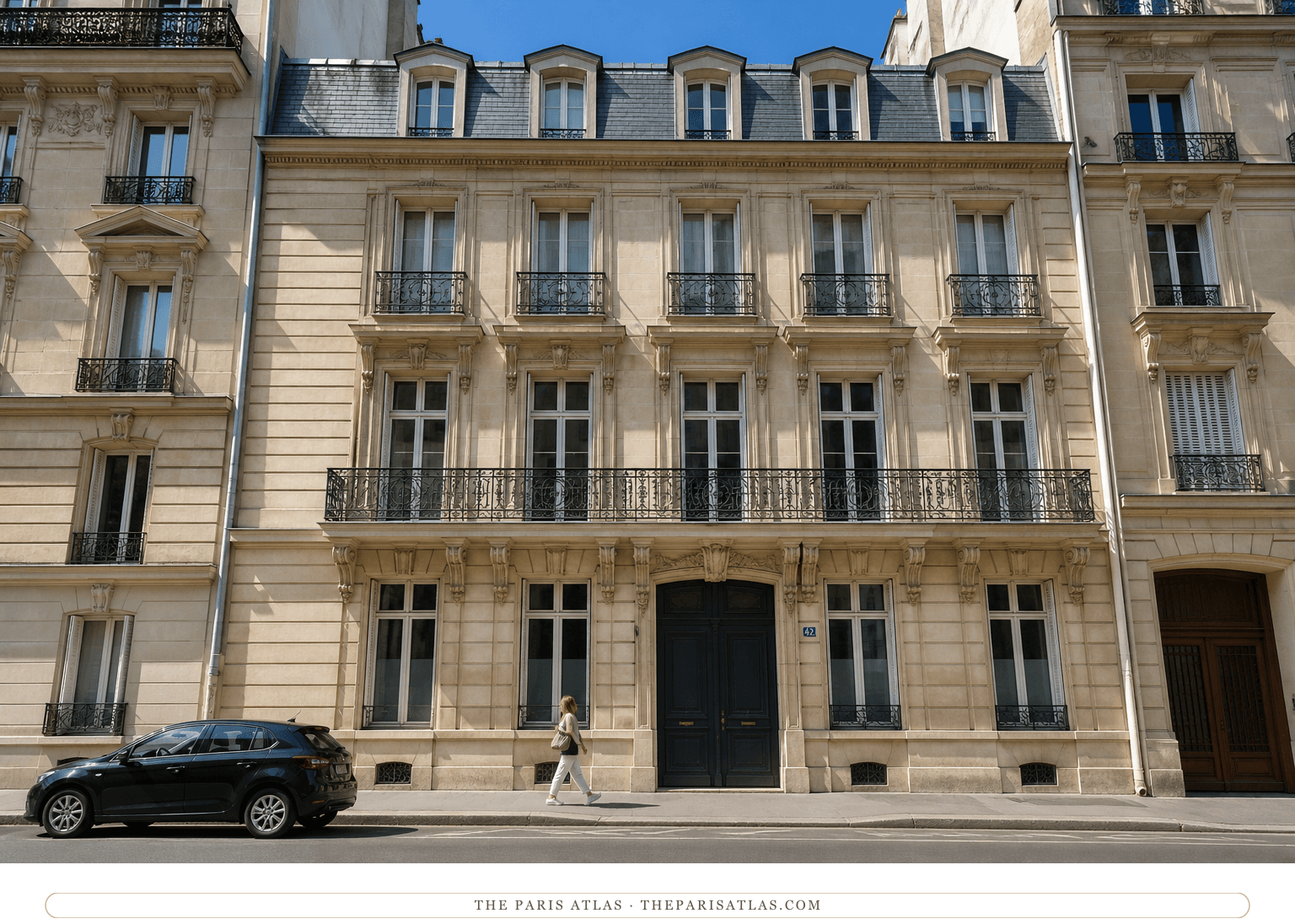
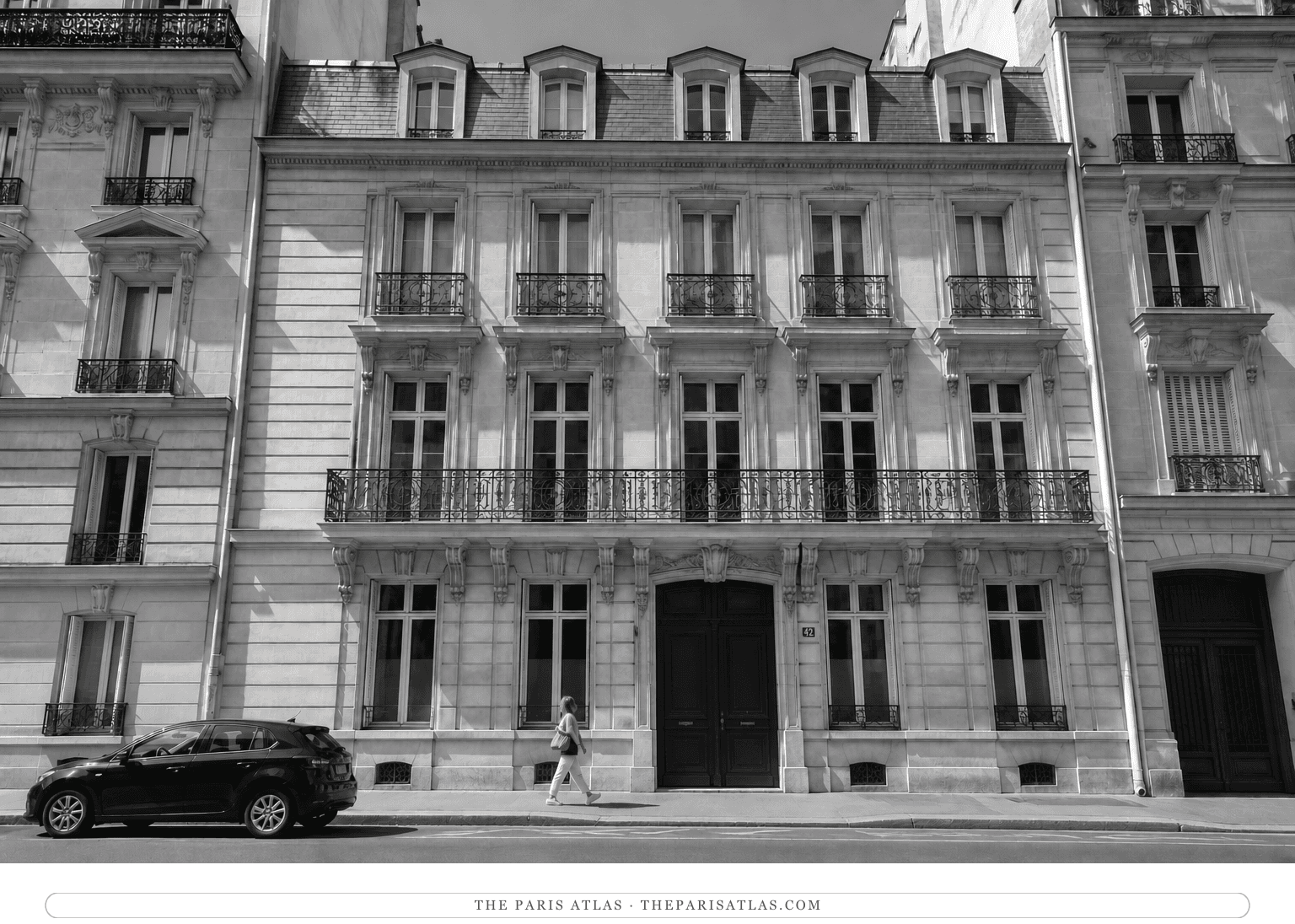
One of Claude Debussy's documented Paris homes, and his address until around 1894 — the years in which he wrote the Prélude à l'après-midi d'un faune and began Pelléas et Mélisande.
Visit the place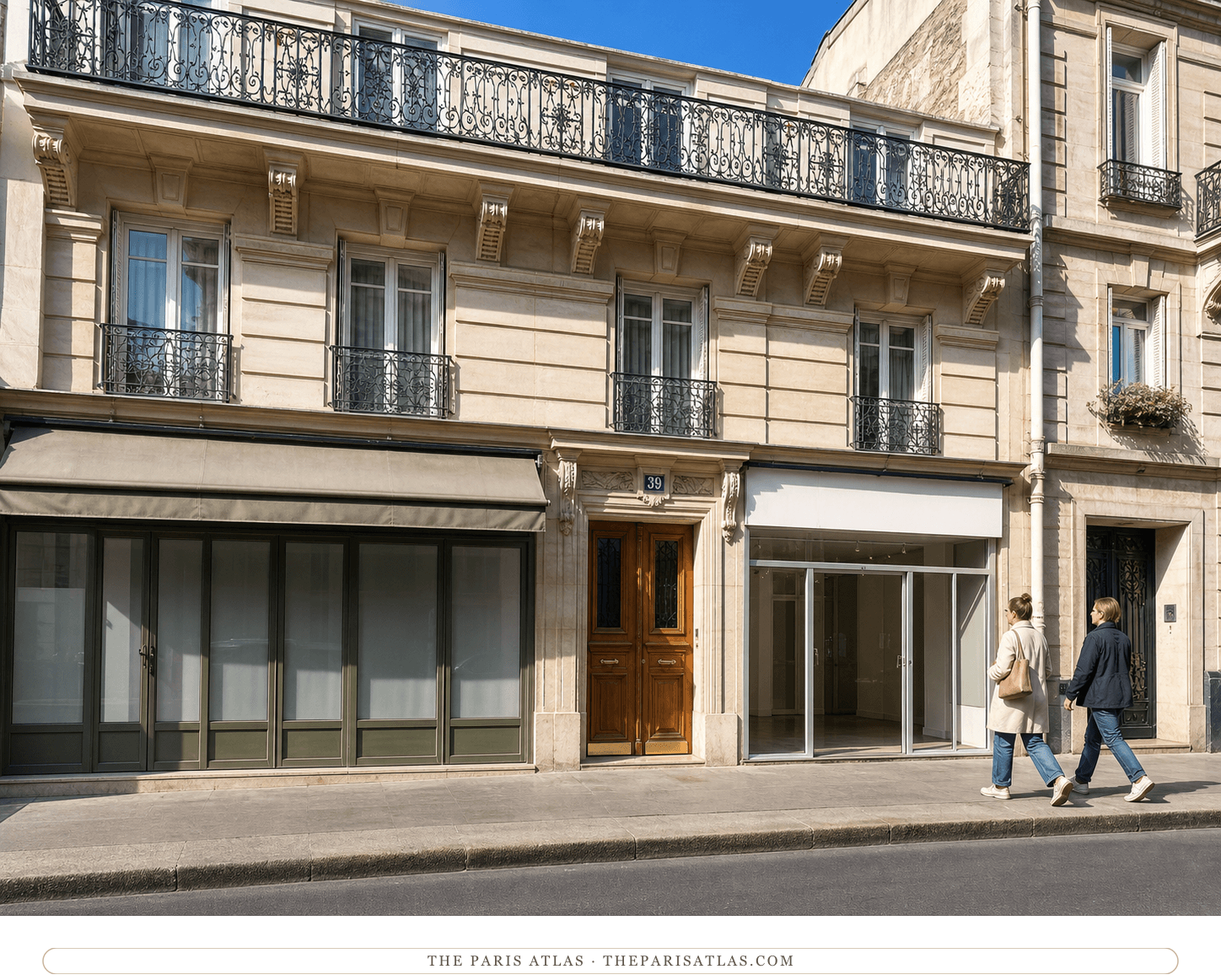
The apartment Édouard Manet moved to in 1878 and remained associated with until his death in 1883, in the last years when illness had reduced what he could physically paint.
Visit the placeThe sources below include histories, archival materials, scholarly research, and official records that informed this page. They document 4 rue de Saint-Pétersbourg, the people connected to it, and its place in Paris.


Web source consulted for documented facts and historical context presented on the 4 rue de Saint-Pétersbourg page.
Web source consulted for documented facts and historical context presented on the 4 rue de Saint-Pétersbourg page.
Web source consulted for documented facts and historical context presented on the 4 rue de Saint-Pétersbourg page.
Web source consulted for documented facts and historical context presented on the 4 rue de Saint-Pétersbourg page.
These references provide the documented foundation for this page's history and context. Claim-level citations remain attached to the specific claims they support.
 Explore more resources
Newsletter
The cafés, studios, and walk-up flats where the work was made — one story from the map in every letter.