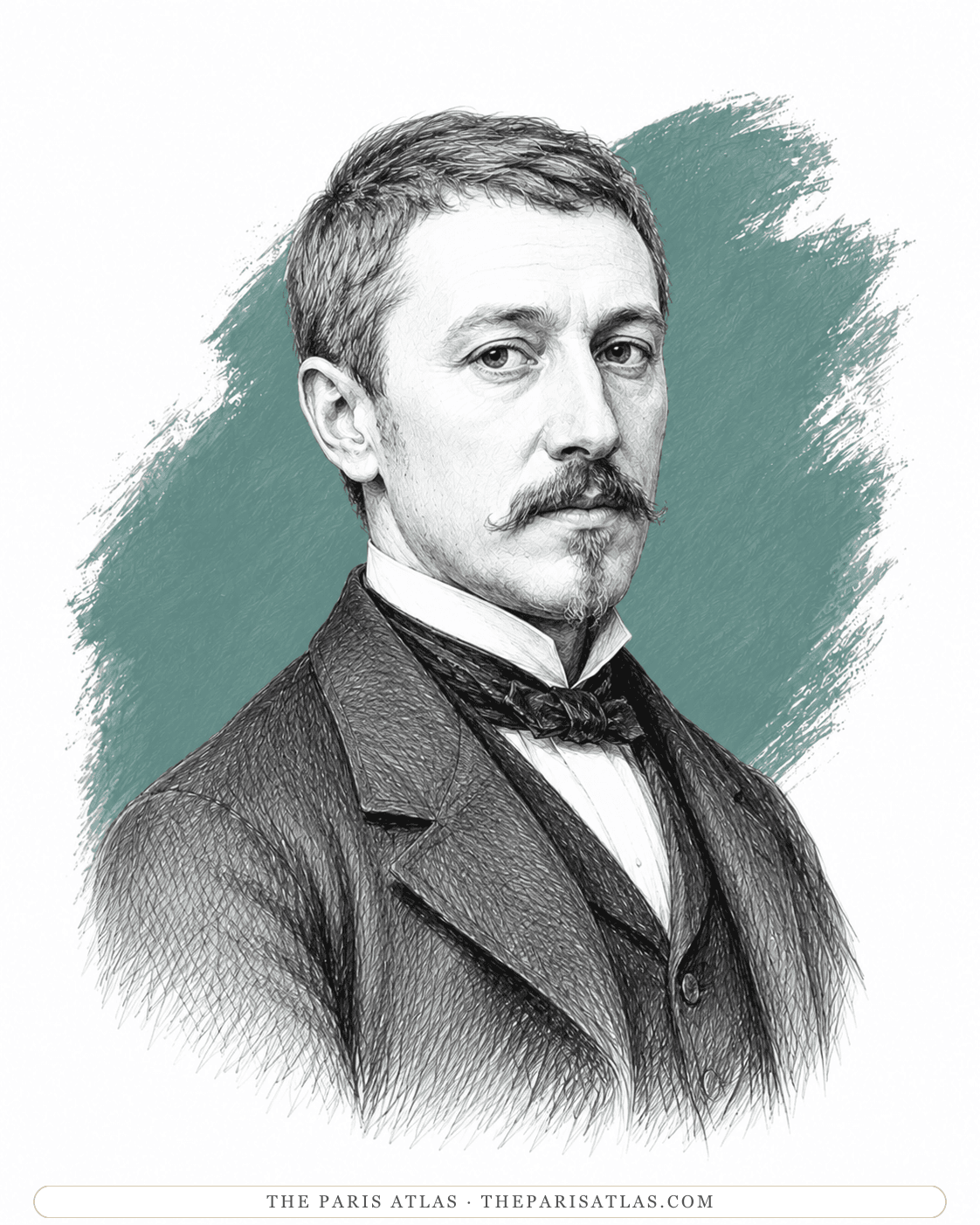
Gustave Caillebotte
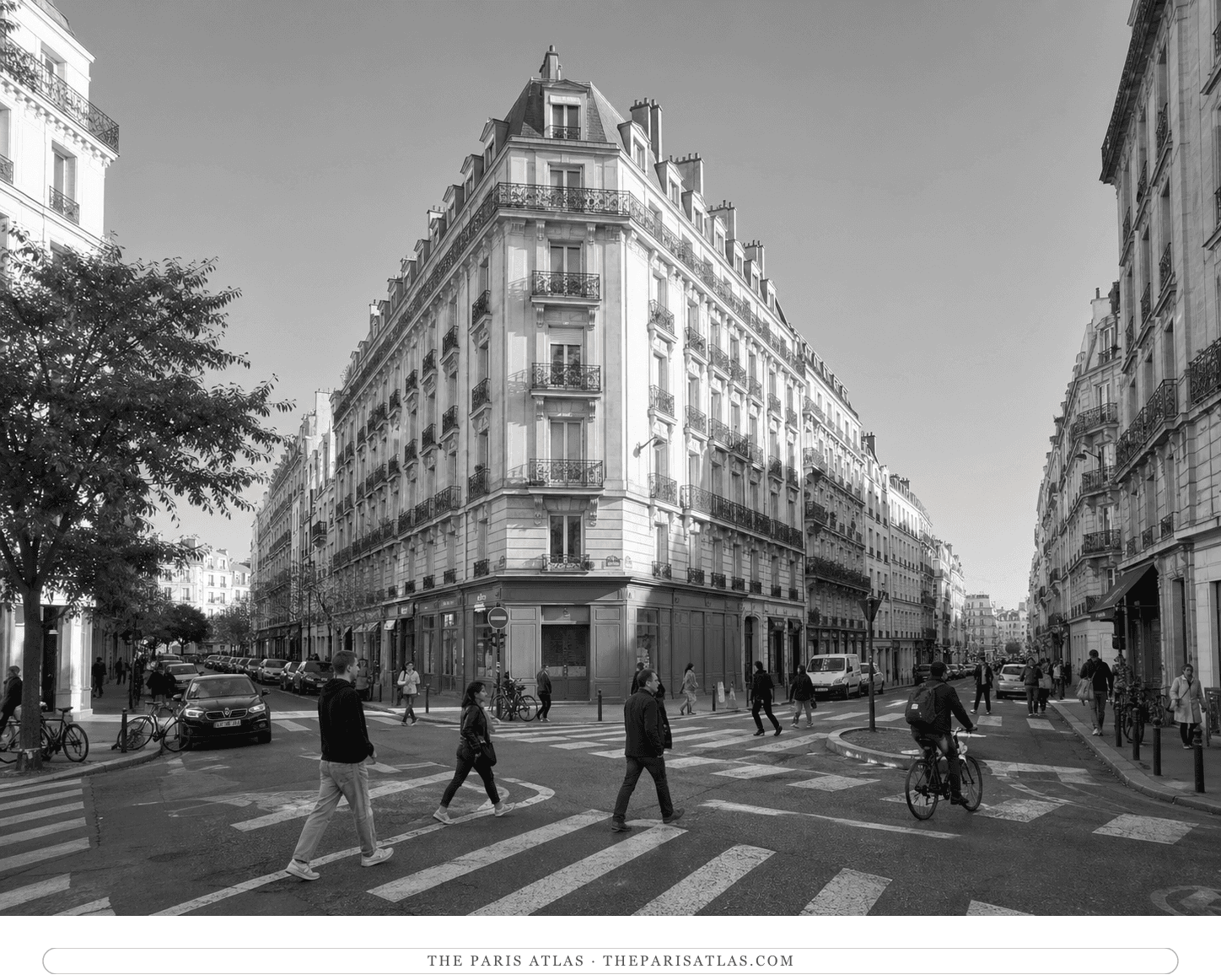
The star-shaped junction in the Quartier de l'Europe where Caillebotte composed Paris Street; Rainy Day in 1877. The buildings and sightlines survive largely unchanged.
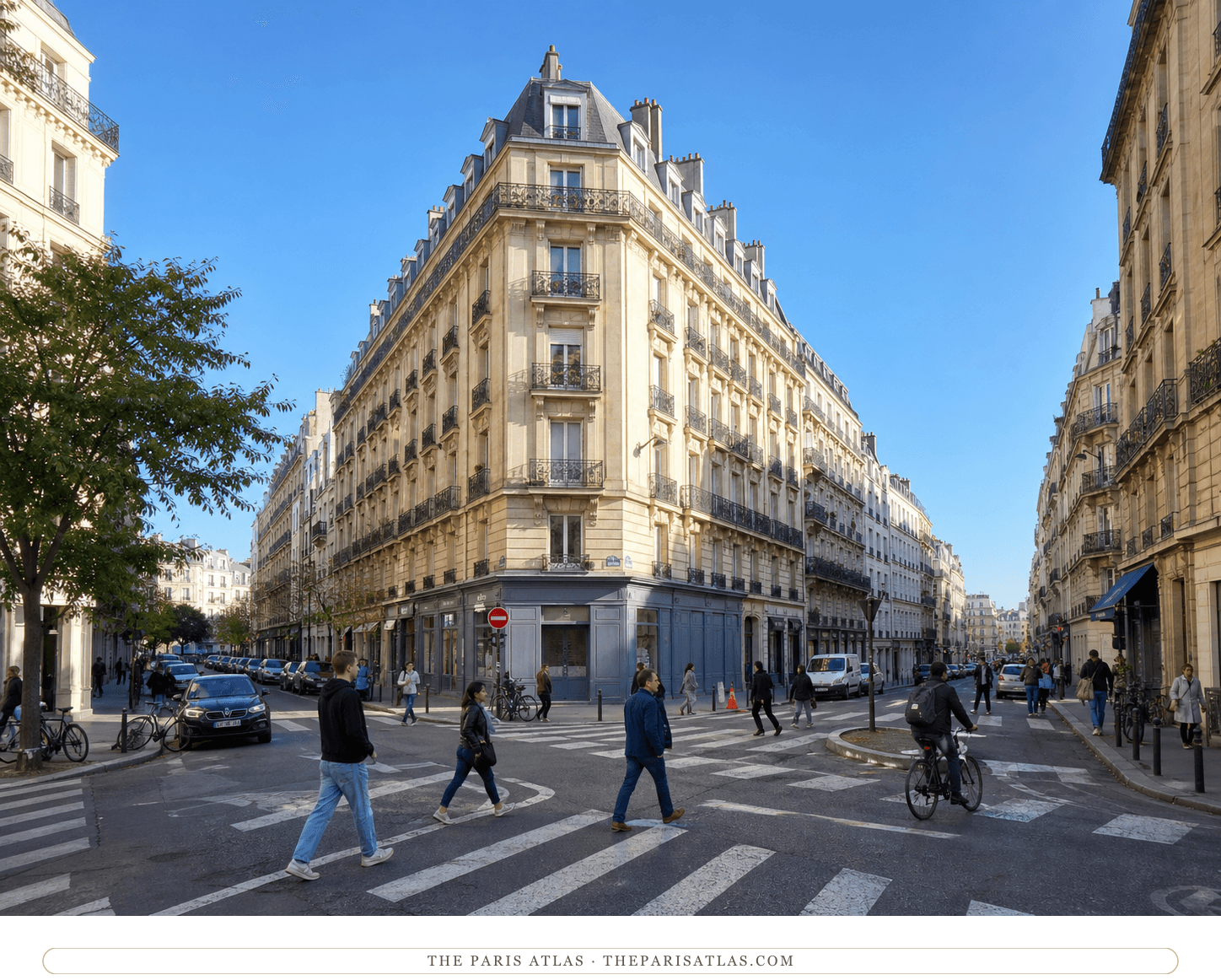
The star-shaped junction in the Quartier de l'Europe where Gustave Caillebotte set Paris Street; Rainy Day — and one of the few places in Paris where you can stand almost exactly where a famous painting was composed and recognise everything.
Gustave Caillebotte painted Paris Street; Rainy Day in 1877, and it is now among the best-known images of the nineteenth-century city: a wide wet junction, umbrellas, a couple advancing at the right, a lamp-post cutting the canvas in two.
The junction is this one. The quarter had only recently been cut through by Haussmann's engineers, and the picture is about that newness — the pale stone still clean, the pavements enormous, the space slightly too big for the people crossing it. Caillebotte lived a few streets away and knew exactly what he was looking at.
What makes it worth visiting is how little has changed. The radial alignment of the buildings, the acute-angled corner behind the couple, the sightlines down each street: they are all still there. Most Impressionist sites have been rebuilt beyond recognition. This one has not.
The painting itself is in Chicago, at the Art Institute.
Caillebotte paints Paris Street; Rainy Day and shows it at the third Impressionist exhibition.
At the place de Dublin, a star-shaped junction in the Quartier de l'Europe in the 8th arrondissement, in 1877.
Remarkably closely. The radial building alignment, the sharp corner and the street sightlines are all still recognisable.
At the Art Institute of Chicago.
The star-shaped junction in the Quartier de l'Europe where Caillebotte composed Paris Street; Rainy Day in 1877. The buildings and sightlines survive largely unchanged.
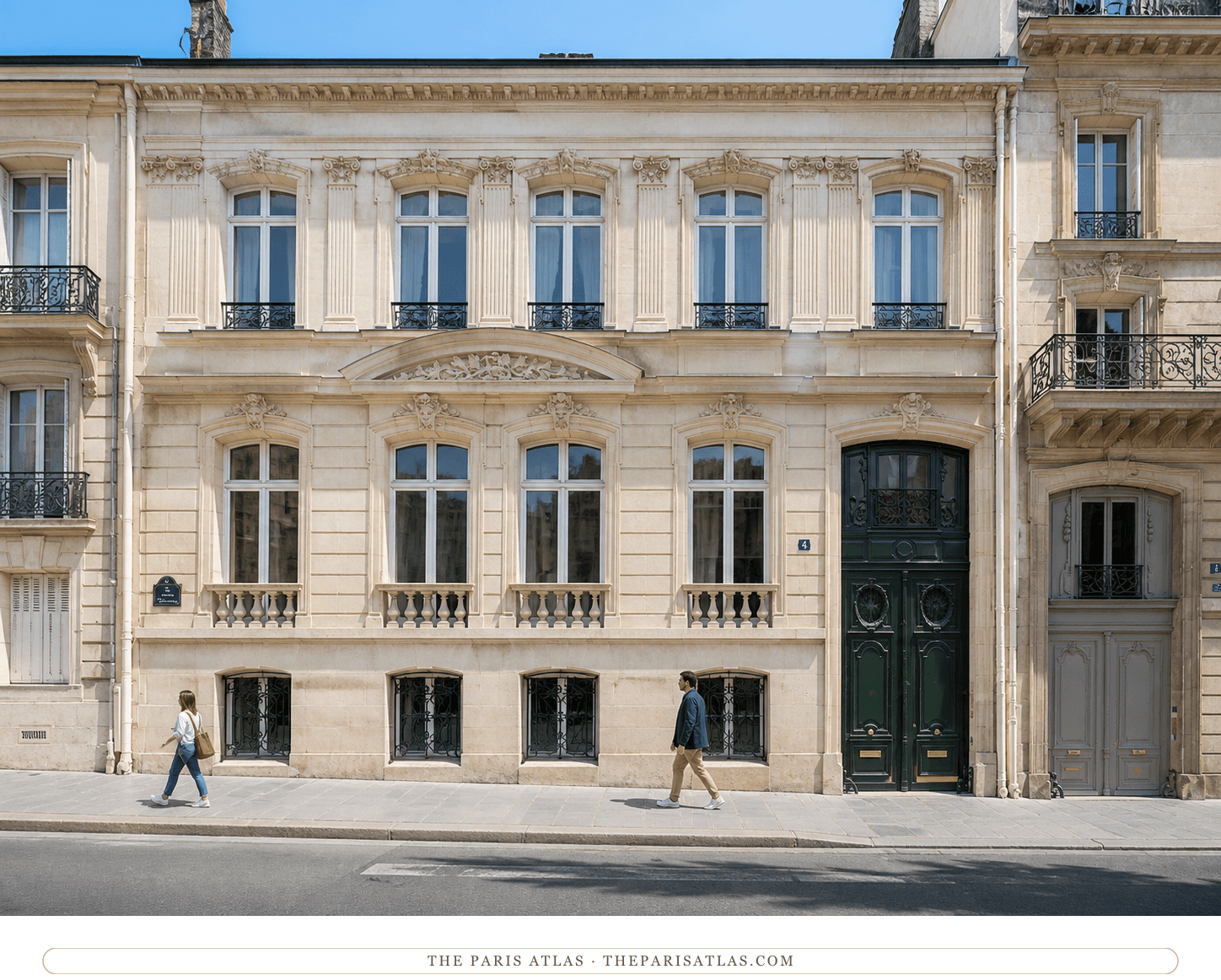
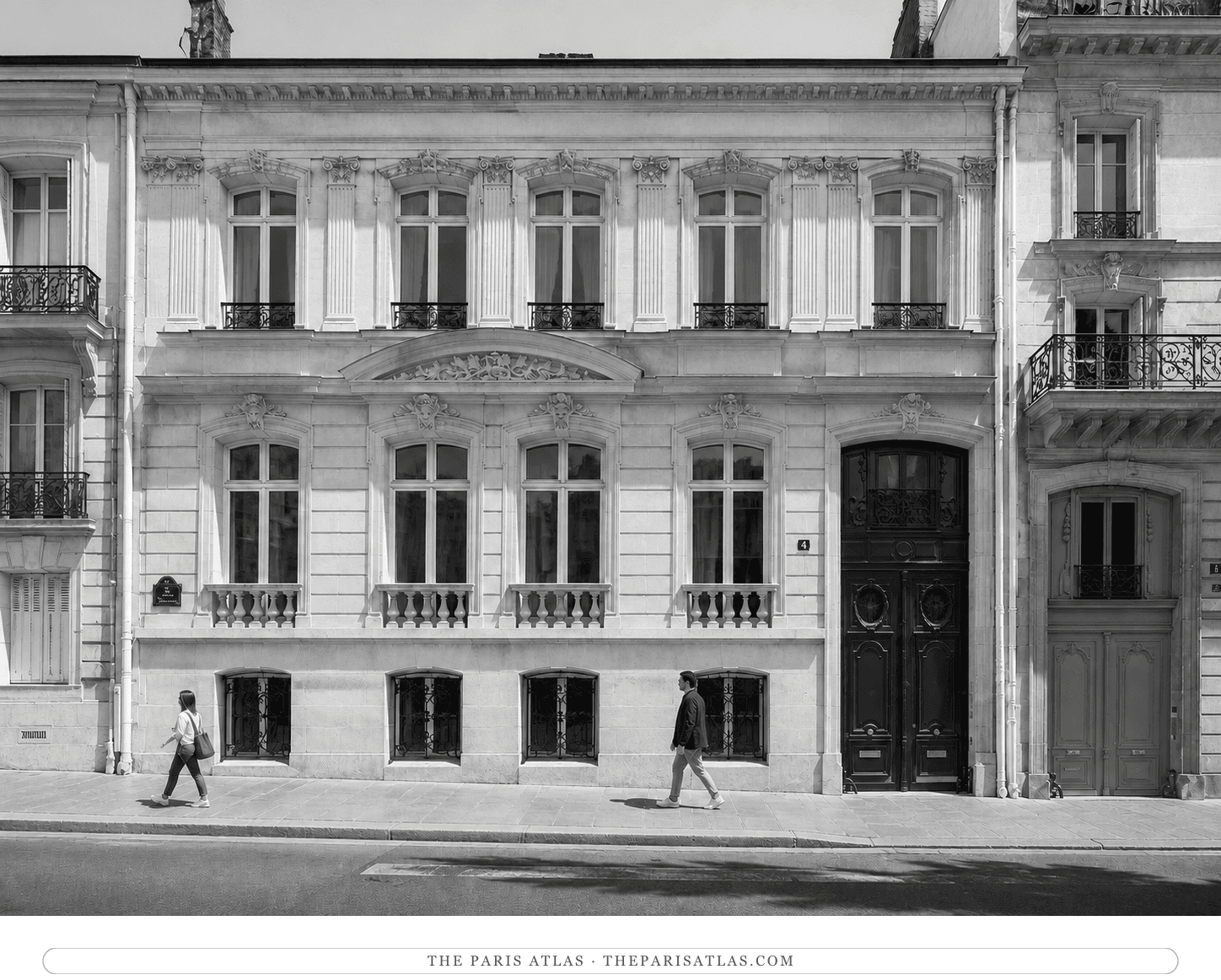
Manet's studio through the 1870s, whose windows looked down on what was then the rue Mosnier — the street he painted repeatedly, flags and all, in the summer of 1878.
Visit the place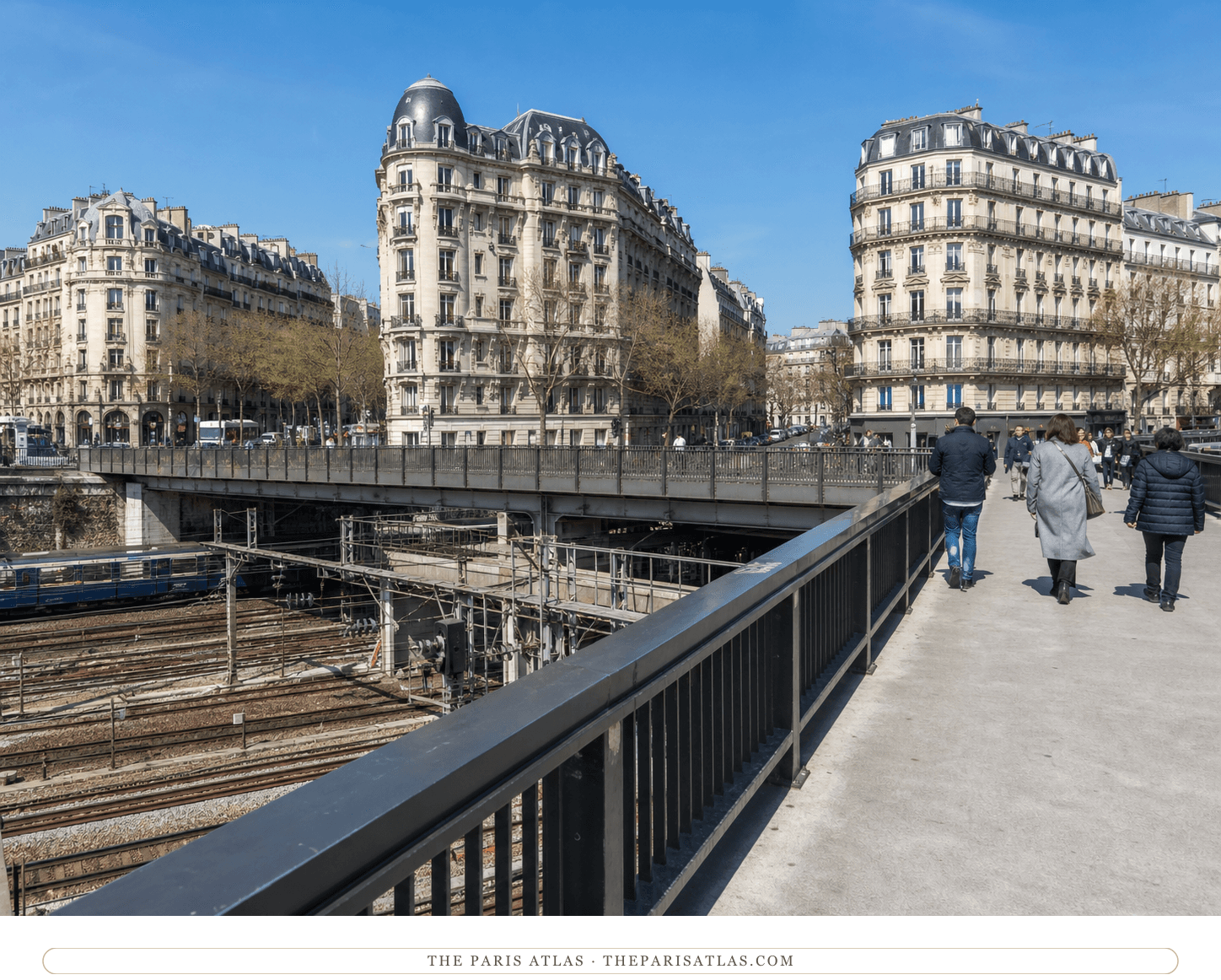
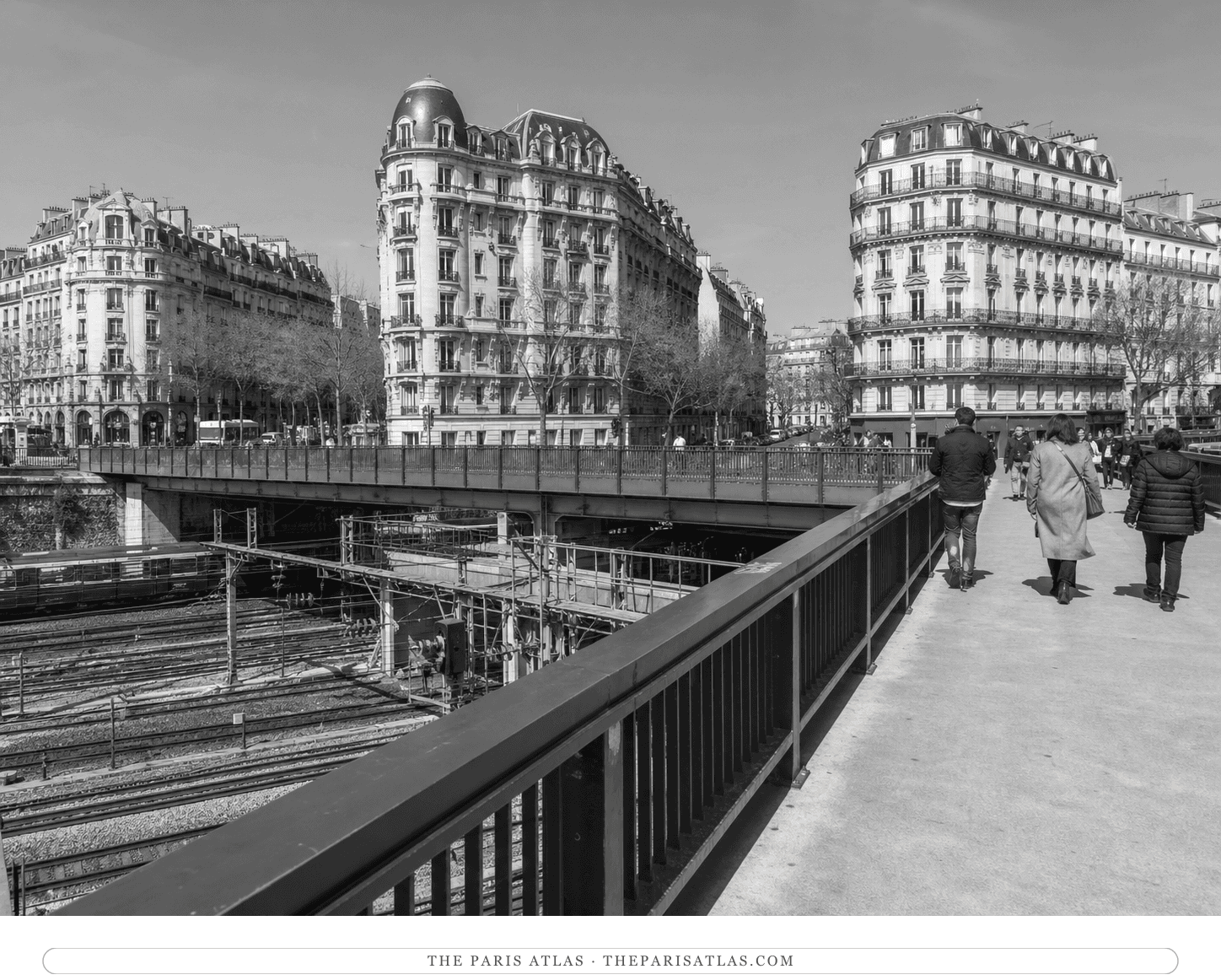
The iron bridge carrying six streets across the tracks behind Gare Saint-Lazare — the subject of Gustave Caillebotte's 1876 painting, and the spot where Impressionism looked hardest at industrial Paris.
Visit the place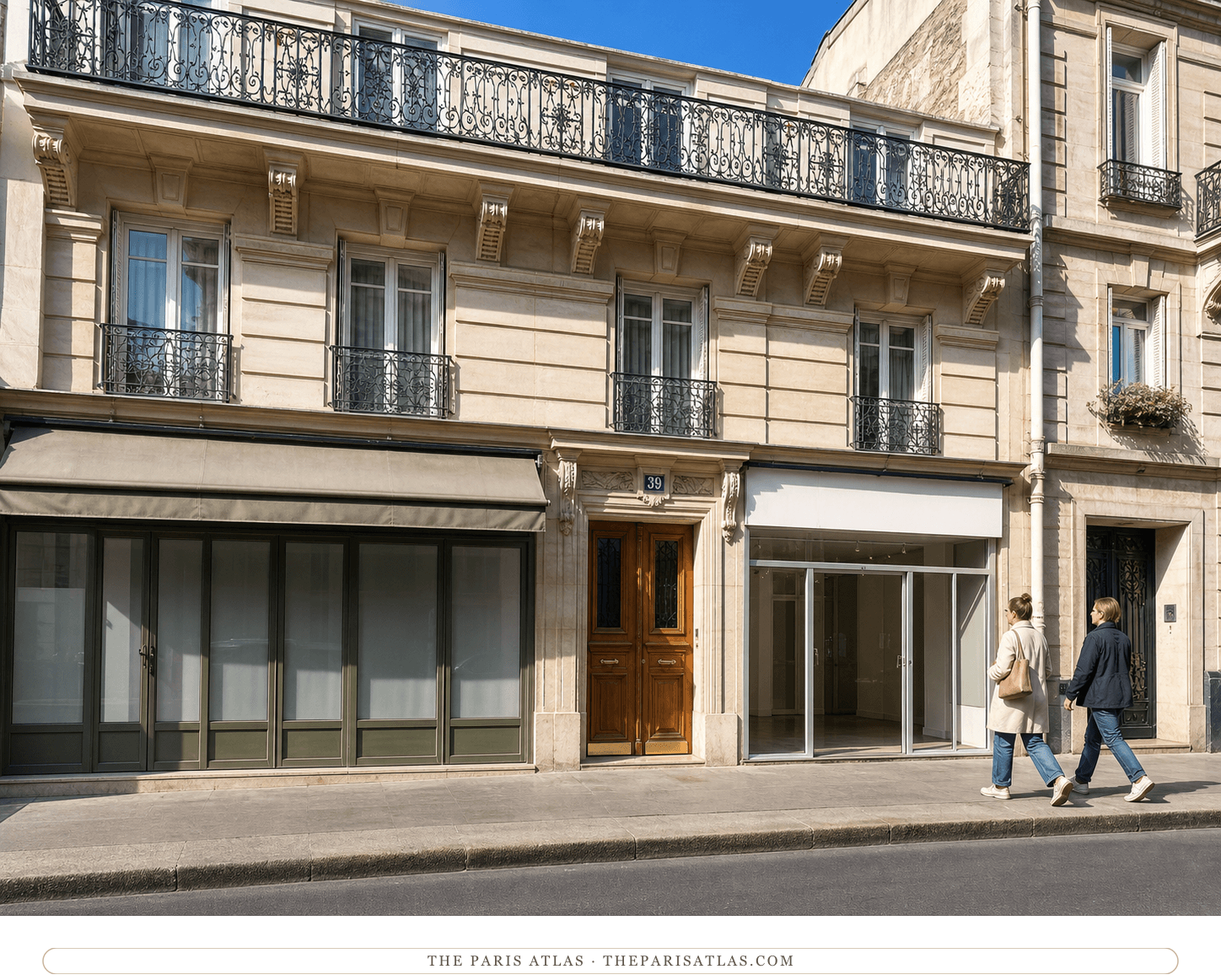
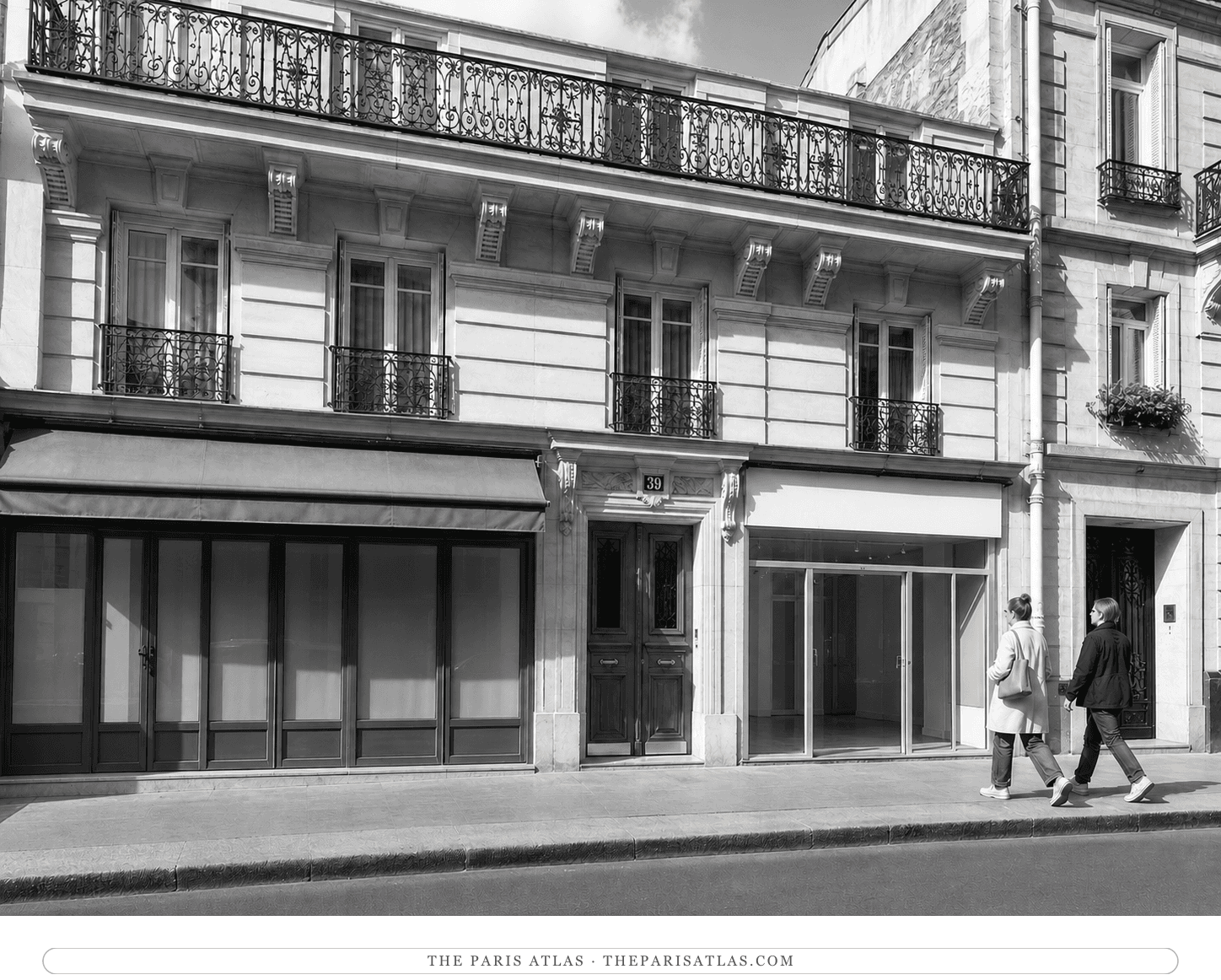
The apartment Édouard Manet moved to in 1878 and remained associated with until his death in 1883, in the last years when illness had reduced what he could physically paint.
Visit the place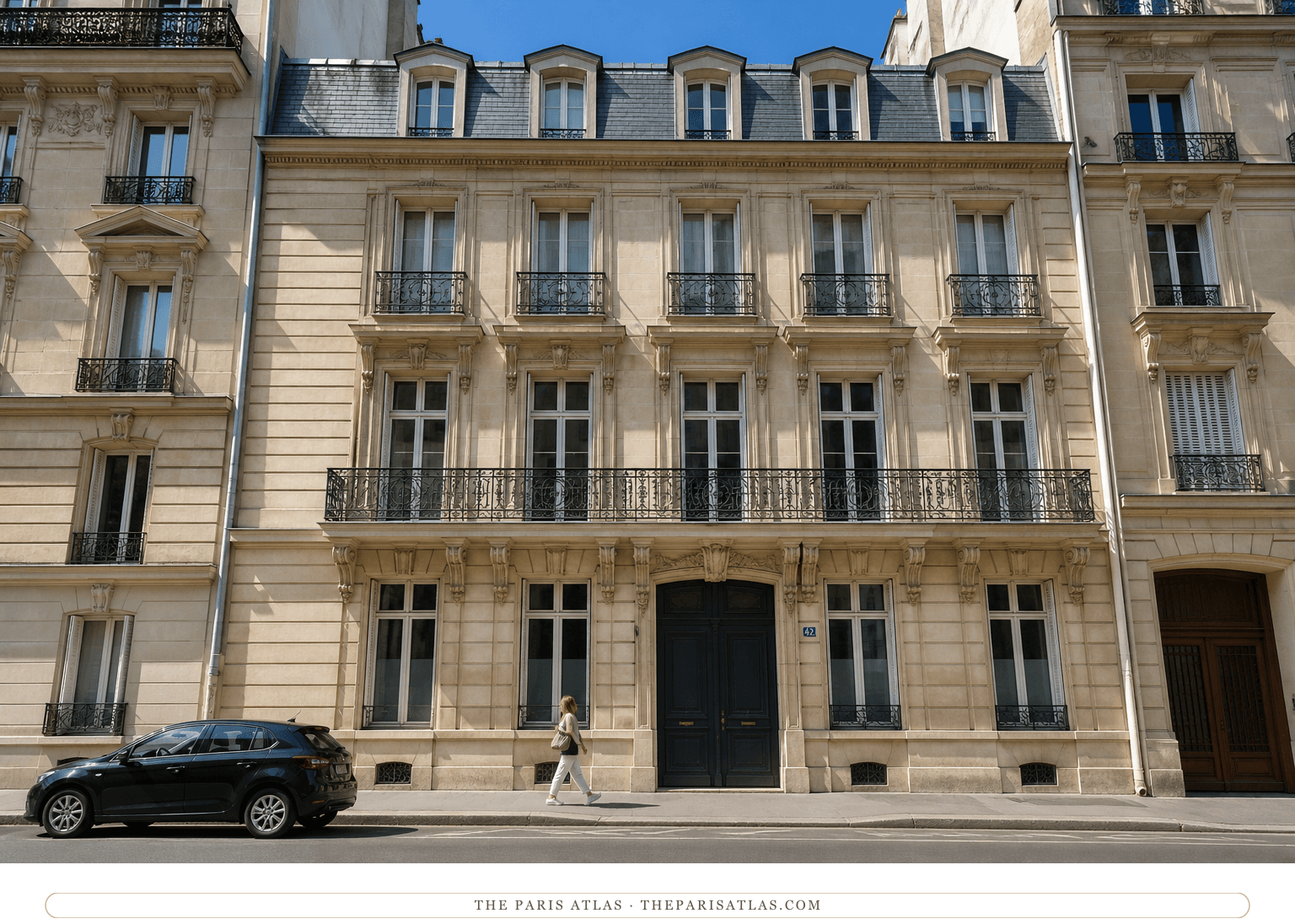
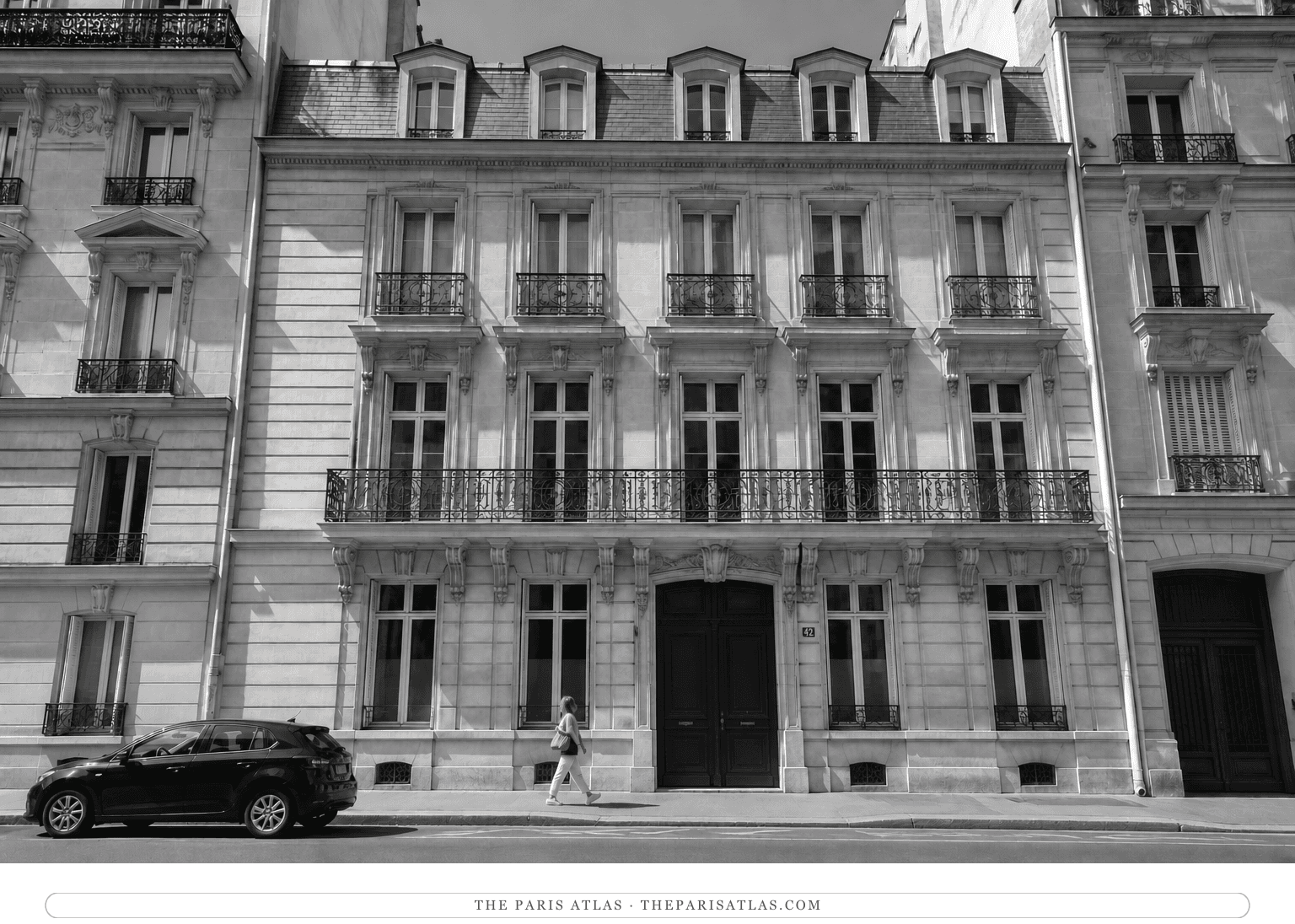
One of Claude Debussy's documented Paris homes, and his address until around 1894 — the years in which he wrote the Prélude à l'après-midi d'un faune and began Pelléas et Mélisande.
Visit the placeThe sources below include histories, archival materials, scholarly research, and official records that informed this page. They document Place de Dublin, the people connected to it, and its place in Paris.


Web source consulted for documented facts and historical context presented on the Place de Dublin page.
Web source consulted for documented facts and historical context presented on the Place de Dublin page.
Web source consulted for documented facts and historical context presented on the Place de Dublin page.
Web source consulted for documented facts and historical context presented on the Place de Dublin page.
These references provide the documented foundation for this page's history and context. Claim-level citations remain attached to the specific claims they support.
 Explore more resources
Newsletter
The cafés, studios, and walk-up flats where the work was made — one story from the map in every letter.