The Paris AtlasCharting the artists, works, and places worth returning to.

Apartment · Montmartre, at the foot of the hill · 18e arrondissement

11 boulevard de Clichy

The buildingStill standing
Getting inOutside only
What's there nowA building

A private building. Exterior only.

The building where Picasso took a studio and a comfortable apartment in 1909, looking over the avenue Frochot — the address that marks his move out of the squalor of the Bateau-Lavoir and into something like a bourgeois life.

Address
11 boulevard de Clichy, 75018 Paris
Years
Picasso rented a studio and apartment here from 1909 to 1912
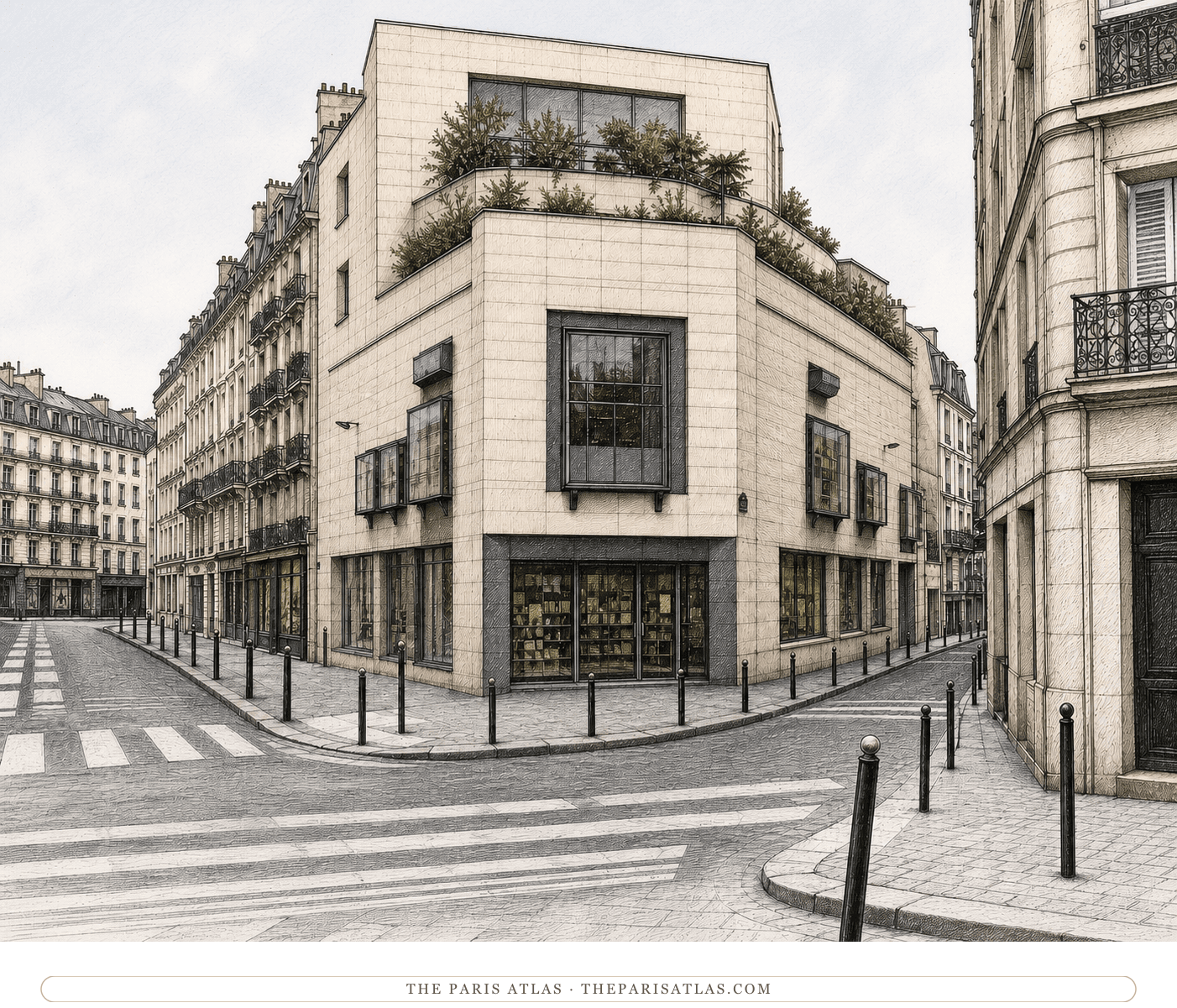
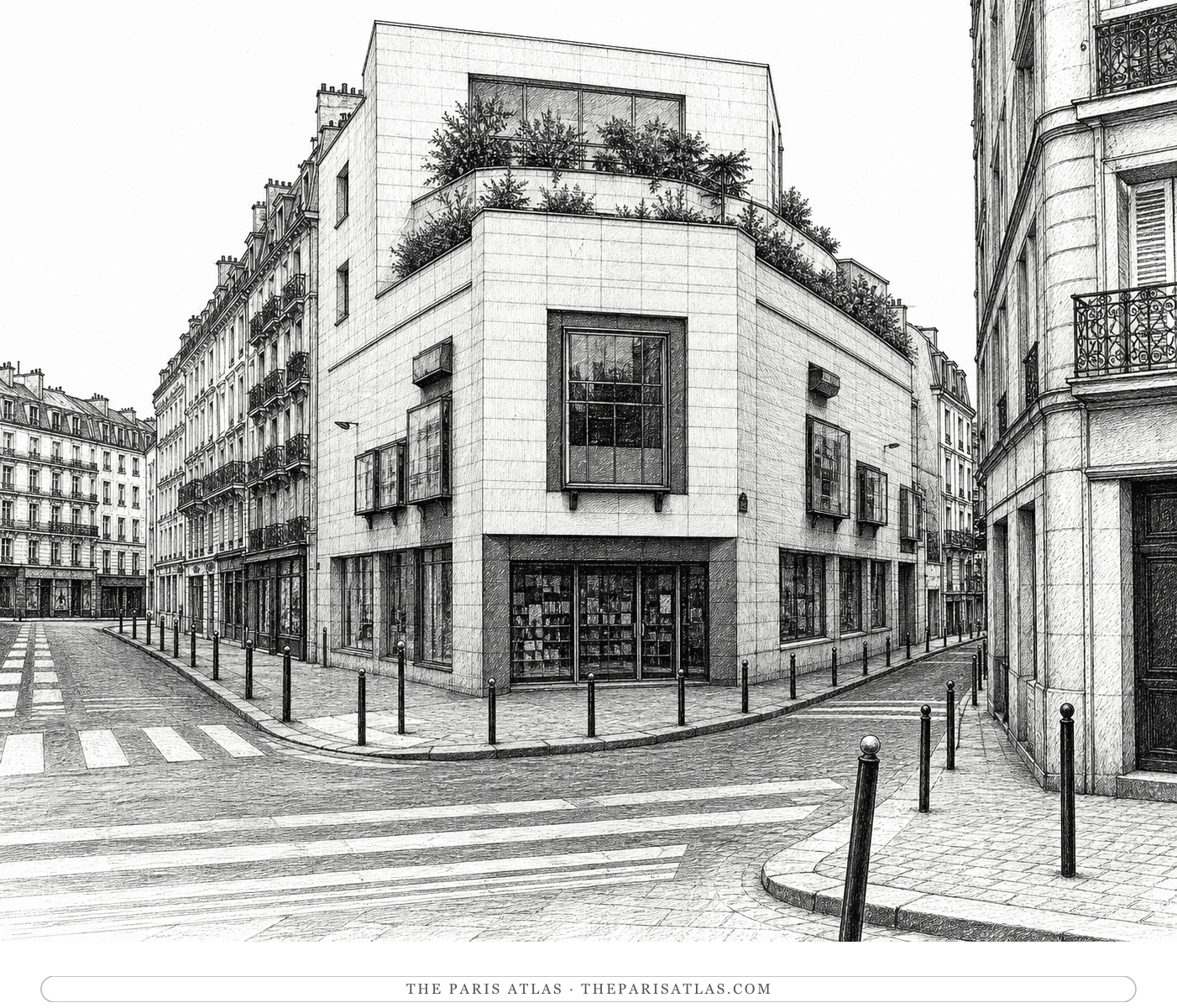
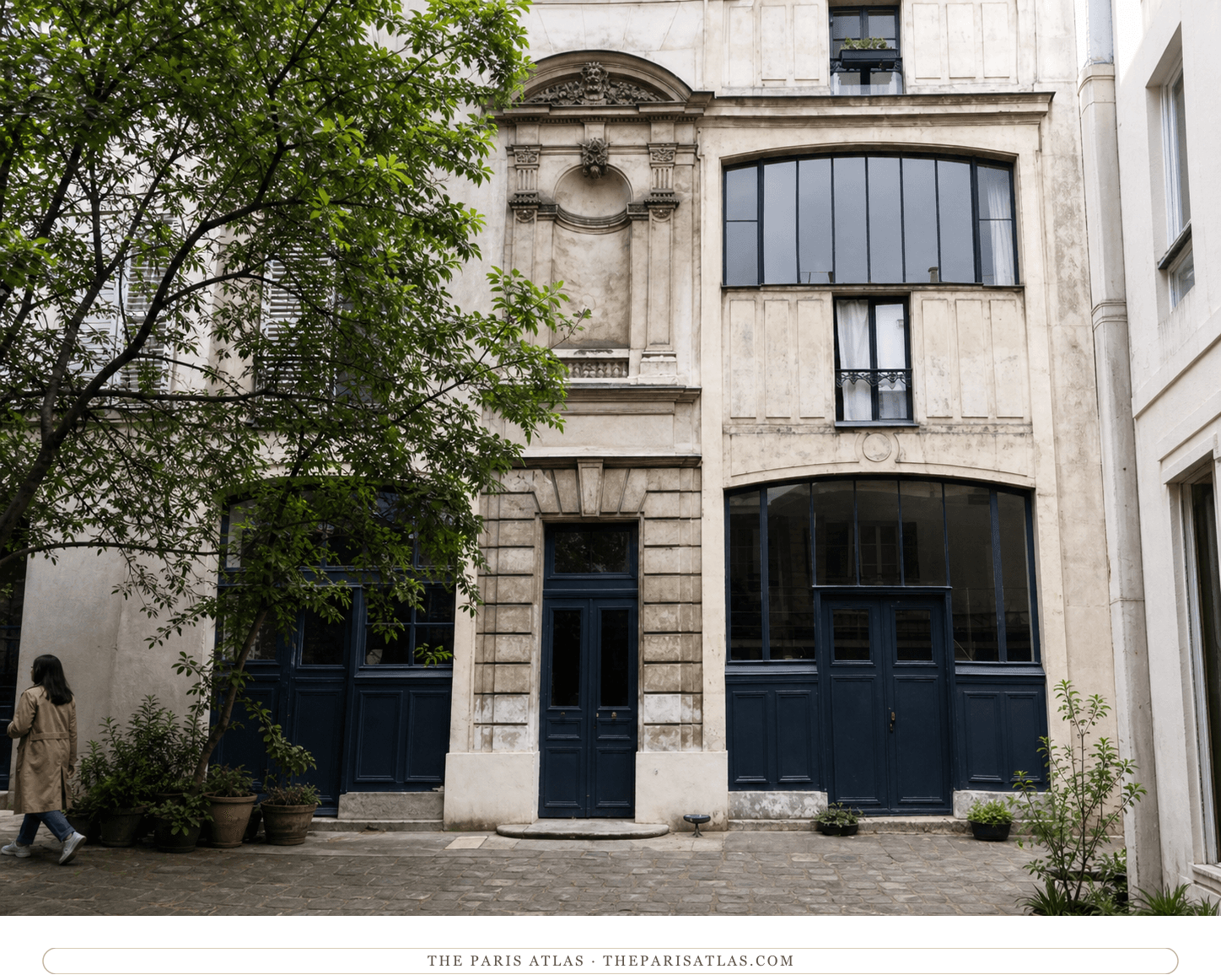
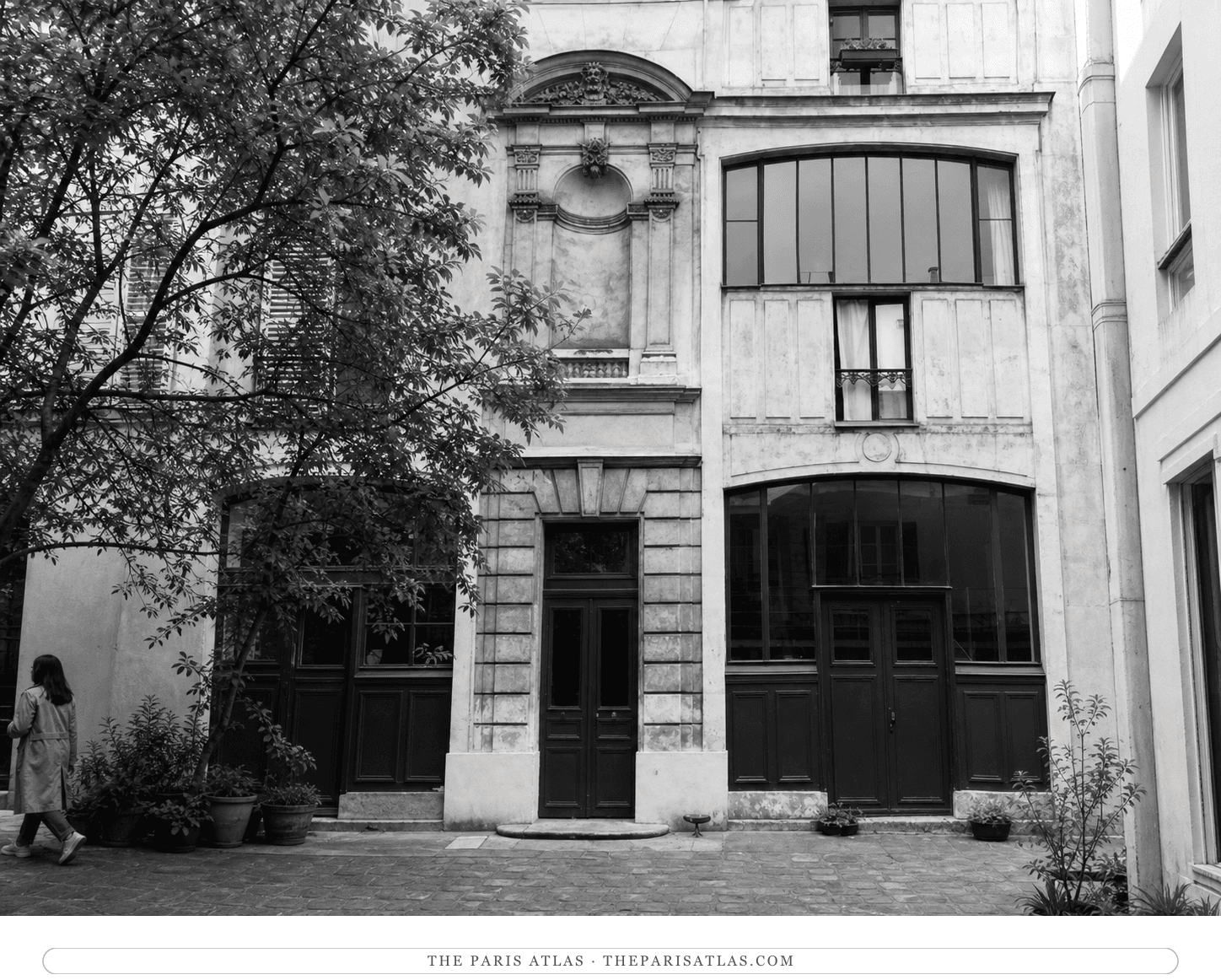
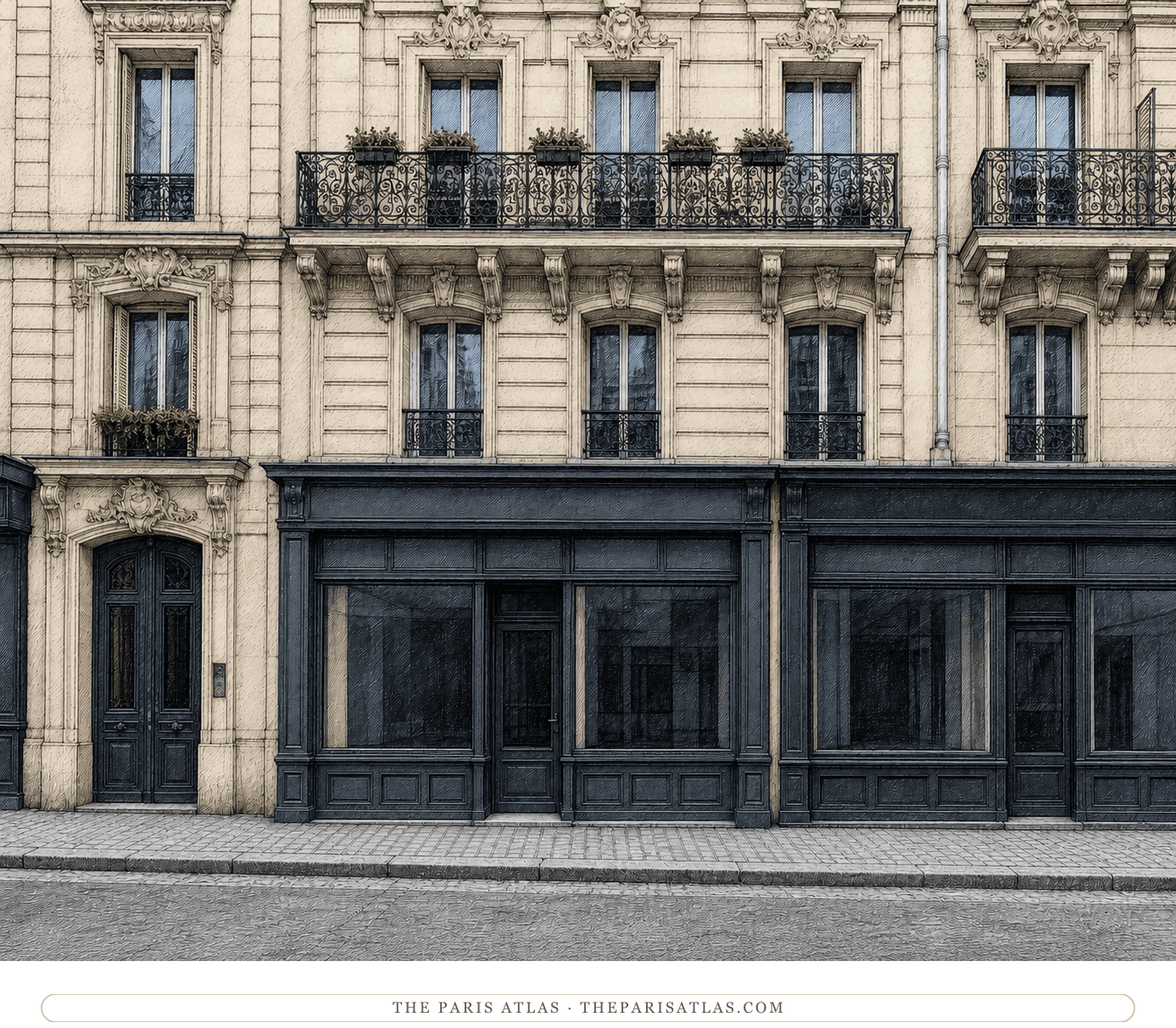
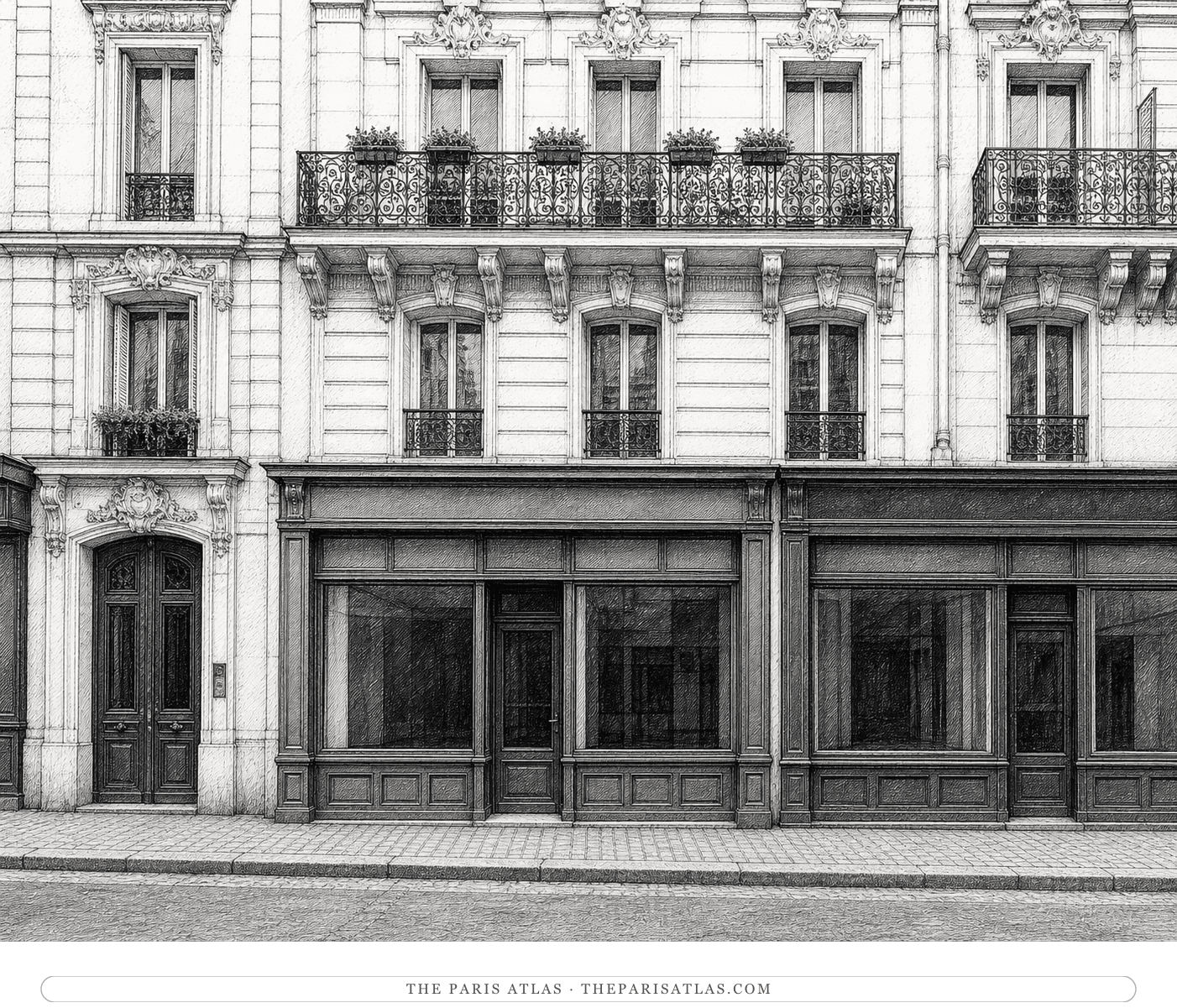
IllustrationColor courtyard view of the carved entrance, studio windows and dark doors at 11 boulevard de Clichy

The matching color view of the verified courtyard façade and studio glazing.

Editorial illustration

The place, briefly

In 1909 Pablo Picasso rented a studio and an apartment at 11 boulevard de Clichy, at the foot of the Montmartre hill, with rooms looking over the avenue Frochot. He kept it until 1912.

The move is the story. He had spent five years at the Bateau-Lavoir — one tap, no gas, freezing in winter — and he had painted Les Demoiselles d'Avignon there in 1907. By 1909 the work was selling. He was twenty-seven, and this address is where he stopped being poor.

The city's own account puts it as a transition toward bourgeois life, and that is the right register. There was a maid; there was furniture; the studio and the living quarters were separate rooms rather than the same one. It is a plain fact about how modern painting was actually made: the years of squalor are the famous ones, but Cubism was developed by a man who could by then afford to live properly.

He kept working at the Bateau-Lavoir studio for part of this period. The two addresses overlap, which is why sources give the Bateau-Lavoir years variously as ending in 1909 or 1912 — he moved his living quarters first and the studio later.

The building is private. It is a short walk downhill from the place Émile-Goudeau, and the contrast between the two addresses is the most legible thing on a Picasso walk.

Key facts

When
1909 to 1912
What he took
A studio and a comfortable apartment, looking over the avenue Frochot
What it marks
The move out of the Bateau-Lavoir's squalor and into a bourgeois life
How old he was
Twenty-seven, and by then selling
Why the dates overlap
He kept the Bateau-Lavoir studio for part of this period — living quarters moved first
Access
Private building, exterior only
Generated present-day courtyard view based on an exact-site photographic reference.Editorial illustration
The matching color view of the verified courtyard façade and studio glazing.Editorial illustration

Timeline

  1. 1904–09

    Picasso lives and works at the Bateau-Lavoir.

  2. 1907

    He paints Les Demoiselles d'Avignon there.

  3. 1909

    He rents a studio and apartment at 11 boulevard de Clichy, keeping the Bateau-Lavoir studio for a time.

  4. 1912

    He gives up the boulevard de Clichy address.

On the map

Questions before you go

Why did Picasso move to the boulevard de Clichy?

Because the work had started selling. He had spent five years at the Bateau-Lavoir, which had one tap and no gas, and by 1909 he could afford a studio with a comfortable apartment attached, looking over the avenue Frochot. He was twenty-seven.

Did he leave the Bateau-Lavoir in 1909 or 1912?

Both dates are given because both are partly right. He moved his living quarters to the boulevard de Clichy in 1909 but kept the Bateau-Lavoir studio for part of the period afterwards. The addresses overlap.

Why does the move matter?

Because the poverty is the famous part and the comfort is not. Cubism was developed by a painter who by 1909 could afford to live properly, with a maid and separate rooms for working and living. It is a plain fact about how the work was actually made.

People who knew this place

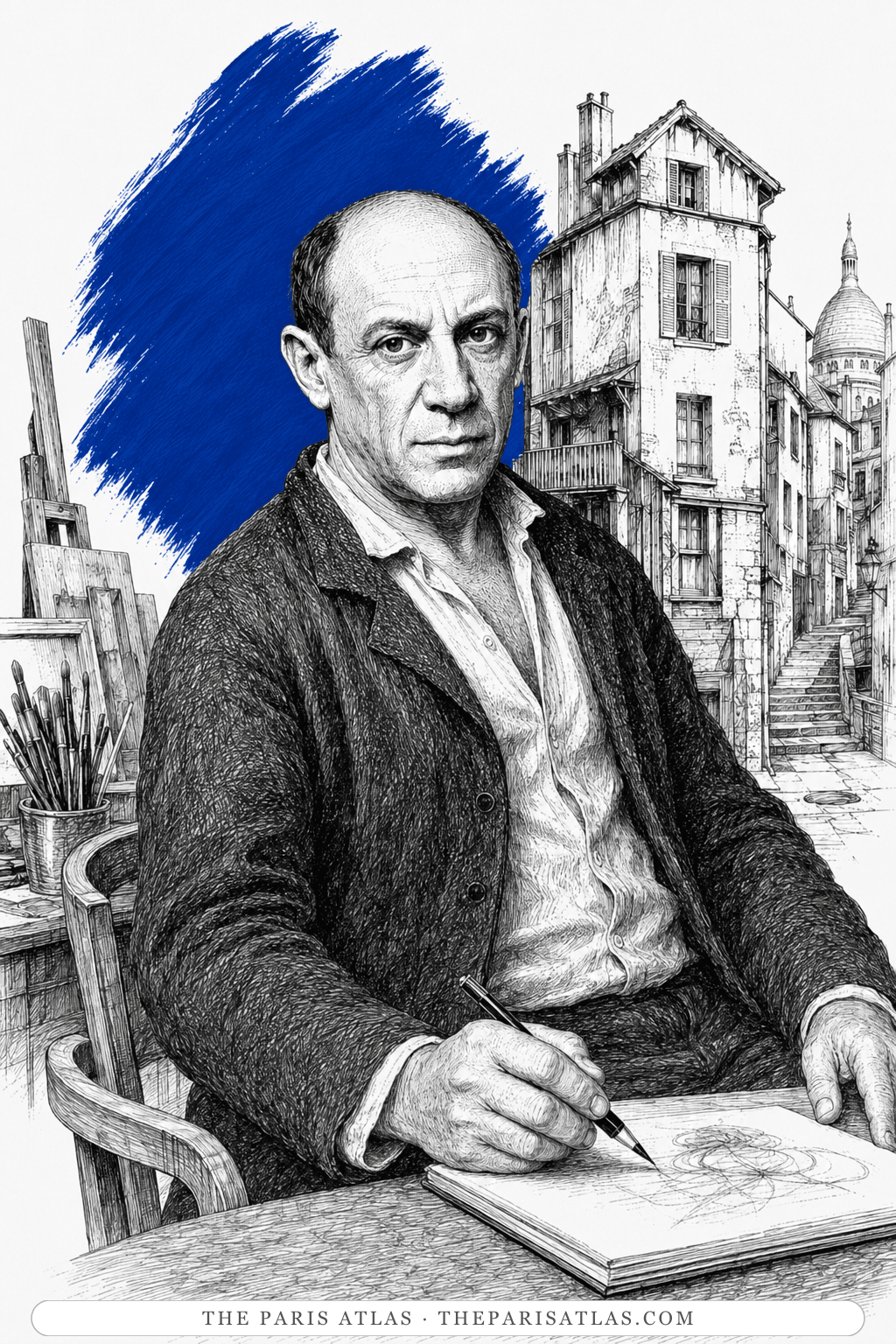
Illustrated portrait of Pablo Picasso

Pablo Picasso

Spanish · Painter, Sculptor

Picasso rented a studio and a comfortable apartment here from 1909 to 1912, overlooking the avenue Frochot — the move out of the Bateau-Lavoir's squalor and into a bourgeois life, made once the work had started selling. He kept the Bateau-Lavoir studio for part of the period.
Within walking distance

References

References

The sources below include histories, archival materials, scholarly research, and official records that informed this page. They document 11 boulevard de Clichy, the people connected to it, and its place in Paris.

  1. 1Balade montmartroise dans les pas de Picasso

    Website
    Ville de Paris
    Used for

    The city's Montmartre Picasso walk: the 1909–1912 studio and apartment at 11 boulevard de Clichy overlooking the avenue Frochot, and the transition toward a bourgeois life.

    View source
  2. 2OpenStreetMap

    Map data
    Used for

    Map data used to verify addresses, geographic coordinates, and the placement associated with 11 boulevard de Clichy.

    View source
  1. 3The Picasso Collection and Creative Archive

    Website
    Musée National Picasso-Paris
    Used for

    Web source consulted for documented facts and historical context presented on the 11 boulevard de Clichy page.

    View source
  2. 4Picasso Timeline

    Website
    Musée National Picasso-Paris
    Used for

    Web source consulted for documented facts and historical context presented on the 11 boulevard de Clichy page.

    View source
i
Why these sources are here

These references provide the documented foundation for this page's history and context. Claim-level citations remain attached to the specific claims they support.

Explore more resources

Newsletter

Paris, one address at a time.

The cafés, studios, and walk-up flats where the work was made — one story from the map in every letter.

Unsubscribe anytime.