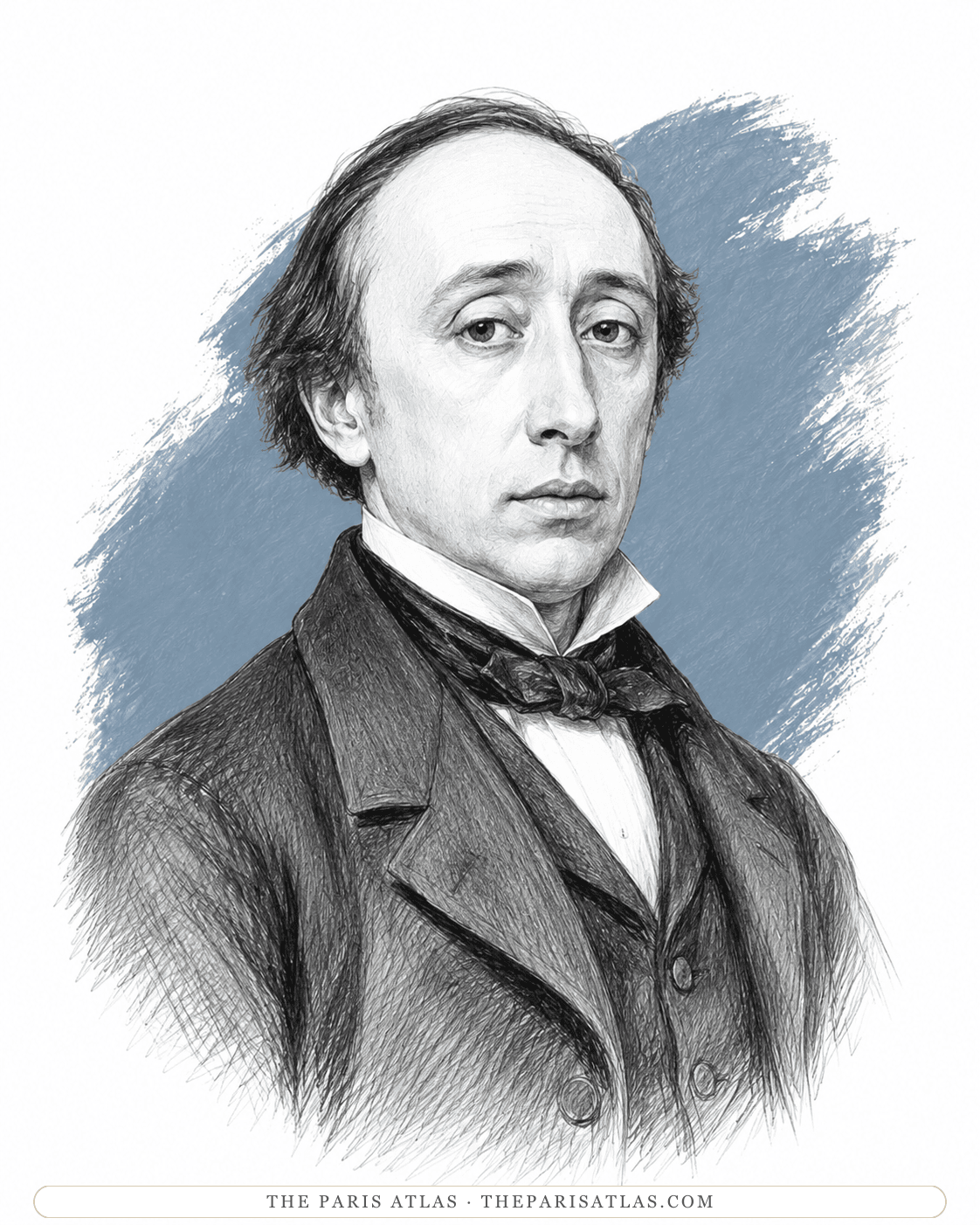
Edgar Degas
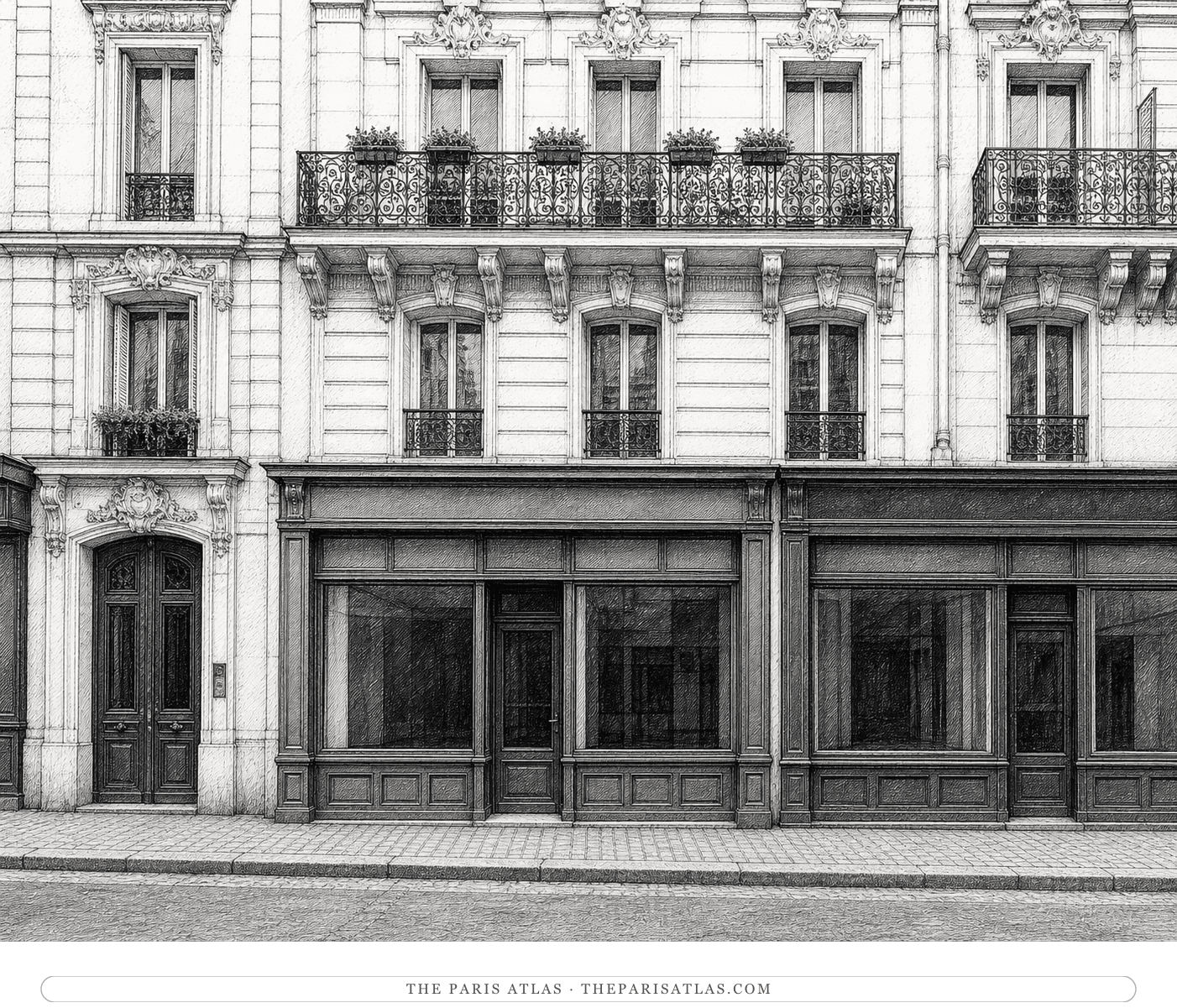
Degas moved to a fifth-floor flat at 6 boulevard de Clichy after losing the rue Victor-Masse studio, and died there on 27 September 1917, aged eighty-three and almost blind. A Ville de Paris plaque marks the building.
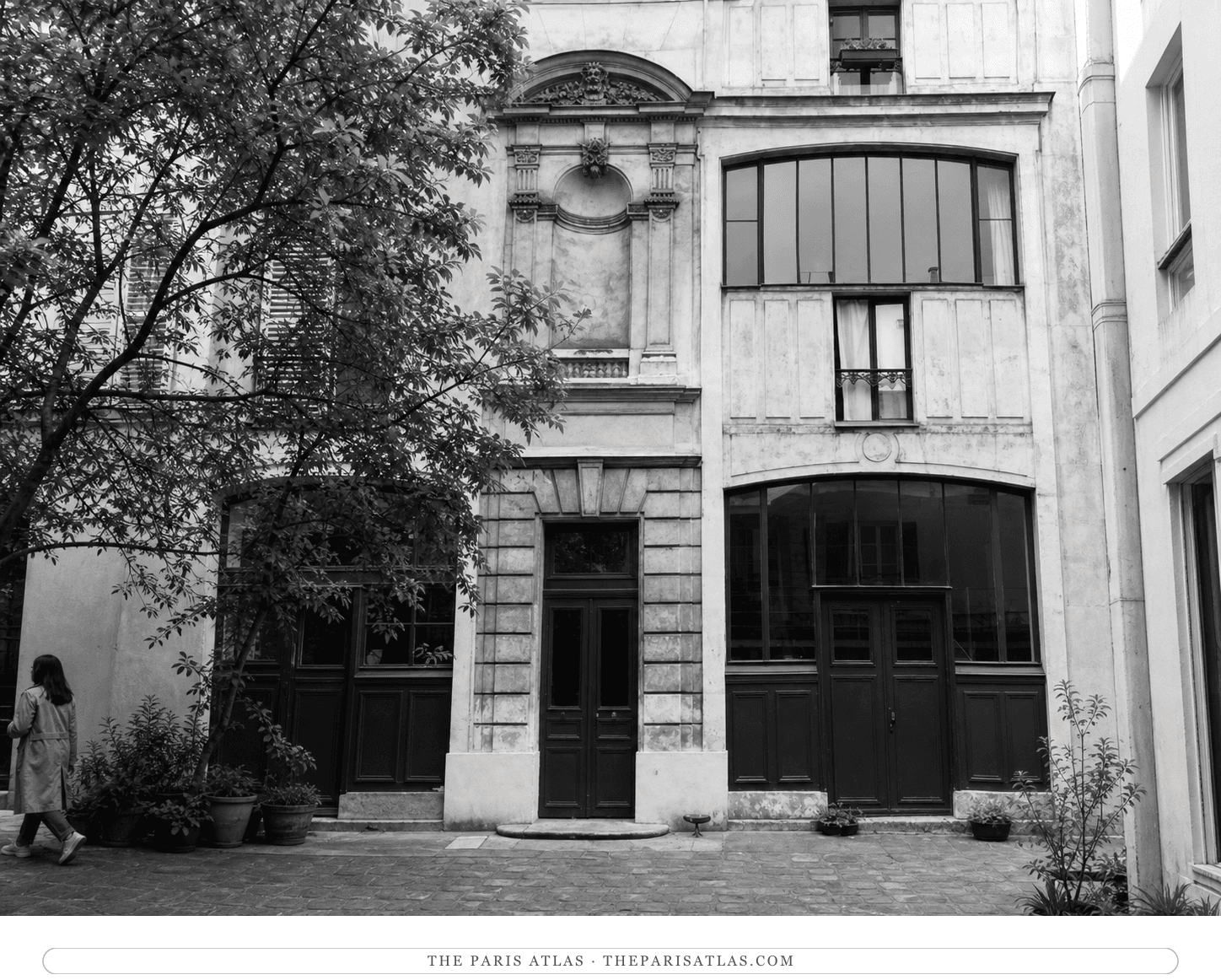
The apartment where Edgar Degas spent his last five years and died on 27 September 1917, aged eighty-three and almost blind. A Ville de Paris plaque marks the building.
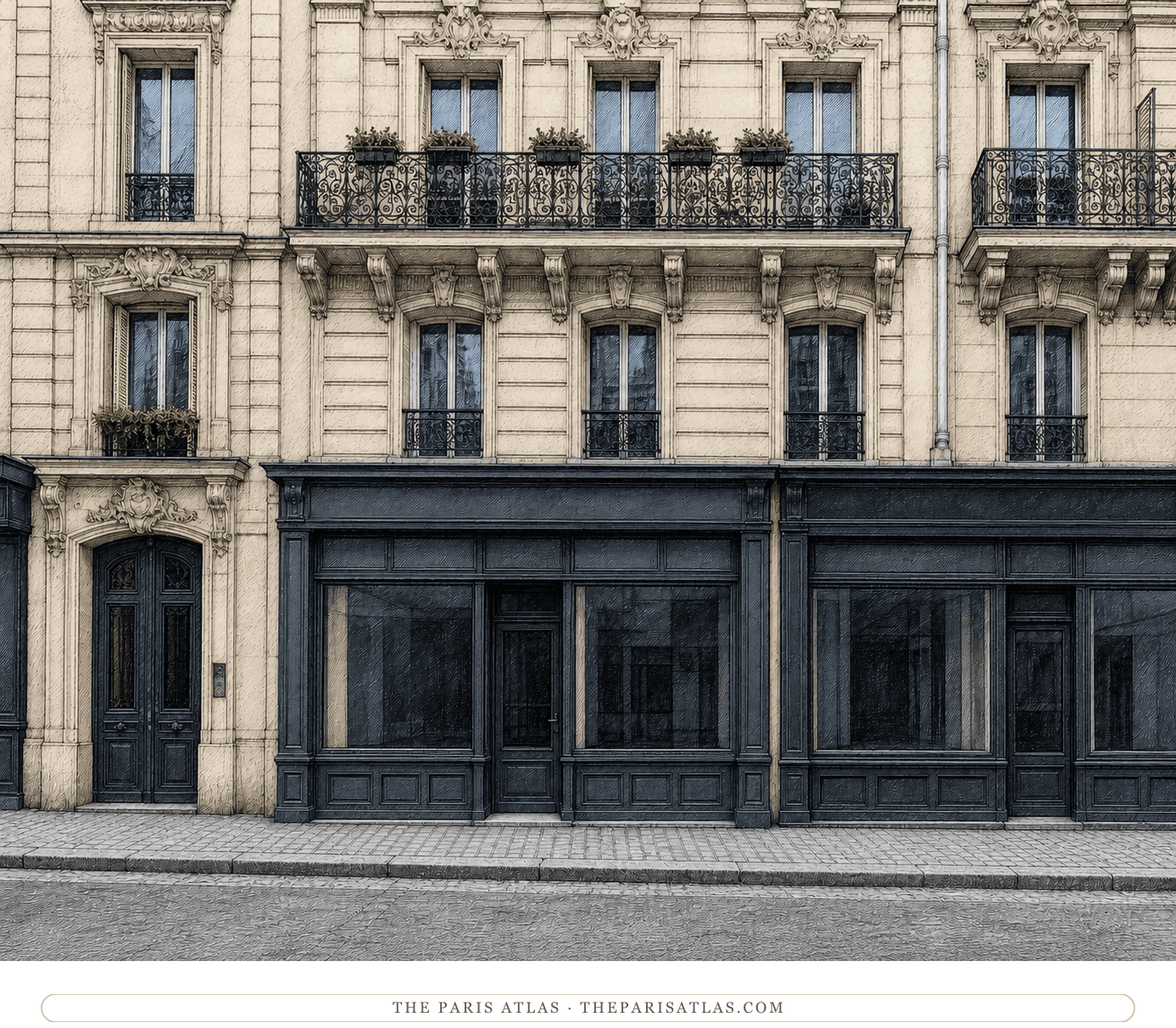
When Edgar Degas was forced out of his studio on the rue Victor-Massé in 1912, he moved here, to a flat on the fifth floor of 6 boulevard de Clichy. He was seventy-eight. His sight, which had been deteriorating since the 1870s, was by then almost gone.
The last five years were not productive ones. Degas had spent his life working obsessively and now could barely see to do it; friends described him walking the streets of the quarter for hours, an old man in a cape moving between the same few blocks he had known since birth. His birthplace on the rue Saint-Georges is a ten-minute walk from this door.
He died here on 27 September 1917, in the middle of the war, aged eighty-three. What he left behind in the way of work — including the hoard of wax sculptures nobody had known the extent of — was dispersed at a series of sales that took several years and reshaped a number of museum collections.
The Ville de Paris has placed a commemorative plaque on the building. It is private, and the plaque is the whole of what there is to see.
Degas moves in after losing the rue Victor-Massé studio.
He dies here on 27 September, nearly blind.
At 6 boulevard de Clichy in the 18th arrondissement, on 27 September 1917. He had lived there since 1912.
A commemorative plaque placed by the Ville de Paris. The building itself is private.
Very nearly. His eyesight had been failing since the 1870s and was almost entirely gone by the time he moved here, which is the main reason the last years produced so little.
Degas moved to a fifth-floor flat at 6 boulevard de Clichy after losing the rue Victor-Masse studio, and died there on 27 September 1917, aged eighty-three and almost blind. A Ville de Paris plaque marks the building.
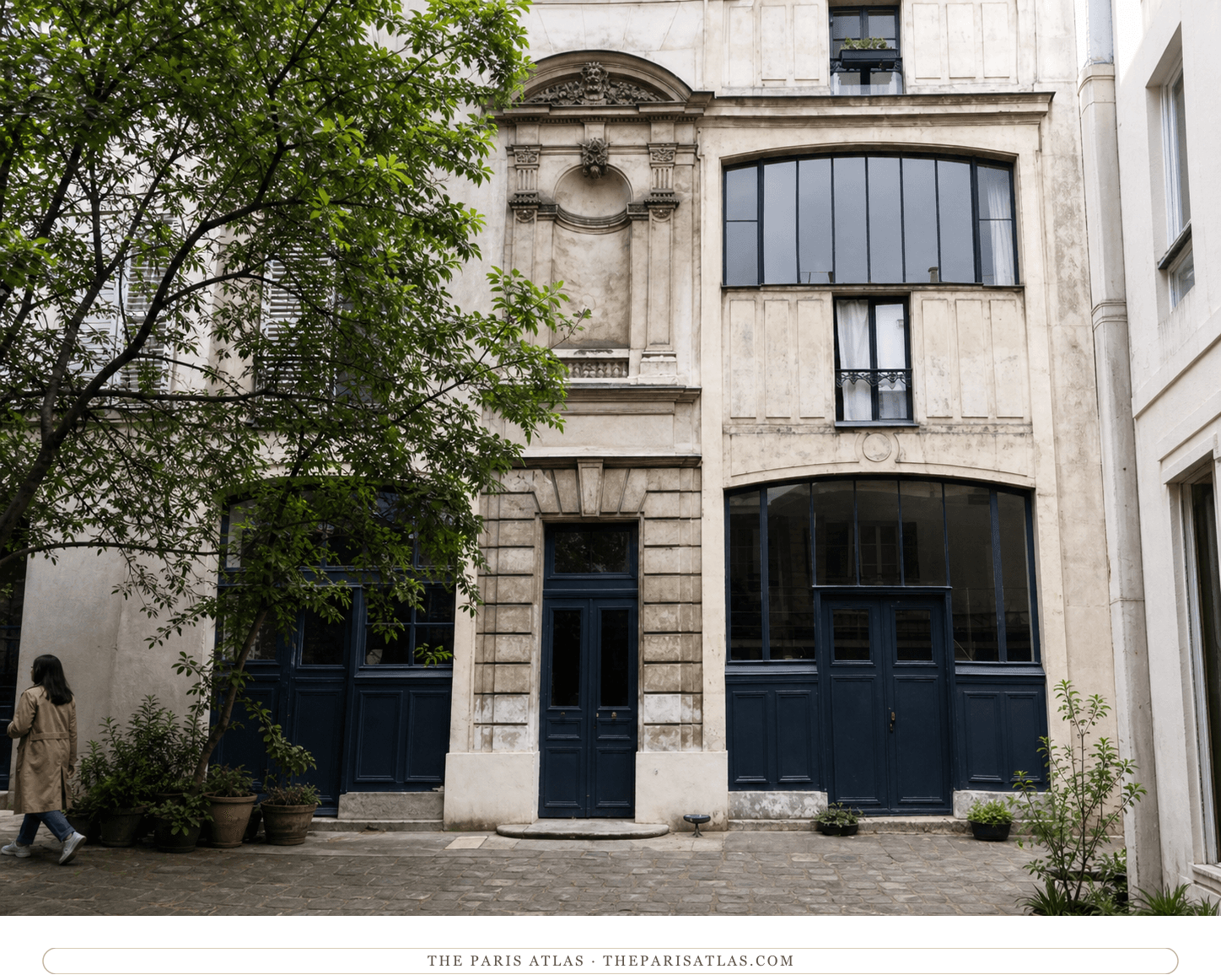
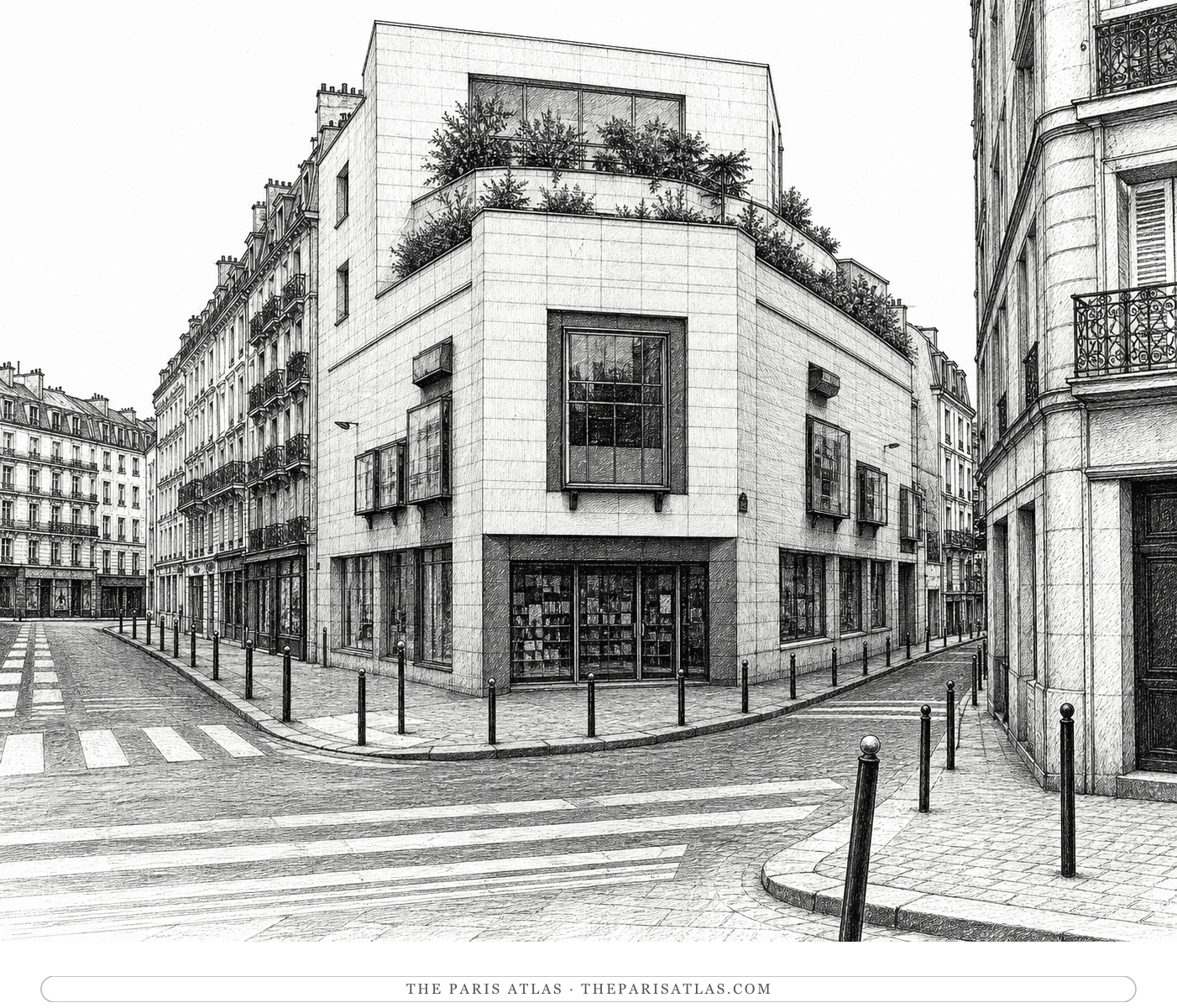
The building where Picasso took a studio and a comfortable apartment in 1909, looking over the avenue Frochot — the address that marks his move out of the squalor of the Bateau-Lavoir and into something like a bourgeois life.
Visit the place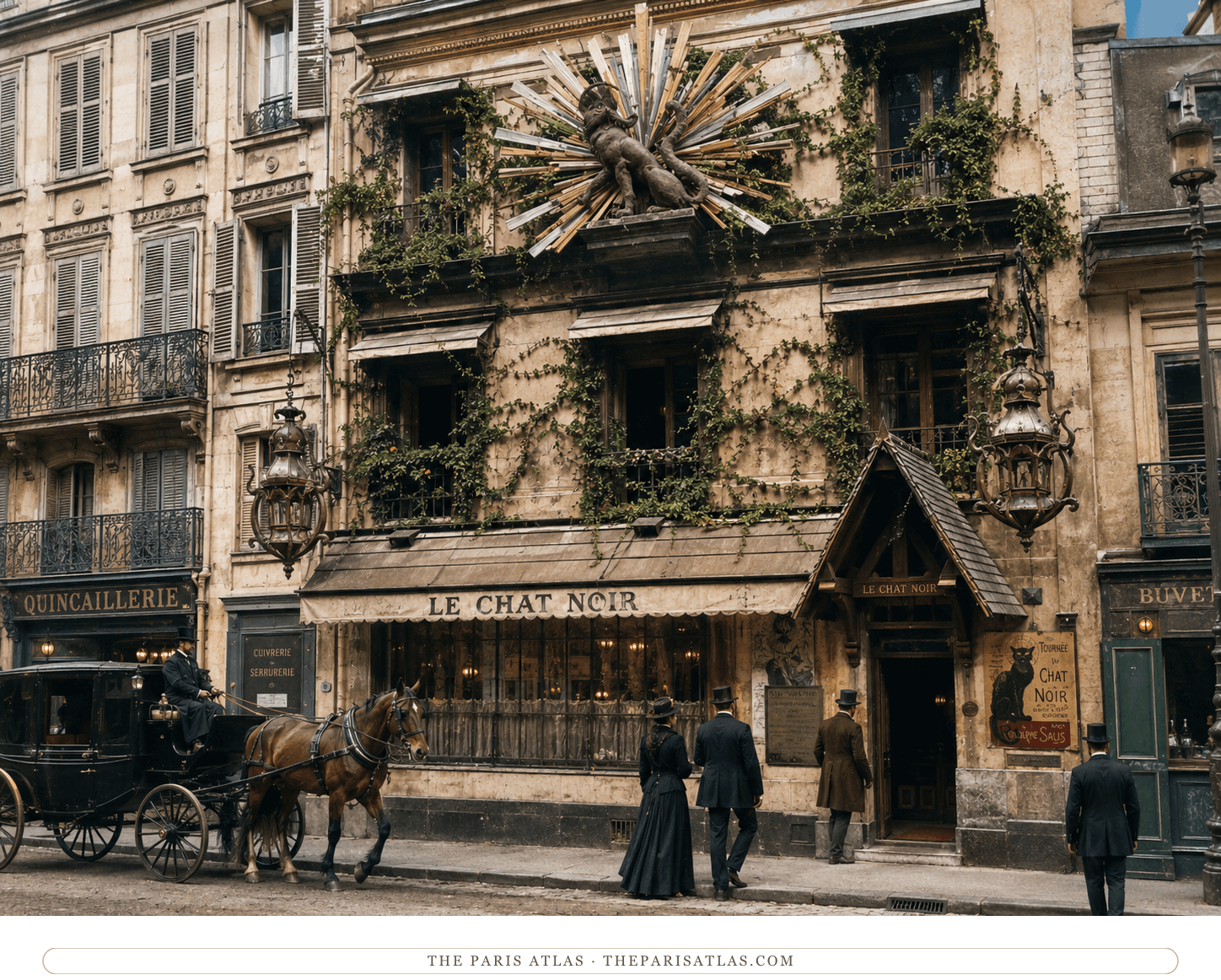
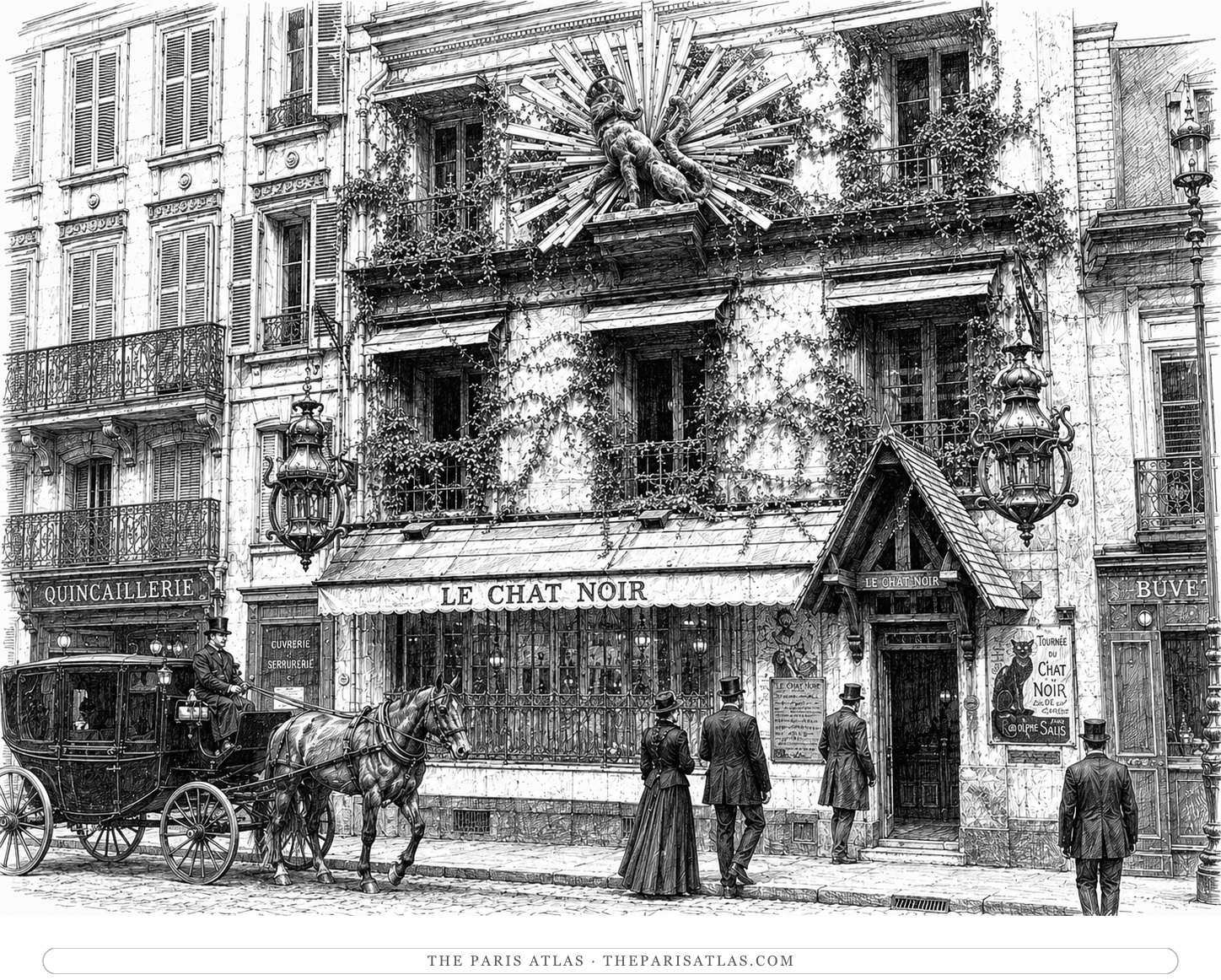
The legendary Montmartre cabaret where poets, singers, painters, cartoonists and musicians made the room itself an artistic creation — crowned by an extraordinary shadow theater.
Visit the place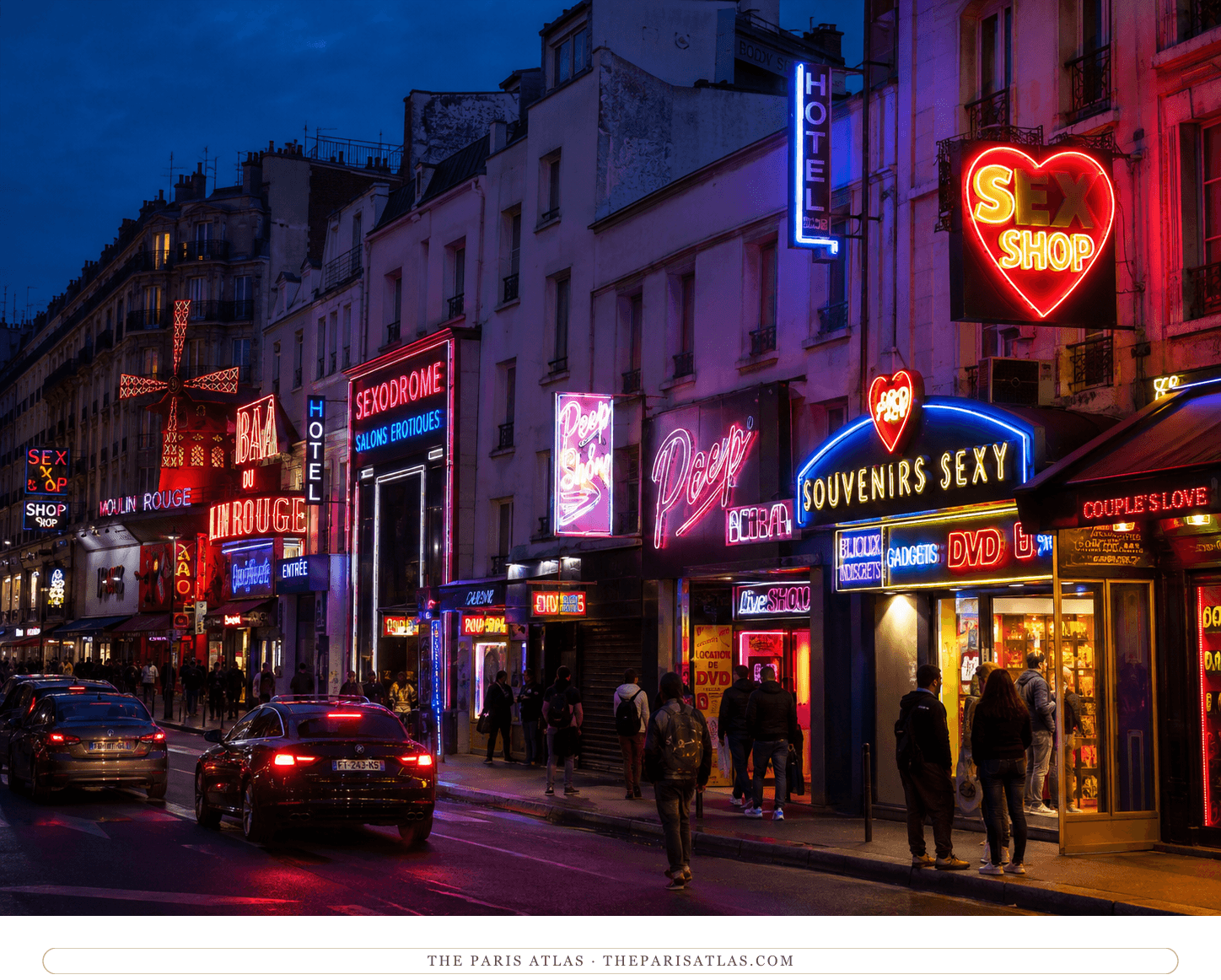
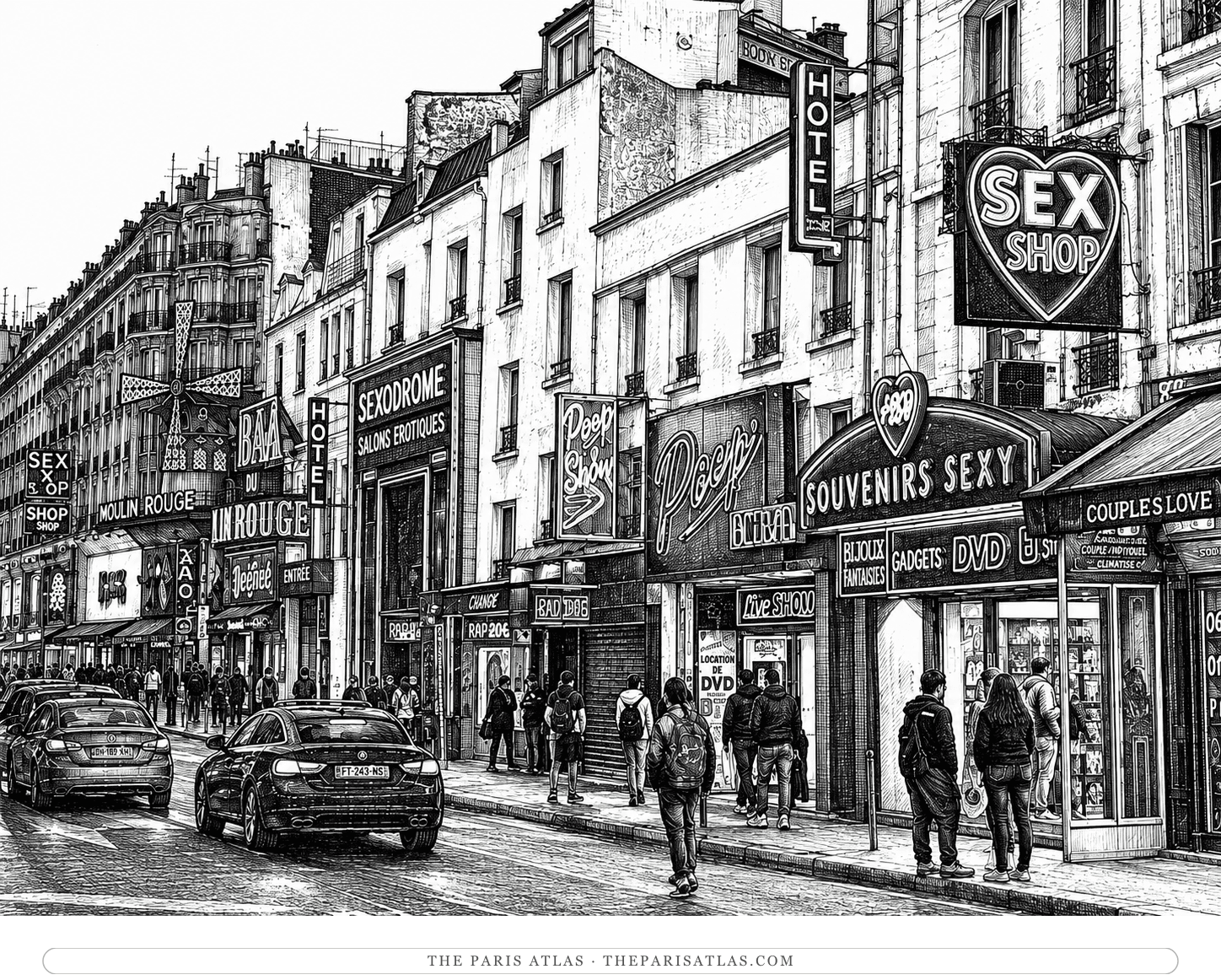
The strip along the boulevard de Clichy below Montmartre, where the studios and the cabarets shared a pavement until only the second kind was left.
Visit the place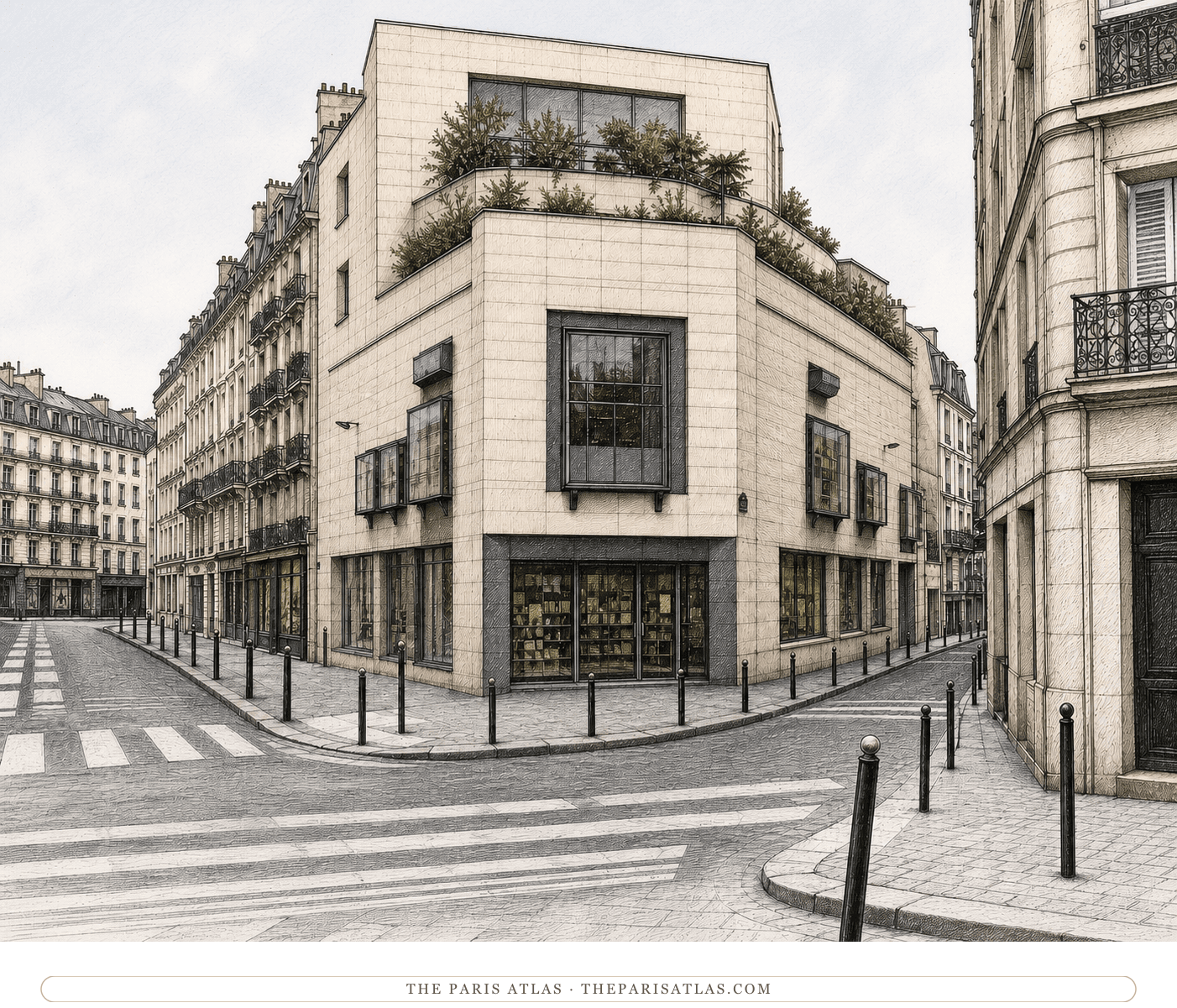
The café on the place Pigalle that took over from the Guerbois as the meeting place of Manet, Degas and their circle in the 1870s — and the room behind the painting usually called L'Absinthe.
Visit the placeThe sources below include histories, archival materials, scholarly research, and official records that informed this page. They document 6 boulevard de Clichy, the people connected to it, and its place in Paris.


Web source consulted for documented facts and historical context presented on the 6 boulevard de Clichy page.
Web source consulted for documented facts and historical context presented on the 6 boulevard de Clichy page.
Web source consulted for documented facts and historical context presented on the 6 boulevard de Clichy page.
Web source consulted for documented facts and historical context presented on the 6 boulevard de Clichy page.
These references provide the documented foundation for this page's history and context. Claim-level citations remain attached to the specific claims they support.
 Explore more resources
Newsletter
The cafés, studios, and walk-up flats where the work was made — one story from the map in every letter.