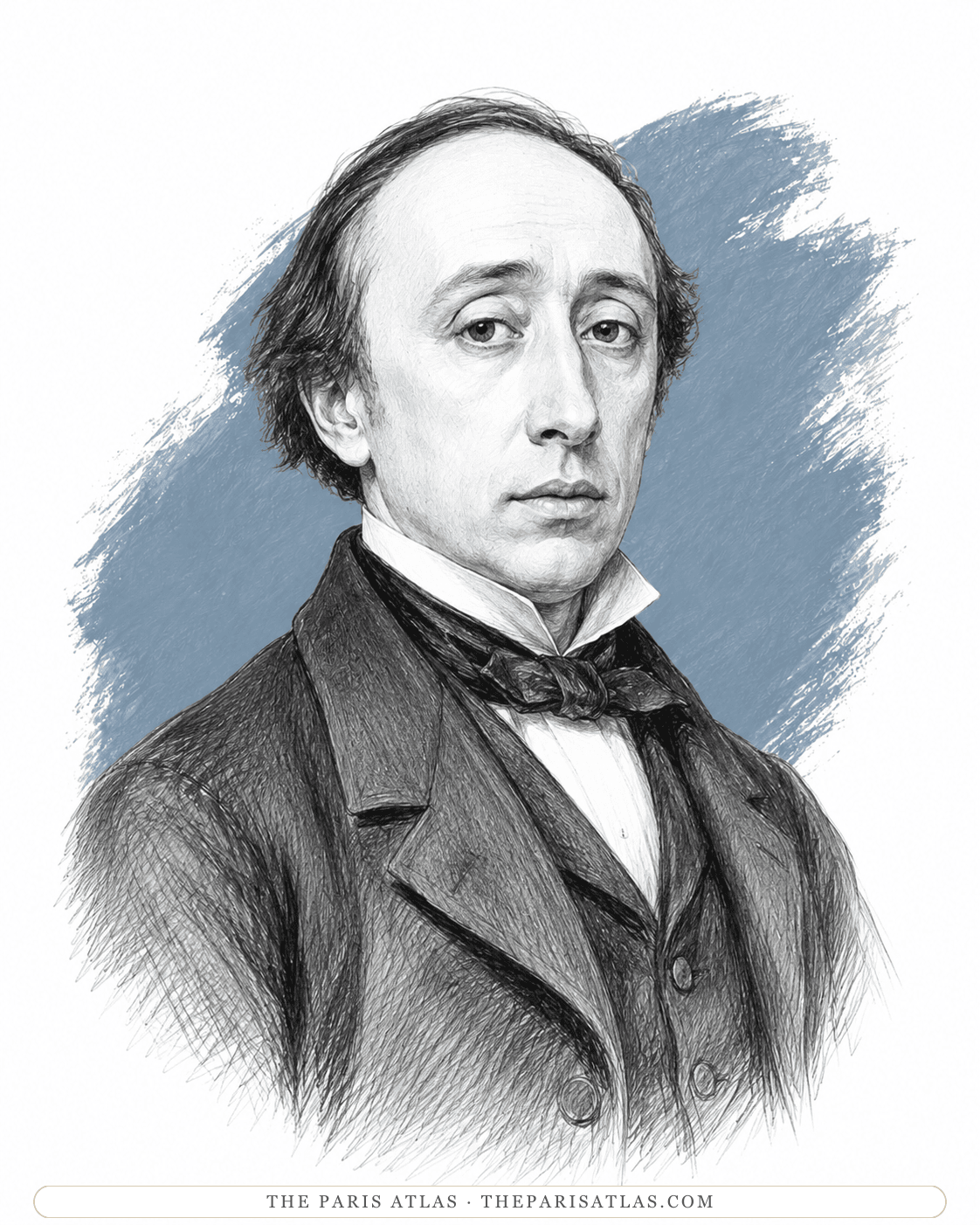
Edgar Degas
Degas was born at 8 rue Saint-Georges on 19 July 1834, into a banking family. He spent almost his entire life within a short walk of the address.
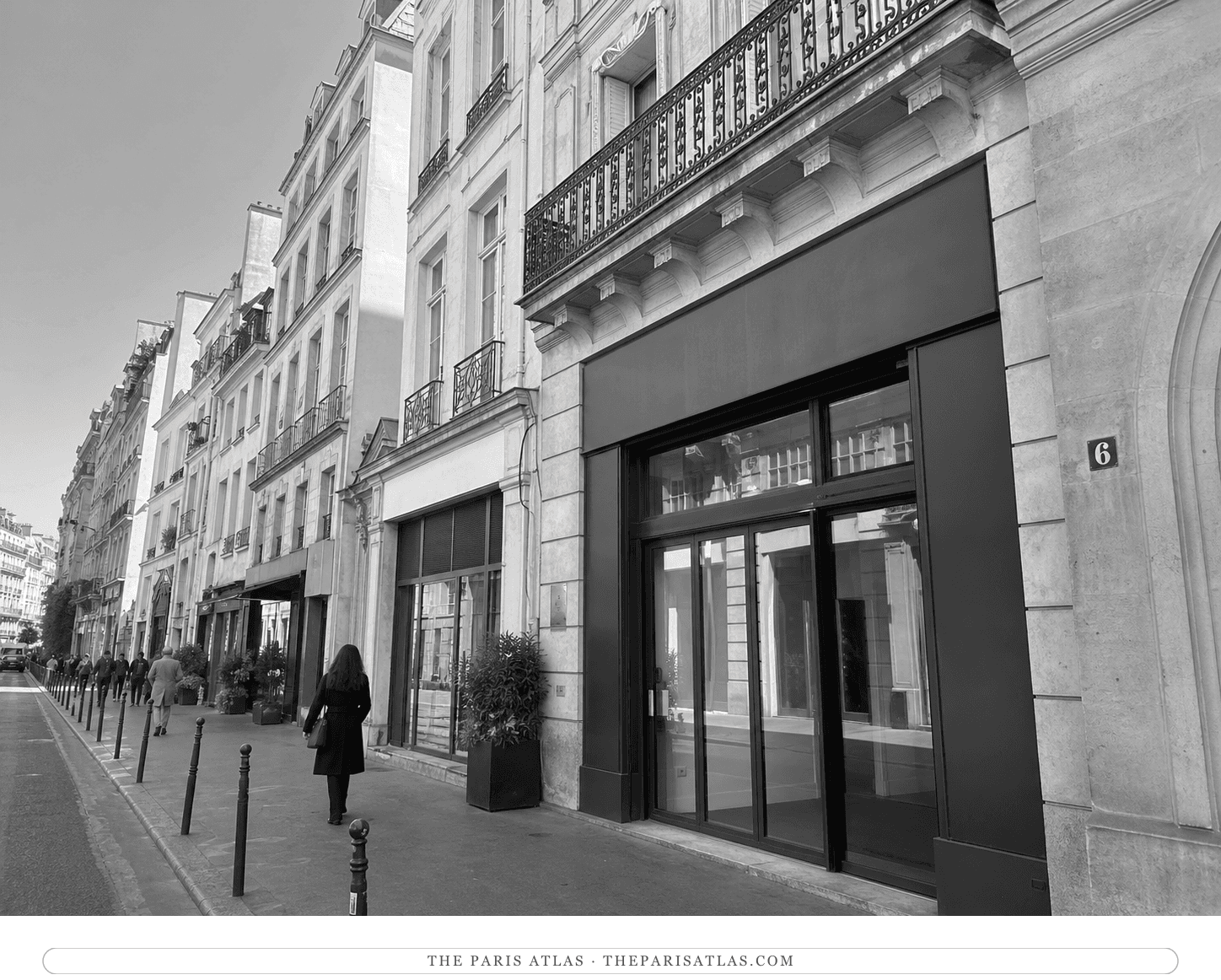
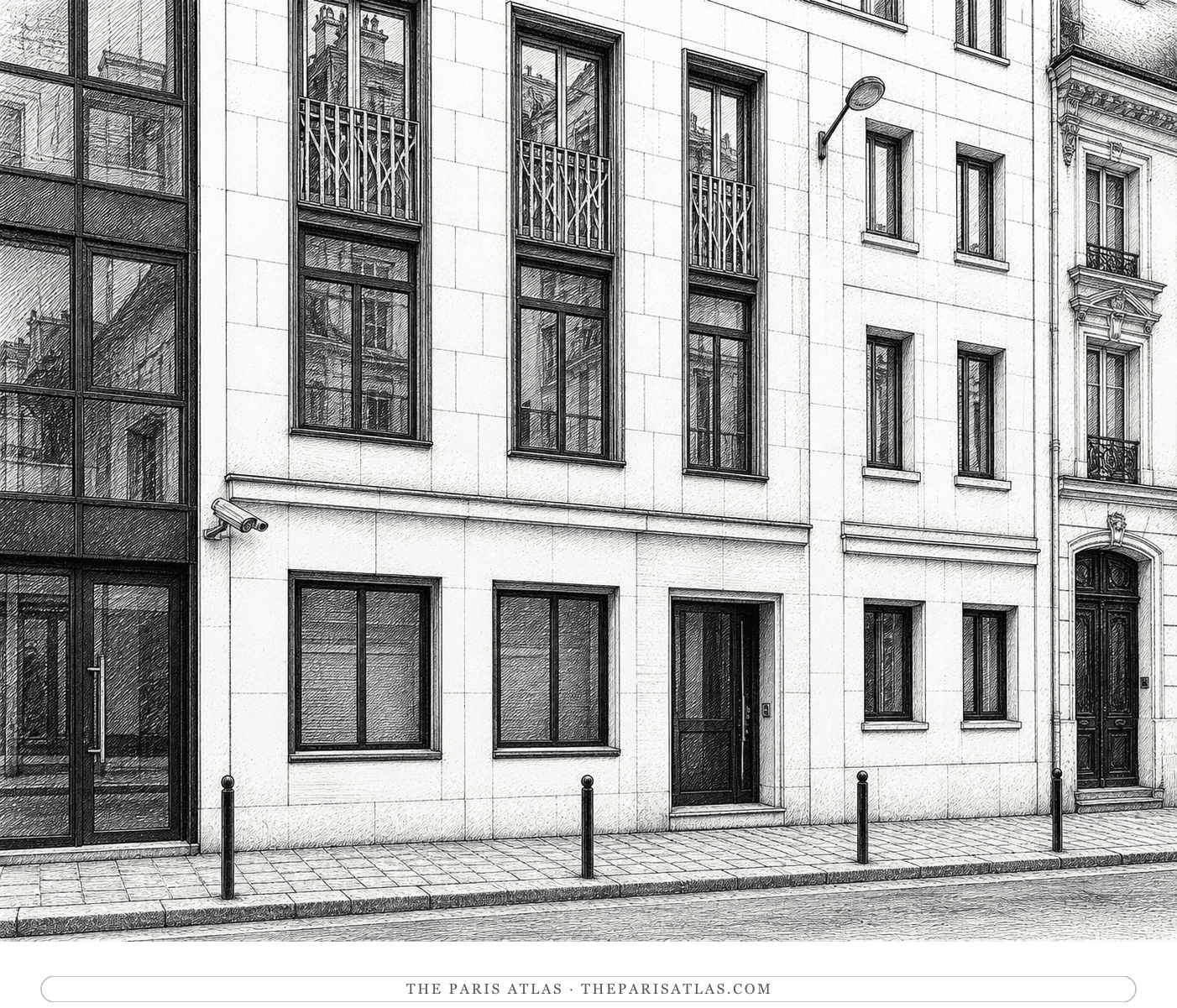
The house where Edgar Degas was born on 19 July 1834, on a quiet street in the 9th arrondissement — the district he would spend almost his entire life inside.
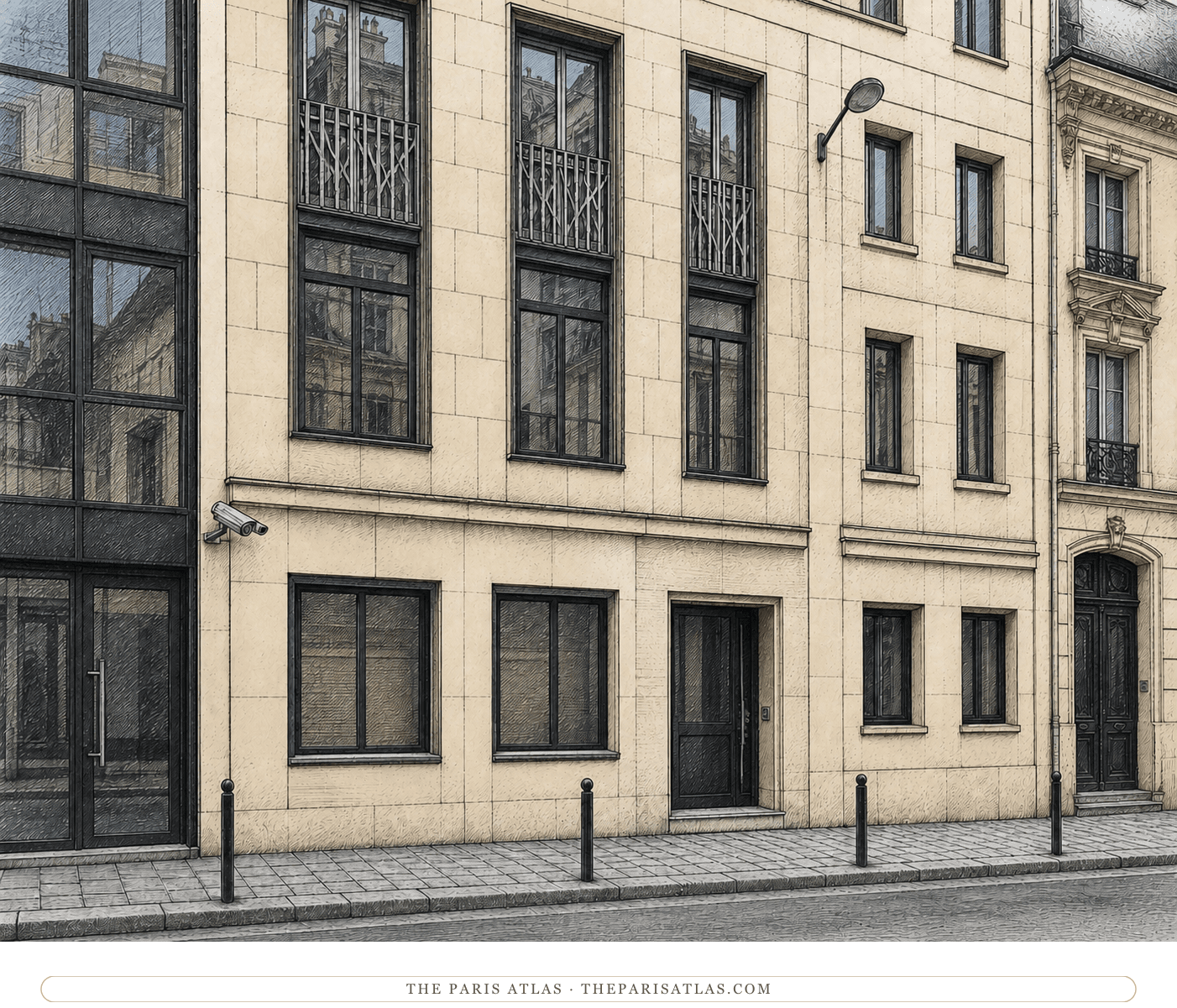
Edgar Degas was born at 8 rue Saint-Georges on 19 July 1834, into a banking family with branches in Naples and New Orleans and money enough that he would never have to sell a painting to eat. The detail matters: it is the reason he could afford to be as difficult, as slow and as uninterested in pleasing anyone as he turned out to be.
What is remarkable about the address is how little he ever moved from it. The rue Saint-Georges sits in the 9th arrondissement, in the quarter that came to be called the Nouvelle Athènes, and Degas spent nearly the whole of his life within a few streets of where he was born — the studio on the rue Frochot, the long years on the rue Victor-Massé, the cafés on the place Pigalle, the Opera down the hill. He travelled, to Italy and to New Orleans, but he always came back to the same handful of blocks.
The building is private and there is nothing to see but the façade. It is worth standing in front of anyway, because the whole of Degas's Paris is a fifteen-minute walk from this door.
Edgar Degas is born at 8 rue Saint-Georges on 19 July.
He settles at 4 rue Frochot, a few minutes' walk north.
He dies at 6 boulevard de Clichy, still in the same quarter.
At 8 rue Saint-Georges in the 9th arrondissement of Paris, on 19 July 1834.
No. It is a private building and there is nothing to see beyond the street façade.
Very nearly. Apart from travels to Italy and a stay in New Orleans, he spent his life within a small radius of his birthplace, in and around the Nouvelle Athènes quarter of the 9th.
Degas was born at 8 rue Saint-Georges on 19 July 1834, into a banking family. He spent almost his entire life within a short walk of the address.
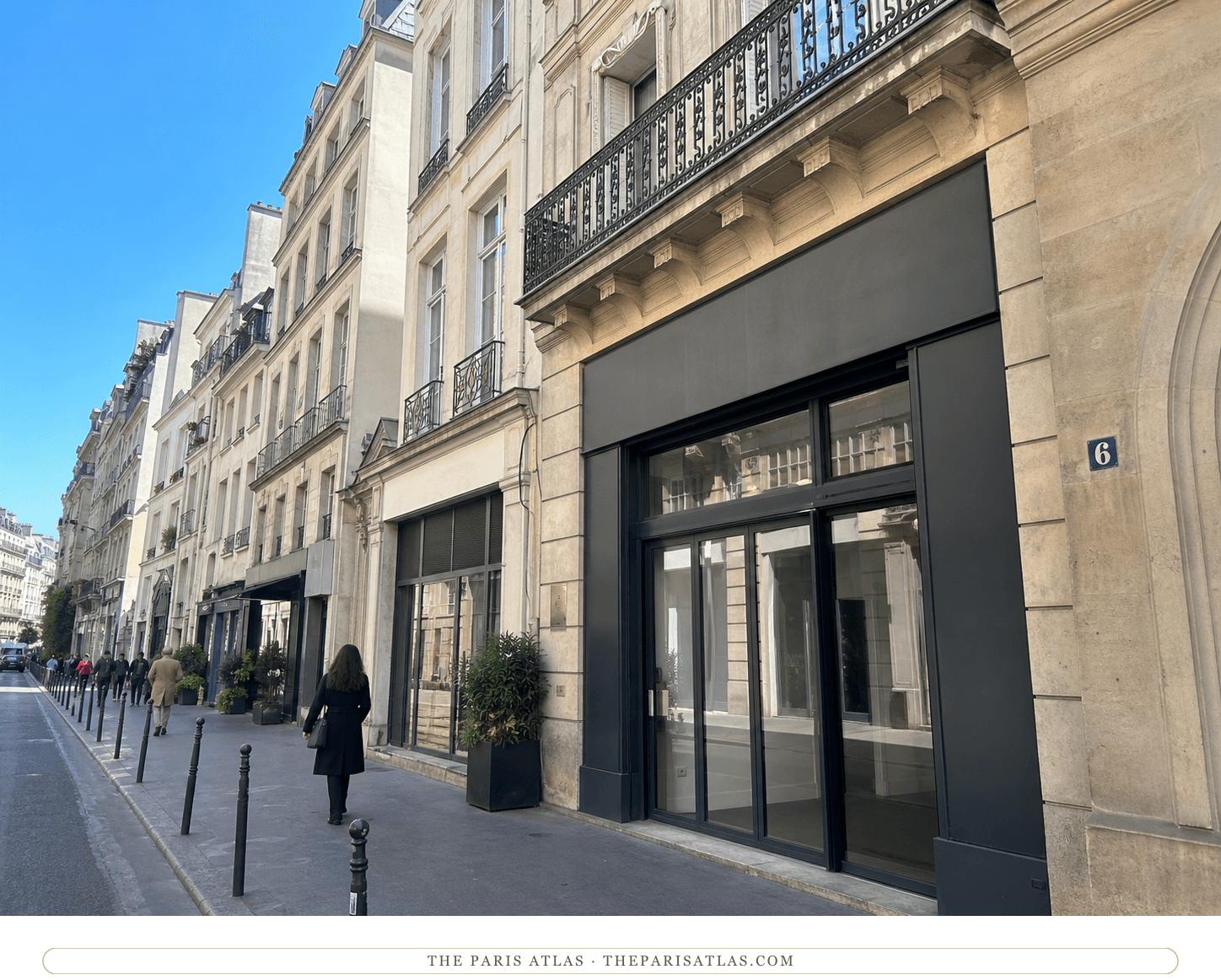
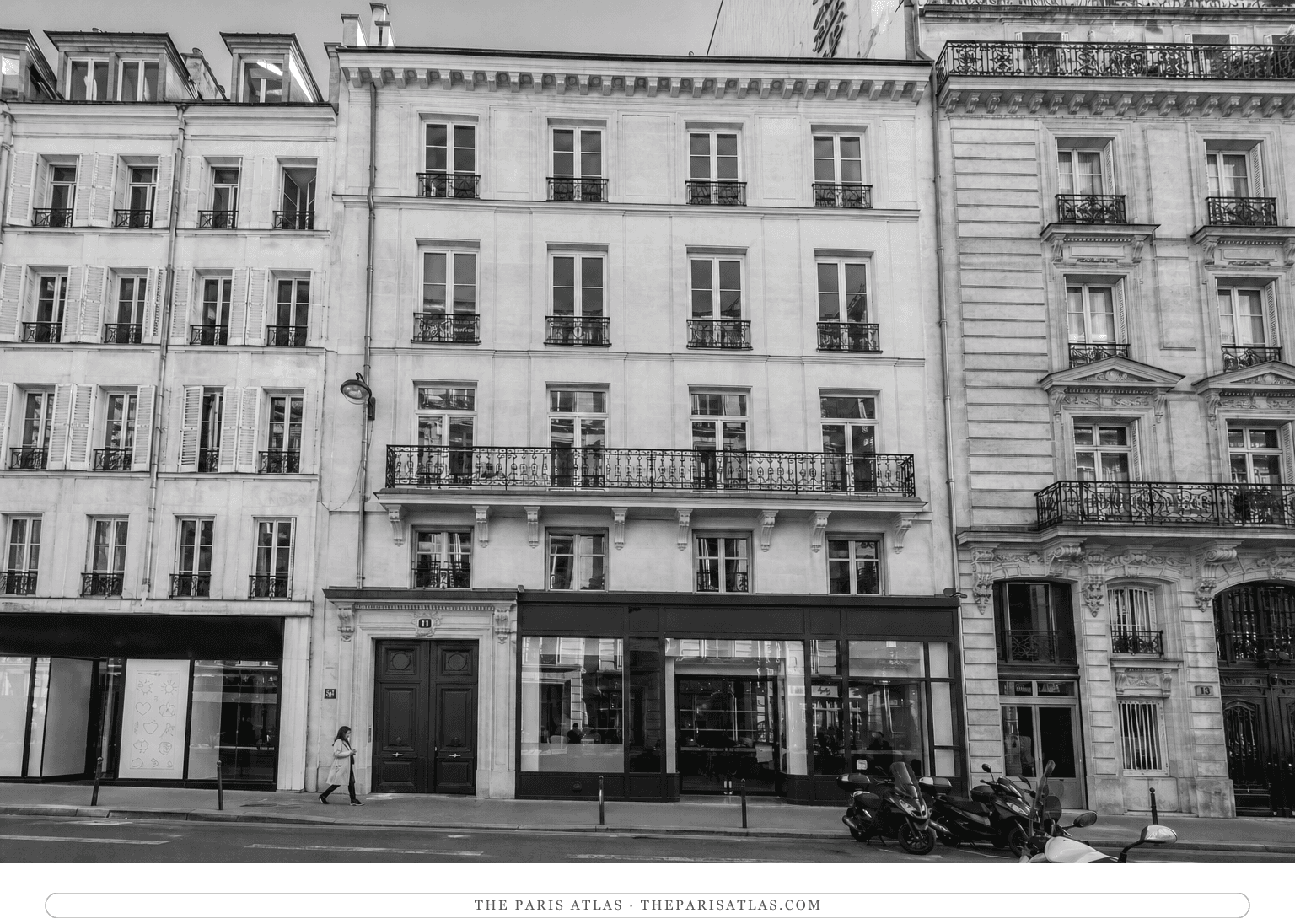
Ambroise Vollard's gallery, where in 1895 a young and untested dealer gave the fifty-six-year-old Paul Cézanne his first solo exhibition — and turned a painter most of Paris had written off into the most influential artist of the next generation.
Visit the place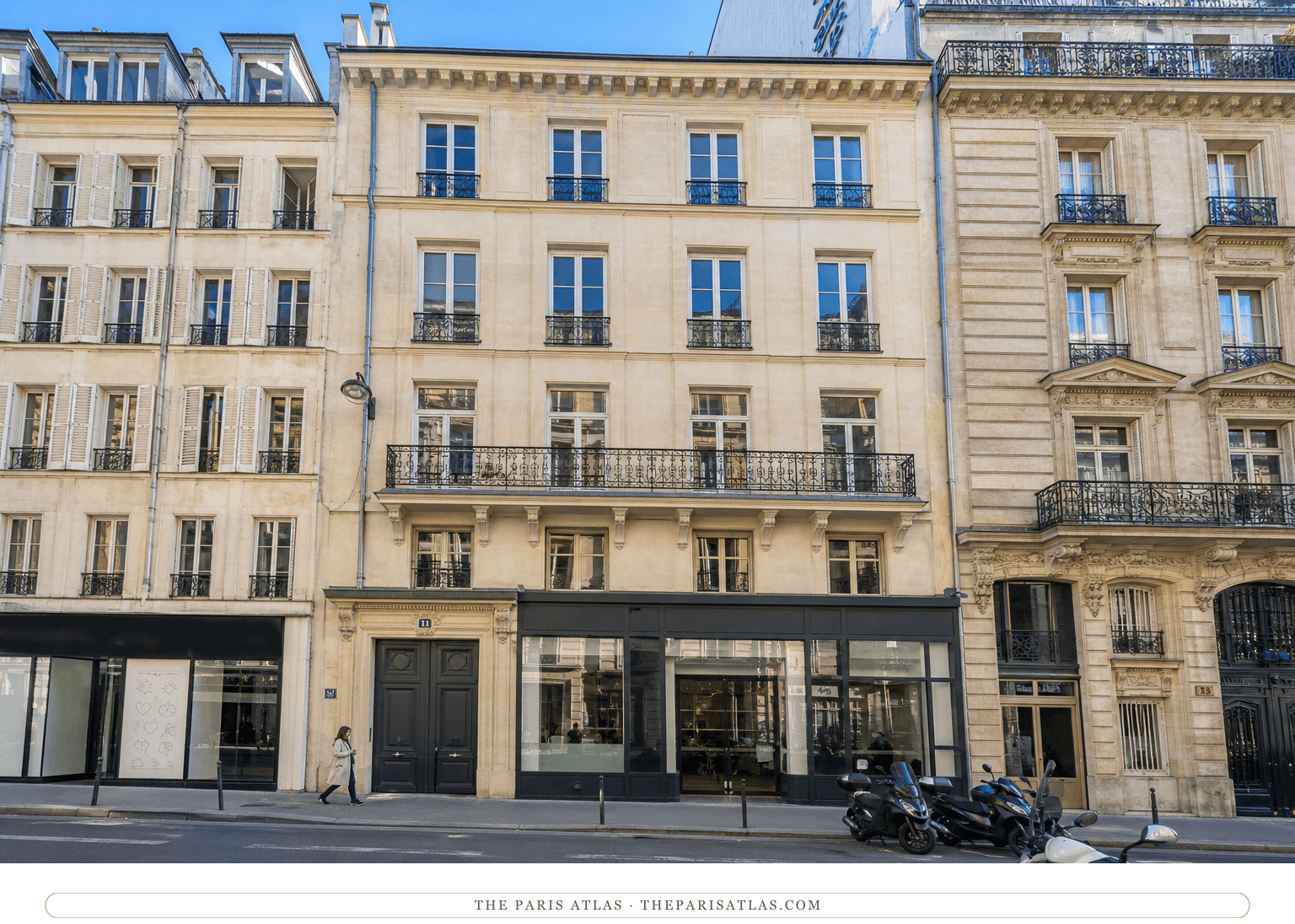
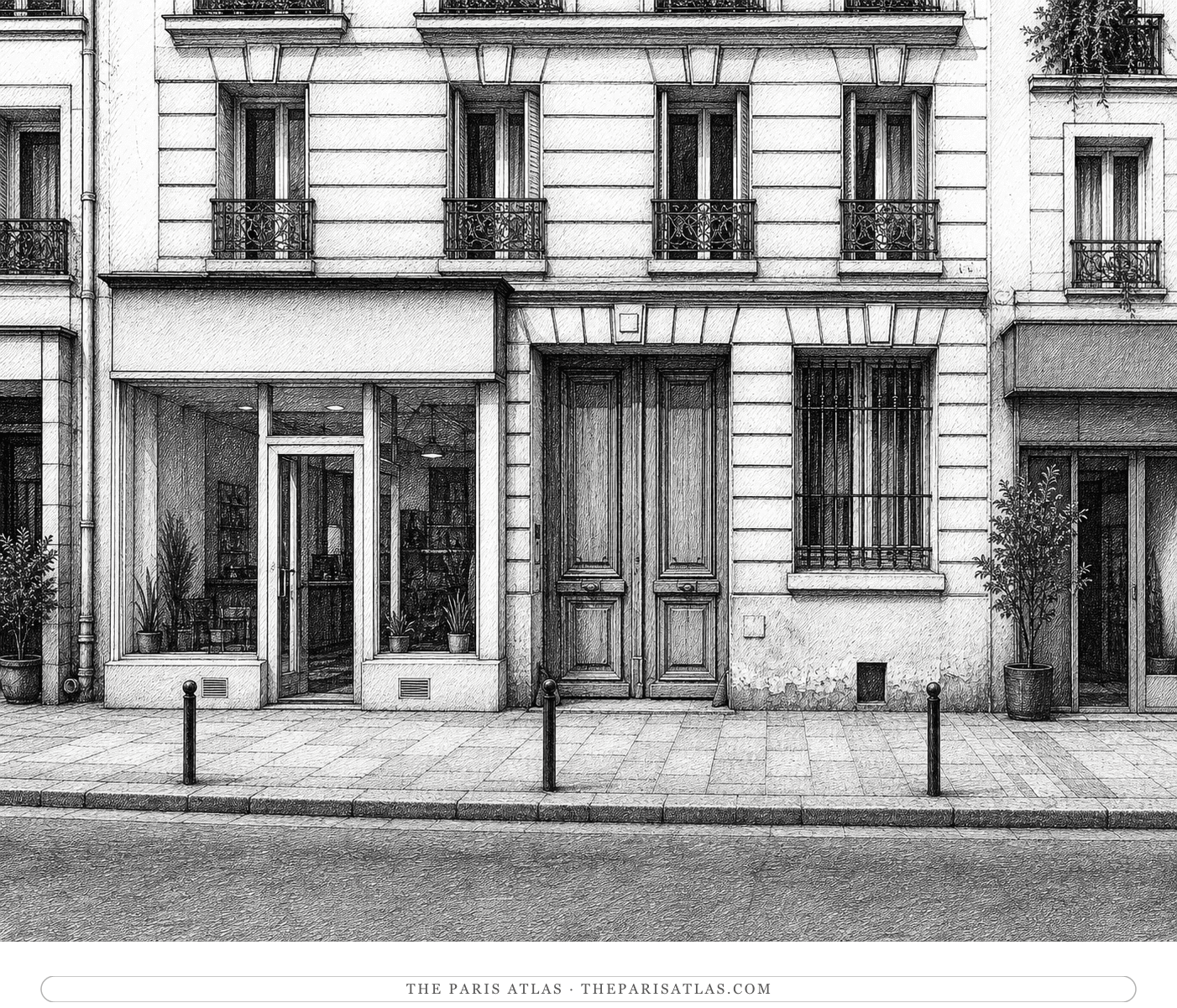
Paul Durand-Ruel's gallery, where the second Impressionist exhibition was held in 1876 — the dealer who kept buying the group's work through the years when almost nobody else would.
Visit the place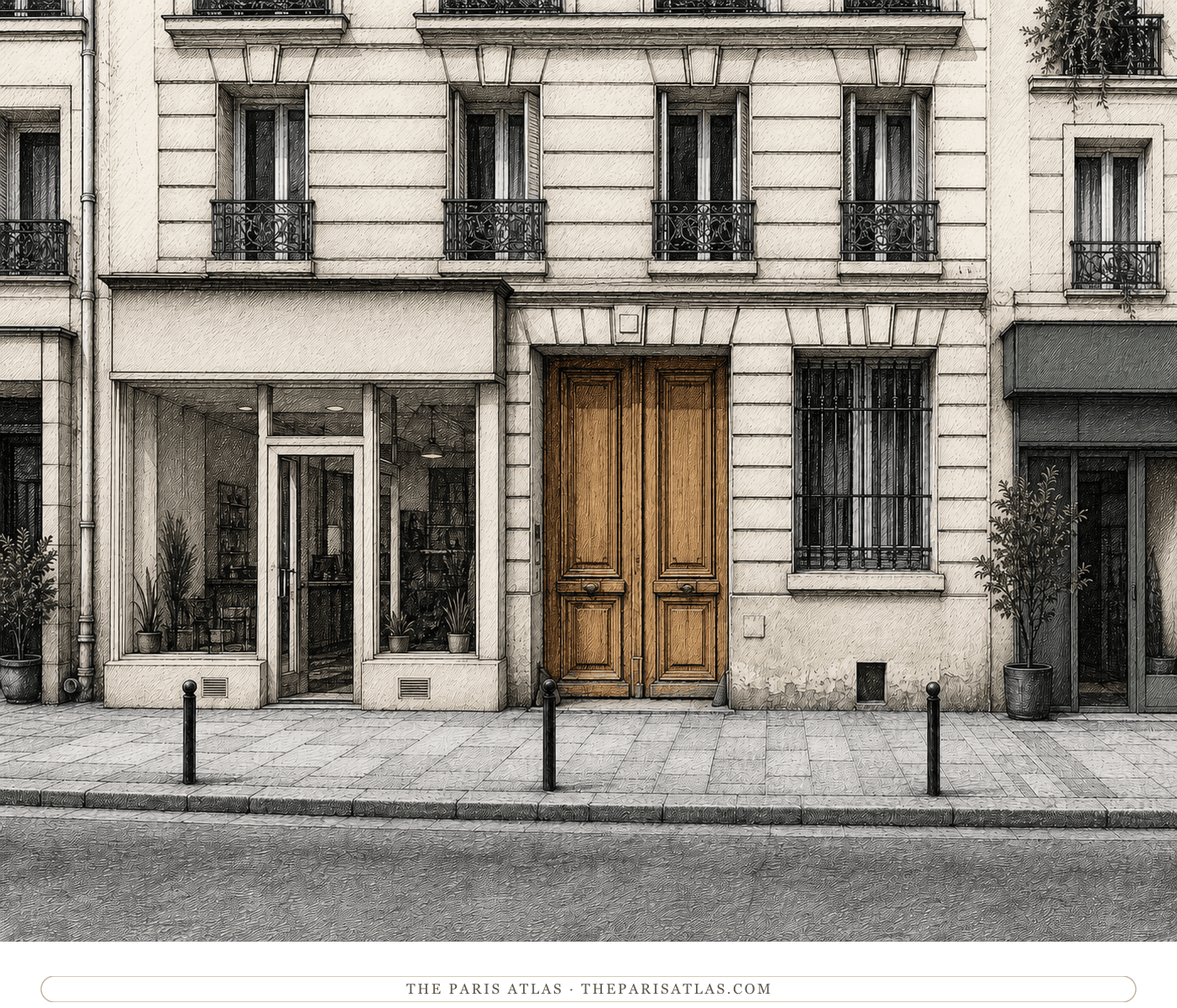
The theatre that housed the Paris Opera until it burned down in 1873. Its stage, rehearsal rooms and subscribers' foyer are the world behind Degas's dancers — and he went on painting it from memory long after it was ash.
Visit the place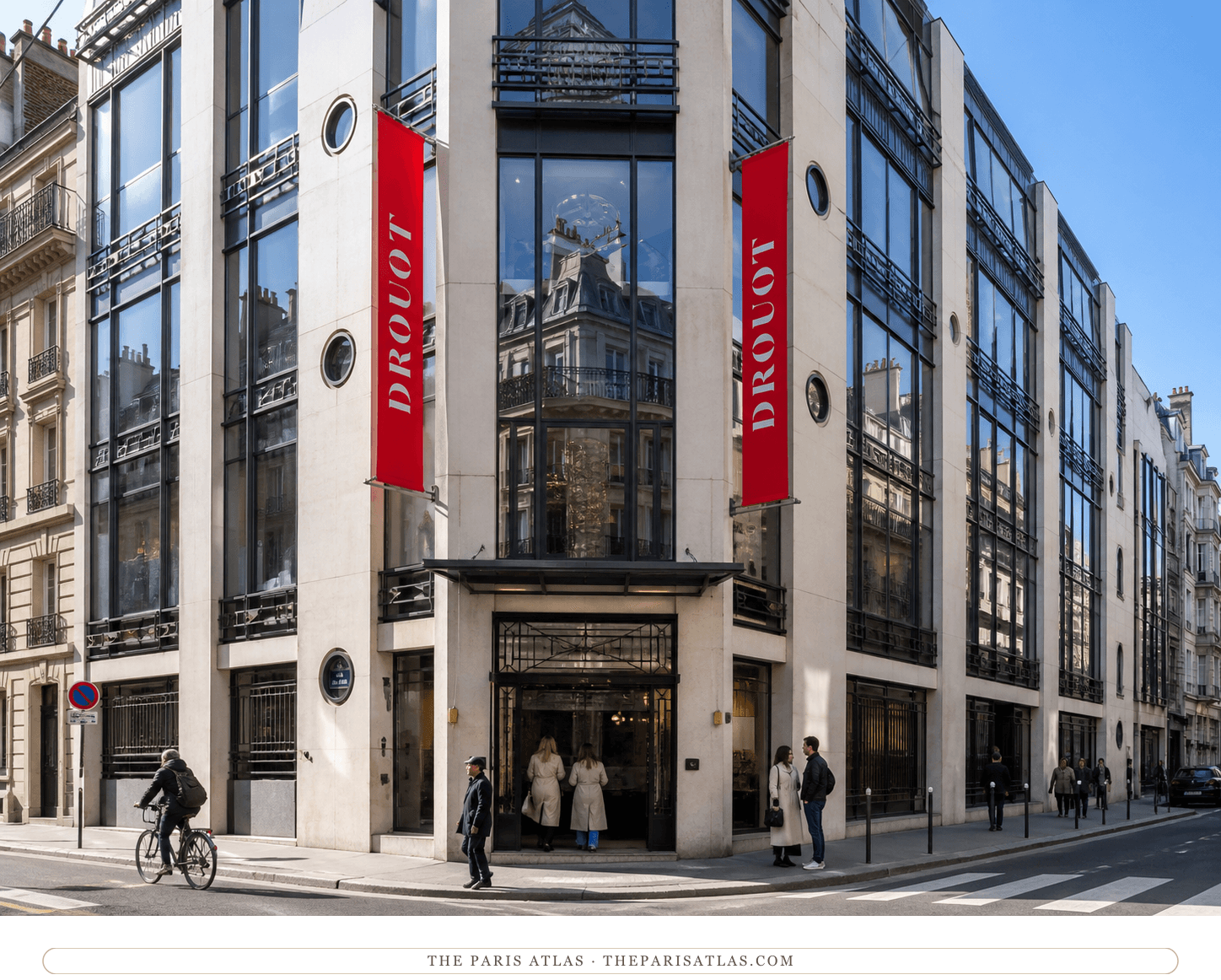
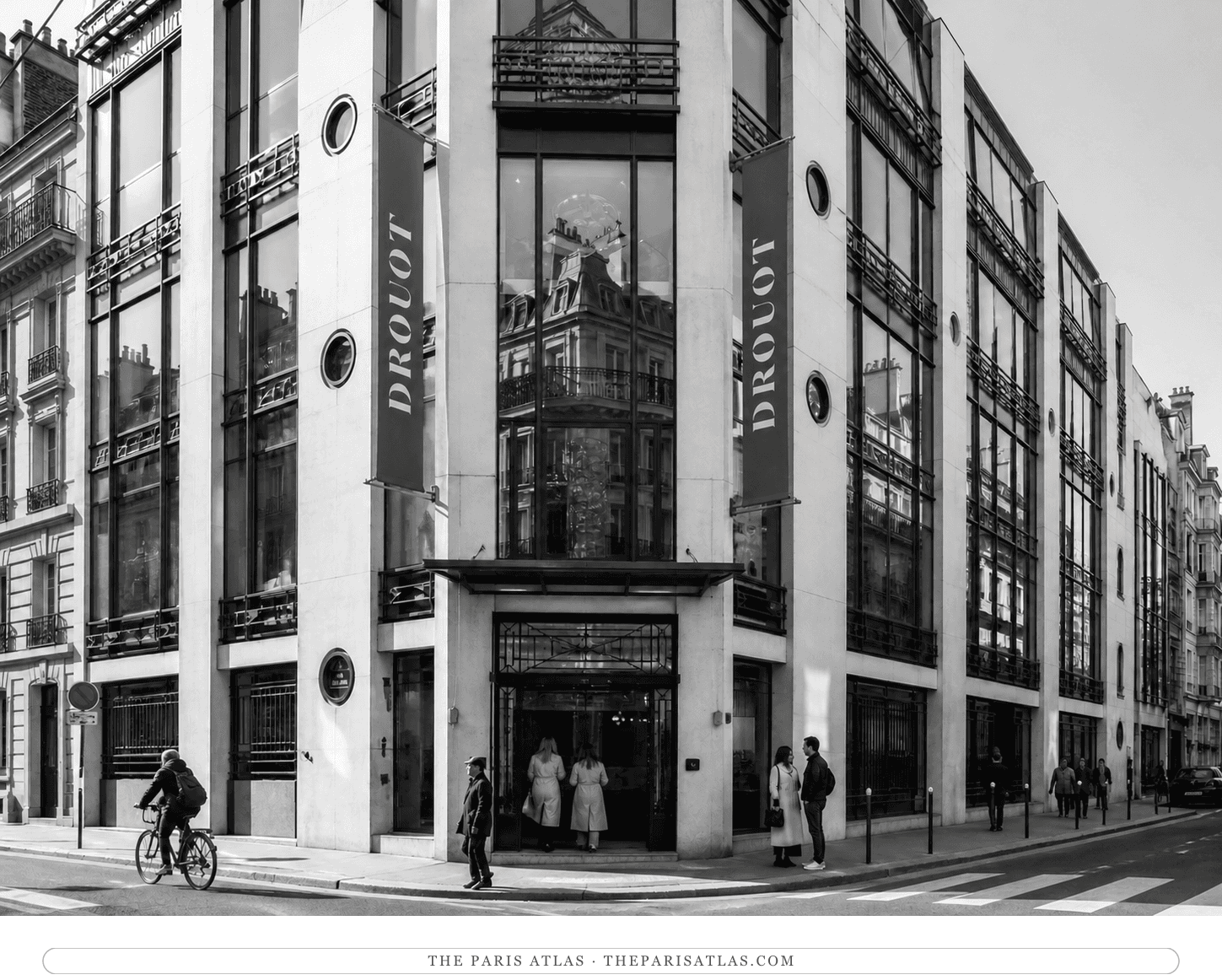
The Paris auction house where Gustave Caillebotte bid on his friends' unsellable pictures to keep prices up and money flowing — and where Paul Gauguin sold thirty of his own paintings to pay for Tahiti.
Visit the placeThe sources below include histories, archival materials, scholarly research, and official records that informed this page. They document 8 rue Saint-Georges, the people connected to it, and its place in Paris.


Web source consulted for documented facts and historical context presented on the 8 rue Saint-Georges page.
Web source consulted for documented facts and historical context presented on the 8 rue Saint-Georges page.
Web source consulted for documented facts and historical context presented on the 8 rue Saint-Georges page.
Web source consulted for documented facts and historical context presented on the 8 rue Saint-Georges page.
These references provide the documented foundation for this page's history and context. Claim-level citations remain attached to the specific claims they support.
 Explore more resources
Newsletter
The cafés, studios, and walk-up flats where the work was made — one story from the map in every letter.