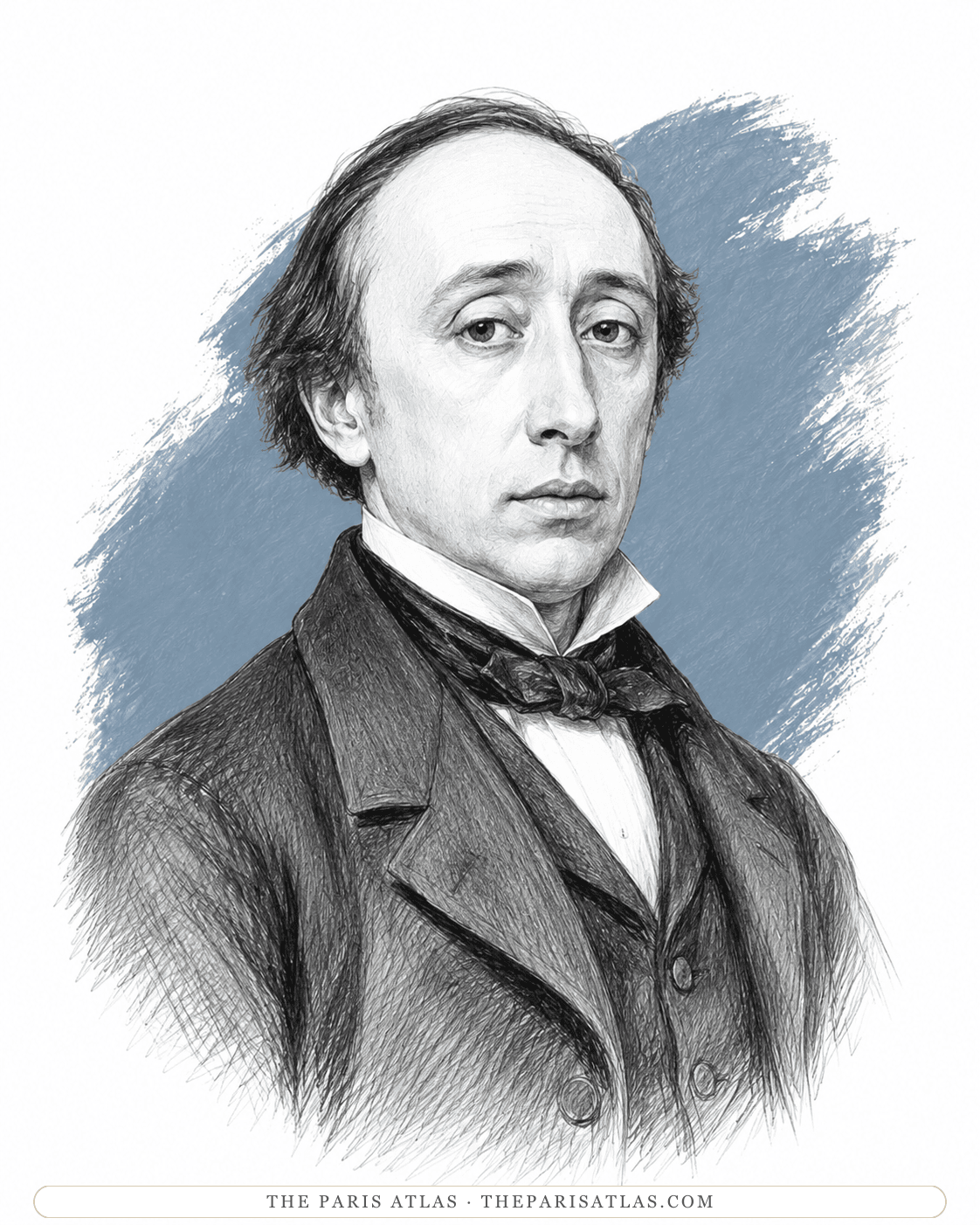
Edgar Degas
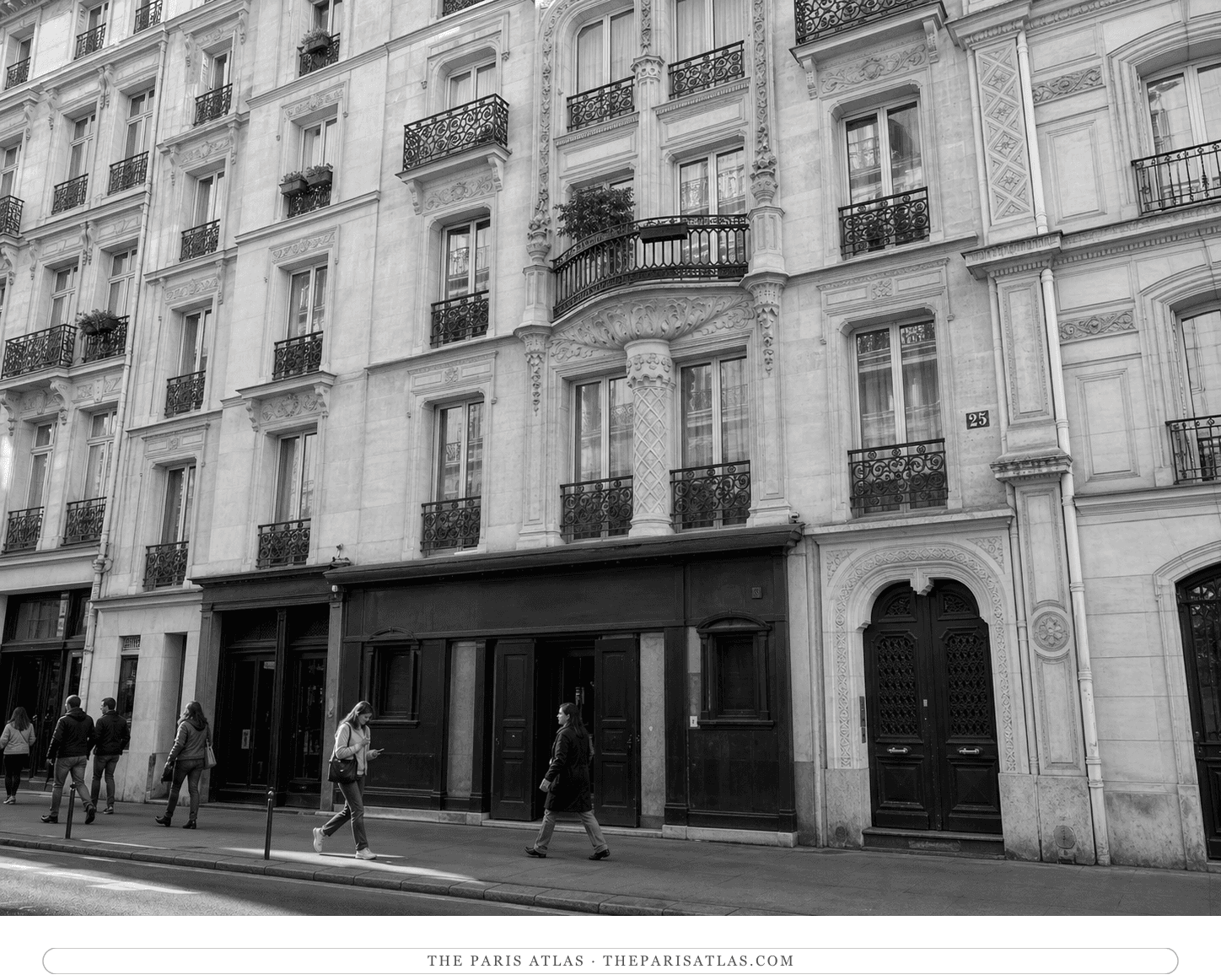
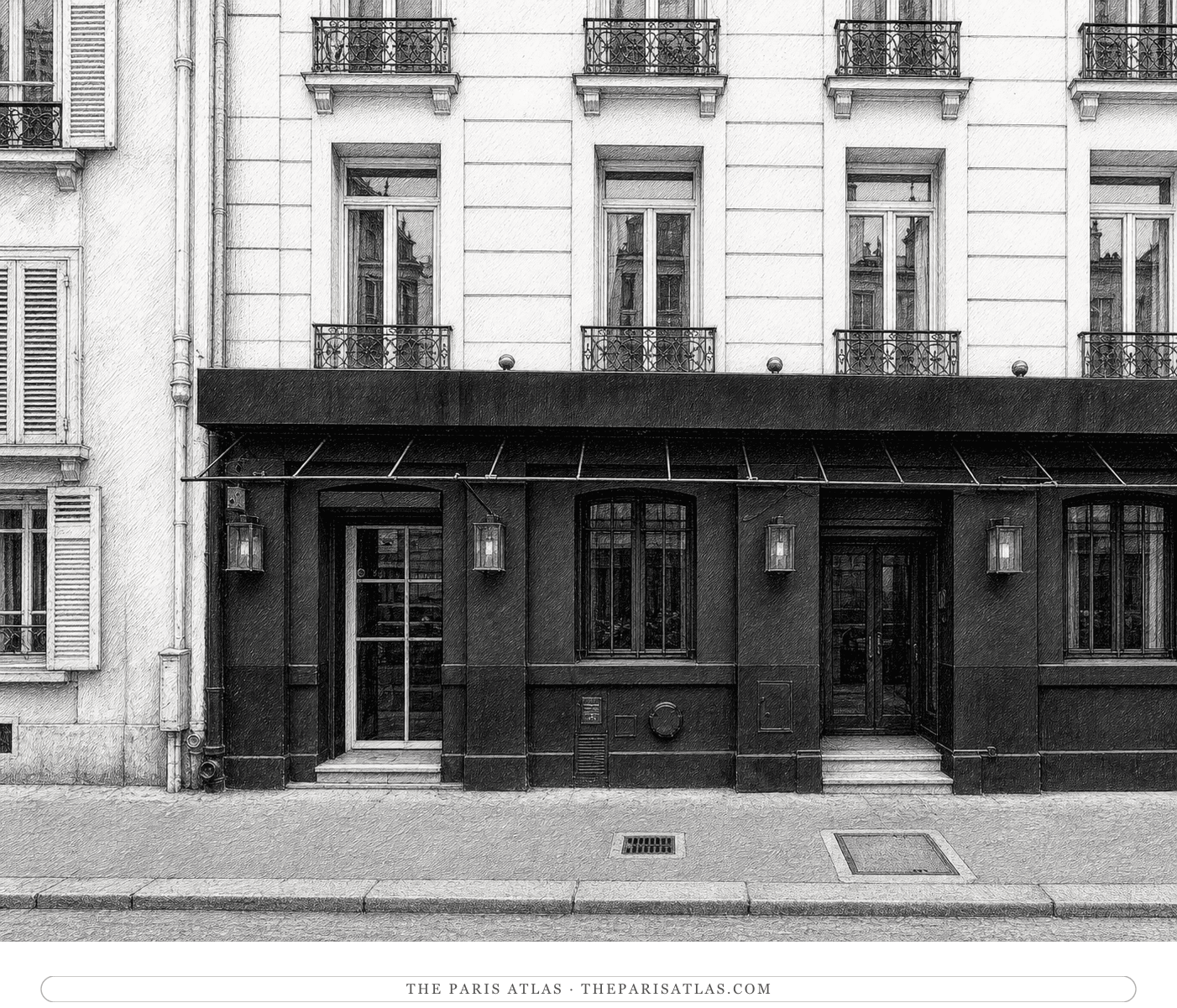
Degas settled at 4 rue Frochot in 1877, using the address as both studio and home. It sits just off the place Pigalle, a few minutes from the Cafe de la Nouvelle Athenes.
The studio and apartment Edgar Degas settled into in 1877 — the year he was showing the ballet and café pictures that made his name, a few steps from the place Pigalle.
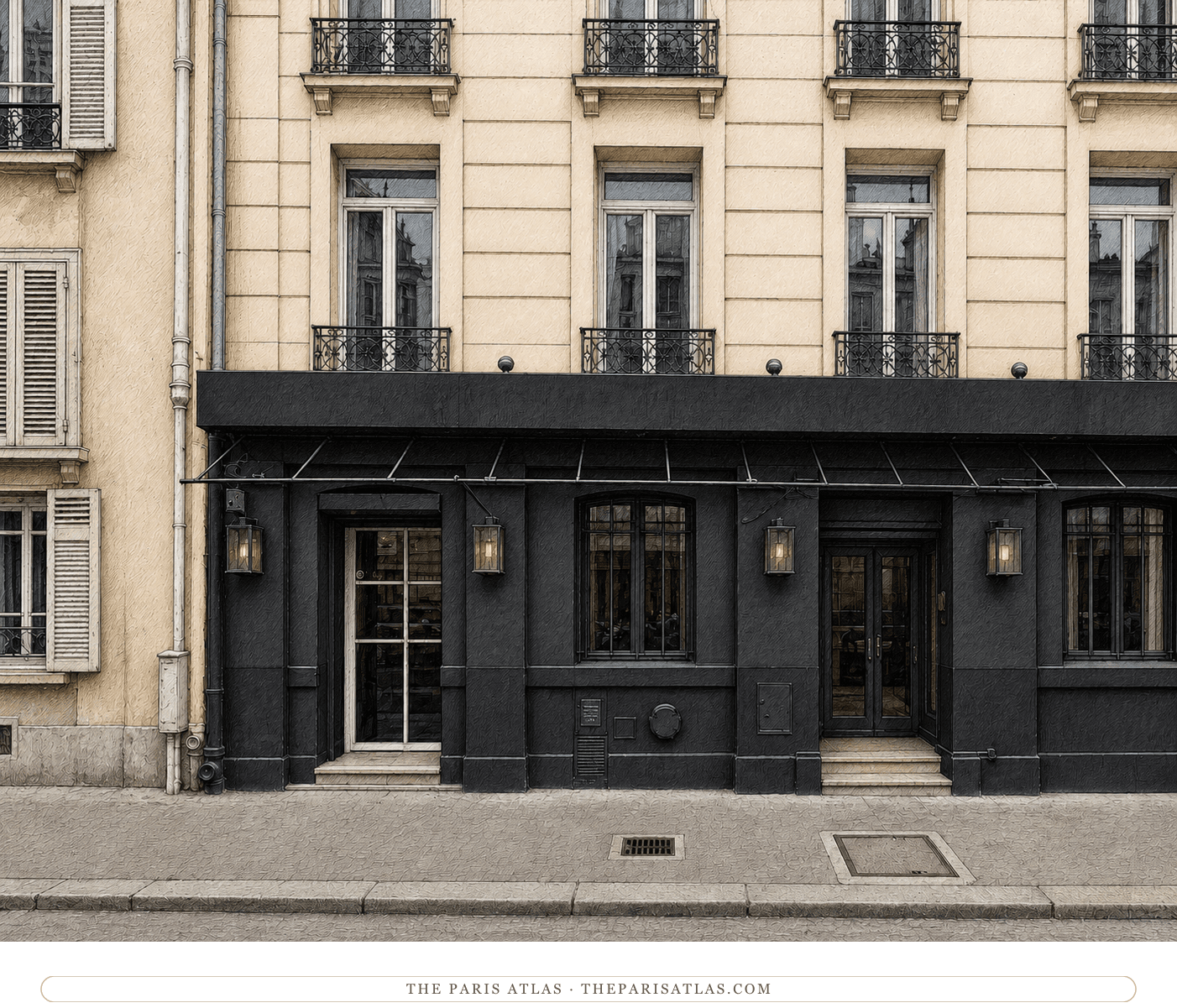
Edgar Degas settled at 4 rue Frochot in 1877. He was forty-three, and this was the address from which he produced a great deal of the work most people now picture when they hear his name: the dancers, the rehearsal rooms, the women at their washing, the singers under gaslight.
The street itself explains a lot about the choice. The rue Frochot runs up from the place Pigalle, which by the 1870s was the working centre of artistic Paris — models touting for hire in the square, colourmen and framers along the streets, and the cafés where the painters argued. The Café de la Nouvelle Athènes was two minutes away. So were most of the people Degas was willing to talk to.
It also sat conveniently between his two subjects. The Opera was downhill to the south; the cafés-concerts and the laundries and the cheap theatres were all around him. Degas was a painter of interiors lit by artificial light, and the rue Frochot put him in the middle of a quarter full of them.
He moved on eventually to a larger studio on the rue Victor-Massé, a few streets away, where he stayed for the rest of his working life.
Degas settles at 4 rue Frochot.
He is forced to leave his later studio on the rue Victor-Massé.
He settled at the address in 1877, at the age of forty-three.
No. It is a private building; only the façade is visible from the street.
The place Pigalle is at the foot of the street, and the site of the Café de la Nouvelle Athènes, where Degas drank with Manet and their circle, is a two-minute walk away.
Degas settled at 4 rue Frochot in 1877, using the address as both studio and home. It sits just off the place Pigalle, a few minutes from the Cafe de la Nouvelle Athenes.
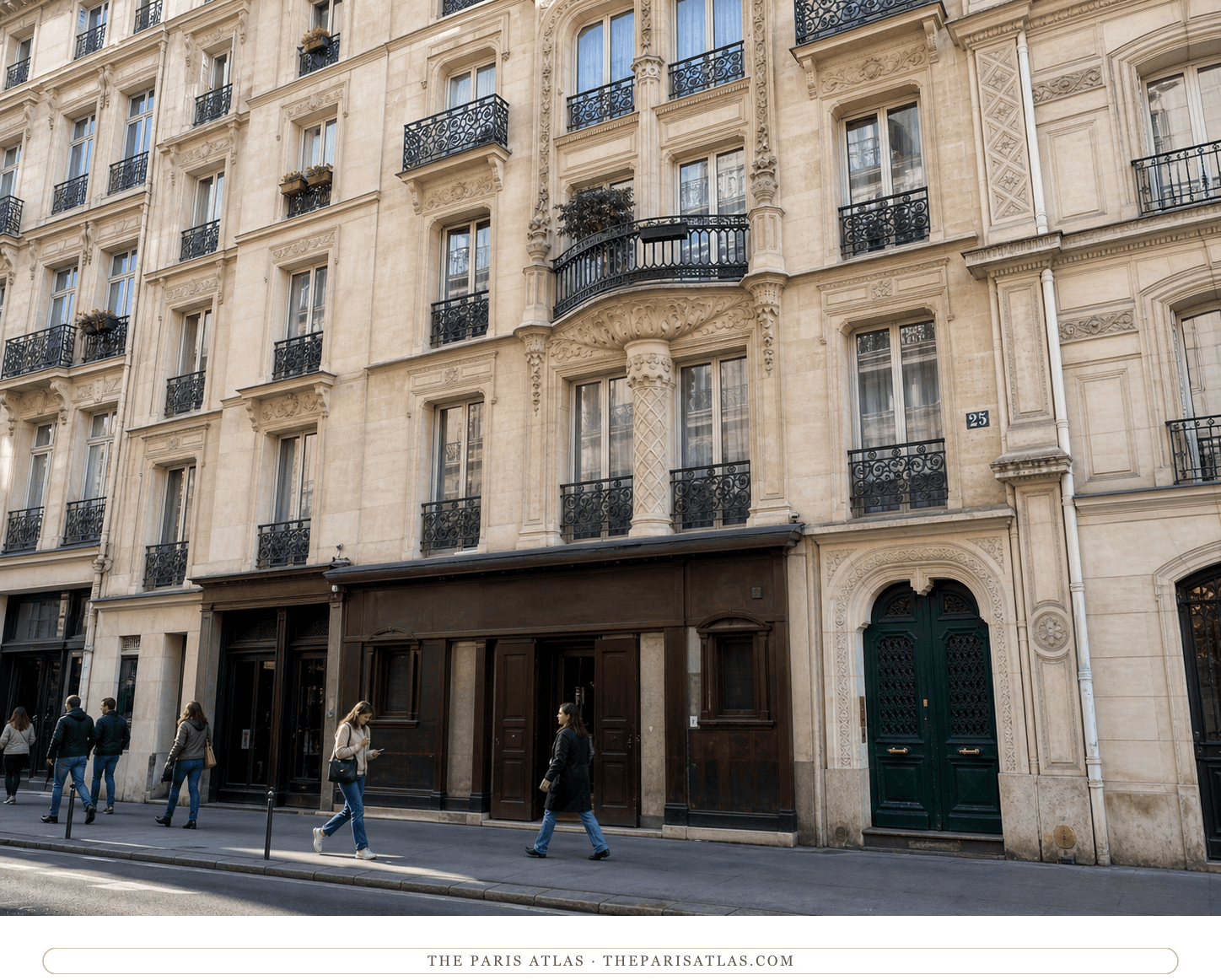
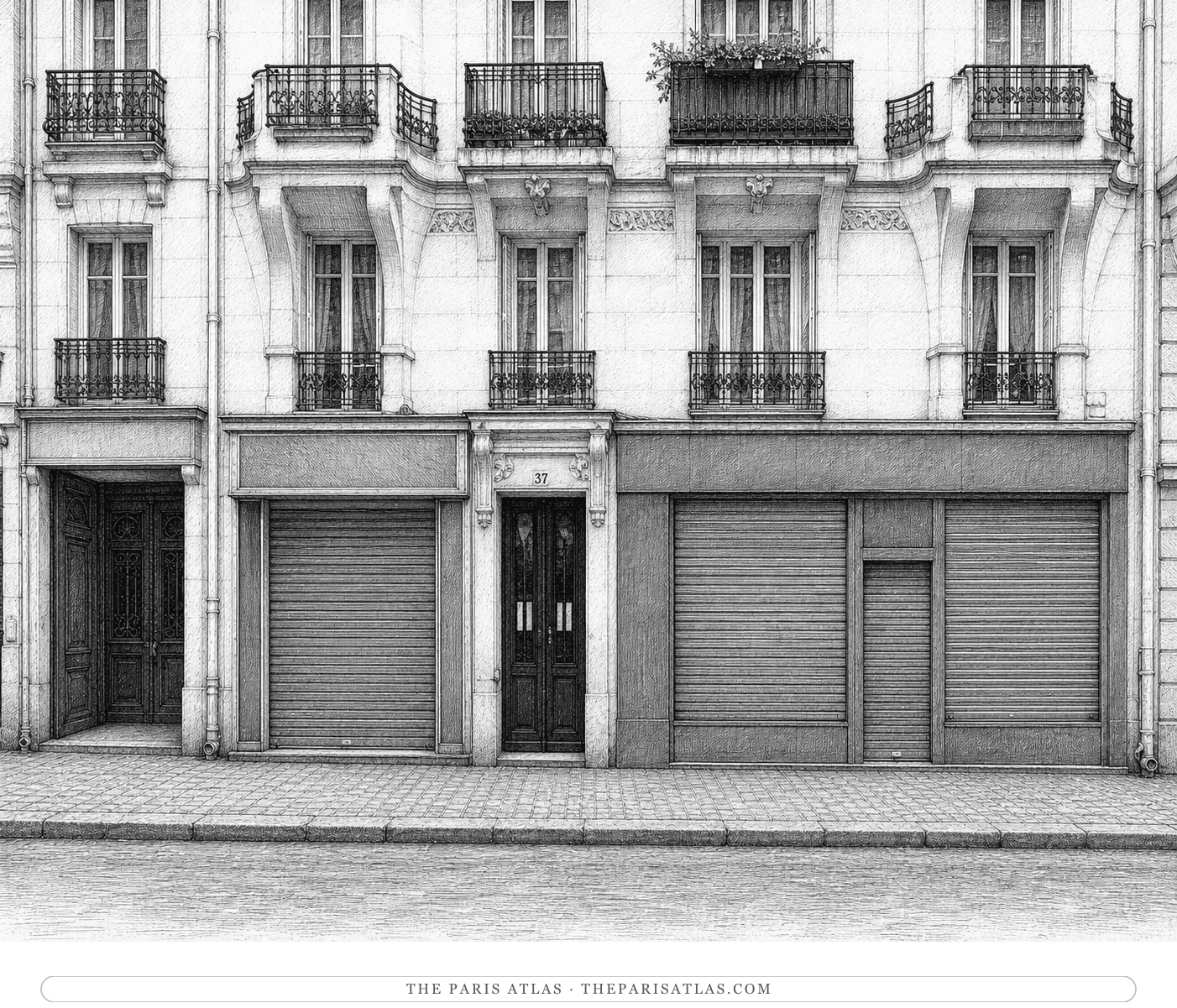
Theo van Gogh's small flat, where Vincent turned up unannounced from Antwerp in March 1886. It was too cramped to paint in, which is why the brothers moved to the rue Lepic three months later.
Visit the place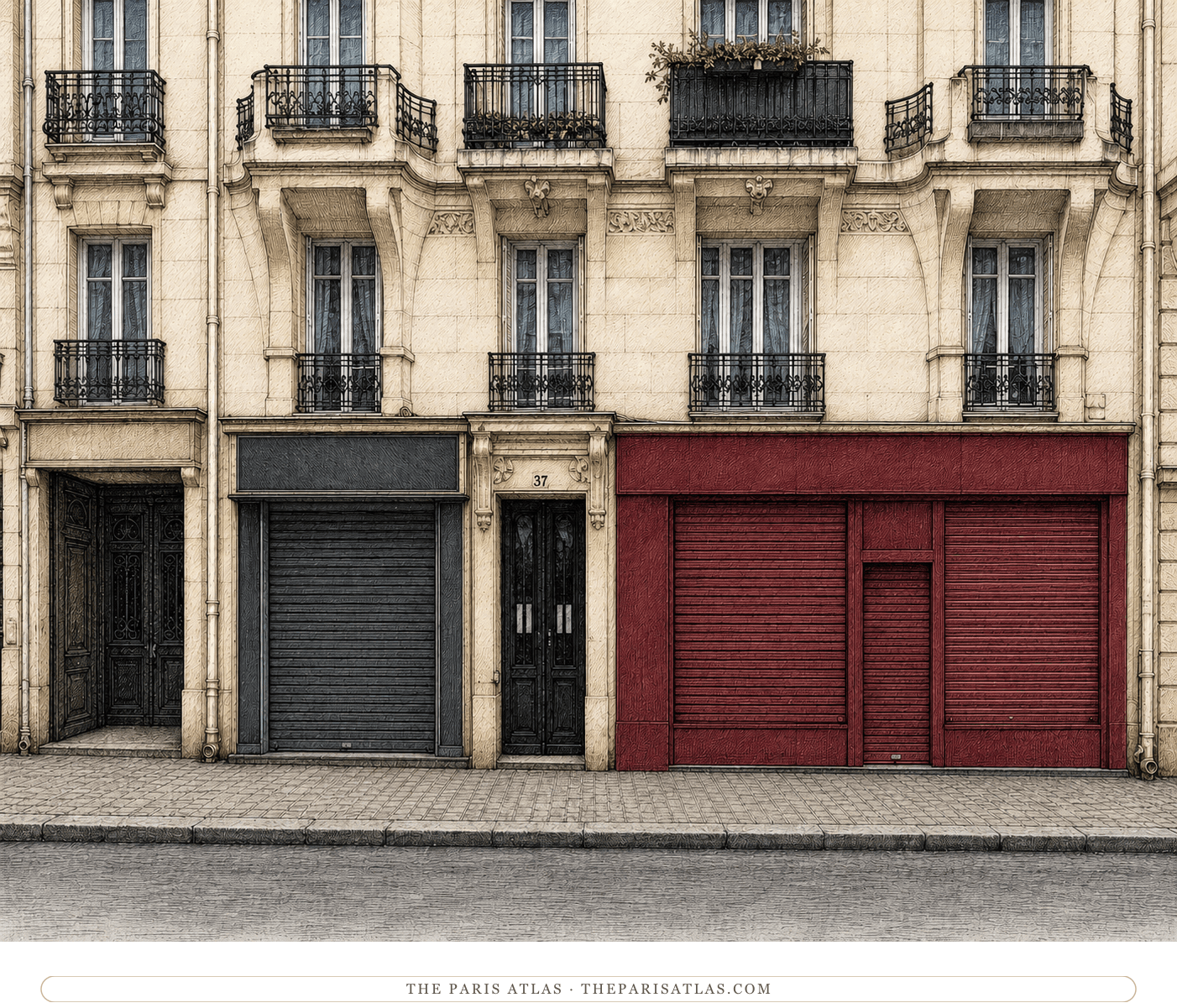
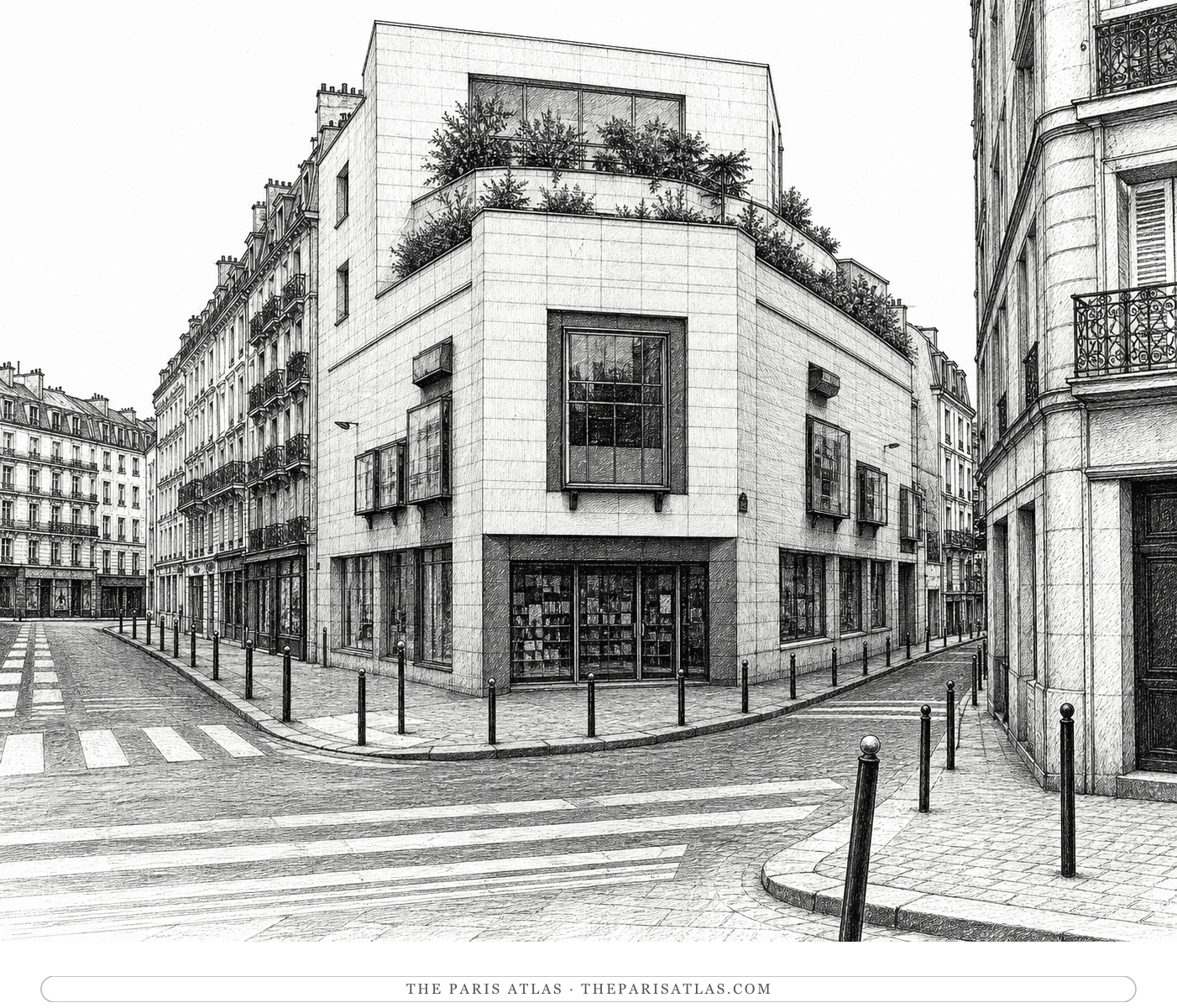
The apartment and studio where Edgar Degas worked for the last quarter-century of his career, on a street then called the rue de Laval. Paul Valéry was brought here to meet him in 1896. Degas was evicted in 1912 and never really worked again.
Visit the place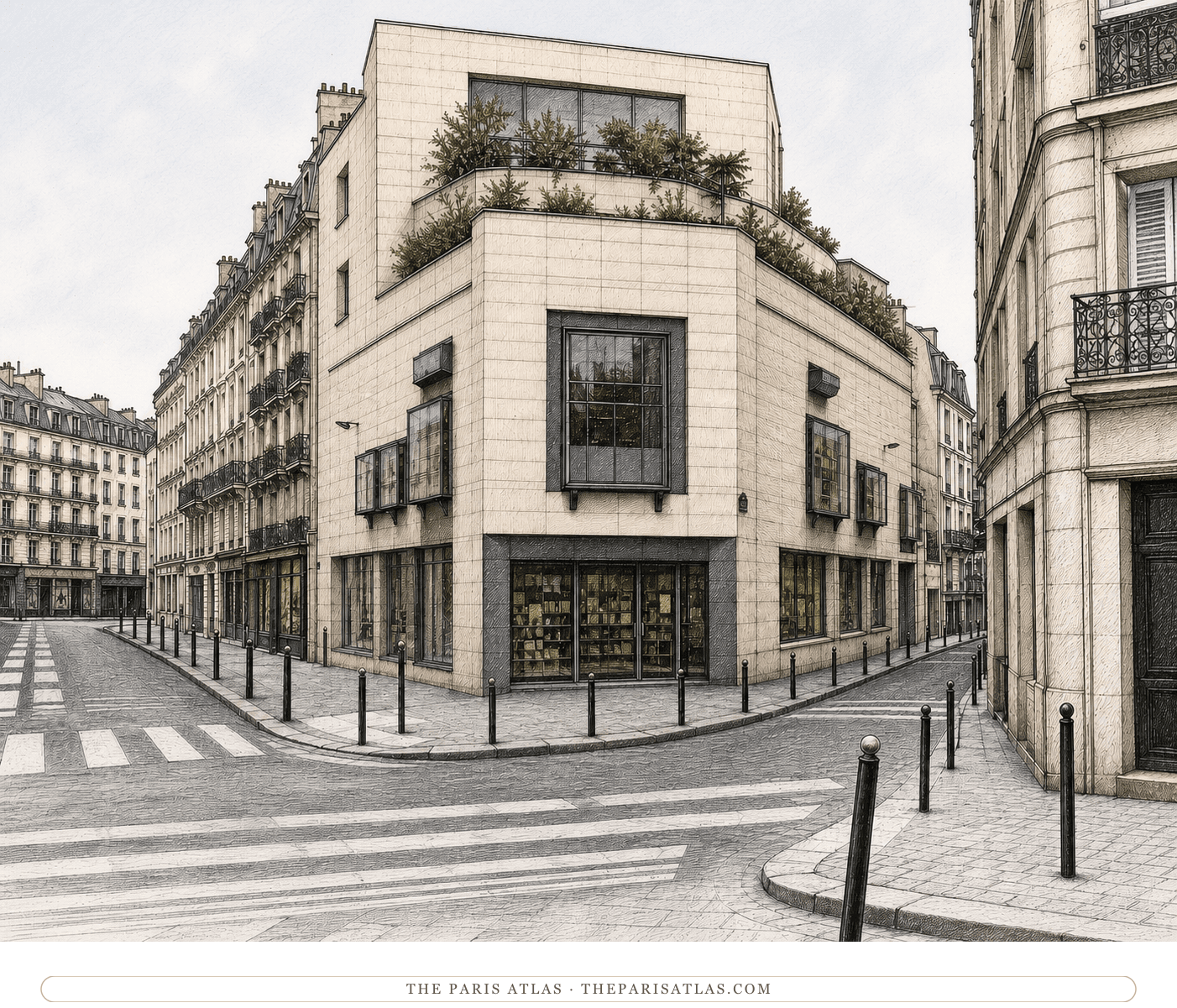
The café on the place Pigalle that took over from the Guerbois as the meeting place of Manet, Degas and their circle in the 1870s — and the room behind the painting usually called L'Absinthe.
Visit the place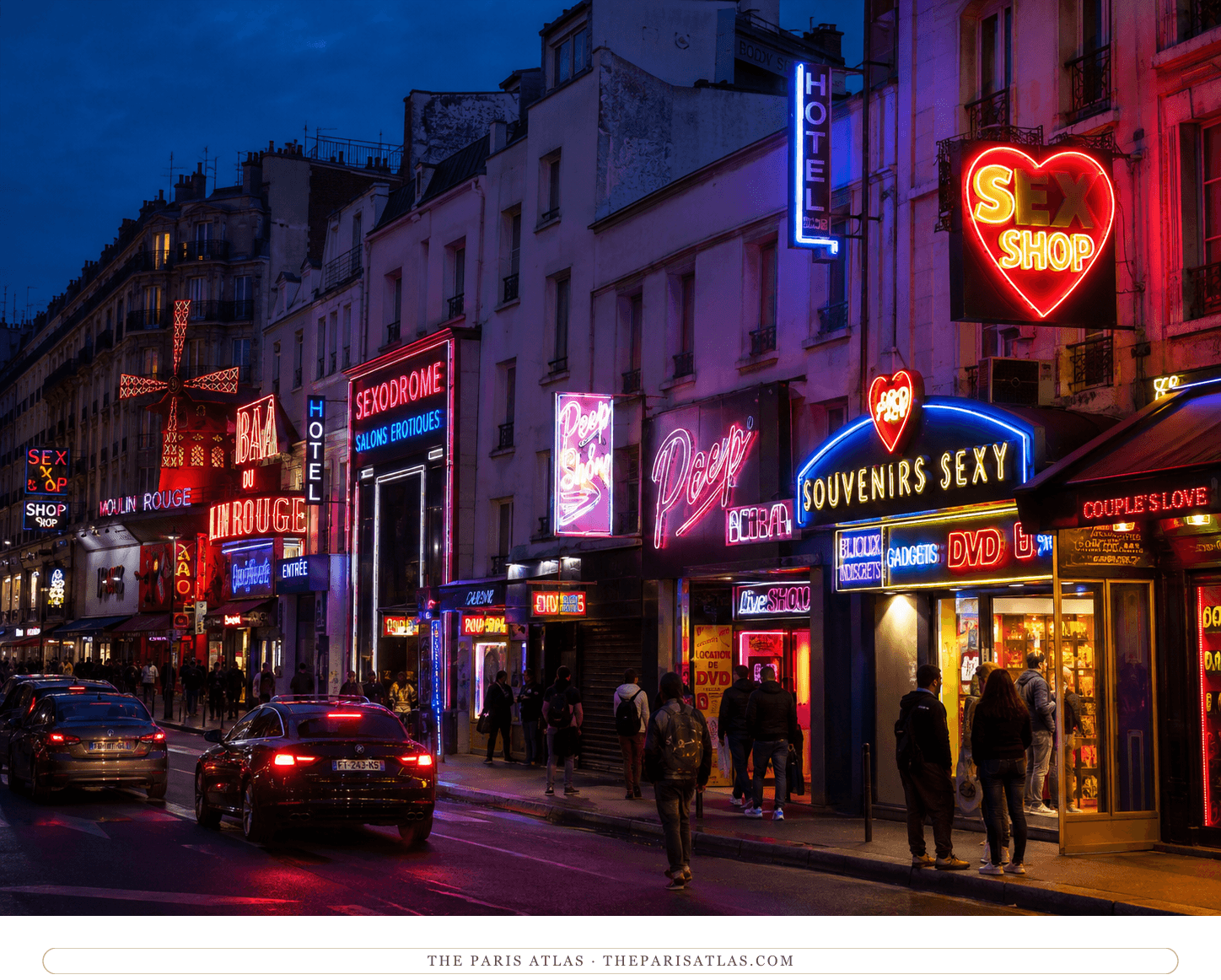
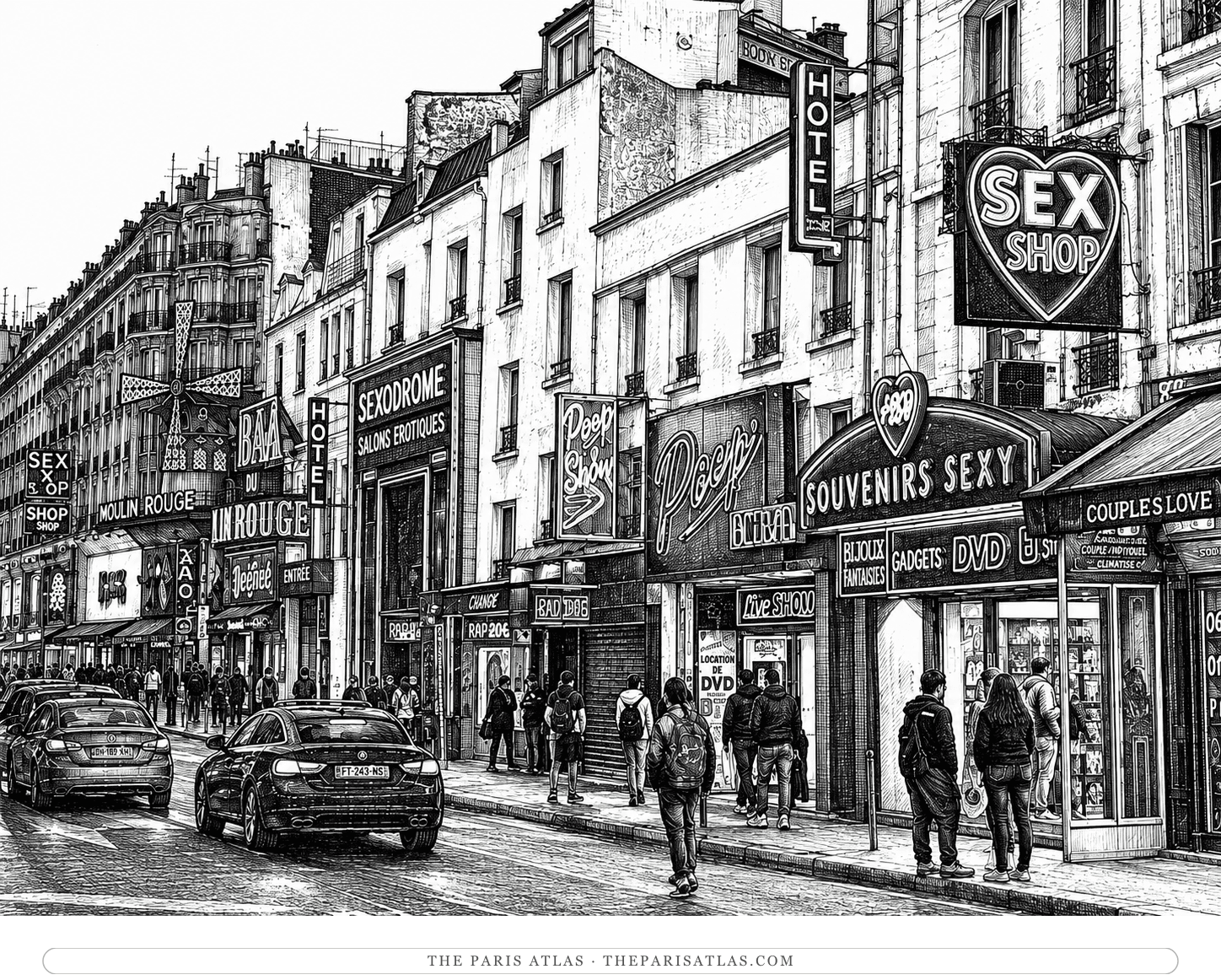
The strip along the boulevard de Clichy below Montmartre, where the studios and the cabarets shared a pavement until only the second kind was left.
Visit the placeThe sources below include histories, archival materials, scholarly research, and official records that informed this page. They document 4 rue Frochot, the people connected to it, and its place in Paris.

Web source consulted for documented facts and historical context presented on the 4 rue Frochot page.
Web source consulted for documented facts and historical context presented on the 4 rue Frochot page.
Web source consulted for documented facts and historical context presented on the 4 rue Frochot page.
Web source consulted for documented facts and historical context presented on the 4 rue Frochot page.
These references provide the documented foundation for this page's history and context. Claim-level citations remain attached to the specific claims they support.
 Explore more resources
Newsletter
The cafés, studios, and walk-up flats where the work was made — one story from the map in every letter.