The place, briefly
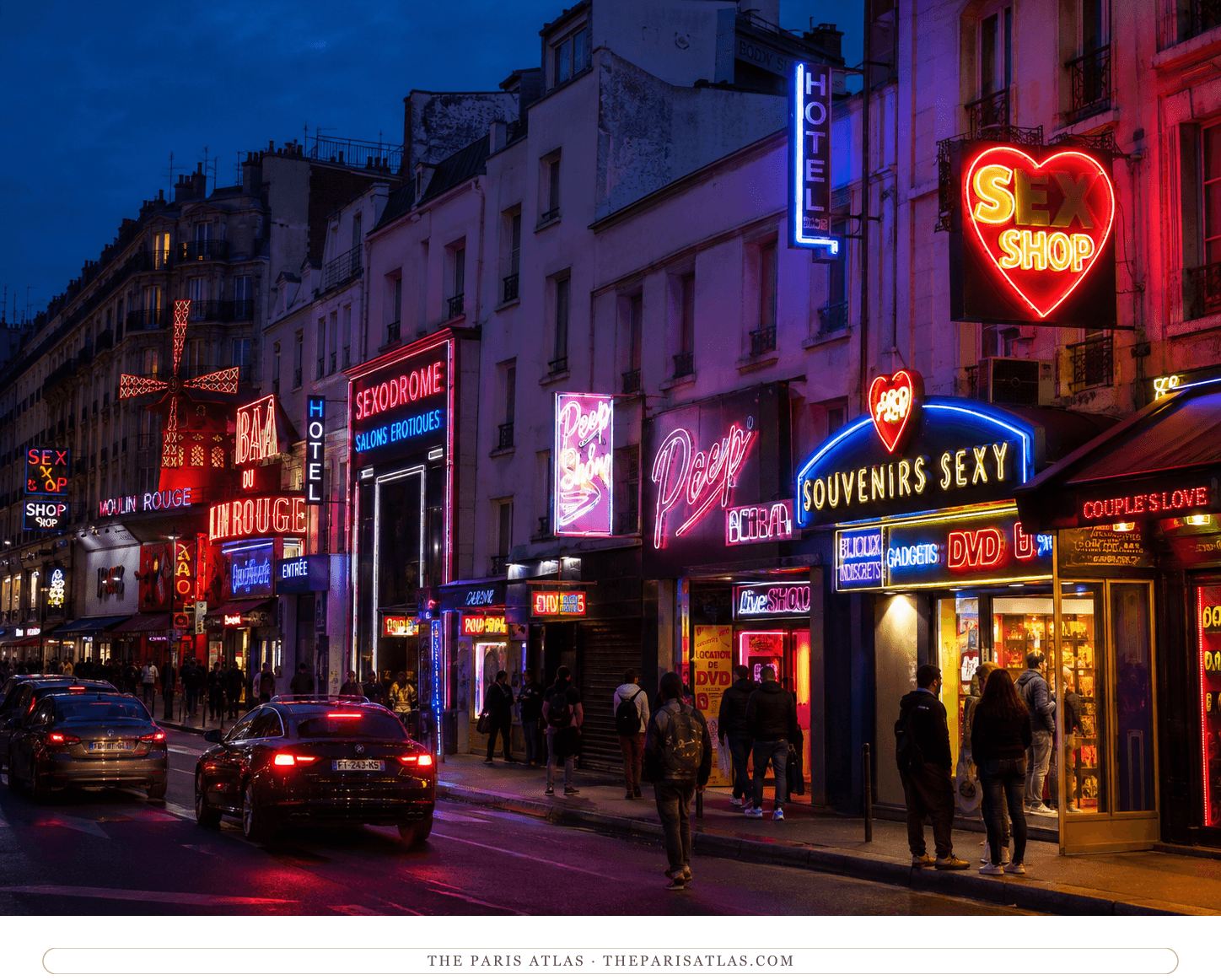
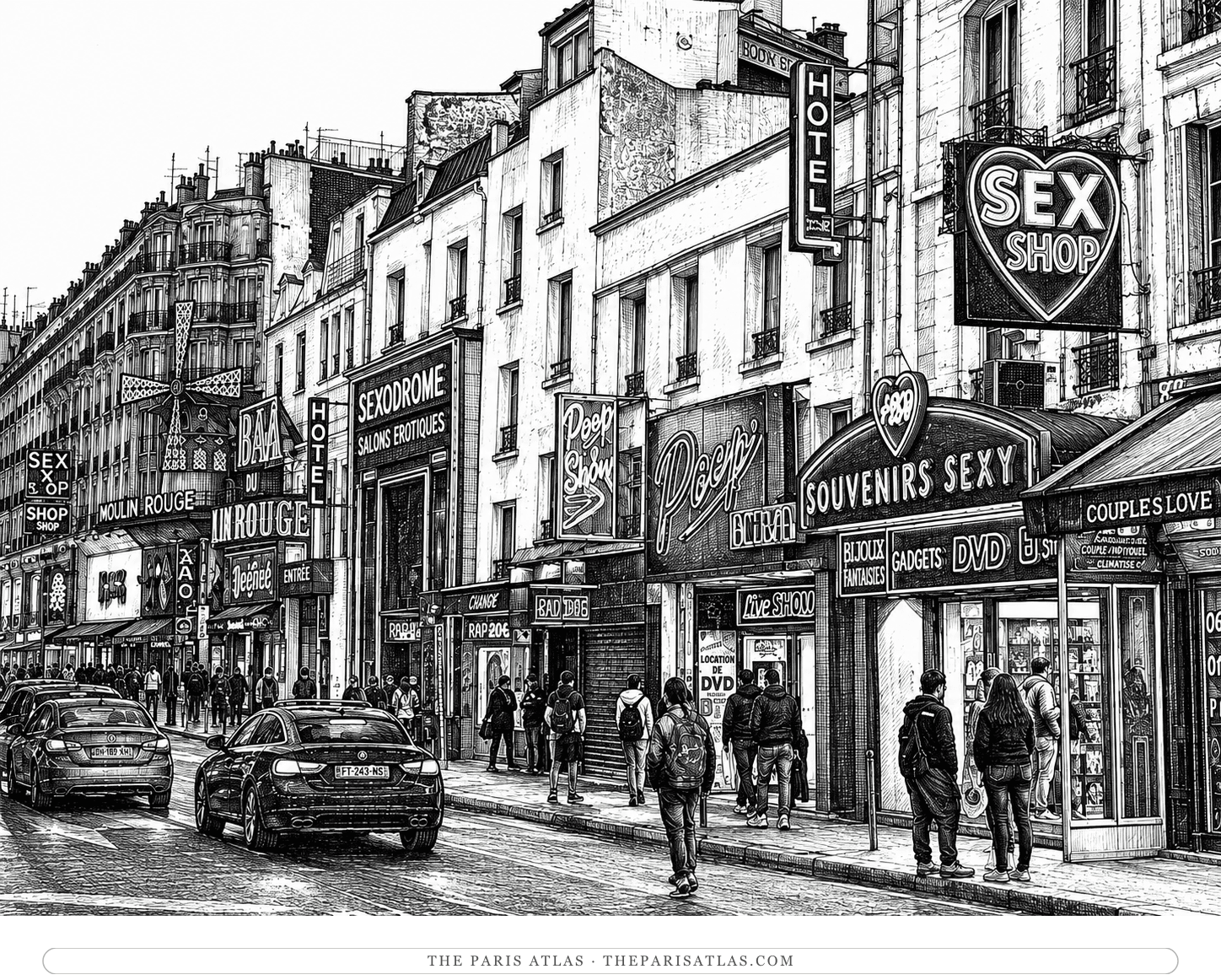
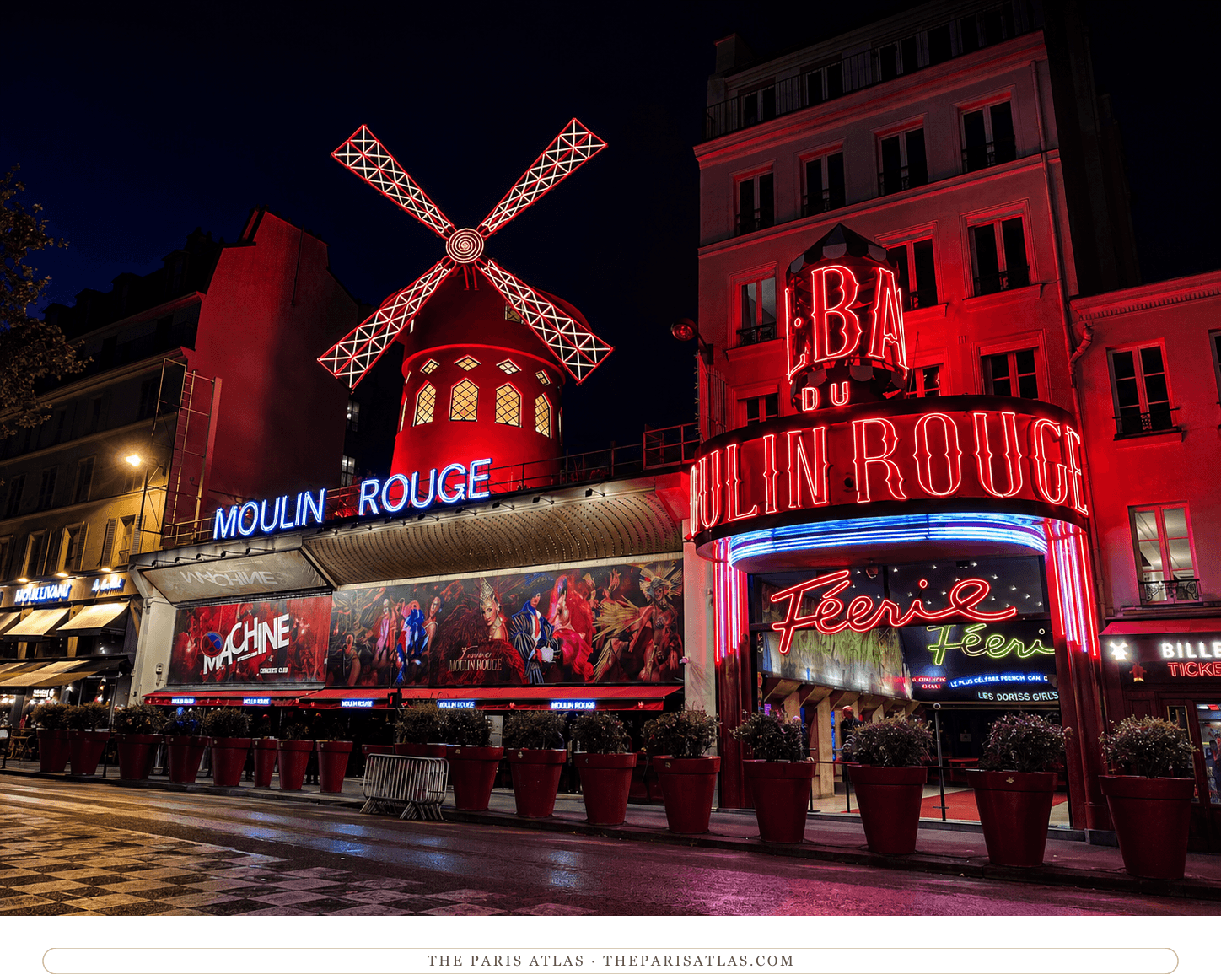
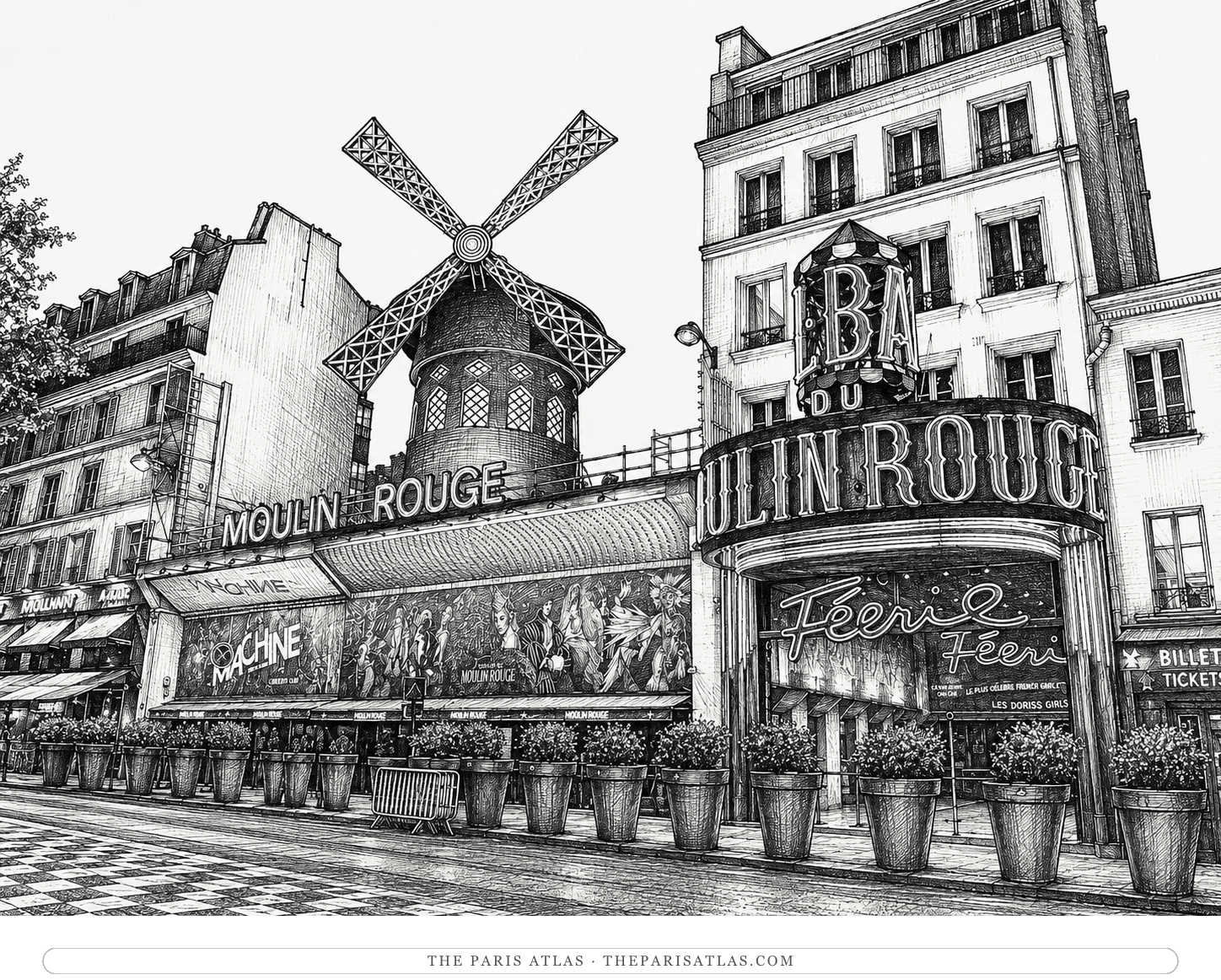
Pigalle sells what it advertises, and has for about a hundred and forty years. The boulevard de Clichy runs along the bottom of the Montmartre hill, and the neon on it is the most honest signage in Paris: sex shops, peep shows, the Moulin Rouge with its red sails turning over the traffic.
It was not built for that. The square is named for Jean-Baptiste Pigalle, an eighteenth-century sculptor, and through the nineteenth century the quarter was where artists actually lived and worked, because the hill was outside the city's customs wall and therefore cheap and lightly policed. Degas worked here. So did Toulouse-Lautrec, whose posters for the Moulin Rouge are the reason most people can picture a cabaret of the 1890s at all. Painters, models, dancers and the men who paid to watch them all used the same few hundred metres, and the quarter's reputation was made out of that overlap rather than out of vice alone.
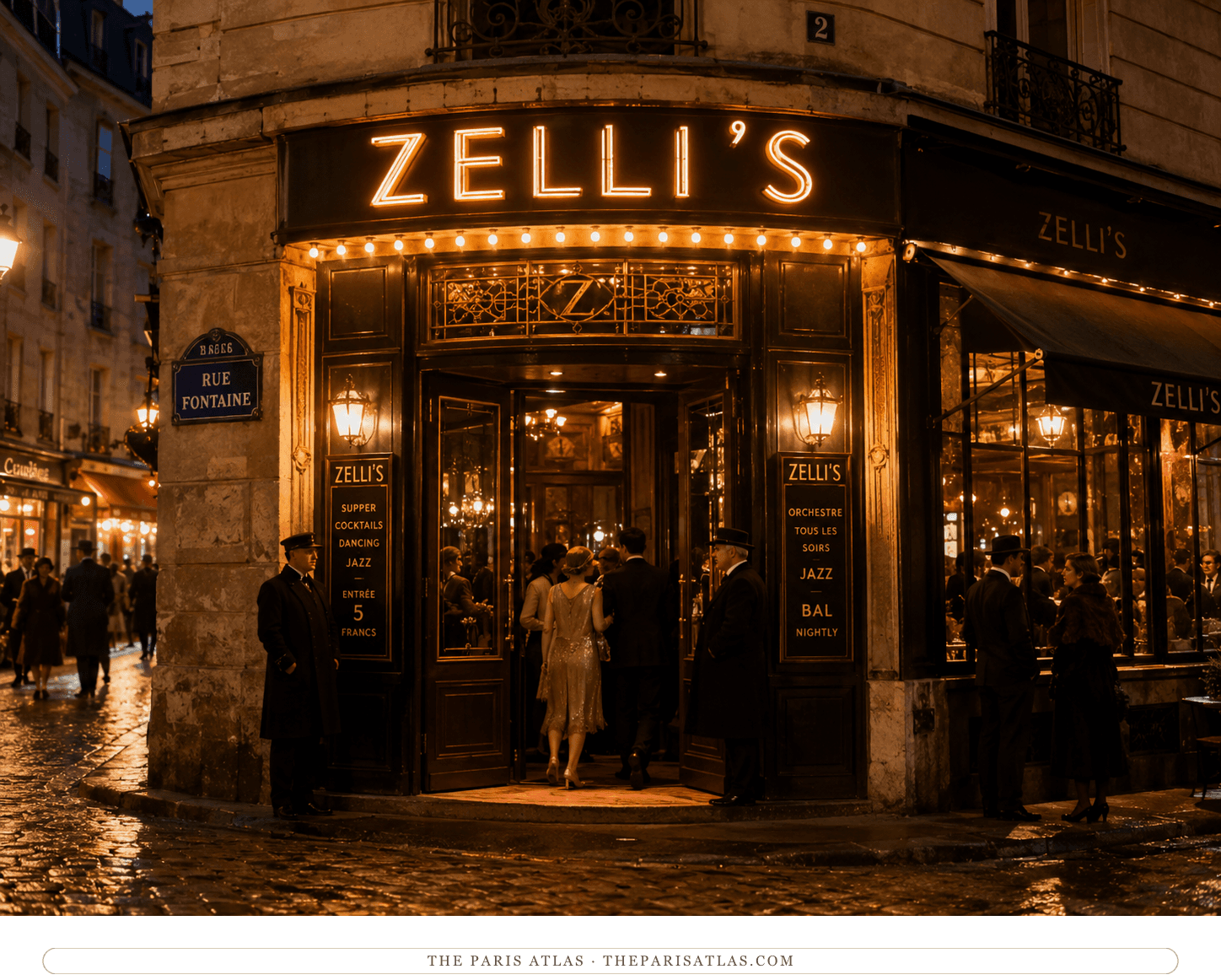
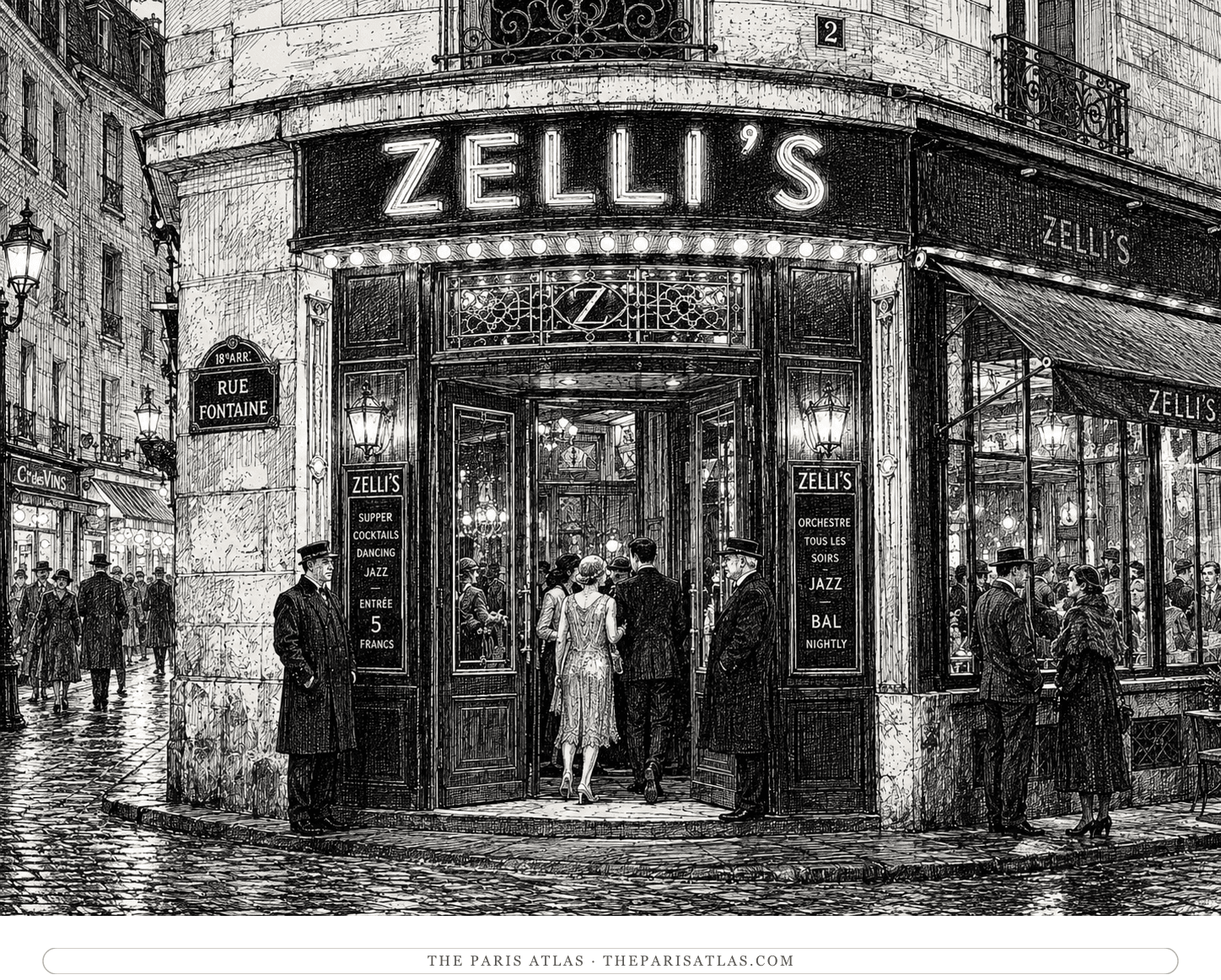
The Moulin Rouge opened in 1889 and industrialised the thing. Zelli's, a few streets away, did the same for the 1920s, when Montmartre's jazz clubs pulled in Americans with money and an appetite for a version of Paris they had read about. Both stand on the same short stretch of boulevard.
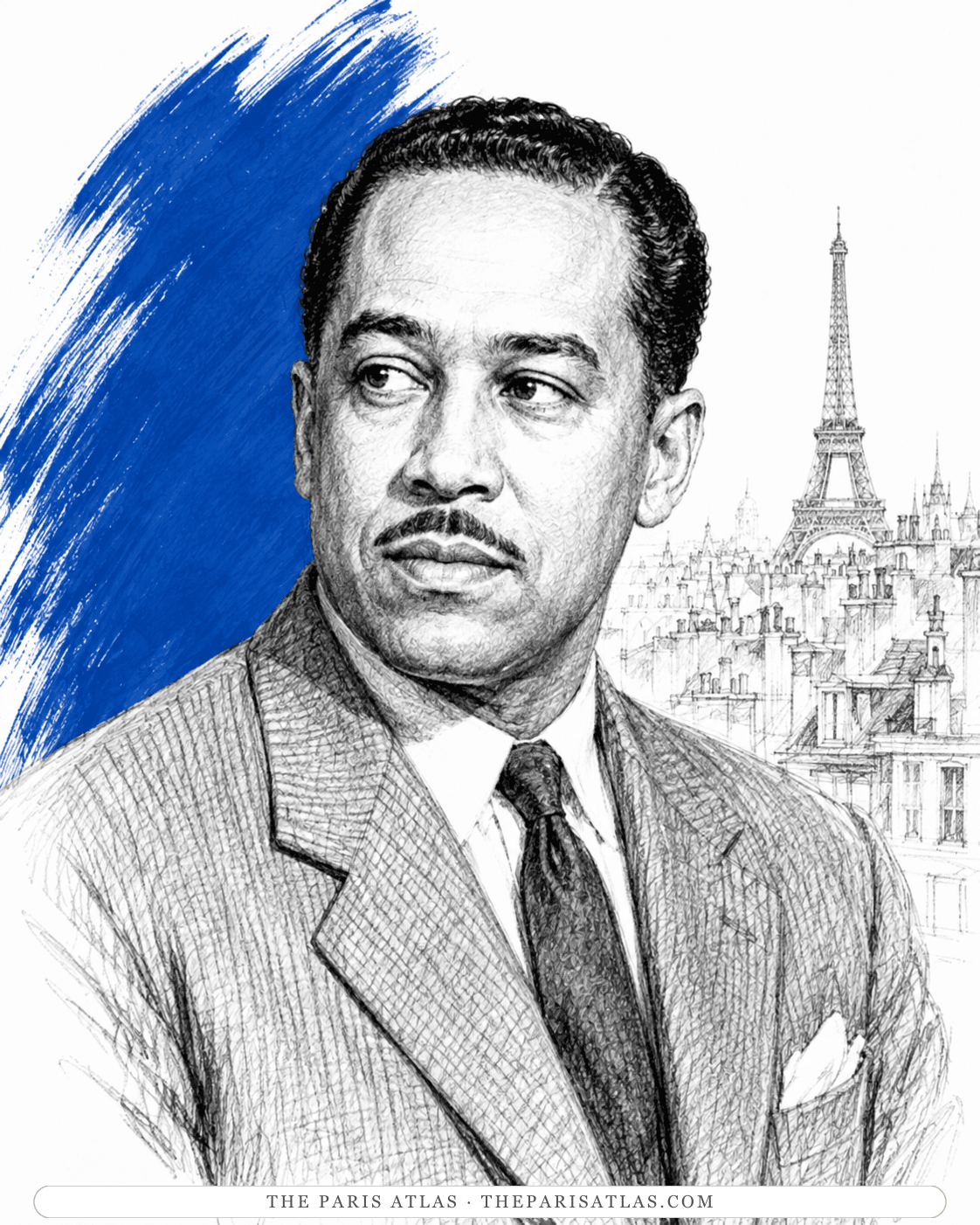
Langston Hughes knew that 1920s Pigalle from both sides of the door. Before he found work at Le Grand Duc, he and a dancer named Sonya spent one suddenly flush morning getting a haircut, shoe shine and manicure, then ate lunch at an unnamed café on Place Pigalle. They went to a movie and returned uphill at dusk to the Flea Pit. Hughes never names the café, so the honest map point is the square rather than a guessed surviving business.[1]
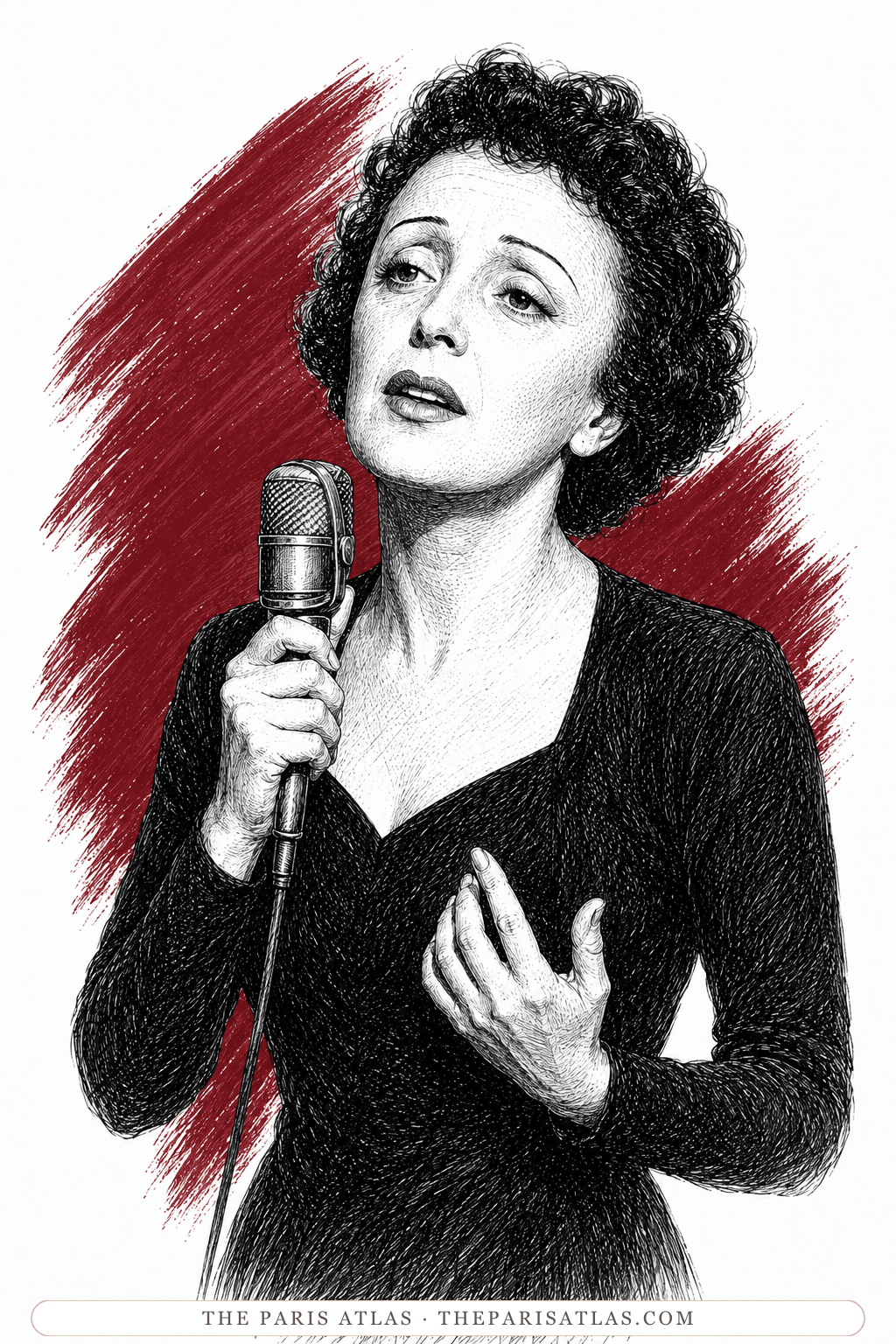
Édith Piaf came up through these streets. She was born in Belleville, sang for coins on pavements across northern Paris, and was working the Pigalle end of the trade when Louis Leplée heard her in 1935 and put her on a stage. The nickname he gave her — la Môme Piaf, the little sparrow — is what she recorded under for the rest of her life.[2]
The artists left, as they left Montmartre and later Montparnasse, once the rent caught up with the reputation. What stayed was the commerce. For most of the twentieth century that meant a quarter that the guidebooks handled with tongs and the city left alone, and the change since the 2000s has been a slow, partial gentrification — cocktail bars and record shops along the rue des Martyrs, the neon still burning two streets north.
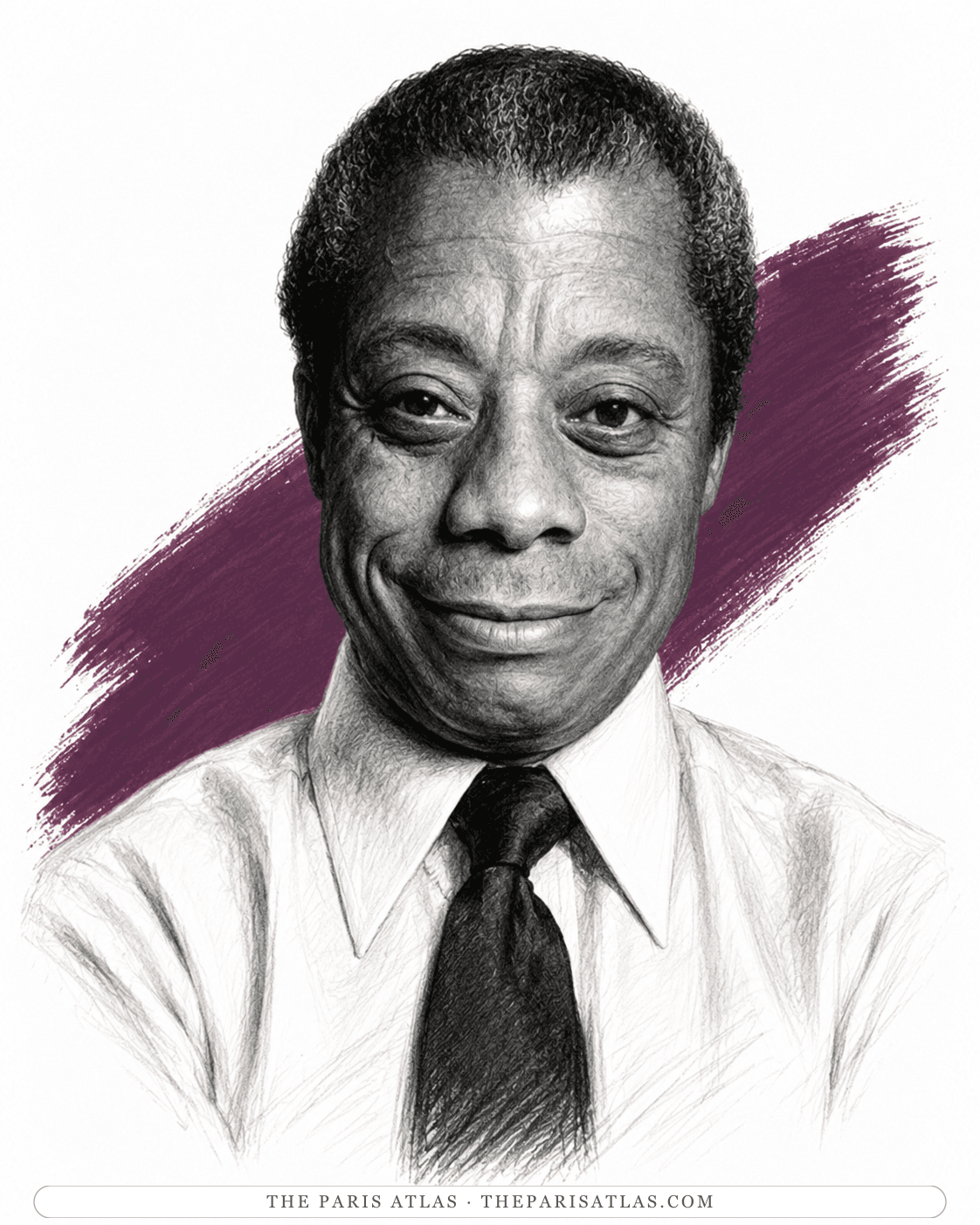
James Baldwin came up here for the music. Writing in Esquire in 1961, looking back at his first Paris years, he listed the things he remembered fondly and put this quarter among them: the days when we walked through Les Halles singing, loving every inch of France and loving each other, and the jam sessions in Pigalle. Montmartre had been the centre of jazz in Paris since the 1920s, and the late sessions on this hill were where the American musicians and the American writers overlapped.[3]
Giovanni's Room does not come here, though. The novel never mentions Pigalle, Clichy or Montmartre, and the world it describes was on the Left Bank: the gay Paris Baldwin drank in was in Saint-Germain, a few hundred metres of boulevard on the other side of the river. The two nightlife economies ran in parallel and did not much mix. What Baldwin got from this hill was the music, and he kept it out of the book.[4]
That is worth being exact about, because the novel does contain the scene a red-light district would seem to own. In the second part, David gets the letter saying Hella is coming back to Paris. His fear of being known by Giovanni throws him into panic and he flees to Montparnasse. Baldwin puts it without decoration: his real fear was buried and was driving him to Montparnasse, and he wanted to find a girl, any girl at all. He walks down Raspail, drinks alone at the Closerie des Lilas, comes back up the boulevard past two French prostitutes he decides he can do better than, and ends the night at the Sélect, where he picks up an American girl called Sue and goes home with her to the rue de Sèvres.[4]
One imagines him instead under the flashing neon of the northern red-light district, because everything in the scene belongs to it: the bars, the transactional nature of the streets, the sensory overload that would answer the state of his mind. He is doing what this quarter sells. He seeks out an anonymous encounter with a woman, hoping that a conventional act of lust will overwrite his love for Giovanni, and the boulevard de Clichy is where a reader expects to find a man doing that. Baldwin set it three kilometres south instead, among the literary cafés, where nobody is prepared for it.
Pigalle's own story is the older one: a quarter where art and its market shared an address until only the market was left.





 View source