
Recalled in the memoir
The Big Sea
Hughes says he moved to another attic chamber on the Street of the Three Brothers, high on the hill toward Sacré-Cœur, without giving a number.
A freely walkable nineteenth-century Montmartre street of slopes, cobbles and apartment façades, and the deliberately imprecise location of Langston Hughes's second Paris attic in 1924.
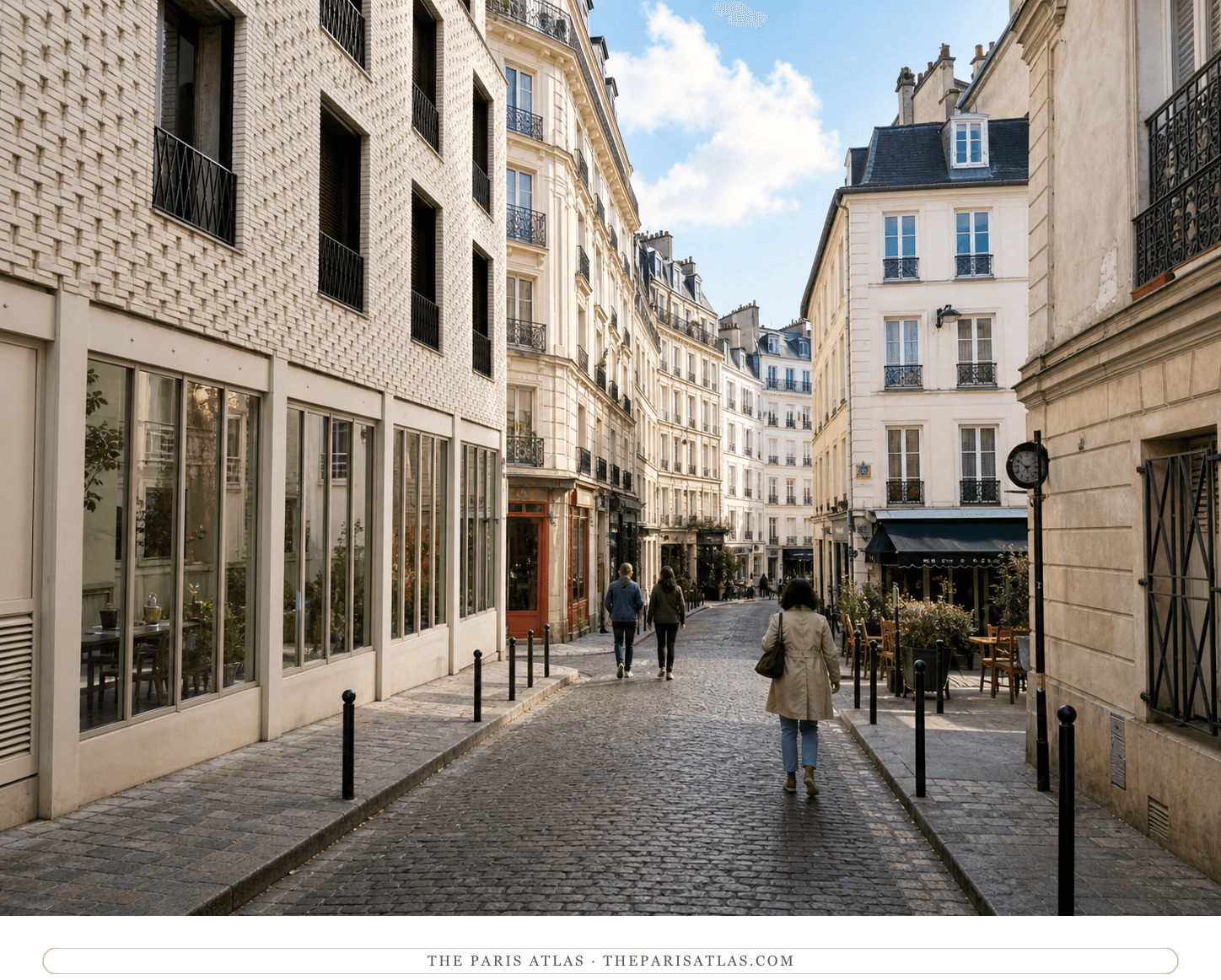
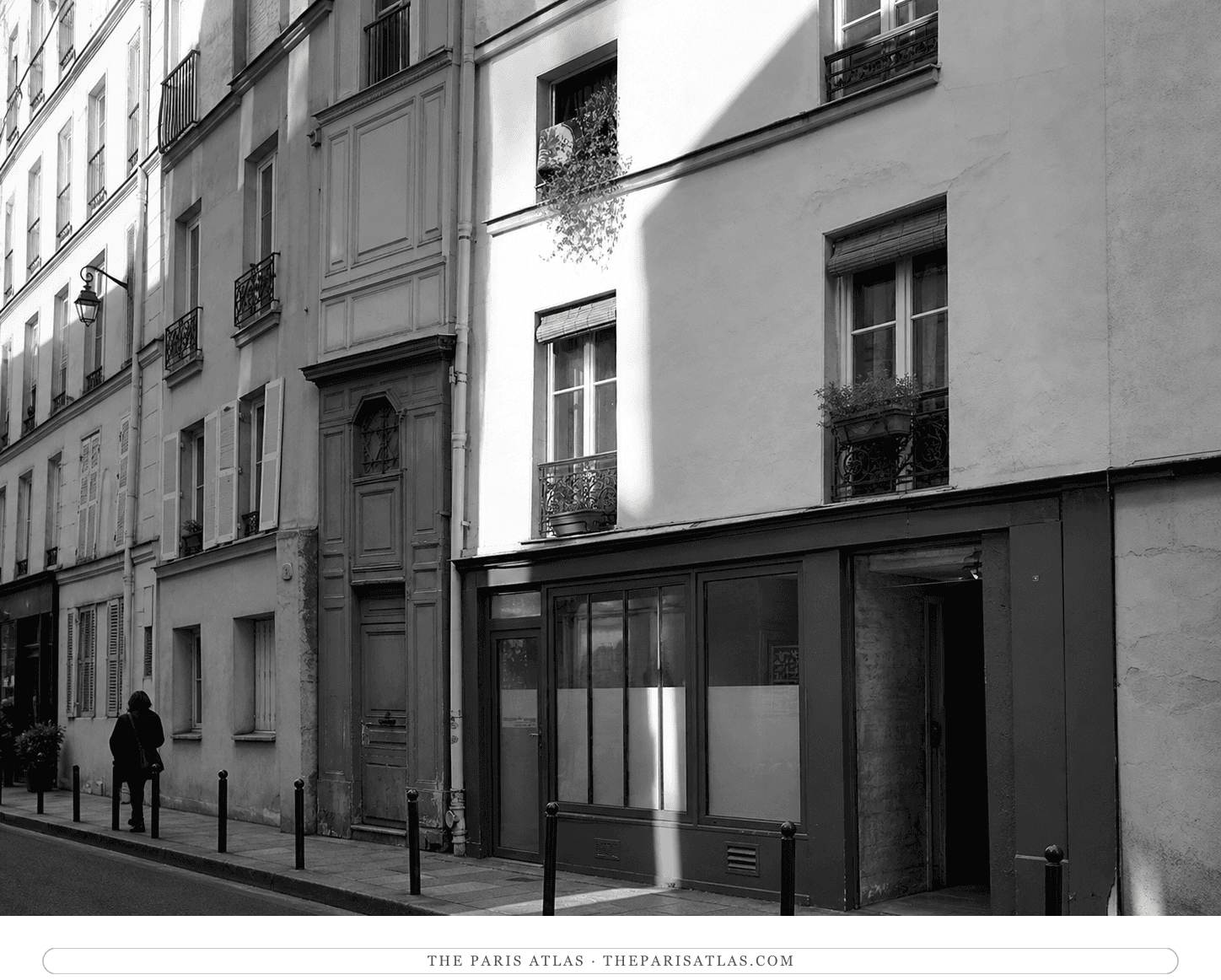
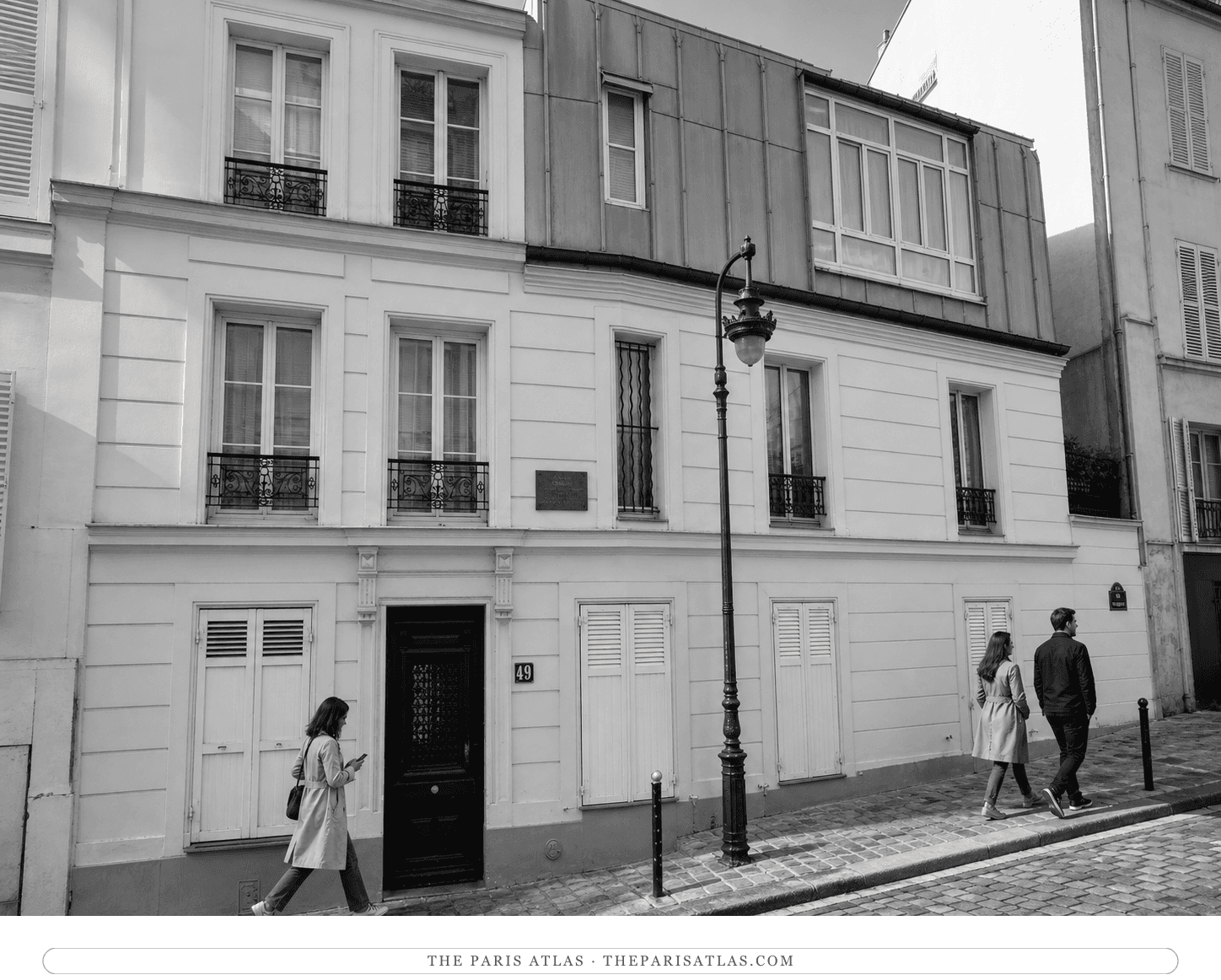
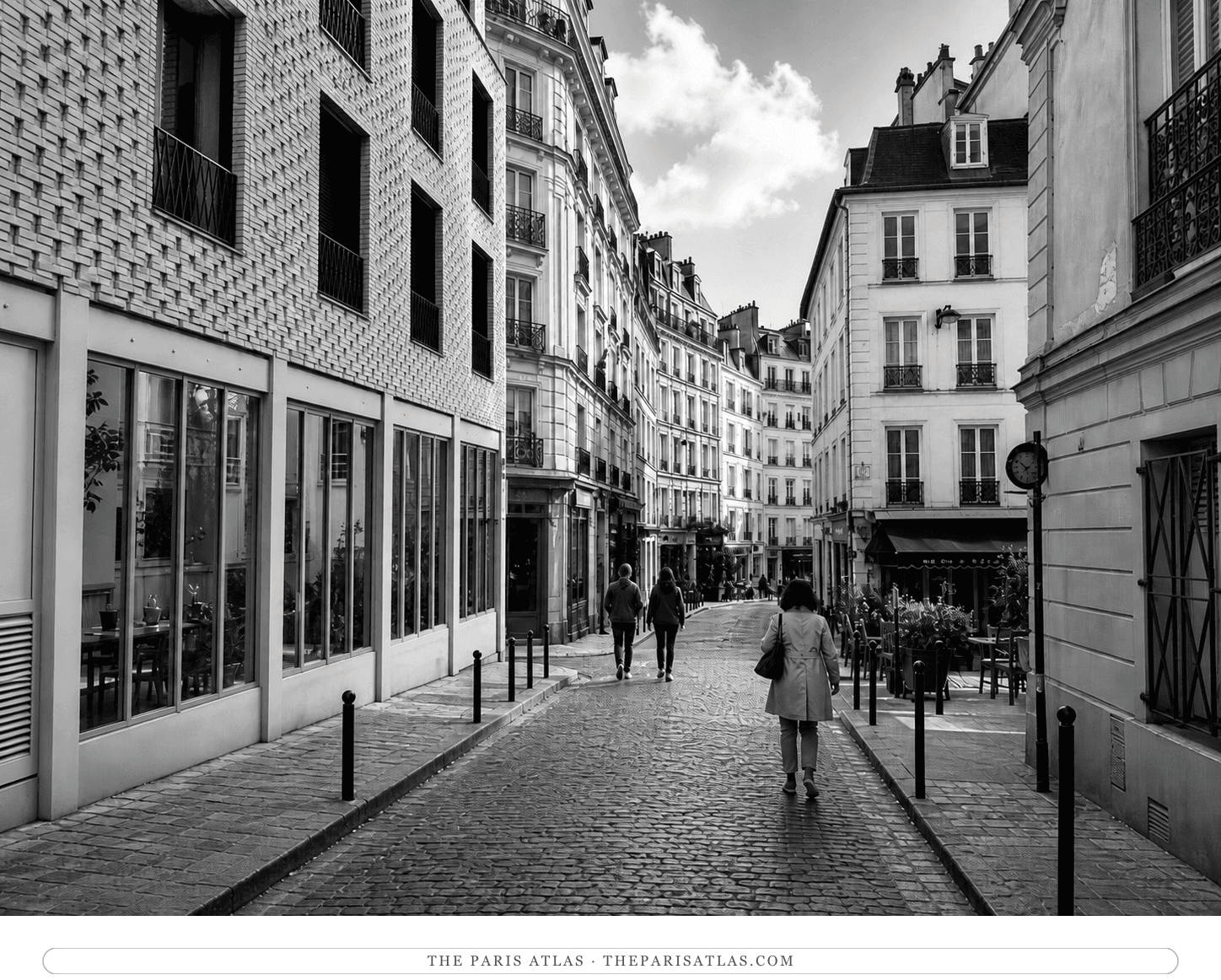
Rue des Trois Frères crosses the southern slope of Montmartre below Sacré-Cœur. It is a public street rather than a single literary house: visitors can walk its full length among nineteenth-century apartment fronts, newer infill, small shops and the changing gradients of the hill. The map marker sits at street level rather than on a doorway, because no trustworthy house number survives for the story attached to it.
The street was laid out in the 1840s as rue Léonie and later took its present name from the three Dufour brothers, local property owners. City heritage research dates surviving buildings on part of the street to the same mid-nineteenth-century development. That mixed fabric matters: this is not a preserved stage set, but an inhabited Montmartre street whose old scale is still readable.
Langston Hughes, a young American poet who would become a central writer of the Harlem Renaissance, moved somewhere on this street later in 1924 after leaving his attic at 15 rue Nollet. In The Big Sea, his 1940 autobiography, he calls the new room another attic chamber, higher on the hill toward Sacré-Cœur. He gives the street but no number, so no particular doorway can honestly be claimed as his.
One useful correction keeps the two attics distinct. Alain Locke—the philosopher and editor who was assembling work that became The New Negro—visited Hughes at rue Nollet just before the move, not here. Rue des Trois Frères still marks the same turning point in Hughes's Paris year, but it should not inherit the earlier room's famous visitor.
The street is laid out, initially as rue Léonie.
Apartment buildings rise along the new street as Montmartre develops.
Langston Hughes moves into an attic chamber somewhere on the street.
The public street remains walkable, but Hughes's exact doorway is unknown.
Recalled in the memoir
Hughes says he moved to another attic chamber on the Street of the Three Brothers, high on the hill toward Sacré-Cœur, without giving a number.
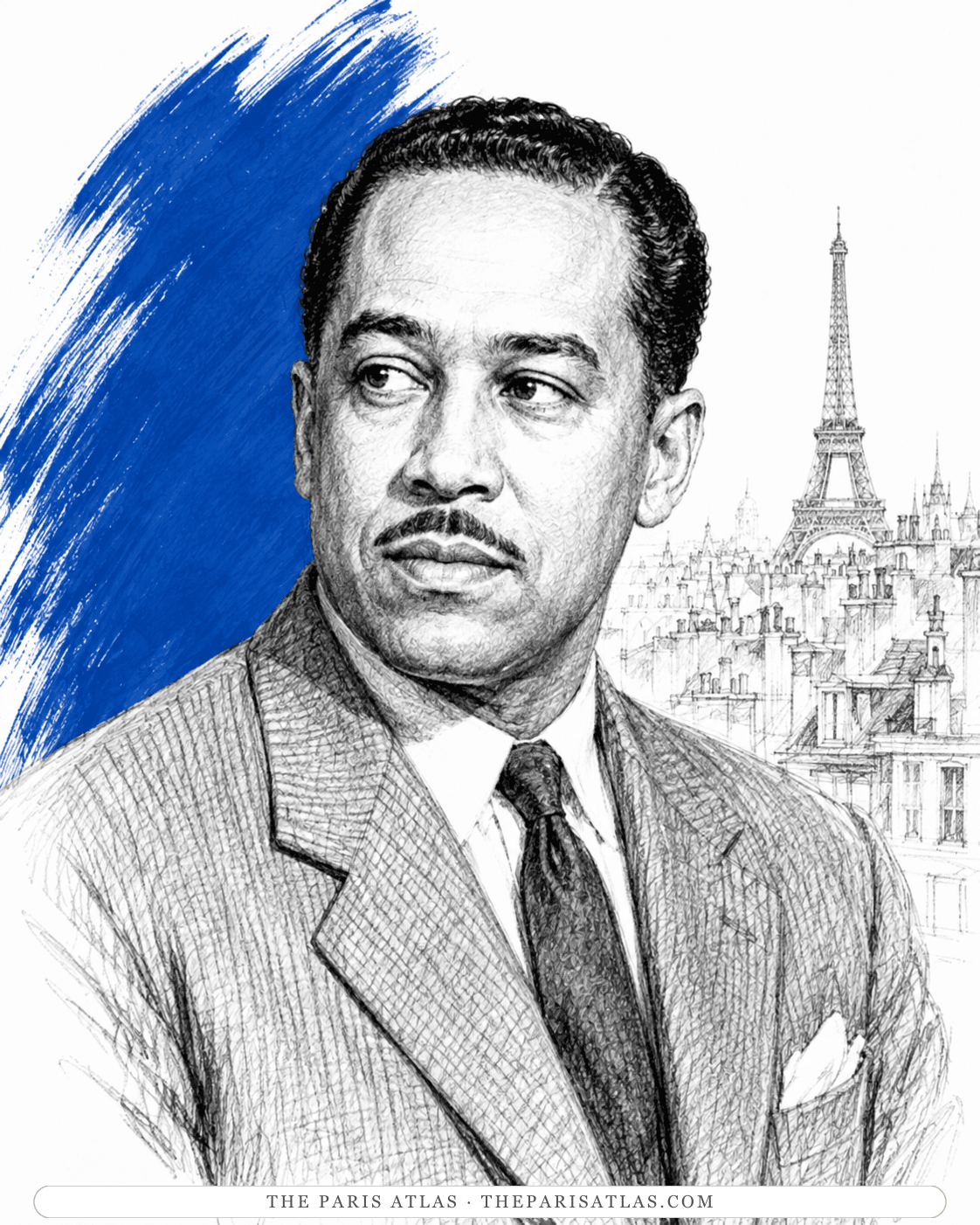
Lived here · 1924
Later in 1924 Hughes moved to another attic chamber somewhere on this street, higher on the Montmartre hill toward Sacré-Cœur; he did not record a house number.
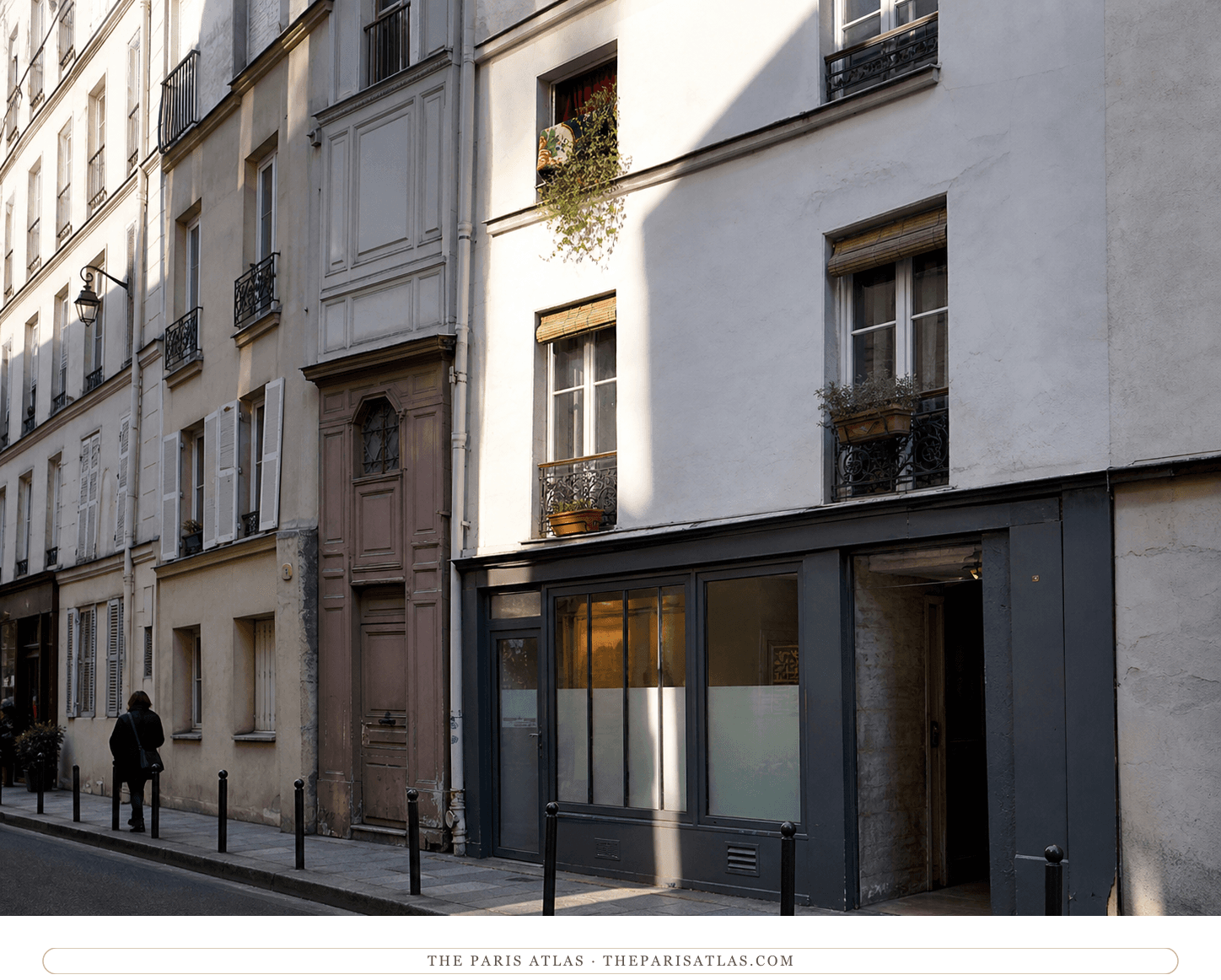
The Montmartre address where the Pissarro family lodged in November 1878, and where Julie Pissarro gave birth — the subject of the pastel At the Window, rue des Trois-Frères.
Visit the place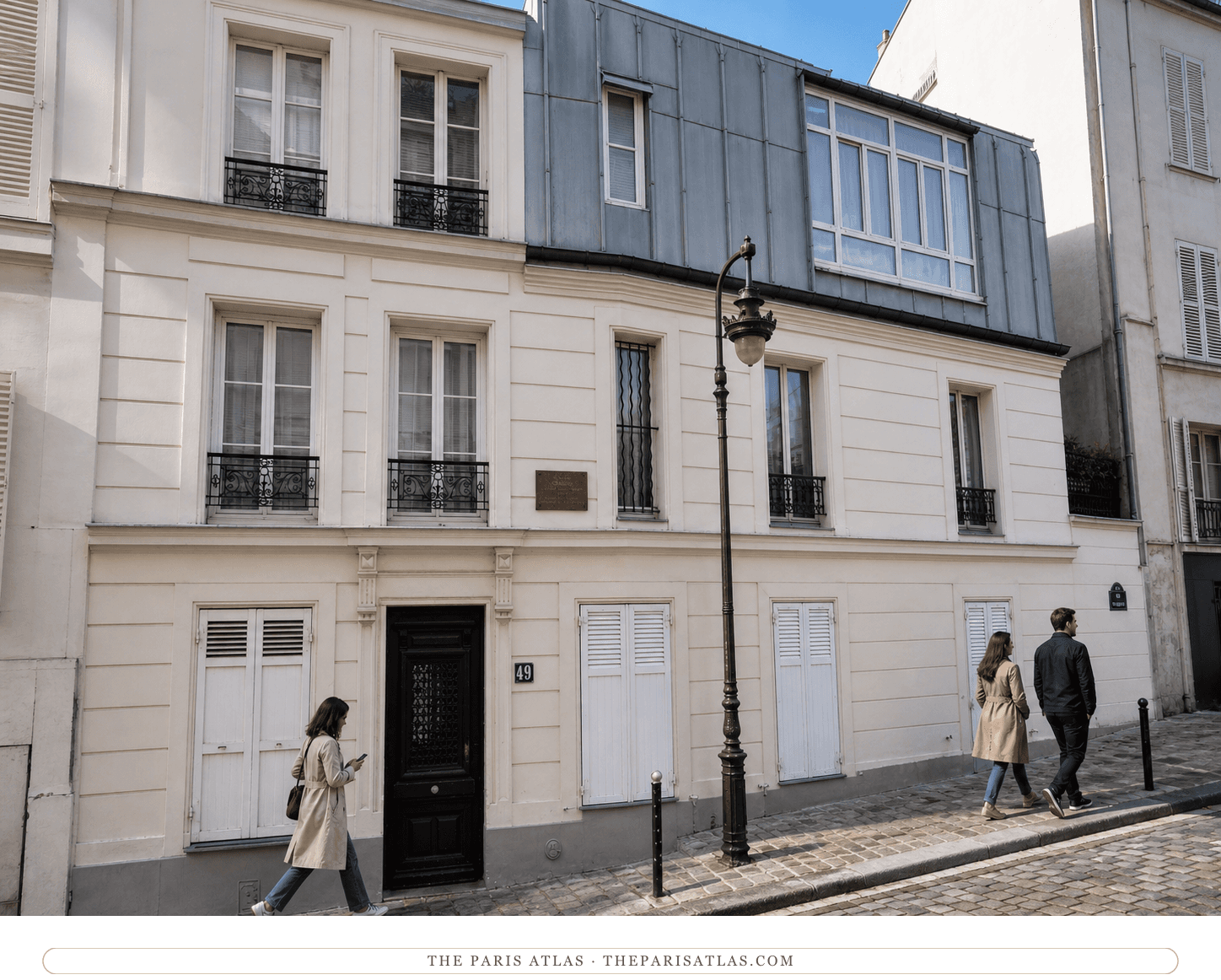
Where Pablo Picasso set up his first studio in Paris, in 1900, at the age of eighteen — four years before the Bateau-Lavoir and seven before Les Demoiselles d'Avignon.
Visit the place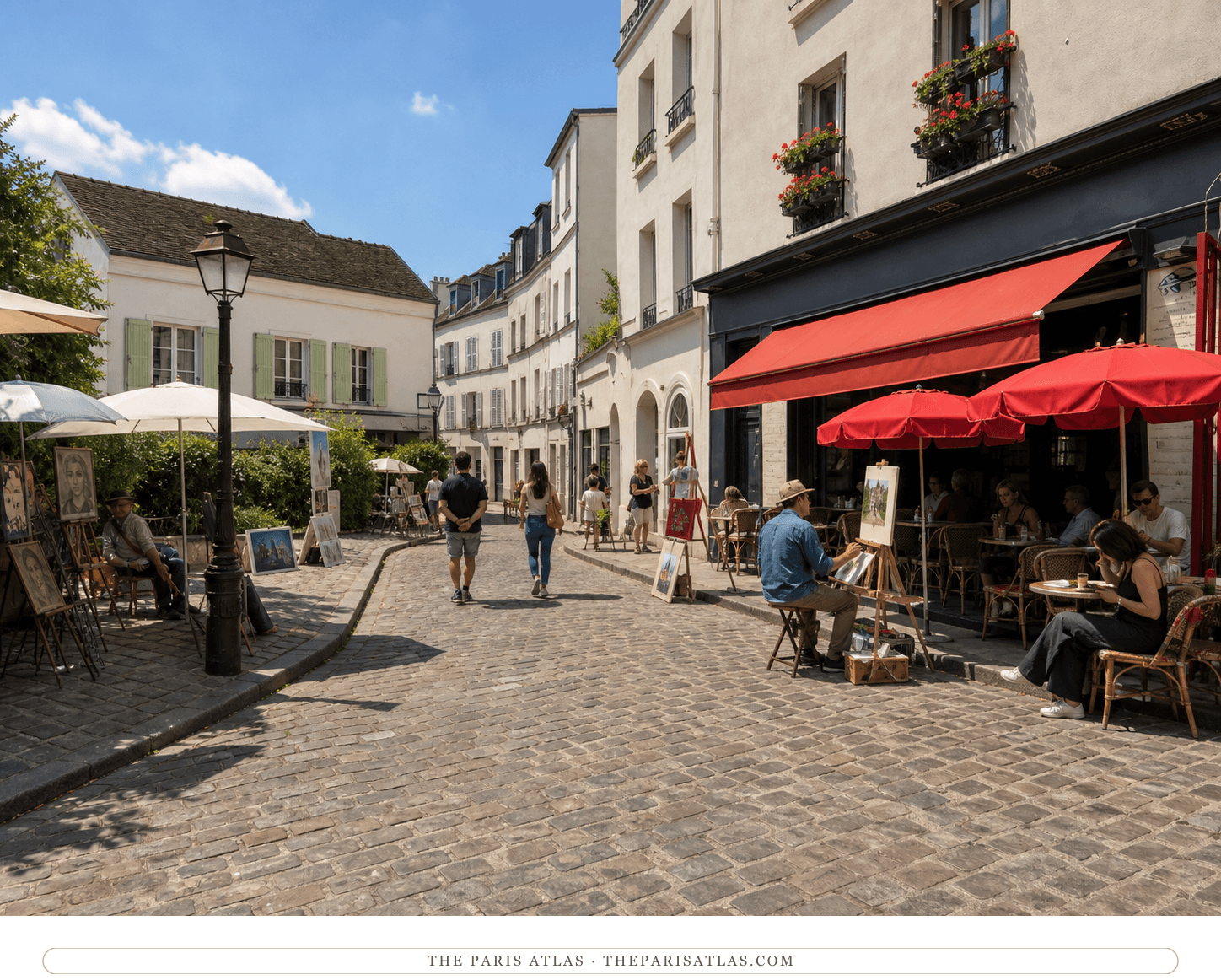
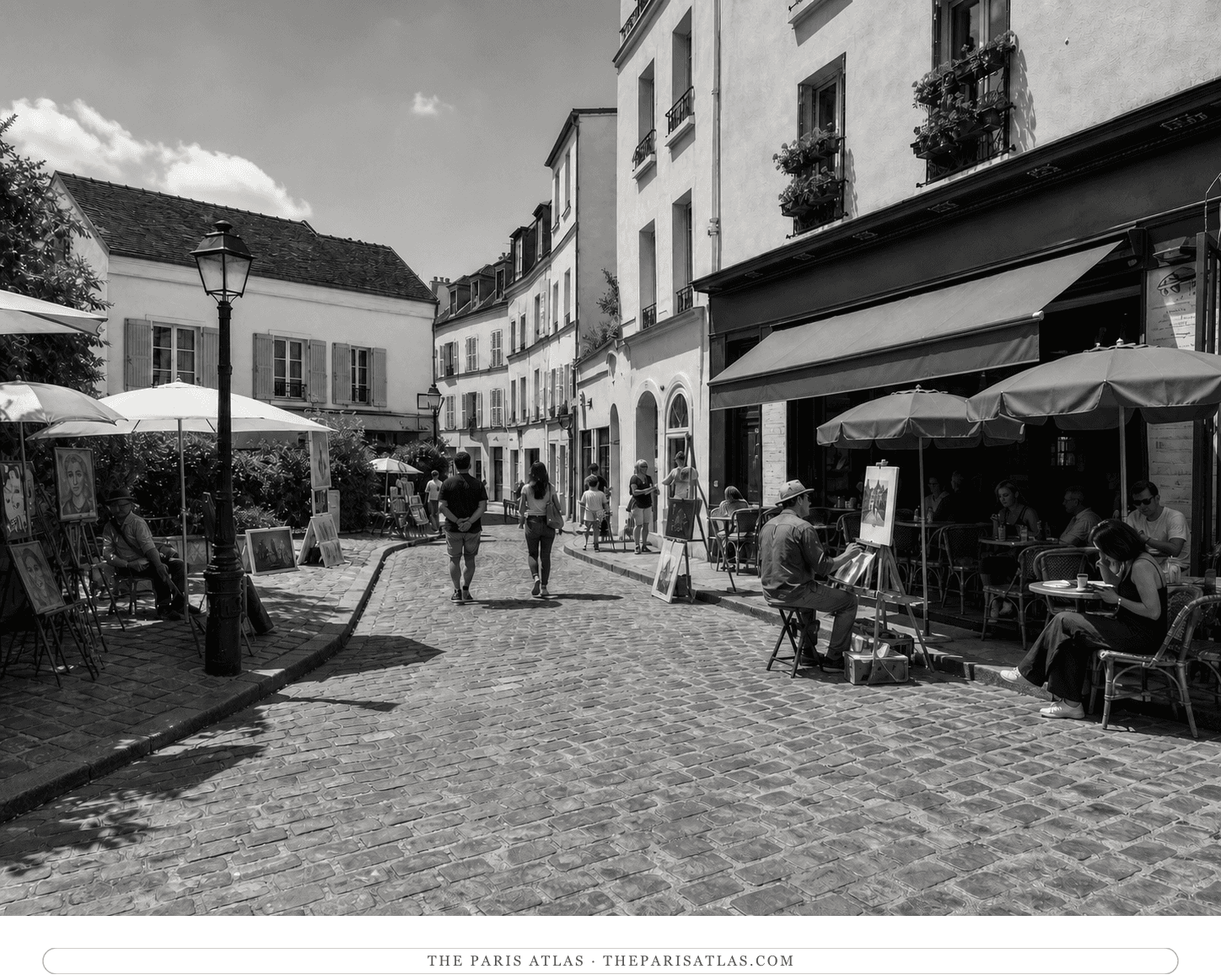
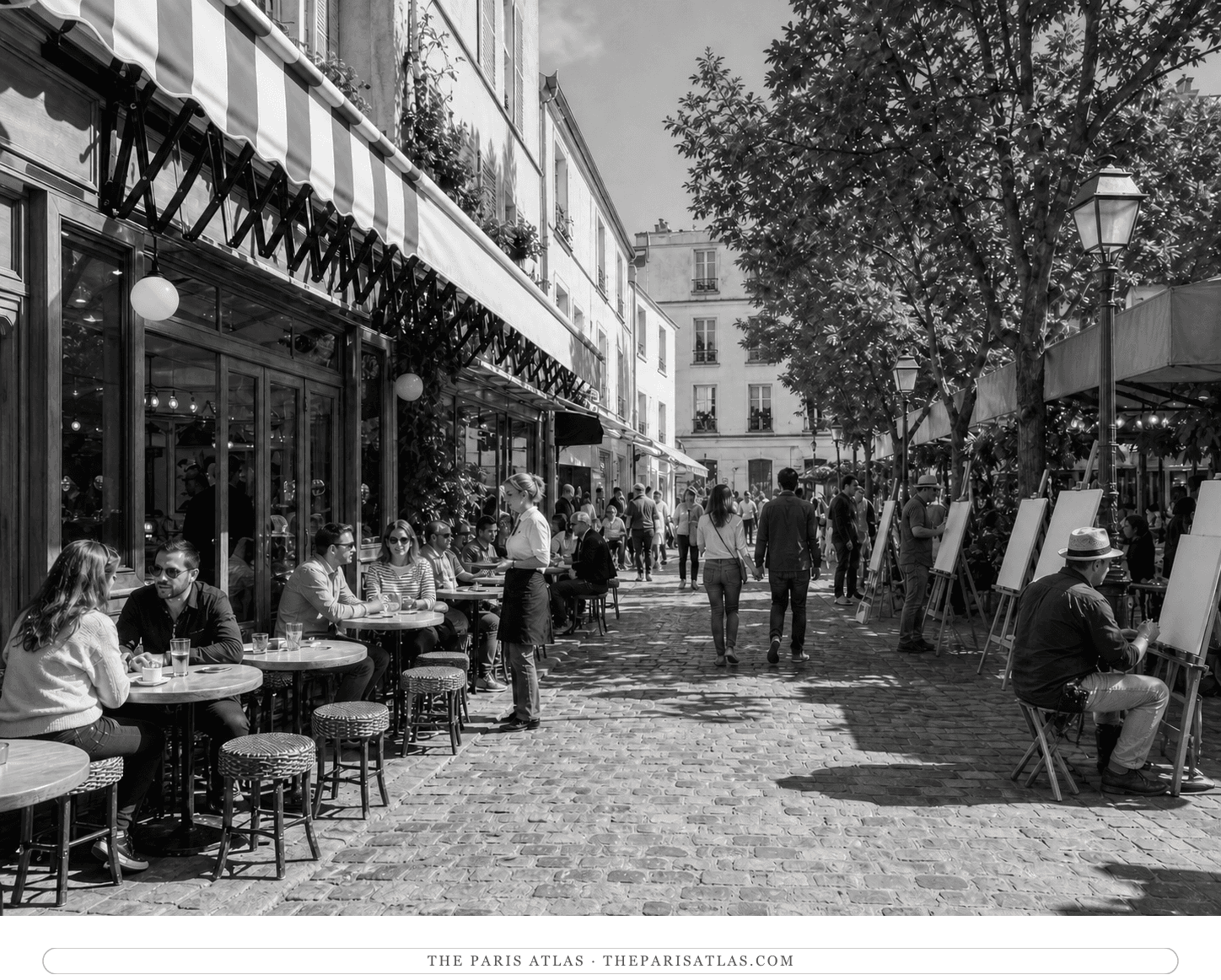
Montmartre's historic hilltop square, now shared by restaurant terraces and licensed artists—and the setting of Langston Hughes and Anne Marie Coussey's last Paris dinner together in 1924.
Visit the place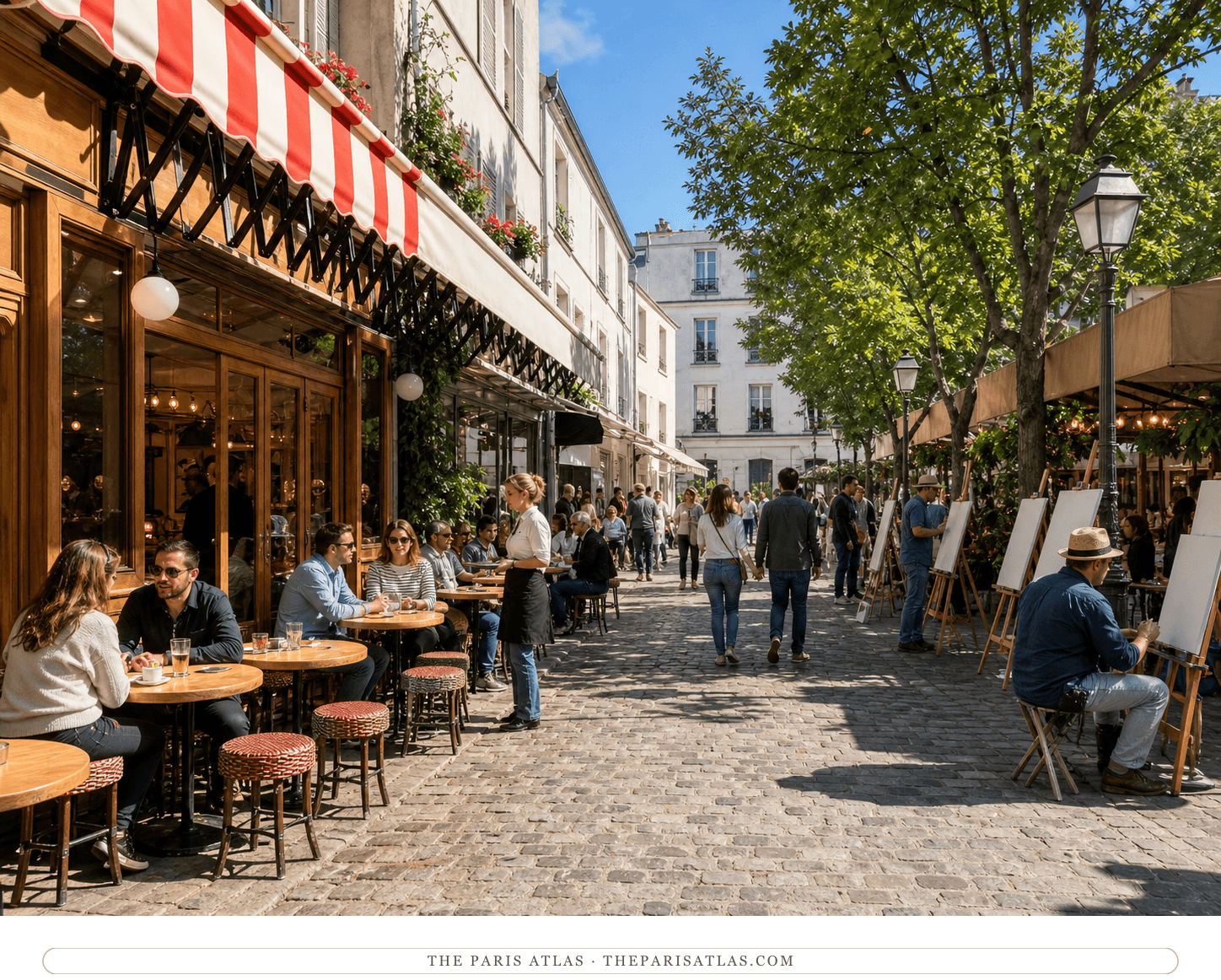
The hill north of Paris that was a separate village until 1860 and an artists' quarter until the First World War — the district of Van Gogh's two Paris years, Toulouse-Lautrec's posters, the Bateau-Lavoir and the Moulin Rouge.
Visit the placeThe sources below include histories, archival materials, scholarly research, and official records that informed this page. They document Rue des Trois Frères, the people connected to it, and its place in Paris.


First-person evidence and historical context used in preparing the Rue des Trois Frères page.

Archival evidence used to document the historical record connected to Rue des Trois Frères.
Map data used to verify addresses, geographic coordinates, and the placement associated with Rue des Trois Frères.
Official record used to verify names, dates, institutional details, or other factual information on this page.
These references provide the documented foundation for this page's history and context. Claim-level citations remain attached to the specific claims they support.
 Explore more resources
Newsletter
The cafés, studios, and walk-up flats where the work was made — one story from the map in every letter.