
Recalled in the memoir
The Big Sea
Hughes remembers the unnamed hotel, its elderly keepers, the slant-roofed attic and the pleasure of finally inhabiting a Paris garret from a book.
A surviving private address in Batignolles where a vanished working people's hotel gave the young American poet Langston Hughes his real-life version of a Paris garret in 1924.
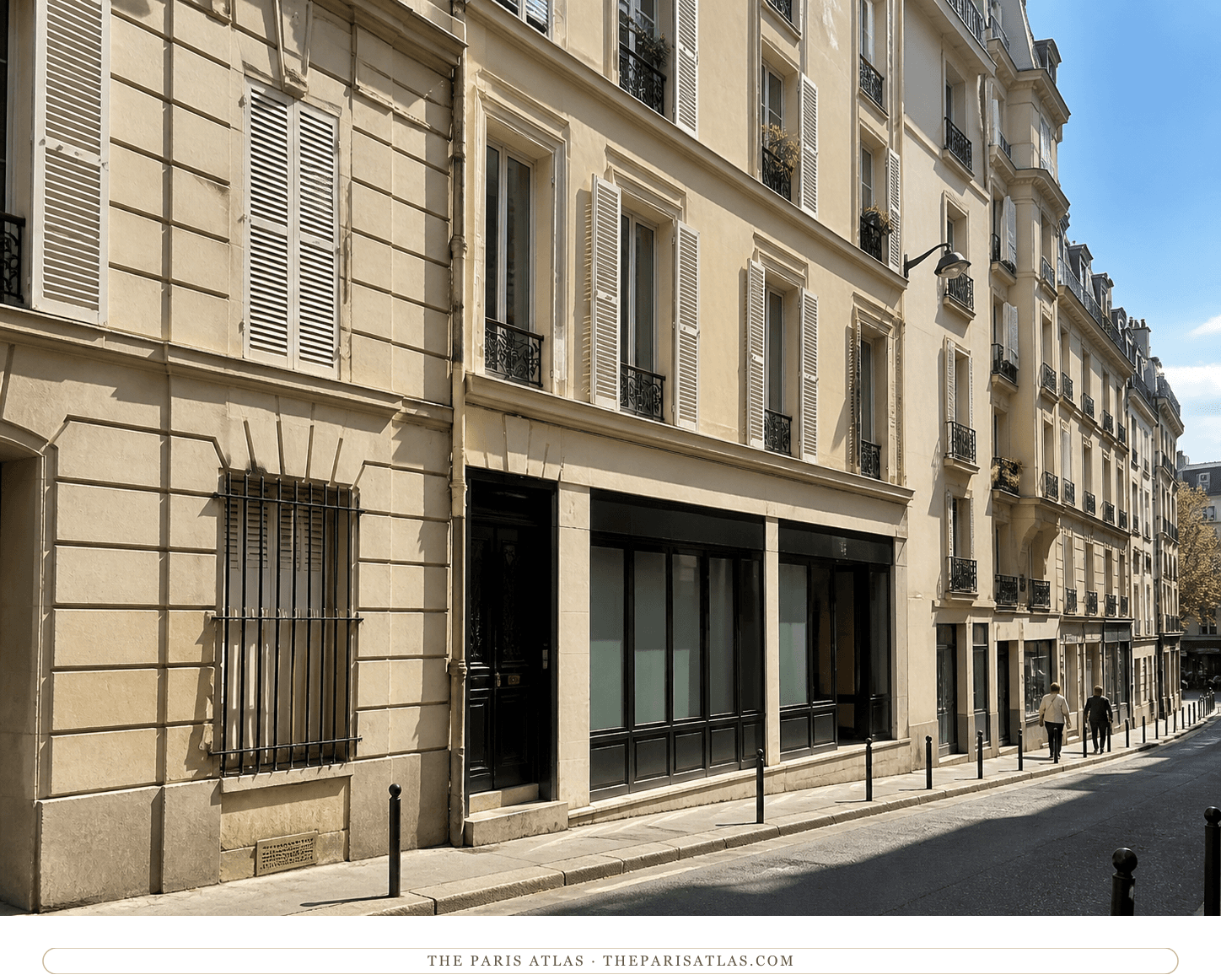
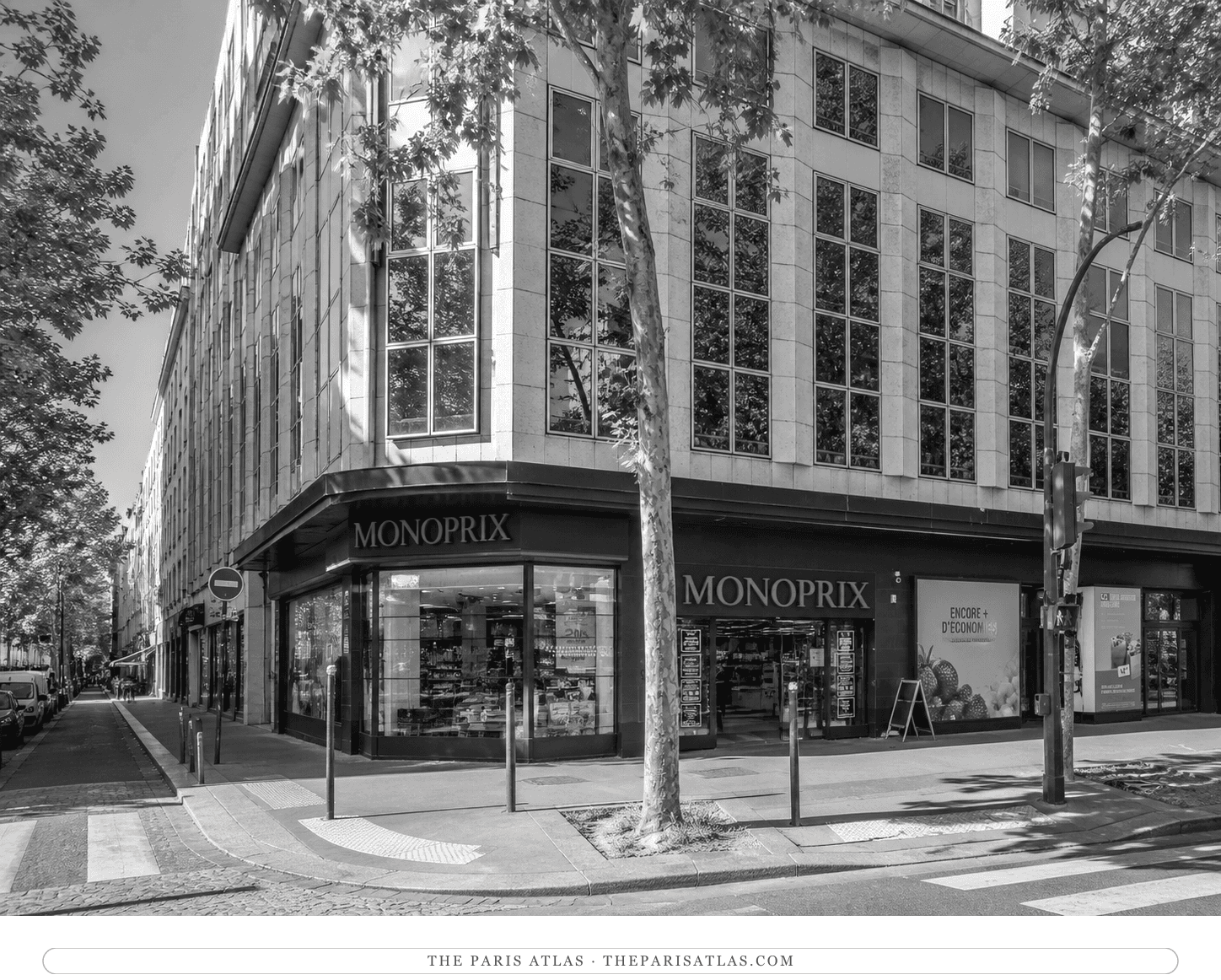
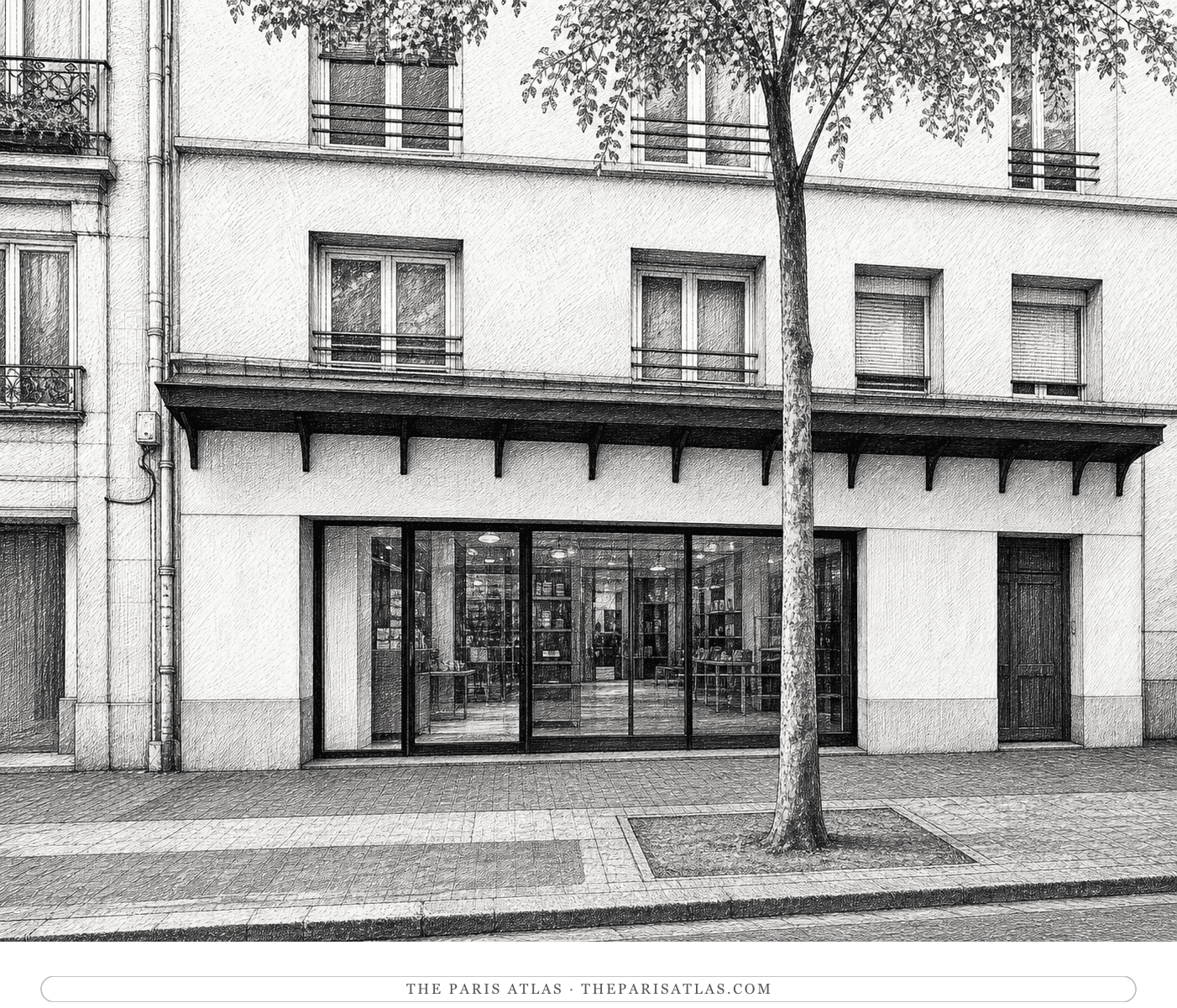
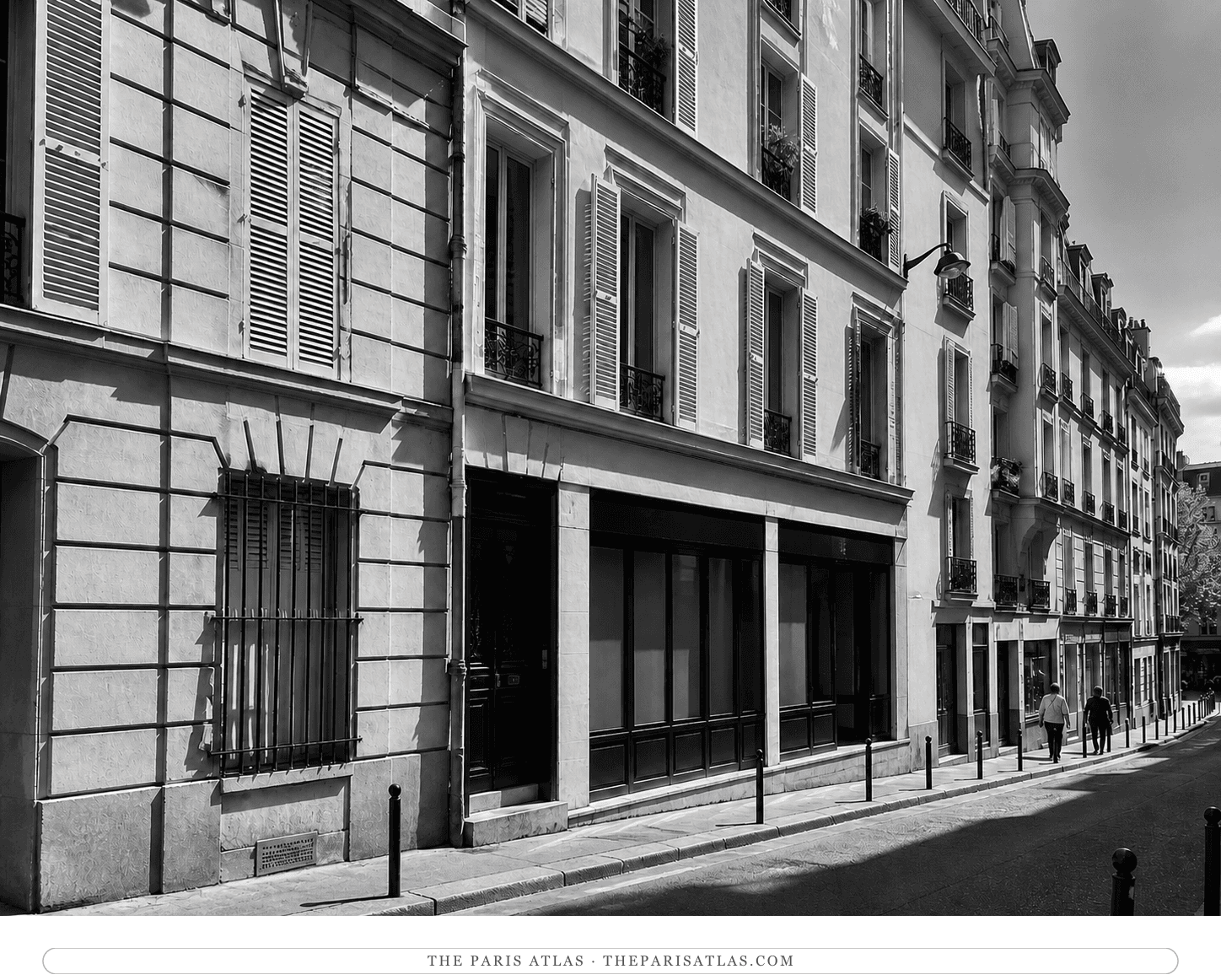
Number 15 stands on rue Nollet in the Batignolles quarter, a narrow residential street north of place de Clichy. The building survives, but it is private and the inexpensive rooming house recorded here is gone. There is no museum, public interior or verified period plaque: a visit means seeing the façade from the pavement and understanding the address in relation to the nearby Montmartre and Pigalle places where its tenant worked.
In April 1924, Langston Hughes—then a twenty-two-year-old American poet, years before he became one of the leading writers of the Harlem Renaissance—moved into the top of this tall house near the place de Clichy. In his autobiography The Big Sea, he could not remember the lodging having any name beyond the word HOTEL. An elderly French couple ran it for working people, and the rent was cheap.
The room had slanting roofs, old furniture, a large bed with a feather tick and a view over the chimney pots. Hughes recognized it at once as the Paris garret from a book: the poor young poet under the eaves, writing poems. The joke in his version was breakfast. He brought home half-finished bottles from his dishwashing shift at Le Grand Duc, so the garret poet sometimes began the morning with leftover champagne.
For a time he shared the room with Bob, the dishwasher whose job at the Grand Duc Hughes had taken. Bob's dependence on drugs grew frightening, and Hughes eventually left the rent paid a month ahead and moved farther up the Montmartre hill to the rue des Trois Frères. Before that move, the philosopher and editor Alain Locke visited this room to ask Hughes for new poems. Their conversation helped feed the 1925 anthology The New Negro, a defining publication of the Harlem Renaissance.
Hughes rents the attic room and begins his version of life in a Paris garret.
Alain Locke visits Hughes here to discuss poems for the Survey Graphic project that becomes The New Negro.
Hughes leaves for another attic on rue des Trois Frères.
The building survives as a private address; the working people's hotel is gone.
Recalled in the memoir
Hughes remembers the unnamed hotel, its elderly keepers, the slant-roofed attic and the pleasure of finally inhabiting a Paris garret from a book.
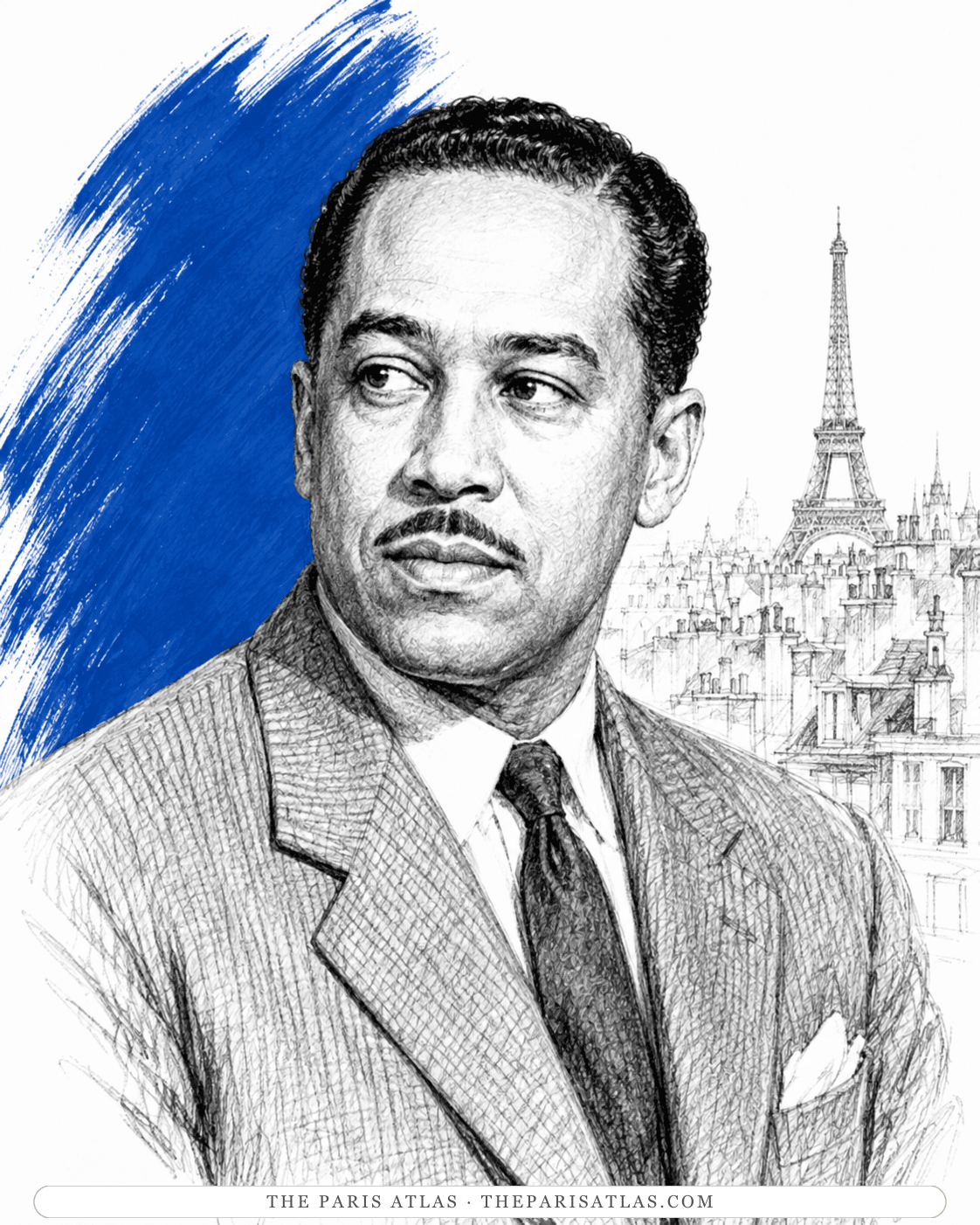
Lived here · 1924
From April 1924, Hughes rented a cheap attic room under the slanting roofs here, overlooking Paris chimney pots; Alain Locke came to this room to ask for poems for the Survey Graphic project that became The New Negro.
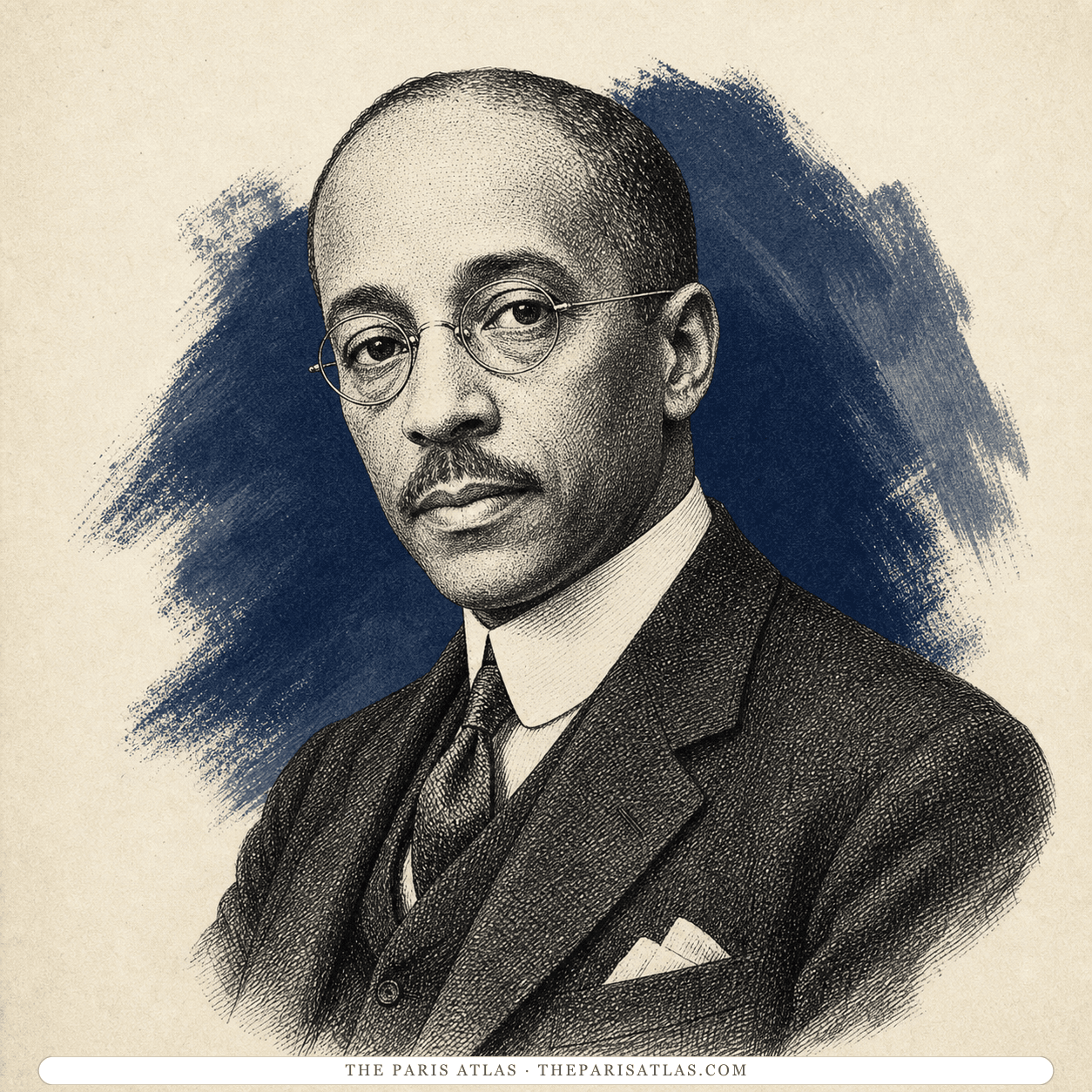
Visited by · 1924
Hughes remembered the elegant Howard professor climbing to his cheap Montmartre lodging during Locke's 1924 search for work by younger Black writers.
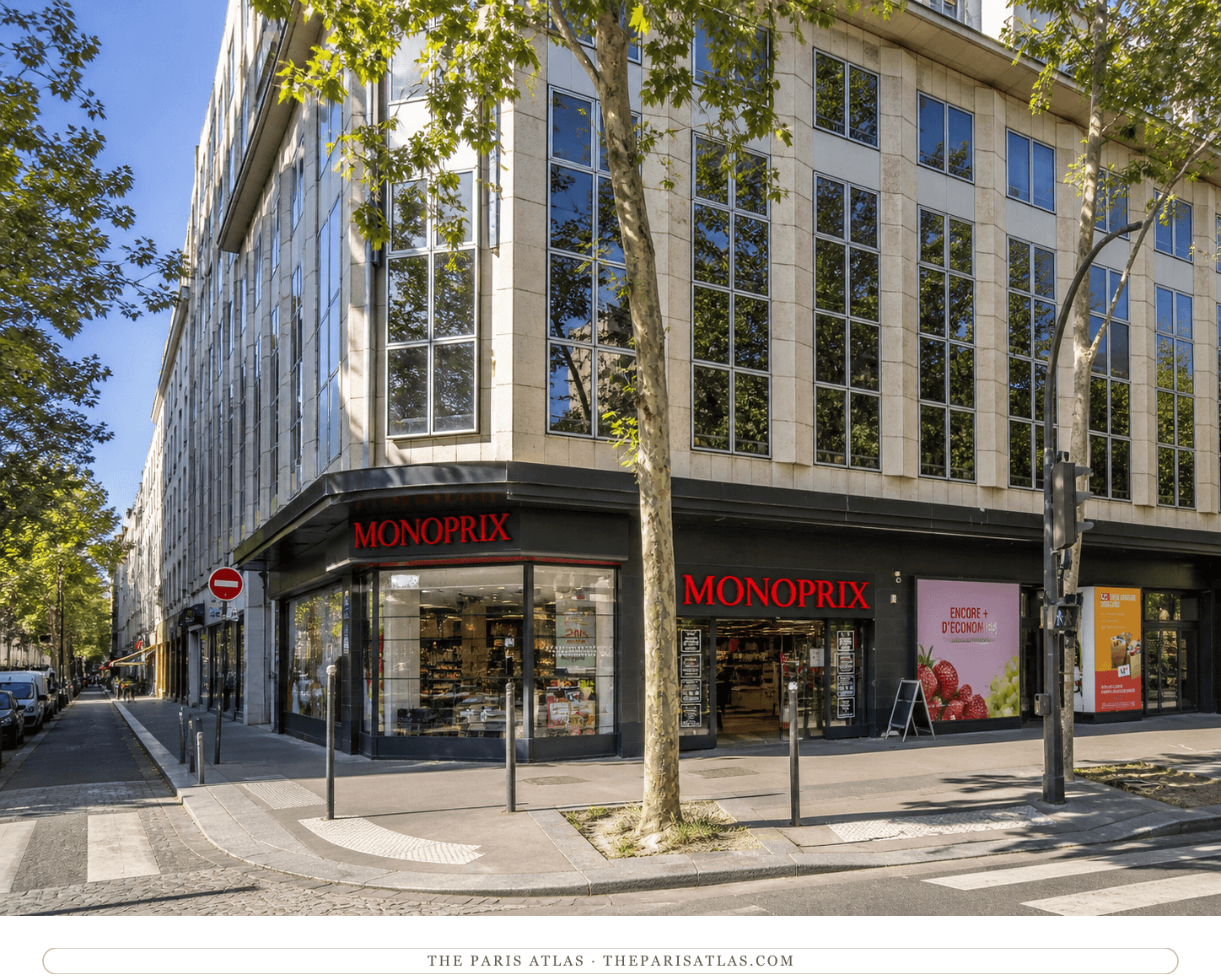
The cheap eating-house where Vincent van Gogh hung an exhibition of his own work and his friends' in November 1887 — the show at which Seurat and Gauguin turned up, and where the road to Arles effectively begins.
Visit the place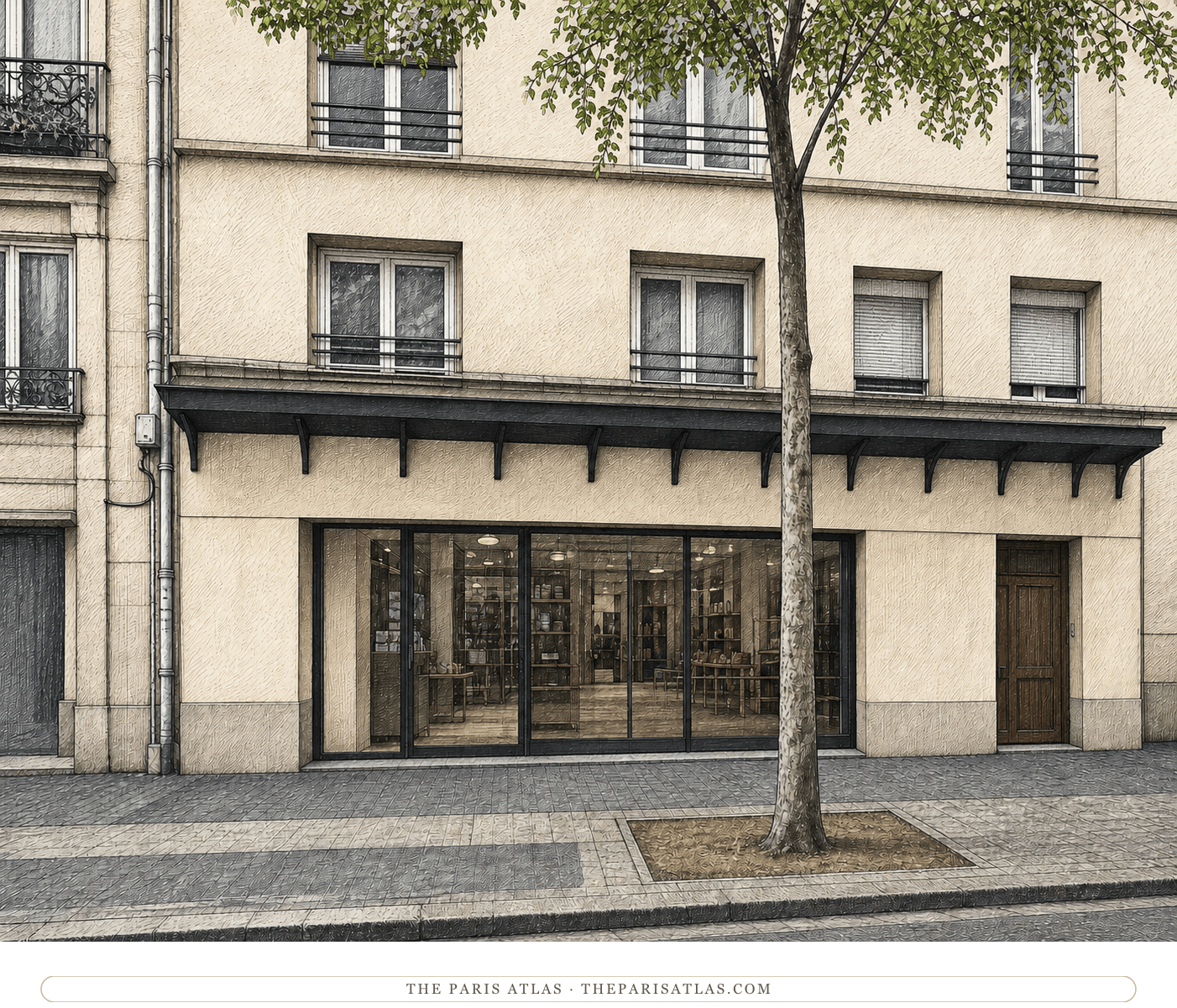
The Batignolles café where Édouard Manet held court through the 1860s and the painters who would become the Impressionists argued out what they were doing. Its address has since been renamed and renumbered, and nothing of it survives.
Visit the place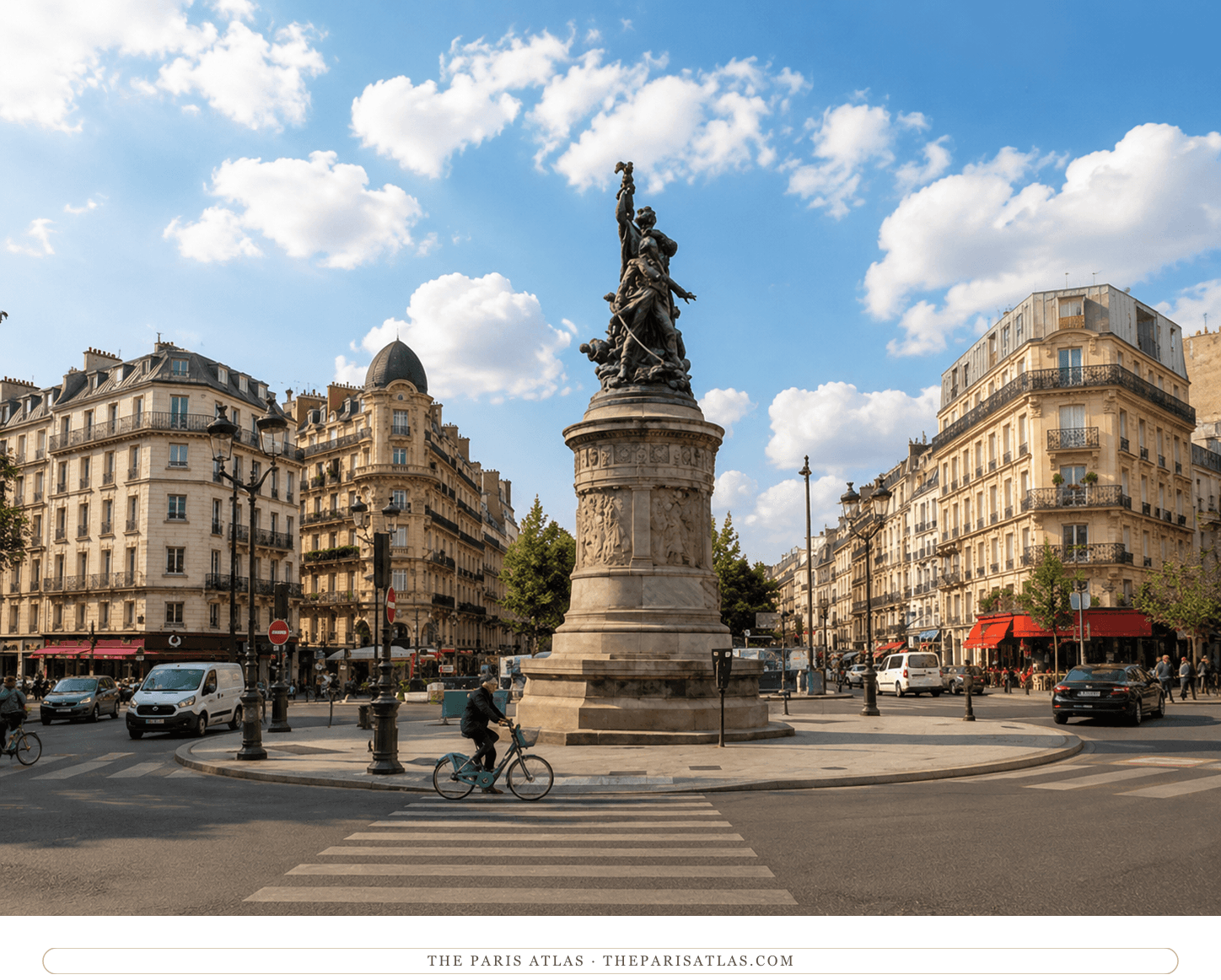
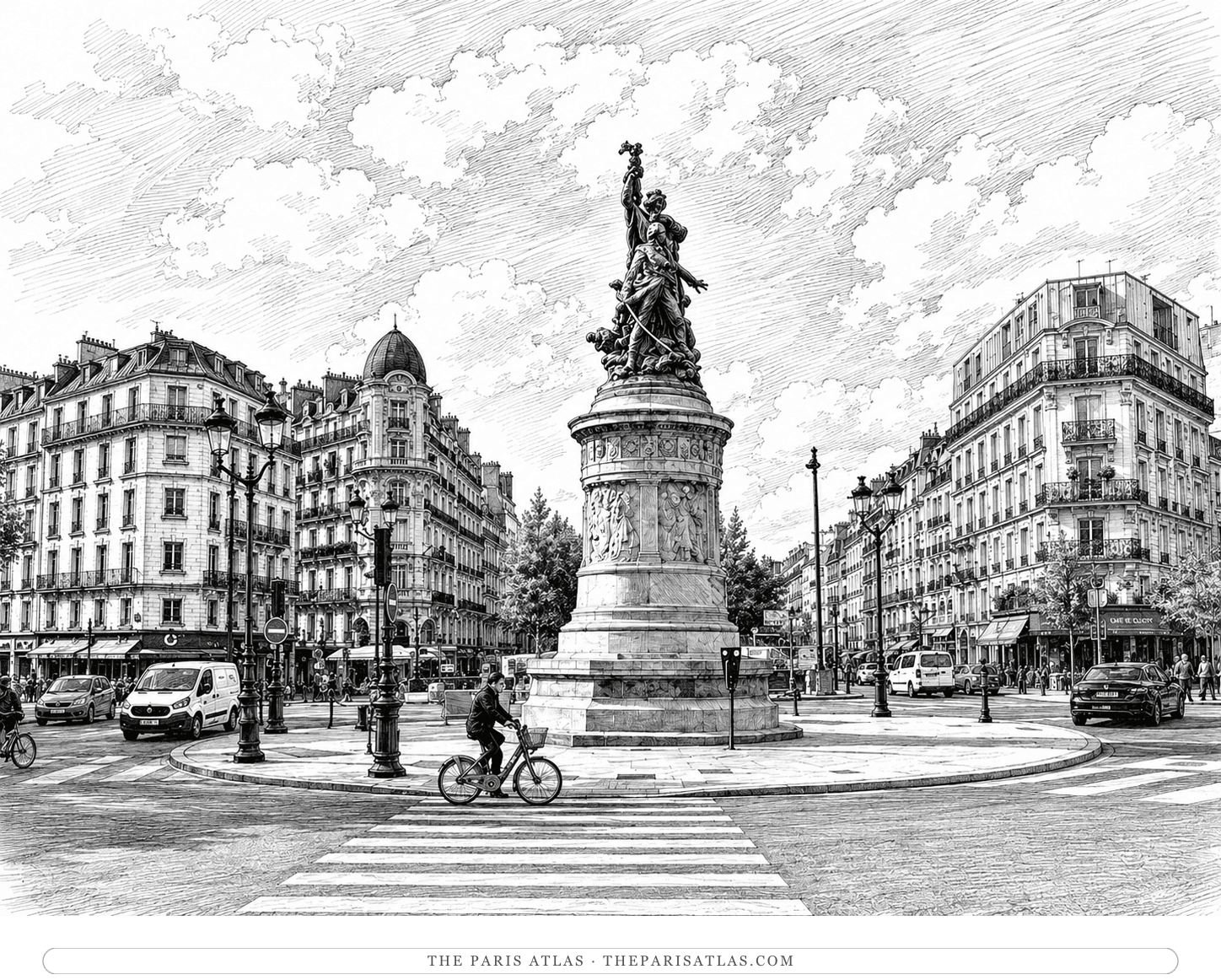
The crossroads where four arrondissements collide — and where Louis-Ferdinand Céline opens Journey to the End of the Night at a café table, with a recruitment parade passing and his narrator Bardamu jumping up to join the war.
Visit the place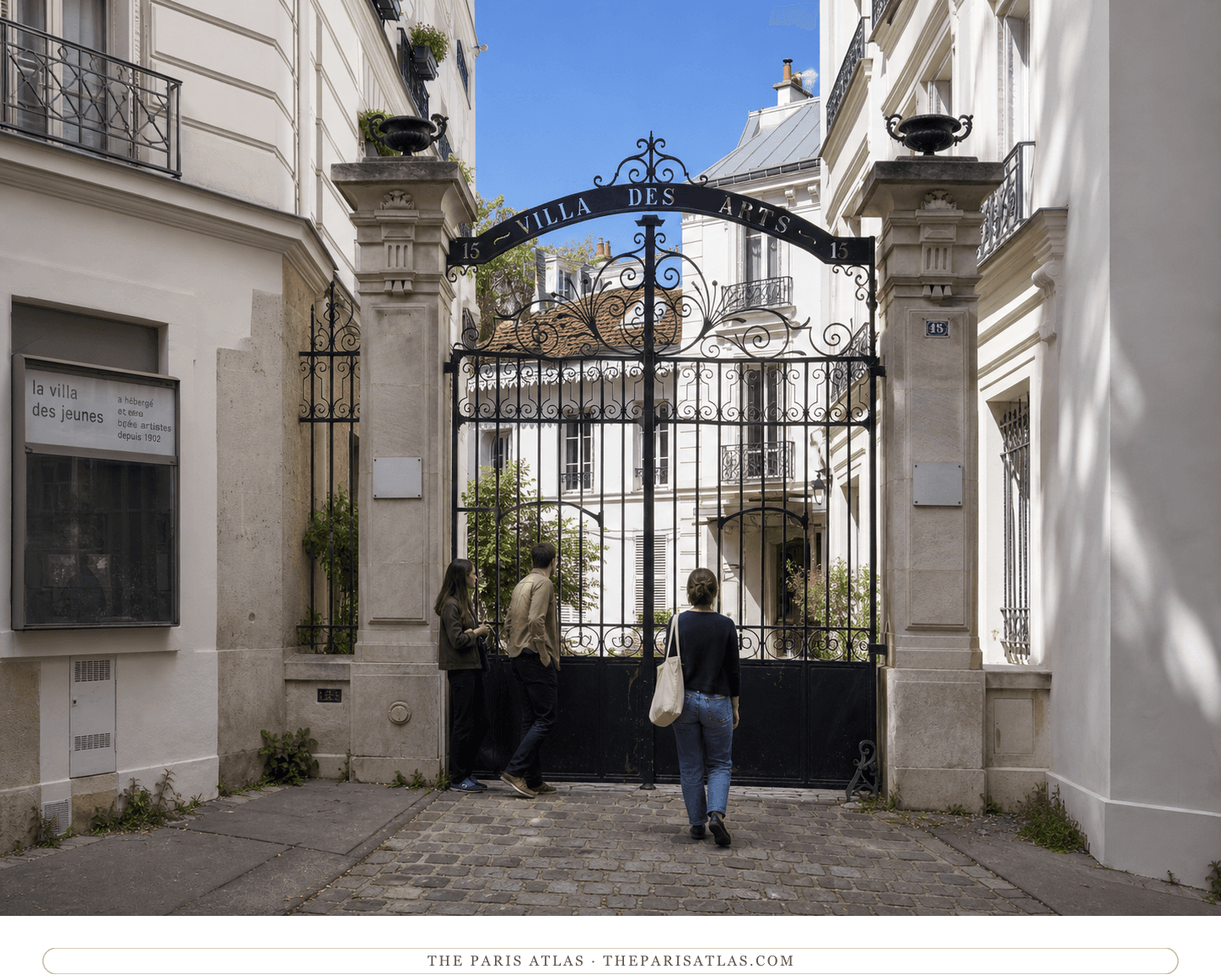
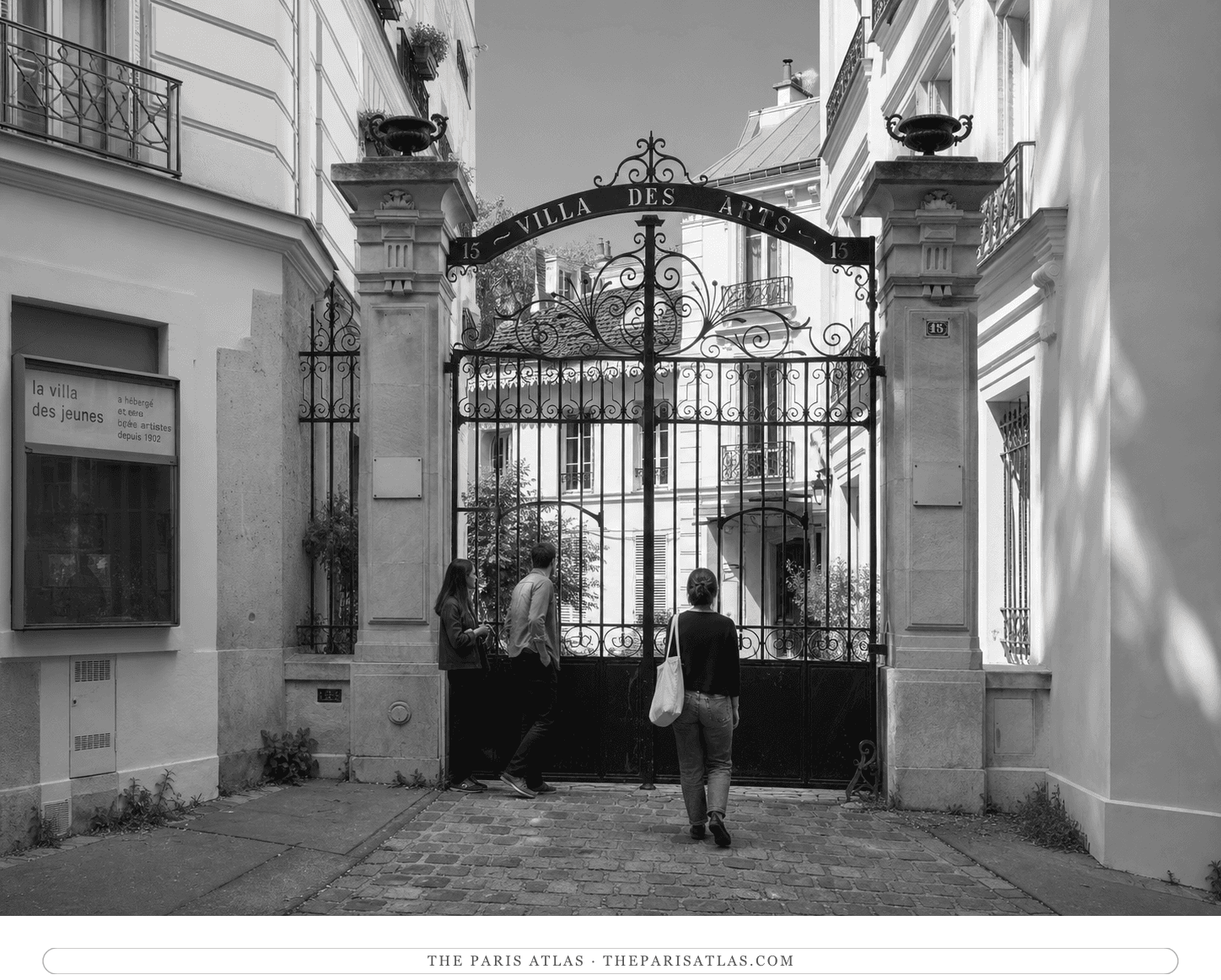
The purpose-built studio complex below Montmartre where Paul Cézanne worked in 1898 and 1899 — one of his last Paris addresses, and where he painted the portrait of Ambroise Vollard.
Visit the placeThe sources below include histories, archival materials, scholarly research, and official records that informed this page. They document 15 rue Nollet, the people connected to it, and its place in Paris.


First-person evidence and historical context used in preparing the 15 rue Nollet page.

Map data used to verify addresses, geographic coordinates, and the placement associated with 15 rue Nollet.
Contemporary reporting or criticism used to document the historical reception and context of 15 rue Nollet.
Web source consulted for documented facts and historical context presented on the 15 rue Nollet page.
These references provide the documented foundation for this page's history and context. Claim-level citations remain attached to the specific claims they support.
 Explore more resources
Newsletter
The cafés, studios, and walk-up flats where the work was made — one story from the map in every letter.