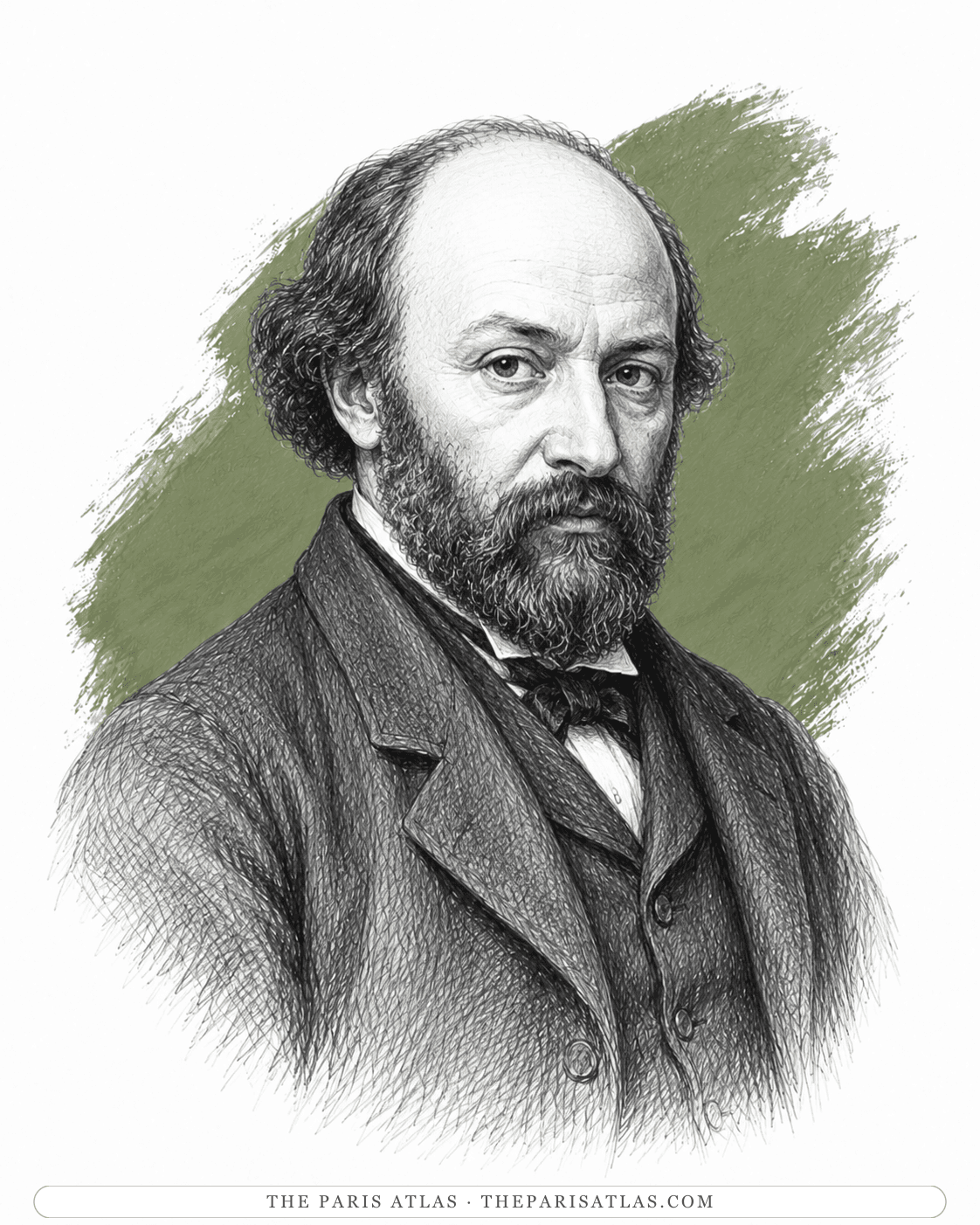
Paul Cézanne
Cezanne worked at the Villa des Arts studios in 1898 and 1899, and painted the portrait of Ambroise Vollard there.
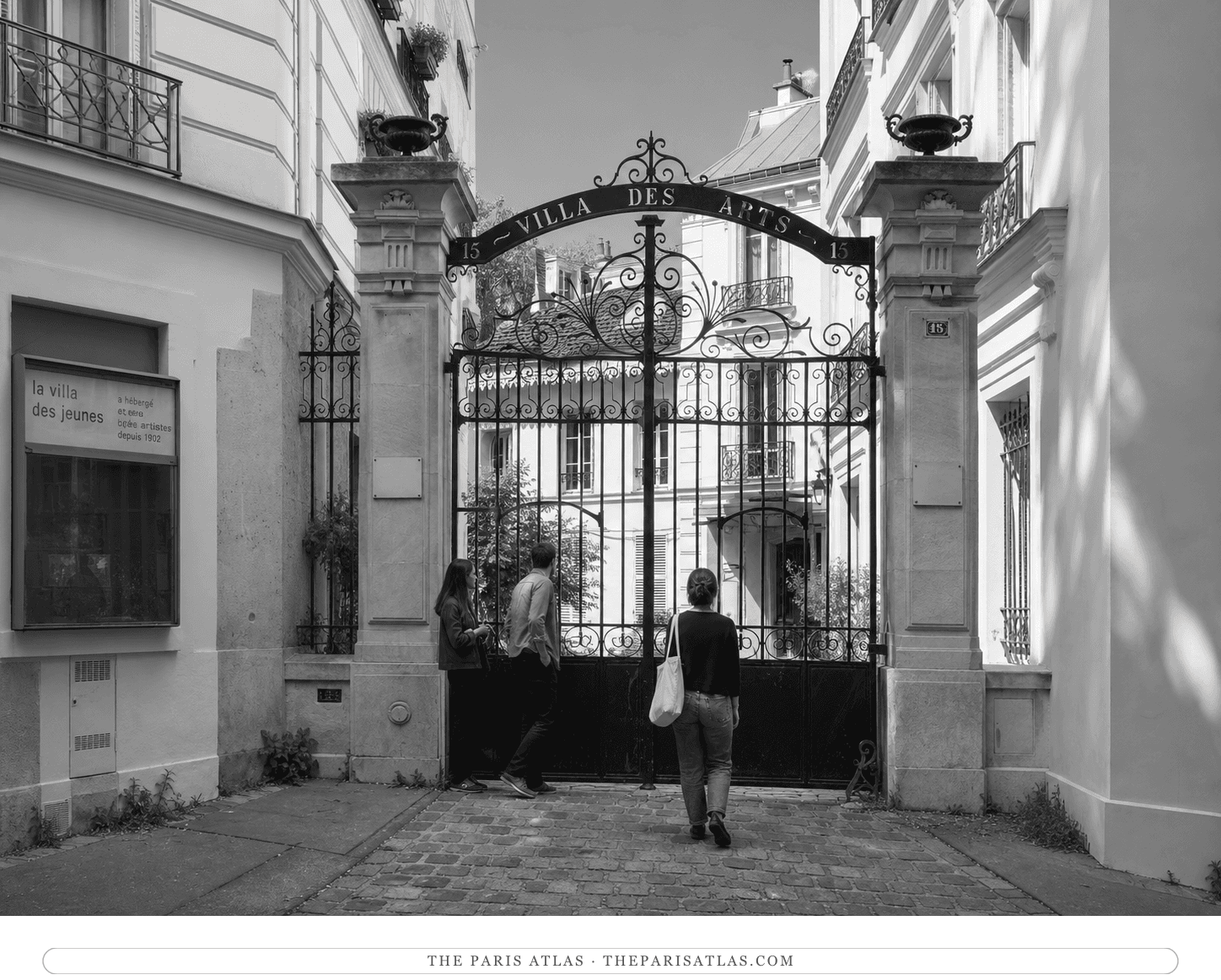
The purpose-built studio complex below Montmartre where Paul Cézanne worked in 1898 and 1899 — one of his last Paris addresses, and where he painted the portrait of Ambroise Vollard.
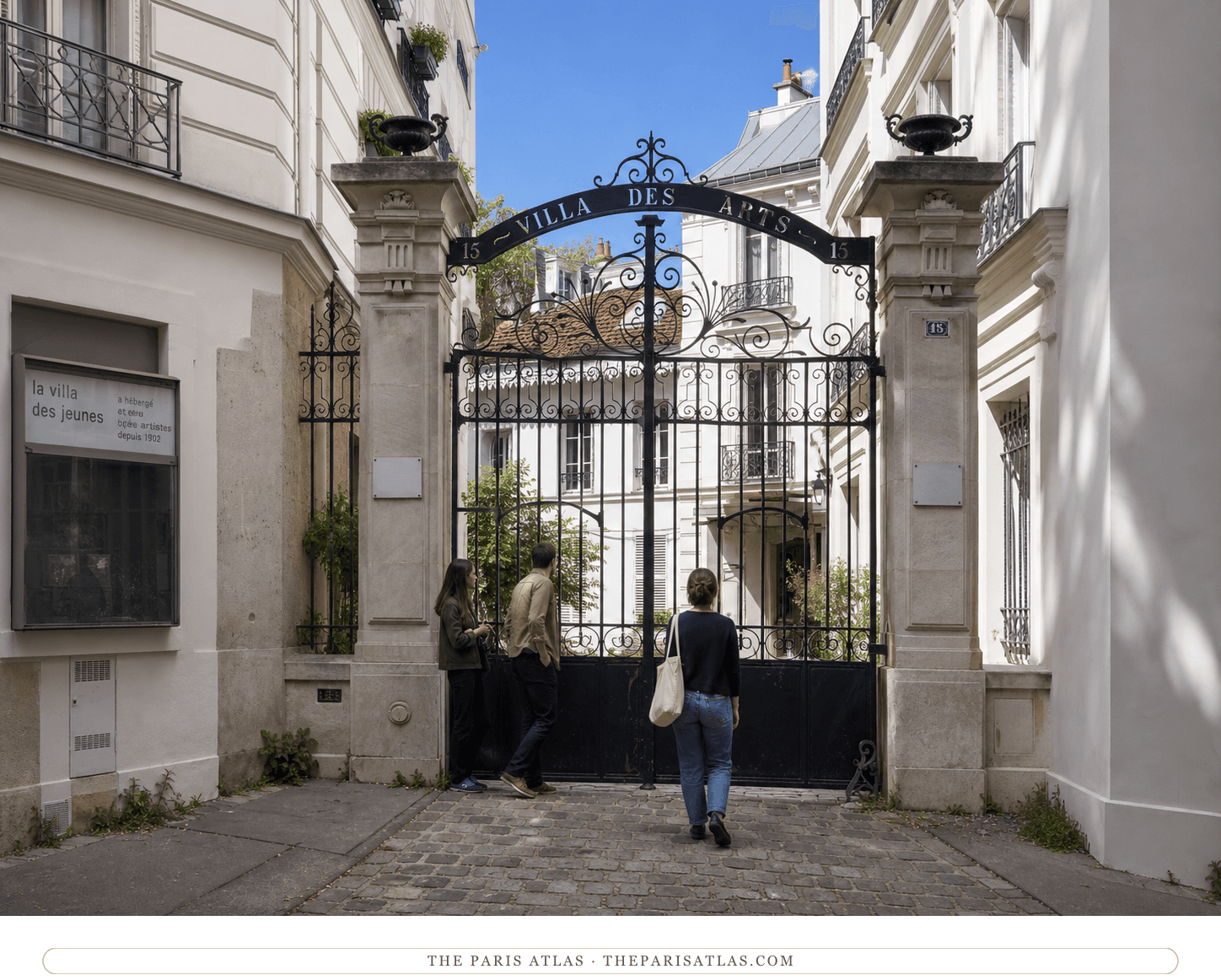
The Villa des Arts is a block of purpose-built artists' studios put up in the 1880s on a lane below Montmartre: high north-facing windows, generous ceilings, and rents that a working painter could meet. Renoir, Signac and later Duchamp all had space there.
Paul Cézanne worked here in 1898 and 1899, by then almost sixty and finally, after Vollard's 1895 exhibition, a name that younger painters spoke about with something close to awe.
The portrait of Vollard was painted in this studio. Vollard's own account of the sittings became one of the standard anecdotes about Cézanne's method — more than a hundred sessions, the sitter required to hold still to an inhuman degree, and the picture finally abandoned with two small patches of bare canvas on the hand, which Cézanne said he could not fill without starting again.
He left Paris for good soon afterwards and spent his last years in Aix. The studios are still studios and are private.
Cézanne works at the Villa des Arts and paints Vollard's portrait.
He moves to the rue Ballu, and soon afterwards leaves Paris for Aix.
He dies at Aix.
At his studio in the Villa des Arts, 15 rue Hégésippe-Moreau, in 1899. Vollard described sitting more than a hundred times, and the canvas was left with unpainted patches on the hand.
No. It remains a private complex of working artists' studios.
Cezanne worked at the Villa des Arts studios in 1898 and 1899, and painted the portrait of Ambroise Vollard there.
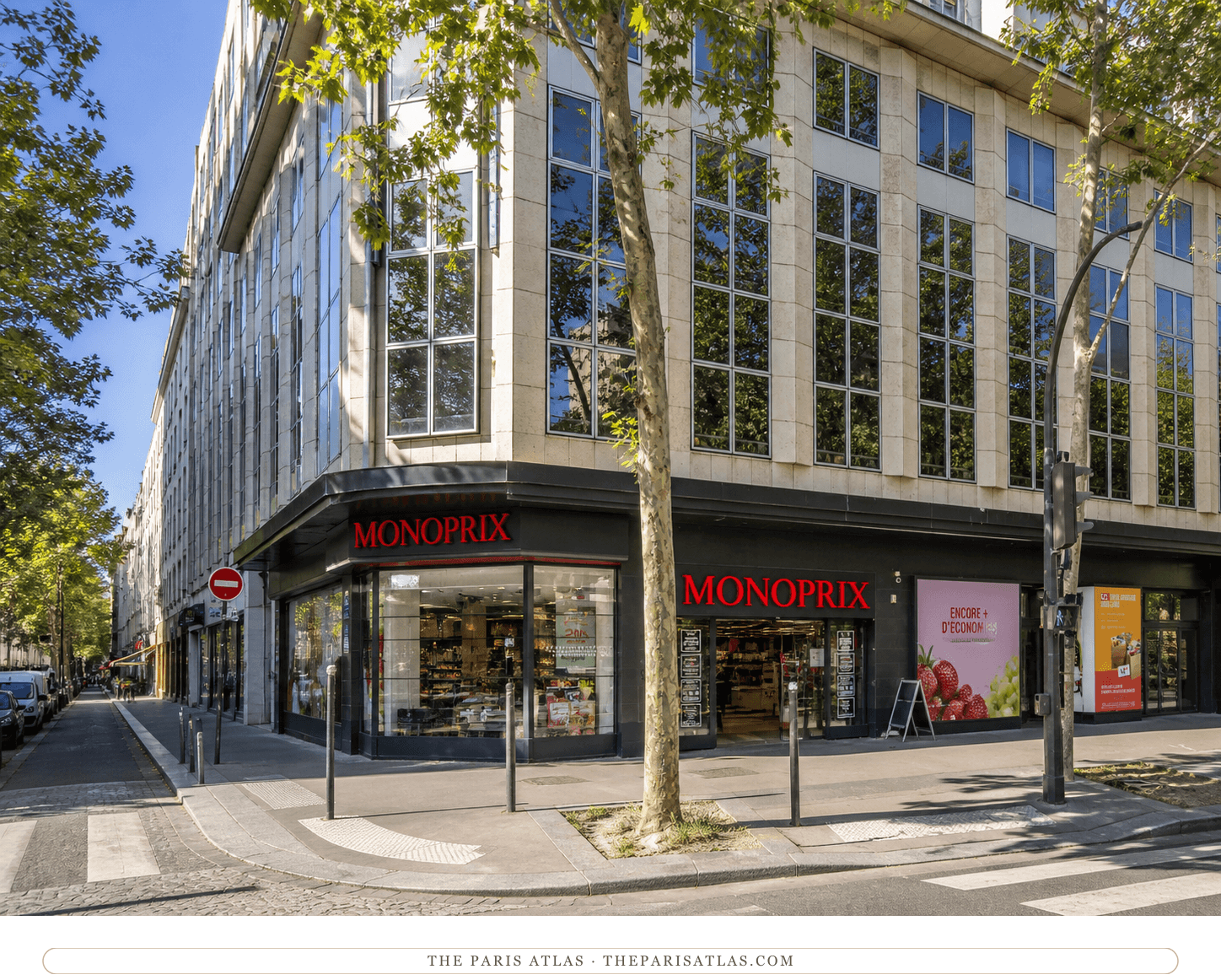
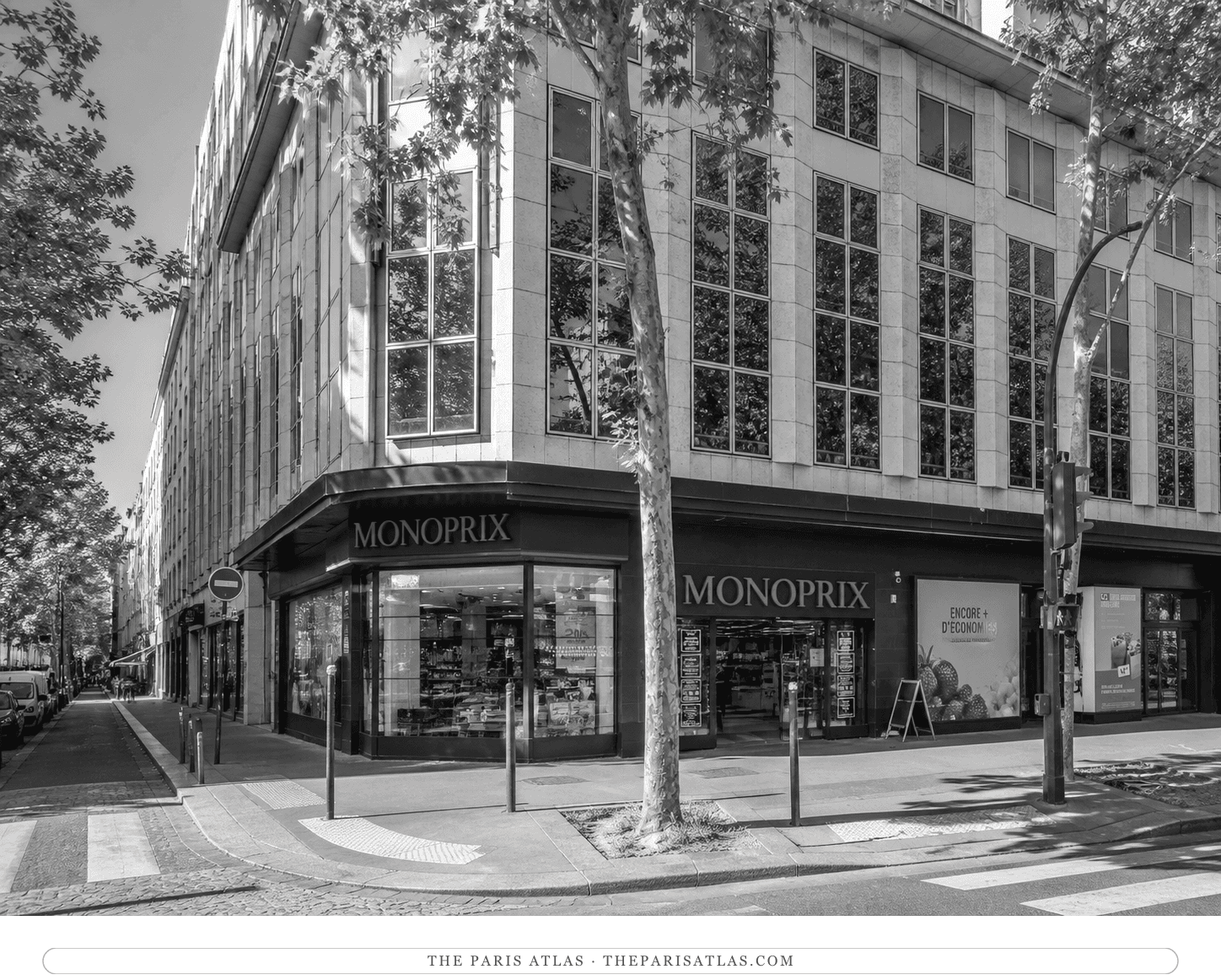
The cheap eating-house where Vincent van Gogh hung an exhibition of his own work and his friends' in November 1887 — the show at which Seurat and Gauguin turned up, and where the road to Arles effectively begins.
Visit the place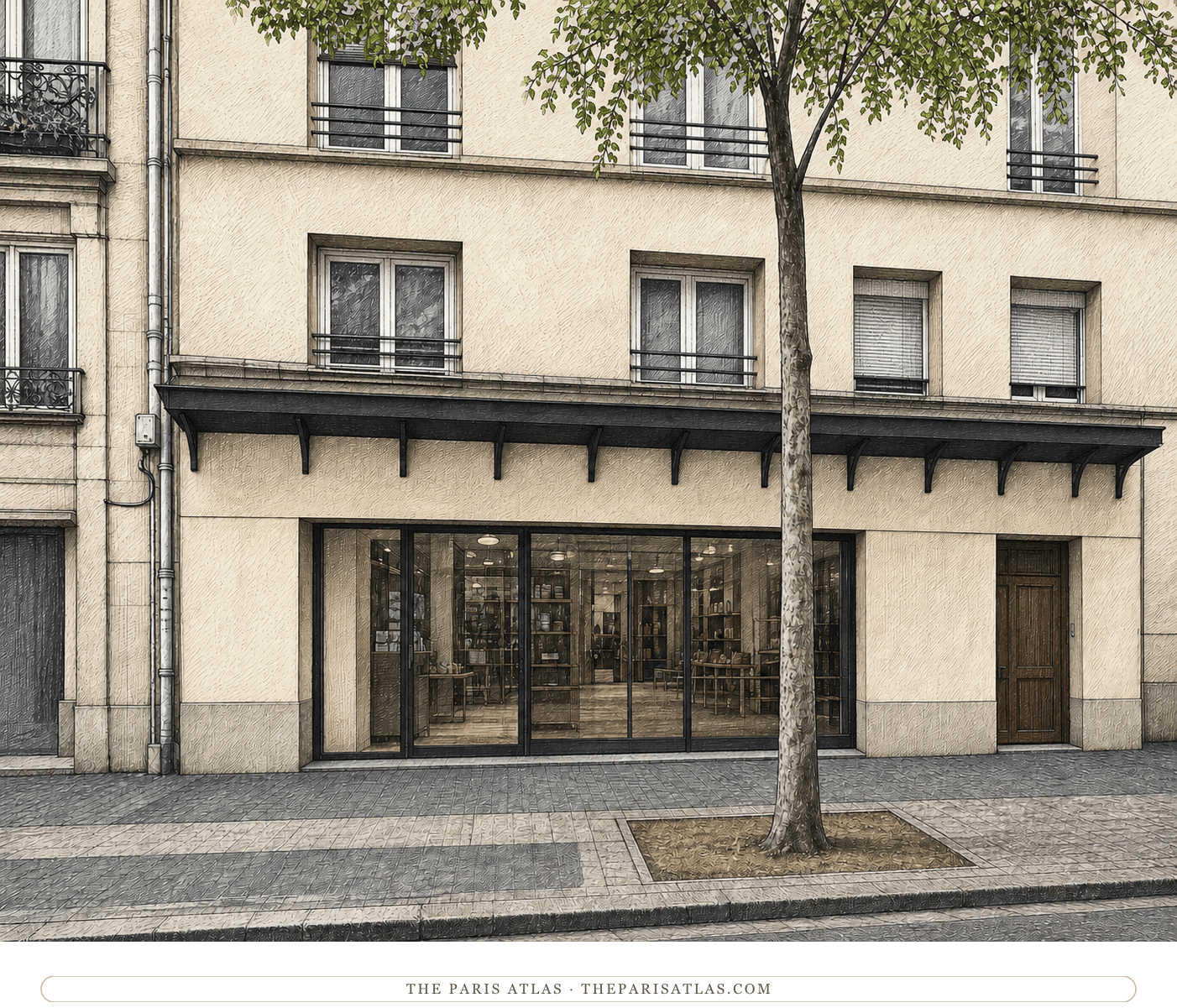
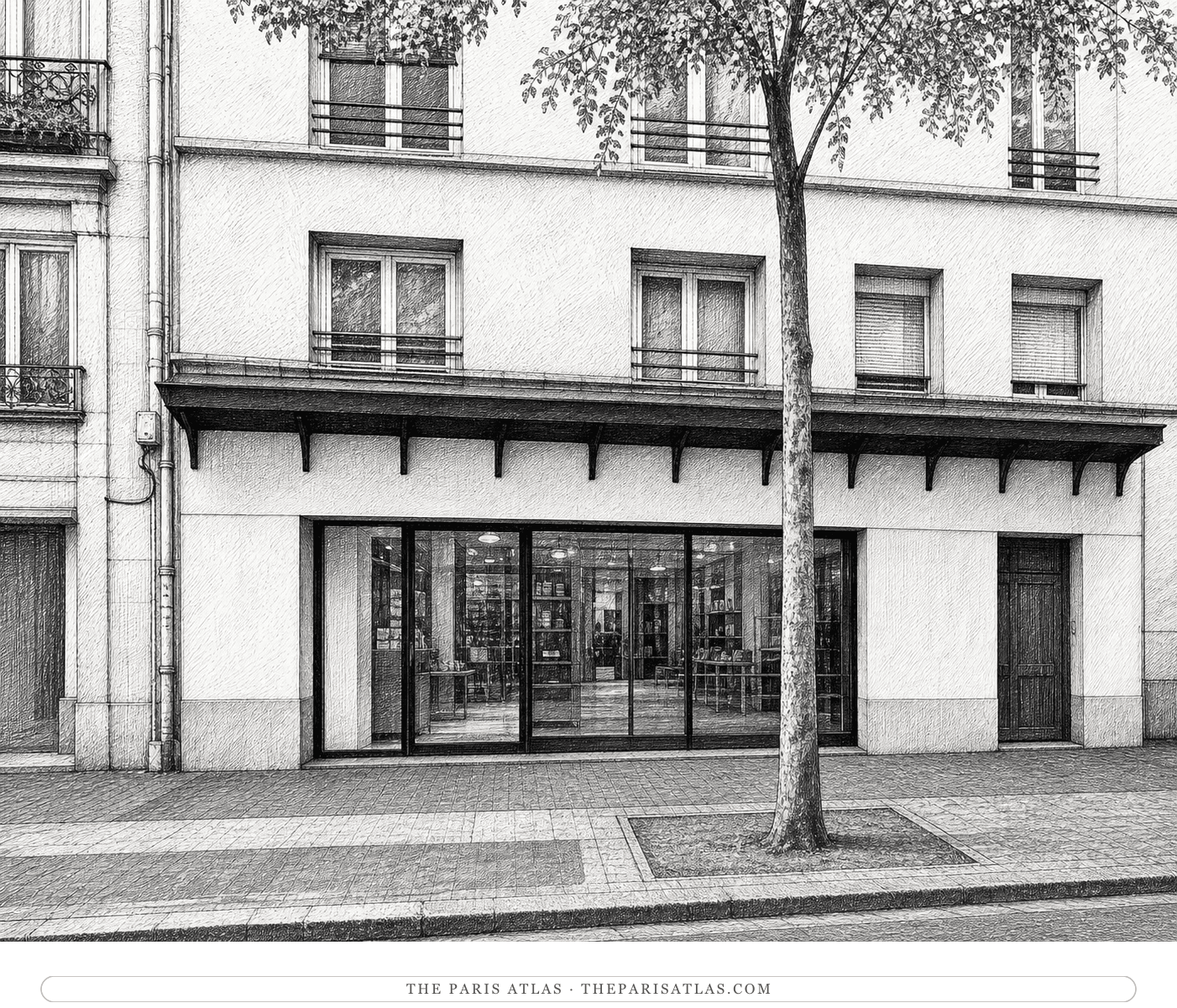
The Batignolles café where Édouard Manet held court through the 1860s and the painters who would become the Impressionists argued out what they were doing. Its address has since been renamed and renumbered, and nothing of it survives.
Visit the place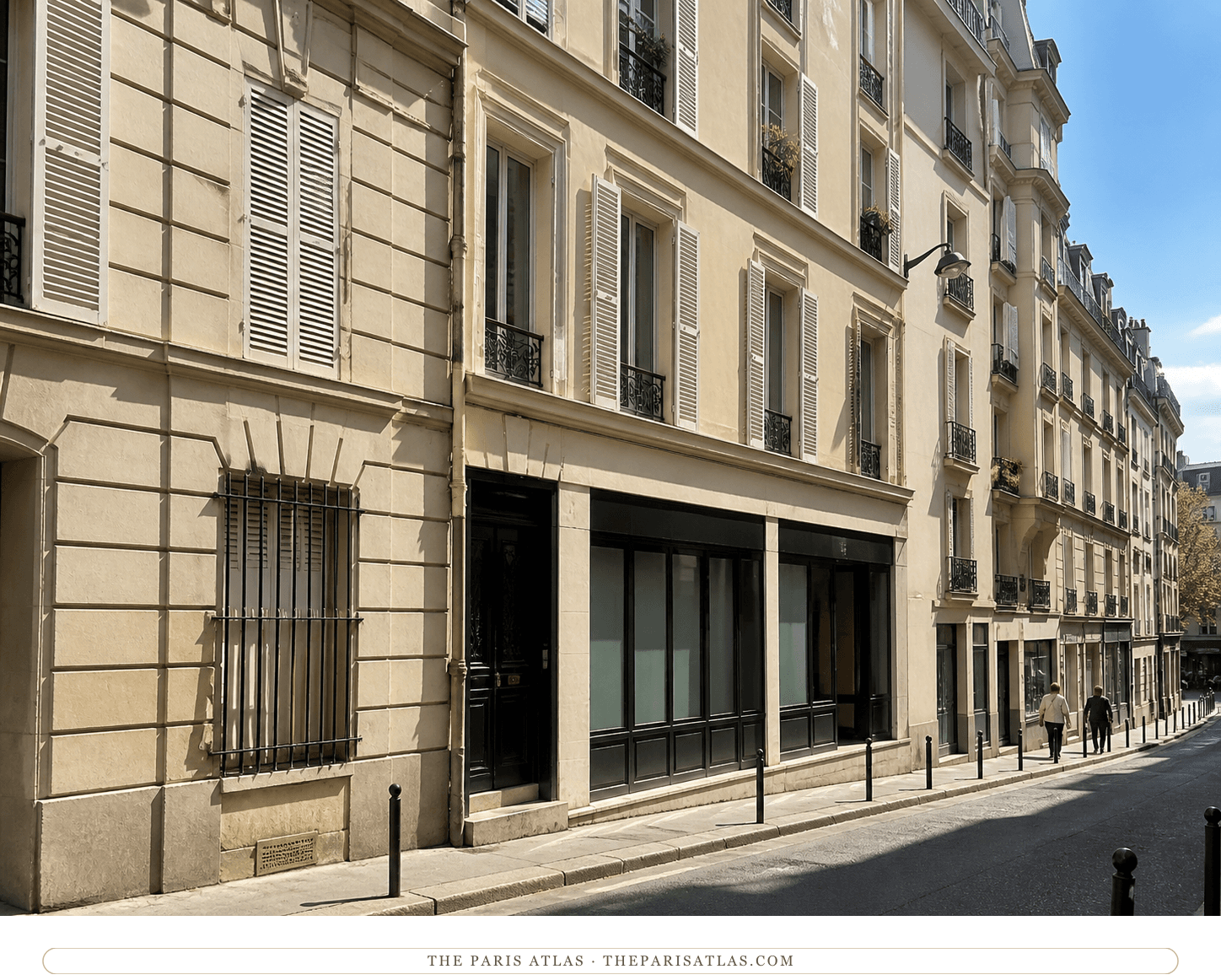
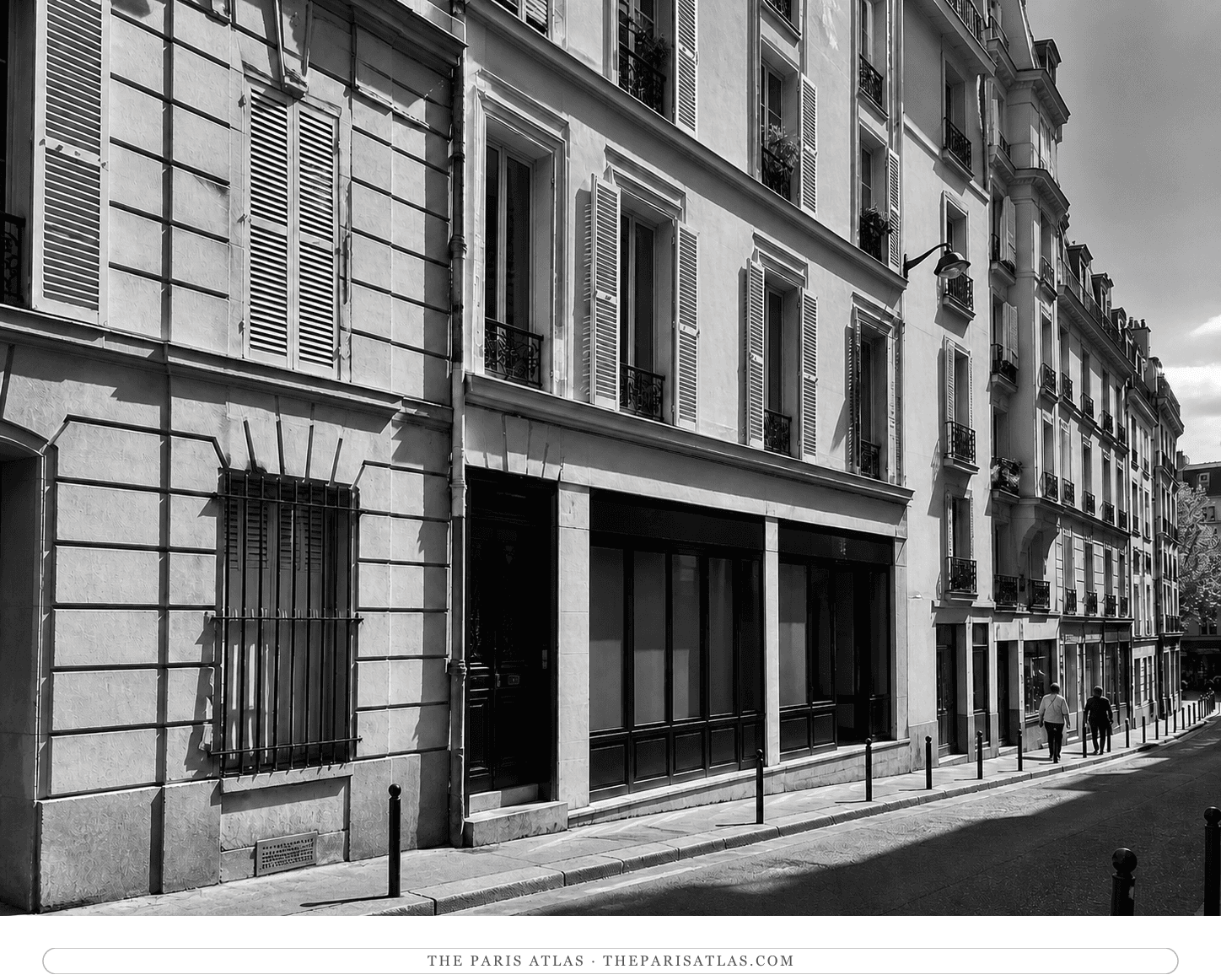
A surviving private address in Batignolles where a vanished working people's hotel gave the young American poet Langston Hughes his real-life version of a Paris garret in 1924.
Visit the place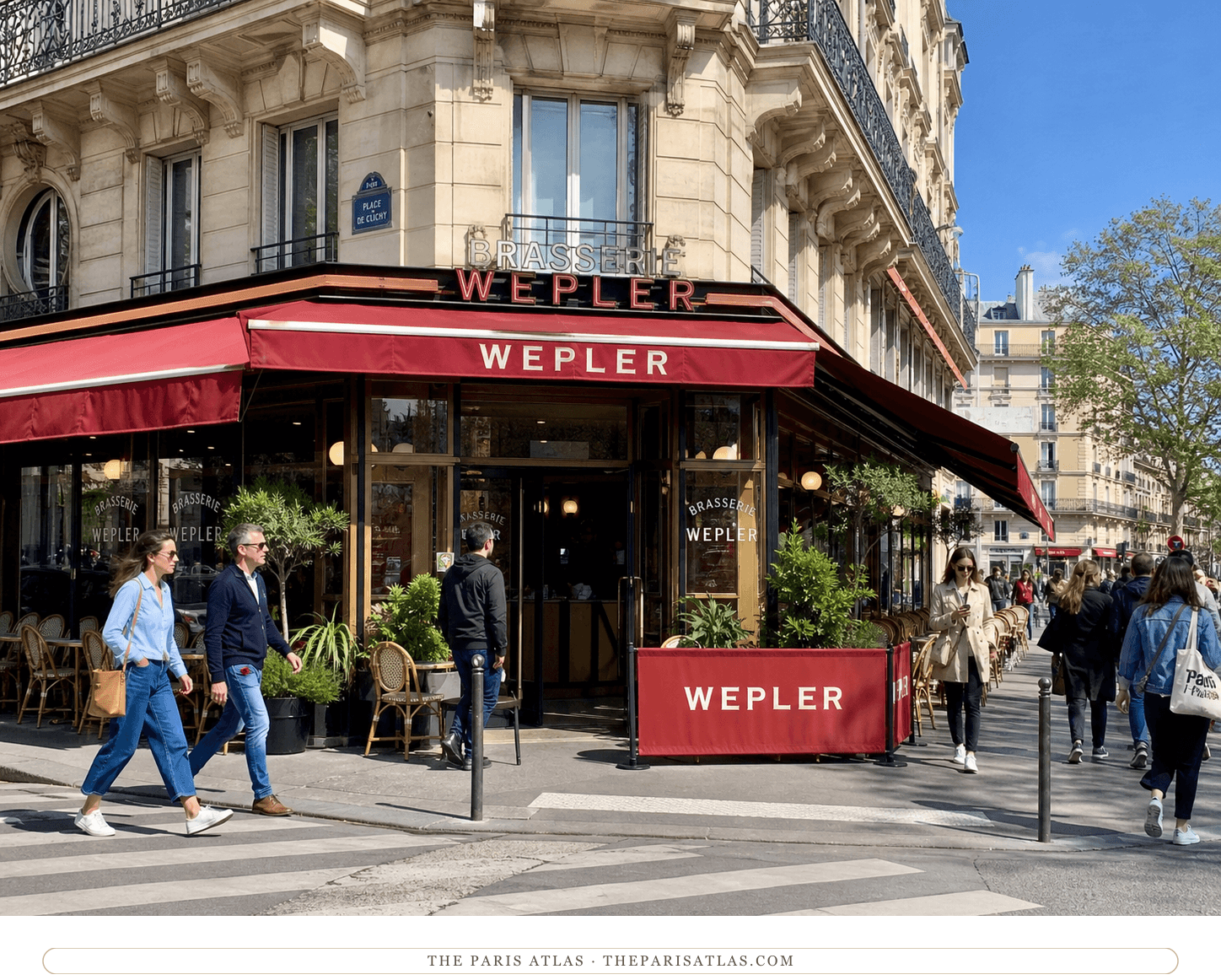
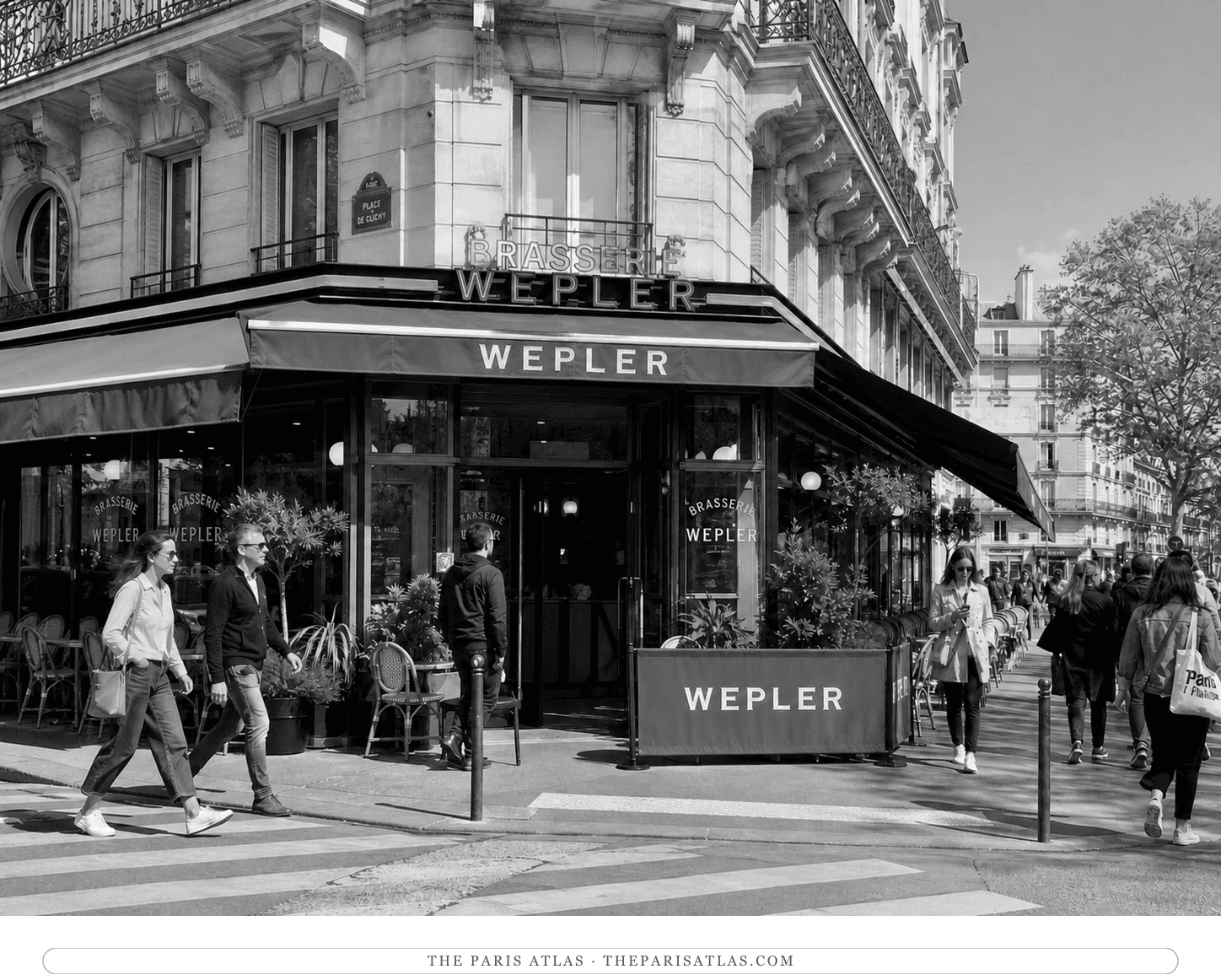
The big brasserie on the place de Clichy that Henry Miller used as his base during the Clichy years later recreated in Quiet Days in Clichy — somewhere to write, to wait for people, and to watch the square. Currently closed for renovation.
Visit the placeThe sources below include histories, archival materials, scholarly research, and official records that informed this page. They document Villa des Arts, 15 rue Hégésippe-Moreau, the people connected to it, and its place in Paris.

Web source consulted for documented facts and historical context presented on the Villa des Arts, 15 rue Hégésippe-Moreau page.
Web source consulted for documented facts and historical context presented on the Villa des Arts, 15 rue Hégésippe-Moreau page.
Web source consulted for documented facts and historical context presented on the Villa des Arts, 15 rue Hégésippe-Moreau page.
Web source consulted for documented facts and historical context presented on the Villa des Arts, 15 rue Hégésippe-Moreau page.
These references provide the documented foundation for this page's history and context. Claim-level citations remain attached to the specific claims they support.
 Explore more resources
Newsletter
The cafés, studios, and walk-up flats where the work was made — one story from the map in every letter.