Vincent van Gogh
In November 1887 Van Gogh organised an exhibition in this cheap restaurant, showing his own work with Anquetin, Bernard, Toulouse-Lautrec, Koning and Guillaumin. Seurat and Gauguin came to see it.
The cheap eating-house where Vincent van Gogh hung an exhibition of his own work and his friends' in November 1887 — the show at which Seurat and Gauguin turned up, and where the road to Arles effectively begins.
A bouillon was a cheap restaurant serving broth and plain food to working people. In November 1887 Vincent van Gogh, unable to interest a dealer in himself or anyone he liked, borrowed the walls of one on the avenue de Clichy and hung an exhibition.[1]
The choice of room says as much as the pictures. A restaurant did not require the approval process of the Salon or the commercial confidence of a dealer. It supplied walls, traffic and a mixed public at modest cost. Van Gogh was using the ordinary infrastructure of the outer boulevards to manufacture an exhibition opportunity that the centre of the art trade had not offered him.
He showed his own canvases alongside Louis Anquetin, Émile Bernard, Henri de Toulouse-Lautrec, Arnold Koning and Armand Guillaumin. He called the group the Painters of the Petit Boulevard — the small boulevards of the outer, poorer districts, as against the Grand Boulevard where Theo's gallery sold Monet and Degas. It was a joke and a manifesto at once.[2]
The distinction was not a claim that the artists shared one style. Bernard and Anquetin were flattening colour inside hard outlines; Toulouse-Lautrec was becoming a chronicler of modern entertainment; Guillaumin had exhibited with the Impressionists; Van Gogh was absorbing all of them. What joined the list was position: they were the younger or less marketable artists outside the group already recognised and sold by the major dealers.[3]
Georges Seurat came to see it. So did Paul Gauguin, and that is the meeting that matters: the acquaintance formed around this show is the one that would take Gauguin to Arles a year later, to the Yellow House, the nine weeks of working together, and the catastrophe that ended them.[1]
The exhibition also reveals Van Gogh acting as an organiser. He is often narrated as the solitary beneficiary of Theo's support, but here he was selecting peers, finding a venue, installing work and proposing a name for a group. The project failed commercially, yet it created contact among painters who would continue to exchange pictures and ideas after the restaurant walls were cleared.[4]
Very little was sold. The restaurant's proprietor is said to have fallen out with Vincent and the pictures came down. Nothing on the avenue records any of it.[2]
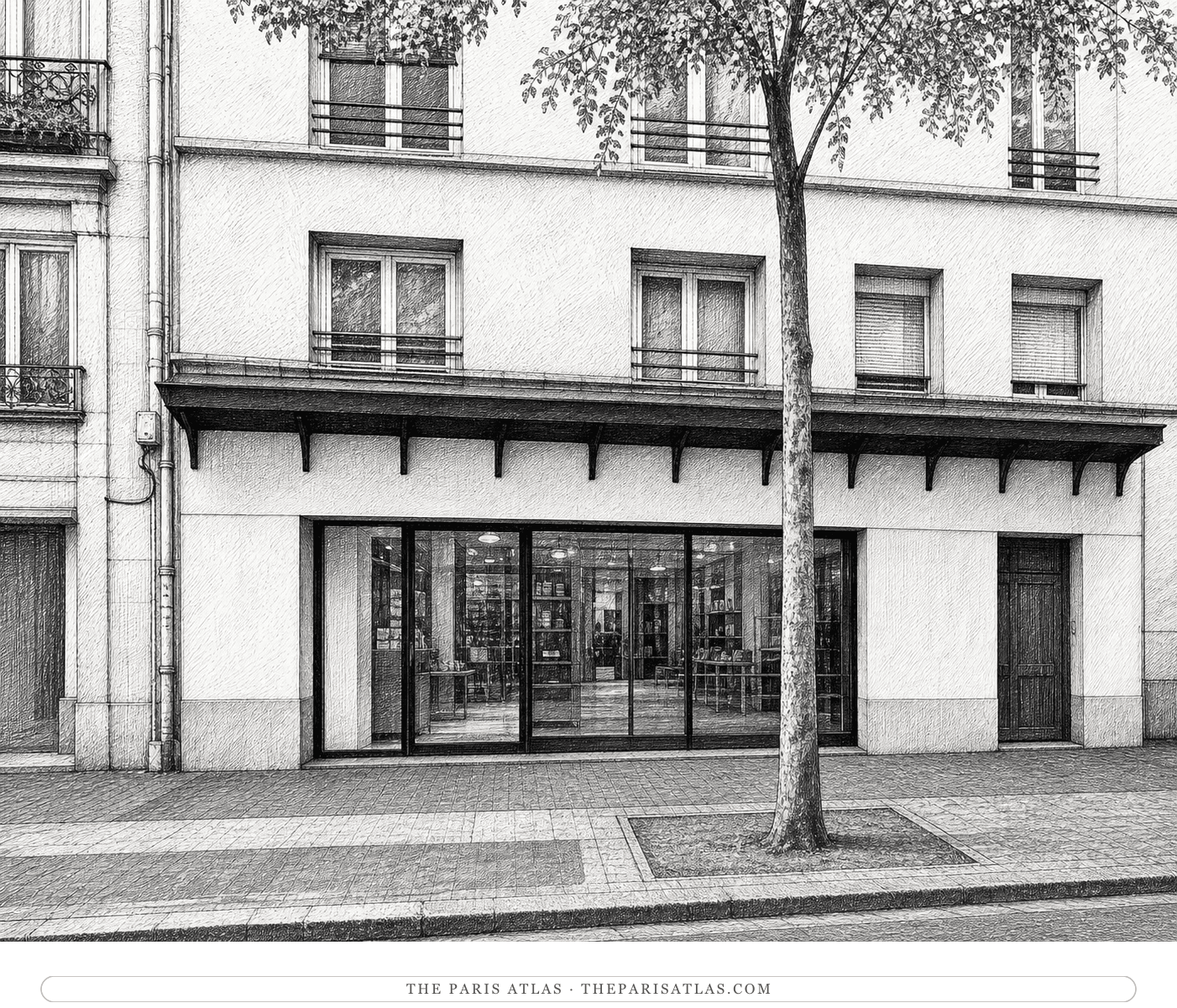
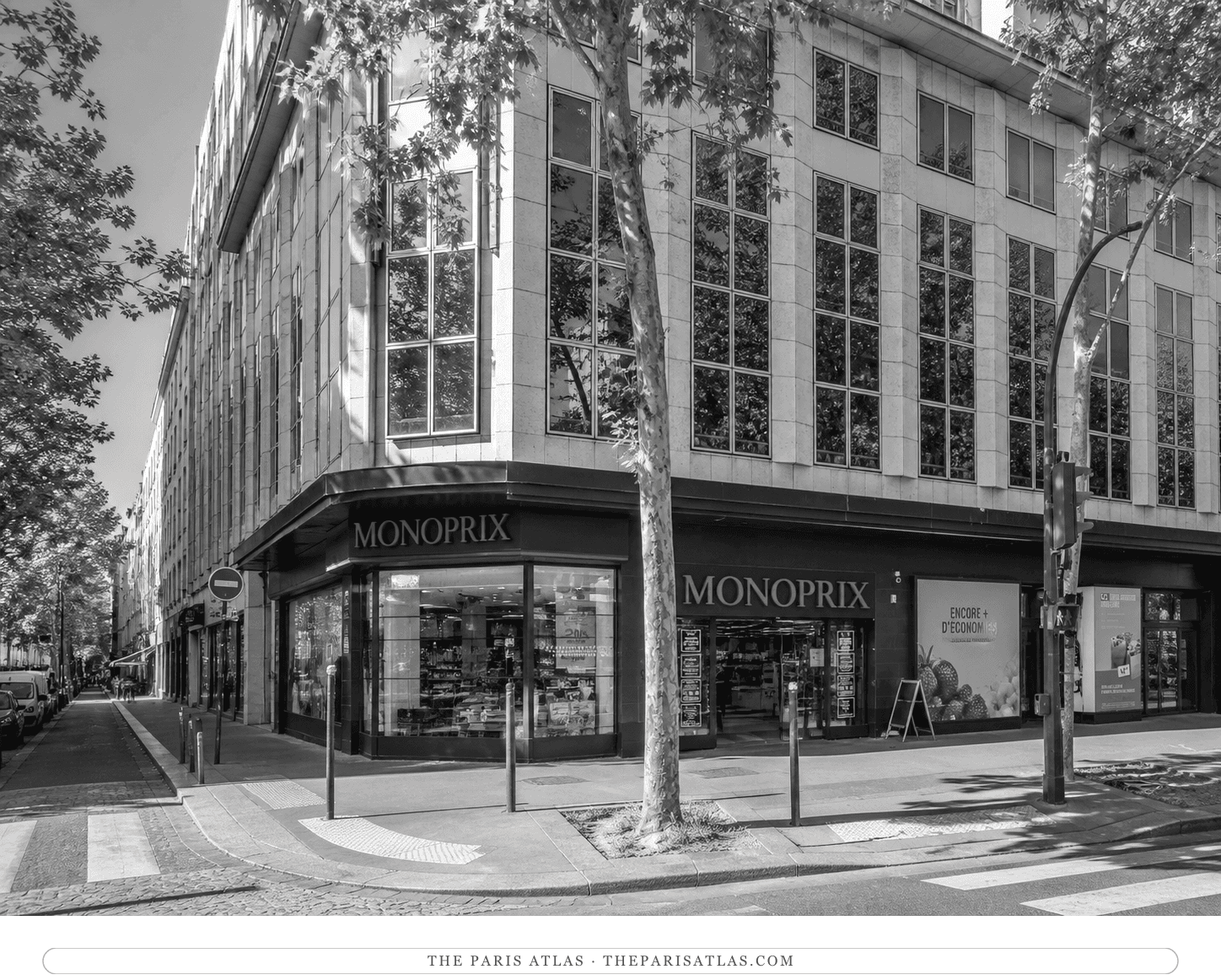
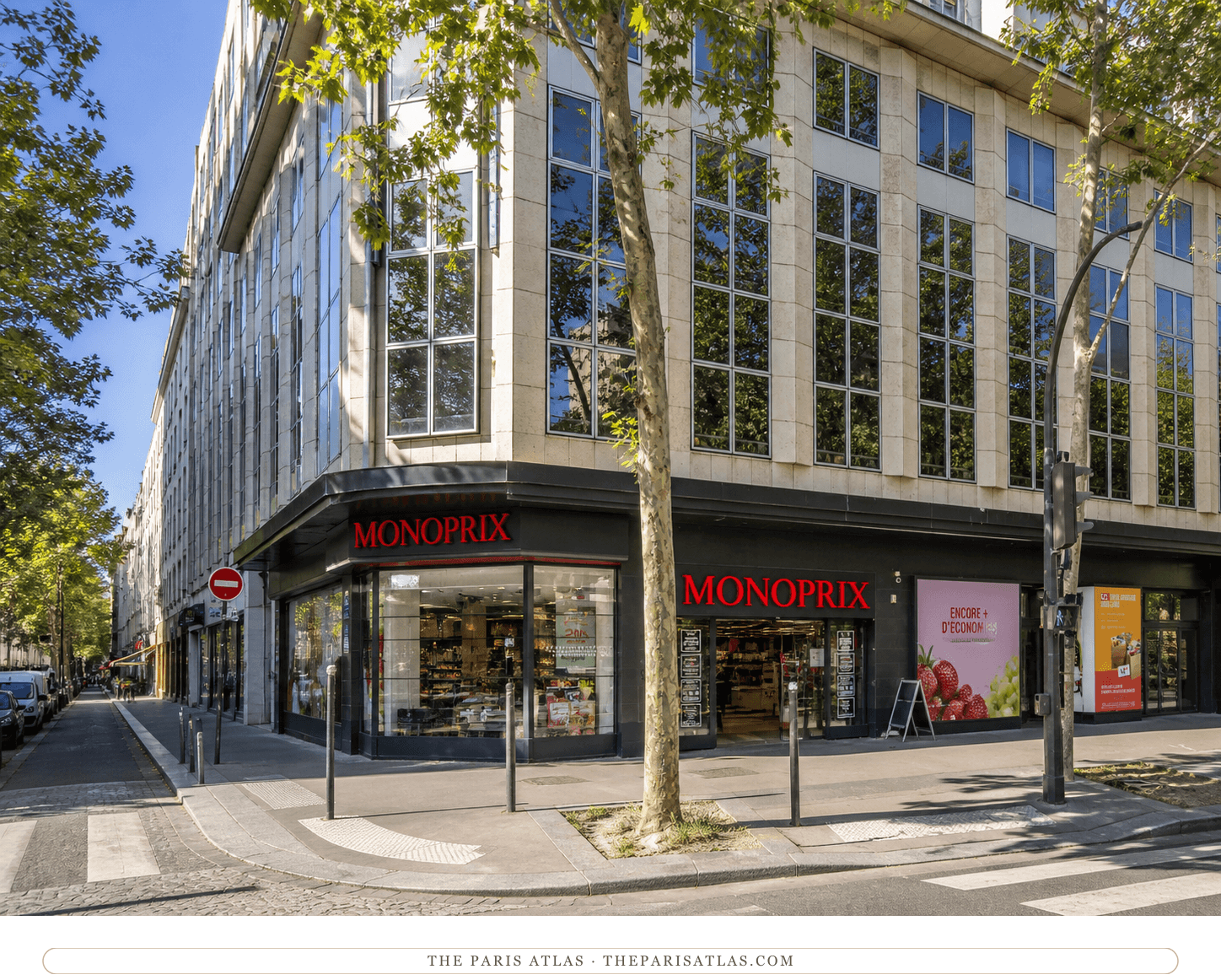
The modern address is therefore a location of an event rather than a preserved interior. The restaurant is gone, the building has changed, and the pin identifies the recorded street number. What survives is the avenue itself: one of the busy northern routes that made the phrase Petit Boulevard geographically legible to the people who saw the show.
The show belonged to a wider pattern of artist-organised display. The Impressionists had already demonstrated that painters could rent rooms and address a public outside the Salon, but even an independent group exhibition required money, coordination and recognised participants. Van Gogh's restaurant installation reduced those requirements again. The pictures entered a place where people already ate and talked, collapsing the difference between an exhibition audience and the ordinary traffic of the avenue.
Calling the painters a group was also an attempt to solve a problem of attention. A single unknown artist could be ignored; a named tendency invited comparison and argument. Petit Boulevard described where these artists stood in the city's commercial hierarchy without forcing them into one technique. It countered the already marketable painters of the grand boulevards with a younger constellation based around Clichy and Montmartre, where rents and venues were more accessible.
Gauguin's visit has acquired importance because of what followed, but the 1887 meeting should not be treated as if the Yellow House were inevitable. At this point Van Gogh was still testing whether a Paris network could become a durable association, and Gauguin was navigating his own difficult relation to dealers, family and travel. Their later decision to work together grew through Theo's support, exchanged pictures and correspondence. The bouillon supplied an initial point of contact, not a predetermined partnership.
The absence of sales does not make the exhibition empty. Van Gogh gained evidence about organisation, installation and the limited response of a public; the participants saw their work against that of peers; Seurat and Gauguin entered the room. For an artist whose reputation would be constructed after his death, such poorly documented events are reminders that he repeatedly tried to create a public while alive. He was not waiting passively for discovery.
A visit should therefore resist inventing a surviving bouillon. The useful evidence is the avenue's role as a busy, accessible edge-of-centre route and its nearness to the artists' studios. No historic dining room, wall arrangement or exhibition installation remains. The claim is about the recorded event at the address, not about continuity of décor or business.
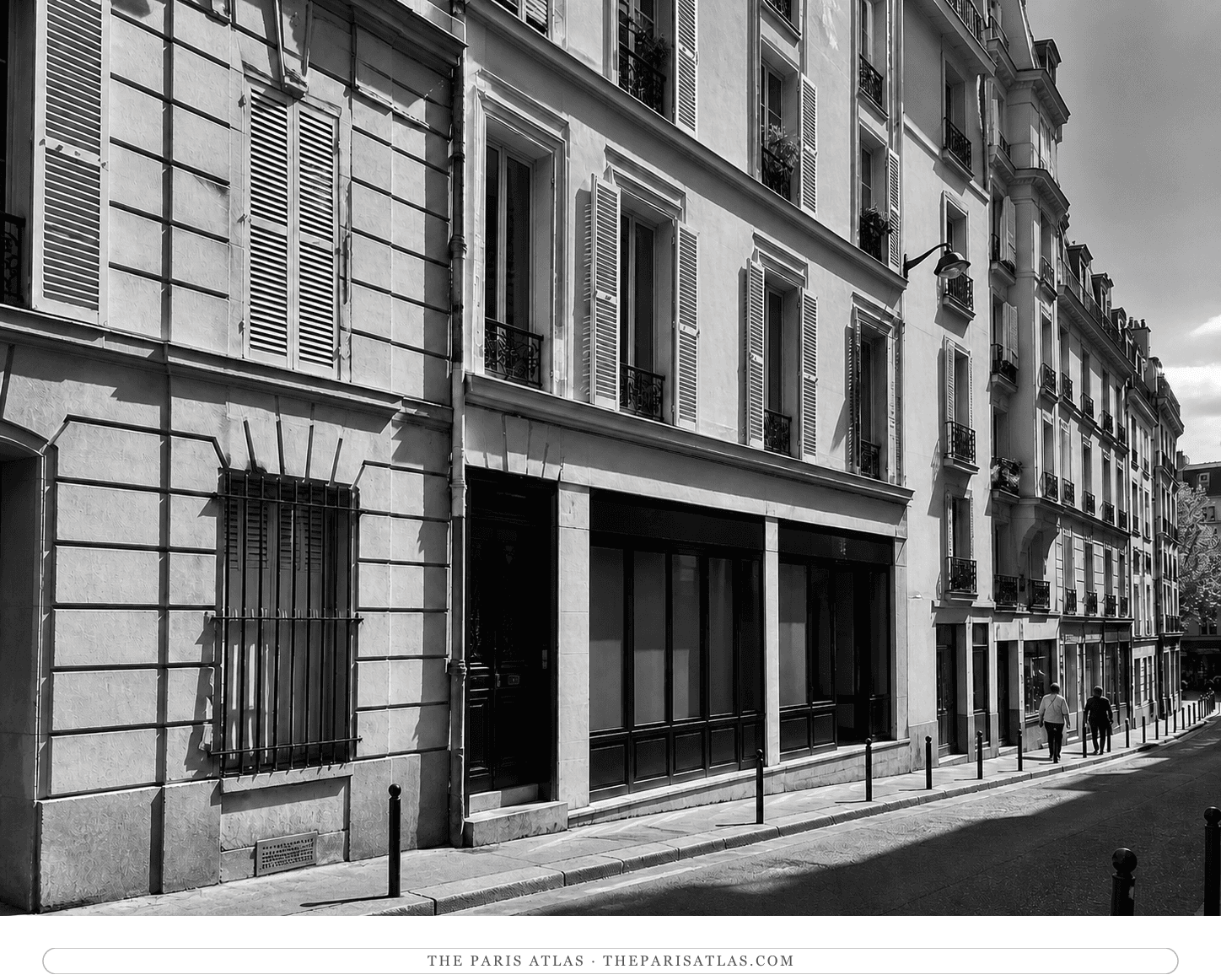
It is a public street location with a building at the recorded number, viewed from outside.
Van Gogh hangs the Petit Boulevard exhibition here in November; Seurat and Gauguin visit.
Van Gogh leaves for Arles in February; Gauguin joins him there in October.
He could not get a dealer, so in November 1887 he hung a show in a cheap restaurant at 43 avenue de Clichy, with Anquetin, Bernard, Toulouse-Lautrec, Koning and Guillaumin.
Van Gogh's name for his own circle — the small outer boulevards of the poorer districts, set against the Grand Boulevard where the established Impressionists were sold.
Gauguin visited the exhibition, and the acquaintance formed around it led to Gauguin joining him in Arles in October 1888.
In November 1887 Van Gogh organised an exhibition in this cheap restaurant, showing his own work with Anquetin, Bernard, Toulouse-Lautrec, Koning and Guillaumin. Seurat and Gauguin came to see it.
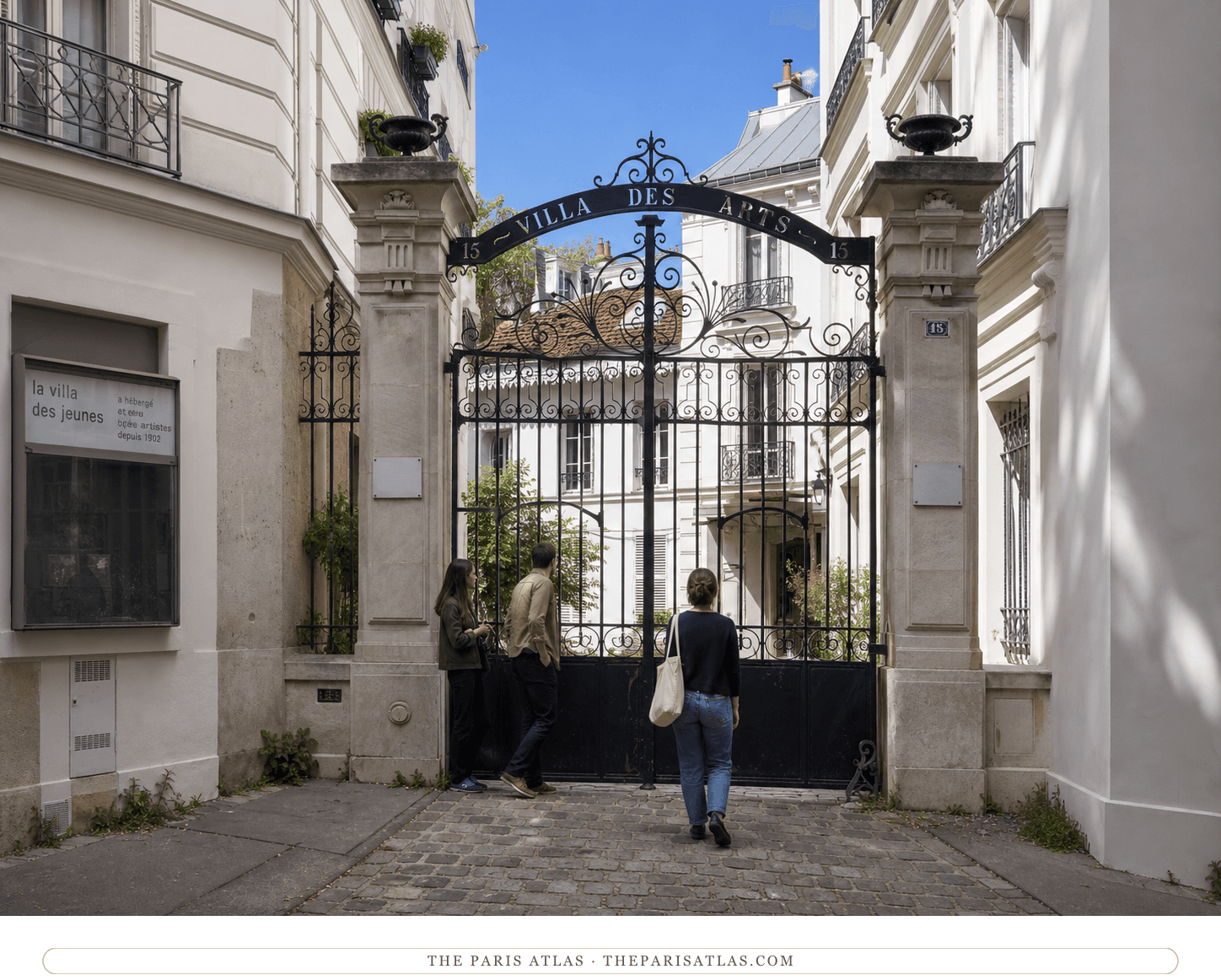
The purpose-built studio complex below Montmartre where Paul Cézanne worked in 1898 and 1899 — one of his last Paris addresses, and where he painted the portrait of Ambroise Vollard.
Visit the place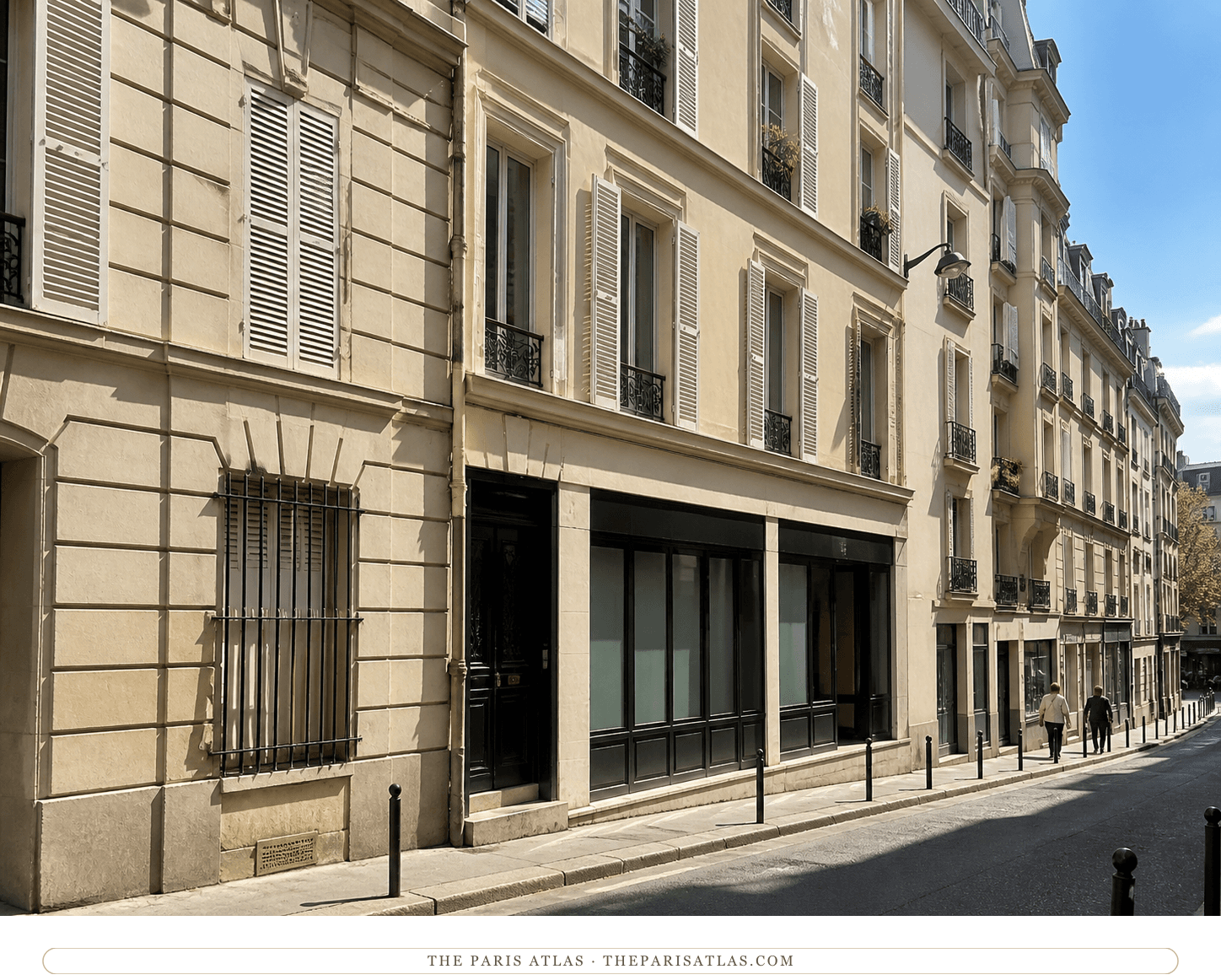
A surviving private address in Batignolles where a vanished working people's hotel gave the young American poet Langston Hughes his real-life version of a Paris garret in 1924.
Visit the place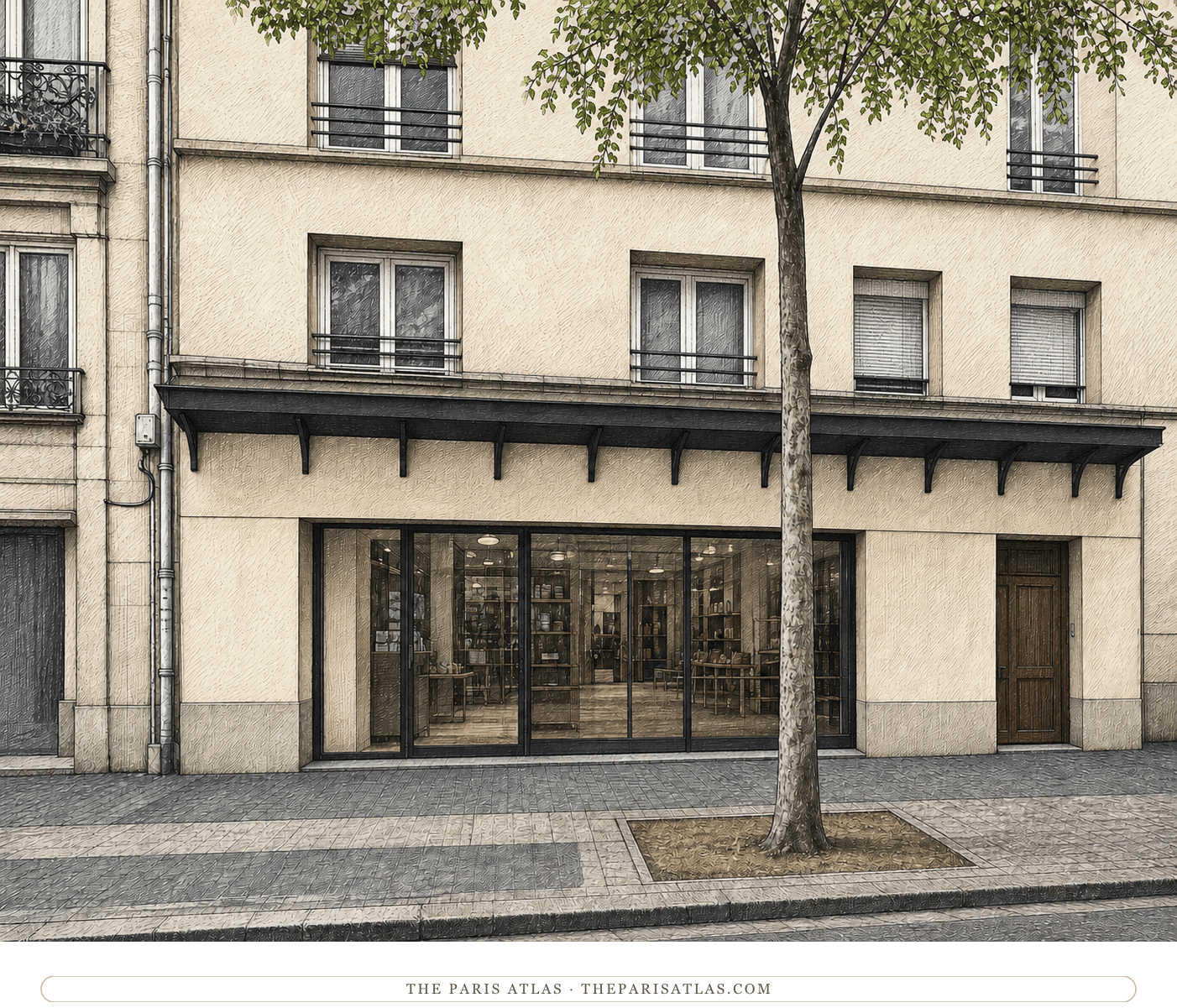
The Batignolles café where Édouard Manet held court through the 1860s and the painters who would become the Impressionists argued out what they were doing. Its address has since been renamed and renumbered, and nothing of it survives.
Visit the place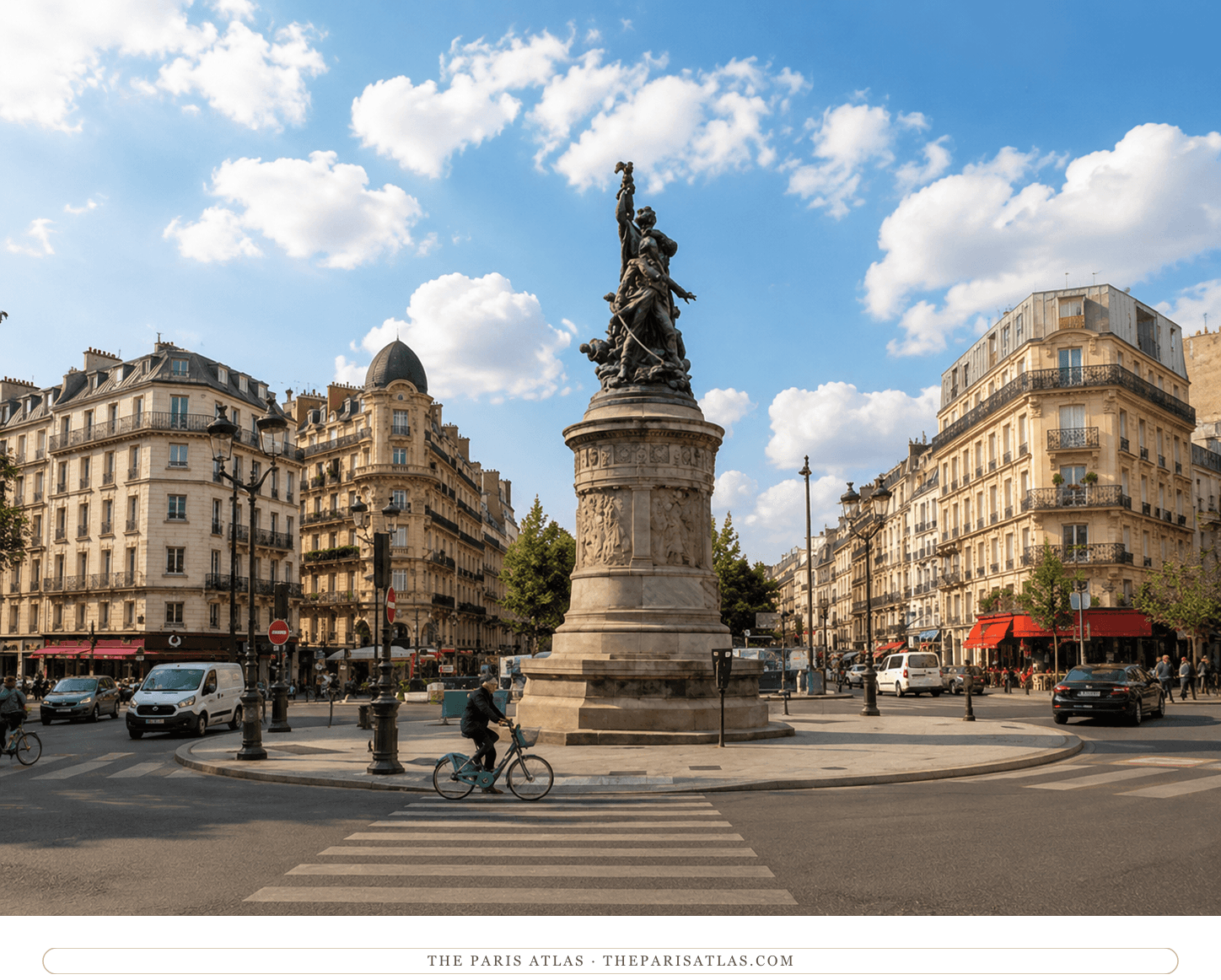
The crossroads where four arrondissements collide — and where Louis-Ferdinand Céline opens Journey to the End of the Night at a café table, with a recruitment parade passing and his narrator Bardamu jumping up to join the war.
Visit the placeThe sources below include histories, archival materials, scholarly research, and official records that informed this page. They document Grand Bouillon-Restaurant du Chalet, 43 avenue de Clichy, the people connected to it, and its place in Paris.


Web source consulted for documented facts and historical context presented on the Grand Bouillon-Restaurant du Chalet, 43 avenue de Clichy page.
Web source consulted for documented facts and historical context presented on the Grand Bouillon-Restaurant du Chalet, 43 avenue de Clichy page.
These references provide the documented foundation for this page's history and context. Claim-level citations remain attached to the specific claims they support.
 Explore more resources
Newsletter
The cafés, studios, and walk-up flats where the work was made — one story from the map in every letter.