
Recalled in the memoir
The Big Sea
The memoir gives the club its own chapters — "Work", "Le Grand Duc", "Bricktop" — covering Hughes's months as its dishwasher in 1924 and the dawn jam sessions that had no name yet.
The tiny Montmartre nightclub where Langston Hughes washed dishes in 1924 and Bricktop began her Paris career — an eight-foot bar, a dance floor for a dozen couples, and the after-hours jam sessions that ended the quarter's nights.
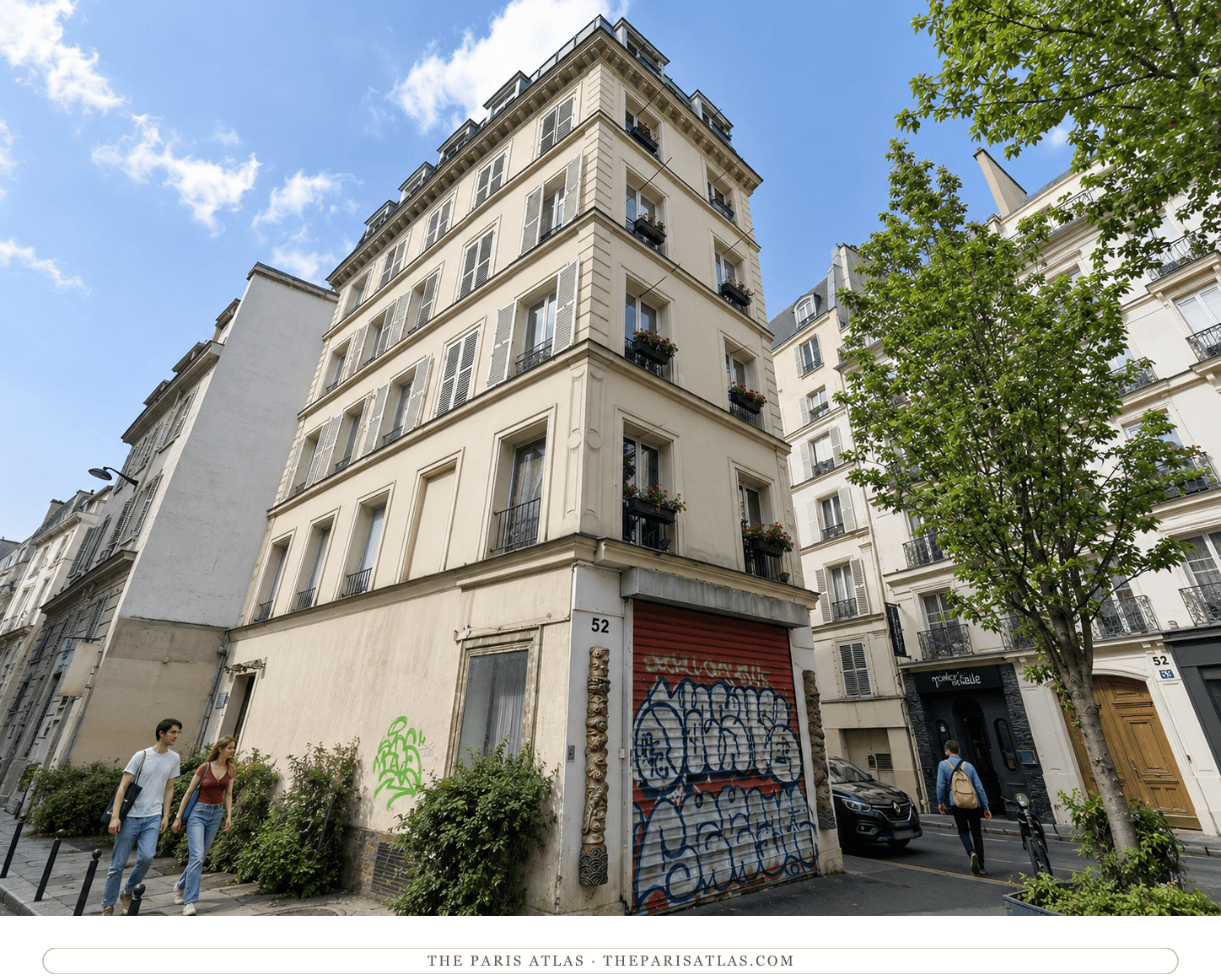
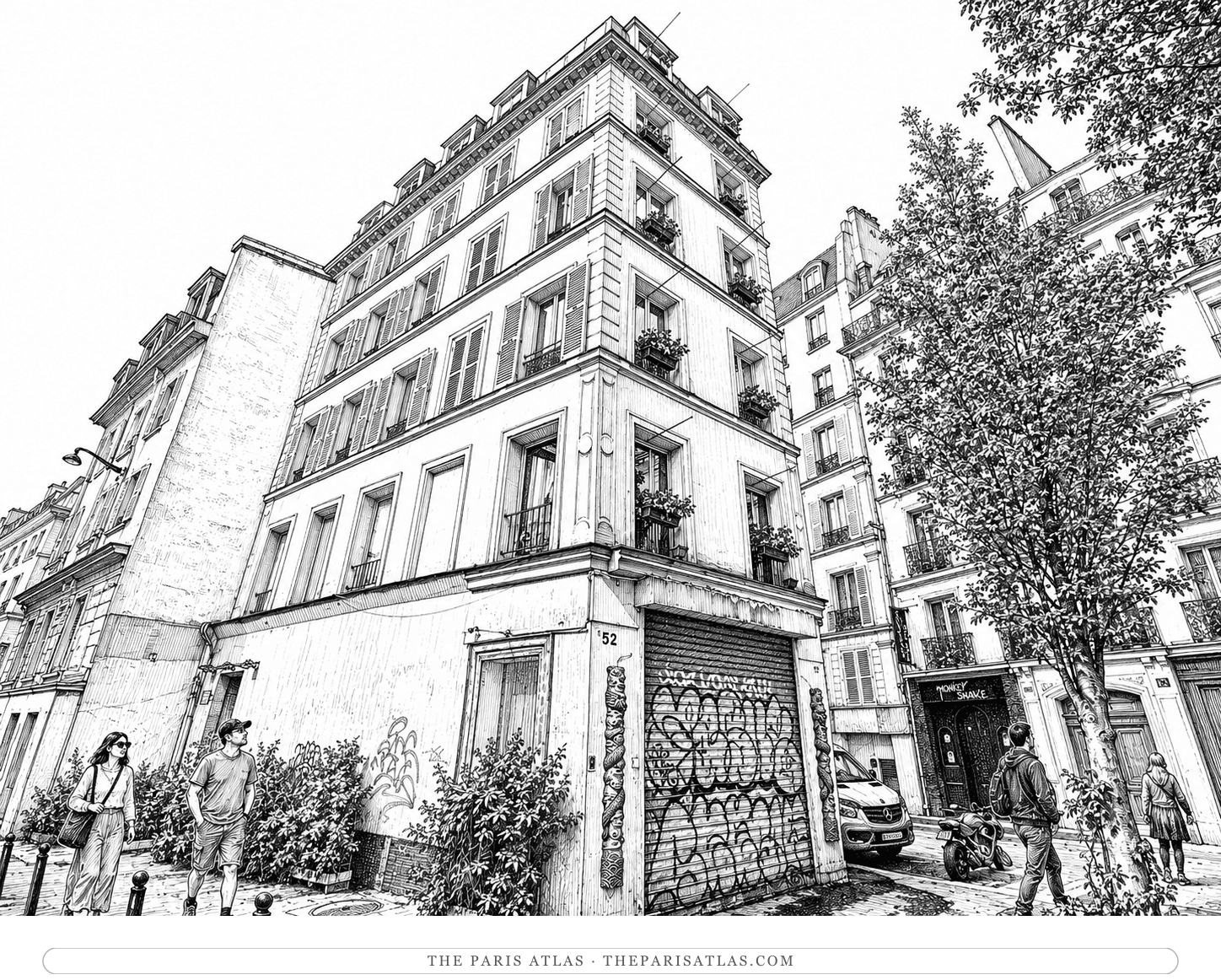
Le Grand Duc stood at 52 rue Pigalle, at the angle where the rue Pigalle met the rue Fontaine, one short block from Zelli's. It was in business by early 1924, and it was small even by the standards of French nightclubs: Langston Hughes, who worked in its kitchen, described small tables set very close together, an eight-foot bar, and a dance floor with room for a dozen couples. The club's first owner was Georges Jamerson, said to be a small-time gangster from a well-placed French family; the man who actually ran the room was his manager, Eugene Bullard, a Georgia-born veteran of the French Foreign Legion who had flown with French squadrons in 1917 as the first African American combat pilot. At some point Bullard bought the club outright with money saved from playing music, and later sold it, staying in the quarter to run a gym and then a bar of his own.[1]
What filled the tiny room was Florence Embry Jones, the hostess and singer the smart crowd came to see. Her husband Palmer Jones played piano at the Ambassadeurs and reached the Grand Duc around three in the morning; until then Florence sang American popular tunes with the house orchestra, a couple of songs an hour between dances, and when Palmer arrived the two did their own numbers together. Hughes's memoir The Big Sea records that relations between Florence and the management were never warm, and in the spring of 1924 she left to front the club Louis Mitchell renamed Chez Florence for her — the room up the street that drew the theatrical celebrities and, eventually, was sold to Joe Zelli.[2]
Hughes had arrived in Paris in February 1924 with almost no money. He worked first as a doorman at a small boîte on the rue Fontaine, hired by its Martiniquaise owner for five francs a night and dinner, and then the historian Rayford Logan — living in Paris at the time, later a professor of history at Howard University — sent word that the Grand Duc needed a second cook. He could not cook and said he could. "Fortunately the title, second cook, really meant dishwasher, so I got the job," he wrote. Eugene Bullard hired him at fifteen francs a night and breakfast, with work starting at eleven at night. He washed the club's dishes from about March to July 1924, and when business thinned he was moved out front as a waiter's helper, working in a wide-lapelled comedian's tuxedo that the dancer Louis Douglas, a regular of the after-hours crowd, gave him off his own back. Out of that two-by-four kitchen came some of the best pages of The Big Sea.[3]
The kitchen had its own star. The cook, Bruce, was an enormous man and, in Hughes's account, no respecter of persons, from the star entertainer down to star patrons like Belle Livingston and Fannie Ward. His baked beans and his "golden brown Virginia corn bread that would melt in your mouth" had a public of their own, and his vagaries were tolerated accordingly. When the club's great fight broke out, Bruce put on his street coat and went to the corner bistro for a drink, since "who hit who," Hughes reports him saying, was no concern of his.[3]
Hughes also preserves the guest list of the Florence months, name by name: Anita Loos and John Emerson, Lady Nancy Cunard, the Dolly Sisters, the writer Robert McAlmon, Belle Livingston with her son and daughter, the actress Fannie Ward, Prince Tuvalou of Dahomey — the Paris-based Dahomean activist Kojo Tovalou Houénou — Sparrow Robertson of the Paris Herald's sport page, Joe Alix, who later became Josephine Baker's dancing partner, and the surrealist poet Louis Aragon. Florence, Hughes adds, would notice none of them unless they were very celebrated or very rich. William Shack's history of the quarter widens the circle with the Montparnasse crowd that discovered the room: F. Scott Fitzgerald treated the Grand Duc as a home away from home, Ernest Hemingway followed, Louis Bromfield and Pablo Picasso appear among the patrons, and Man Ray and Kiki de Montparnasse became regulars.[3]
The pages are about what happened after closing time. When the other clubs shut, the musicians came to the Grand Duc and played for themselves until seven or eight in the morning — Cricket Smith on trumpet, Louis Jones on violin, Palmer Jones at the piano, Frank Withers on clarinet, Buddy Gilmore at the drums, in Hughes's own roll call. He had no word for what he was hearing, because in 1924 the phrase jam session did not yet exist.[4]
The break between Florence and the club came after a night Hughes gives a whole chapter, titled "Don't Hit a Woman." A French dancer named Annette — pregnant, unwell, and paid only in champagne commissions — was dismissed, said what she thought of the owner, and was slapped to the floor by the attendant sent to eject her. Florence rose from her table in a gold evening gown and orchids: "She's a woman and I'm a woman, and can't nobody hit a woman in any place where I work!" Ice buckets flew, the orchestra struck up a tune to drown the noise, and the room went to battle. Hughes, watching from the serving pantry, climbed onto the icebox and dropped the kitchen's two huge knives behind it, "not wishing," he wrote, "to view a murder before my eyes." After the fight, some evenings Florence would not sing a single song.[3]
Florence's departure left the club without a drawing card as the tourist season approached. The management tried a female impersonator, tap dancers, and a Charleston expert, then cabled New York for a replacement. New York sent Ada "Bricktop" Smith of Connie's Inn in Harlem. Bullard met her boat train at Le Havre on 11 May 1924 and brought her straight to the club around midnight; the band, in the habit of striking up whenever the door opened, burst into a tune for what turned out to be the boss and a small, freckled newcomer. Hughes, who was there, wrote that she went around the empty room shaking hands and that you liked her right away — and also that she was startled to find the famous Grand Duc was about the size of a Harlem lunch room. Her own memoir puts it more sharply: a bar that would look crowded with six pairs of elbows on it. Her first night ended in the kitchen: the club sat empty until nearly dawn — "this is a late place," the manager kept explaining — until Bricktop gave up on the front room and came back to see, as she put it, what Bruce and Hughes "got back here." She stayed two years, made the room a success with Bullard, and in time opened her own club up the street at 66 rue Pigalle under the name everyone knew her by.[2]
The Grand Duc ran on into the early 1930s as one of the favorite small rooms of the quarter's international clientele. Then the record of it goes quiet. The 1929 crash thinned Montmartre's American nightlife within a few seasons, and no source in hand records the club's closing date.[5]
The building is still there, unlike most of its neighbors from the jazz decade, on a street that now carries the name rue Jean-Baptiste Pigalle. Nothing on the facade says what the address was.[1]
Then when all the other clubs were closed, the best of the musicians and entertainers from various other smart places would often drop into the Grand Duc, and there'd be a jam session until seven or eight in the morning — only in 1924 they had no such name for it. They'd just get together and the music would be on.
Blues in the rue Pigalle. Black and laughing, heartbreaking blues in the Paris dawn, pounding like a pulse-beat, moving like the Mississippi!
I couldn't cook, but I decided to say I could. Fortunately the title, second cook, really meant dishwasher, so I got the job.
In business at 52 rue Pigalle, with Florence Embry Jones as the drawing card and Eugene Bullard managing for owner Georges Jamerson.
Langston Hughes, newly arrived and nearly broke, is hired on Rayford Logan's tip as "second cook" — in practice the dishwasher — at fifteen francs a night and breakfast.
Florence Embry Jones leaves to front Chez Florence, the club Louis Mitchell renames for her, and the Grand Duc is left without a drawing card.
Bricktop arrives from New York as the replacement; Bullard meets her at Le Havre on 11 May and brings her straight to the club.
Bricktop moves on, toward rooms of her own; her club at 66 rue Pigalle follows in 1929.
The club is still among the quarter's favorites as the crash thins Montmartre's American nightlife; no source records its closing date.
The building stands on the renamed rue Jean-Baptiste Pigalle, unmarked.
A small, fashionable nightclub of the Black American jazz scene in Montmartre, in business by early 1924 at 52 rue Pigalle. It is remembered because the poet Langston Hughes washed its dishes, Bricktop began her Paris career there, and its after-hours gatherings of musicians were jam sessions before the phrase existed.
At 52 rue Pigalle in the 9th arrondissement, at the angle where the rue Pigalle met the rue Fontaine — one short block from Zelli's. Both streets have since been renamed: the address today is 52 rue Jean-Baptiste Pigalle, and the old rue Fontaine is now rue Pierre-Fontaine.
Yes. Langston Hughes arrived in Paris in February 1924 with almost no money, worked briefly as a doorman on the rue Fontaine, and that spring was hired at the club as a "second cook" — a title that, as he cheerfully admitted in his memoir The Big Sea, really meant dishwasher. He worked there until July 1924 at fifteen francs a night and breakfast, and his account of the club's dawn jam sessions is one of the memoir's most quoted passages.
Langston Hughes's memoir The Big Sea names the celebrities who came to see Florence Embry Jones: the writer Anita Loos and her husband John Emerson, Lady Nancy Cunard, the Dolly Sisters, the writer Robert McAlmon, Belle Livingston, the actress Fannie Ward, Kojo Tovalou Houénou (Hughes's "Prince Tuvalou of Dahomey"), and the surrealist poet Louis Aragon. William Shack's history Harlem in Montmartre adds the Montparnasse crowd: F. Scott Fitzgerald, Ernest Hemingway, Pablo Picasso, the novelist Louis Bromfield, Man Ray, and Kiki de Montparnasse.
Florence Embry Jones was the original drawing card, singing with the house orchestra and, late at night, with her husband Palmer Jones at the piano. From May 1924 her replacement was Ada "Bricktop" Smith, freshly arrived from Connie's Inn in Harlem. After closing time the room filled with the quarter's best musicians — Hughes names Cricket Smith, Louis Jones, Palmer Jones, Frank Withers, and Buddy Gilmore.
The club's manager and, later, its owner. Born in Columbus, Georgia, in 1895, Bullard fought in the French Foreign Legion, was wounded at Verdun, and flew with French squadrons in 1917 as the first African American combat pilot. In Montmartre he ran Le Grand Duc, eventually bought it, then sold it and ran a gym and a bar of his own in the same quarter.
No. The club ran into the early 1930s and then disappears from the record — no source in hand gives a closing date, and the Depression emptied Montmartre's American nightlife within a few seasons. The building itself still stands, unmarked, at what is now 52 rue Jean-Baptiste Pigalle.
Recalled in the memoir
The memoir gives the club its own chapters — "Work", "Le Grand Duc", "Bricktop" — covering Hughes's months as its dishwasher in 1924 and the dawn jam sessions that had no name yet.
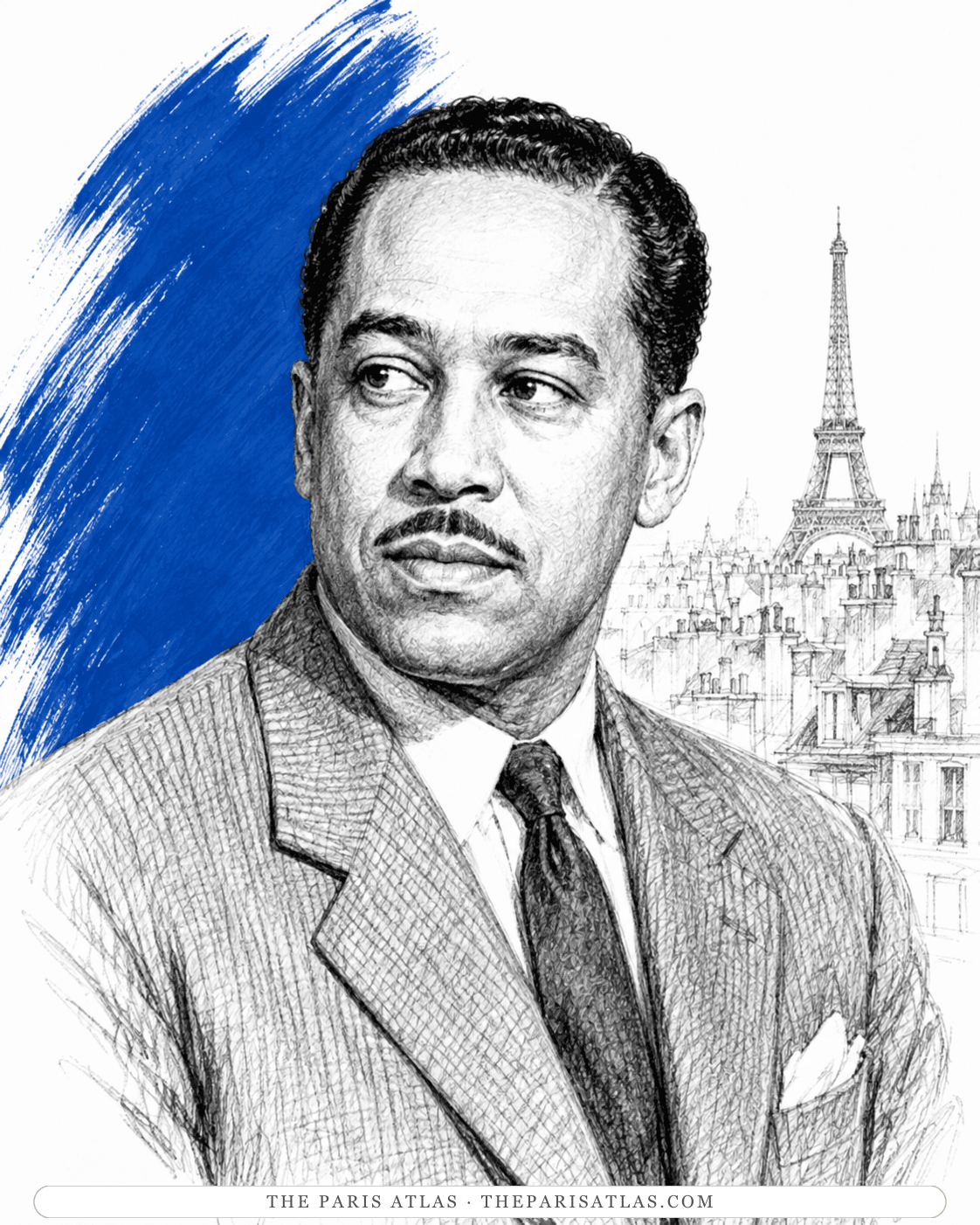
Worked here · 1924
Hughes was hired at the club in February 1924 under the title "second cook", which he says in The Big Sea really meant dishwasher, and worked there until he left Paris in July. His account of the club's after-hours jam sessions is one of the memoir's best-known passages.
Cultural movement · c. 1918 – mid-1930s
The flowering of Black American literature, music, and art centered on Harlem between the world wars — Langston Hughes, Zora Neale Hurston, Duke Ellington, Aaron Douglas — with an outpost in Montmartre that can be traced street by street.
Enter the movement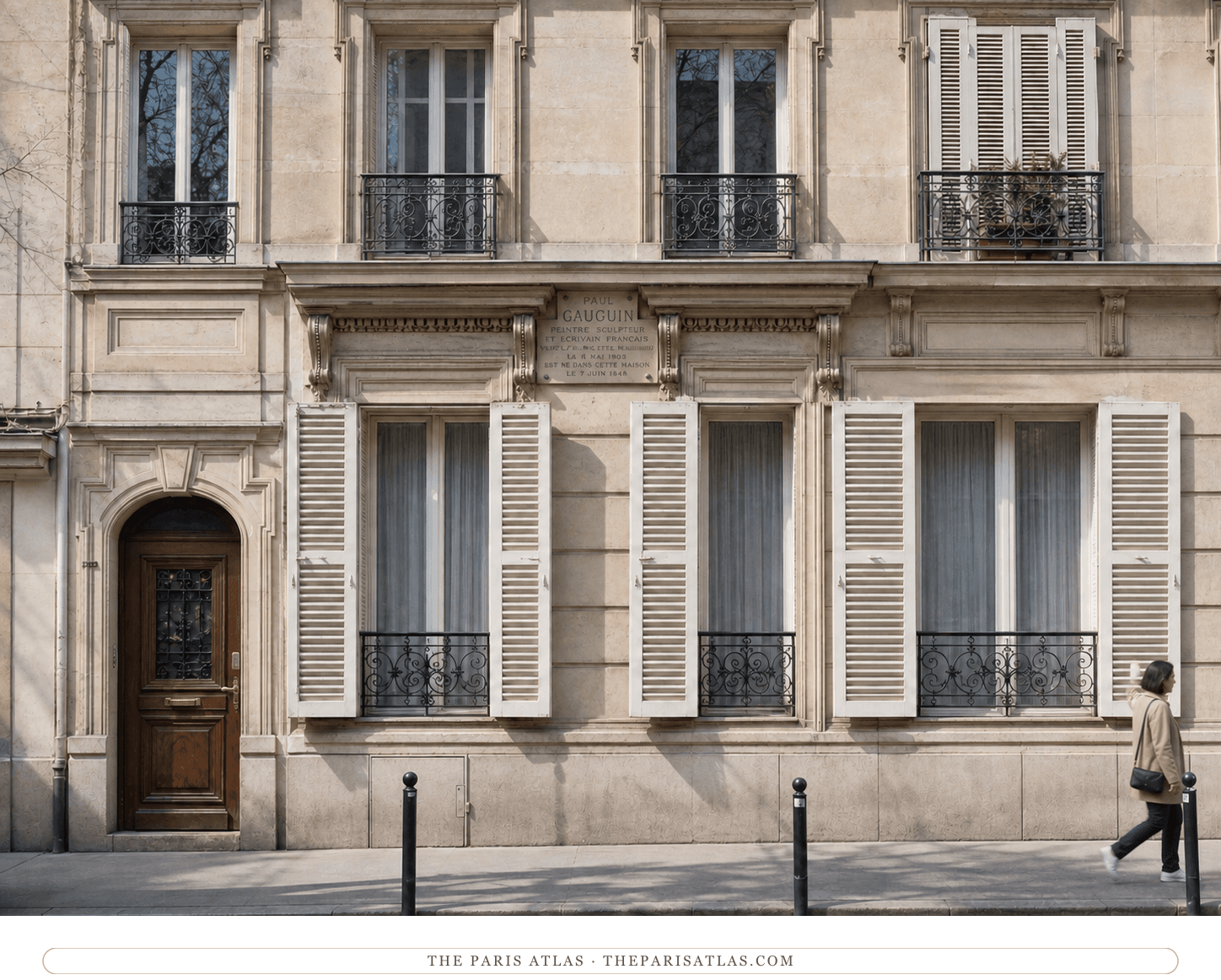
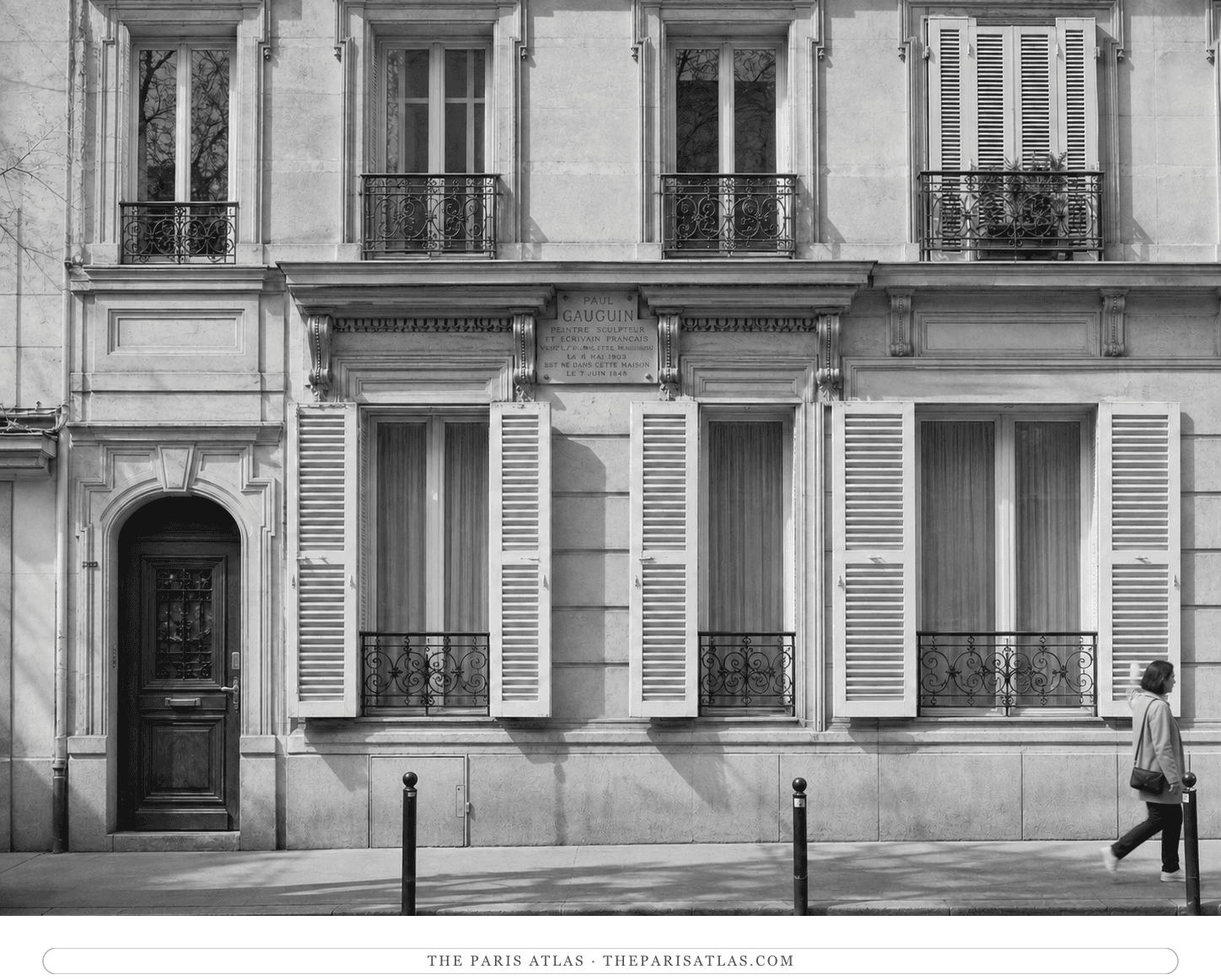
The house where Paul Gauguin was born on 7 June 1848, months before the family fled France for Peru — a departure that killed his father and shaped everything that came after.
Visit the place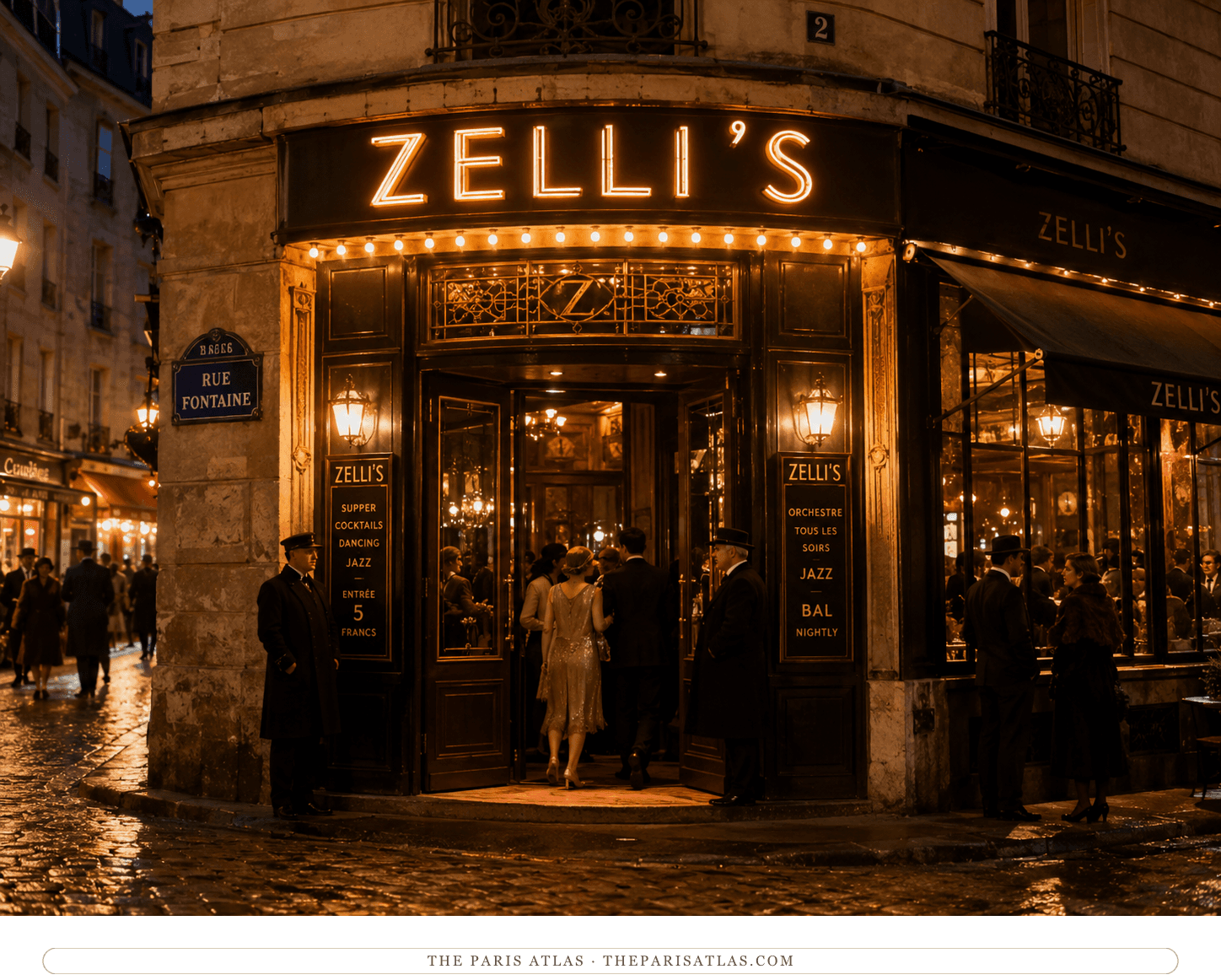
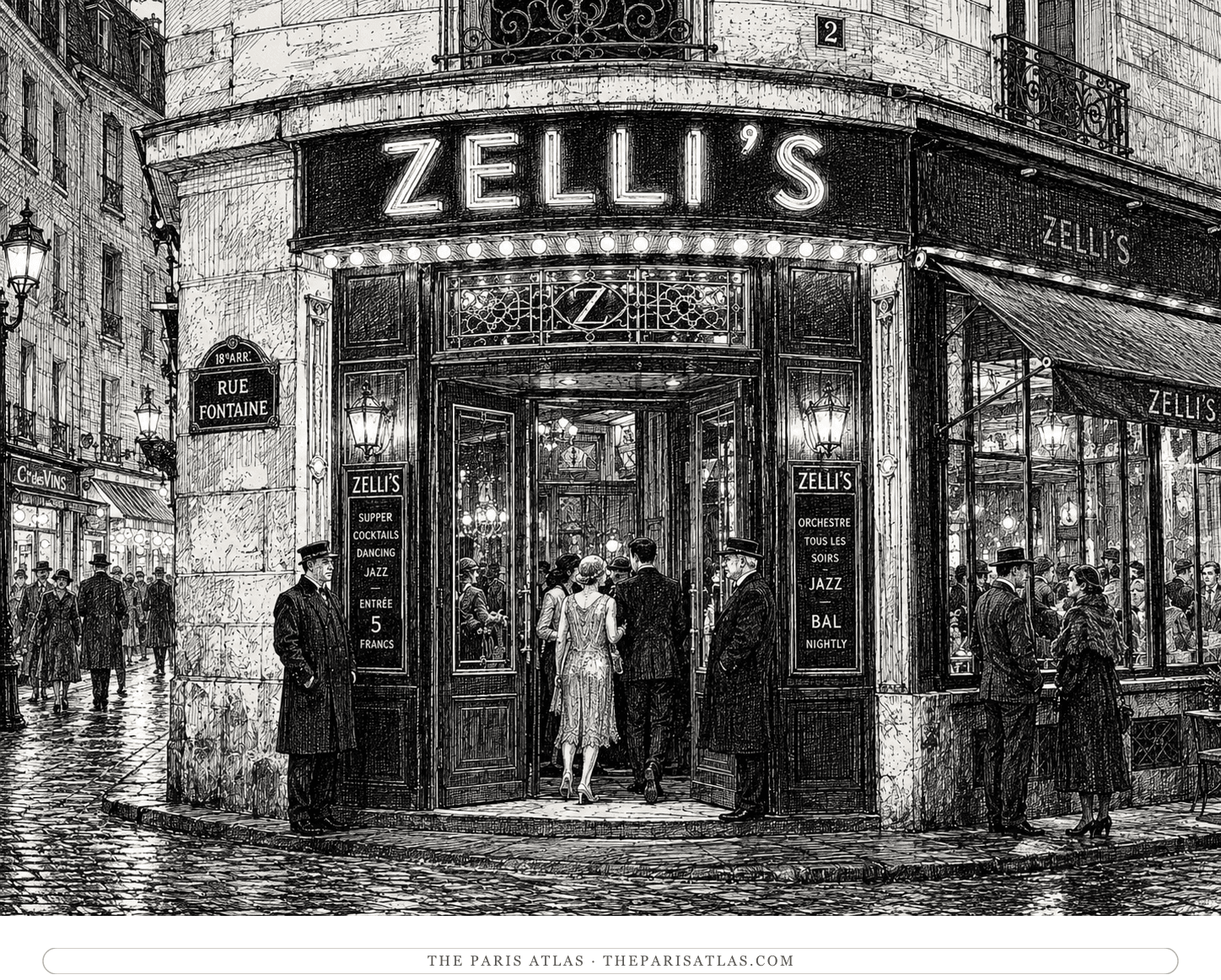
Crowded, smoky, and loud — Joe Zelli's Montmartre boîte, where the music hits you at the door and the novel's Paris nights go to end.
Visit the place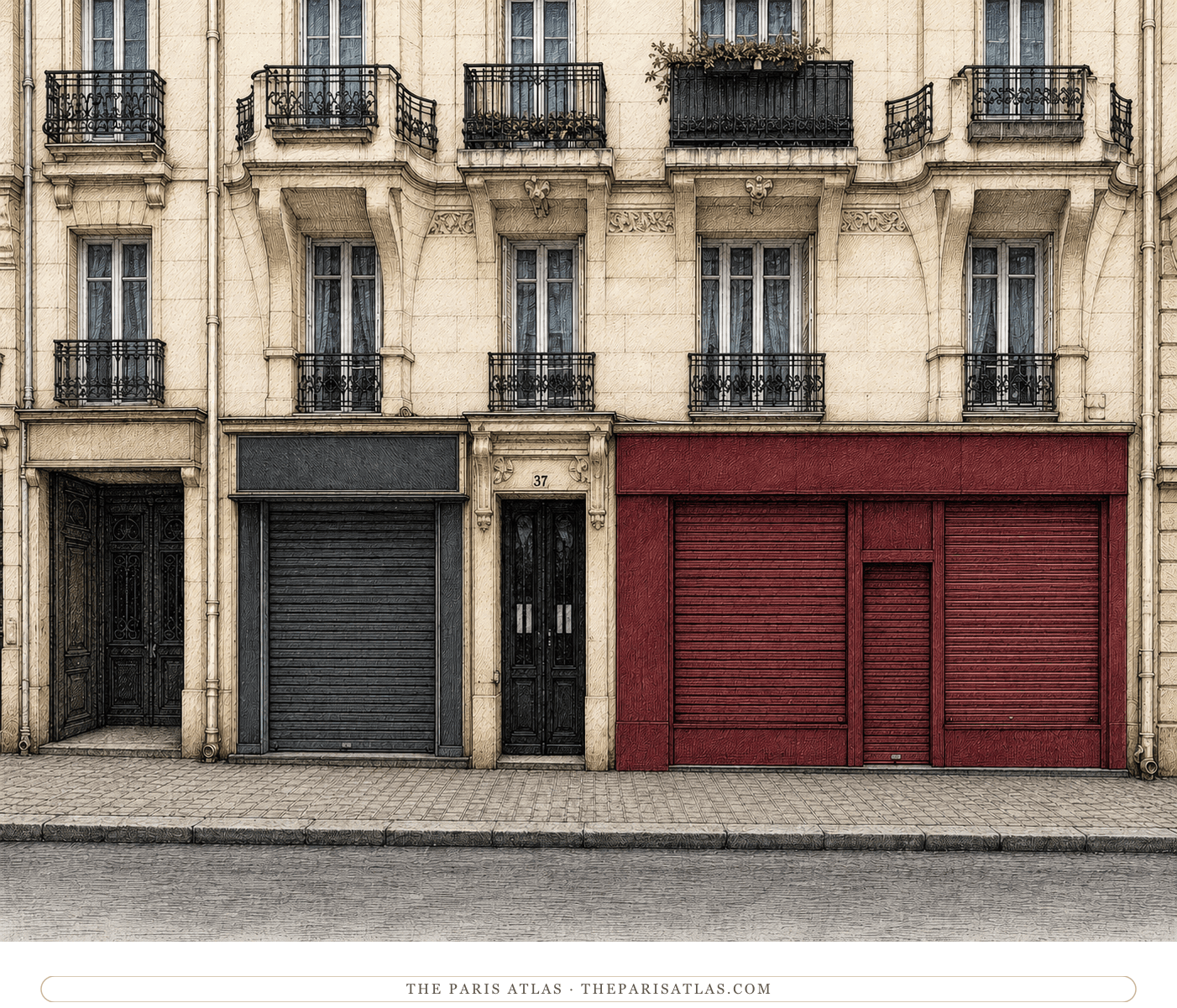
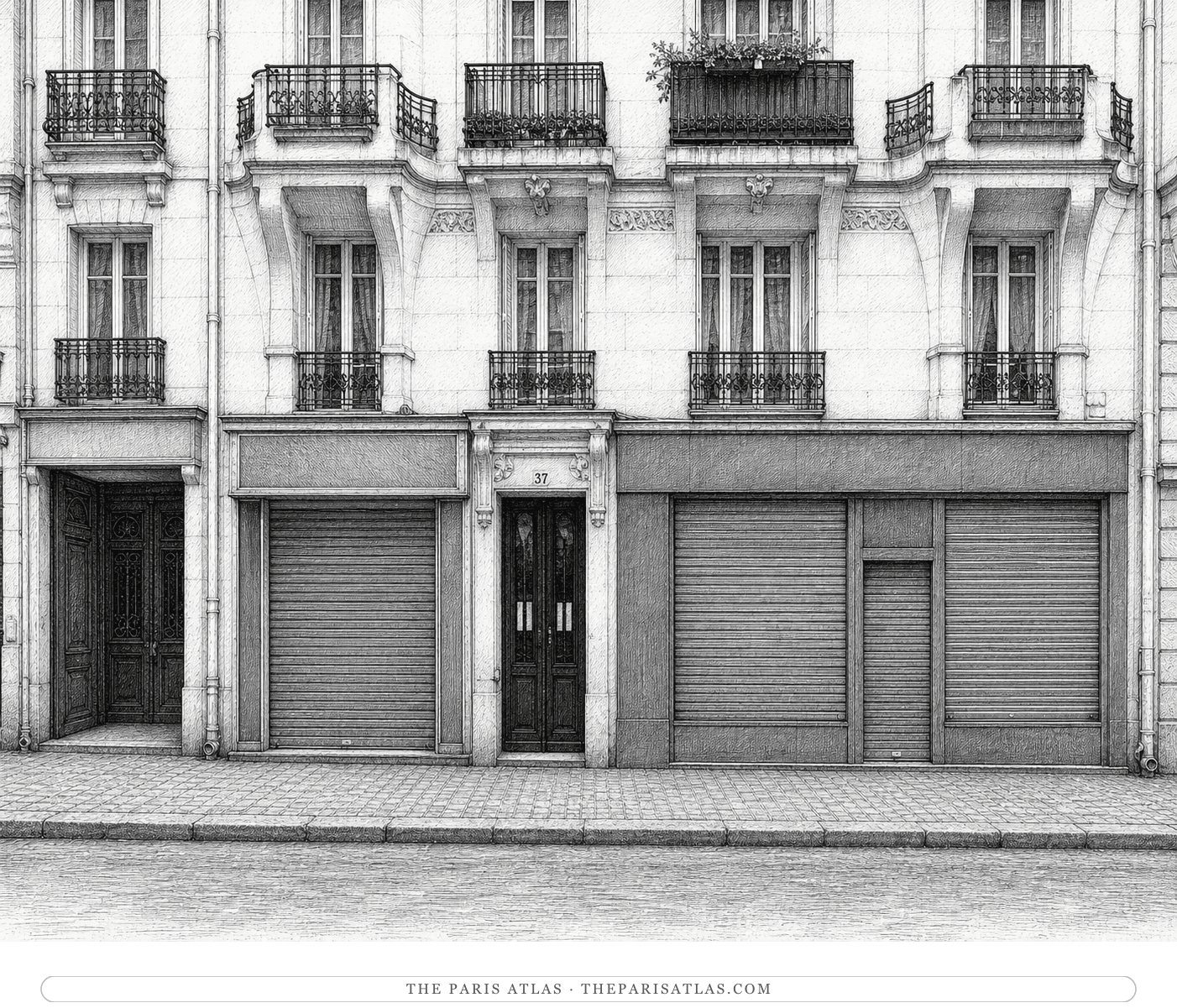
The apartment and studio where Edgar Degas worked for the last quarter-century of his career, on a street then called the rue de Laval. Paul Valéry was brought here to meet him in 1896. Degas was evicted in 1912 and never really worked again.
Visit the place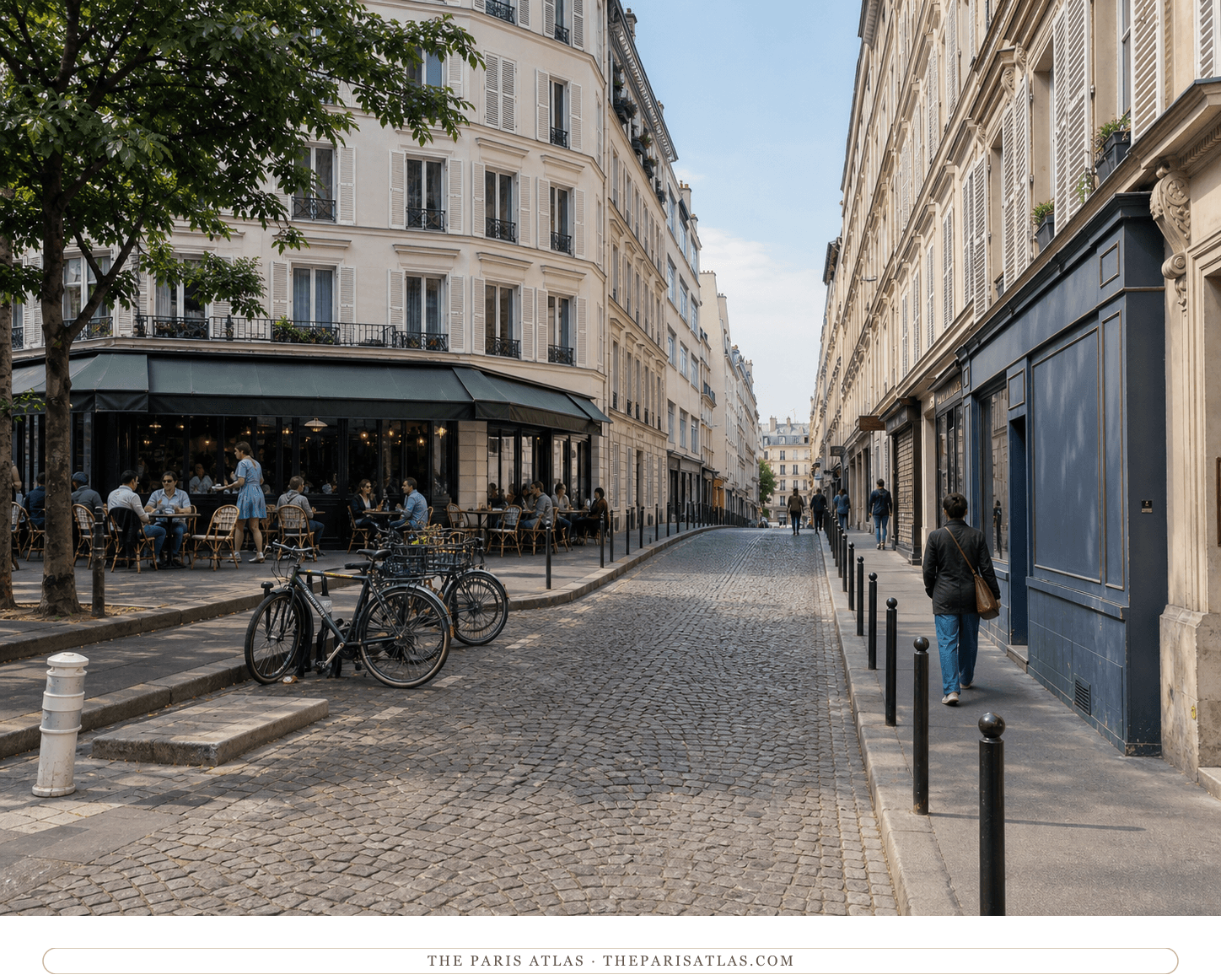
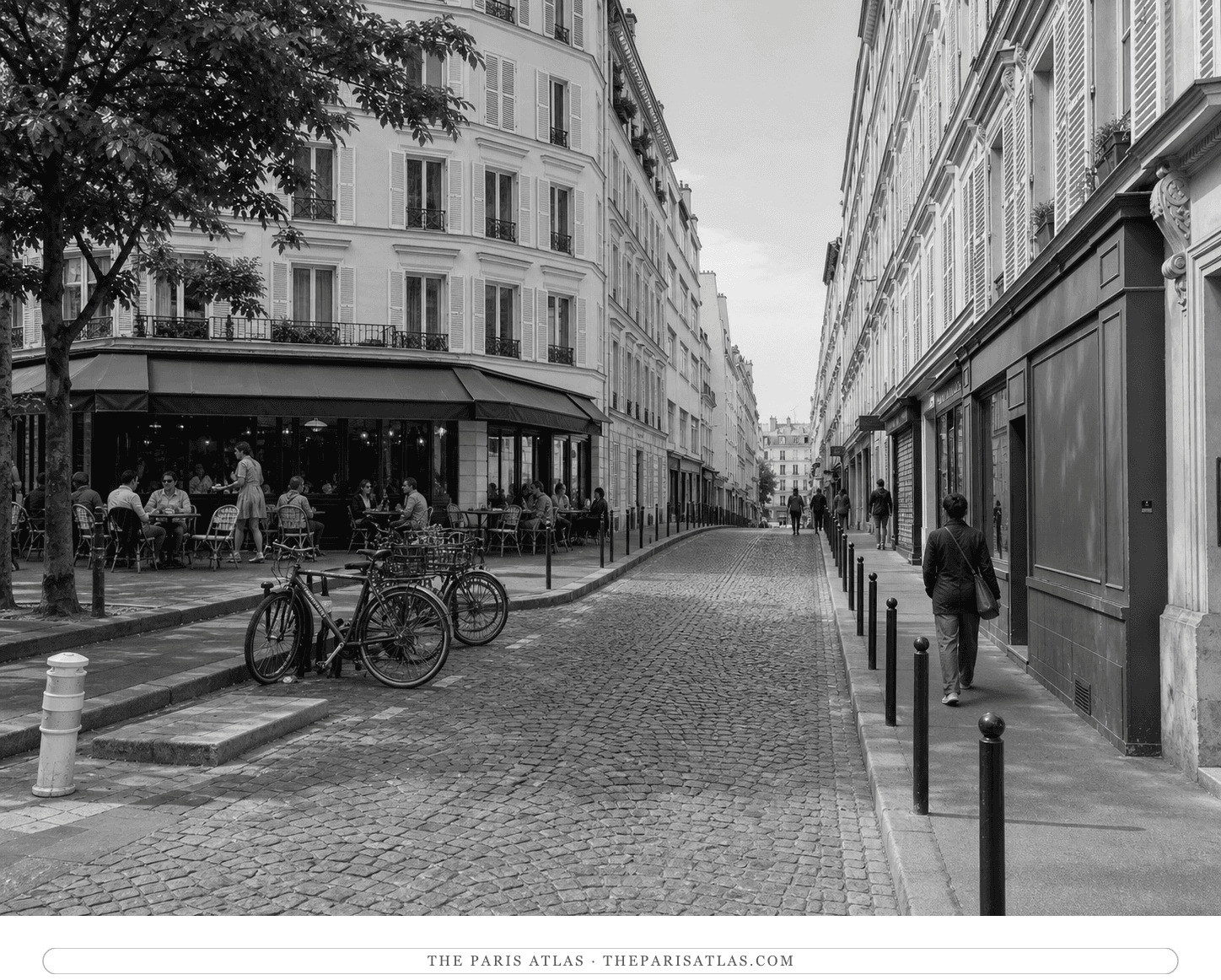
The house of Gustave Arosa — businessman, photographer and collector — who became Paul Gauguin's guardian, found him his job at the Bourse, and owned the Delacroix, Courbet and Pissarro canvases that started him painting.
Visit the placeThe sources below include histories, archival materials, scholarly research, and official records that informed this page. They document Le Grand Duc, the people connected to it, and its place in Paris.


Biographical evidence used to verify chronology, relationships, and historical context connected to Le Grand Duc.
Web source consulted for documented facts and historical context presented on the Le Grand Duc page.

Map data used to verify addresses, geographic coordinates, and the placement associated with Le Grand Duc.
These references provide the documented foundation for this page's history and context. Claim-level citations remain attached to the specific claims they support.
 Explore more resources
Newsletter
The cafés, studios, and walk-up flats where the work was made — one story from the map in every letter.