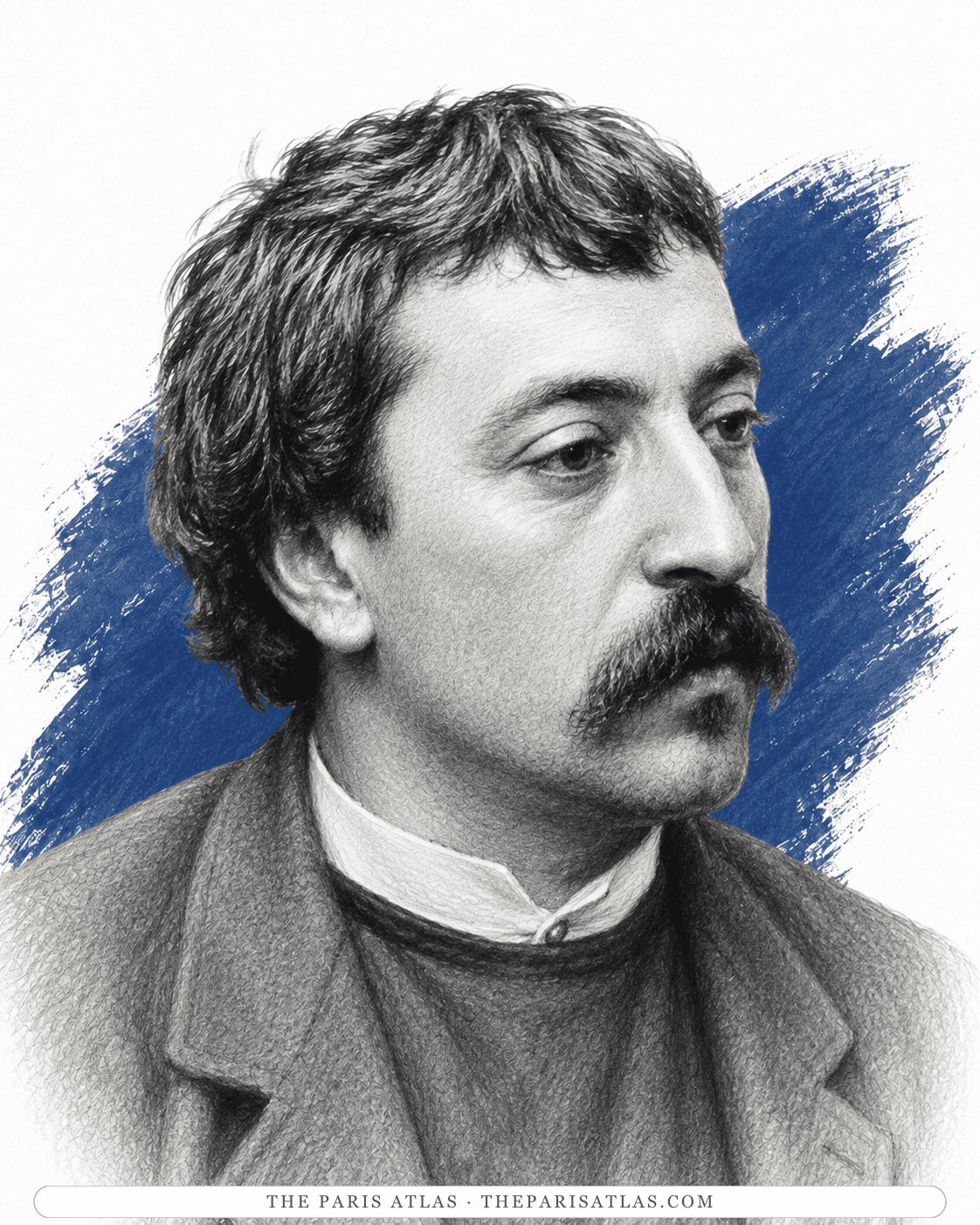
Paul Gauguin
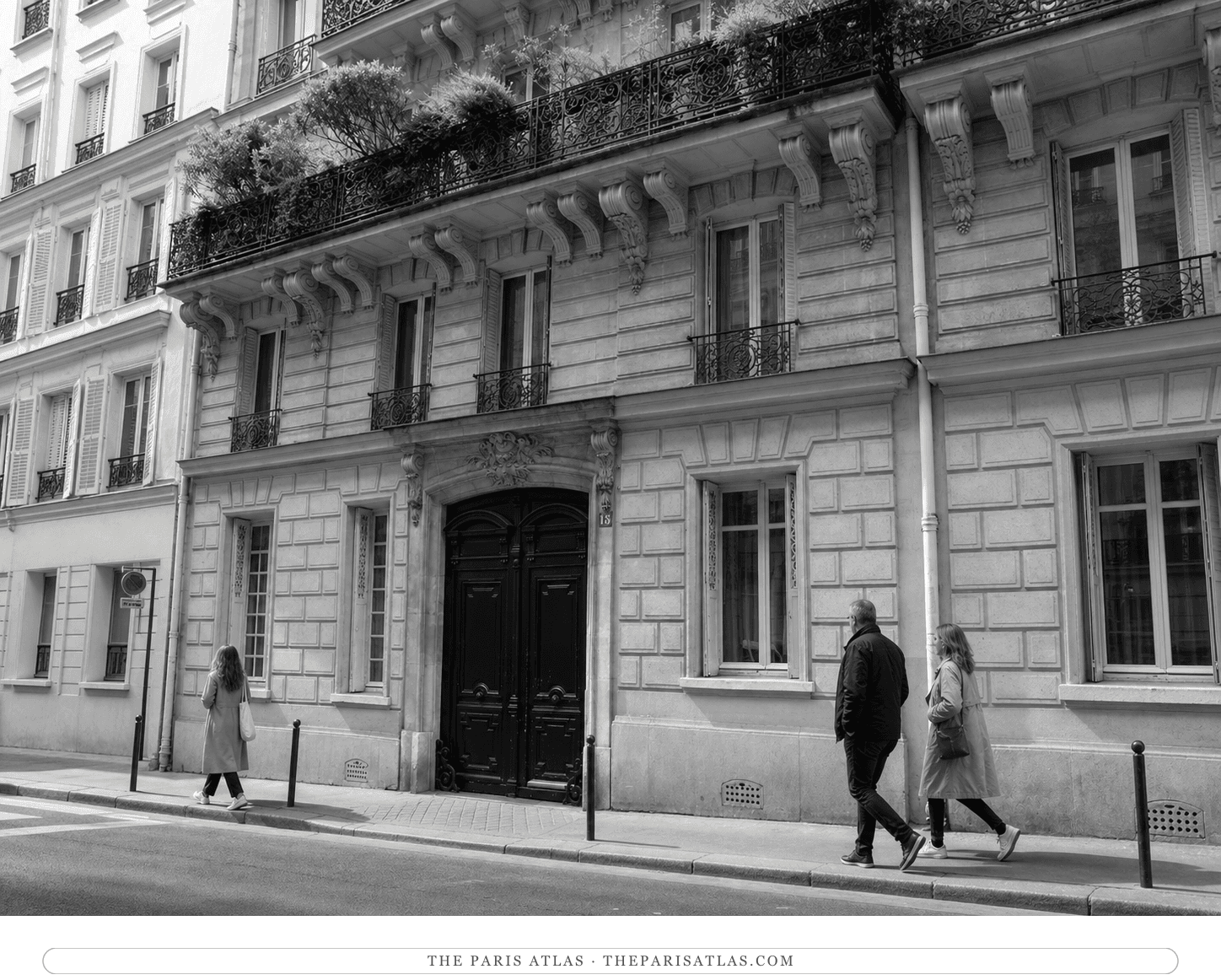
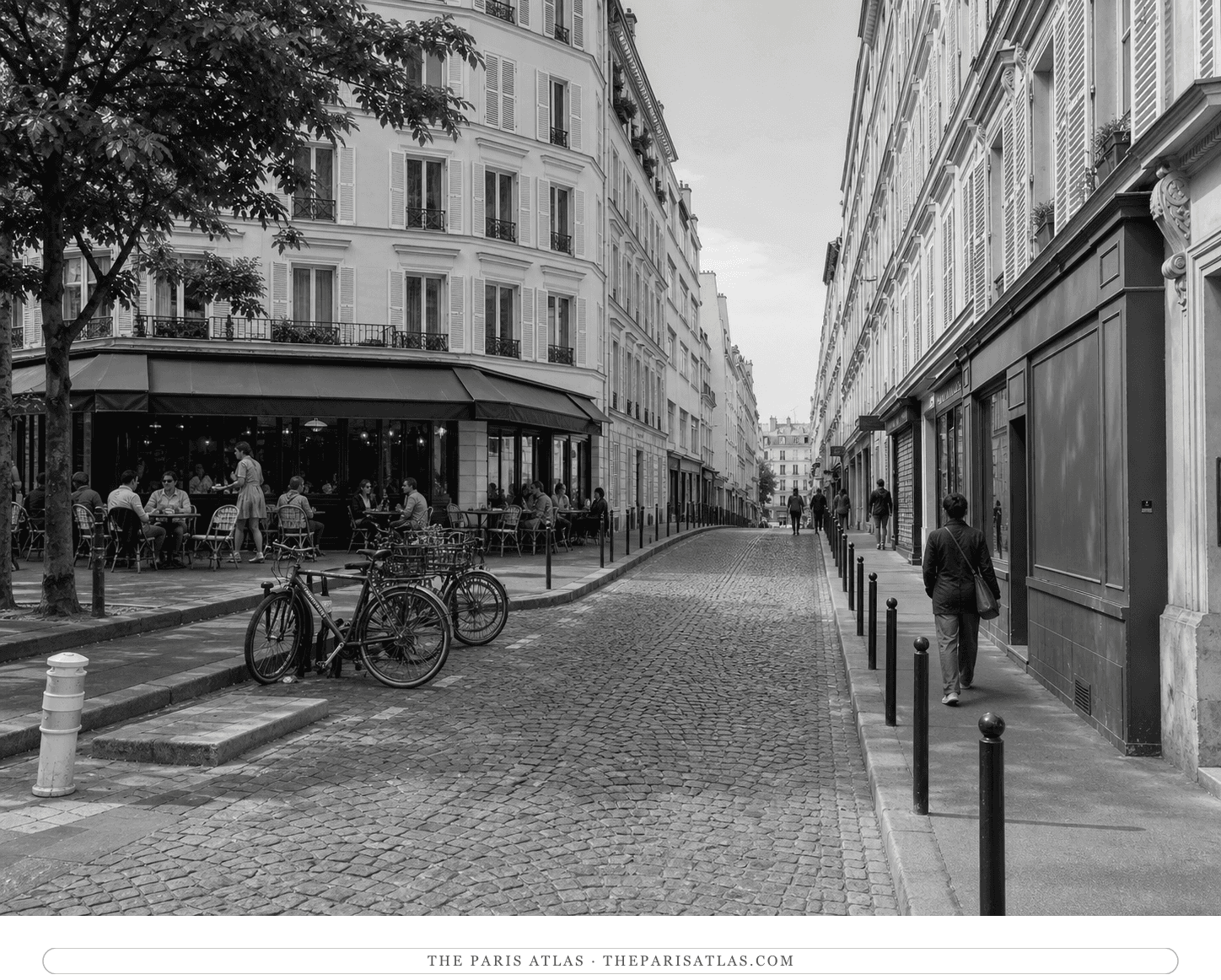
The home of Gustave Arosa, Paul Gauguin's guardian, whose collection of Delacroix, Courbet, Corot and Pissarro gave him his first close exposure to modern painting, and whose connections placed him at the Bourse.
The house of Gustave Arosa — businessman, photographer and collector — who became Paul Gauguin's guardian, found him his job at the Bourse, and owned the Delacroix, Courbet and Pissarro canvases that started him painting.
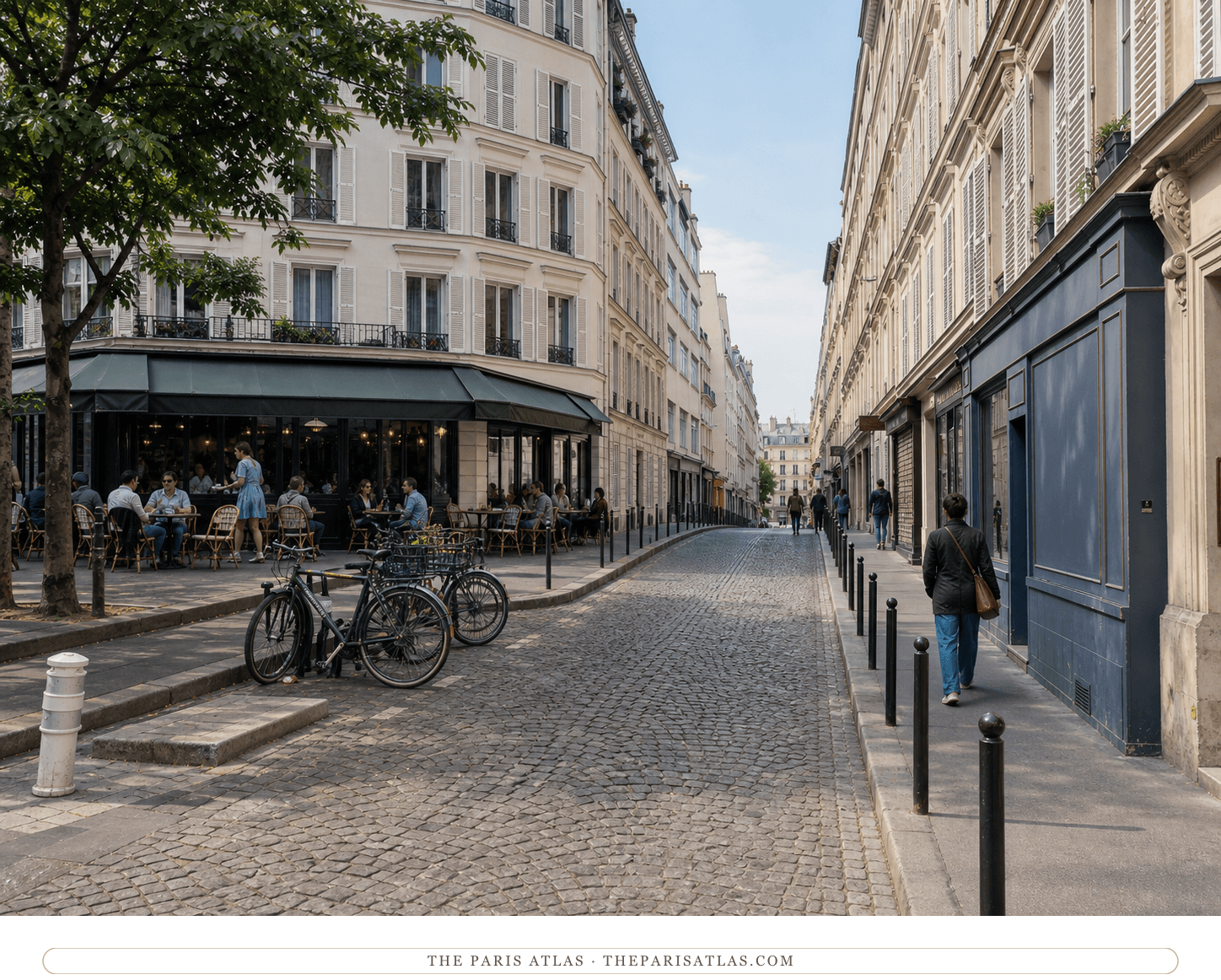
Gustave Arosa was a successful businessman and a serious collector, and after the death of Gauguin's mother he became the young man's guardian. Two things followed from that, and between them they account for most of Paul Gauguin's life.[1]
Guardianship made Arosa more than an influential acquaintance. Gauguin returned to France after a childhood partly spent in Peru, went to sea as a young man and lost his mother in 1867. Arosa helped provide the professional and domestic network through which he could settle into Parisian adult life. The later story of restless self-exile begins with a period of stability that another household helped construct.[2]
The first was practical: Arosa's connections got Gauguin his position as a stockbroker's agent at the Bourse in 1871, the job that made him prosperous for a decade and gave him the money to buy pictures.[2]
That job did not merely postpone an artistic vocation. It financed one. Gauguin could purchase materials, collect work and support painters whose pictures the established market had not fully absorbed. The brokerage income and the painting career were connected for years before the market crash forced a choice between them.
The second was the pictures themselves. Arosa's collection held Delacroix, Courbet, Corot and Pissarro, and a young man in that house saw modern French painting at close range, in a domestic room, years before he had any thought of making it himself. He began painting as an amateur, started collecting Impressionists on his broker's salary, and was exhibiting with them by 1879.[3]
A collection seen repeatedly teaches differently from an exhibition visited once. Gauguin could compare surfaces, compositions and colour over time, and could hear the works discussed by an owner who had committed money and reputation to them. He met Pissarro through Arosa's circle and eventually became both the older painter's unofficial pupil and a buyer of his work.
The sequence matters: Arosa's rooms led to Arosa's employment connection; the employment paid for Gauguin's own collection; the collection and personal introductions supported his move from amateur to exhibitor. No single picture in the house caused him to become a painter. The address mattered because it joined access, mentorship and money.
The building is private and carries nothing to indicate any of this.
It can nevertheless be read with two nearby addresses. Gauguin's birthplace on rue Notre-Dame-de-Lorette and his later home on rue La Bruyère sit within a few minutes' walk. Together they show that his early Parisian formation was concentrated in a small, prosperous part of the 9th rather than in the distant places with which he later identified himself.
Arosa's role also prevents Gauguin's career from being explained as solitary self-invention. Employment came through a relationship; paintings were encountered in another person's rooms; introductions opened a living artistic circle. Talent and will mattered, but they operated through care, money and social access that were unevenly distributed. The guardian's house makes that infrastructure visible.
The collection included artists whose positions were still contested. Corot and Delacroix supplied established models of colour and landscape, while Courbet and Pissarro brought more immediate arguments about realism and modern painting. Seeing these works together encouraged comparison across generations rather than loyalty to one school. Gauguin's later borrowing and synthesis began within that broad visual education.
Arosa's support should not be confused with an endorsement of every later choice. Guardianship helped Gauguin enter a stable profession and adult household; abandoning reliable employment eventually exposed Mette and the children to serious insecurity. The same address can therefore explain both the resources that launched the artist and the conventional expectations against which his later actions were judged.
Nothing in the present private building advertises the former collection or permits access to domestic rooms. The page records a house and network, not a surviving gallery. From the public pavement, the short distances to Gauguin's birthplace and early homes remain the strongest evidence: the foundations of his supposedly anti-Parisian career were laid in a tightly connected Paris neighbourhood.
Arosa also collected photography, a medium with growing importance for artists and for the circulation of images beyond direct travel. Gauguin's later practice repeatedly drew on reproductions and objects as well as observation, even while his public persona stressed instinct and remoteness. The guardian's visual environment may not provide a simple source for particular mature motifs, but it establishes early familiarity with collecting as an active process: selecting, arranging, comparing and living among images from elsewhere.
The house therefore belongs to both biography and method. It supplied practical entry into finance, exposure to modern work and a model of how private ownership could organise artistic knowledge. Later Gauguin would stage his own studios, combine pictures with collected objects and try to control the story visitors carried away. Those performances had distant roots in understanding what a domestic collection could do.
Gauguin enters the Bourse through Arosa's connections.
He exhibits with the Impressionists for the first time.
Gauguin's guardian after his mother's death — a businessman and collector whose pictures gave Gauguin his first sustained exposure to modern painting, and whose connections got him his job at the Bourse.
The home of Gustave Arosa, Paul Gauguin's guardian, whose collection of Delacroix, Courbet, Corot and Pissarro gave him his first close exposure to modern painting, and whose connections placed him at the Bourse.
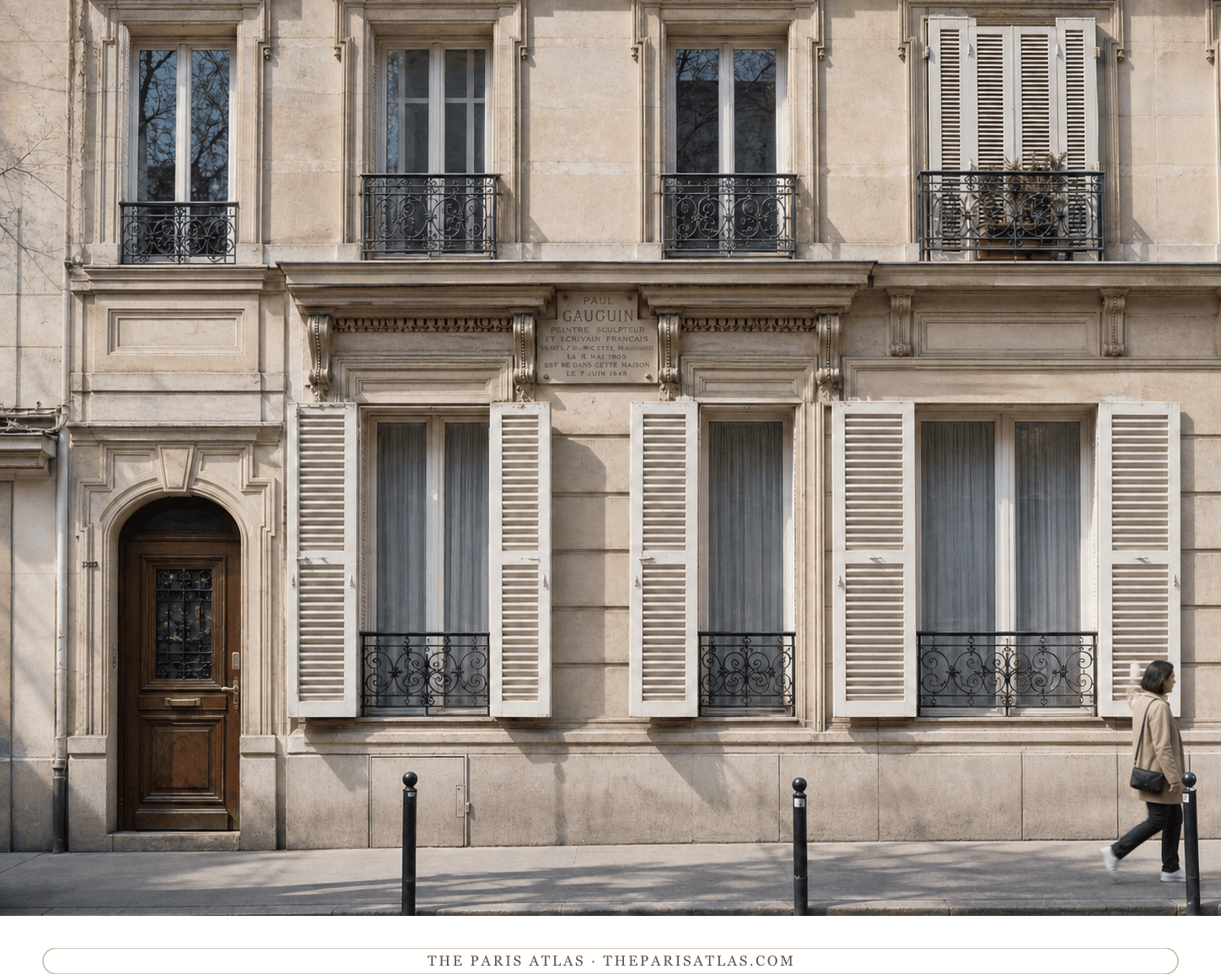
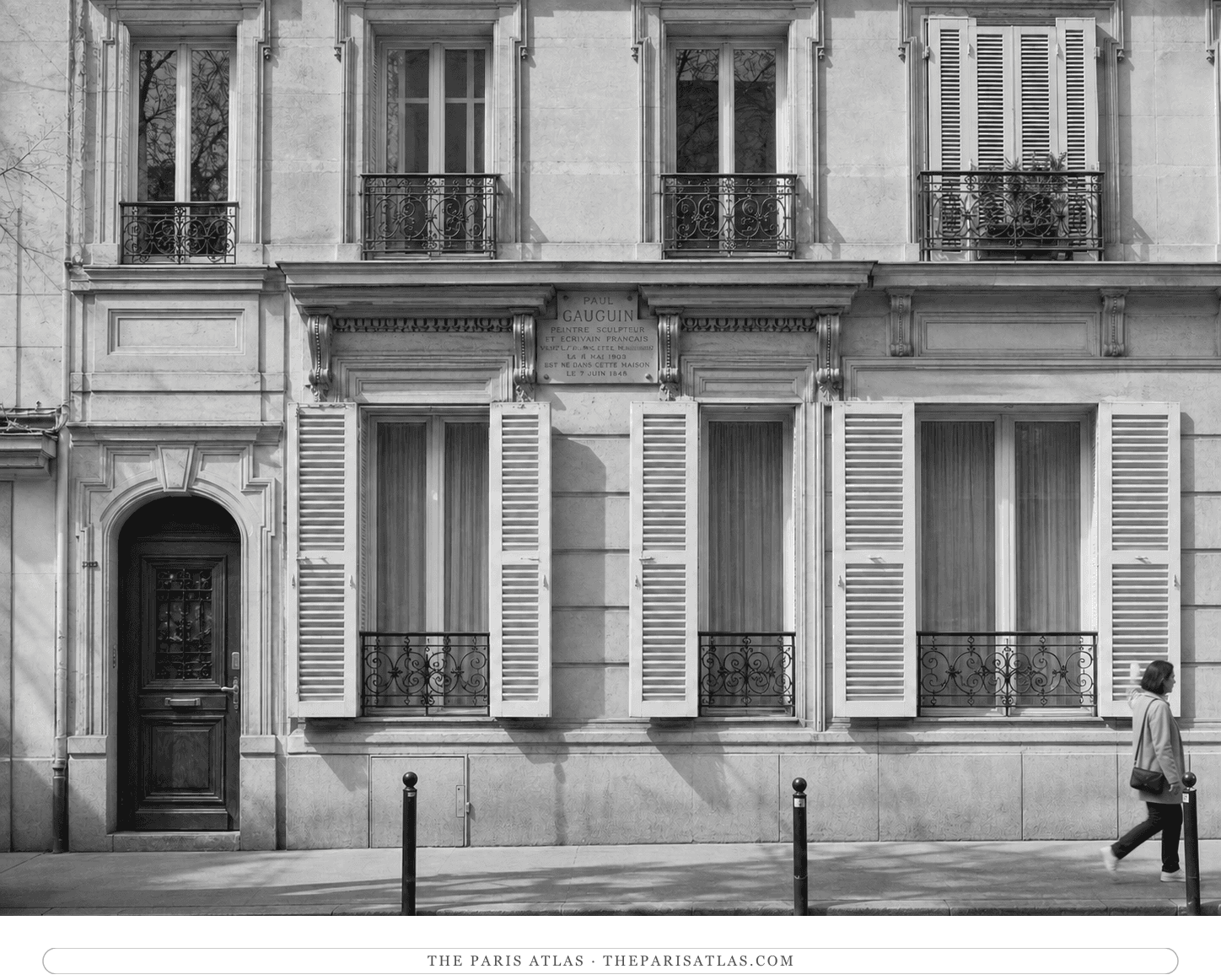
The house where Paul Gauguin was born on 7 June 1848, months before the family fled France for Peru — a departure that killed his father and shaped everything that came after.
Visit the place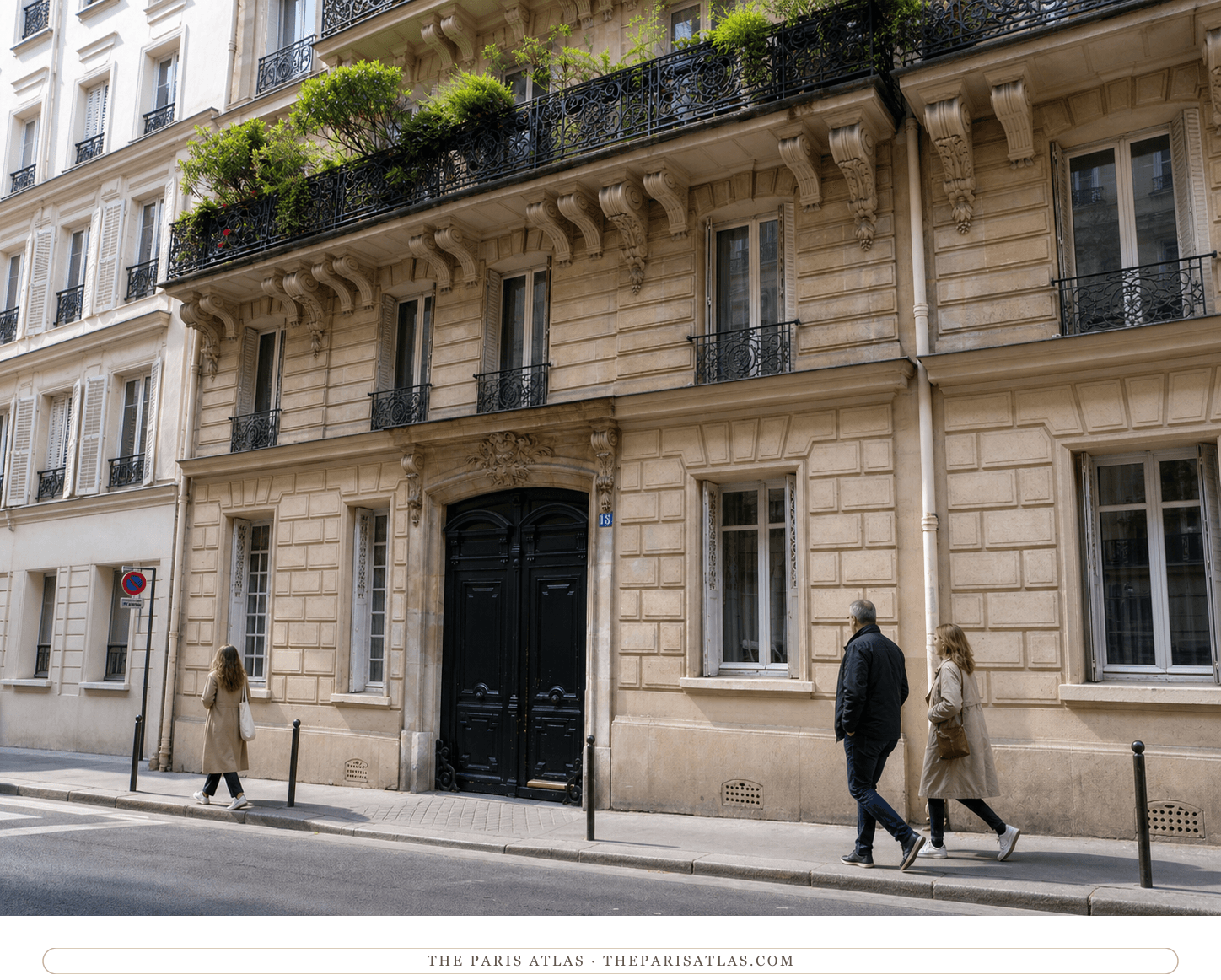
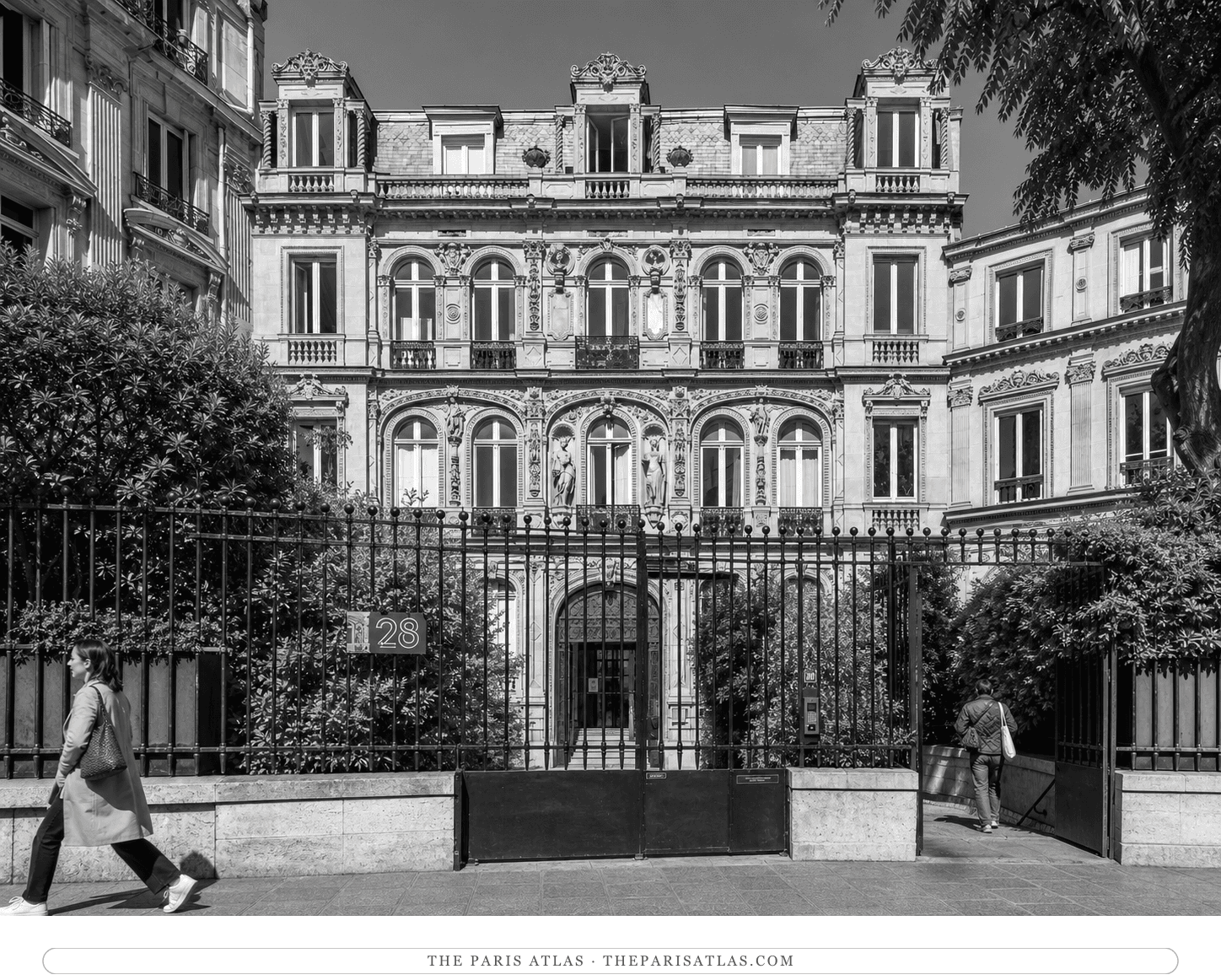
A Paul Gauguin address in the 9th arrondissement during the years when he was still a stockbroker, painting on Sundays and quietly assembling one of the better private Impressionist collections in Paris.
Visit the place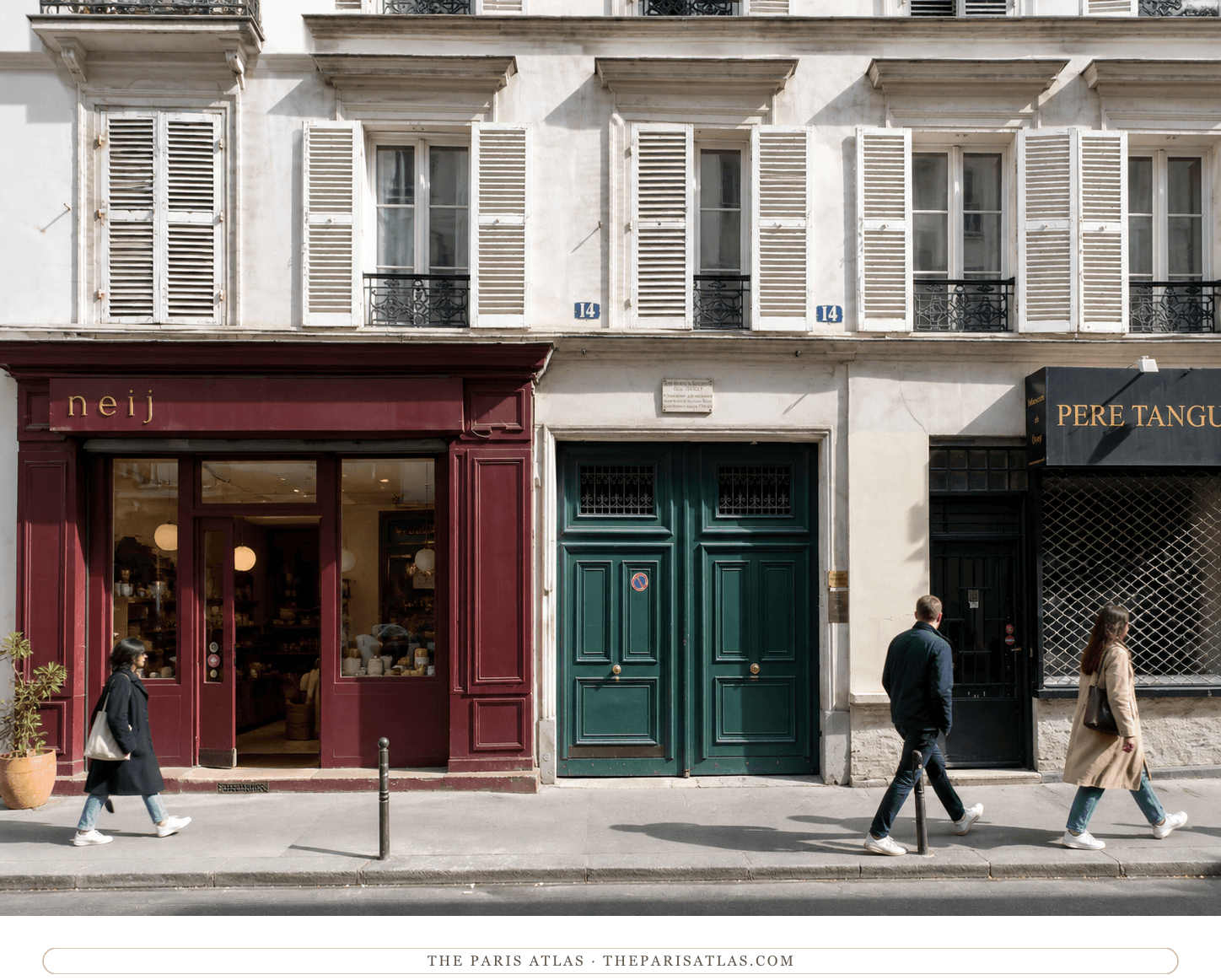
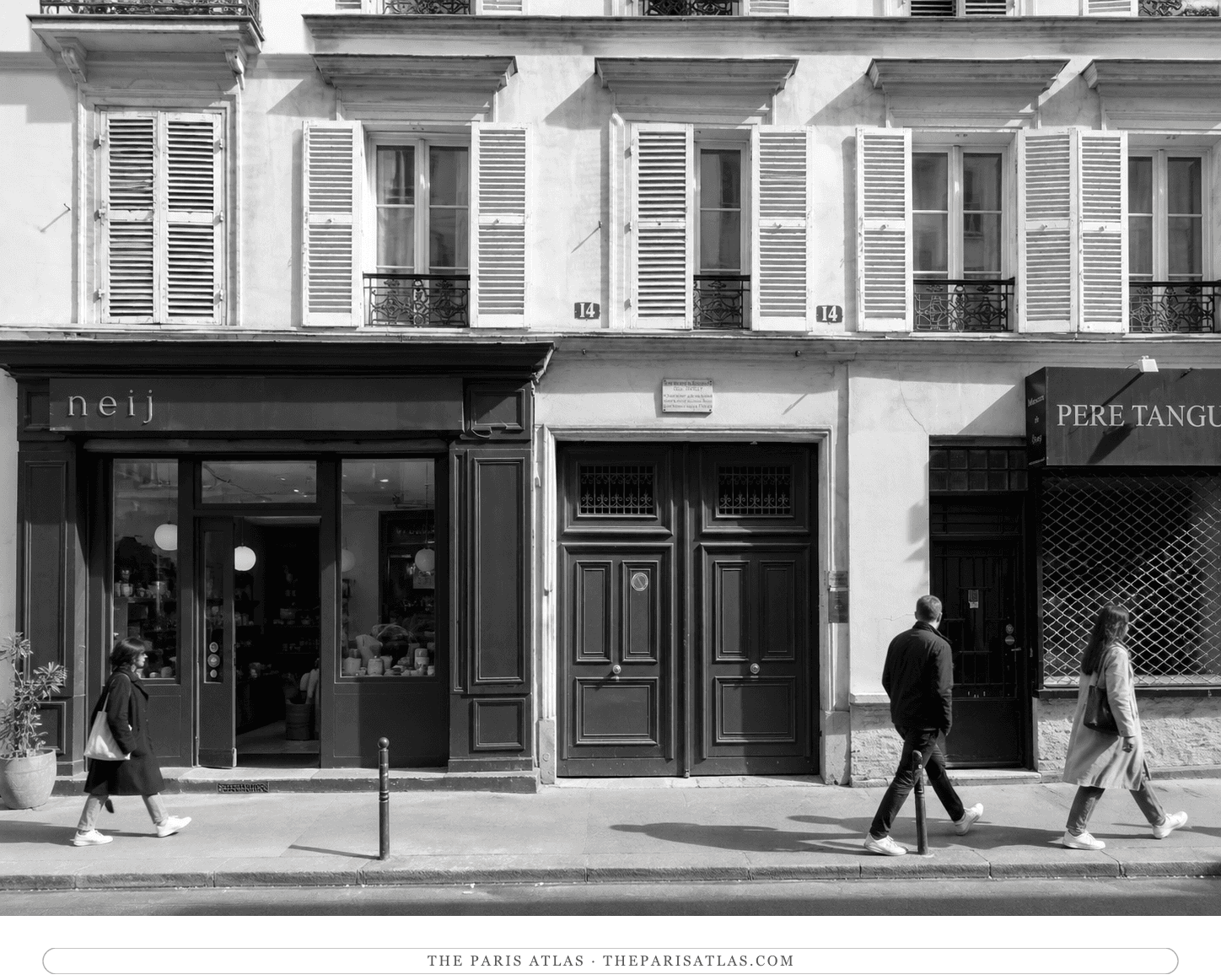
The tiny paint shop of Julien 'Père' Tanguy, who supplied the Impressionists on credit, hung their canvases in his window when no dealer would, and sat three times for Van Gogh's most affectionate portrait.
Visit the place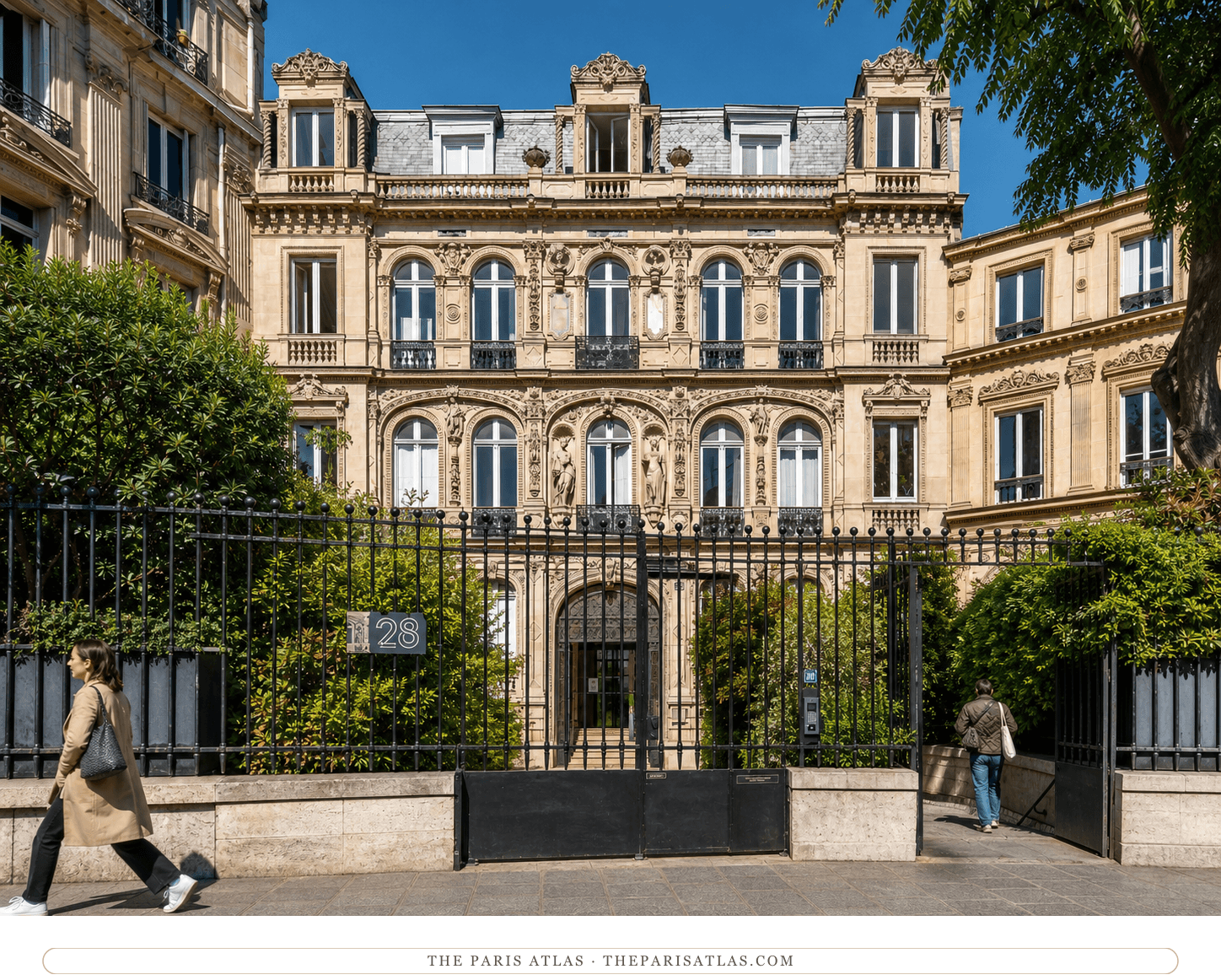
The first home Paul Gauguin shared with his Danish wife Mette Gad after their marriage in 1873, on a handsome small square — the address of a successful stockbroker rather than a painter.
Visit the placeThe sources below include histories, archival materials, scholarly research, and official records that informed this page. They document 5 rue Henri-Monnier, the people connected to it, and its place in Paris.


Web source consulted for documented facts and historical context presented on the 5 rue Henri-Monnier page.
Web source consulted for documented facts and historical context presented on the 5 rue Henri-Monnier page.
Web source consulted for documented facts and historical context presented on the 5 rue Henri-Monnier page.
These references provide the documented foundation for this page's history and context. Claim-level citations remain attached to the specific claims they support.
 Explore more resources
Newsletter
The cafés, studios, and walk-up flats where the work was made — one story from the map in every letter.