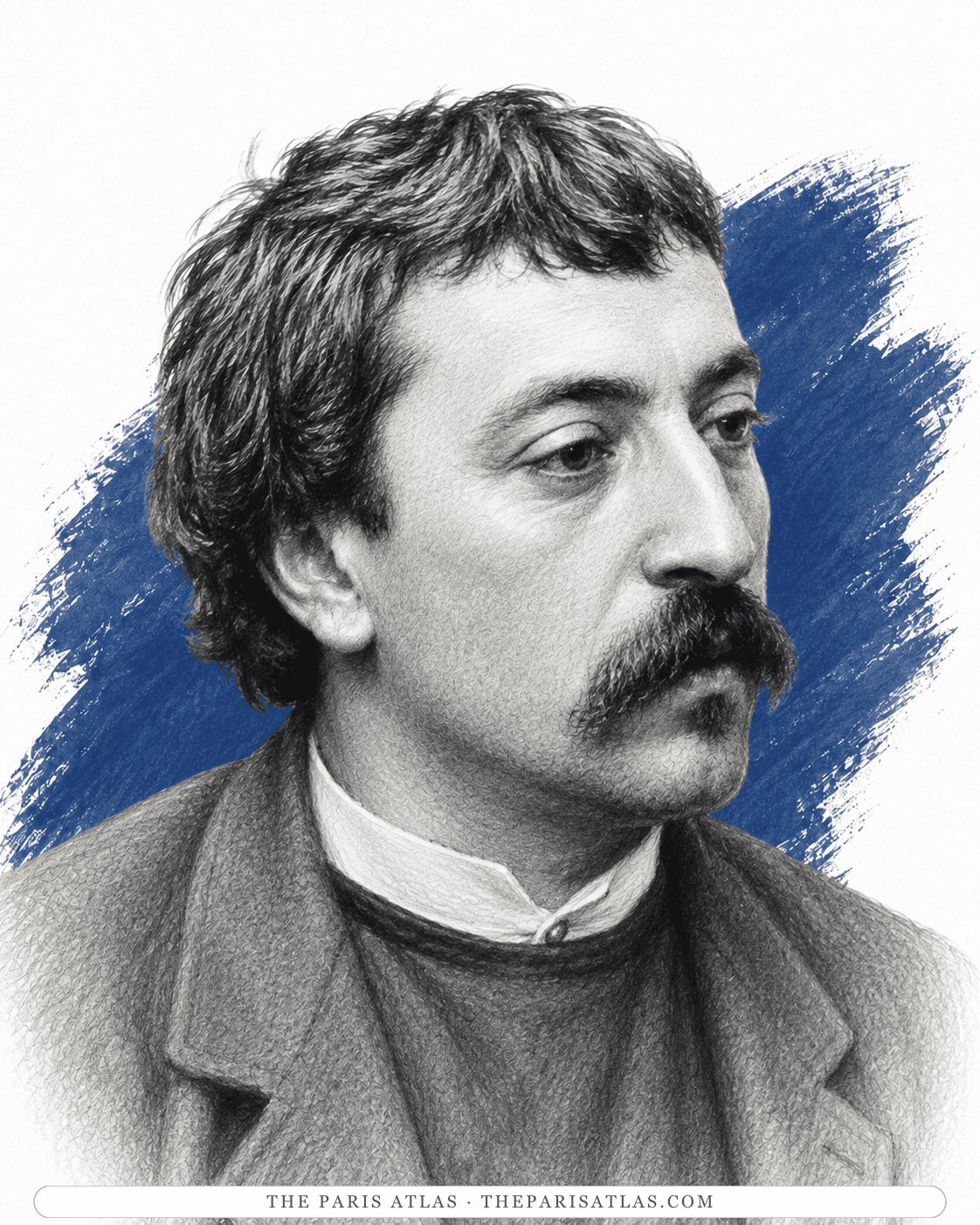
Paul Gauguin
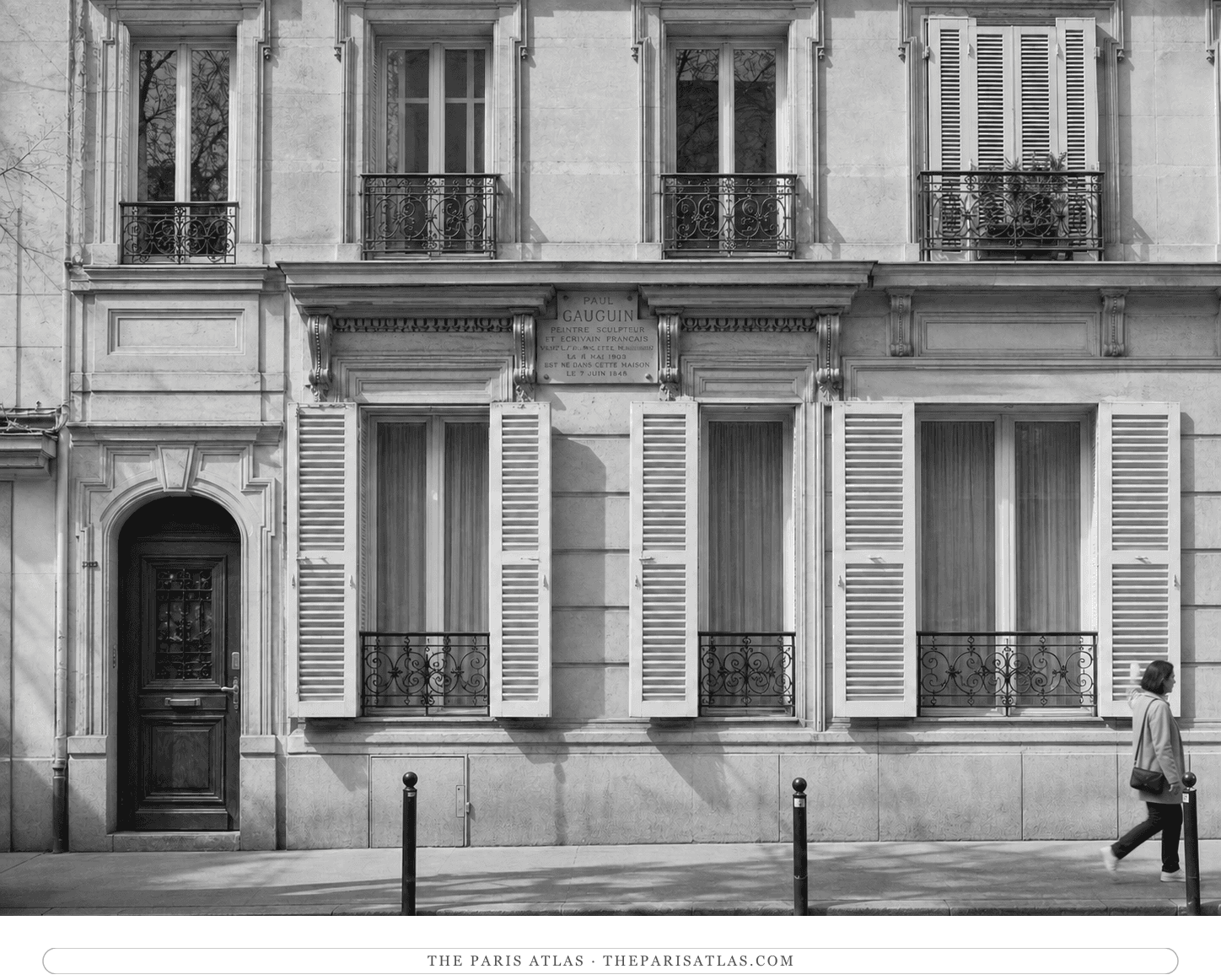
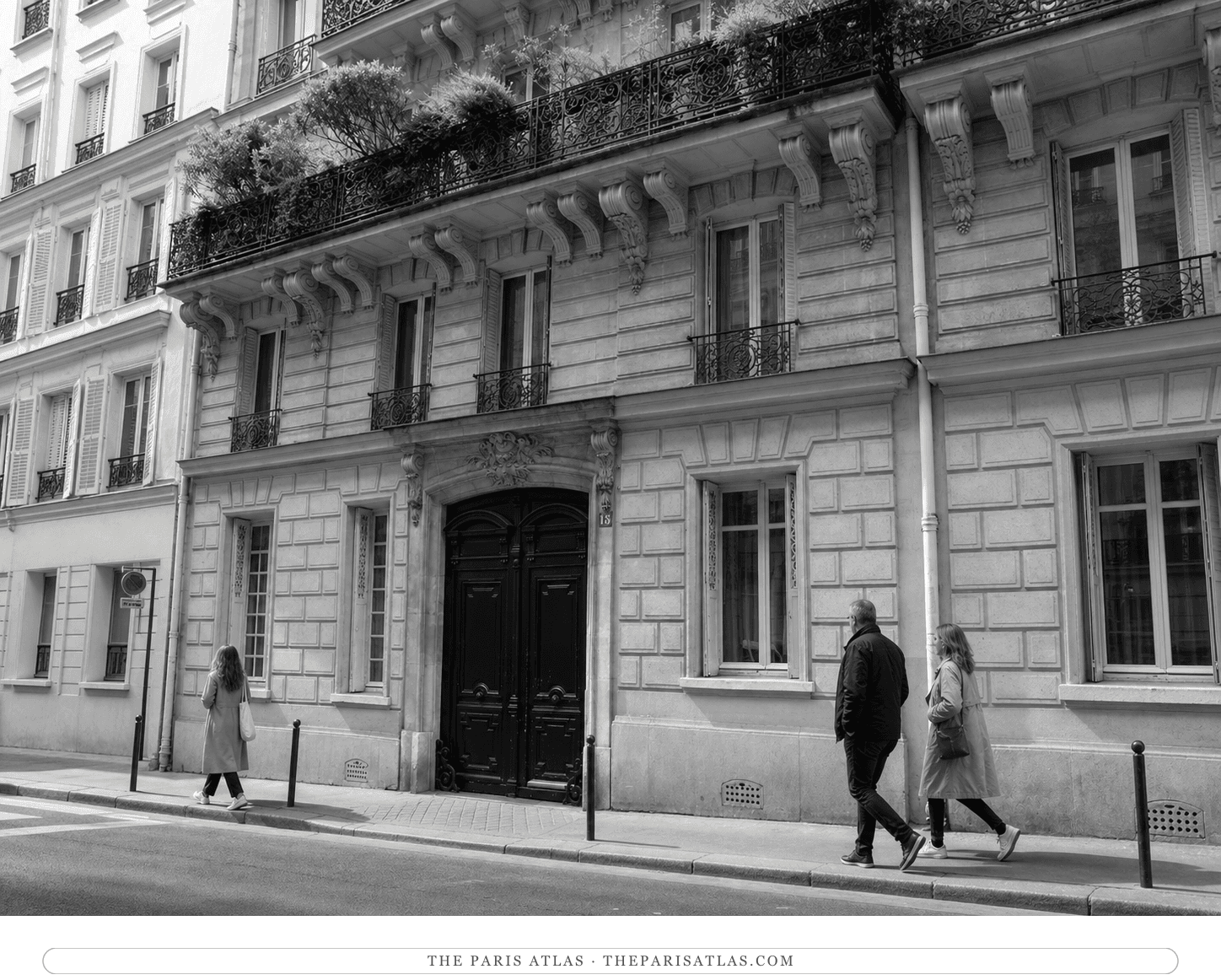
A Paul Gauguin address in the 9th during the years when he was painting as an amateur and collecting Cezanne, Pissarro, Manet, Degas and Monet on a broker's income.
A Paul Gauguin address in the 9th arrondissement during the years when he was still a stockbroker, painting on Sundays and quietly assembling one of the better private Impressionist collections in Paris.
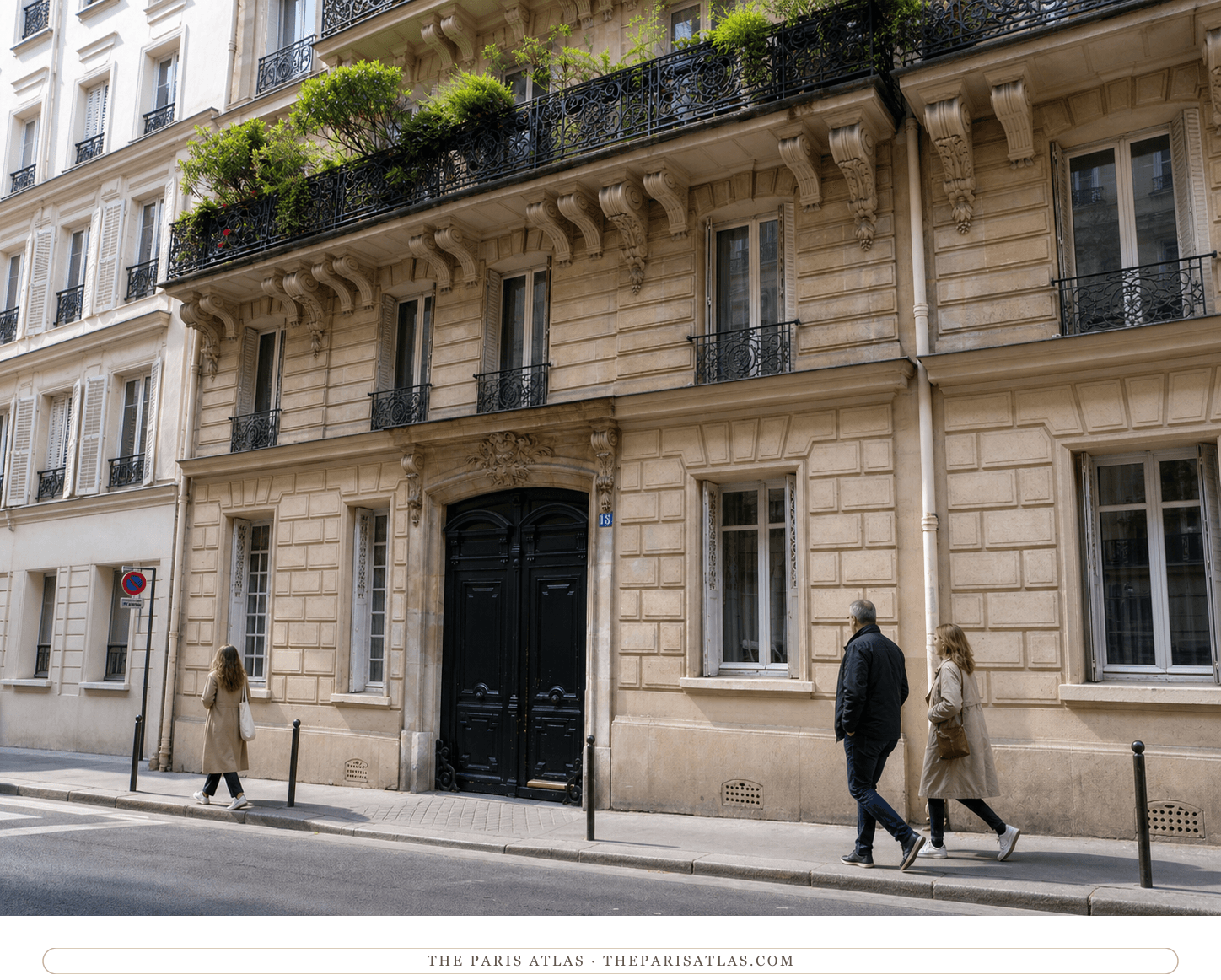
Paul Gauguin kept several addresses in the 9th, the quarter he had been born into, and this was one of them during the stretch when he was earning well and buying pictures.[1]
His two identities were not yet in conflict. Gauguin could work in finance during the week, paint when time allowed and use the salary from one activity to accelerate the other. The arrangement gave him access to materials, travel around Paris and, most importantly, original paintings. Before he became a professional artist he was already training his eye as an unusually committed owner.
The collecting is the part that gets underplayed. On a broker's income he acquired Cézanne, Pissarro, Manet, Degas and Monet — not as an investor but as someone who wanted to look at them daily, and who was learning from them at close range. When the money went after 1882 the collection was gradually sold off to live on, which is its own small tragedy.[2]
Cézanne was particularly useful to him. Gauguin could study the constructive parallel strokes in a Cézanne canvas without depending on an exhibition being open or a dealer allowing prolonged inspection. The collection was a private school assembled in domestic rooms. Ownership did not make Gauguin an original painter by itself, but it let him return repeatedly to solutions other artists had found for colour, structure and modern subjects.[3]
Collecting also placed him inside the Impressionist economy before his work earned that place. He supported painters financially, met Camille Pissarro through the circle around his guardian Gustave Arosa, and eventually exhibited with the group. The path from buyer to colleague complicates the later self-portrait of Gauguin as an outsider who escaped Parisian culture; his artistic education was unusually intimate with its market.[4]
After the market crash, the pictures became reserve assets. Selling them paid immediate expenses but dismantled the visual environment from which he had learned. The dispersal measures the cost of choosing full-time painting more clearly than a general statement about lost prosperity: works he had selected as a student and patron had to leave the walls one by one.
He is a few streets from where he was born and a few more from his guardian Gustave Arosa's house on the rue Henri-Monnier. Gauguin's Paris, before he abandoned it, was a very small piece of the 9th arrondissement.
The building remains a private address without a plaque. The value of the stop is the short walk among the three nearby records—birthplace, guardian's collection and Gauguin's own collecting years—which turns a vague account of early influence into a compact neighbourhood.
The 9th arrondissement connected finance, domestic comfort and new art unusually closely. The Bourse and its surrounding offices supplied salaries; dealers and collectors operated within reach; the lower Montmartre streets held family apartments. Gauguin did not have to cross a boundary from bourgeois Paris into a separate bohemia each time he painted. The activities coexisted within his weekly routine and his neighbourhood.
Participation in the Impressionist exhibitions changed the meaning of the collection on his walls. Gauguin was no longer only studying artists from the position of a sympathetic buyer; he submitted work into the same independent exhibition culture and received criticism beside them. Pissarro's mentorship was particularly important, but Gauguin's access also came from being able to purchase, travel and devote leisure to practice.
When those assets were sold, the loss was intellectual as well as financial. A privately owned painting can be returned to over years, under changing light and at different stages of one's own work. Auction or private sale converted that repeated access into cash for immediate survival. The dismantling of the collection therefore tracks the narrowing choices of the household after the brokerage income ended.
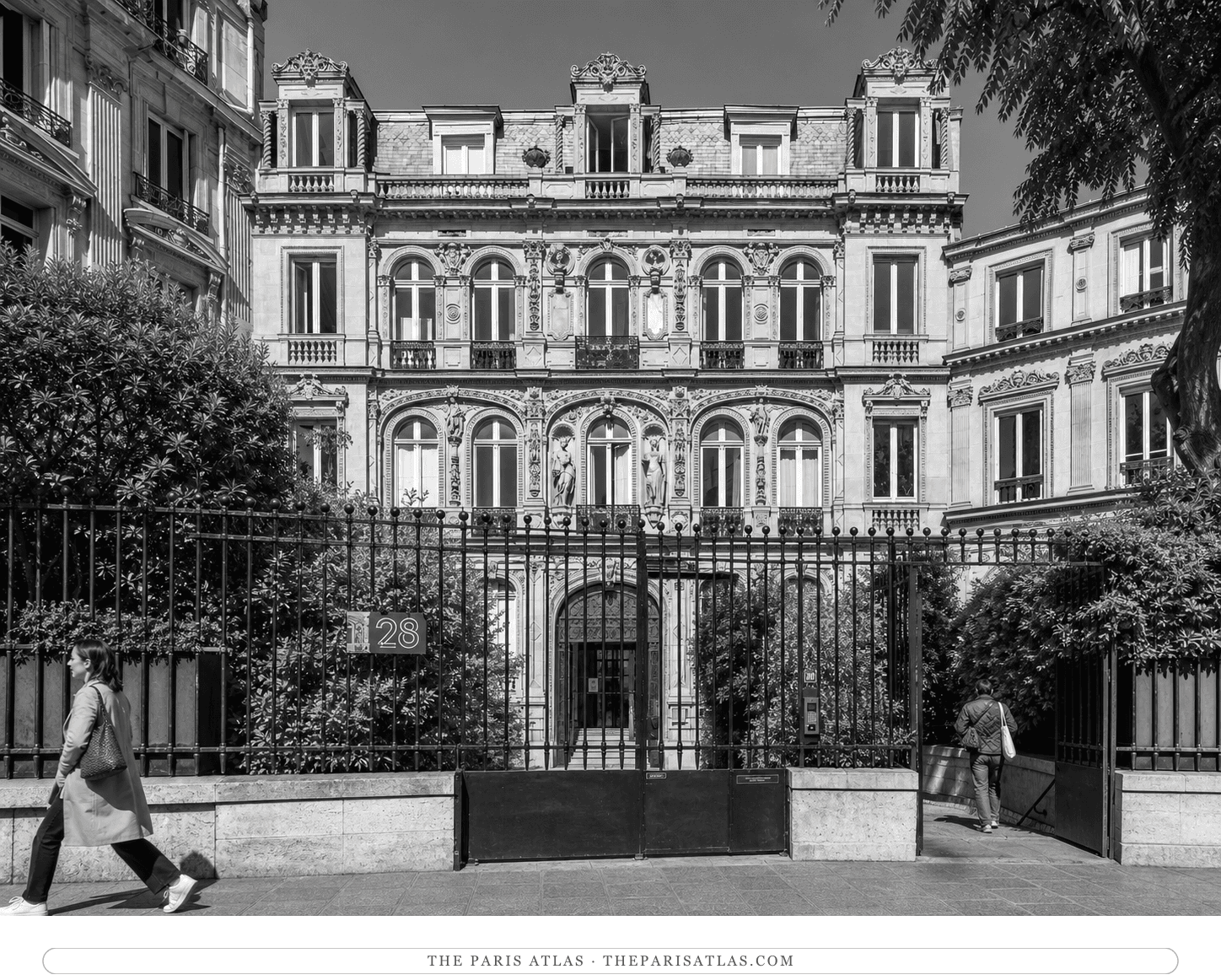
No claim is made that the rooms retain Gauguin's arrangement or contents. The building is an occupied residential structure, and the relevant experience is outside on a public street. Its survival gives a fixed point for the prosperous phase; the pictures once studied inside are now dispersed among collections, and the original domestic school cannot be reconstructed from the façade.
Gauguin's eventual hostility toward the Paris art world can obscure how thoroughly that world formed him. He learned through Pissarro, showed in the Impressionist exhibitions and measured his own pictures against a collection built with market earnings. Even the later rejection depended on intimate knowledge of what was being rejected. Rue La Bruyère represents neither false artist nor authentic artist, but the period in which commercial competence and experimental painting reinforced one another. Its comfortable rooms gave him an education that poverty alone could never have supplied.
The address also helps distinguish chronology from legend. Tahiti lies years ahead; first came a broker painting around work, a collector becoming an exhibitor, a family moving through increasingly spacious homes and then a crash. Reading the pages in that order restores gradual development where the self-created myth preferred sudden rupture.
Gauguin collects Impressionist paintings on his Bourse income.
The collection is sold off piece by piece as money runs out.
Seriously. On his stockbroker's salary he owned works by Cézanne, Pissarro, Manet, Degas and Monet, and sold them off gradually after he lost his income.
A Paul Gauguin address in the 9th during the years when he was painting as an amateur and collecting Cezanne, Pissarro, Manet, Degas and Monet on a broker's income.
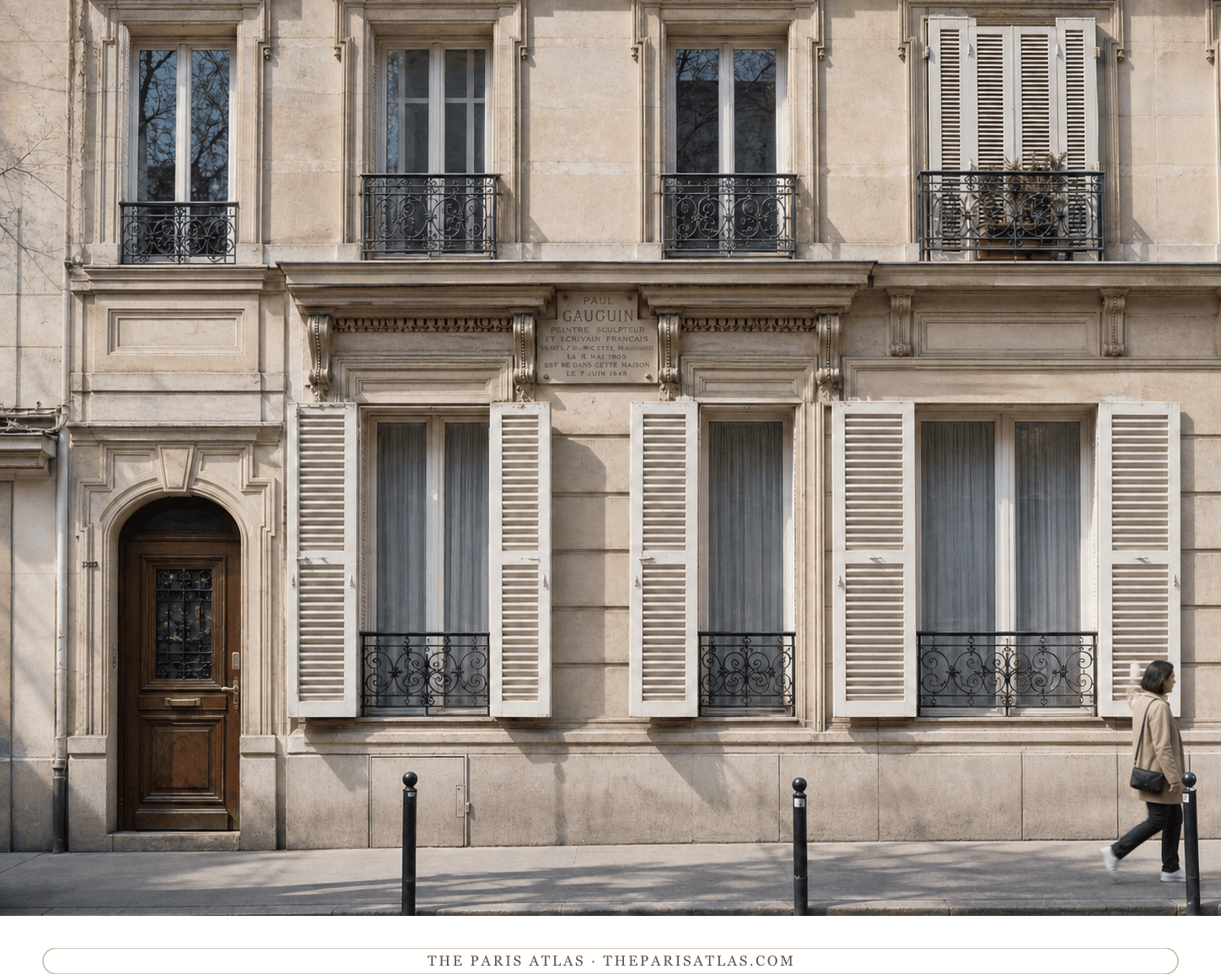
The house where Paul Gauguin was born on 7 June 1848, months before the family fled France for Peru — a departure that killed his father and shaped everything that came after.
Visit the place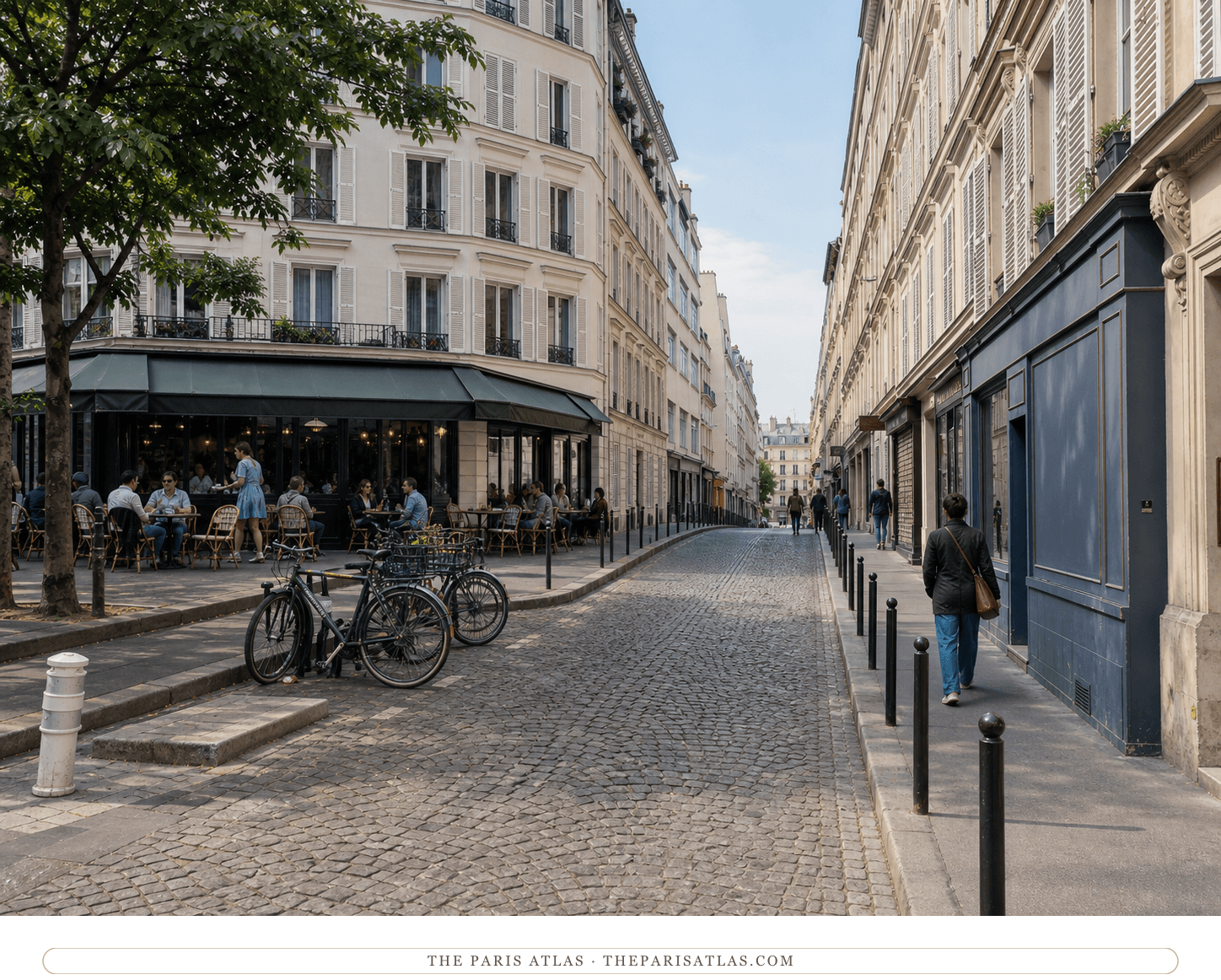
The house of Gustave Arosa — businessman, photographer and collector — who became Paul Gauguin's guardian, found him his job at the Bourse, and owned the Delacroix, Courbet and Pissarro canvases that started him painting.
Visit the place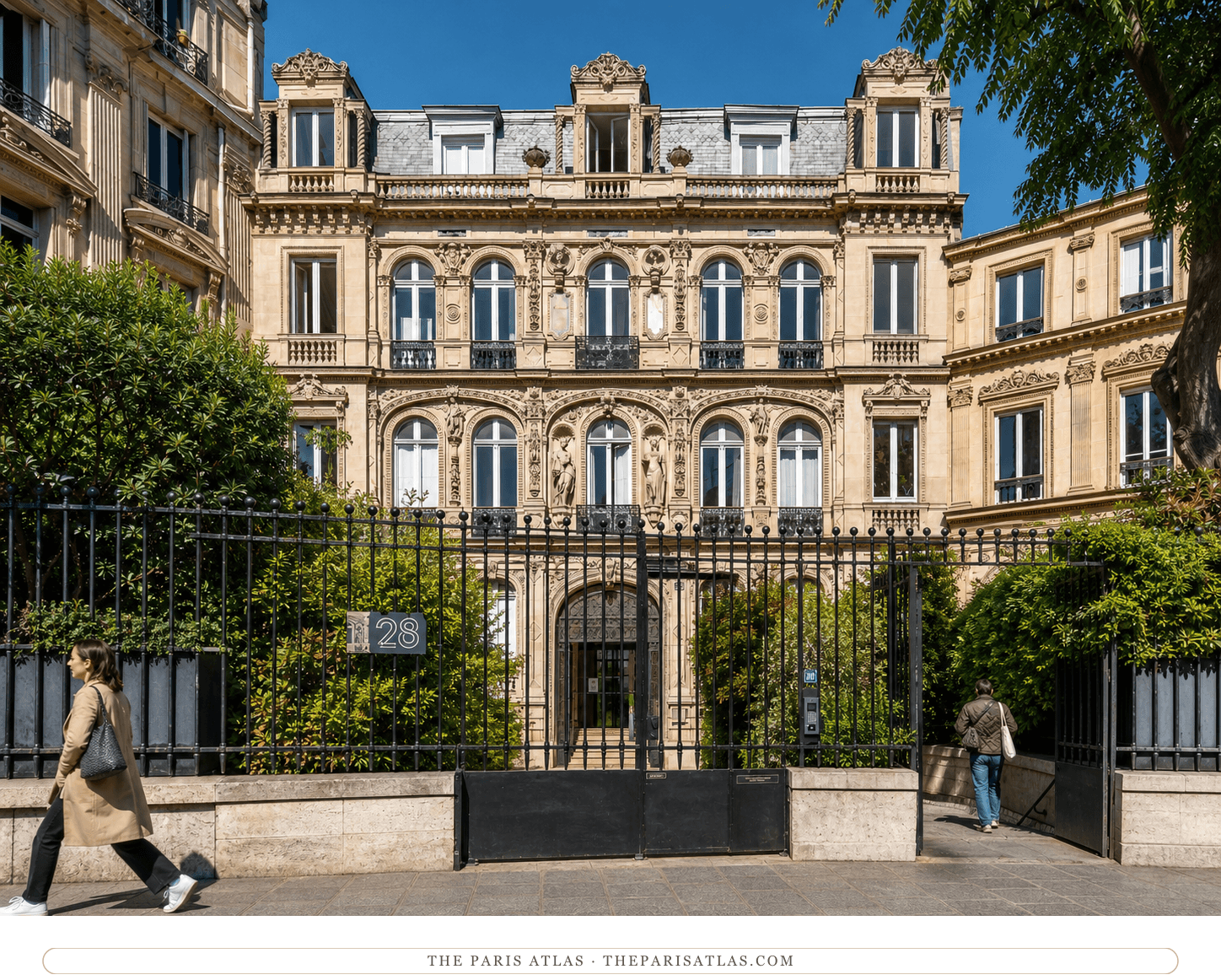
The first home Paul Gauguin shared with his Danish wife Mette Gad after their marriage in 1873, on a handsome small square — the address of a successful stockbroker rather than a painter.
Visit the place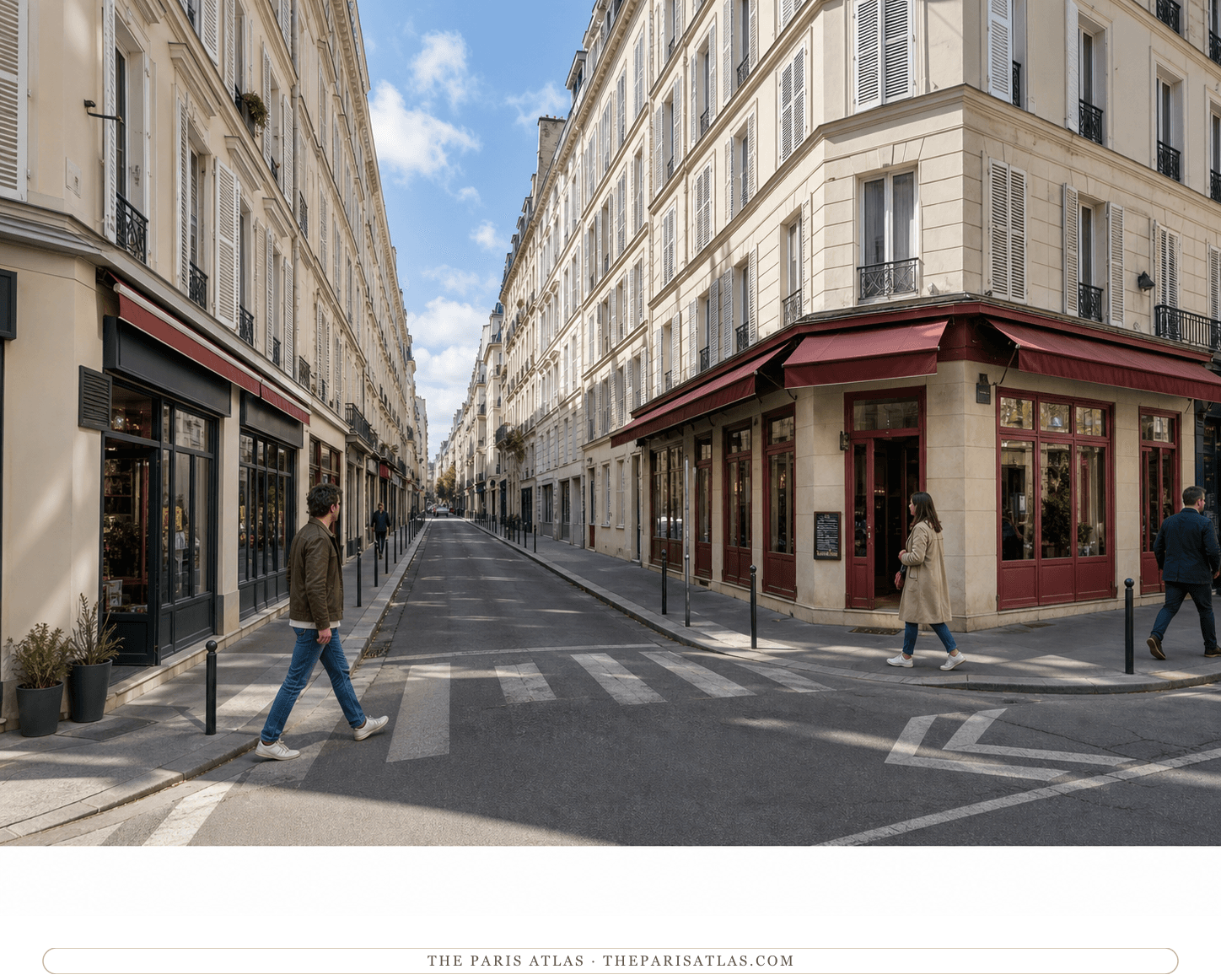
The vanished café at the La Bruyère and Pigalle corner where Black musicians and performers gathered, and where Langston Hughes watched Sonya hide beneath their table.
Visit the placeThe sources below include histories, archival materials, scholarly research, and official records that informed this page. They document 15 rue La Bruyère, the people connected to it, and its place in Paris.

Web source consulted for documented facts and historical context presented on the 15 rue La Bruyère page.
Web source consulted for documented facts and historical context presented on the 15 rue La Bruyère page.
Web source consulted for documented facts and historical context presented on the 15 rue La Bruyère page.
Web source consulted for documented facts and historical context presented on the 15 rue La Bruyère page.
These references provide the documented foundation for this page's history and context. Claim-level citations remain attached to the specific claims they support.
 Explore more resources
Newsletter
The cafés, studios, and walk-up flats where the work was made — one story from the map in every letter.