
Recalled in the memoir
The Big Sea
Hughes remembers the performers' café and the moment Sonya hid under their table when the Danish tourist she had robbed passed the window.
The vanished café at the La Bruyère and Pigalle corner where Black musicians and performers gathered, and where Langston Hughes watched Sonya hide beneath their table.
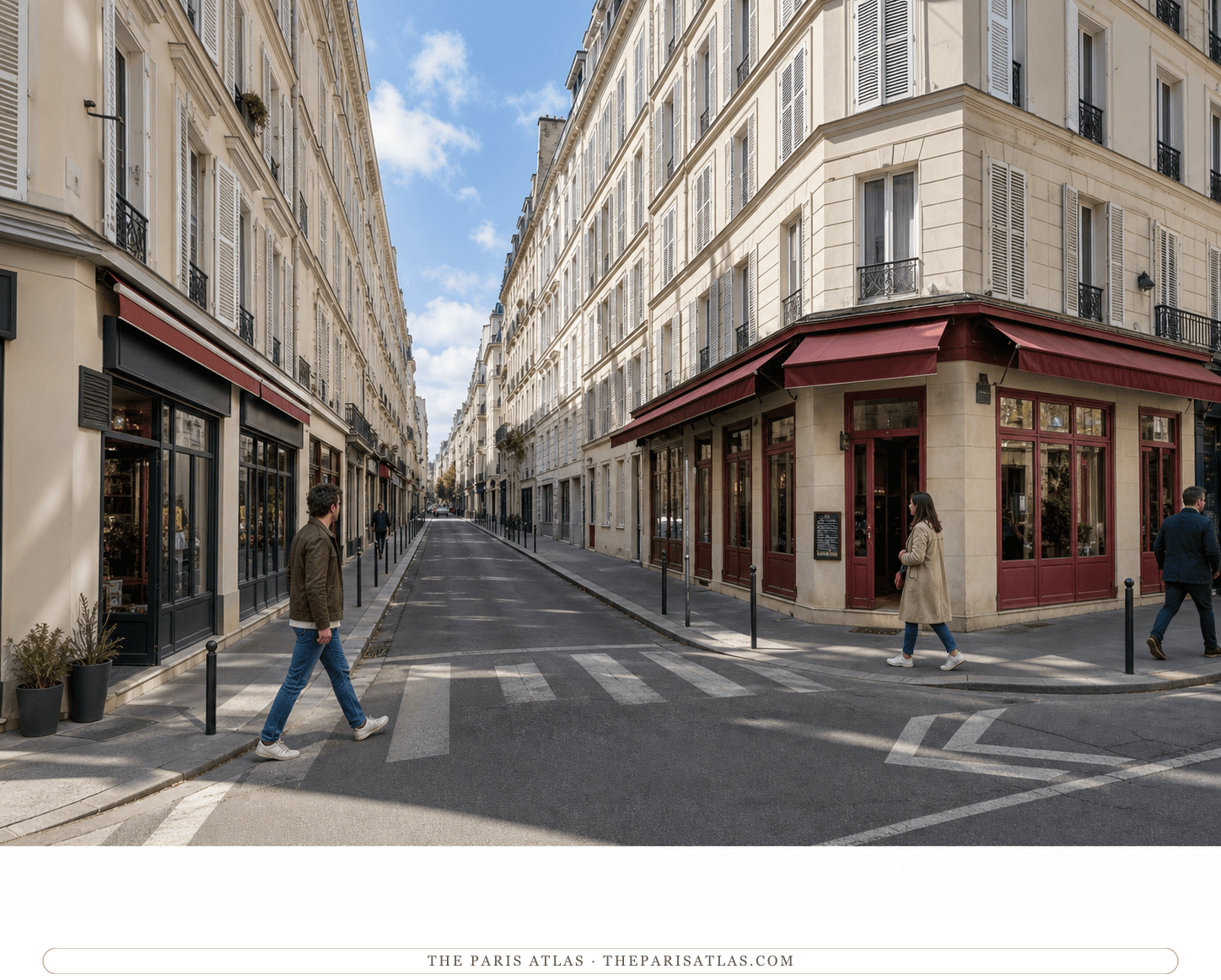
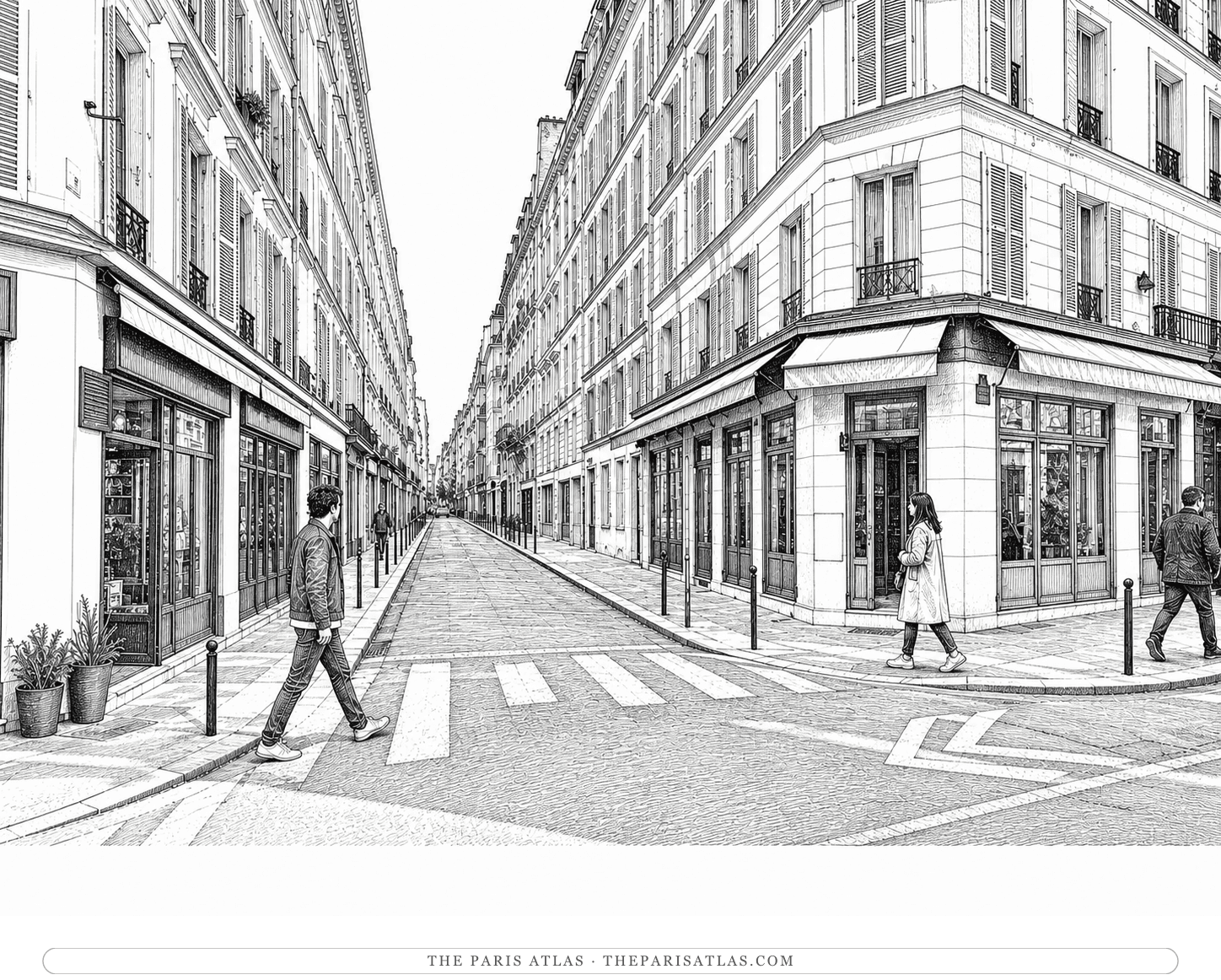
The Flea Pit was a small café on rue La Bruyère at its corner with the old rue Pigalle, close to Le Grand Duc. Black musicians and Montmartre performers used it as an afternoon meeting place. A contemporary fictional account in Eric D. Walrond's 1926 story Wedding Day calls it both the Pit and the Flea Pit and explains the nickname in the period's own racial slang; the important point is the density of the Black American circle that passed through the room.
Langston Hughes came here with Sonya after one of their rare prosperous mornings. Sonya had taken money from a drunken Danish patron at Zelli's. They celebrated with a haircut and shine for Hughes, a manicure for Sonya, lunch at an unnamed café on Place Pigalle, and Hughes's first Paris movie.
At dusk they returned to the Flea Pit and sat just inside its street window. Sonya abruptly slid under the table. The Dane she had robbed was walking past outside, and she stayed on the floor signaling for everyone to ignore her until he disappeared down the hill. Hughes tells the scene without improving it; the room's big window and the community's familiarity do all the work.
The café has vanished, and its informal name makes the precise shopfront difficult to reconstruct beyond the documented corner. This record stops at that level. It does not transfer the Flea Pit's identity to the hotel or any other business now standing there.
The café serves as a daily meeting place in Black Montmartre.
Langston Hughes and Sonya sit here after lunch and a movie; Sonya ducks beneath their table.
Eric D. Walrond places the Flea Pit and its clientele in his story Wedding Day.
Recalled in the memoir
Hughes remembers the performers' café and the moment Sonya hid under their table when the Danish tourist she had robbed passed the window.
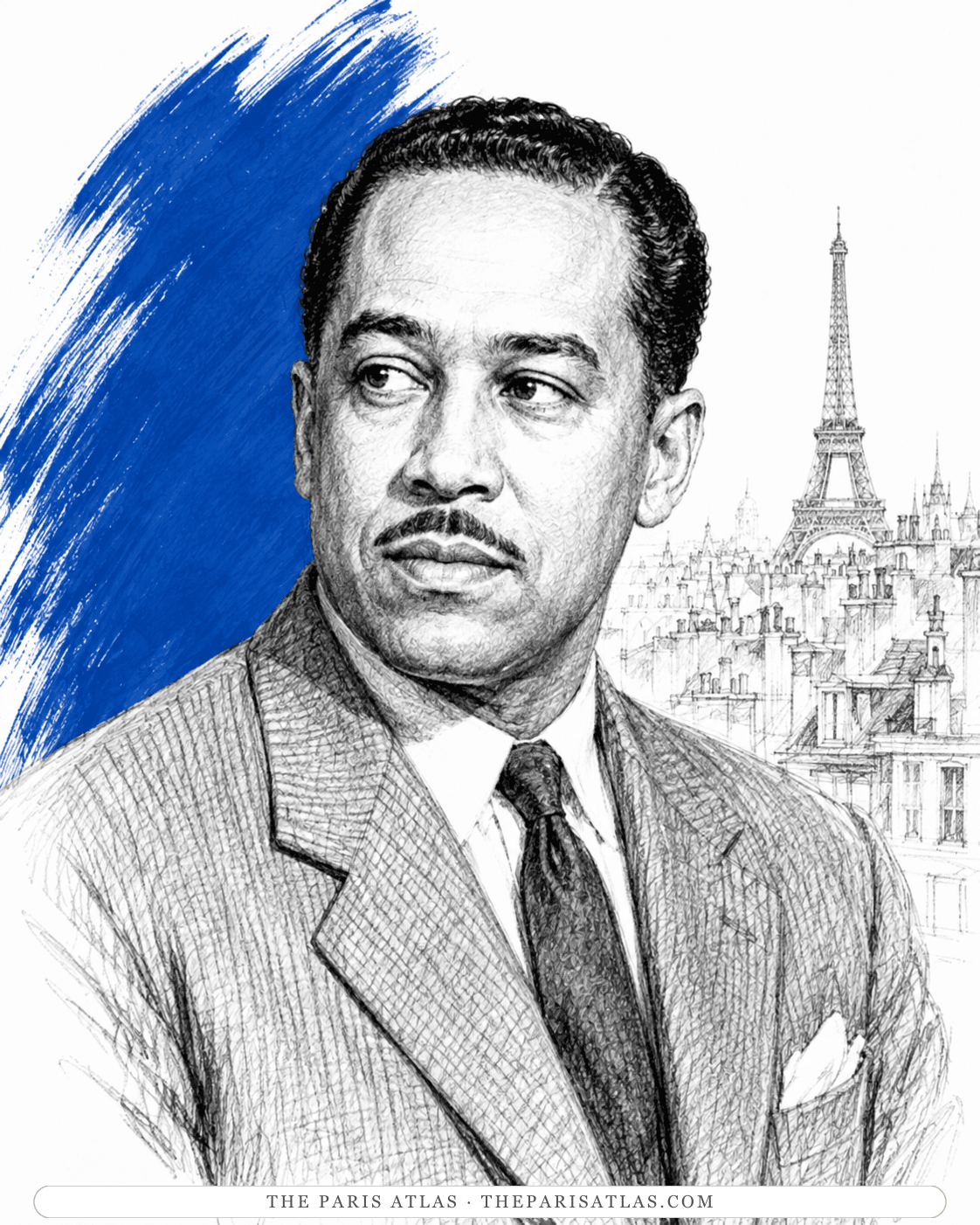
Frequented by · 1924
Hughes identifies this little rue La Bruyère café as the late-afternoon hangout of Montmartre performers and remembers sitting at its window with Sonya in 1924.
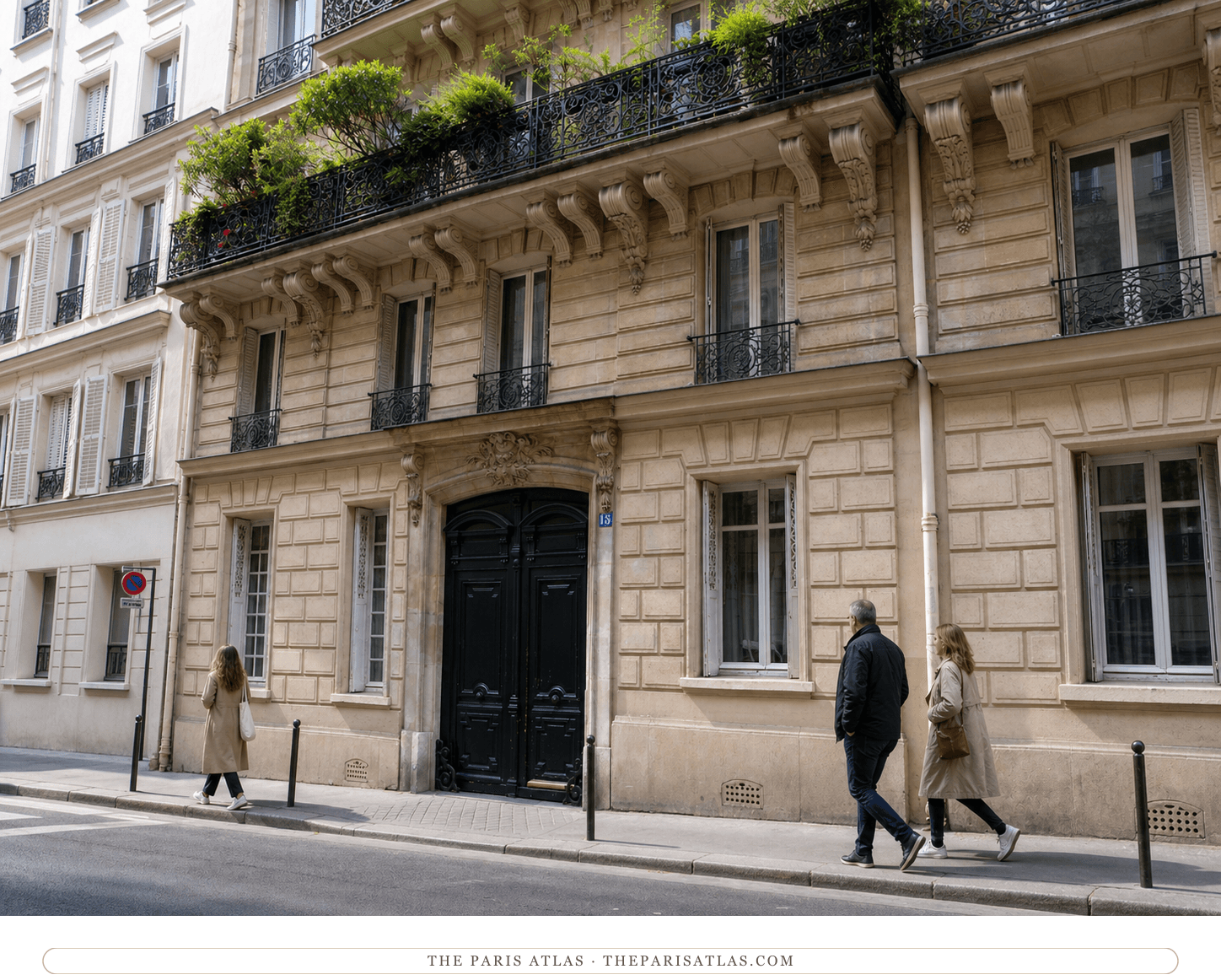
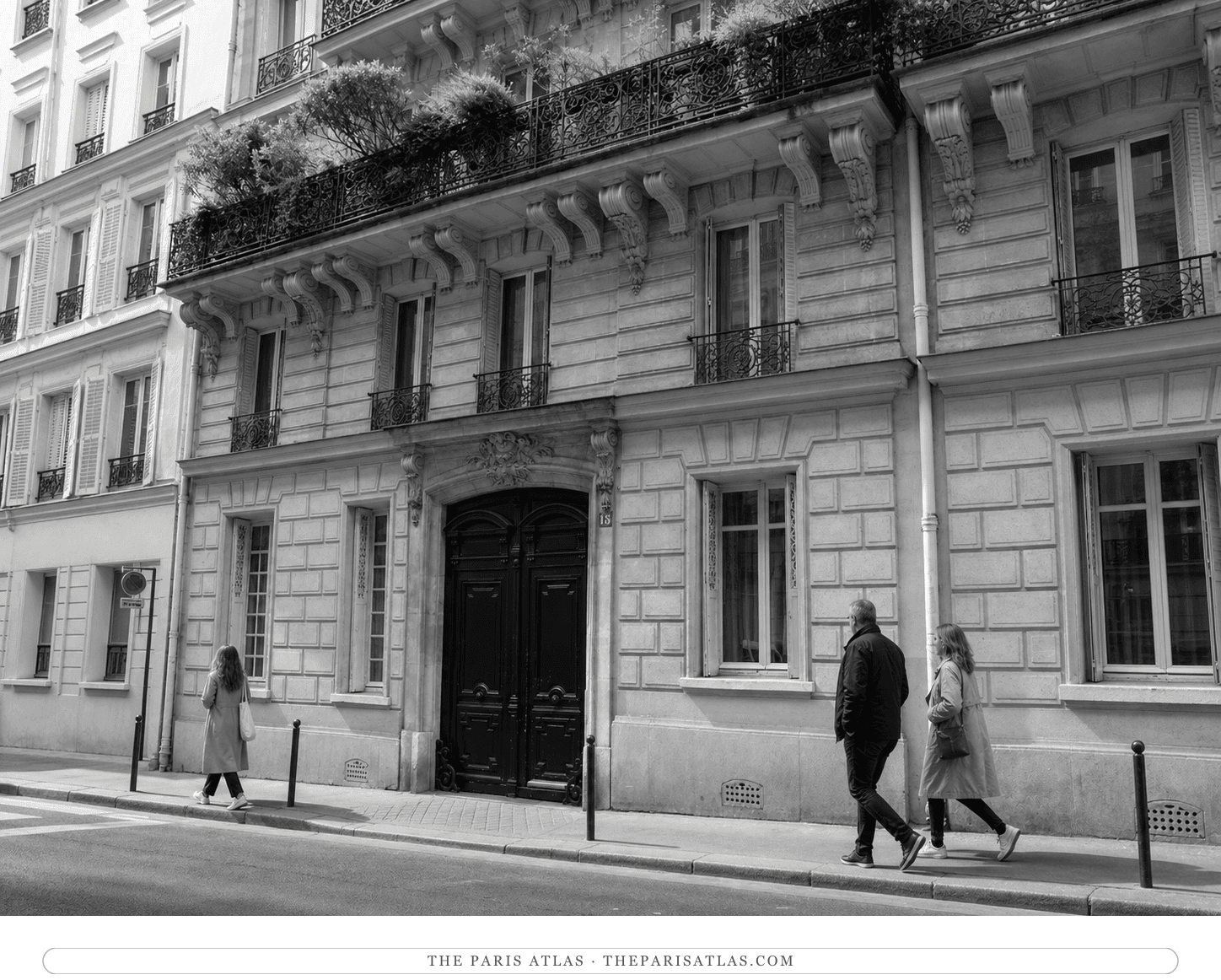
A Paul Gauguin address in the 9th arrondissement during the years when he was still a stockbroker, painting on Sundays and quietly assembling one of the better private Impressionist collections in Paris.
Visit the place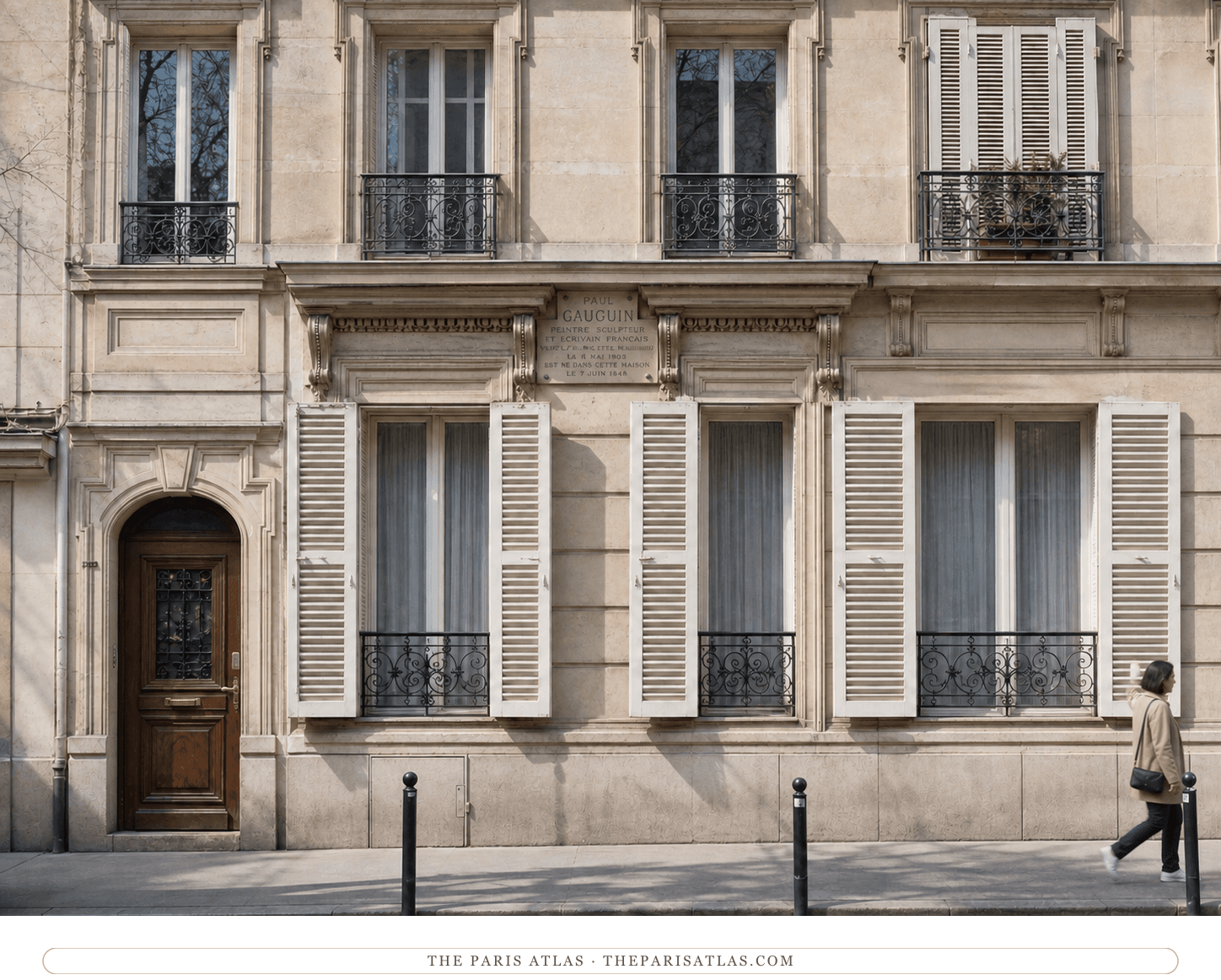
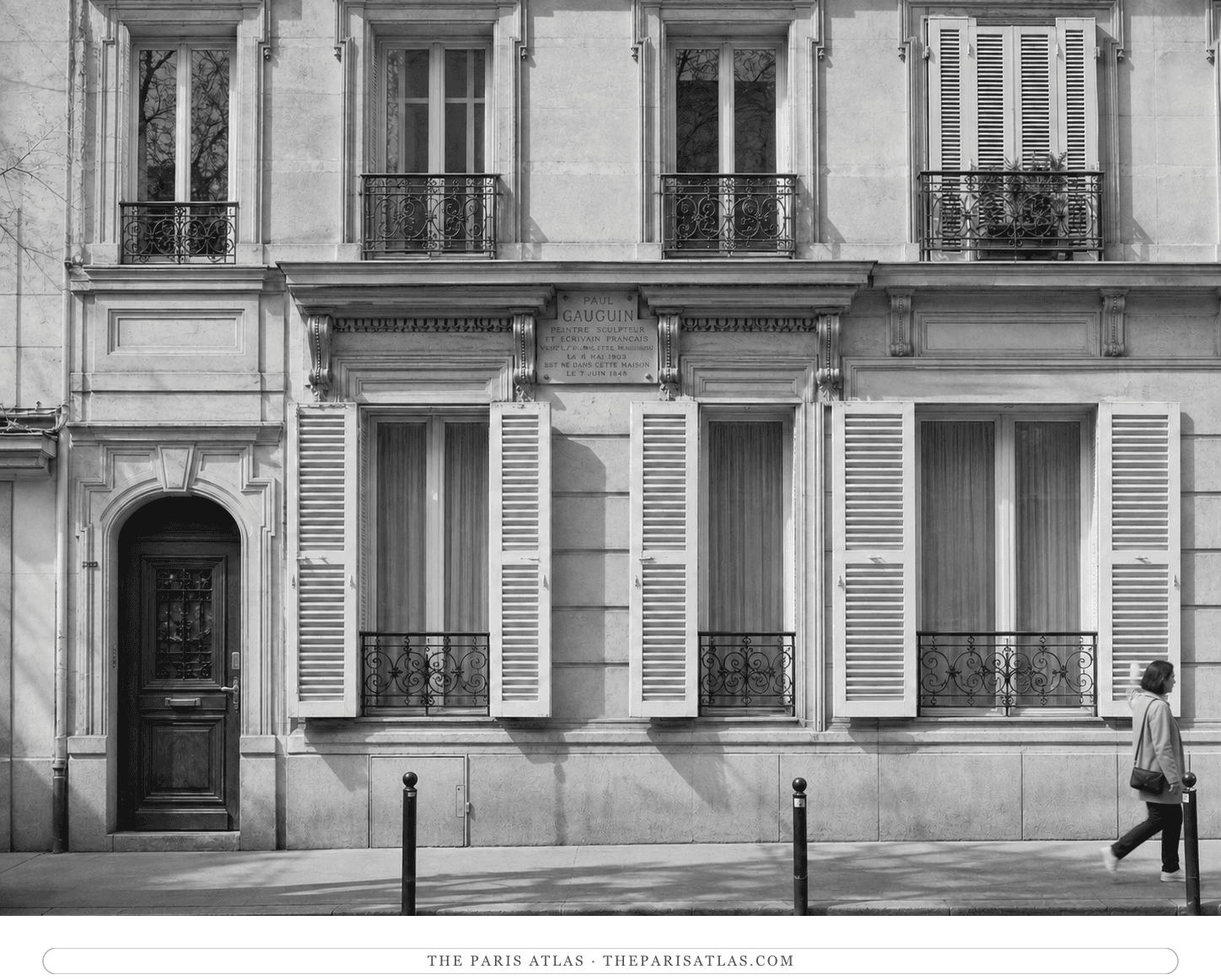
The house where Paul Gauguin was born on 7 June 1848, months before the family fled France for Peru — a departure that killed his father and shaped everything that came after.
Visit the place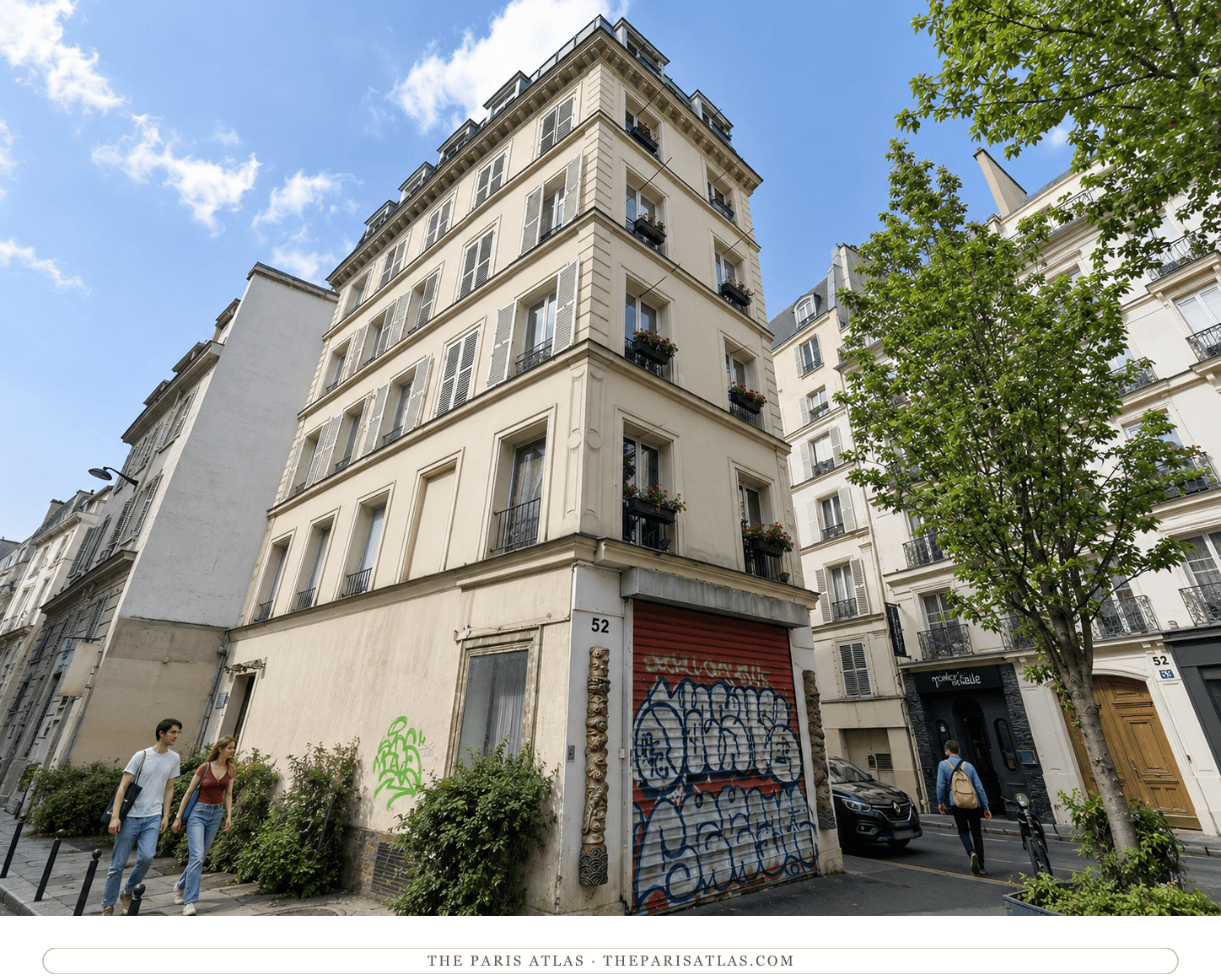
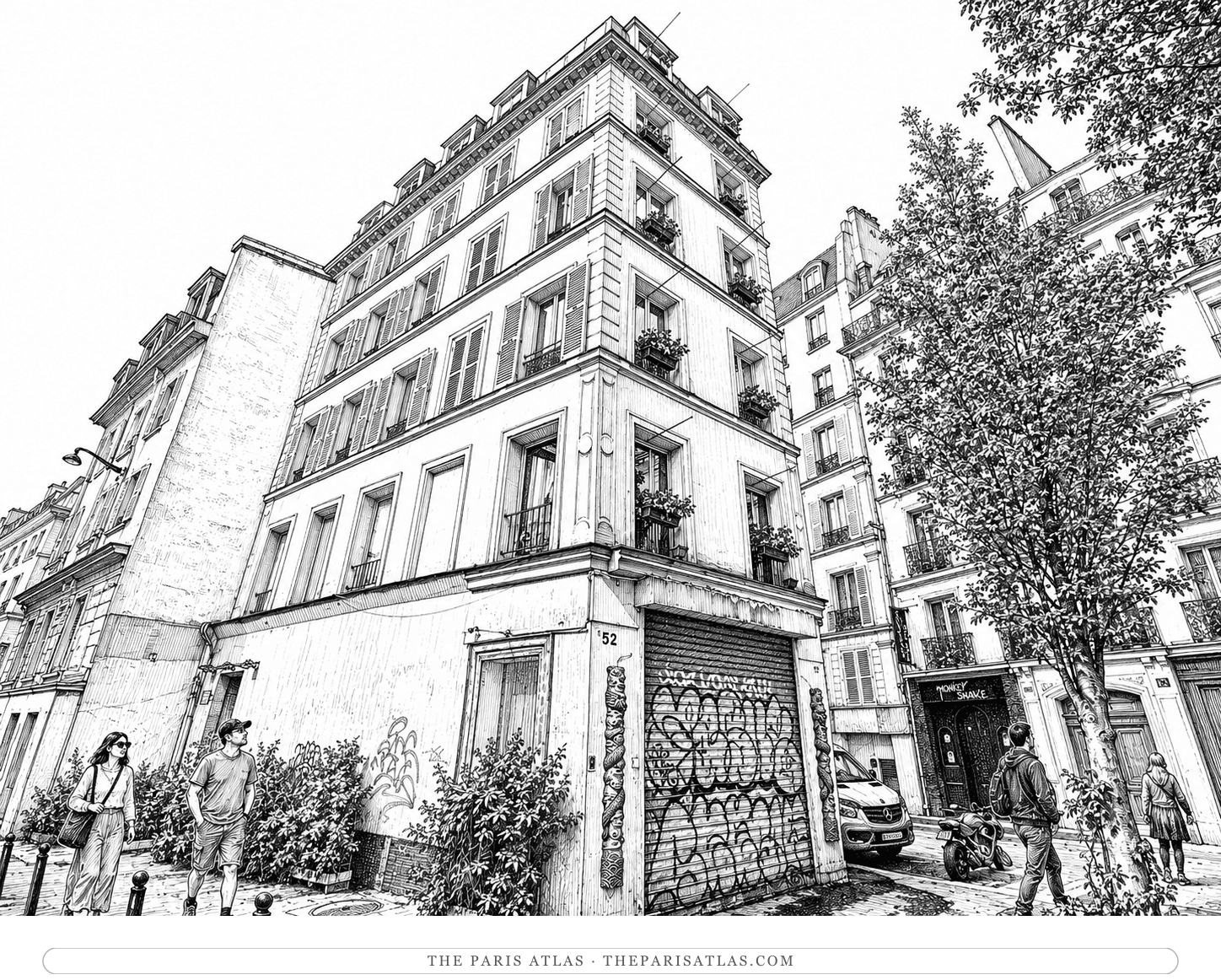
The tiny Montmartre nightclub where Langston Hughes washed dishes in 1924 and Bricktop began her Paris career — an eight-foot bar, a dance floor for a dozen couples, and the after-hours jam sessions that ended the quarter's nights.
Visit the place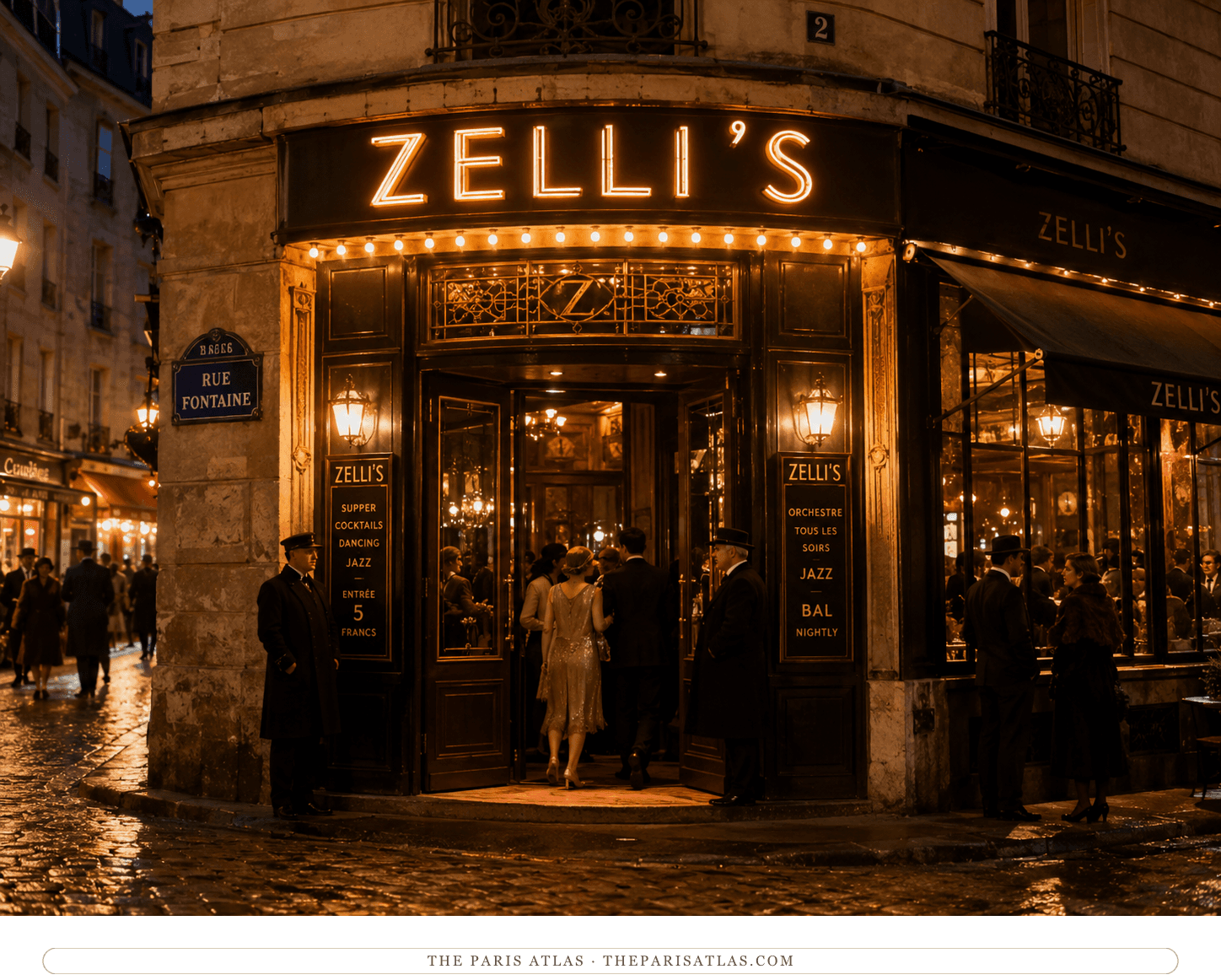
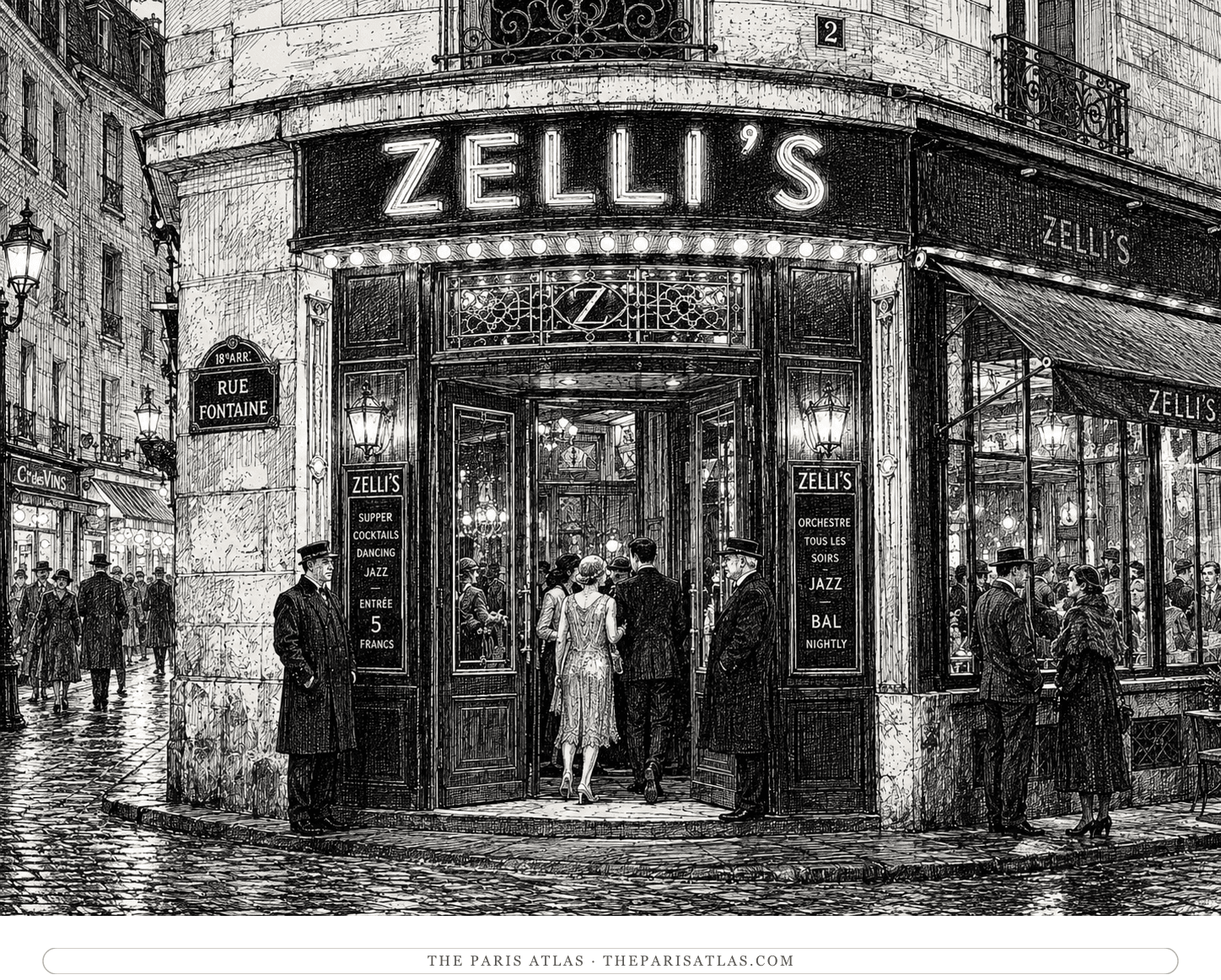
Crowded, smoky, and loud — Joe Zelli's Montmartre boîte, where the music hits you at the door and the novel's Paris nights go to end.
Visit the placeThe sources below include histories, archival materials, scholarly research, and official records that informed this page. They document The Flea Pit, the people connected to it, and its place in Paris.


First-person evidence and historical context used in preparing the The Flea Pit page.

Contemporary reporting or criticism used to document the historical reception and context of The Flea Pit.
Biographical evidence used to verify chronology, relationships, and historical context connected to The Flea Pit.
Contemporary reporting or criticism used to document the historical reception and context of The Flea Pit.
Map data used to verify addresses, geographic coordinates, and the placement associated with The Flea Pit.
These references provide the documented foundation for this page's history and context. Claim-level citations remain attached to the specific claims they support.
 Explore more resources
Newsletter
The cafés, studios, and walk-up flats where the work was made — one story from the map in every letter.