
Setting of the story
The Sun Also Rises
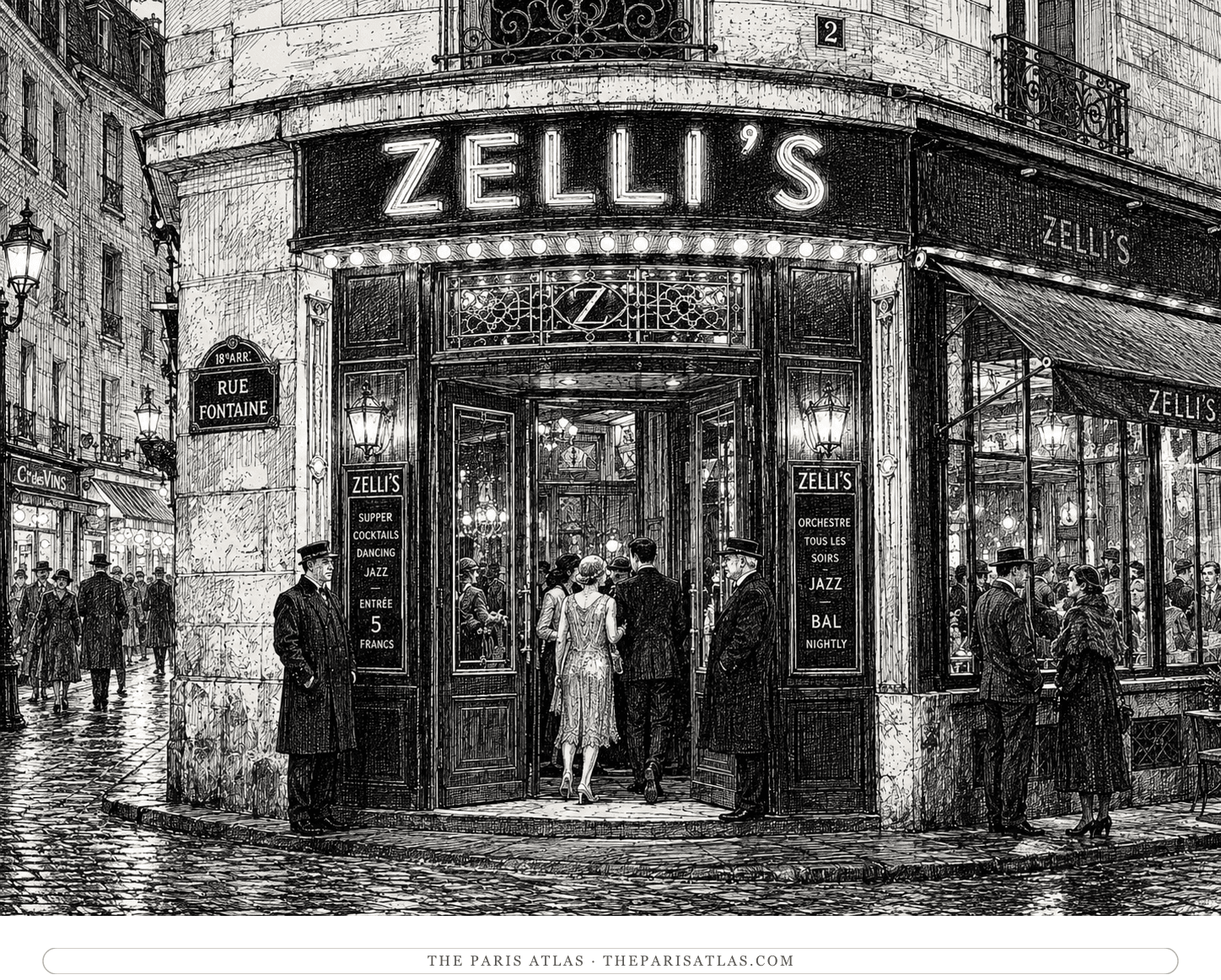
Crowded, smoky, and loud — the Montmartre boîte where the Paris nights end, the music hitting you at the door.
Crowded, smoky, and loud — Joe Zelli's Montmartre boîte, where the music hits you at the door and the novel's Paris nights go to end.
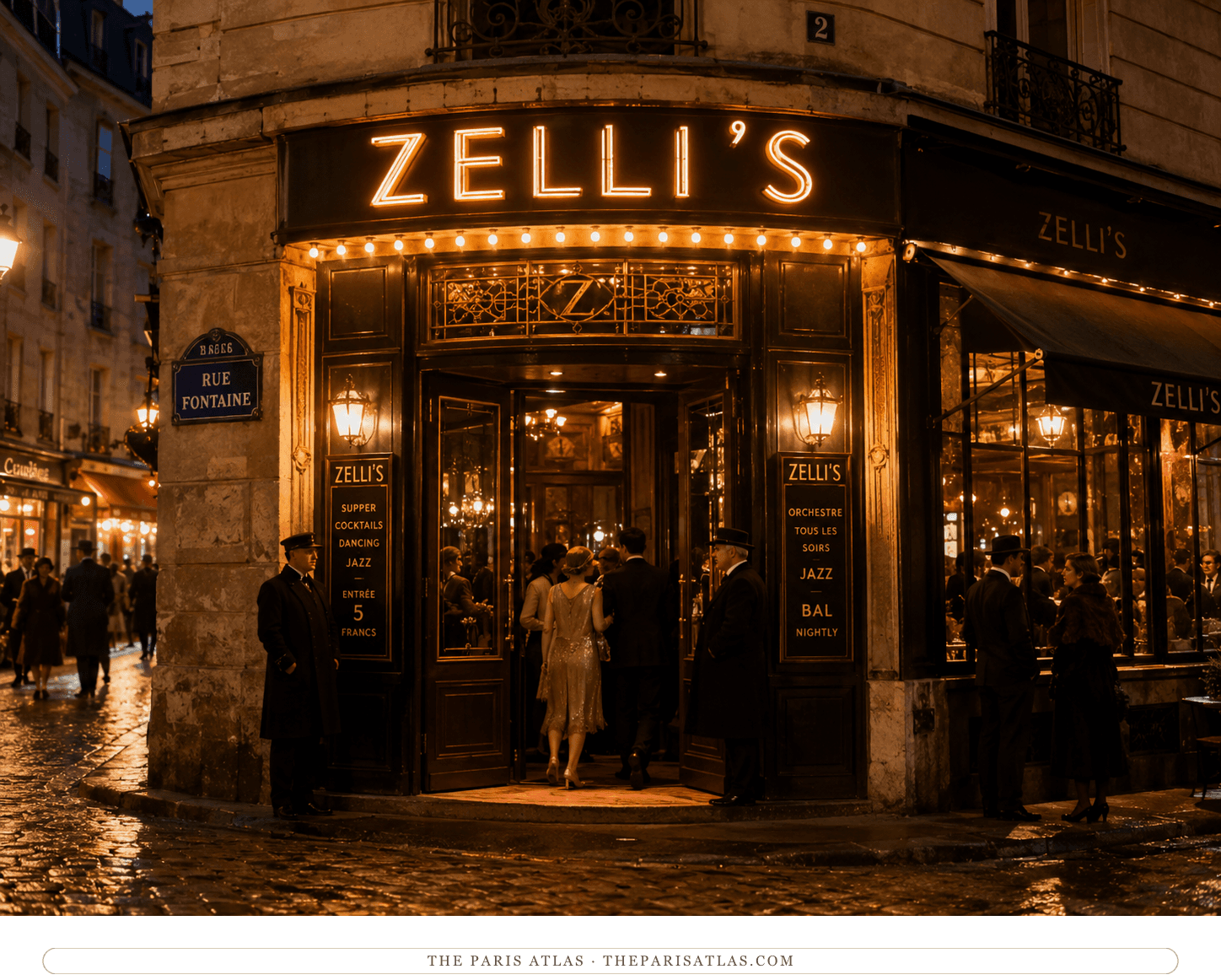
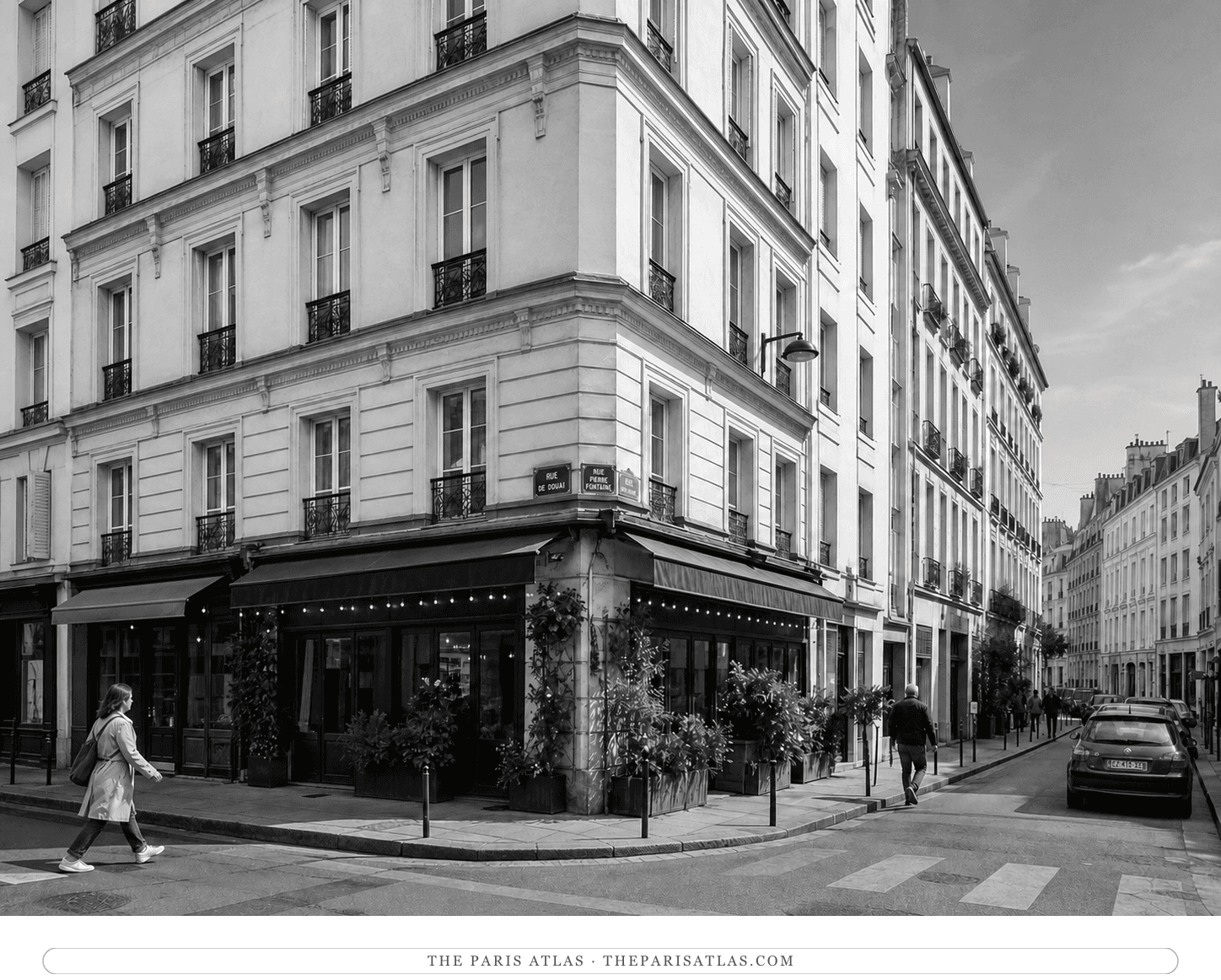
When the Montparnasse cafés finally closed their terraces, the night moved up the hill. Lower Montmartre between Pigalle and the rue Fontaine was the after-midnight quarter of the American twenties — jazz bands, champagne in buckets, francs evaporating — and its flagship was Zelli's, the club Joe Zelli ran on the rue Fontaine. It was the name you dropped to show you knew where the night actually went: memoirs of the decade treat 'Zelli's' the way they treat 'the Ritz,' as a word needing no explanation.
The novel gives it exactly that treatment, twice. The Sun Also Rises' Lady Brett Ashley tosses the name off in passing — hampers and a dozen bottles of Mumm's, all got at Zelli's — and later the crowd goes up to Montmartre and inside: packed, smoky, the music hitting you as you come through the door, a floor too crowded to really dance on, and the drummer waving hello. It is the loudest room in a novel that otherwise runs on café murmur, and Hemingway spends it in a page and a half.
Zelli's belonged to the dollar decade and did not outlive it. The crash emptied Montmartre's American nightlife within a couple of seasons, the club faded with the rest, and the street was later renamed rue Pierre-Fontaine. Nothing marks the address; the novel is the plaque.
Finally we went up to Montmartre. Inside Zelli’s it was crowded, smoky, and noisy. The music hit you as you went in.
Joe Zelli opens on the rue Fontaine; lower Montmartre becomes the after-hours quarter of the American colony.
The most famous nightclub name in expatriate Paris.
Hemingway takes the crowd of The Sun Also Rises up the hill and through the door.
The crash empties the dollar nightlife; Zelli's fades with it.
No trace at the address; the novel keeps the name current.
Setting of the story
Crowded, smoky, and loud — the Montmartre boîte where the Paris nights end, the music hitting you at the door.
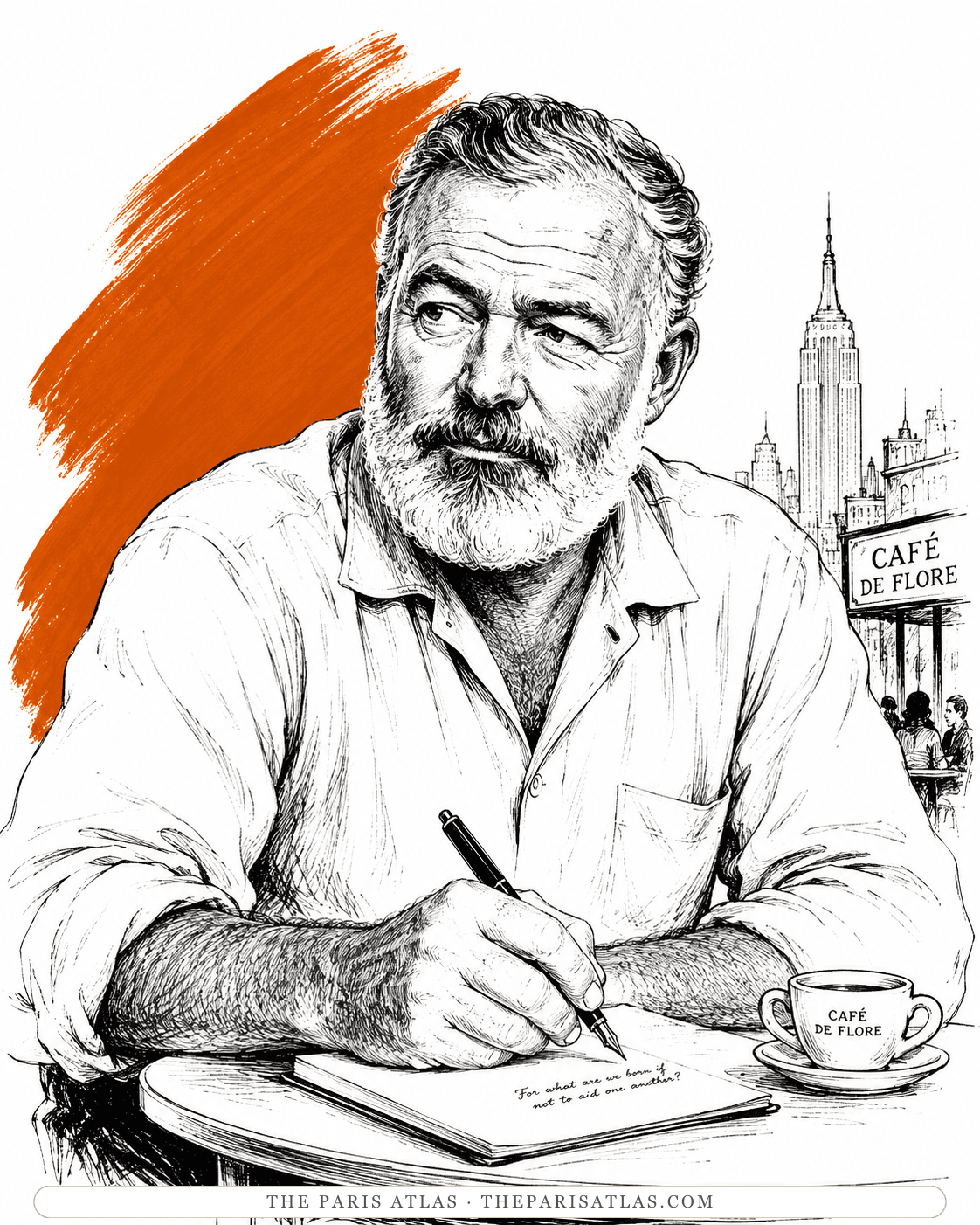
Ernest Hemingway wrote about Zelli's in The Sun Also Rises.
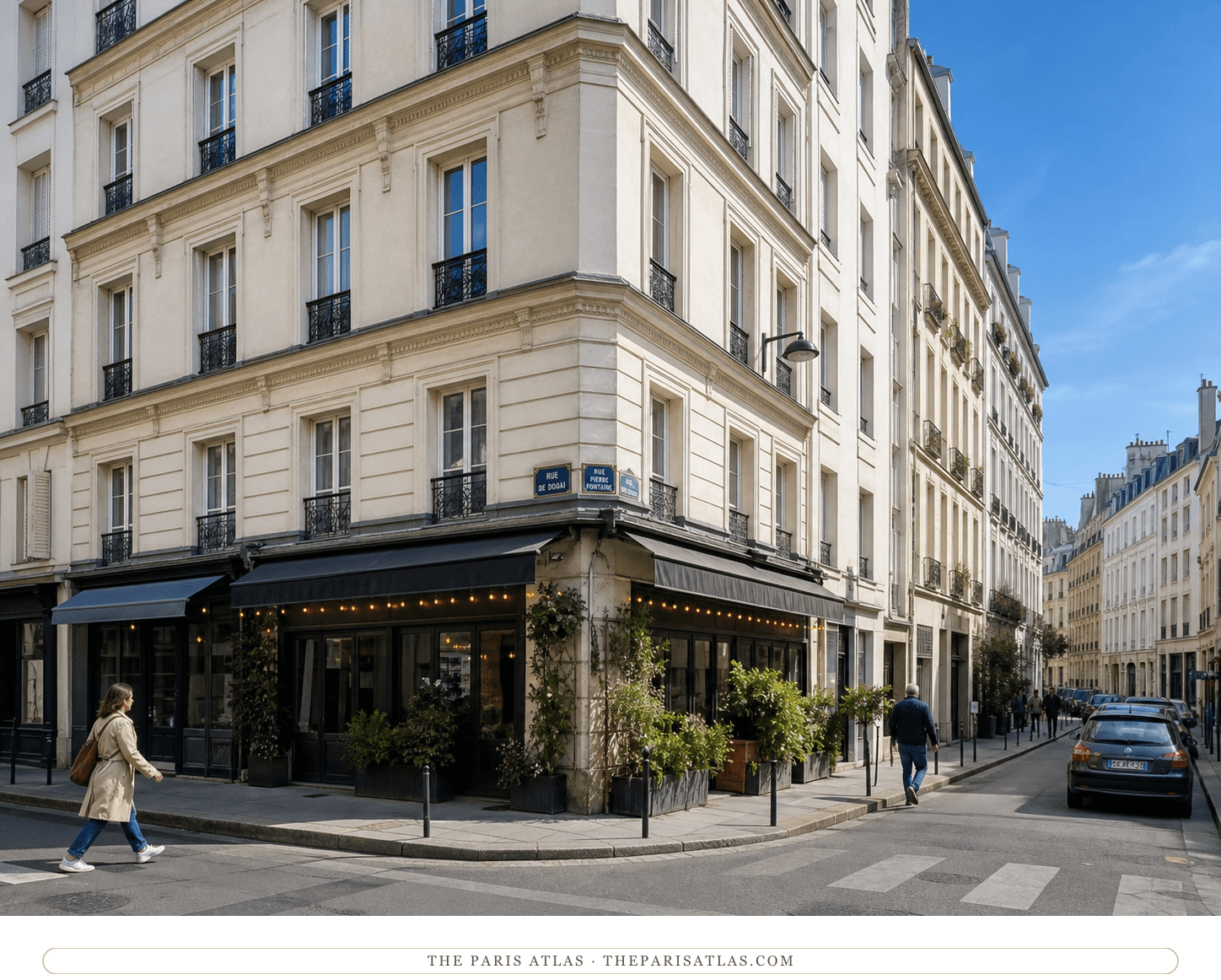
The surviving Pigalle corner where the vanished Café Liseux and Hotel Liseux stood, and where Langston Hughes lodged during his 1937 and 1938 returns to Paris.
Visit the place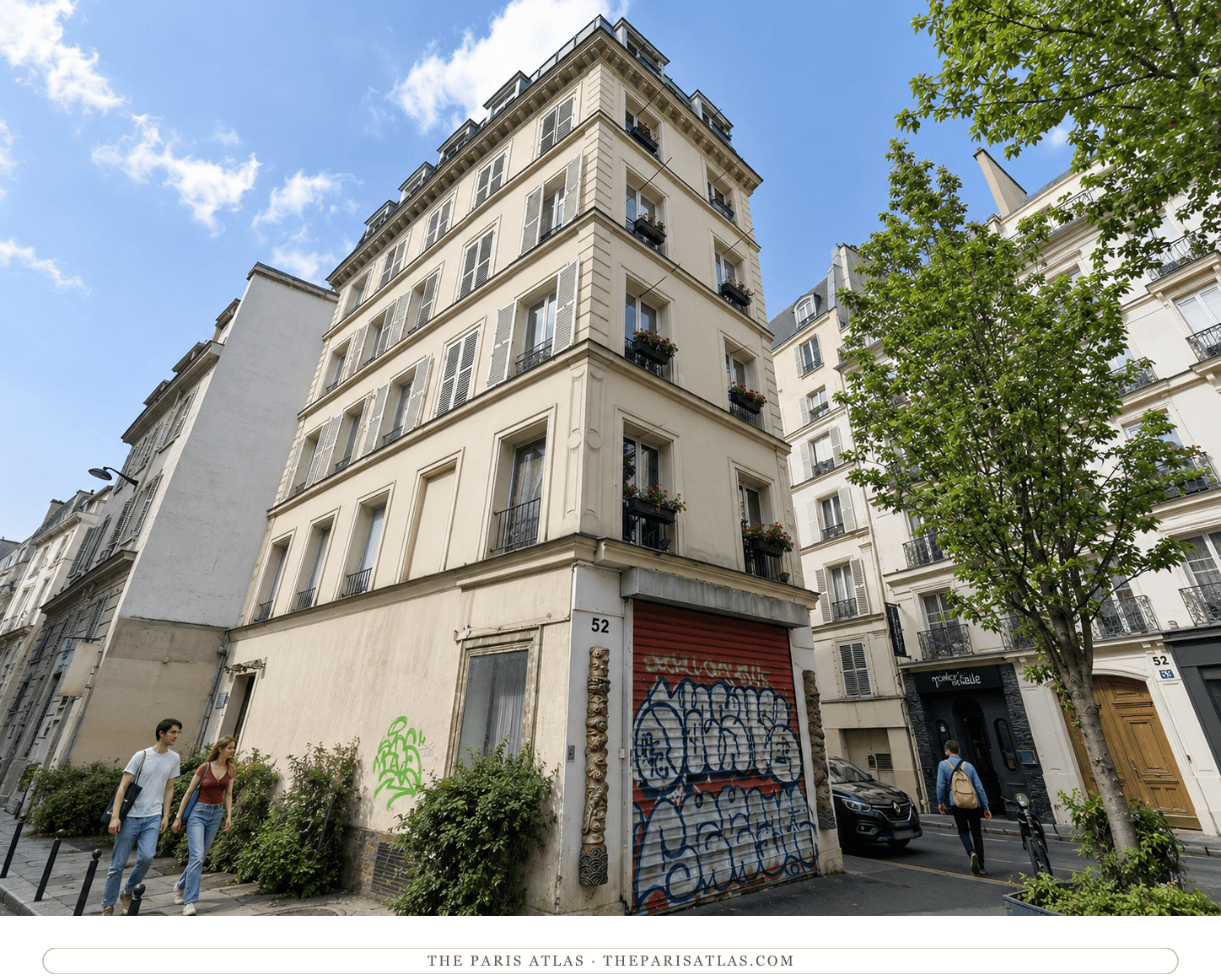
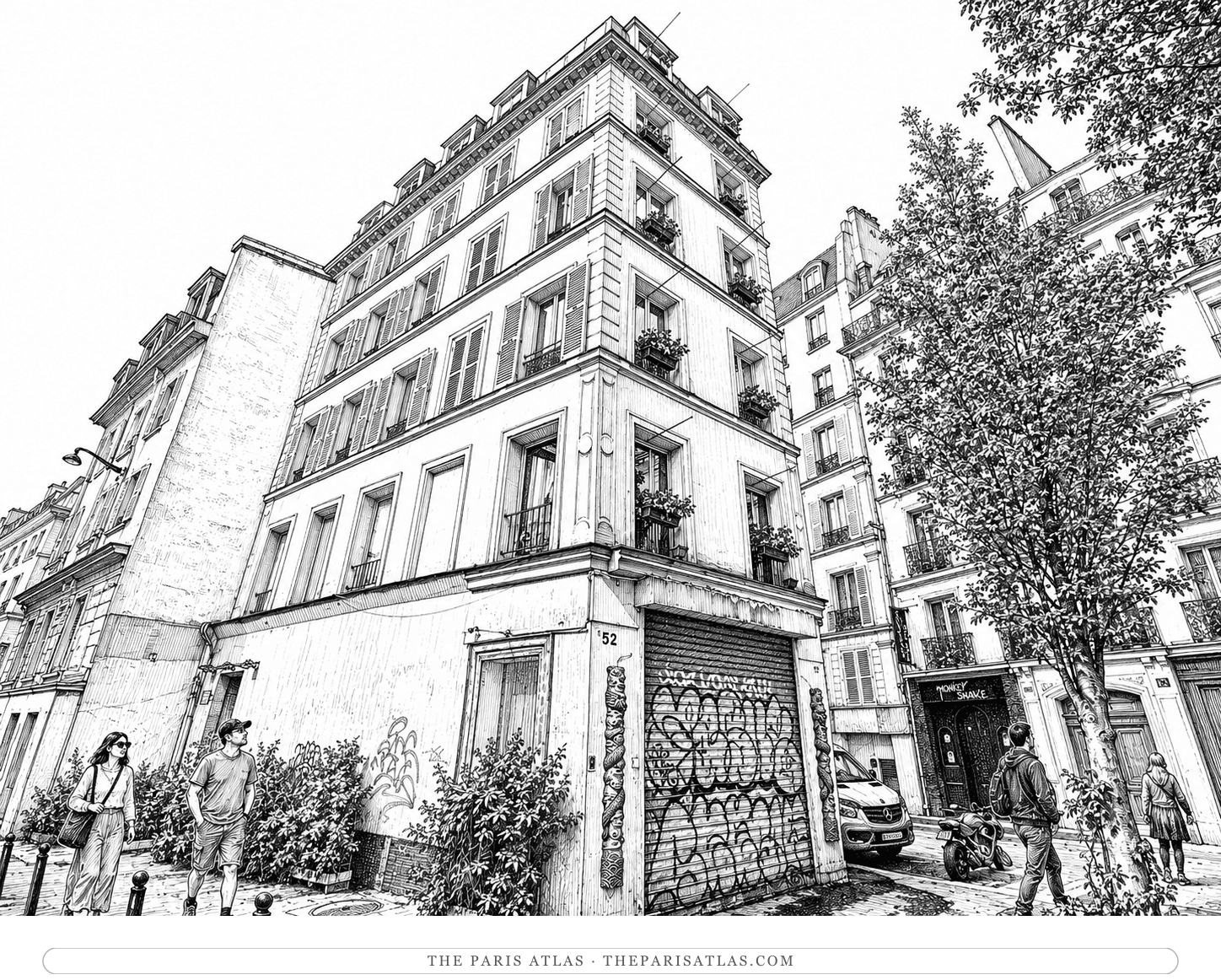
The tiny Montmartre nightclub where Langston Hughes washed dishes in 1924 and Bricktop began her Paris career — an eight-foot bar, a dance floor for a dozen couples, and the after-hours jam sessions that ended the quarter's nights.
Visit the place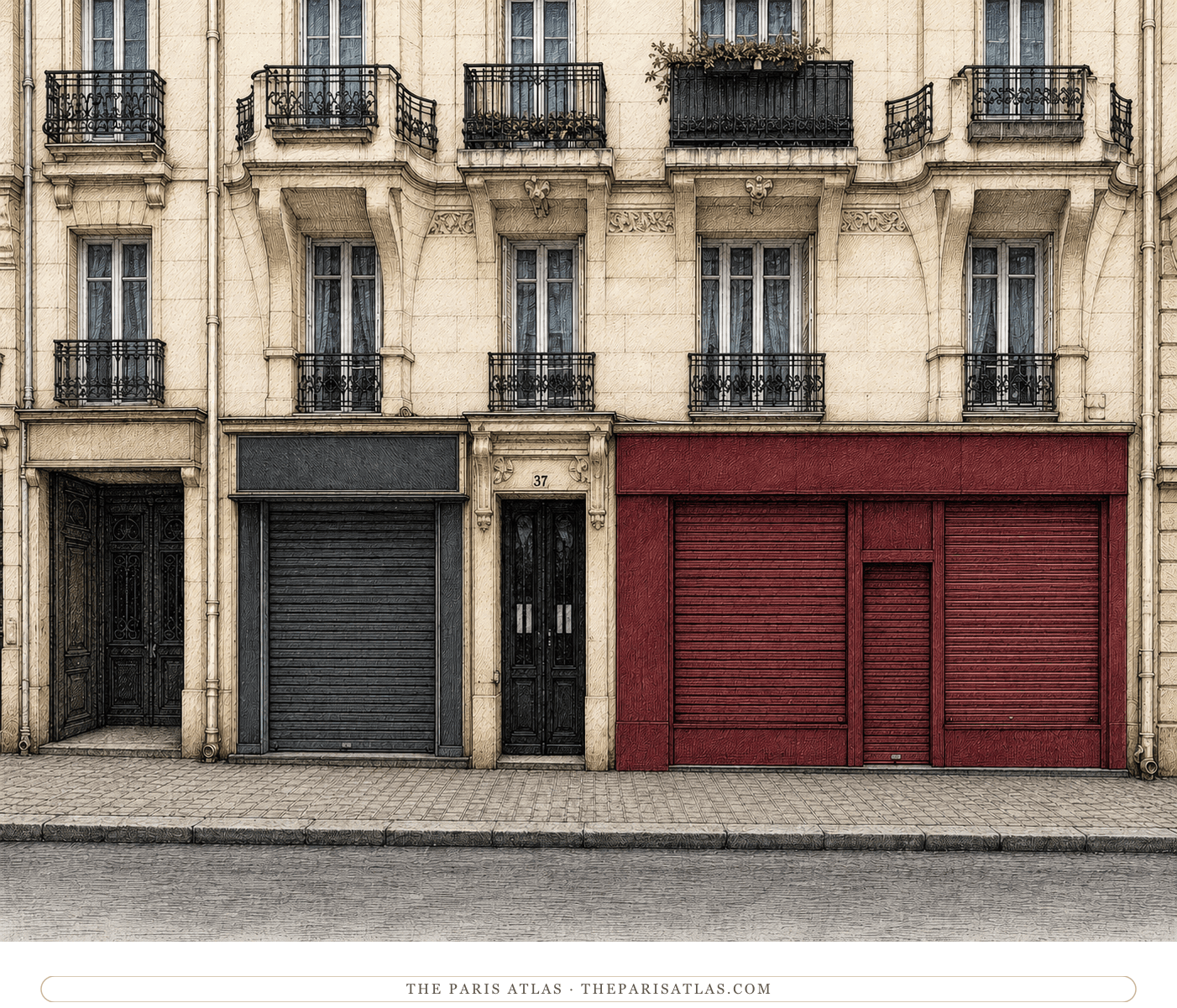
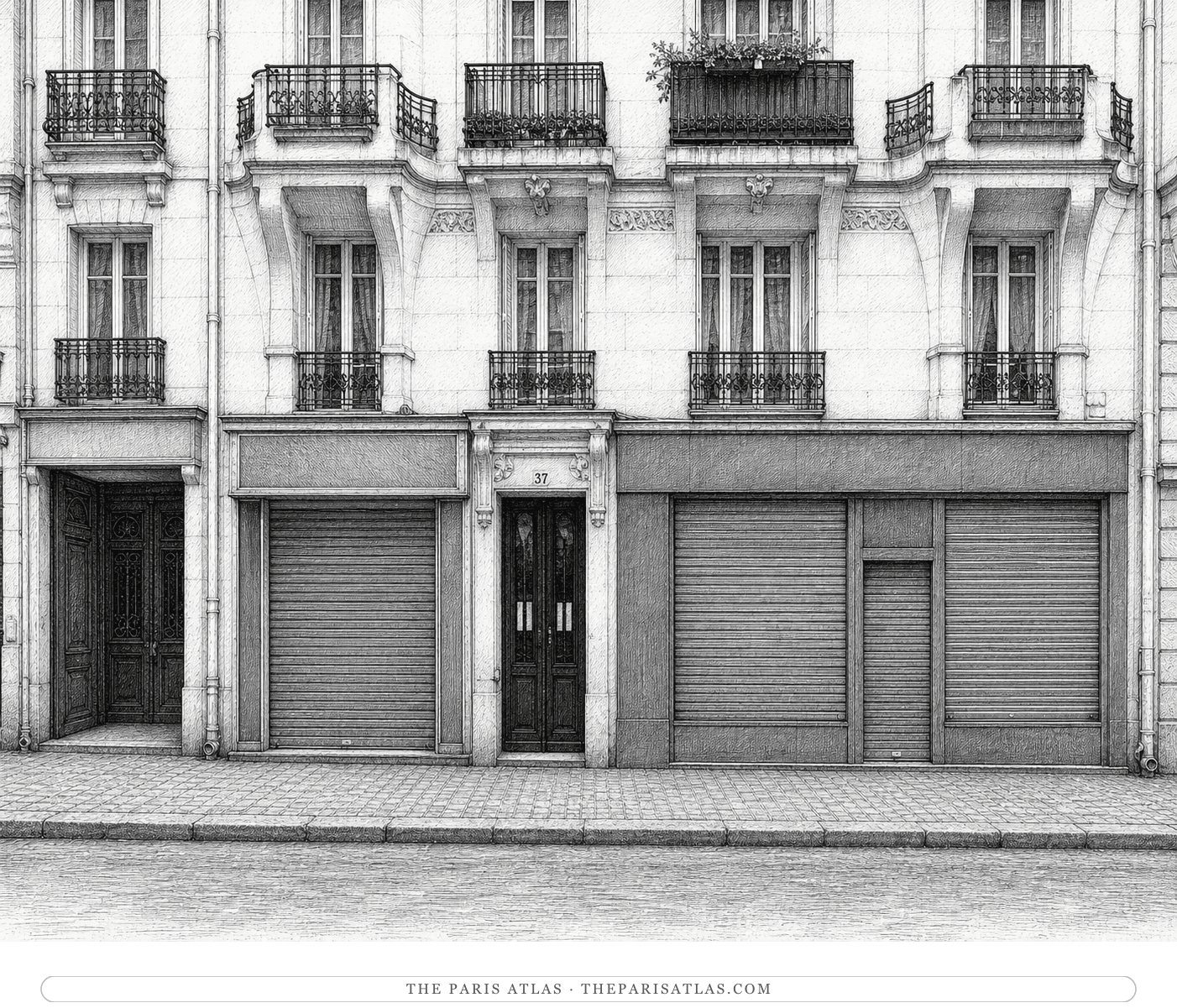
The apartment and studio where Edgar Degas worked for the last quarter-century of his career, on a street then called the rue de Laval. Paul Valéry was brought here to meet him in 1896. Degas was evicted in 1912 and never really worked again.
Visit the place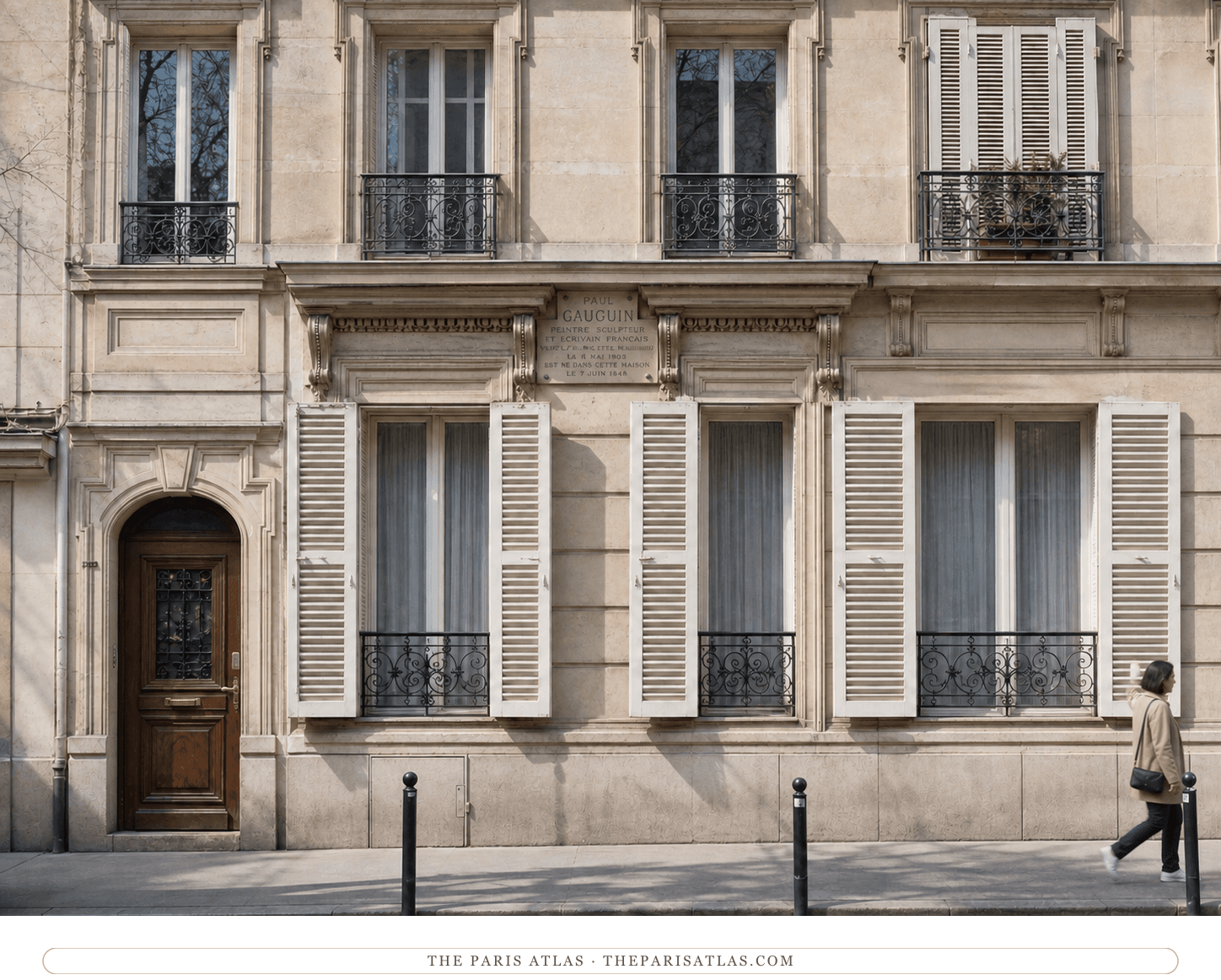
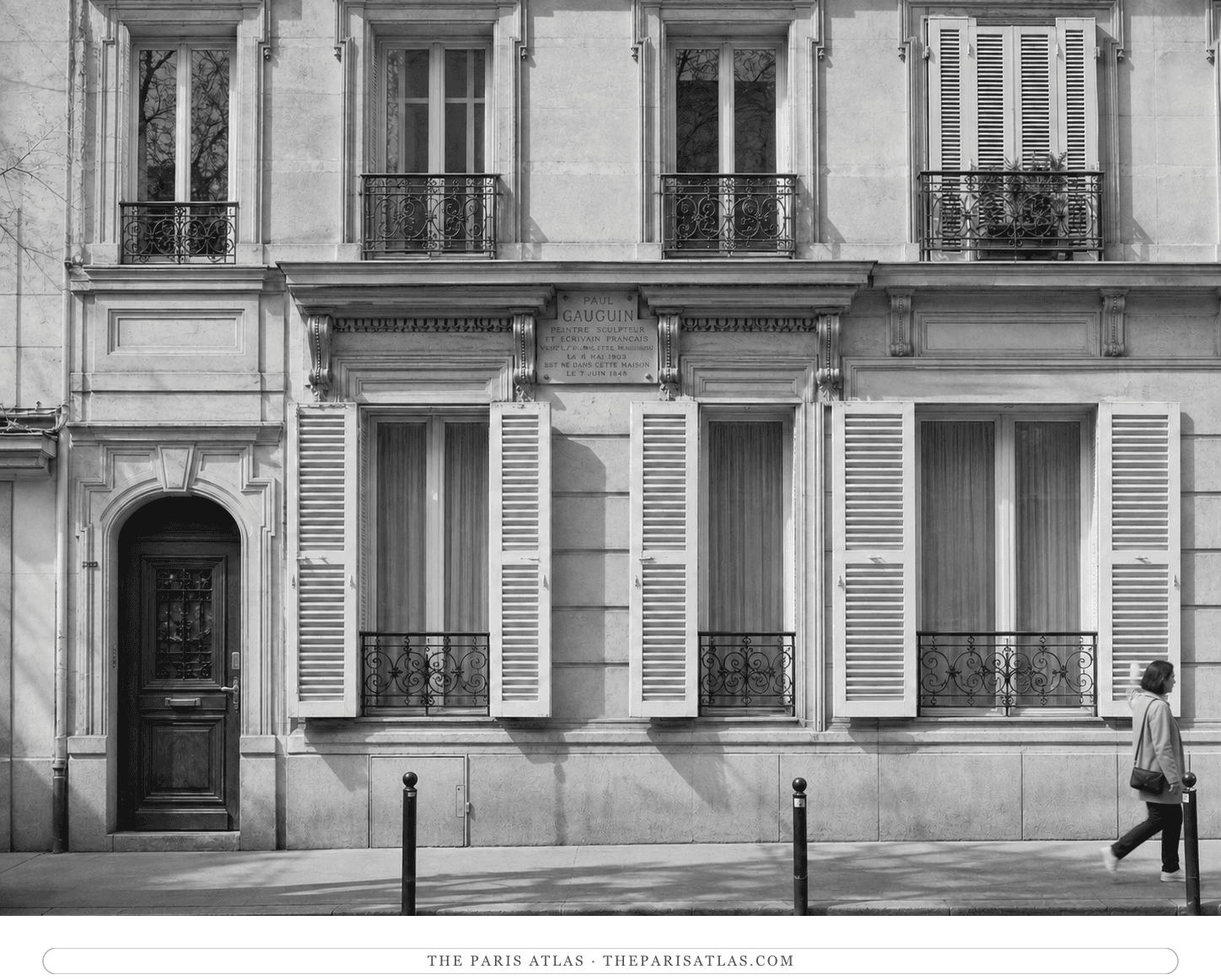
The house where Paul Gauguin was born on 7 June 1848, months before the family fled France for Peru — a departure that killed his father and shaped everything that came after.
Visit the placeThe sources below include histories, archival materials, scholarly research, and official records that informed this page. They document Zelli's, the people connected to it, and its place in Paris.


The city's own street register: the street was plain rue Fontaine until it was renamed for the architect Pierre-François-Léonard Fontaine.

Web source consulted for documented facts and historical context presented on the Zelli's page.
Primary text included as part of the documented record for Zelli's.
Map data used to verify addresses, geographic coordinates, and the placement associated with Zelli's.
These references provide the documented foundation for this page's history and context. Claim-level citations remain attached to the specific claims they support.
 Explore more resources
Newsletter
The cafés, studios, and walk-up flats where the work was made — one story from the map in every letter.