The place, briefly
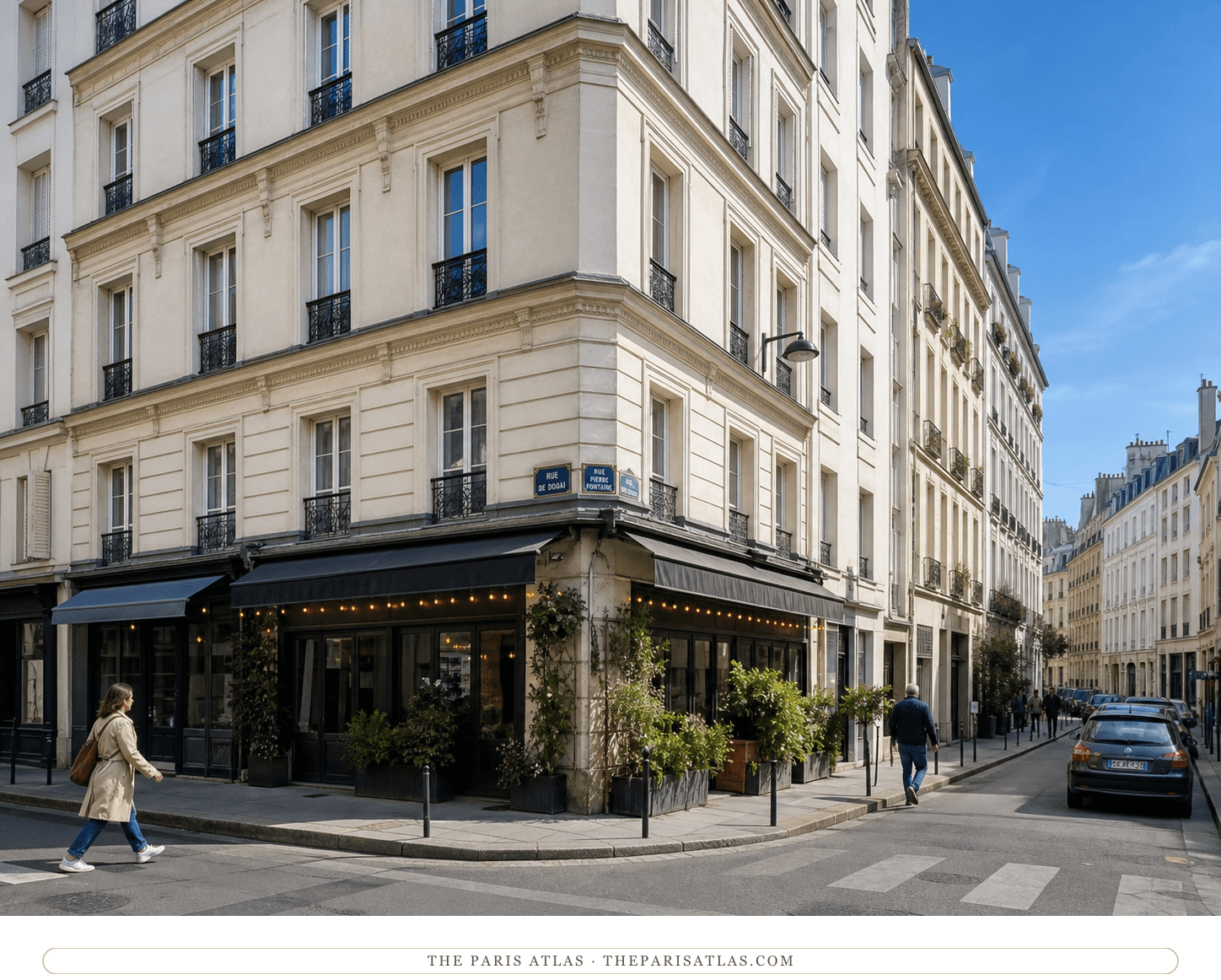
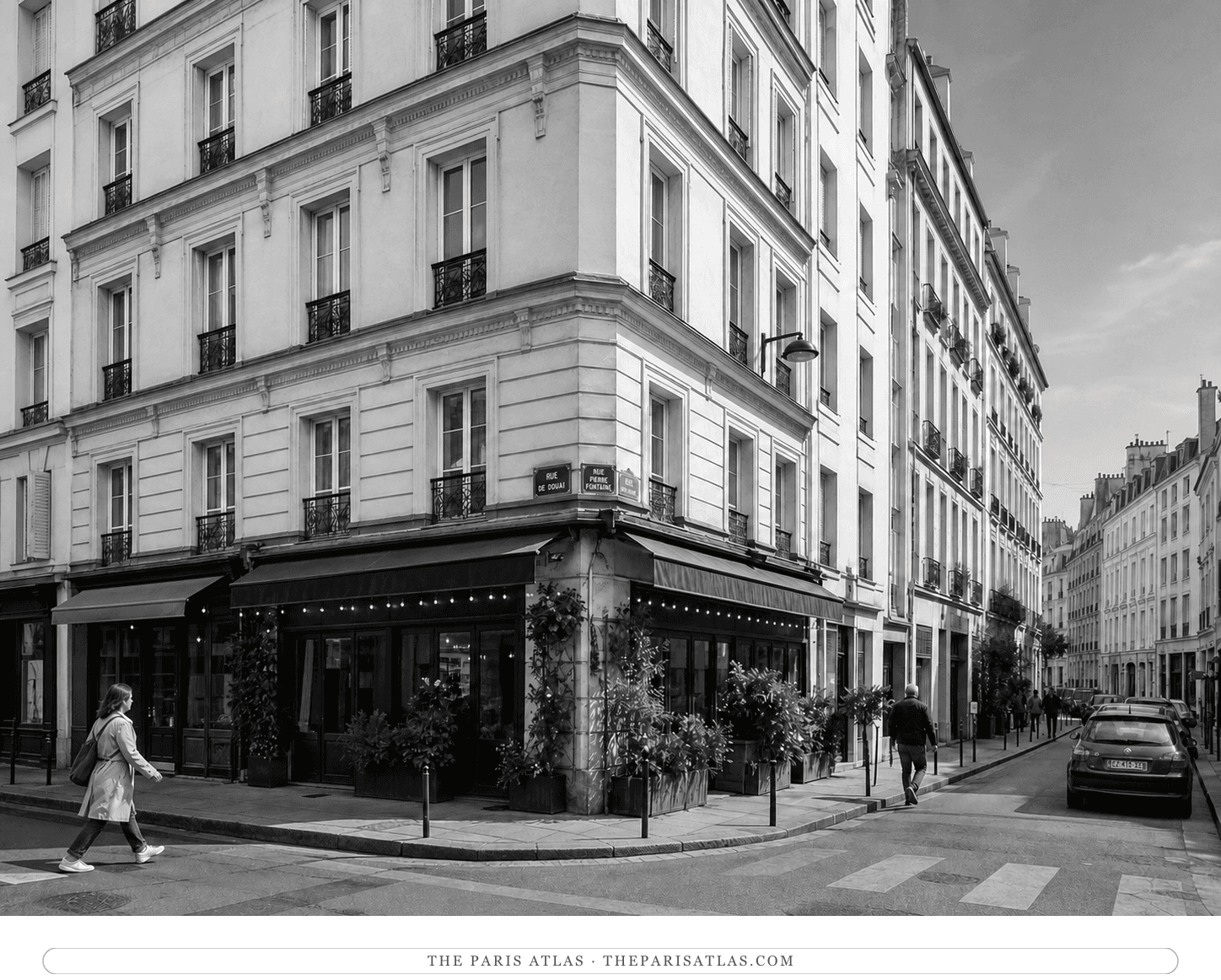
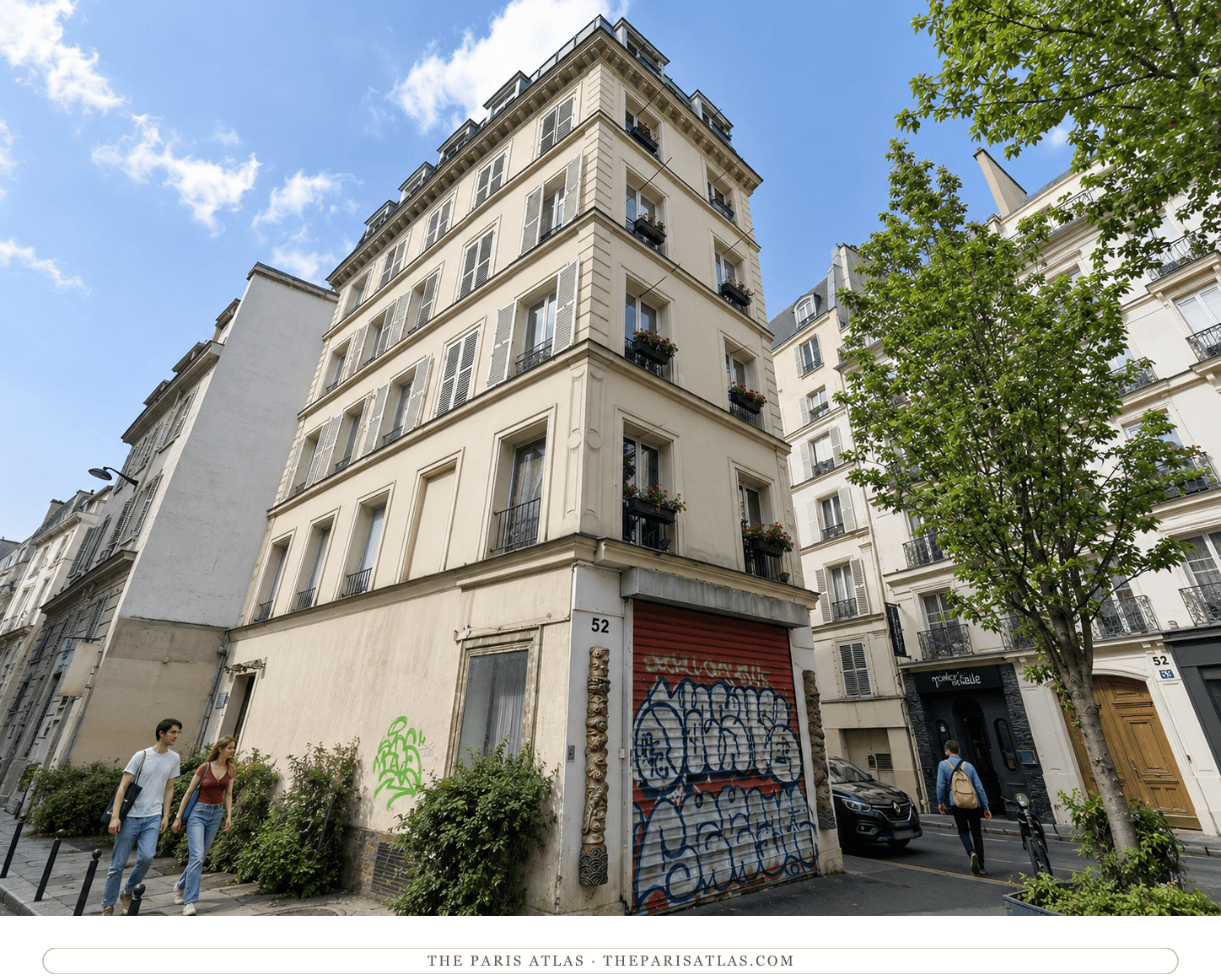
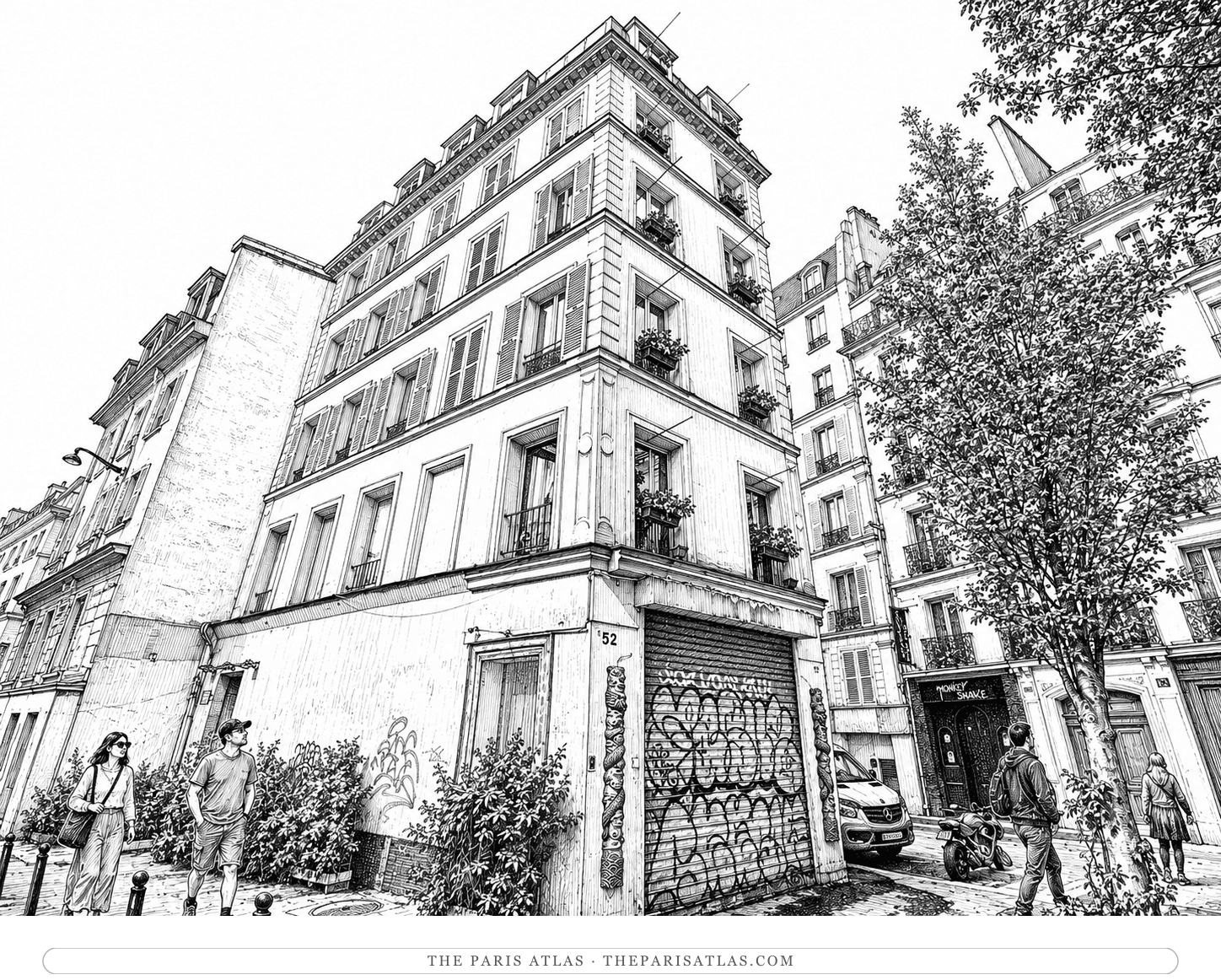
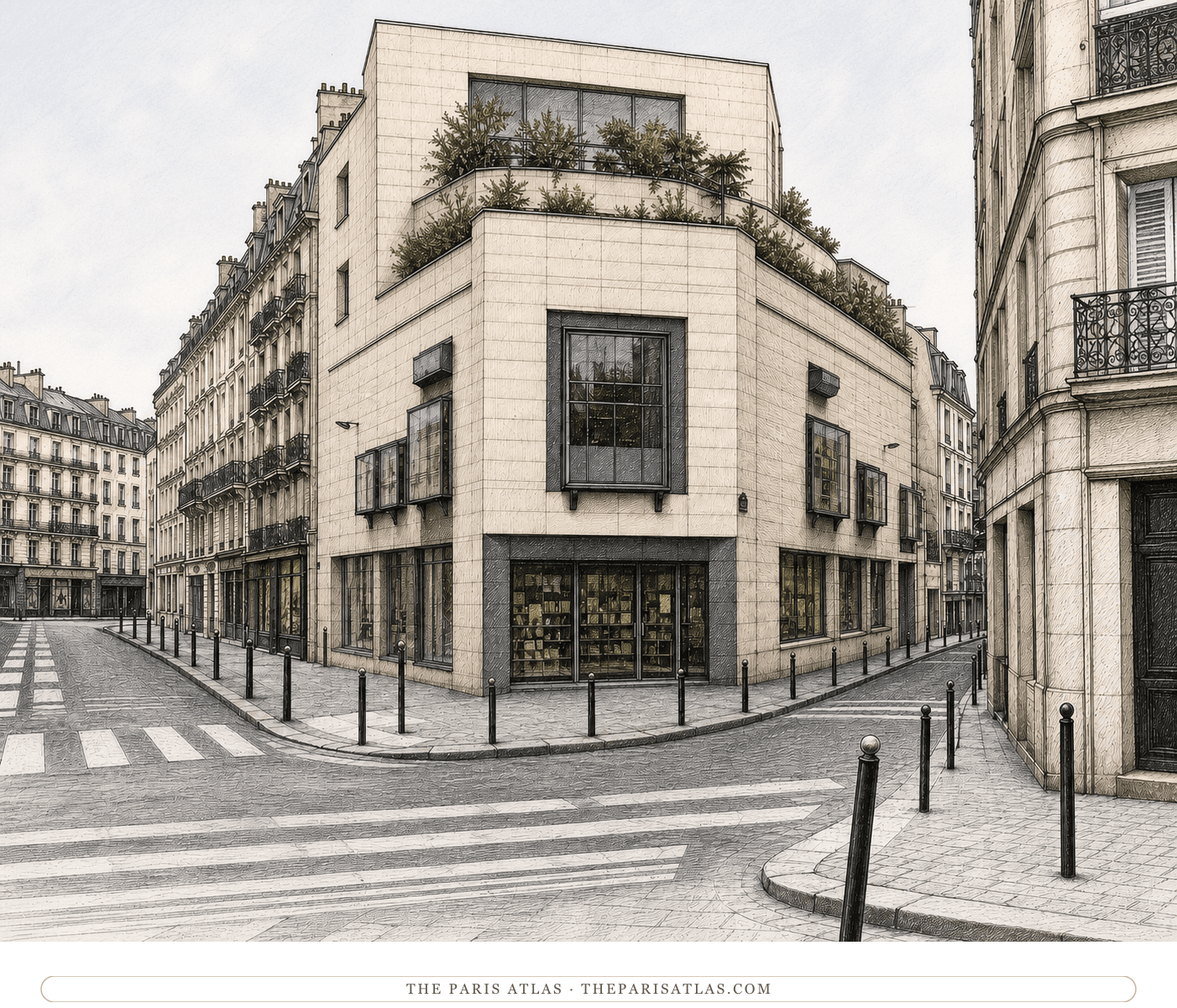
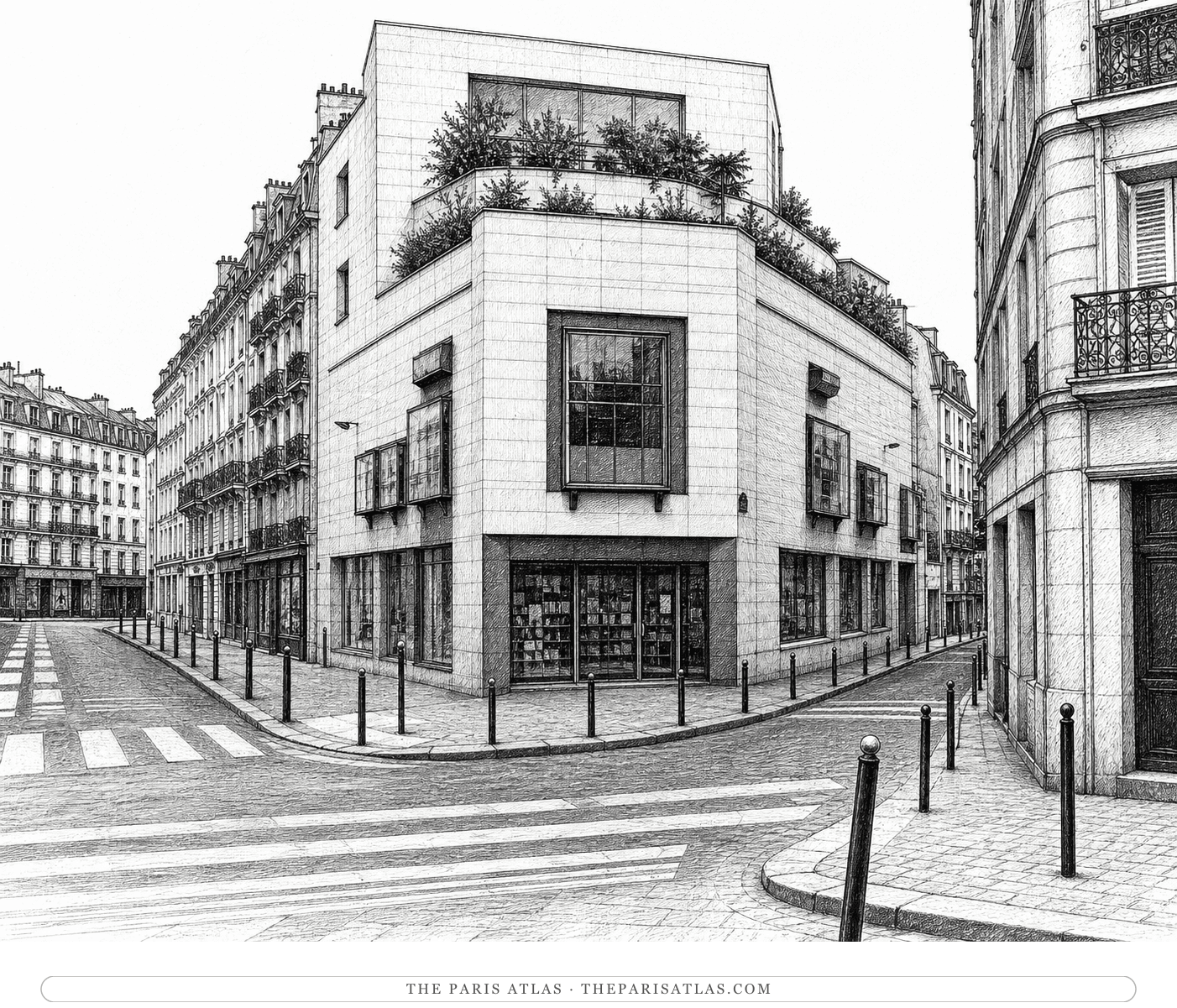
This corner building stands at 24 rue Pierre-Fontaine, historically rue Fontaine, where rue de Douai meets it in the Pigalle district. Café Liseux occupied the ground floor and Hotel Liseux operated above. Both businesses are gone. A present-day visit is limited to the exterior: the street-level restaurant is unrelated, the upper floors are private, and no plaque identifies the Hughes connection.
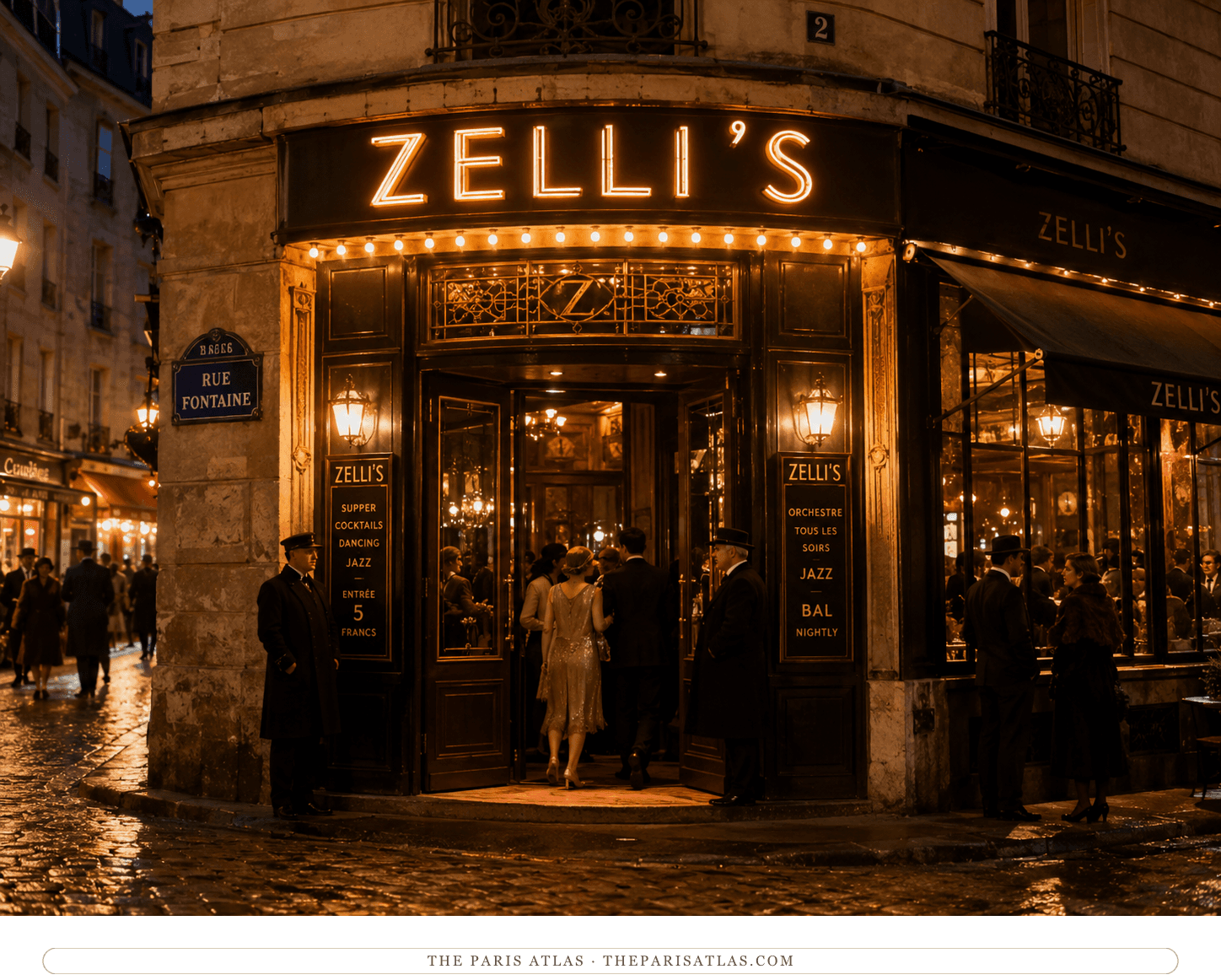
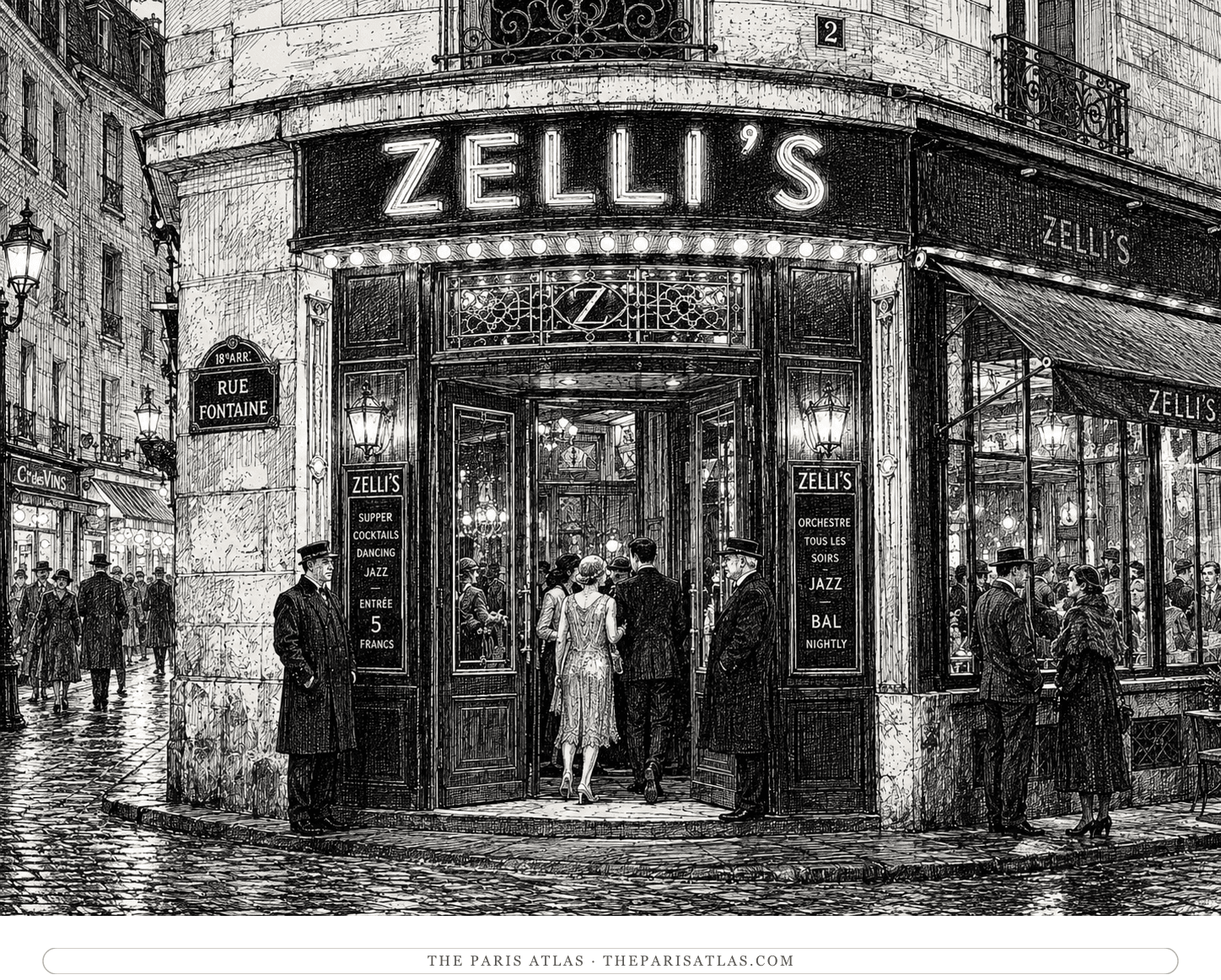
In the 1920s and 1930s, rue Fontaine belonged to Black Montmartre's concentrated world of cafés, hotels and nightclubs. Zelli's stood farther down the street, Le Grand Duc was close by on the former rue Pigalle, and musicians used several informal cafés around the intersection. Liseux combined two useful things in one address: a place to meet at street level and rooms above it.
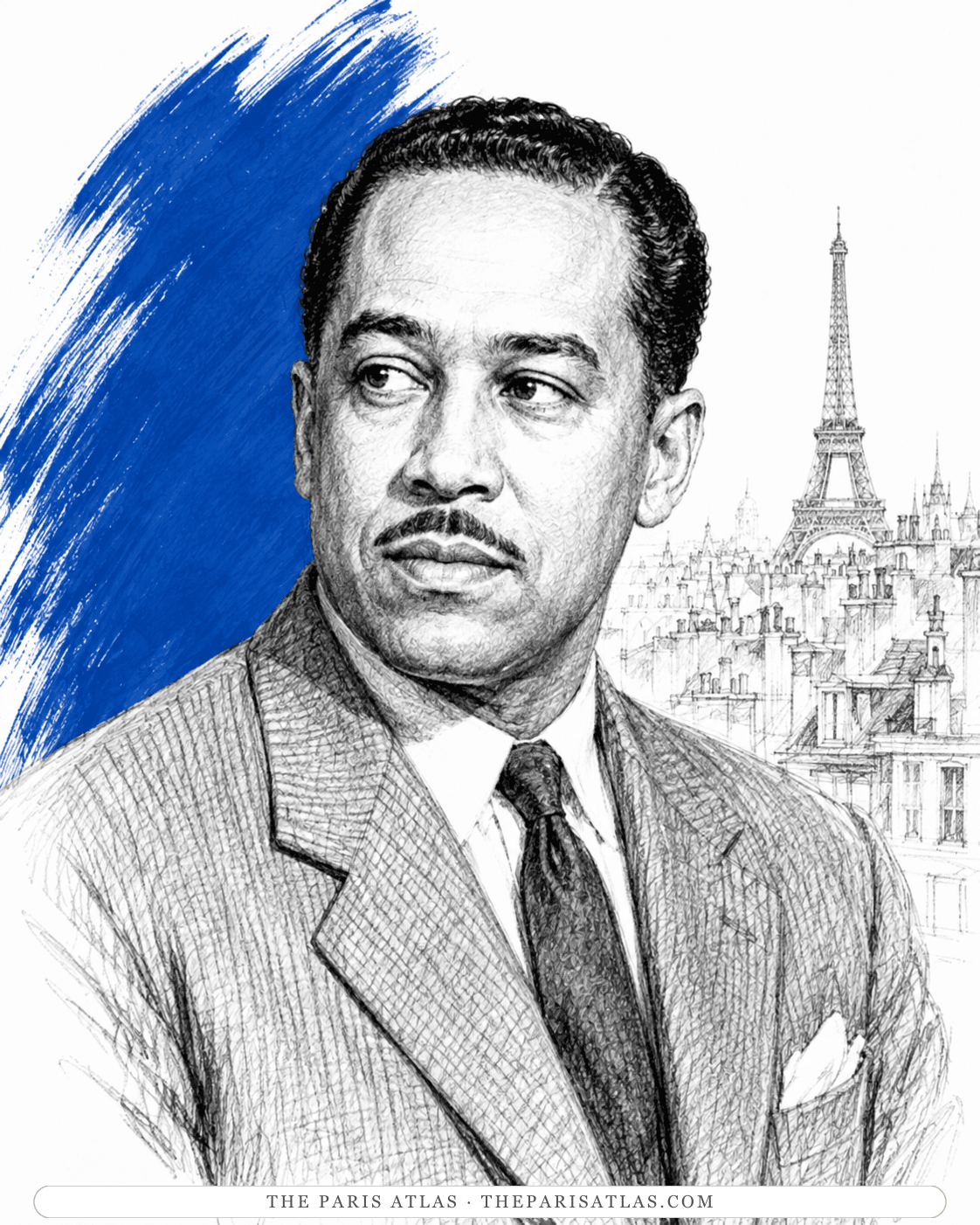
Langston Hughes, the American poet who became a leading voice of the Harlem Renaissance, returned to Paris as an established writer in 1937 and again in 1938. Paris historian Monique Y. Wells identifies Hotel Liseux as his lodging on both visits, drawing on Hughes's autobiography and Arnold Rampersad's biography. This gives the Hughes map a later chapter beyond his better-known months as a nearly penniless twenty-two-year-old dishwasher in 1924.
Wells also proposes that Hughes spent his first Paris night here in 1924 after musicians directed him to a hotel across the street. She carefully presents that identification as an inference. The Big Sea confirms the one-night hotel stay but does not name Liseux, so this page does not state the 1924 identification as fact.
The historical value of the address therefore rests on two different levels of evidence. Hughes's 1937 and 1938 stays are the supported connection. The possible 1924 stay remains a useful research lead, preserved as a hypothesis rather than converted into a certain map claim.


 View source