
Recalled in the memoir
The Big Sea
The memoir lists the American Library among the English-speaking institutions where Hughes unsuccessfully sought work on his second day in Paris.
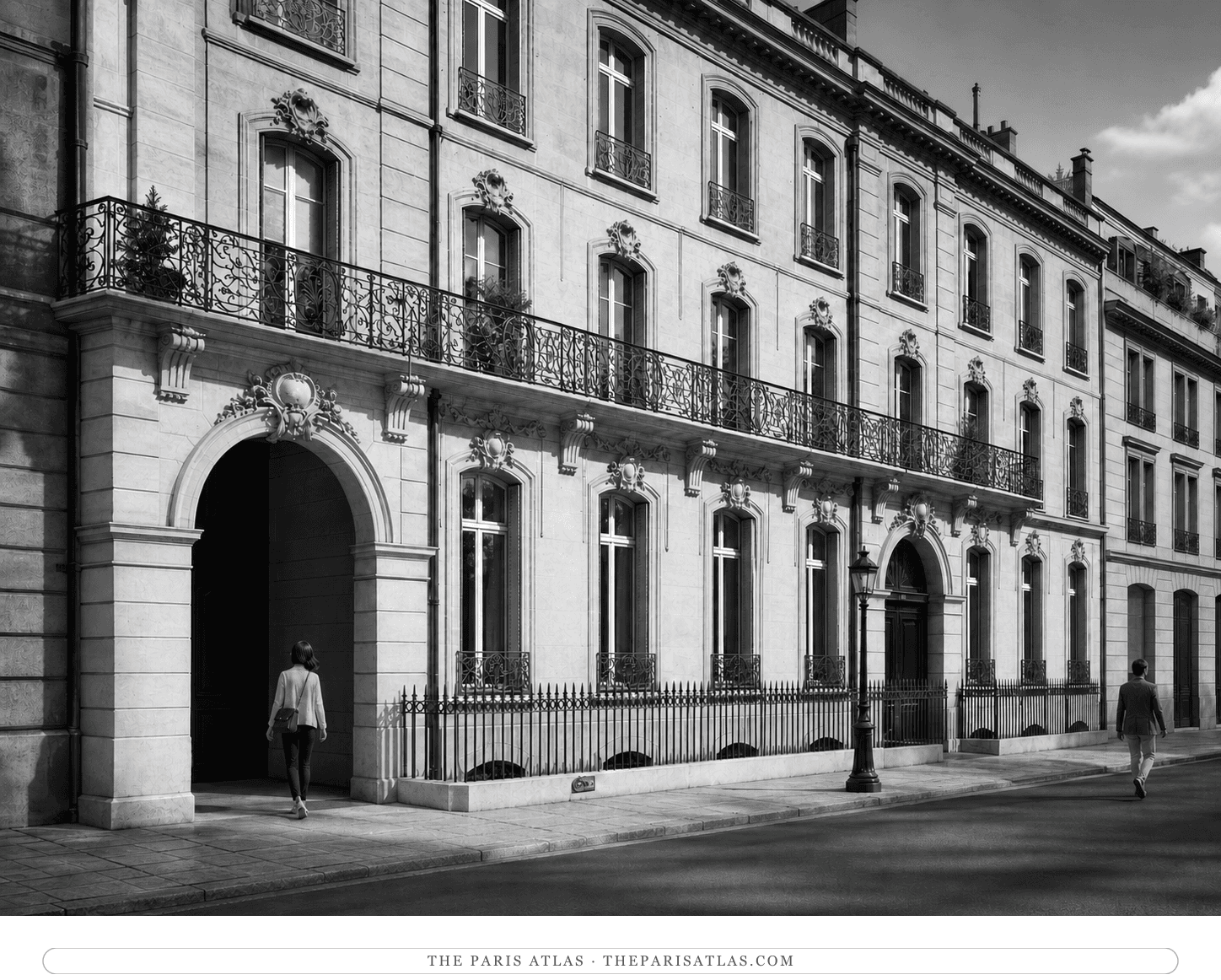
The surviving mansion that housed the American Library in Paris from 1920 to 1936—a center of transatlantic reading and literary life where Langston Hughes unsuccessfully asked for work.
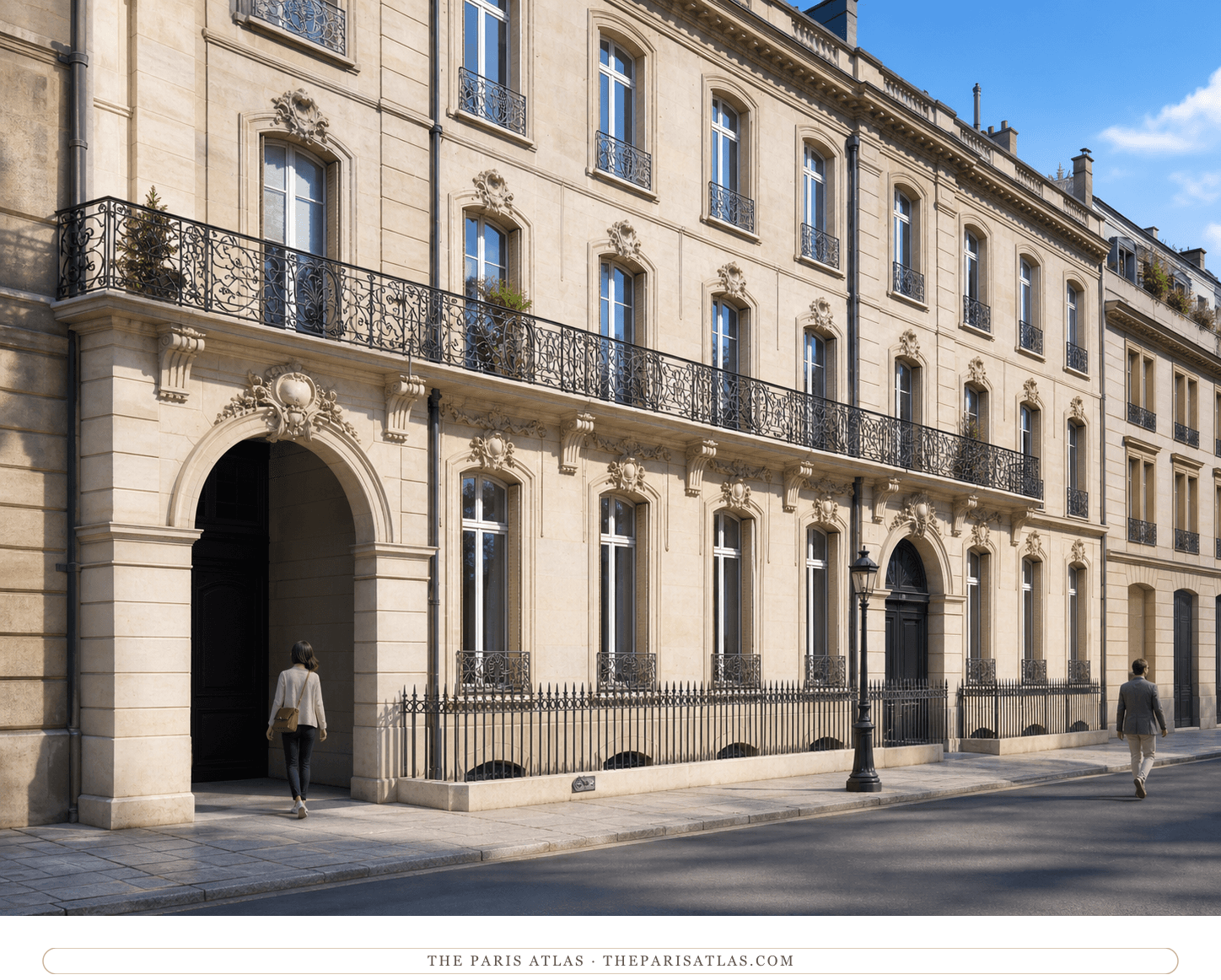
This pale stone mansion near the Élysée Palace was the first major home of the American Library in Paris. The building still stands, but it is no longer a public library and its interior is not open as a literary attraction. Visitors can see the façade from rue de l'Élysée; the institution itself now lends books and holds events at 10 rue du Général Camou in the 7th arrondissement.
The Library grew from books sent to American servicemen during the First World War and was formally established in 1920. The American Library Association installed its central collection in this former residence of the Papal Nuncio: 25,000 volumes and 115 periodicals, with open shelves that were unusual in France. By the end of its first year it had 5,000 subscribers and was circulating about 10,000 books a month. A library school in the building trained students in American cataloguing, classification and children's services.
The address quickly became part of expatriate literary Paris. Edith Wharton was an early trustee. Gertrude Stein joined as a reader, and she and Ernest Hemingway contributed reviews to the Library's literary journal Ex Libris. George Orwell later sent a fictional reader to the rue de l'Élysée periodical room in Burmese Days. These connections make the building more than the site of one unsuccessful job application: it was a working bridge between American books and readers in France.
On his second day in Paris in February 1924, Langston Hughes—a young American poet who would become one of the leading voices of the Harlem Renaissance—went wherever he expected English to be spoken and asked for work. The Library, the United States Embassy, American Express and newspaper offices all turned him away. He was told that Paris already had plenty of unemployed people and that he would need a carte d'identité in any case. By then the seven dollars with which he had arrived had become five.
Hughes told the episode in The Big Sea, his 1940 autobiography. The collection remained here until 1936, when the lease ended and the Library moved 60,000 volumes in 2,000 wooden cases to 9 rue de Téhéran. Keeping the old address on the map preserves the actual route of Hughes's job search—and prevents a reader from mistaking the Library's present building for the place he entered in 1924.
The American Library opens at 10 rue de l'Élysée.
Gertrude Stein and Ernest Hemingway contribute to the Library's literary journal, Ex Libris.
Langston Hughes asks the Library for work during his second day in Paris and finds none.
The collection moves in 2,000 cases to 9 rue de Téhéran.
The historic mansion remains standing; the active Library welcomes readers at 10 rue du Général Camou.
Recalled in the memoir
The memoir lists the American Library among the English-speaking institutions where Hughes unsuccessfully sought work on his second day in Paris.
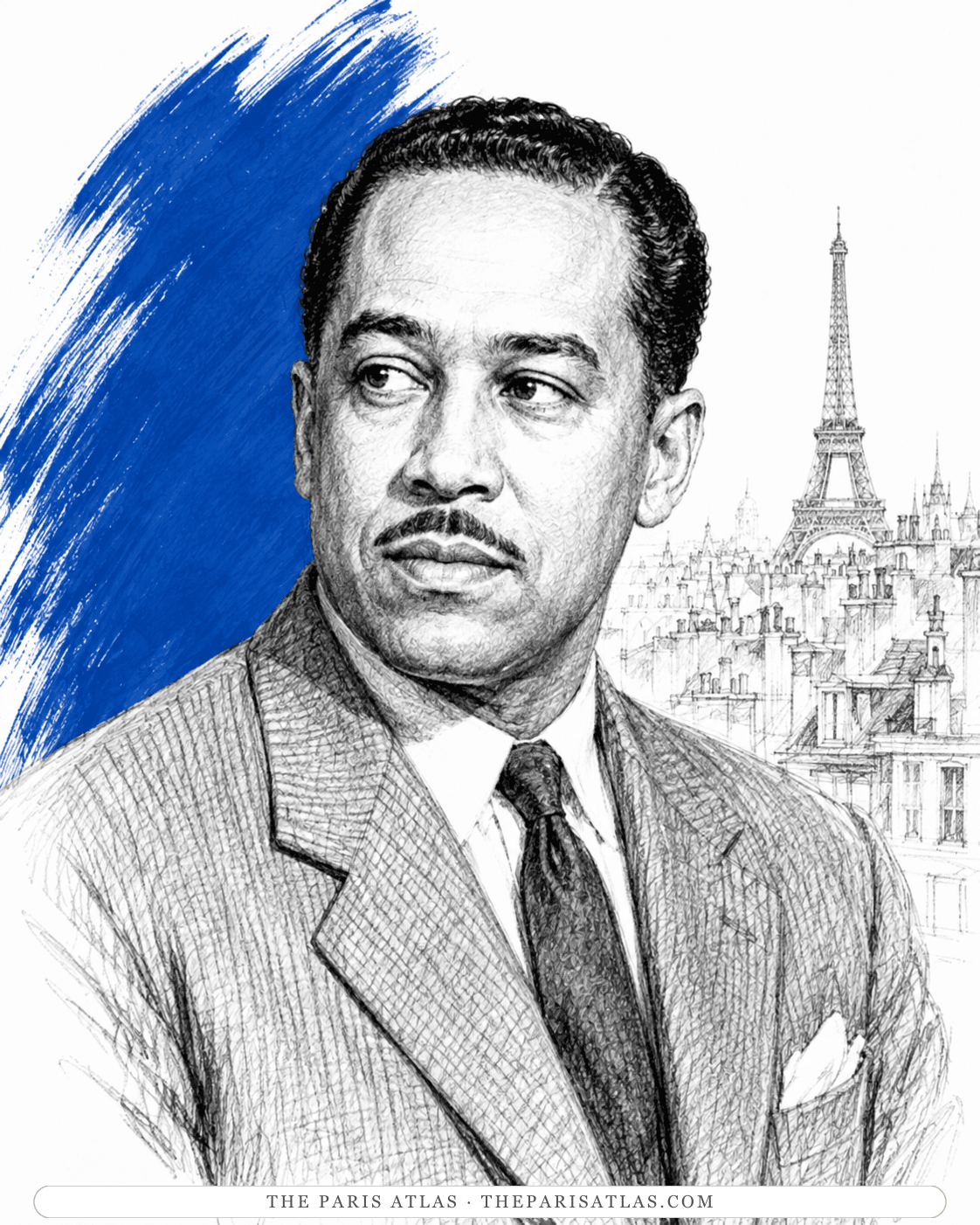
Visited by · 1924
On his second day in Paris, Hughes came to the American Library's then-address at 10 rue de l'Élysée looking for work. Like the Embassy, American Express and the newspaper offices, it had none for him.
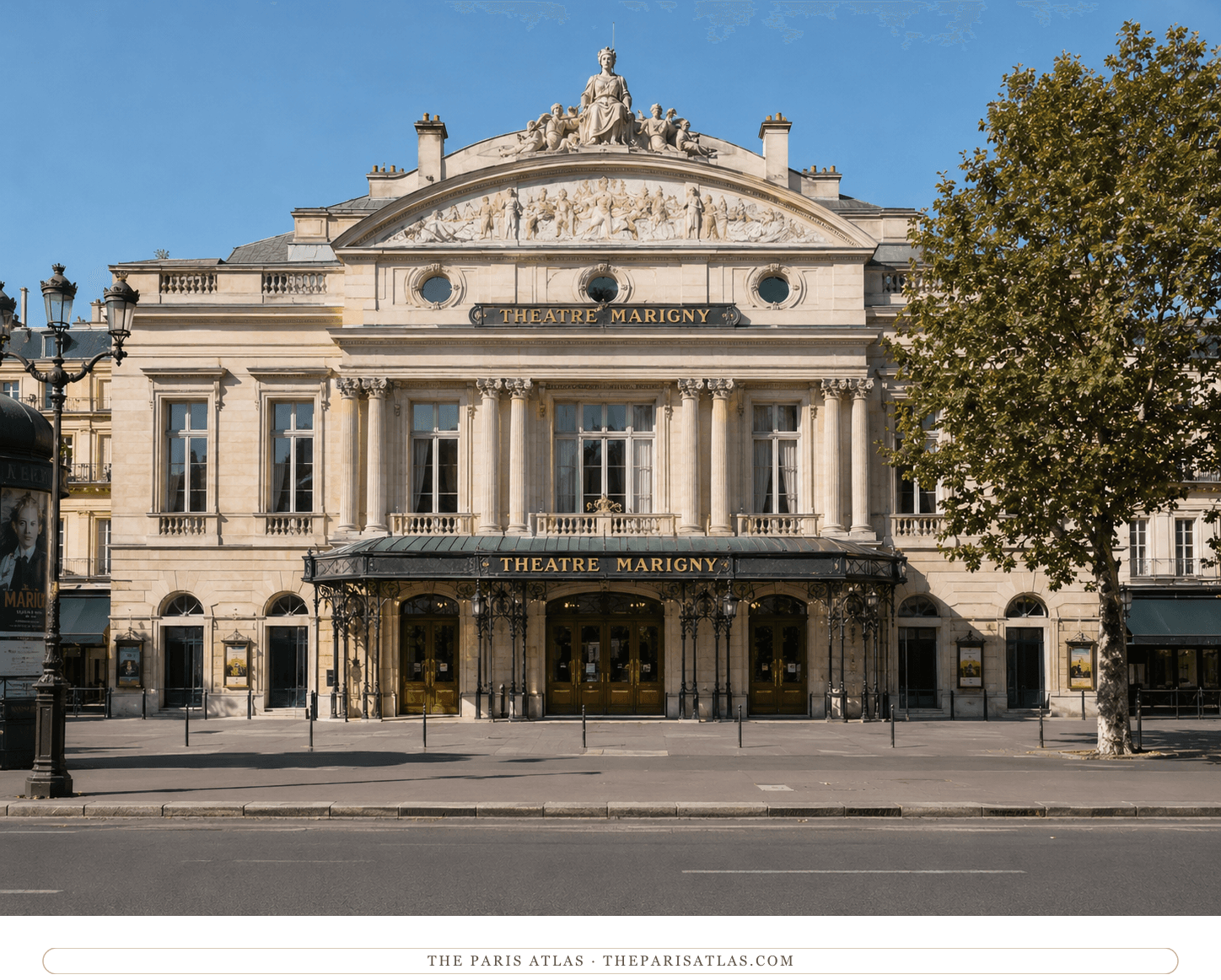
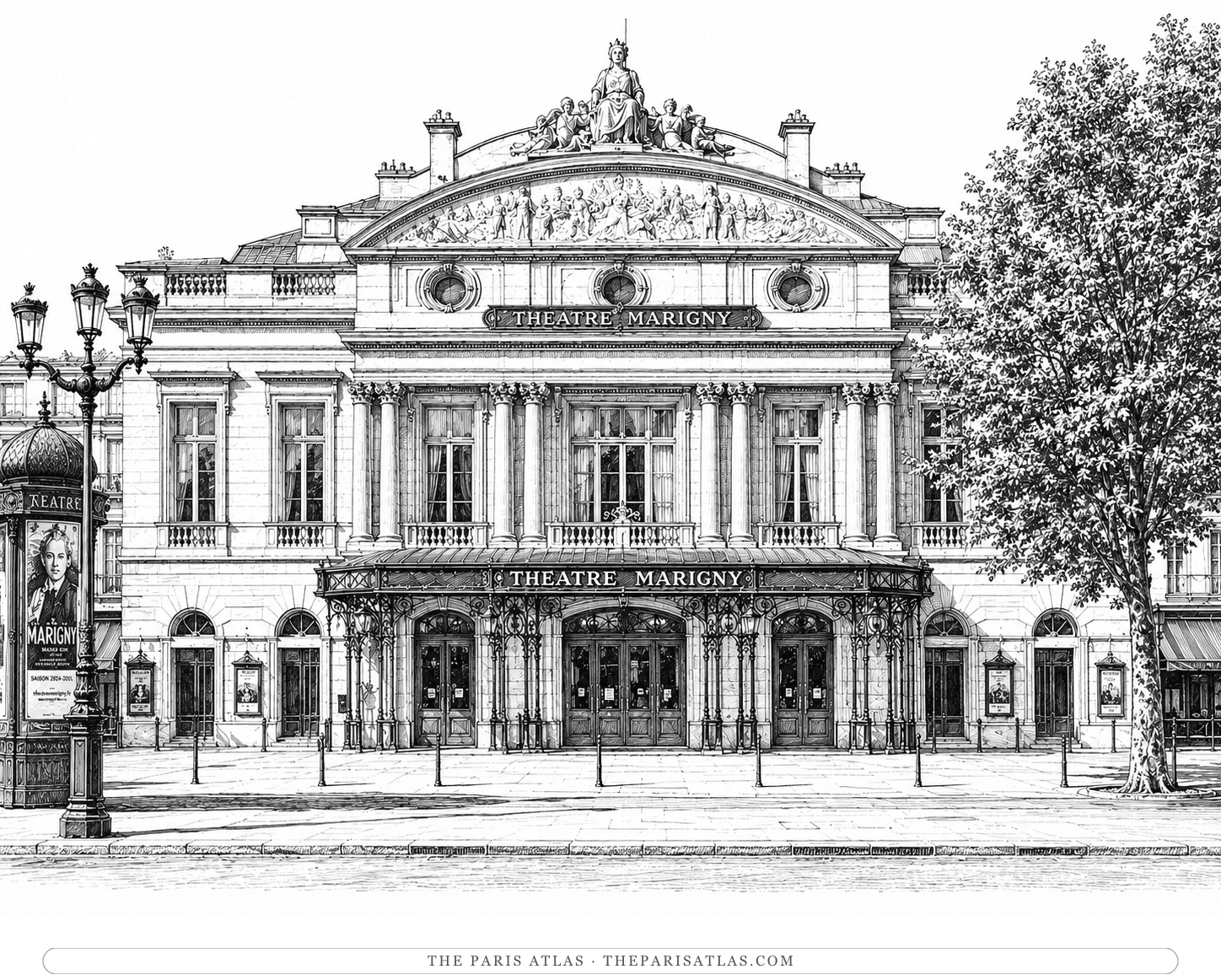
The theatre in the Champs-Élysées gardens where Colette played Paniska in Pan in 1906.
Visit the place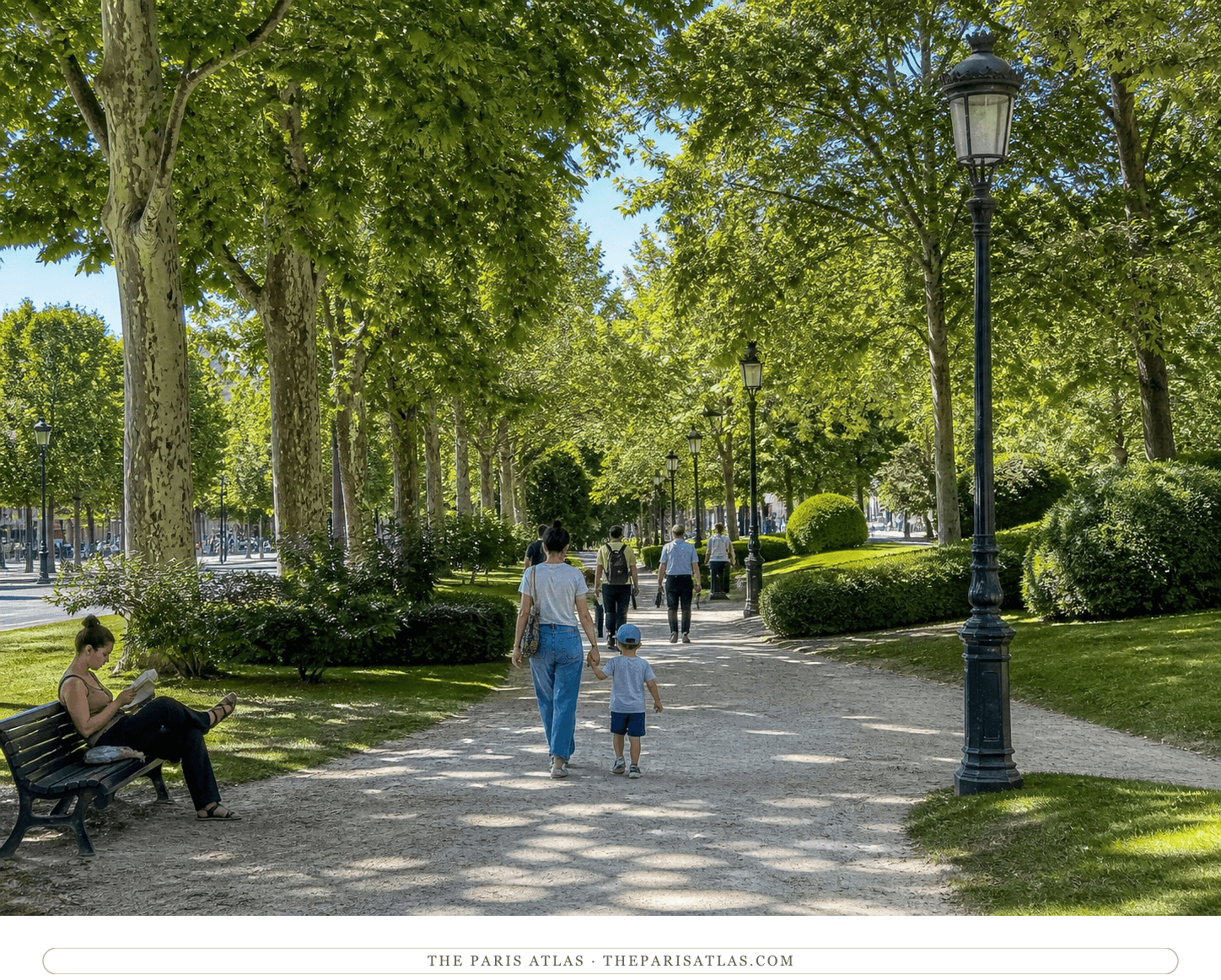
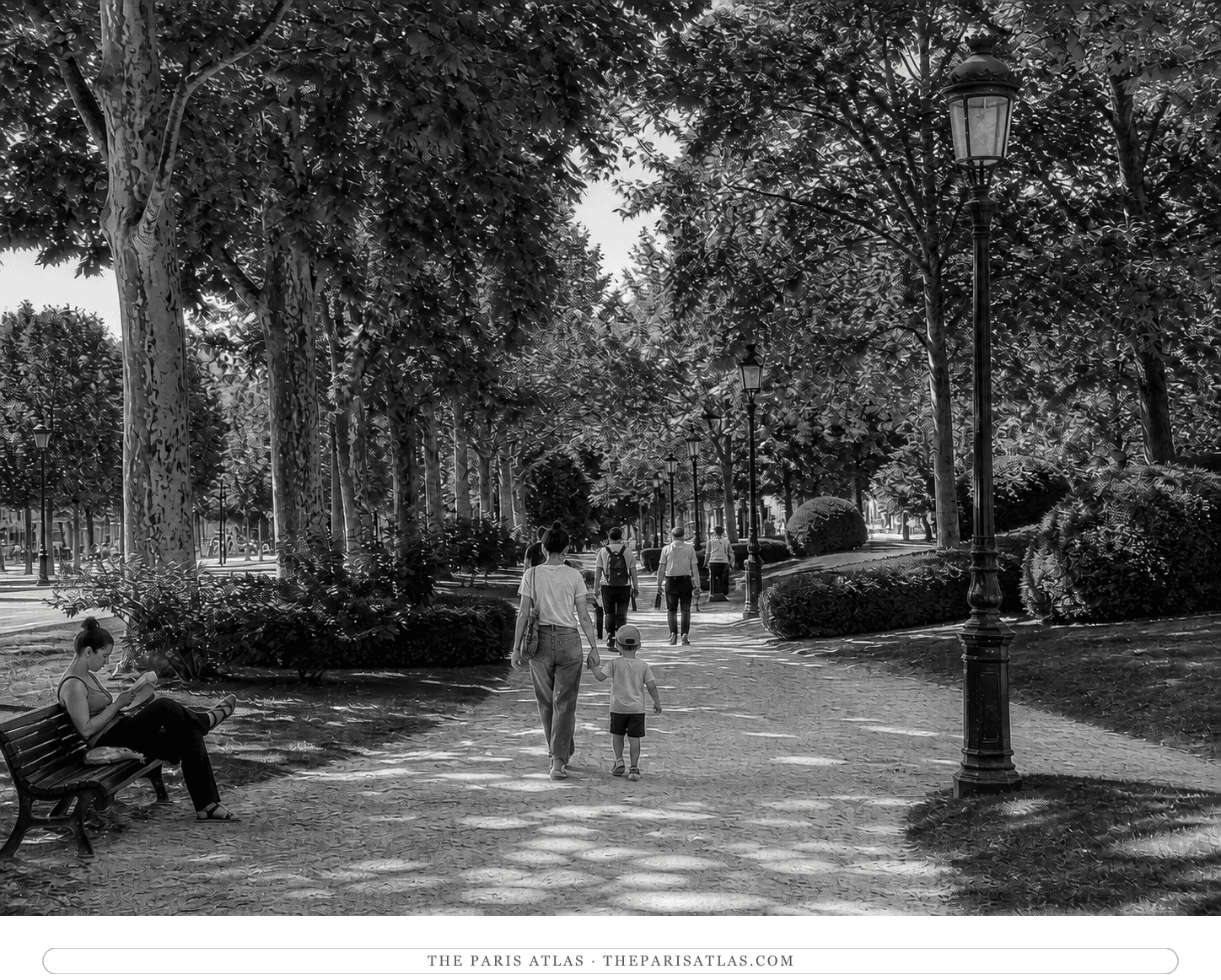
The gardens along the lower Champs-Élysées, between the Rond-Point and the Concorde — where the young Marcel Proust played, and where in July 1886 he met Marie de Bénardaky, his first love and a source for Gilberte in In Search of Lost Time. One of the paths is now officially the Allée Marcel-Proust.
Visit the place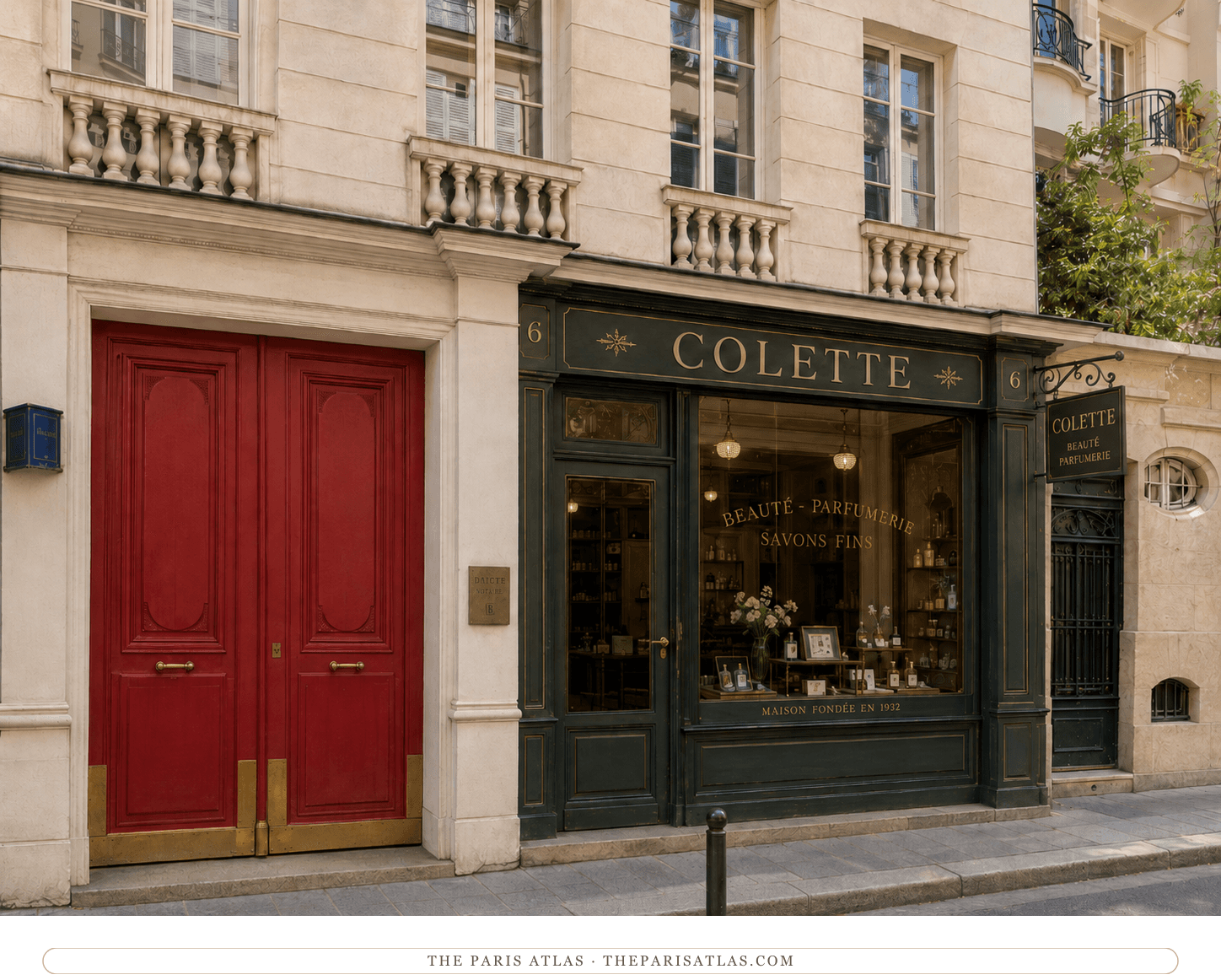
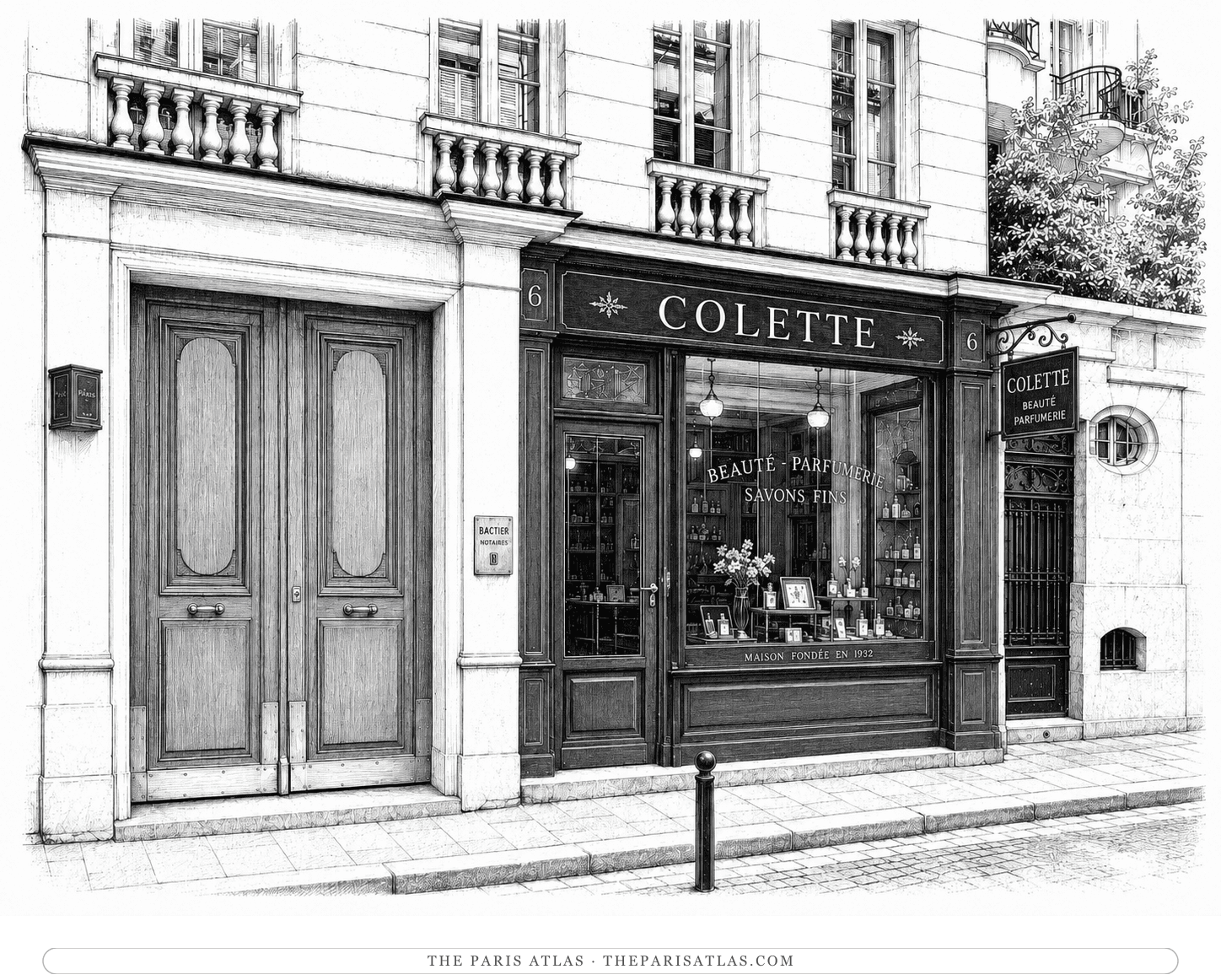
The beauty shop Colette opened in 1932, selling cosmetics she made herself — her attempt to turn her fame into a business.
Visit the place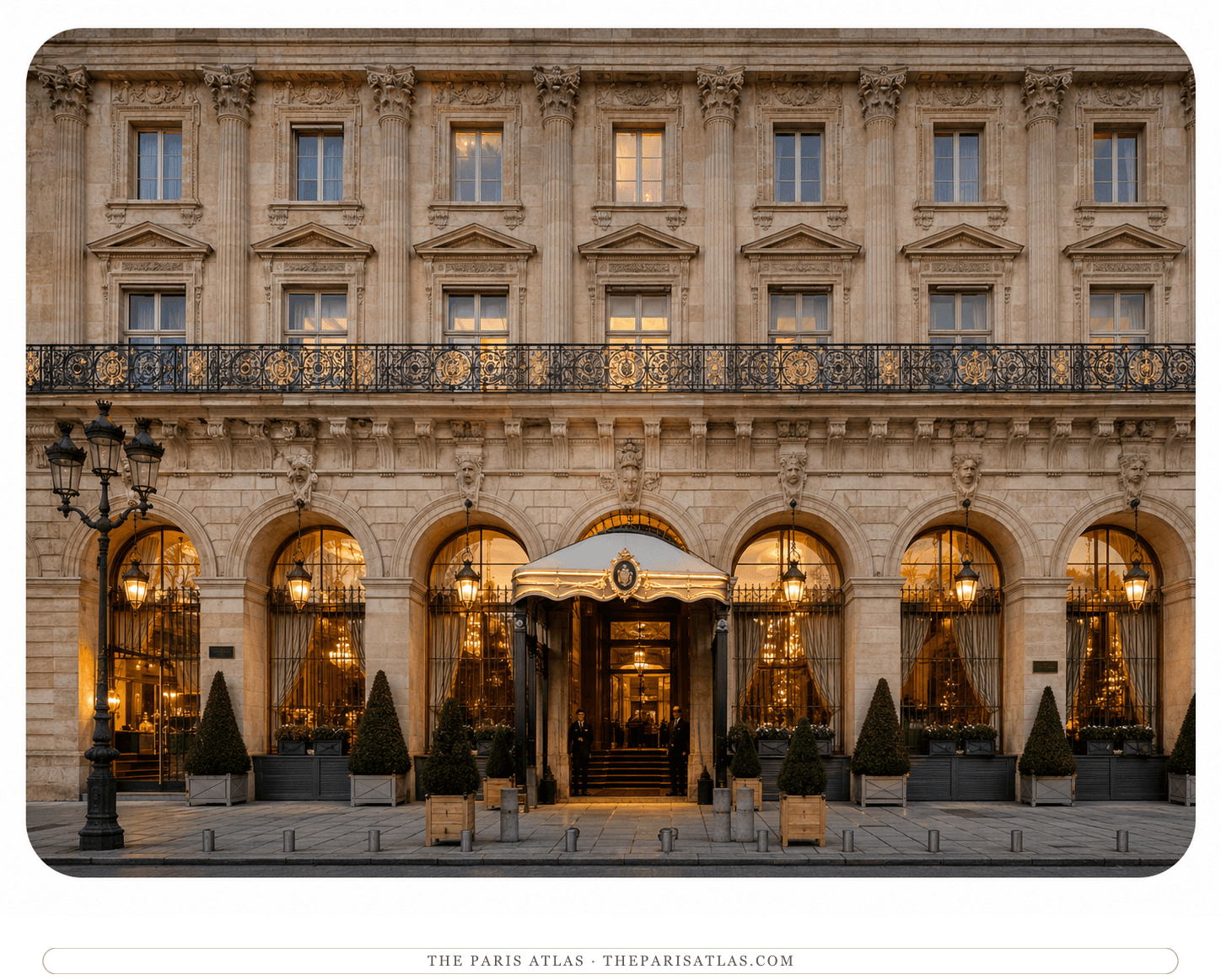
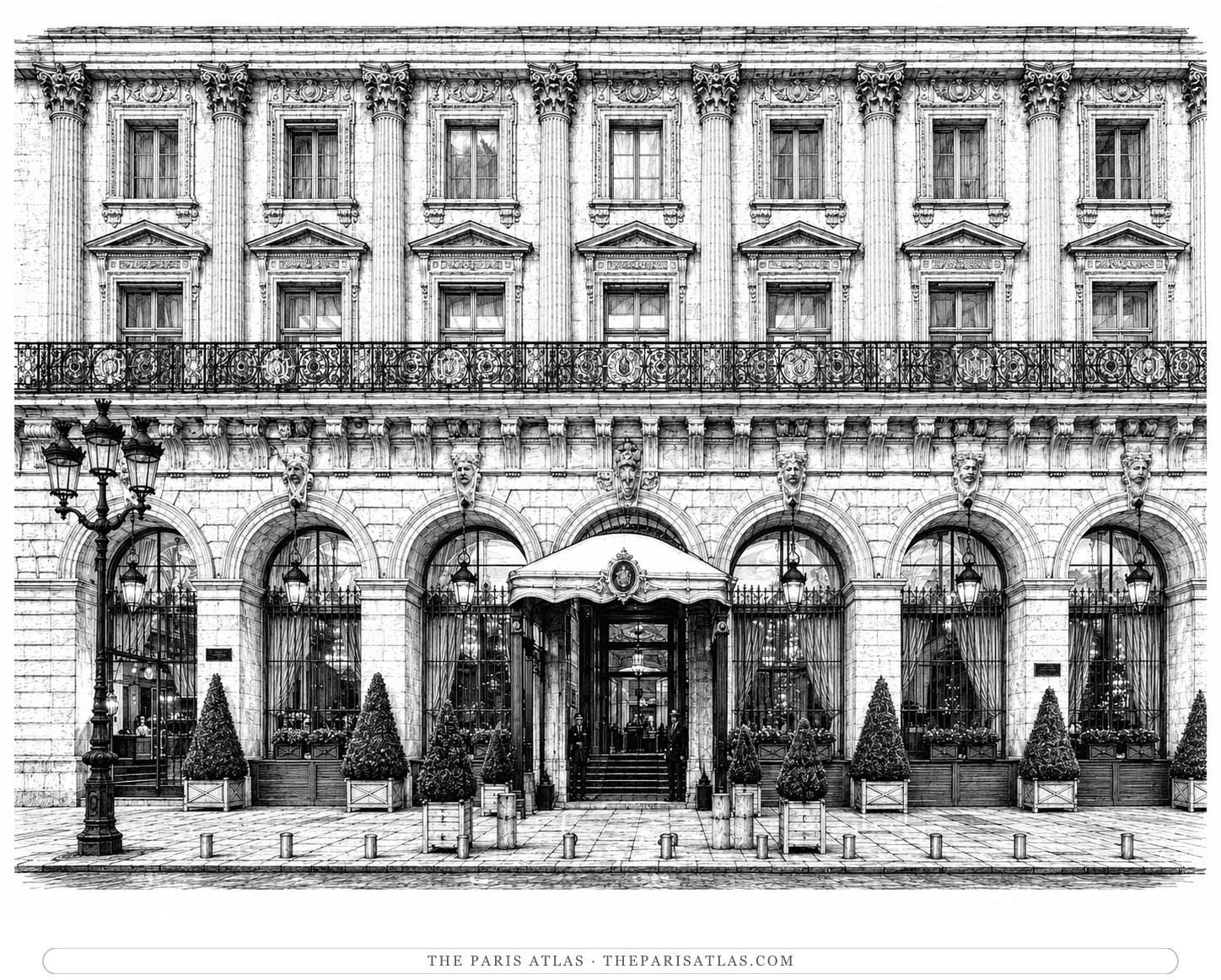
The grandest address on the Place de la Concorde — where Jake Barnes, the narrator of Ernest Hemingway's The Sun Also Rises, crosses the river to write letters on impressive stationery and drink a Jack Rose with George the barman.
Visit the placeThe sources below include histories, archival materials, scholarly research, and official records that informed this page. They document American Library in Paris — 10 rue de l'Élysée, the people connected to it, and its place in Paris.

First-person evidence and historical context used in preparing the American Library in Paris — 10 rue de l'Élysée page.
Web source consulted for documented facts and historical context presented on the American Library in Paris — 10 rue de l'Élysée page.
Web source consulted for documented facts and historical context presented on the American Library in Paris — 10 rue de l'Élysée page.
Map data used to verify addresses, geographic coordinates, and the placement associated with American Library in Paris — 10 rue de l'Élysée.
These references provide the documented foundation for this page's history and context. Claim-level citations remain attached to the specific claims they support.
 Explore more resources
Newsletter
The cafés, studios, and walk-up flats where the work was made — one story from the map in every letter.