
Down and Out in Paris and London
The next thing he published, and the other half of the same decision: he left the Burma police in 1927 and was washing dishes in Paris by 1929.
Read our take
Orwell's first novel: seven English people, one club that has never admitted an Asian member, and a magistrate who wants in.
George Orwell's first novel, written out of the five years he spent as a policeman in Burma. It is set in Kyauktada, an invented town in Upper Burma with a population of about four thousand, seven of them European. Those seven meet at the club, and the club's proudest boast is that it has never admitted an Asian member. When head office orders that it elect one, the order sets two men against each other: Dr Veraswami, the Indian Civil Surgeon, who wants membership because it would make him safe; and U Po Kyin, the Sub-divisional Magistrate, who wants it because he has wanted nothing else for fifty years. Between them stands John Flory, an English teak-company man of thirty-five with a birthmark down one cheek, who is the doctor's only friend and has never once said in public what he says in the doctor's house. Then Elizabeth Lackersteen arrives from Paris to stay with her uncle and aunt, and Flory decides that his life can begin again.
The book came out of a job. Eric Blair sailed for Burma in 1922, aged nineteen, and served five years in the Indian Imperial Police — training at Mandalay, then postings that took him down to the delta and back up the country. From December 1926 he was at Katha in Upper Burma, and Katha is the town behind the fictional Kyauktada: a railway terminus on the Irrawaddy with a club, a jail, a hospital and a European cemetery. He went home on leave in 1927 and resigned rather than go back. Burmese Days is what he did with the five years afterwards, and it is the only one of his books in which the machinery of the Empire is shown working from the inside by someone who had operated a piece of it.[1]
Publication was a fight. English publishers turned the manuscript down for fear of a libel action from officials in Burma who might recognise themselves; Victor Gollancz, Jonathan Cape and William Heinemann all declined. Harper & Brothers in New York published it first, on 25 October 1934. Gollancz brought out a British edition on 24 June 1935, once Orwell had satisfied him that the book was not drawn from real people — which meant altering names and details, and drawing his publisher a map of Kyauktada to demonstrate how the invented town differed from Katha. Orwell disliked the result. He is on record afterwards treating the American text as the true one and the British as a garbled version.[1]
What the novel puts on the page is an argument the Empire's own literature normally kept off it. Flory and the doctor conduct that argument directly, over beer on a veranda, and they conduct it back to front: the Englishman says the Empire is a device for theft and the Indian defends it, quoting Shakespeare and listing hospitals. Neither of them is allowed to win. Around that veranda sits the club, where Ellis says what he thinks about race at length and daily, and where the others agree with him because agreeing is cheaper than not. Orwell reproduces the vocabulary of that room exactly, in the narration as well as the dialogue, and the racism of the club is not background to the novel — it is what the novel is about.[1]
The book opens on U Po Kyin's veranda, and on the plan he is turning over in his mind. He is Sub-divisional Magistrate of Kyauktada, a man who takes bribes from both sides of a case and then decides it correctly, and he has set out to destroy Dr Veraswami, the Indian Civil Surgeon, who will not take bribes and knows too much. The method is anonymous letters — enough of them, to every European in turn, accusing the doctor of disloyalty rather than corruption, because a native official suspected of sedition is finished whether or not anything is proved. What U Po Kyin does not tell his wife Ma Kin for several chapters is why he wants the doctor gone. The Commissioner has ordered the European Club to elect one Asian member, and the club has never elected one in its history. If Veraswami is disgraced, the seat is U Po Kyin's.[1]
Down the road, John Flory walks to the club and listens to the same conversation he has listened to for fifteen years. He is thirty-five, works for a timber firm, spends three weeks in four extracting teak in the jungle, and carries a dark blue birthmark in a ragged crescent from his left eye to the corner of his mouth. He hates what the Empire is doing and has never said so in front of another Englishman. Dr Veraswami is the only person in Burma he talks to honestly, and when Ellis writes a notice for the club board calling the idea of an Asian member an insult, Flory signs it, knowing the doctor will hear. He keeps a Burmese mistress, Ma Hla May, whom he bought from her parents two years earlier for three hundred rupees and whose company he no longer wants.[1]
Then Elizabeth Lackersteen arrives to stay with her uncle and aunt, penniless, twenty-two, sent out from Paris after her mother's death. Flory meets her by driving off a water buffalo, and decides within an hour that she is the person who will share the life he cannot share with anyone. He is wrong about almost everything he thinks she is. She was two terms at an expensive school, and everything since has been sorted into 'lovely' or 'beastly'; her deadliest word is 'highbrow'. He takes her to a Burmese play and to the bazaar and to a Chinese grocer's shop, and each excursion damages him a little further, because what he is offering her is exactly what she came out to Burma to escape. What she likes about him is that he can shoot. Their afternoon in the jungle after pigeon and a leopard is the best day either of them has, and it ends with a proposal that never gets said.[1]
Two things then arrive at once. Lieutenant the Honourable Verrall turns up with a company of Military Police, an Arab mare and a settled contempt for everyone in the district; and Mrs Lackersteen, reading the Civil List, discovers the words in front of his name. Flory is dropped without an explanation, and finds out only later that his aunt-in-waiting has told Elizabeth about Ma Hla May. Ma Hla May, turned out of his house with a hundred rupees, begins to follow him and to demand money, with a persistence that does not look like her own. Meanwhile U Po Kyin has arranged a rebellion at a nearby village — bullet-proof jackets bought at a Rangoon store, a conjurer hired as a magician — so that he can arrest it and take the credit. It goes off as planned, except that a young Forest Officer named Maxwell shoots a man who runs, and the man's relatives come for Maxwell.[1]
Maxwell's body is carried into the club in the middle of the meeting at which Flory, against his own instincts and everyone else's fury, proposes Dr Veraswami for membership. Days later Ellis canes a schoolboy across the eyes in the street and blinds him, and two thousand Burmans surround the club demanding that Ellis be sent out to them. Flory swims down the Irrawaddy, reaches the police lines, orders the sepoys to fire over the crowd's heads, and disperses the riot without a death. It makes him a hero for a fortnight. The doctor's election becomes a formality, Elizabeth forgives him everything, and Verrall — who never proposed and never intended to — leaves Kyauktada by ordering the stationmaster to start the train ten minutes early, without saying goodbye to her.
U Po Kyin, checked for the first time, decides that a white man can be disgraced if he is caught rather than accused. He coaches Ma Hla May and pays her fifty rupees. At the six-weekly church service she walks in during the sermon, screams for her money, tells the congregation in Burmese what Flory did to her, and begins tearing her clothes open before the two Eurasian clerks drag her out. Elizabeth understands none of the words and all of the scene. Outside the club gate afterwards she refuses him, finally and in plain terms, and what settles it for her is not the mistress but his face — 'It was, finally, the birthmark that had damned him.'
Flory walks home, takes the automatic pistol out of his uniform case, calls his cocker spaniel Flo into the bedroom, and shoots her when she crawls to his feet. Then he opens his coat, puts the muzzle against his shirt and pulls the trigger with his thumb. He died by suicide at thirty-five, twenty minutes before the doctor could get up the hill on a bicycle. Nothing in the book softens what drove him there: fifteen years of a life he described as death-in-life, a secret opinion he never once said aloud, a woman he had bought and discarded, and the loss of the only person he believed could get him out of it. Dr Veraswami certifies the death as an accident and tells Ko S'la to bury the dog, so that suicide will not be written on the tombstone.
The last chapter follows everyone out. Without a white friend the doctor's prestige goes, and within three months U Po Kyin has fixed it in every European head that he is untrustworthy; he is demoted to Assistant Surgeon and sent to Mandalay General Hospital, where he is still trying to hold cultured conversation with a sacked Glasgow electrician. Ko S'la's tea-shop fails, his youngest son dies of a cough, and he goes back into service at fifty rupees a month. Ma Hla May is in a brothel in Mandalay at four annas a client. U Po Kyin is duly elected to the club, promoted, and decorated at a durbar in Rangoon for crushing the rebellion he started — and then, three days later and before a single brick of his atoning pagodas is laid, he has a stroke and dies. Elizabeth marries Mr Macgregor, the Deputy Commissioner, and becomes an extremely effective burra memsahib whose servants live in terror of her.
The veranda offers Flory relief from the club, but relief is not the same as resistance. In chapter III he attacks the moral excuses for empire while admitting that he benefits from its business arrangements and does not want to be driven out. Veraswami's admiration for British rule sharpens the irony: the excluded man defends the system that the beneficiary condemns. Their repeated argument exposes the distance between recognizing injustice and risking one's position to oppose it. Flory's frankness is real, yet its privacy also helps him continue a life he understands to be compromised.
For Veraswami, membership would change whose account of him the Europeans believe. The club therefore controls more than leisure: it can convert social recognition into protection against accusation. Flory initially understands his friend's danger but shrinks from an argument with the other members. His later public nomination, in chapter XXI, matters precisely because it crosses that earlier boundary. The symbolic empty chair draws attention to this power of admission, rather than to a vacancy that anyone could fairly claim. The episode makes friendship answerable to an institution whose rules deny equality between the friends.
In any town in India the European Club is the spiritual citadel, the real seat of the British power, the Nirvana for which native officials and millionaires pine in vain.
No European cares anything about proofs. When a man has a black face, suspicion is proof.
The official holds the Burman down while the businessman goes through his pockets.
Everything the later essays say about empire is already here, in dialogue, and pointedly not settled: the Englishman calls the Empire a device for theft, the Indian doctor defends it, and the book refuses to hand either of them the win.
The plot is a small administrative decision — elect one Asian member — and Orwell shows how much cruelty an institution can generate around a question that size.
The slurs are on the page, in narration as well as speech, because the novel is about the people who used them. Nothing in the book is arranged so that the reader can watch the club from a safe distance.
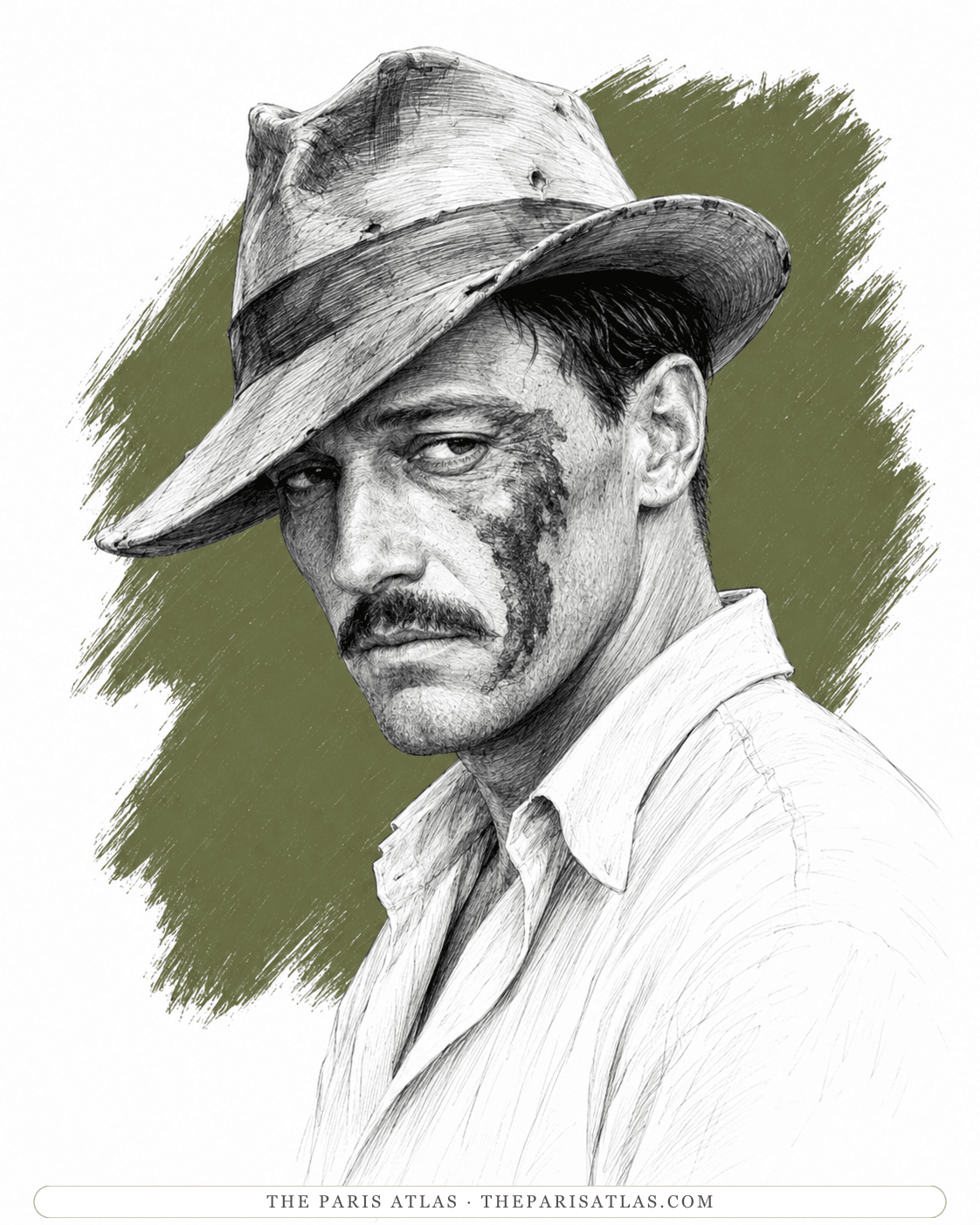
The teak-company man at the centre of the book: thirty-five, fifteen years in Burma, a dark blue birthmark down his left cheek, and a set of opinions about the Empire that he has never once spoken in front of another Englishman.
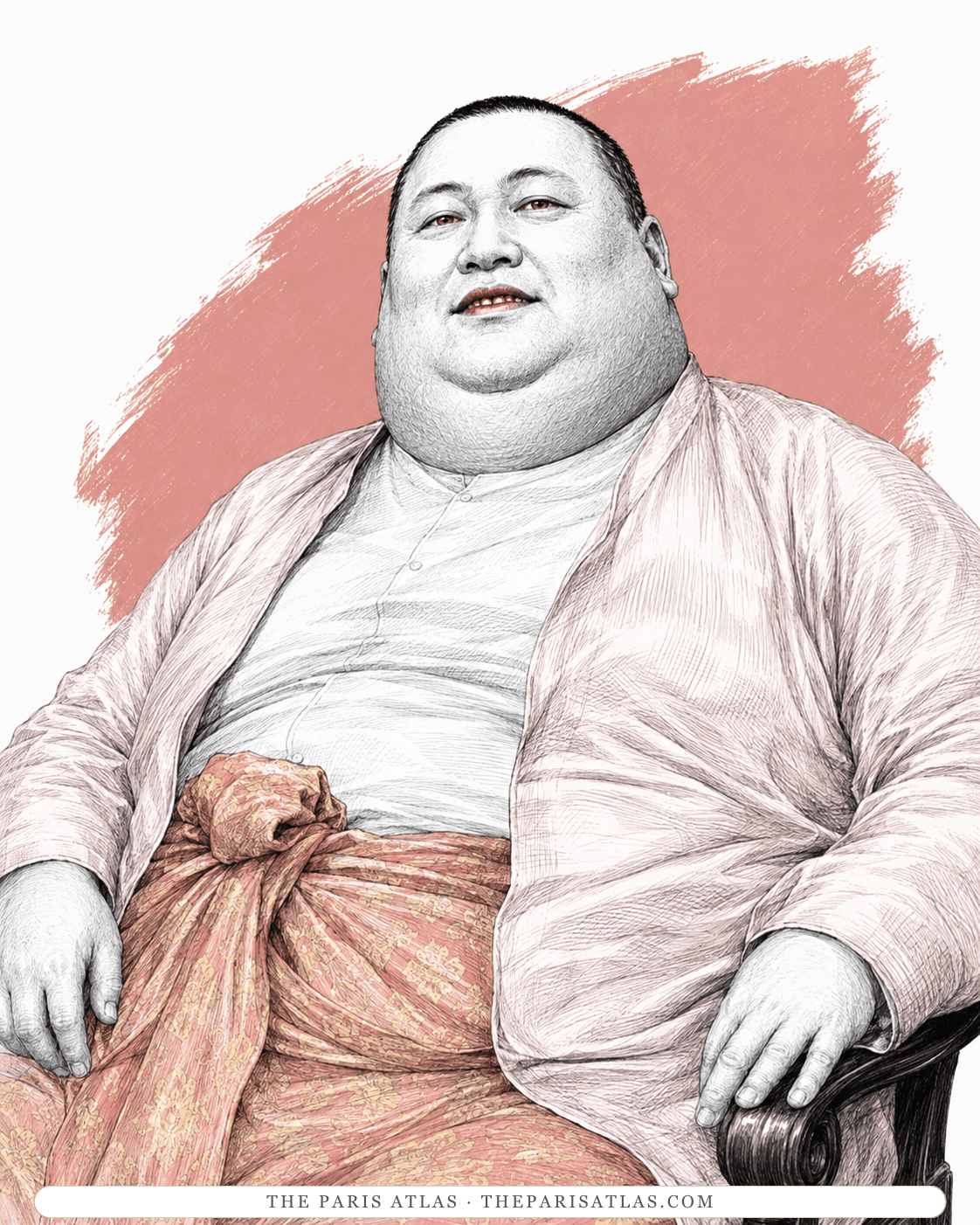
Sub-divisional Magistrate of Kyauktada. He takes bribes from both sides of a case and then decides it on strictly legal grounds, which has won him a useful reputation for impartiality. He wants one thing the money cannot buy: membership of the European Club.
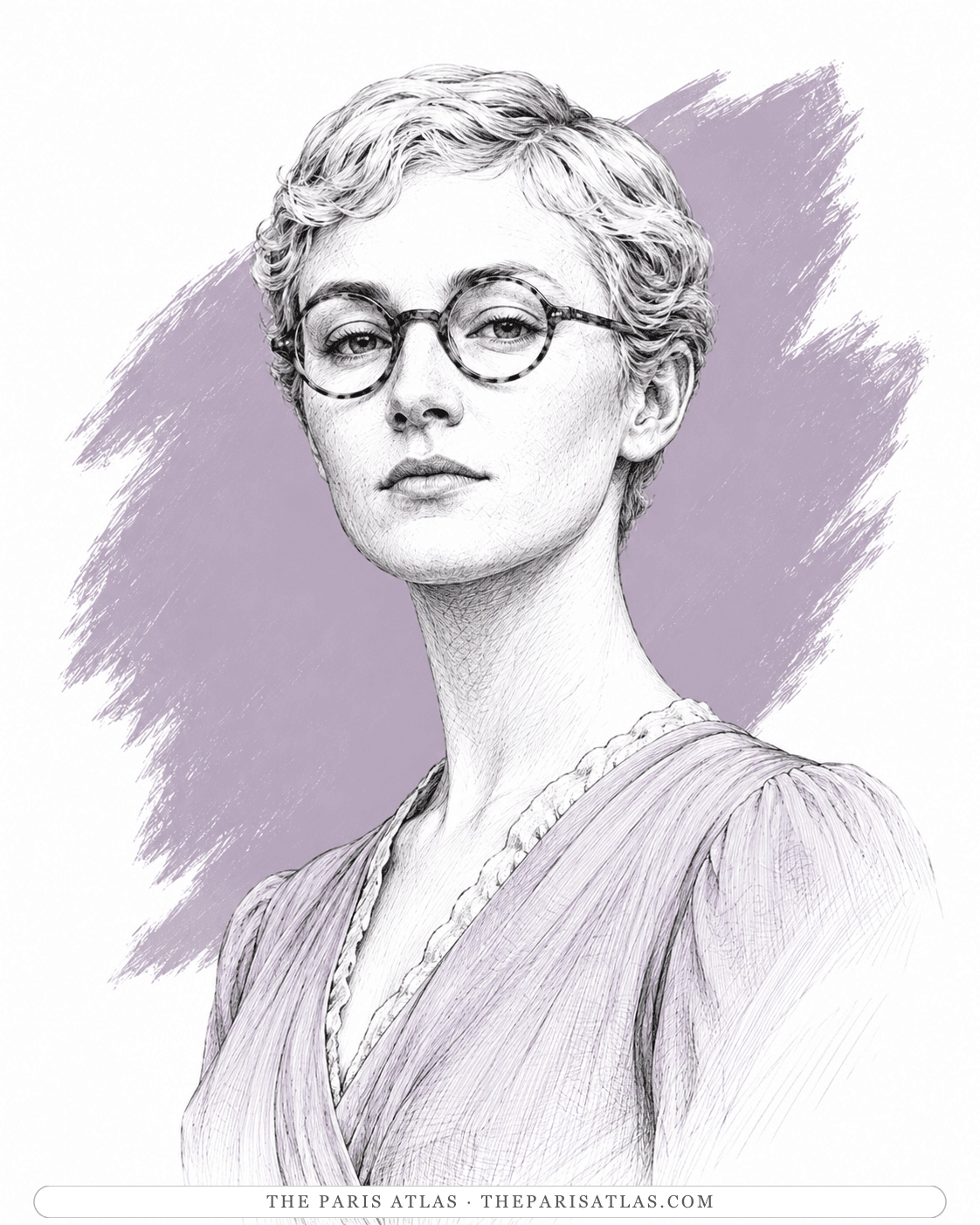
Twenty-two, orphaned and penniless, sent out from Paris to stay with the uncle and aunt who are her last address. Everything in the world is either lovely or beastly to her, and Burma is mostly beastly.
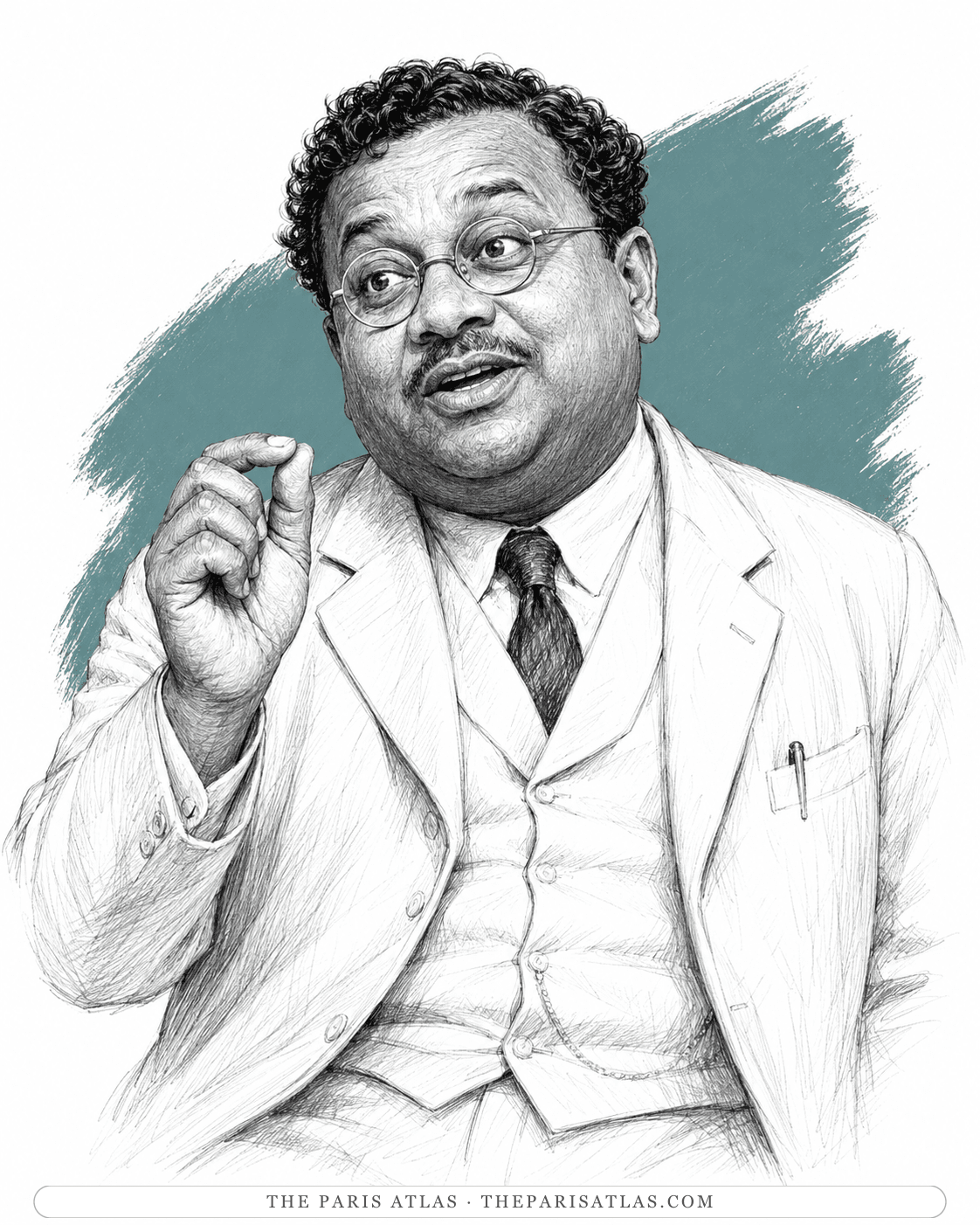
Civil Surgeon of Kyauktada and Superintendent of the jail. He is the most passionate defender of the British Empire in the book, and the person it is about to destroy.
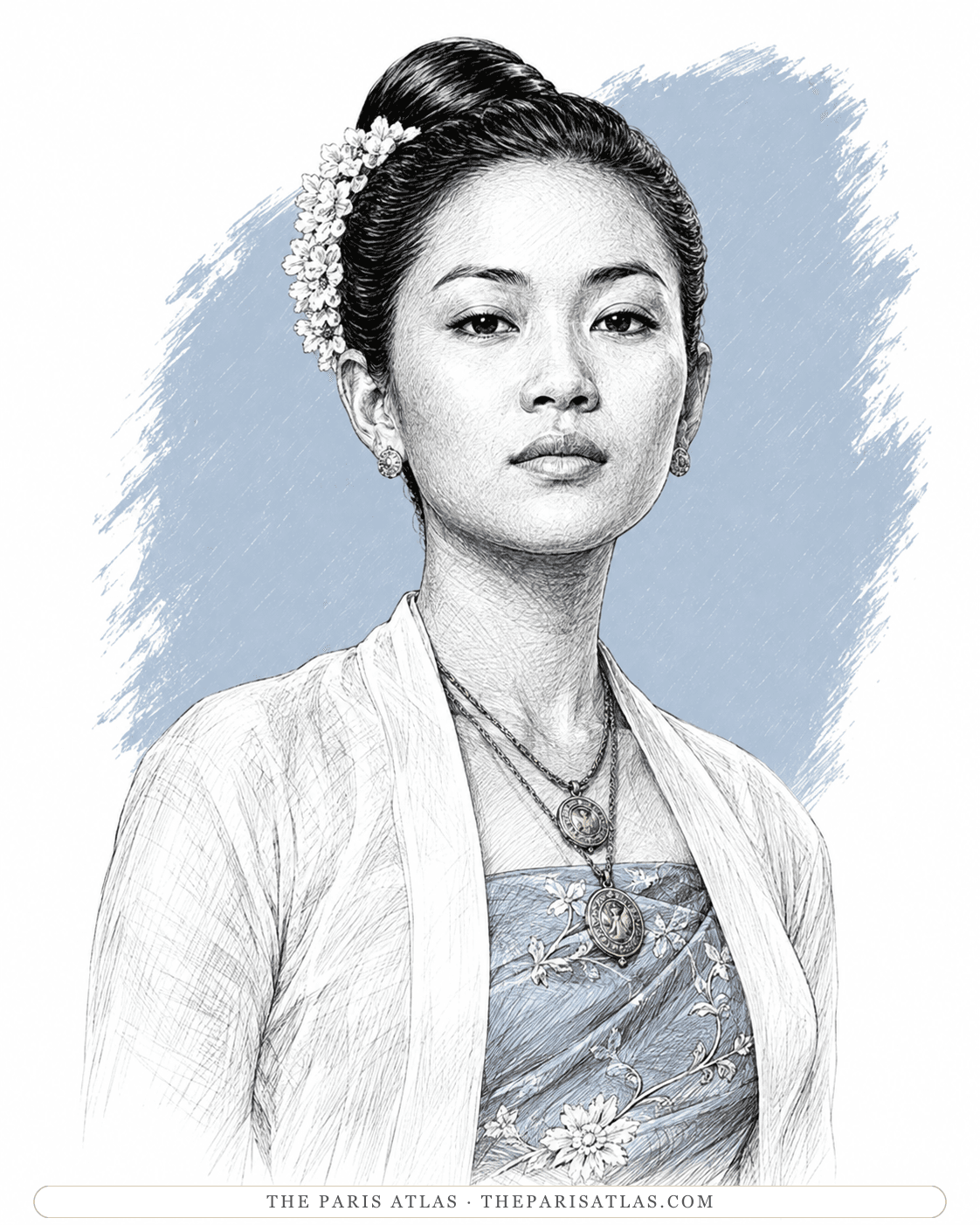
Flory's mistress, bought from her parents two years earlier for three hundred rupees. She calls herself a bo-kadaw, a white man's wife, and has persuaded everyone including herself that the description is legal.
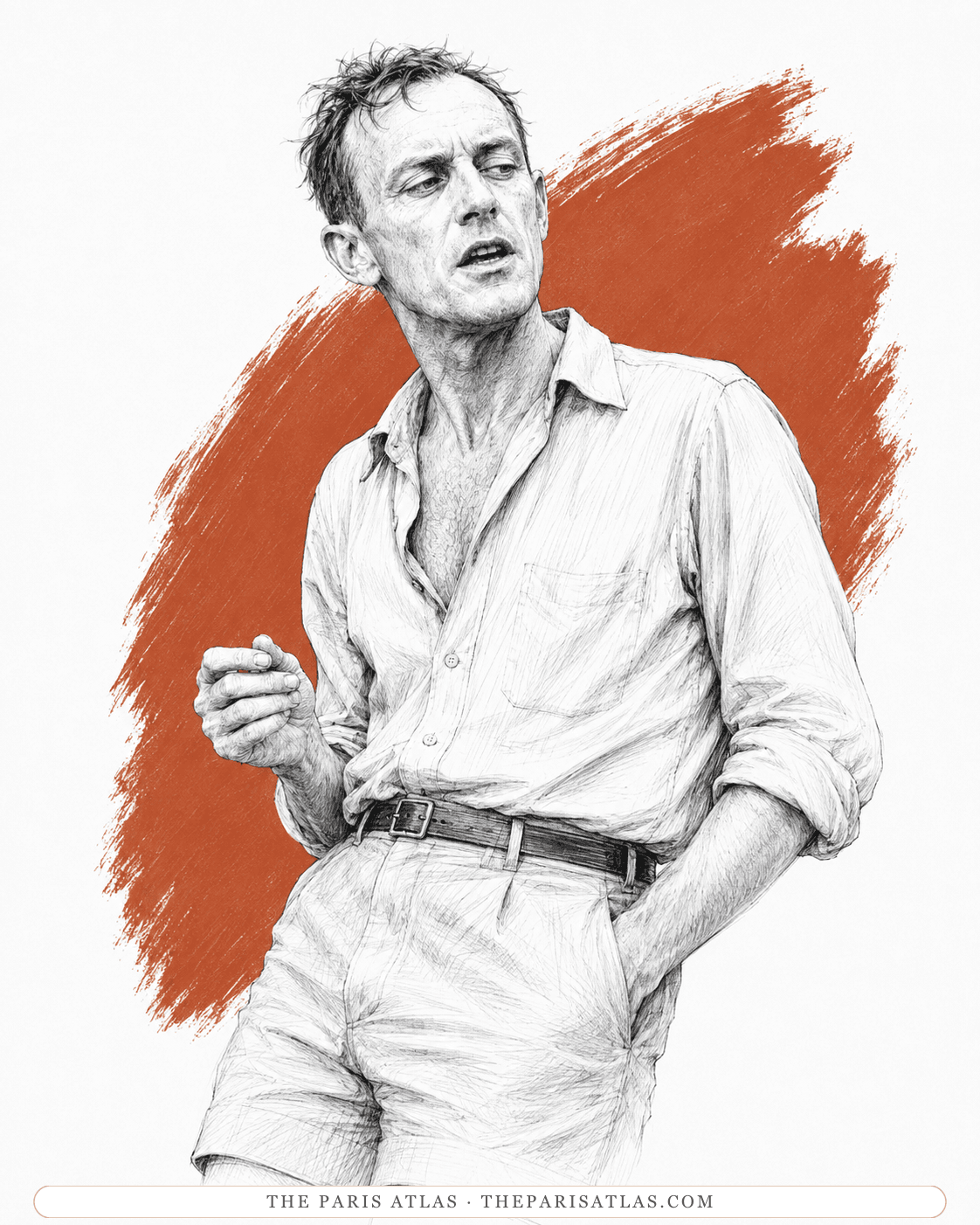
Local manager of a timber company and the loudest voice in the club. Almost every line he speaks is an insult, and the novel says his hatred of Orientals is the one thing about him that is completely sincere.
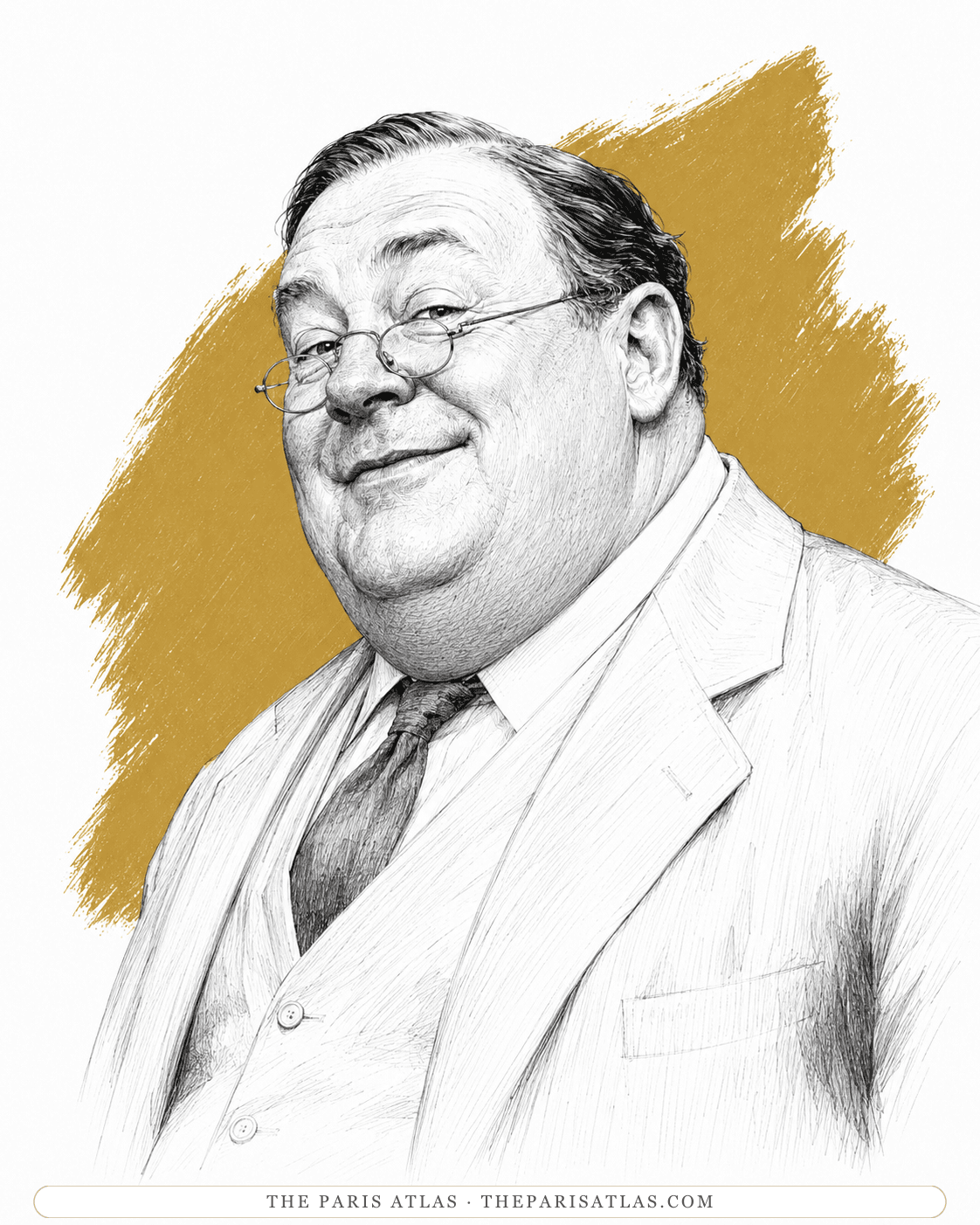
Deputy Commissioner of Kyauktada and secretary of the club: a large, kindly, relentlessly facetious man who is fond of Orientals provided they are given no freedom.
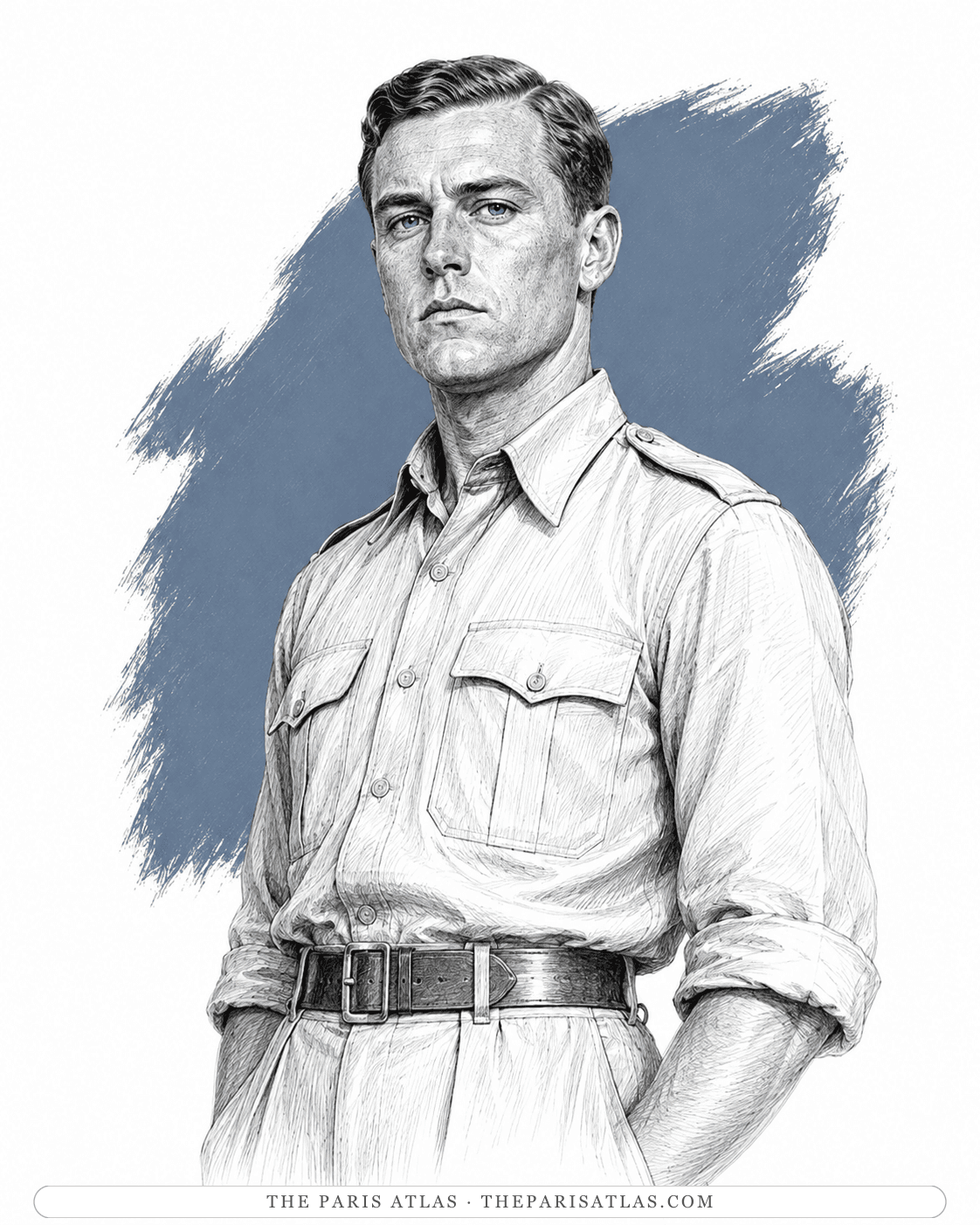
Lieutenant the Honourable Verrall of the Military Police, sent up to Kyauktada for a month with a hundred men. He despises nearly everyone he meets and is never once made to pay for it.
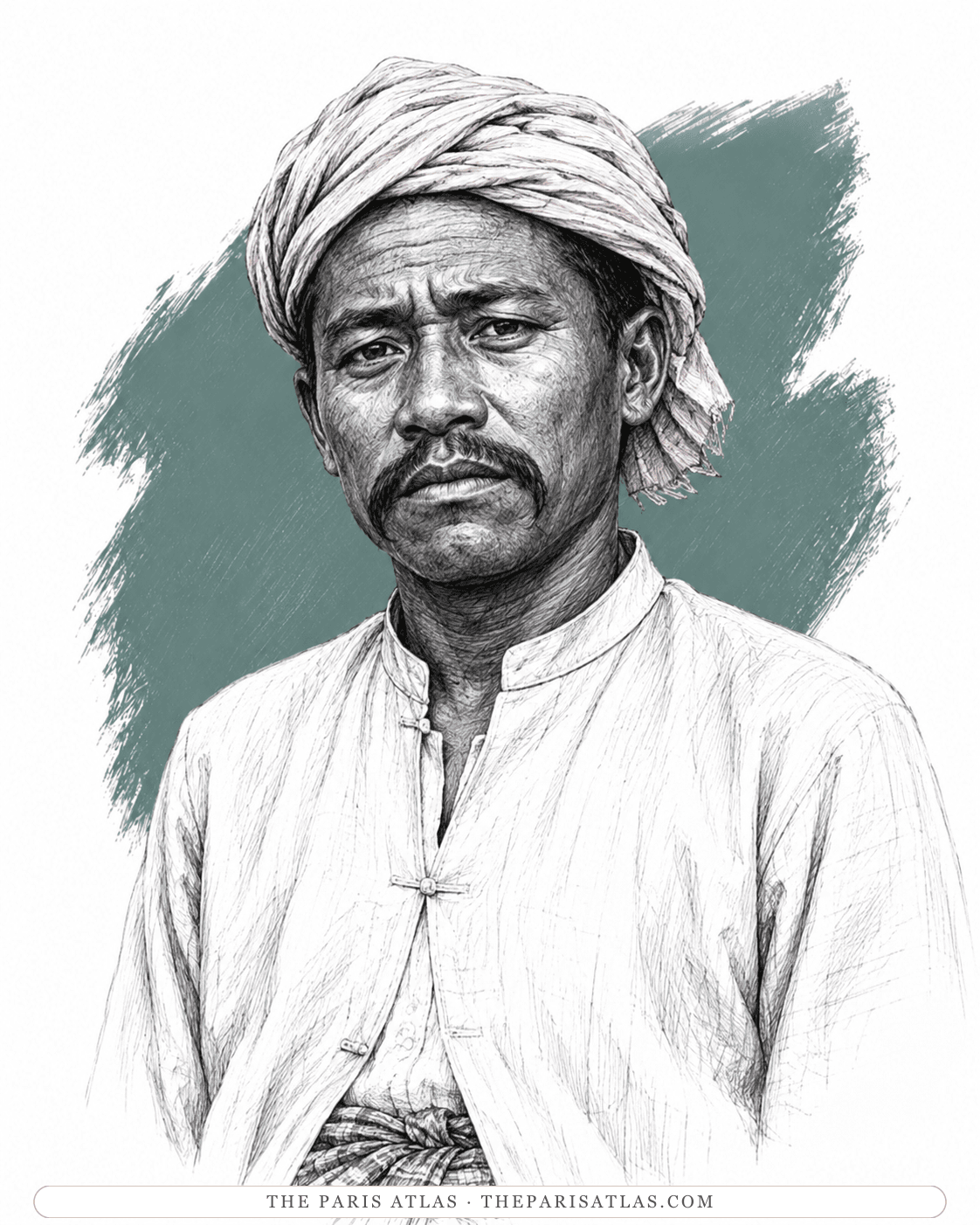
Flory's servant since his first day in Burma, and within a month of his age. He has pimped for him, borrowed money for him, carried him to bed drunk and nursed him through fever, and disapproves of almost everything he does.
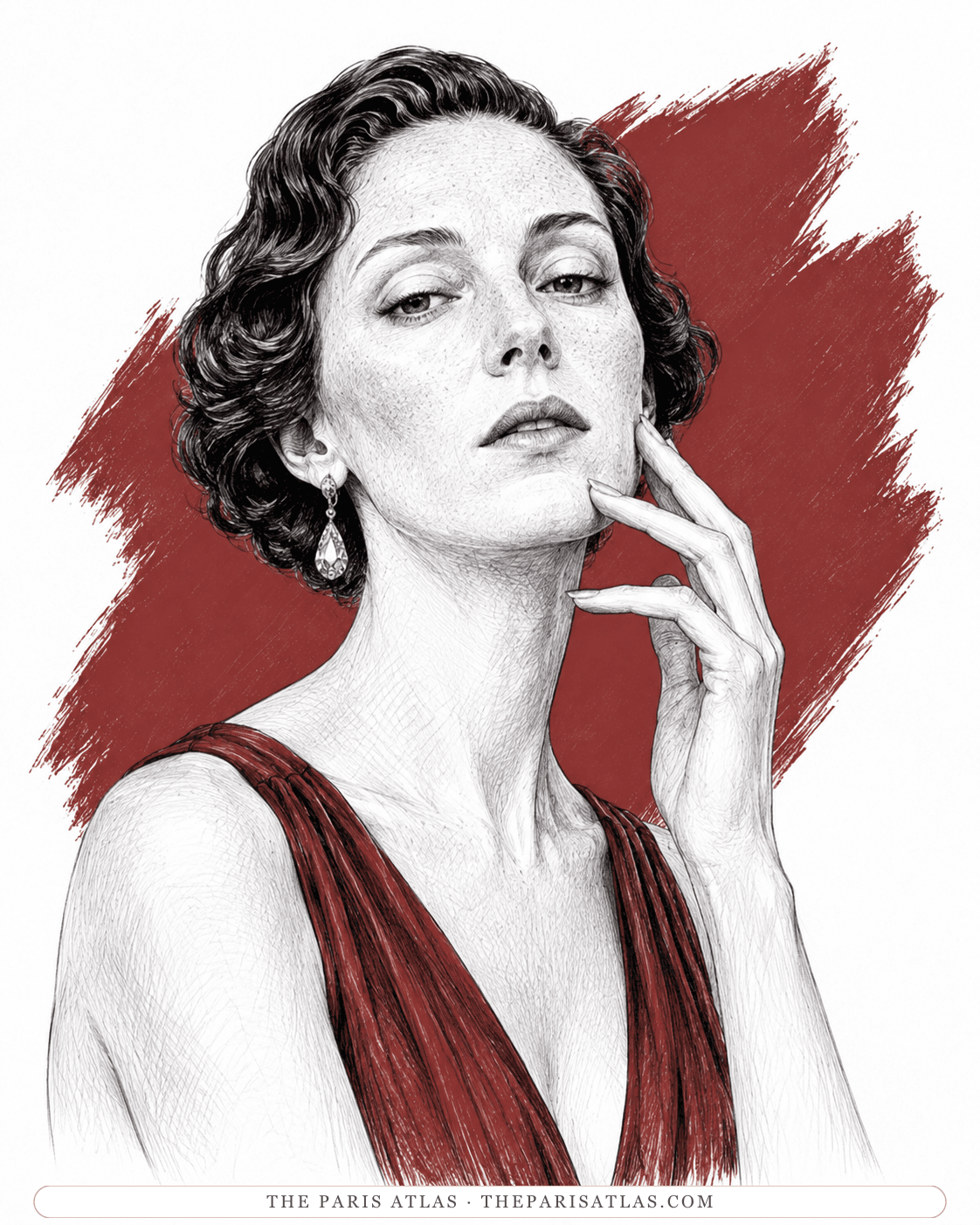
Elizabeth's aunt: about thirty-five, handsome in a contourless way, with a sighing discontented voice and a genius for saying the decisive thing by hint. She runs the marriage market of Kyauktada single-handed.
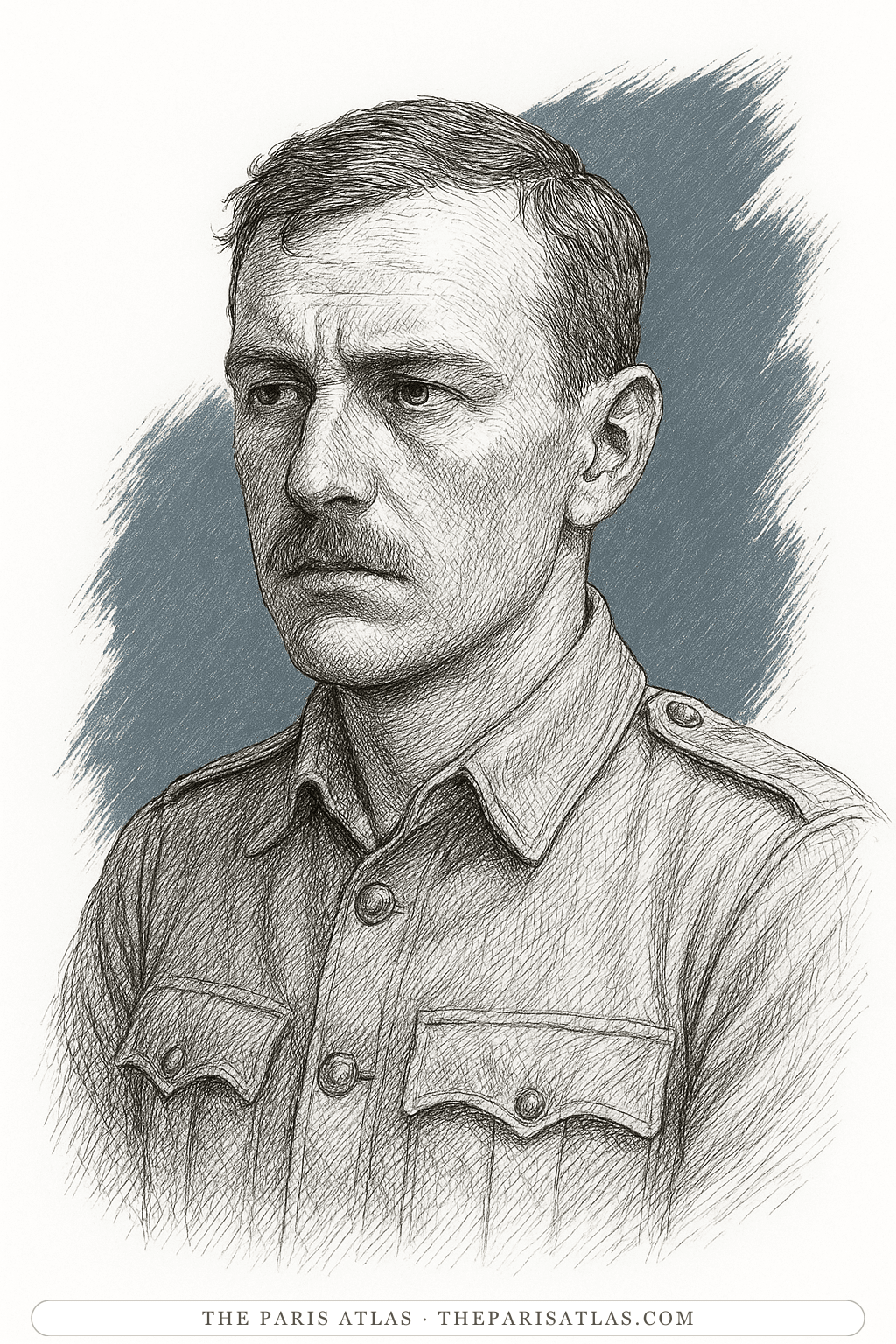
District Superintendent of Police: sandy-haired, bored, clipped in speech, and permanently disappointed that eleven years in Burma have not given him a rebellion to put down or a man to kill.
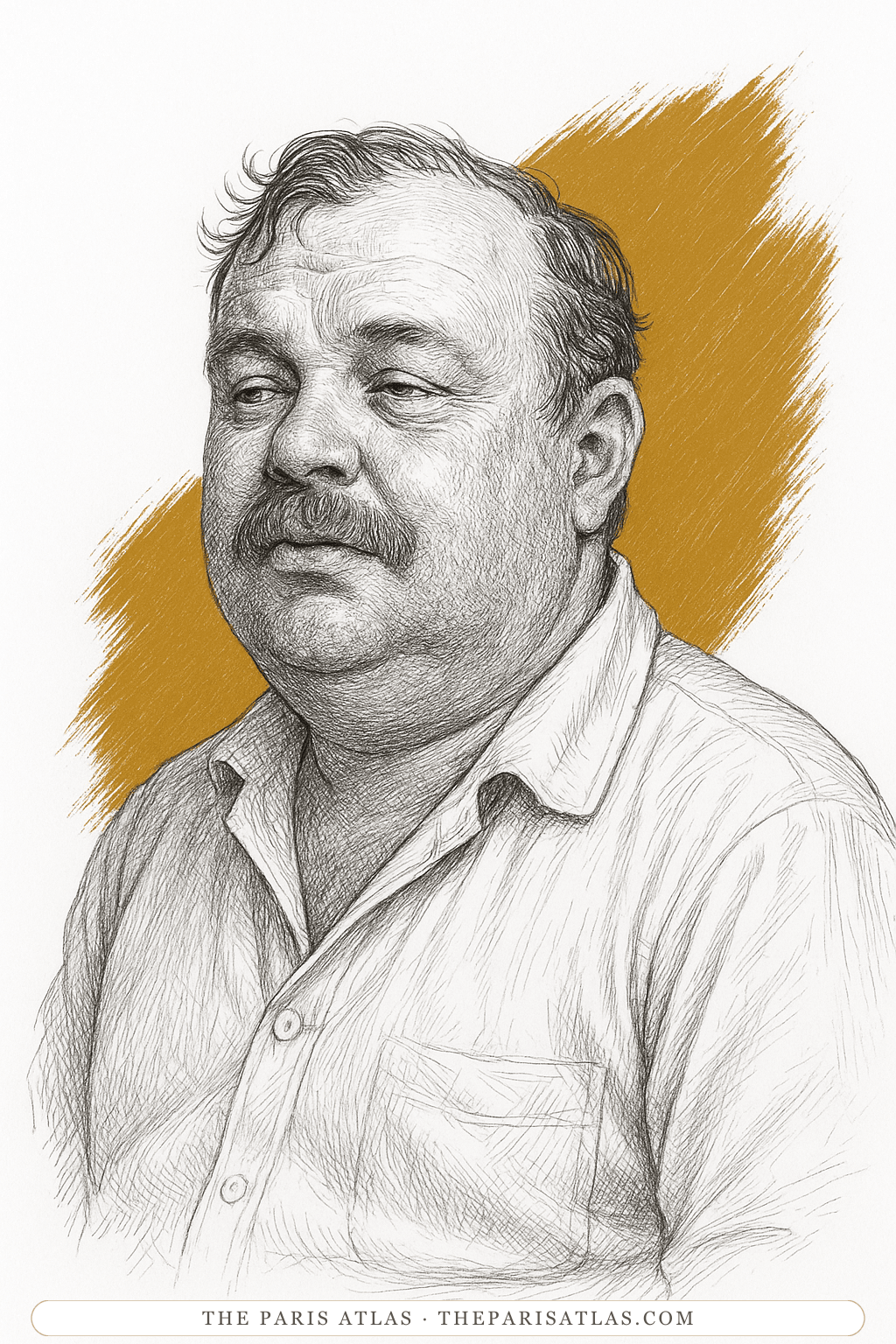
Tom Lackersteen, local manager of a timber firm and Elizabeth's uncle: a simple-minded, florid, permanently hungover man with no ambitions beyond what he calls a good time, and no scruples about where he looks for one.
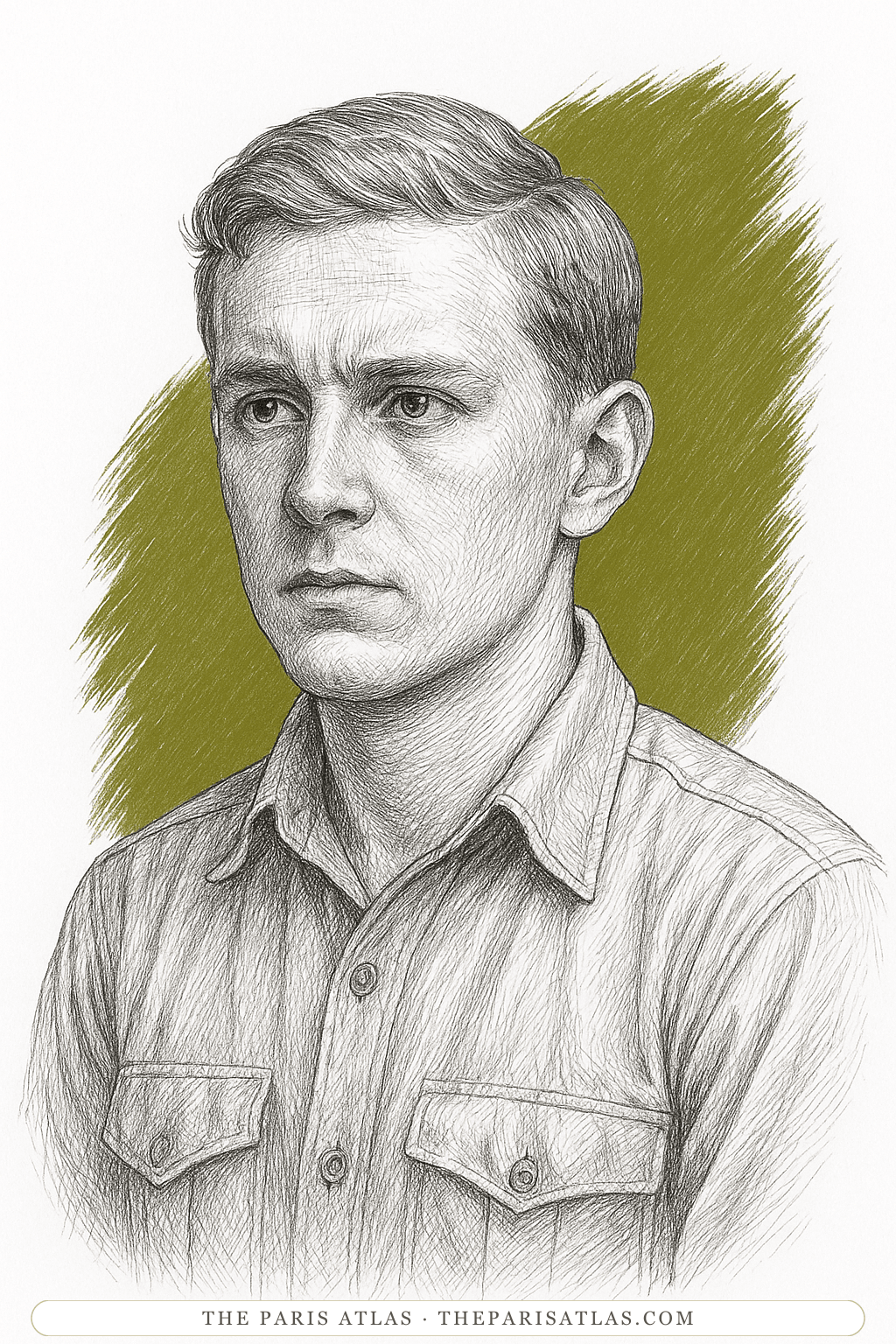
The acting Divisional Forest Officer: a fresh-coloured blond youth of twenty-five or six, very young for the post, silent except for a smutty rhyme now and then. He is the one who fires the shot that turns the fake rebellion real.
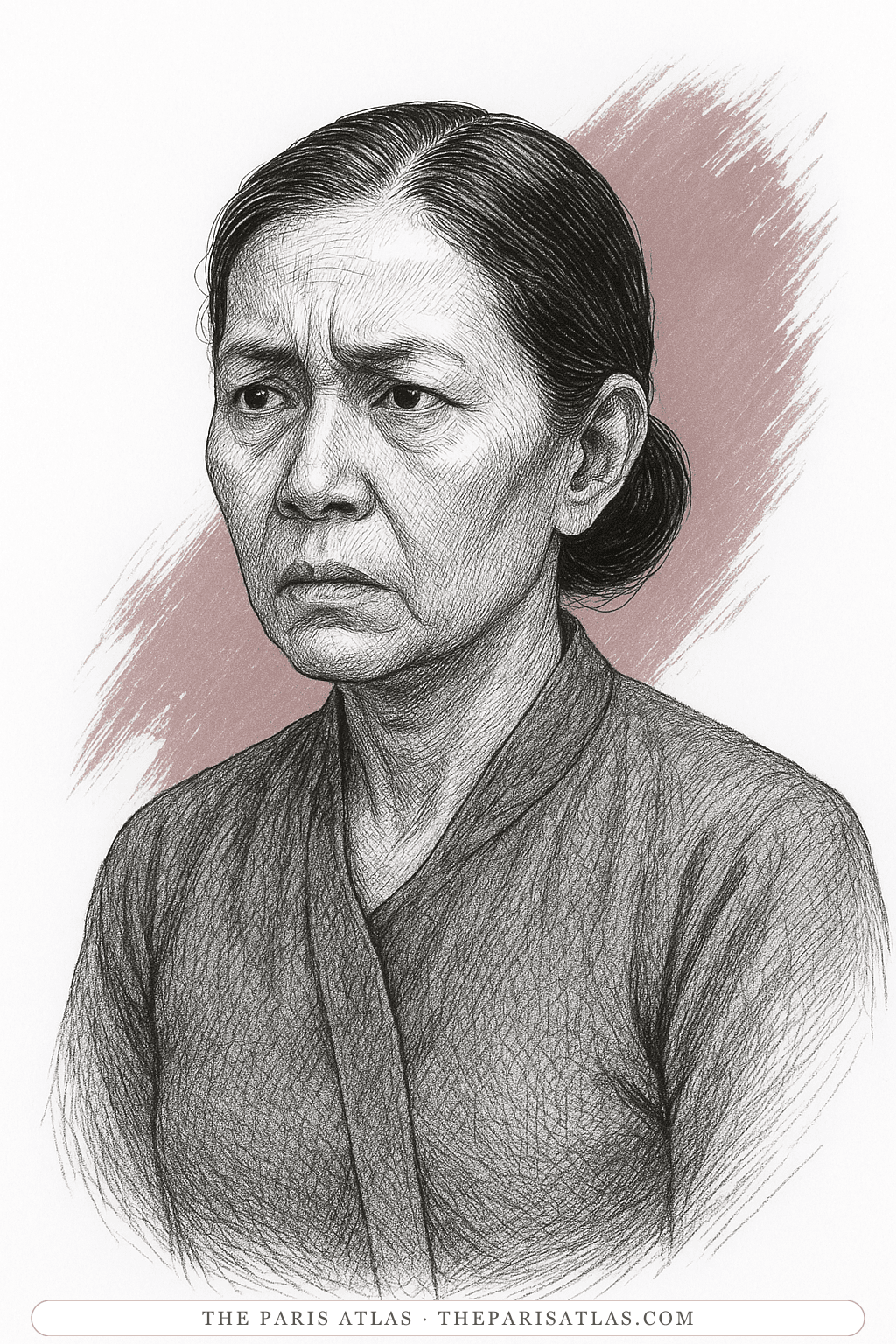
U Po Kyin's wife: a thin woman of five and forty who has been the confidante of his intrigues for twenty years and tells him, without effect, that he has done very much evil in his life.
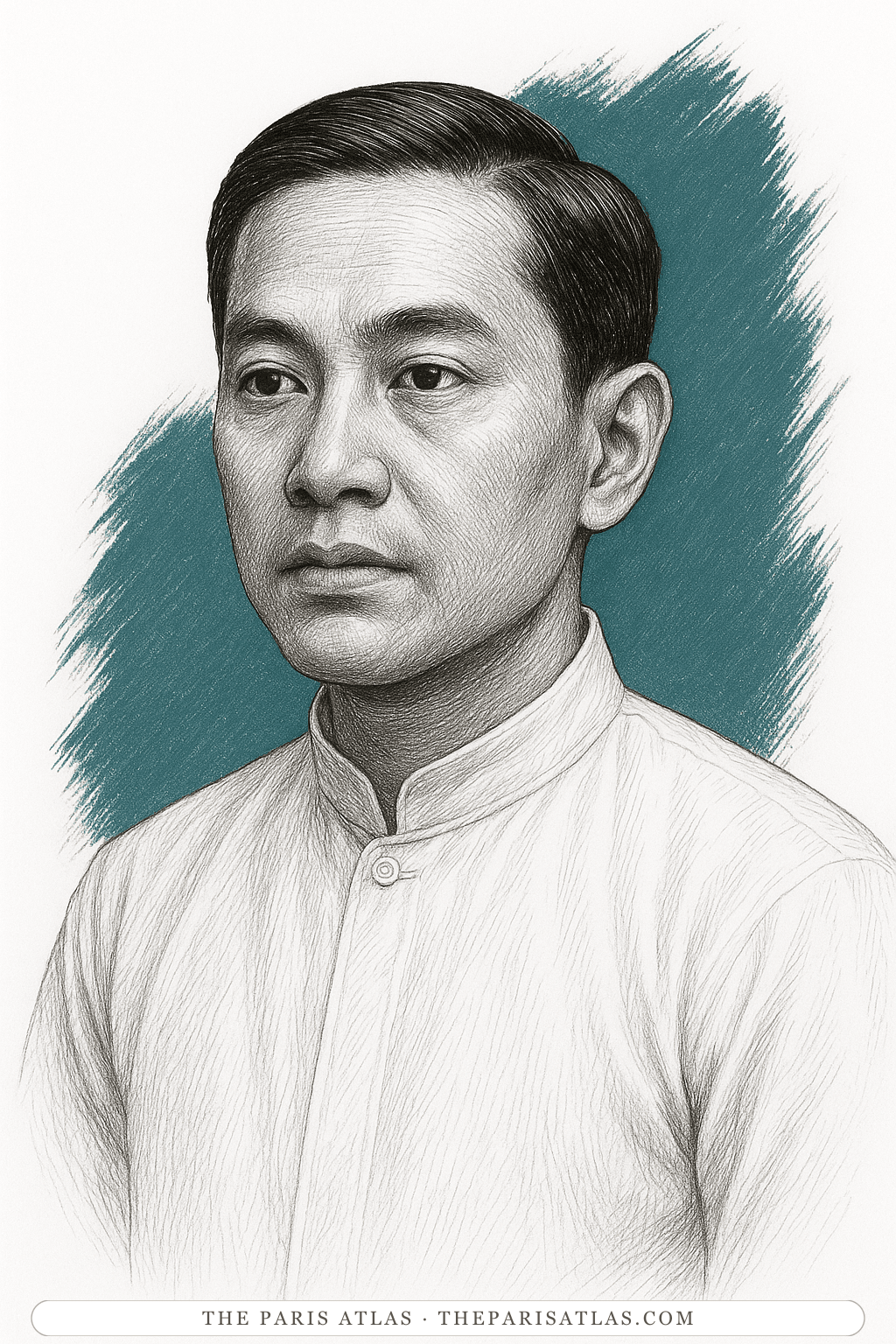
Head clerk of the Deputy Commissioner's office and U Po Kyin's most useful instrument: an erect, narrow-shouldered man with a curiously smooth face, trusted by Mr Macgregor with most of his official secrets.
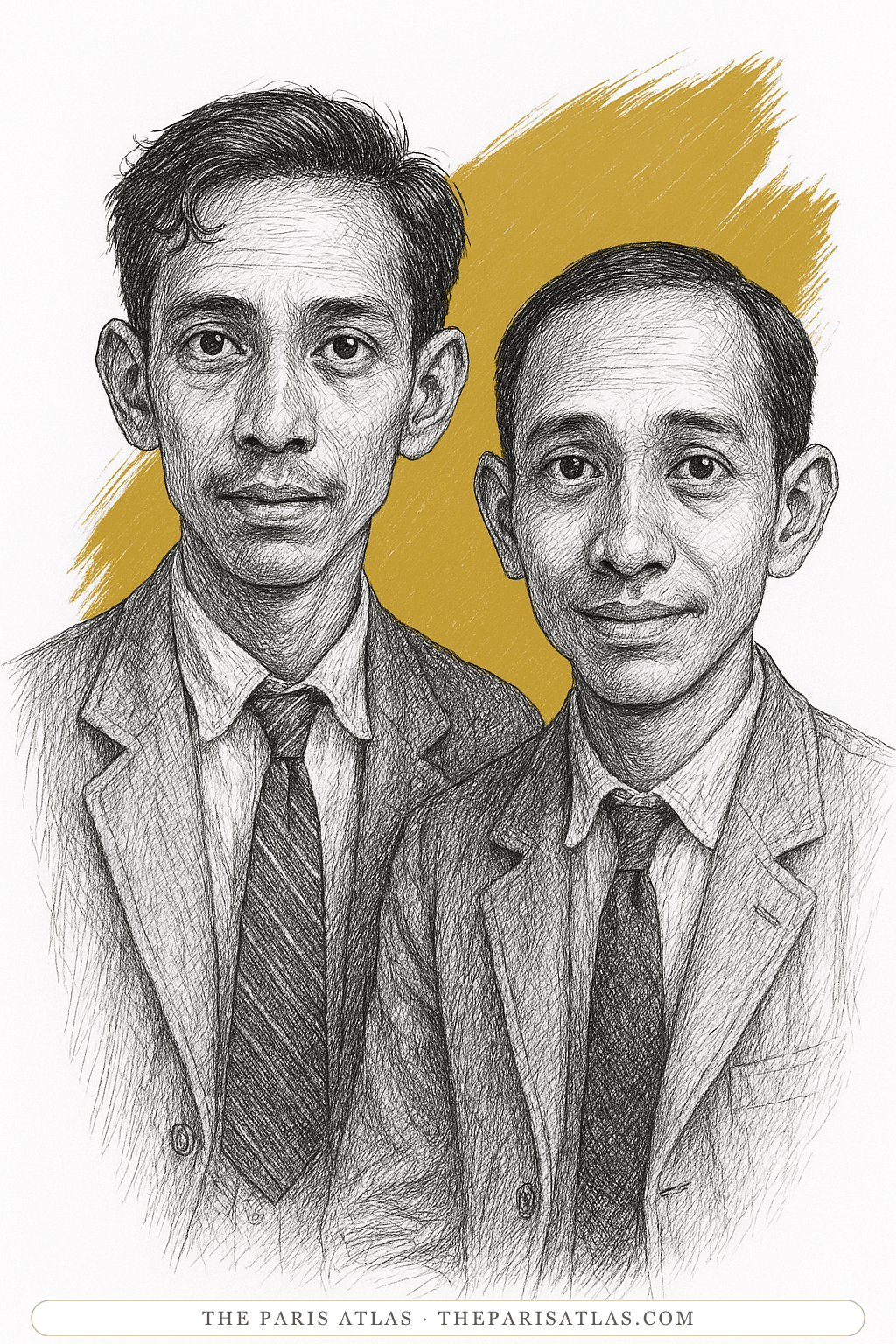
The two Eurasian clerks of Kyauktada, sons of an American Baptist missionary and a Roman Catholic missionary respectively. They live in the bazaar on charity, and the six-weekly church service is the great social event of their lives.
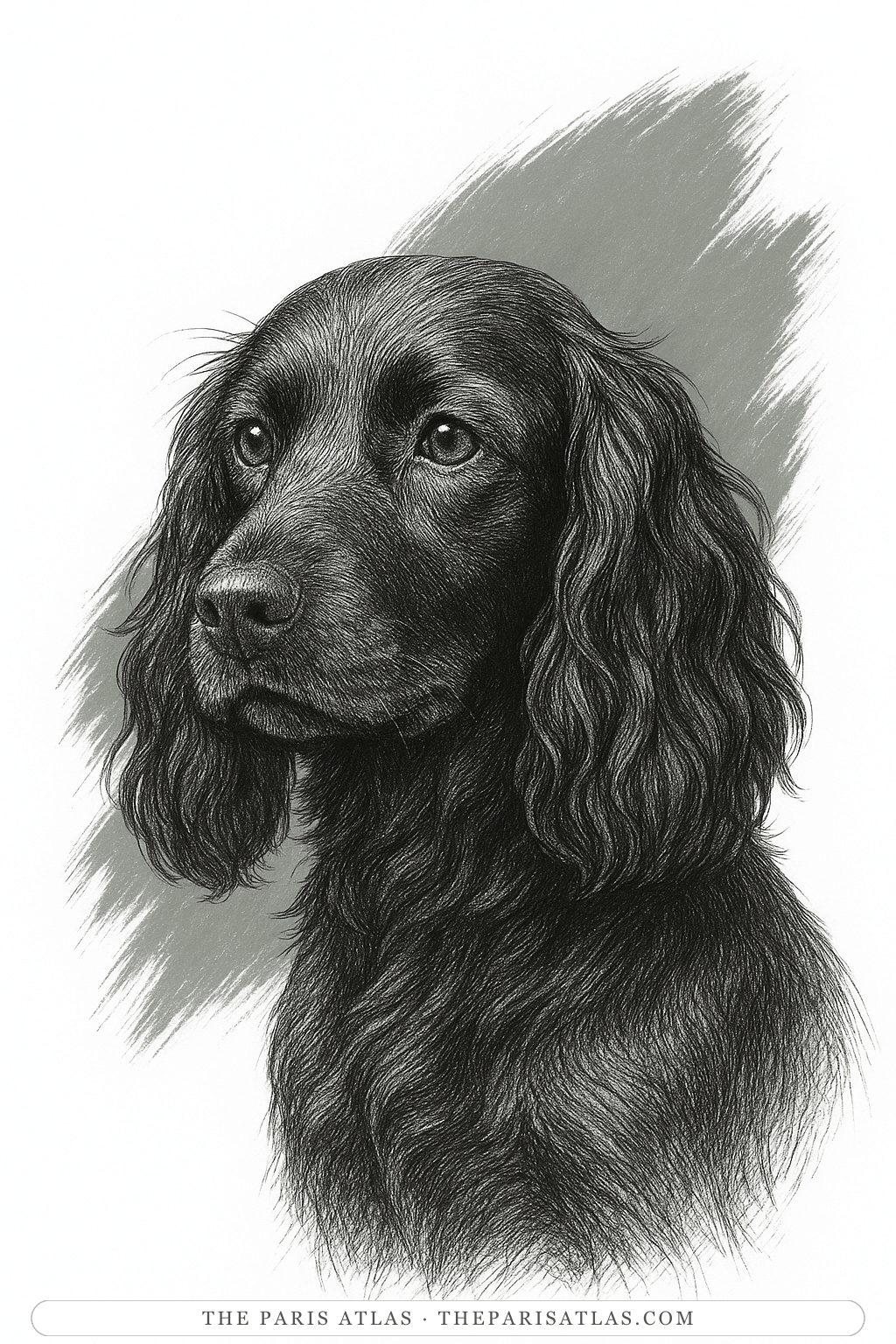
Flory's black cocker spaniel. She swims in the jungle pool with him, is combed for ticks every evening, and bolts fifty yards from the dead leopard. The narration notes that she barked at every strange Burmese or Indian face and liked the smell of a European.
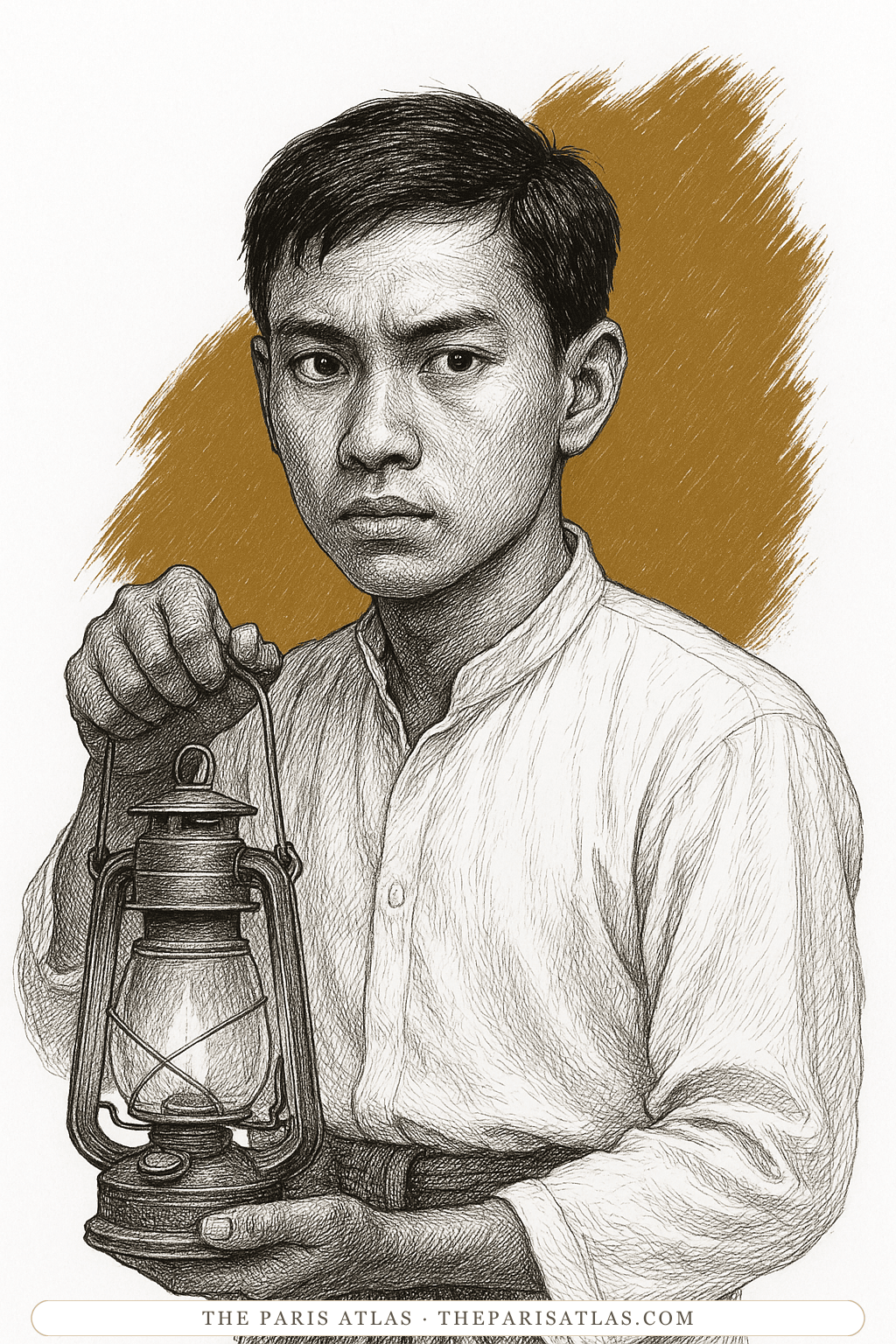
Ko S'la's younger brother, a servant in Flory's household since he was a boy — and, secretly, Ma Hla May's lover. He walks her home from the bazaar with a lantern, and helps carry his master to bed.
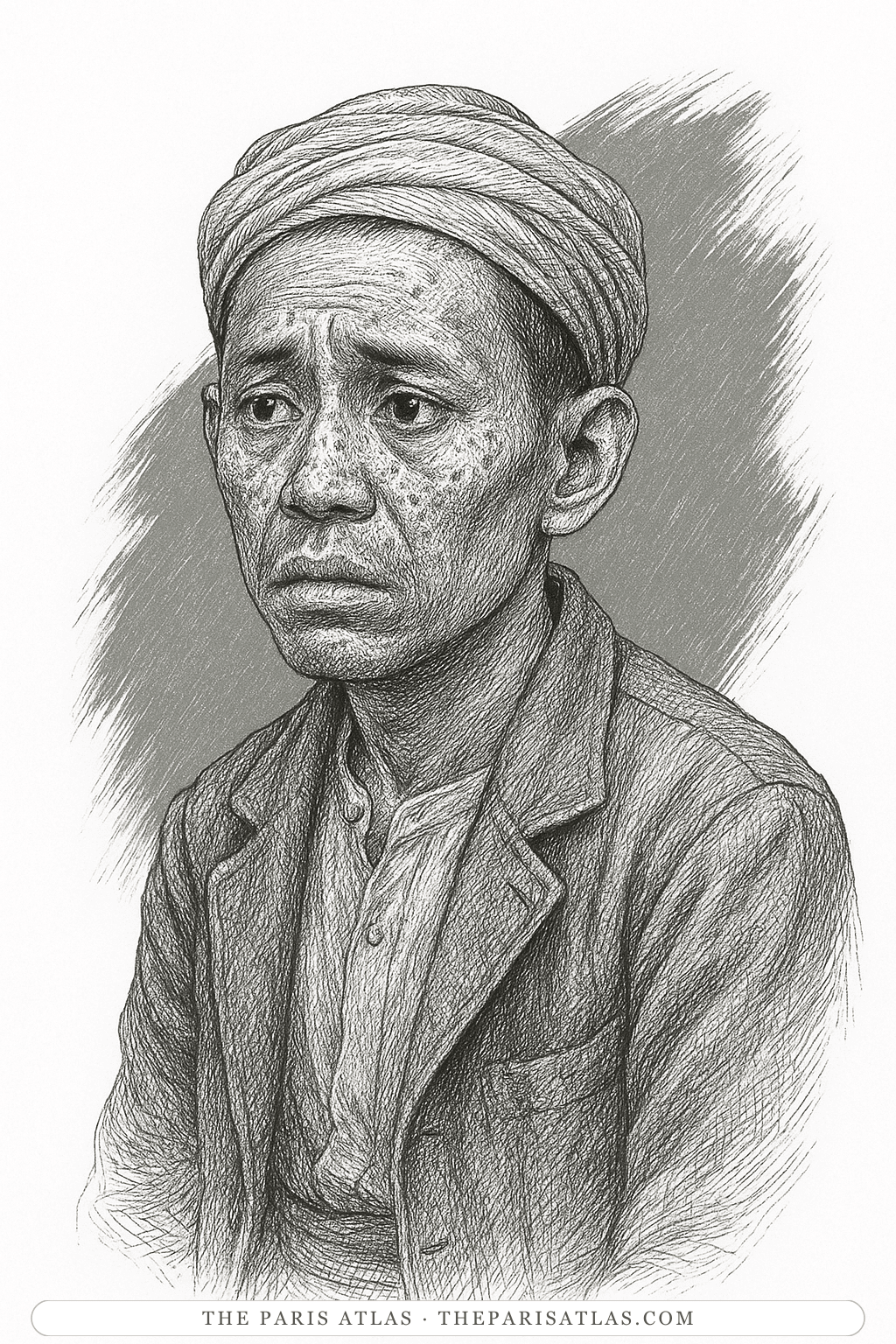
U Po Kyin's servant: undersized and pock-marked, with a timid and rather hungry expression. He is paid no wages, being a convicted thief whom a word would send to prison, and announces the morning's visitors on his fingers.
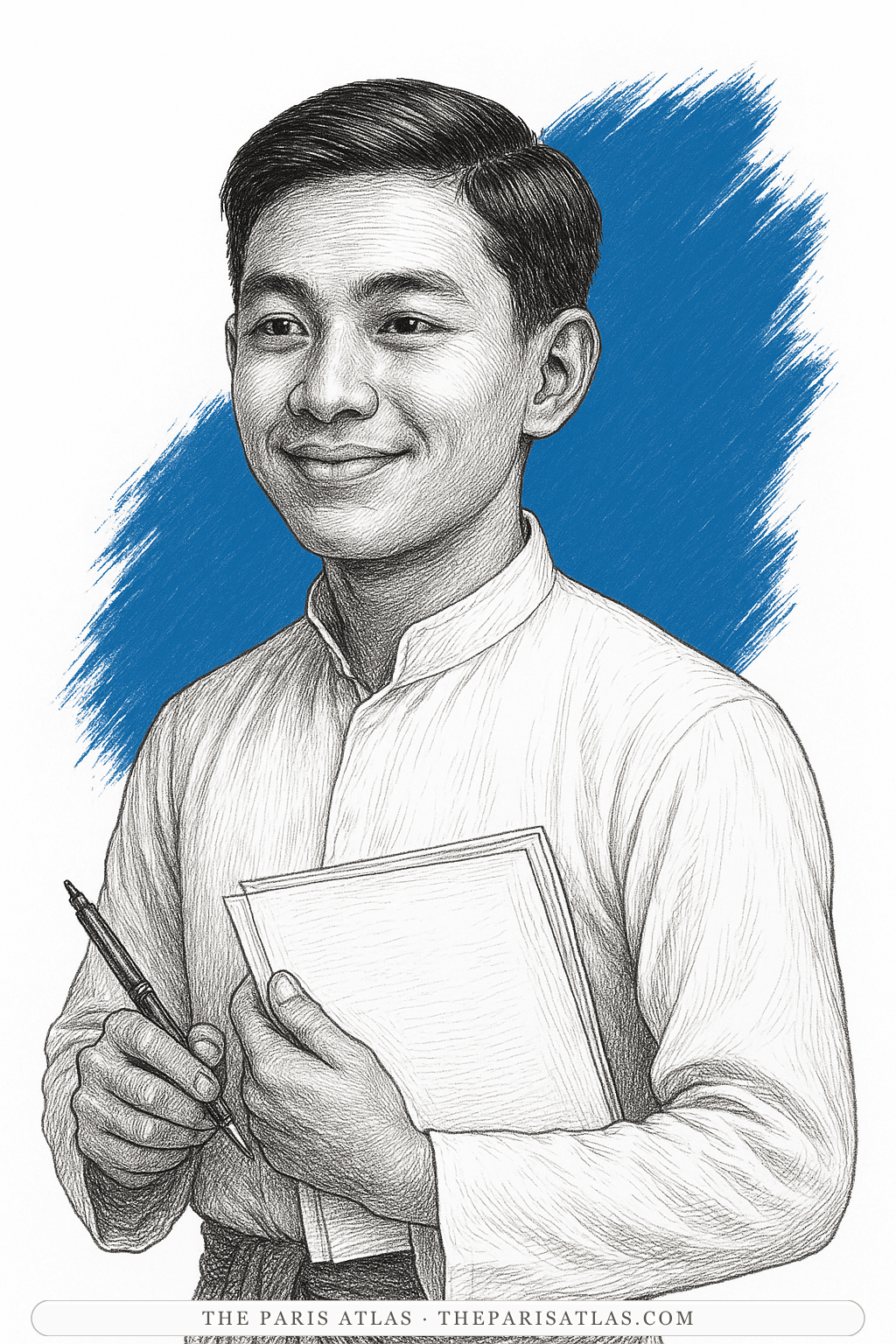
An apprentice clerk of eighteen who writes the libellous newspaper article and then the anonymous letters, taking a diplomatic attack of dysentery and later of bronchitis to get them done. U Po Kyin calls him a most promising boy and sees that he gets his clerkship.
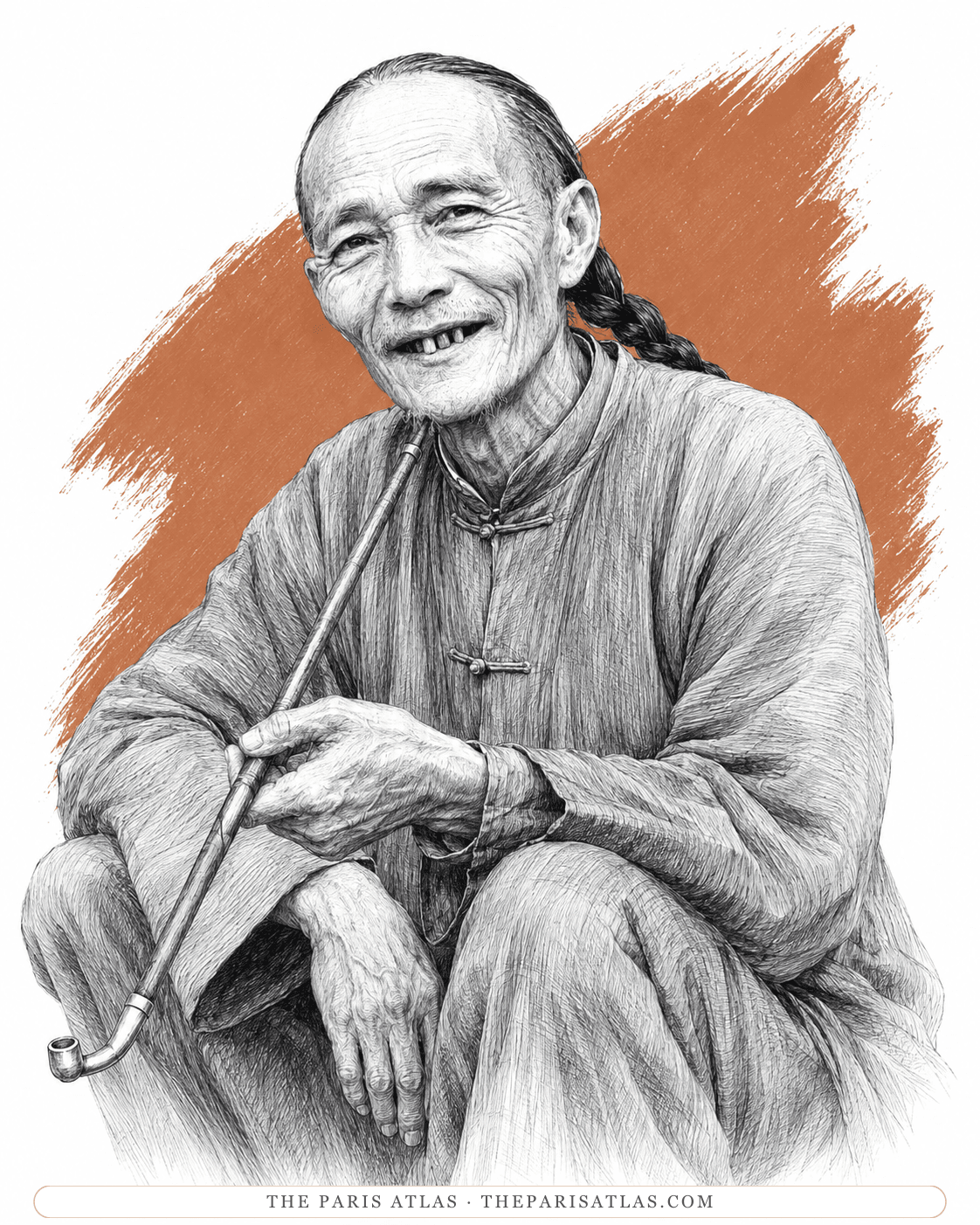
The Chinese grocer and illicit pawnbroker of the bazaar, old and bent-kneed and wearing a pigtail, with a chinless face all cheekbones that George Orwell likens to a benevolent skull. He gives John Flory and Elizabeth Lackersteen tea, chocolates and two fans, and the visit ends in a disaster nobody intended.
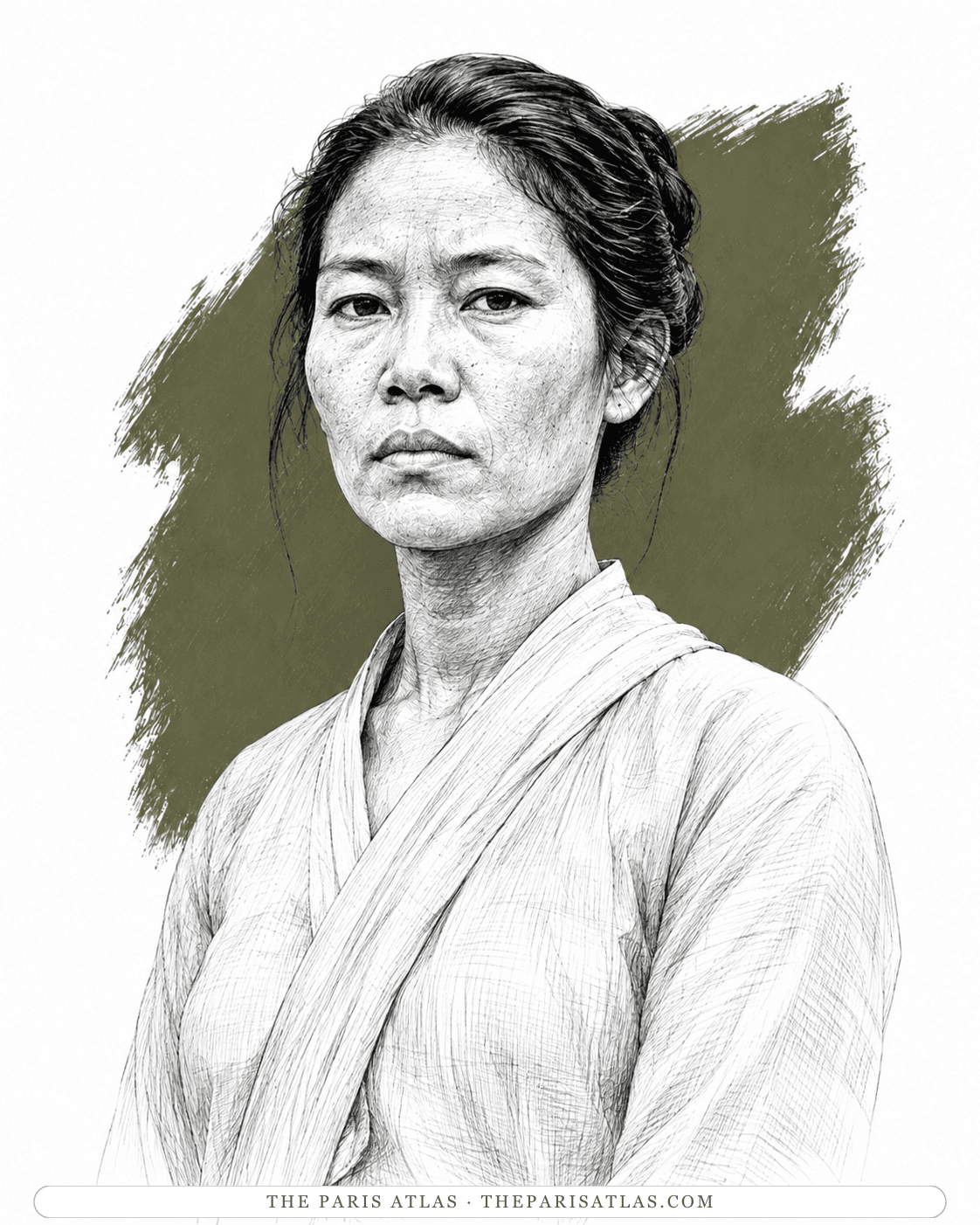
Ko S'la's two wives — the gaunt, hard-faced first and the fat, lazy 'little wife' some years younger. They quarrel every morning that Flory is in headquarters, and briefly make peace to bring him a pot of something they insist is good for cuts.
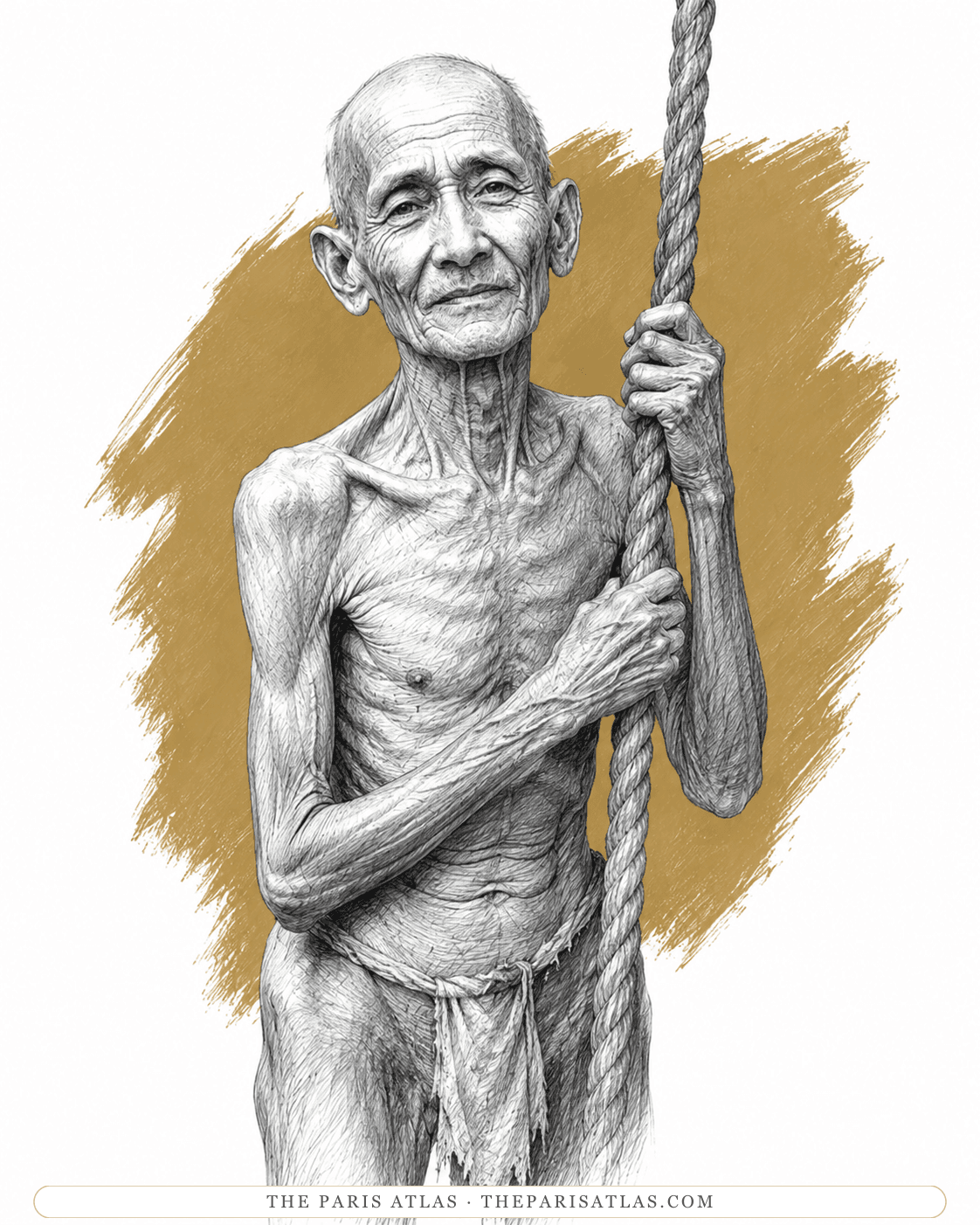
The old Hindu durwan who looks after the European church, lives in a hut of flattened kerosene tins and rings the bell in the six-foot tin steeple. He is more like a grasshopper than a human being, and once told the doctor he believed he was ten years old.
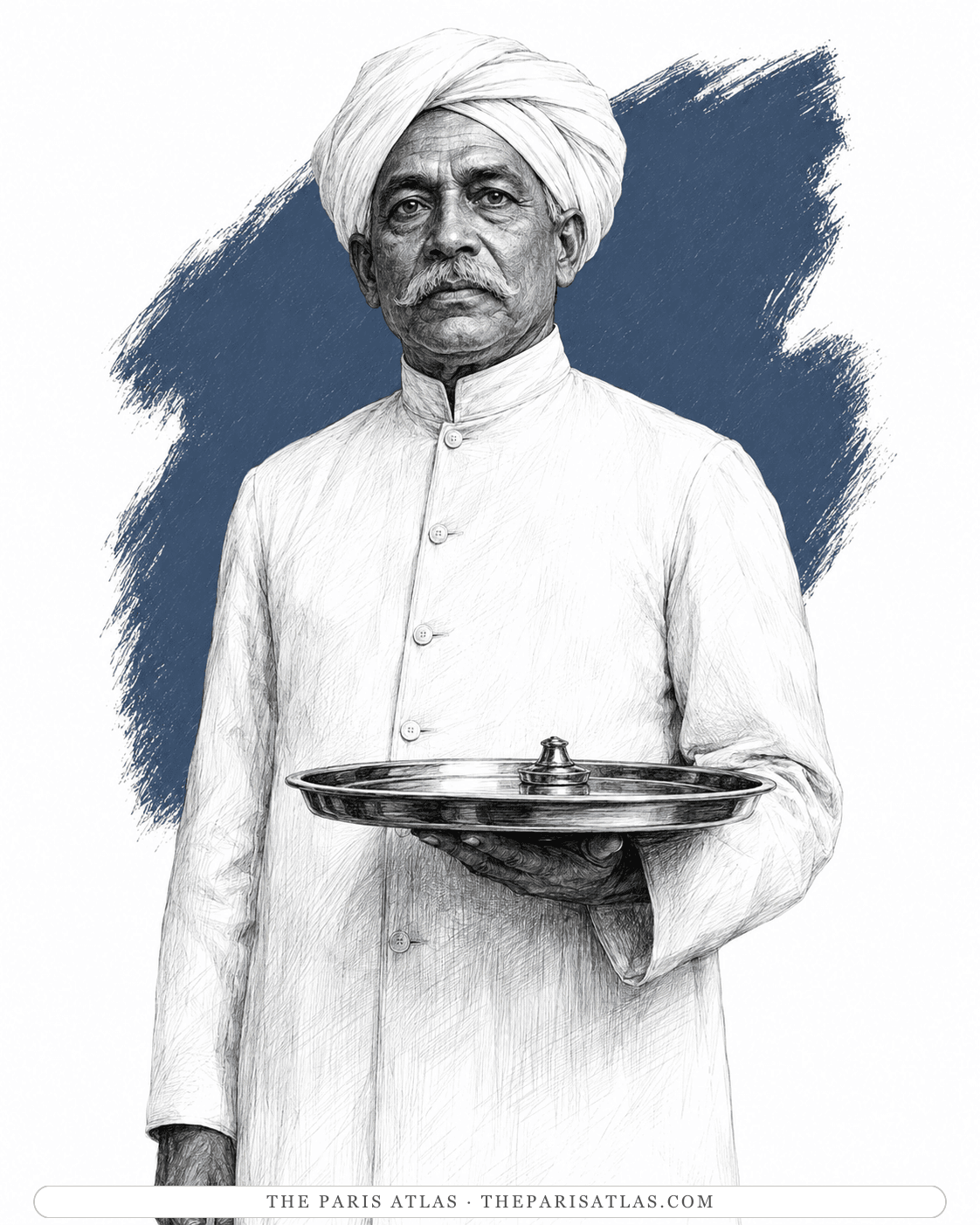
The servant who runs the European Club at Kyauktada: a dark, stout Dravidian with liquid, yellow-irised eyes, who answers everything with "Yes, master" and retires. He is present in almost every Club scene in the novel, is kicked by one member and mocked by another for speaking English too well, and is the source, without knowing it, of the intelligence U Po Kyin's ally collects.
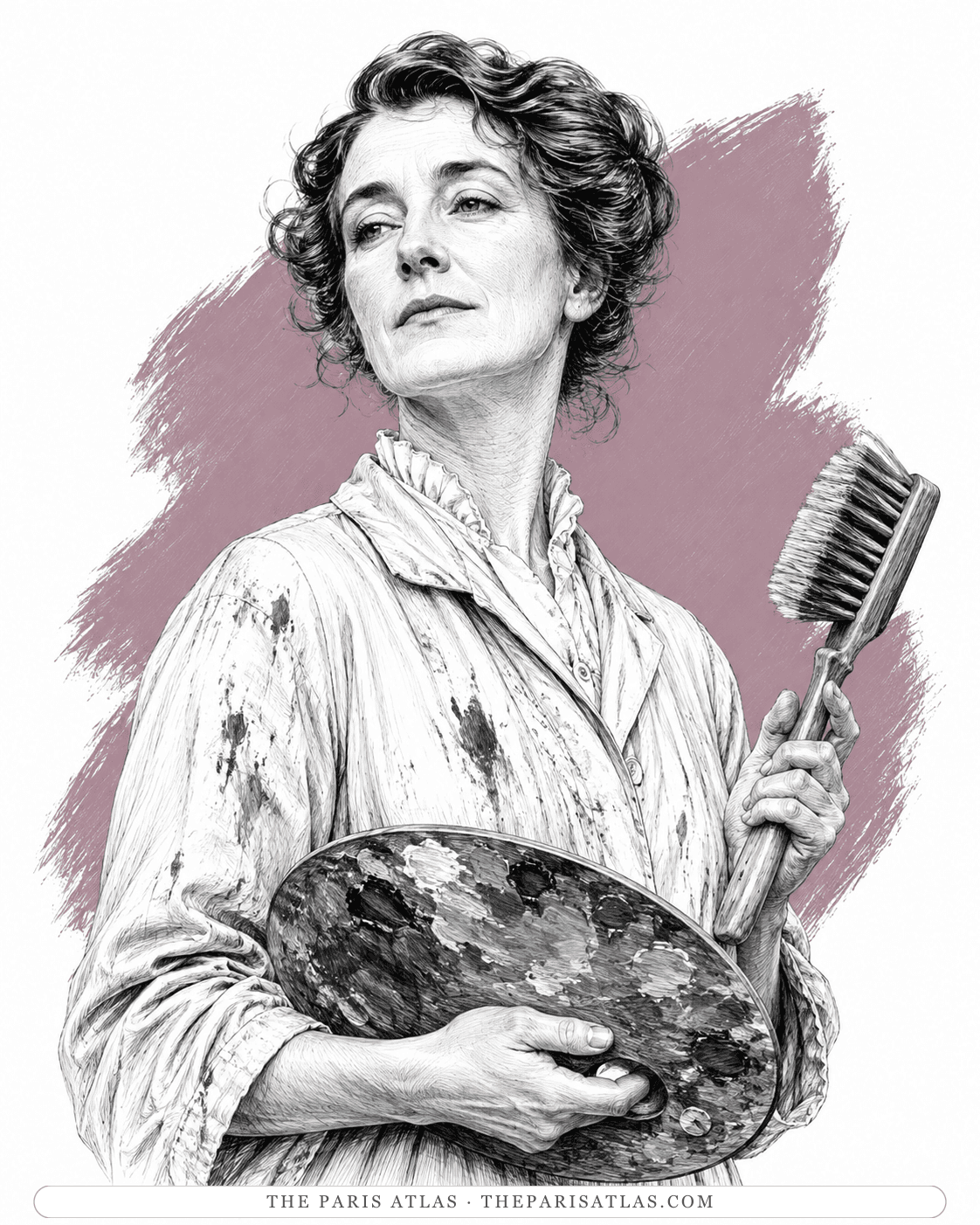
Elizabeth Lackersteen's mother in England and Paris, and a different woman from Mrs Lackersteen the aunt in Kyauktada. George Orwell calls her incapable, half-baked, vapouring and self-pitying, a woman who took up Women's Suffrage, then Higher Thought, then painting, and used the scrubbing-brush to clean her palette. She died of ptomaine poisoning, and the Paris flat went with her.
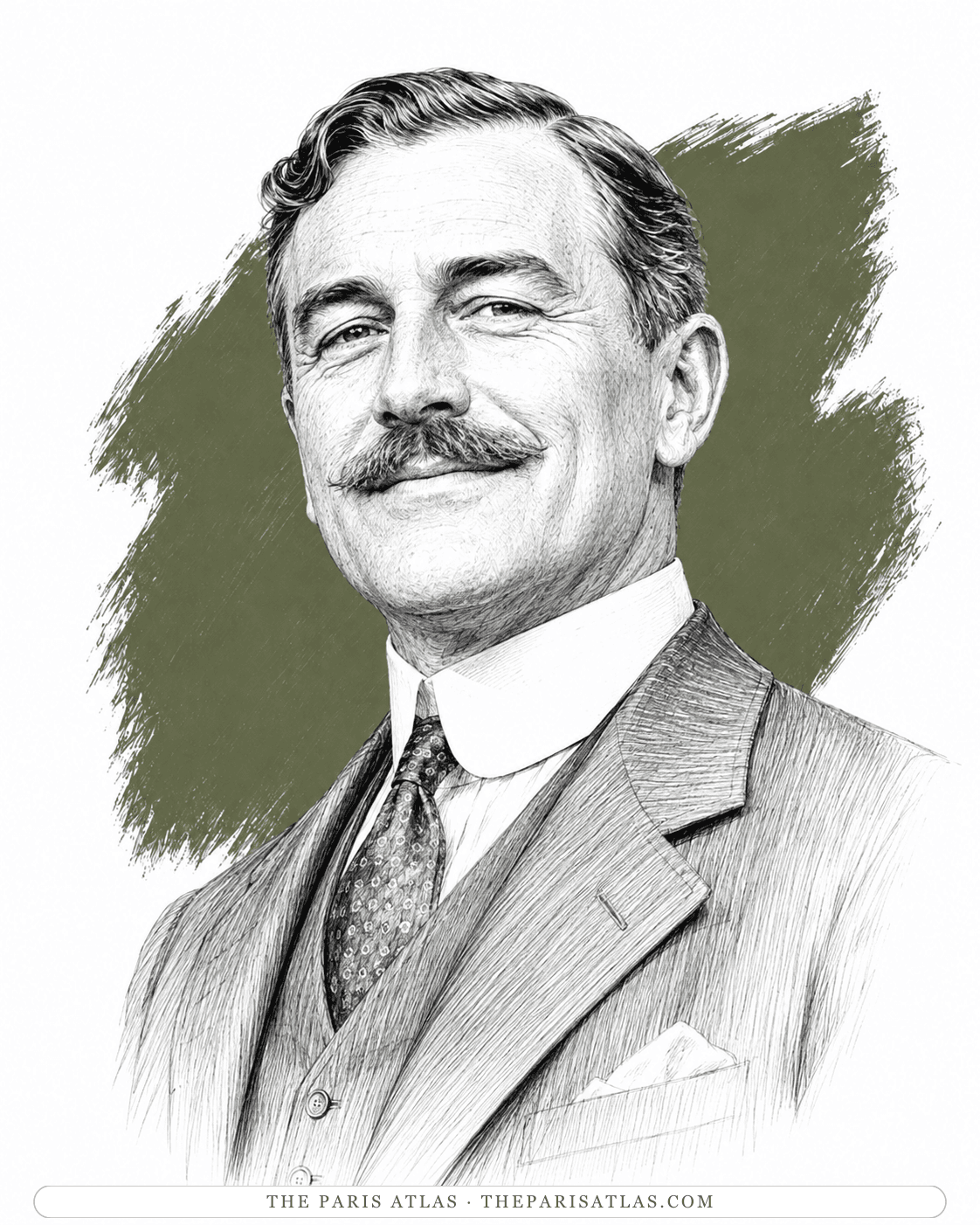
A tea-broker, and less of a drunkard than his brother Tom Lackersteen, whose fortunes rose and fell and who was too optimistic to put anything aside in the good years. In the last year of the war he made money and engaged a horde of servants, including a butler. He died of influenza when Elizabeth was twenty.
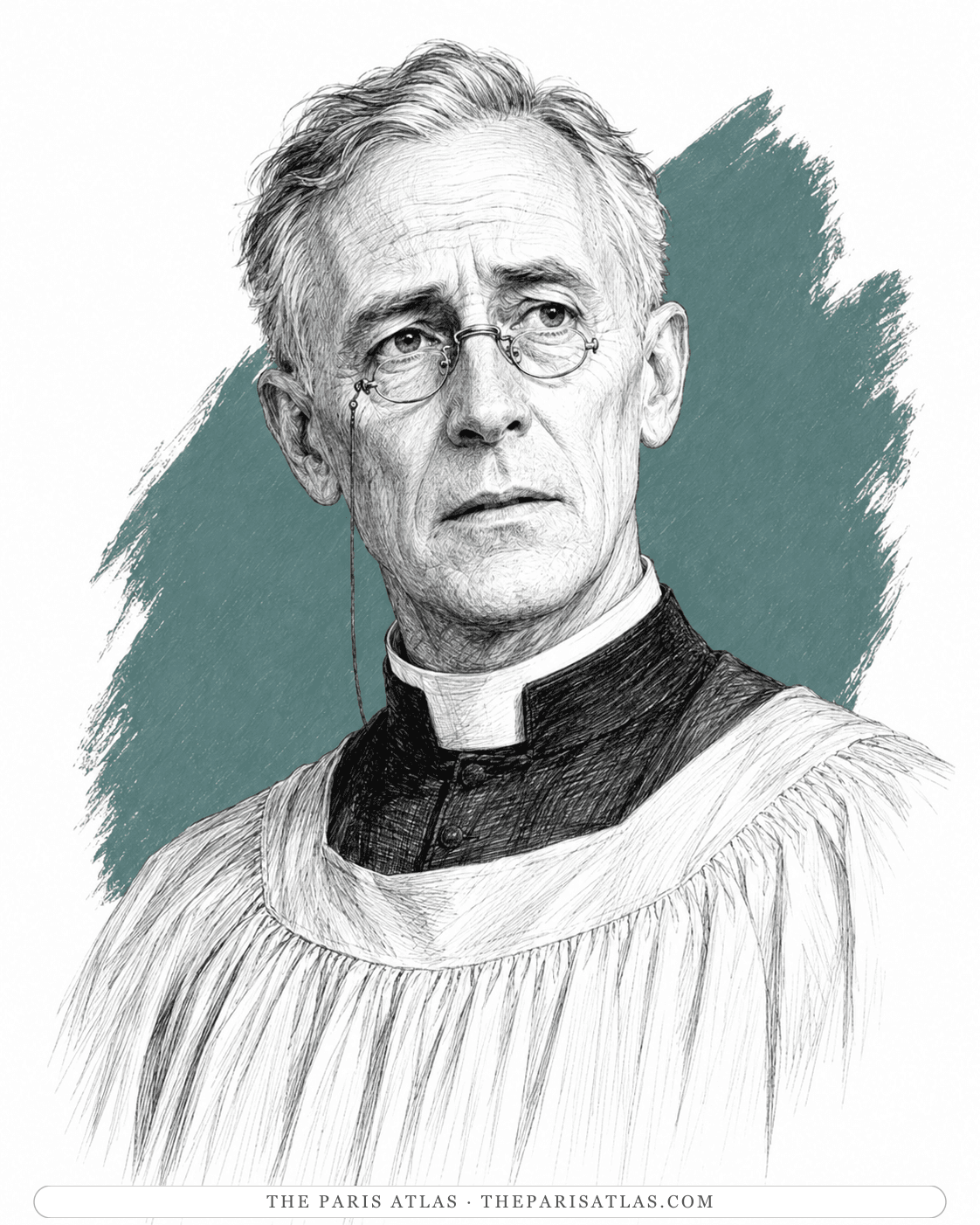
The clergyman who comes to Kyauktada every six weeks to hold a service: a tall man with grey hair, a refined discoloured face and pince-nez, who cannot speak a word of Karen to the Karen Christians who wait for him, or they a word of English to him. He is partway through his sermon when Ma Hla May forces her way in at the church door, and after a moment of shaking his pince-nez in distress at the doorway he gives the only order anyone manages in the scene, then brings the sermon to an end almost at once.
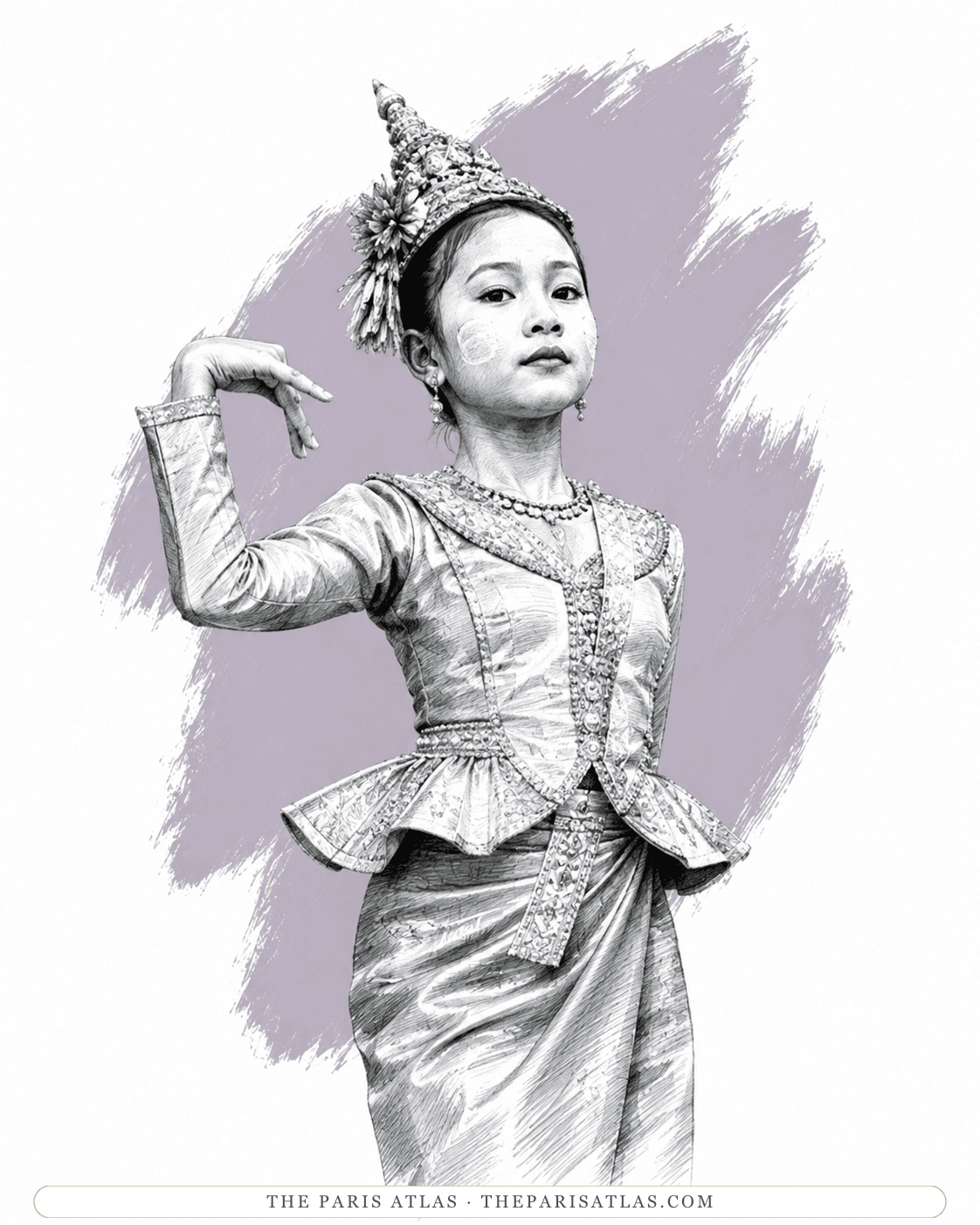
The best dancer in the travelling pwe troupe that performs in the bazaar road, in a pale blue satin longyi that hides her feet, her face powdered so thickly that it gleams in the lamplight like a chalk mask with live eyes behind it. She throws her cigar to a man in the orchestra to begin, sings in a brassy voice, and dances with her hands twisting like snakeheads. Elizabeth Lackersteen leaves in disgust, and John Flory has to follow her.
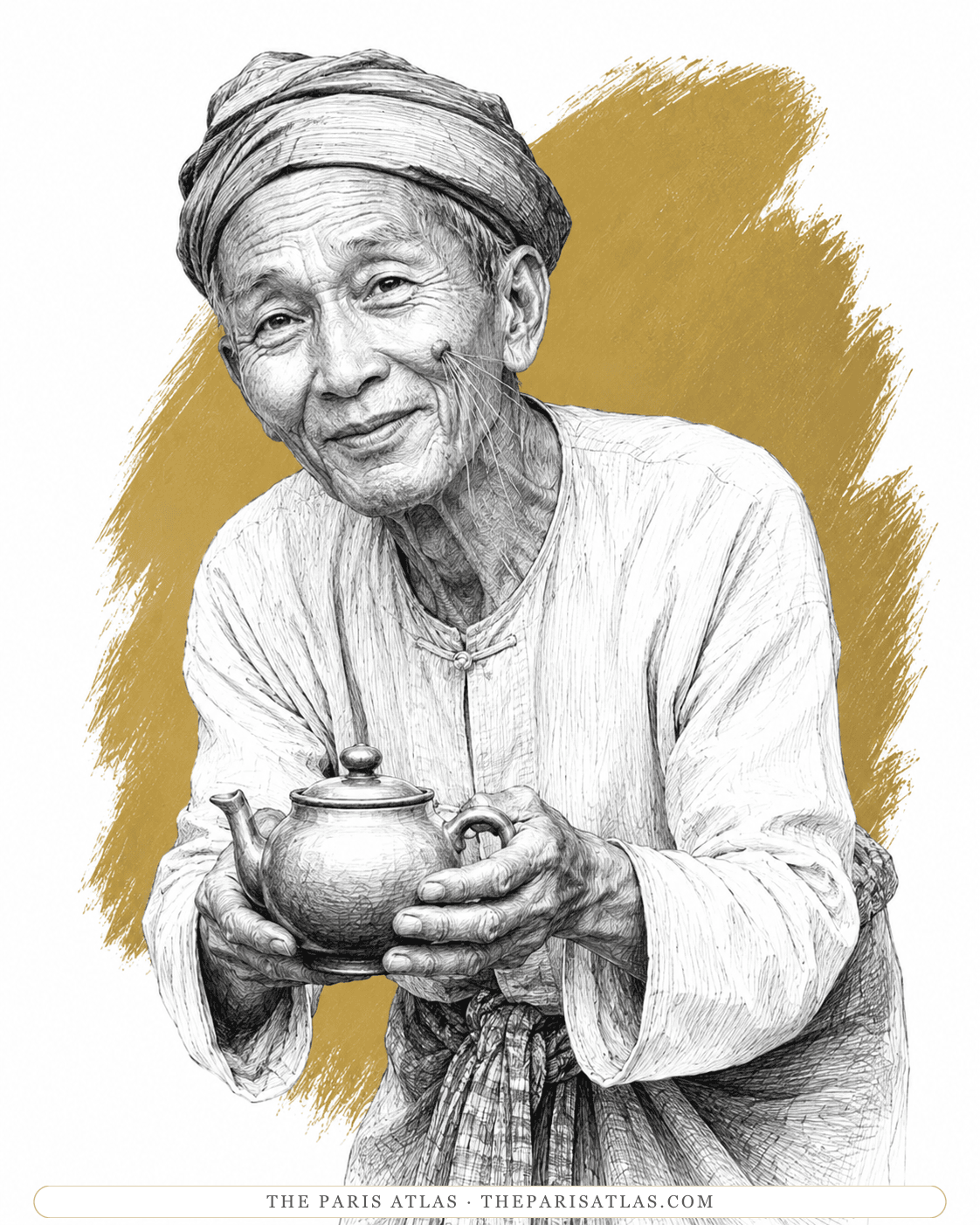
A skinny old gentleman in a magenta paso with a mole on his cheek from which four yard-long grey hairs sprout, who receives John Flory and Elizabeth Lackersteen at the fishing village up the creek where the shooting party lands. He walks ahead of them crouched like an upside-down letter L, cuffs children out of the way, and produces a teapot, a bunch of very long green bananas and six coal-black cheroots. His corrugated iron roof is the pride of his life; he abandoned building a pagoda to pay for it.
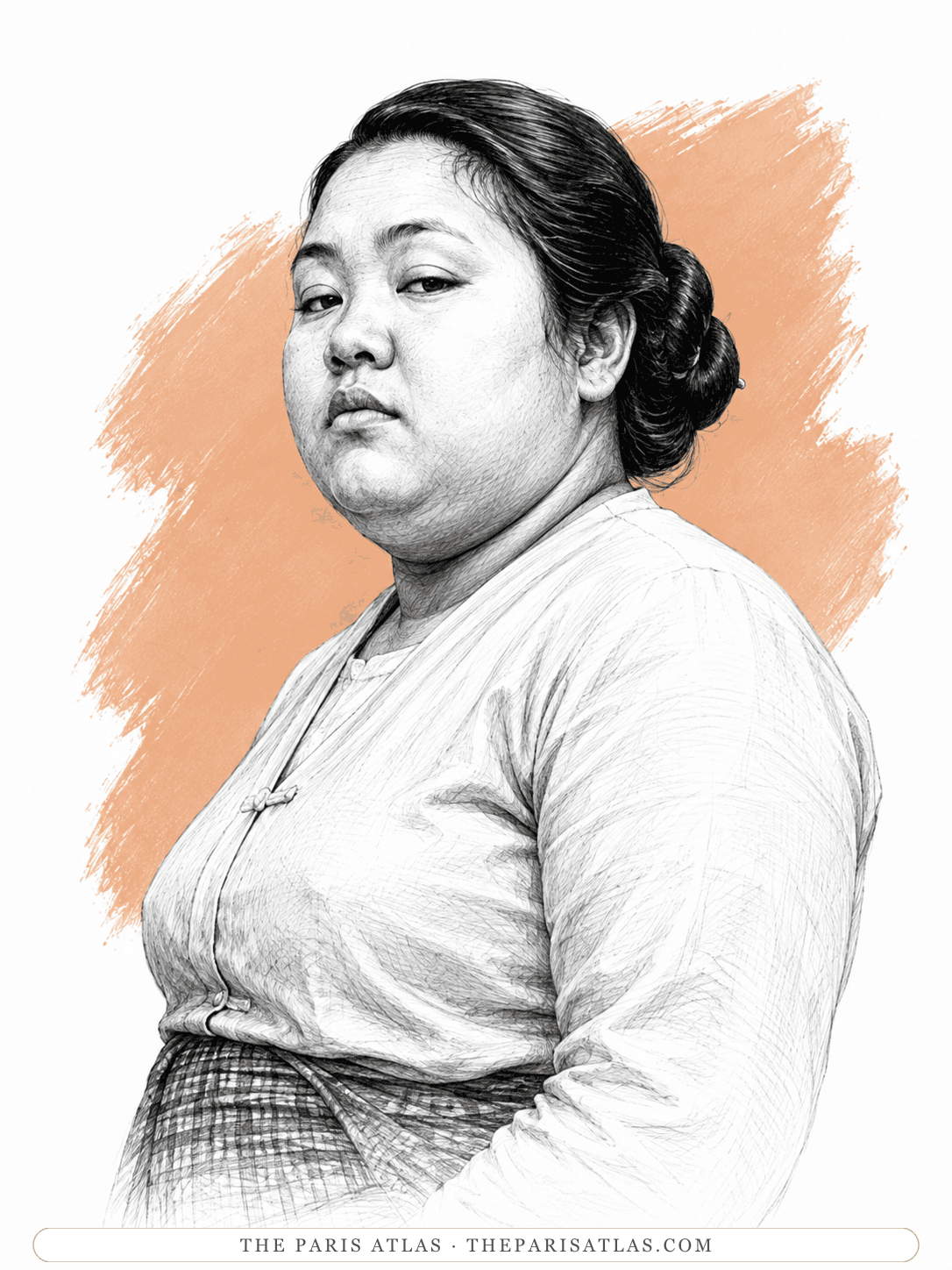
The prostitute Ko S'la engages for ten rupees, on his own responsibility, and installs by John Flory's bed on the night Flory drinks three-quarters of a bottle of whisky and has to be carried in unconscious. Flory wakes at midnight with a splitting head to find her fanning him with a wicker fan; she fetches him soda water and puts a wet compress round his forehead. She sells paddy baskets in the bazaar near Li Yeik's shop, is good-tempered about the whole arrangement, and asks whether she should take her clothes off now.
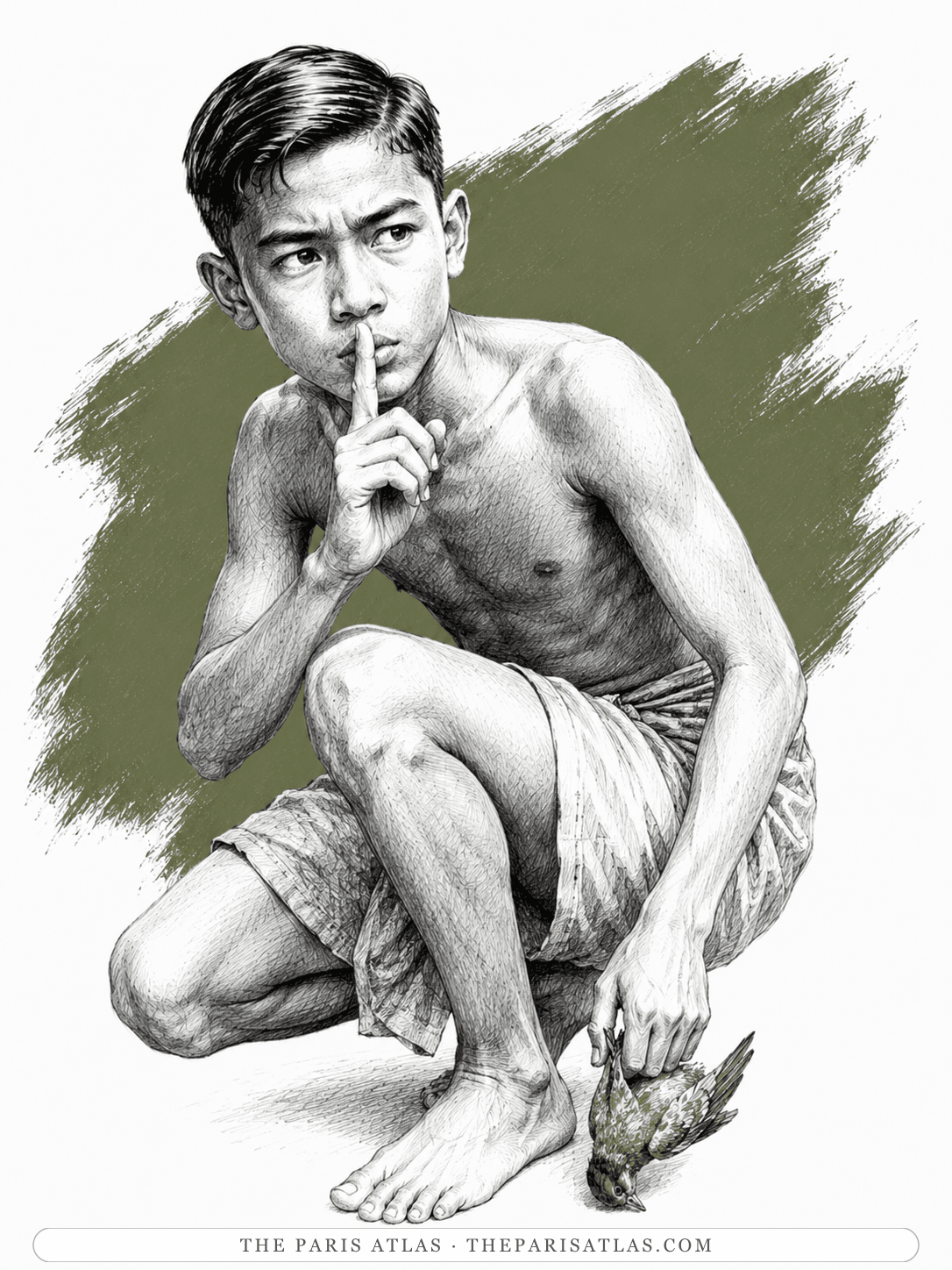
The boy who goes up a creeper after a shot pigeon as easily as a ladder and puts the bird limp and warm into Elizabeth Lackersteen's hand, then leads her and John Flory through a labyrinth of game-tracks after the leopard. He says nothing at all for most of it: he puts a finger to his lips for silence, pushes Elizabeth into cover and pinches her elbow when he hears the animal coming, close enough that she can smell the coconut oil in his hair. When the wounded leopard crashes towards them through the undergrowth, he and the other Burman are the two shouting "Shoot! Shoot!" as they run for the nearest climbable trees.
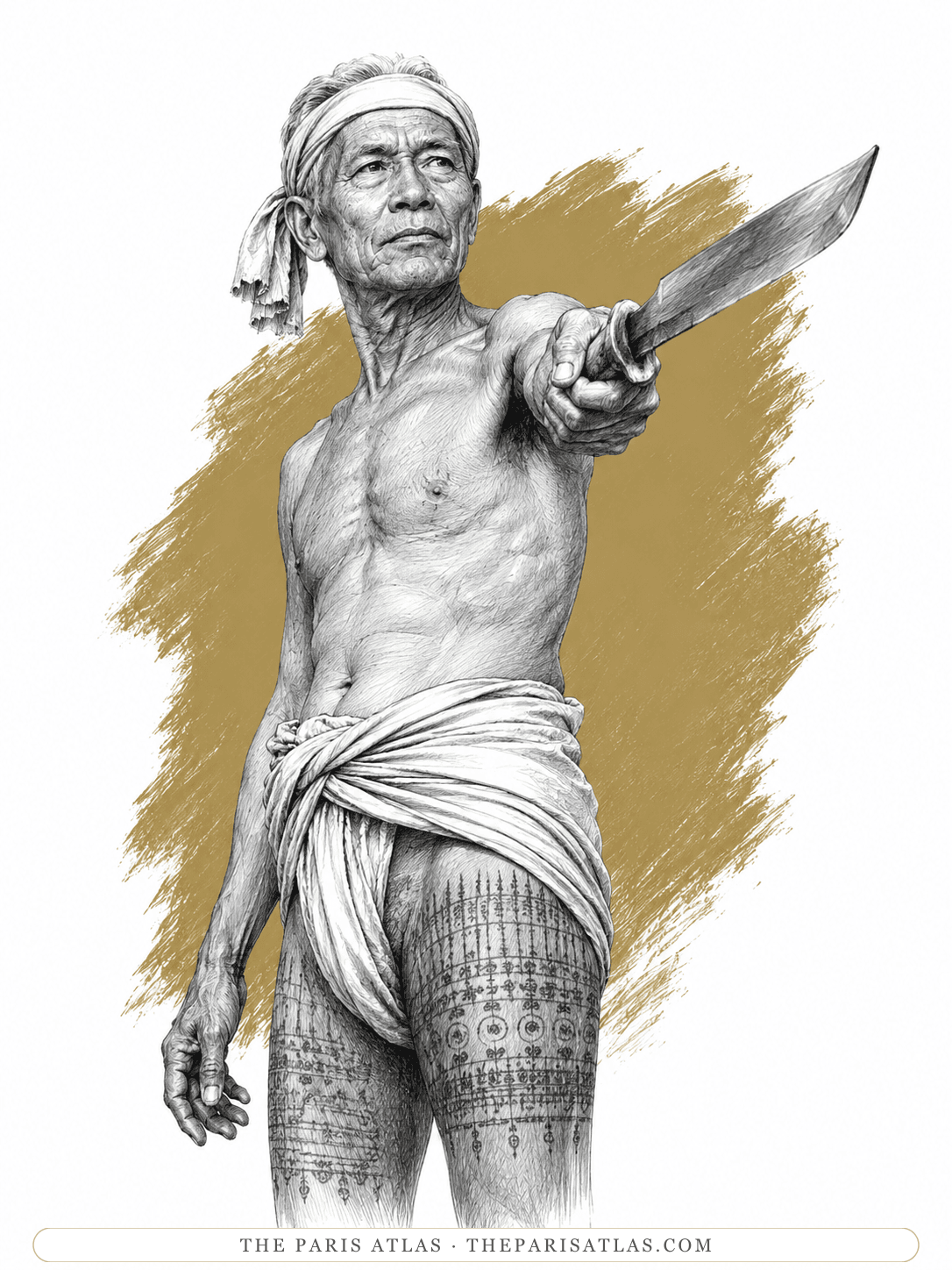
The headman of the beaters on the shooting expedition: a stringy but active old man with grey hair and dark blue tattoo patterns on his thighs, who pours a bottle of cloudy liquid on the ground as a sacrifice before the drive, explains the plan in a cracked voice, and points with his dah to show John Flory and Elizabeth Lackersteen where to stand.
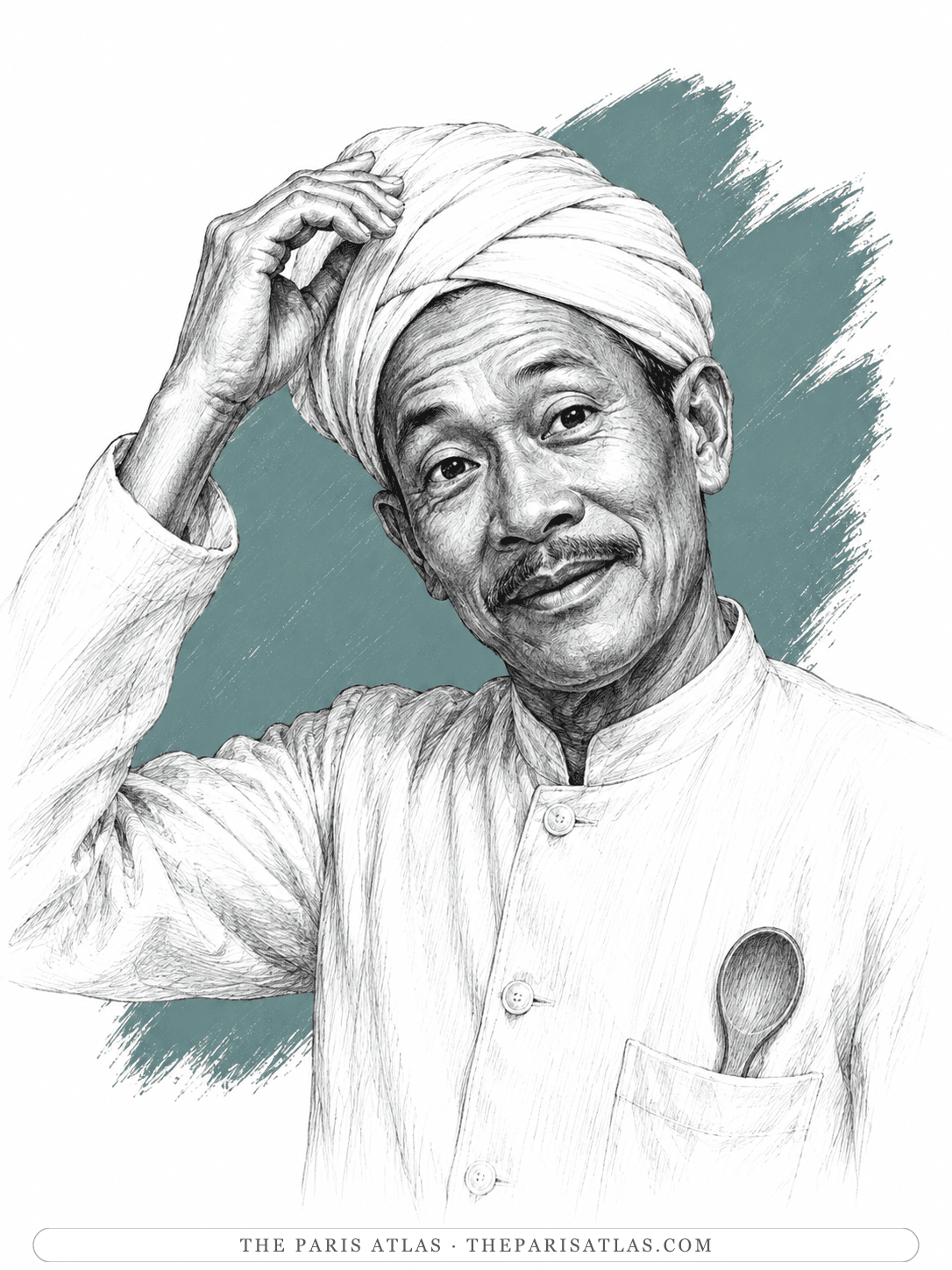
John Flory's cook, caught peeping round a corner at Elizabeth Lackersteen with enormous curiosity and pretending to rearrange his pagri when spotted. He has had many masters, tells the story of one who used to have him held down and beaten, and explains that memsahibs are the real danger because they keep a little red book for the bazaar money. He collapses in a semi-genuine fit to avoid the night march and has to be revived with gin.
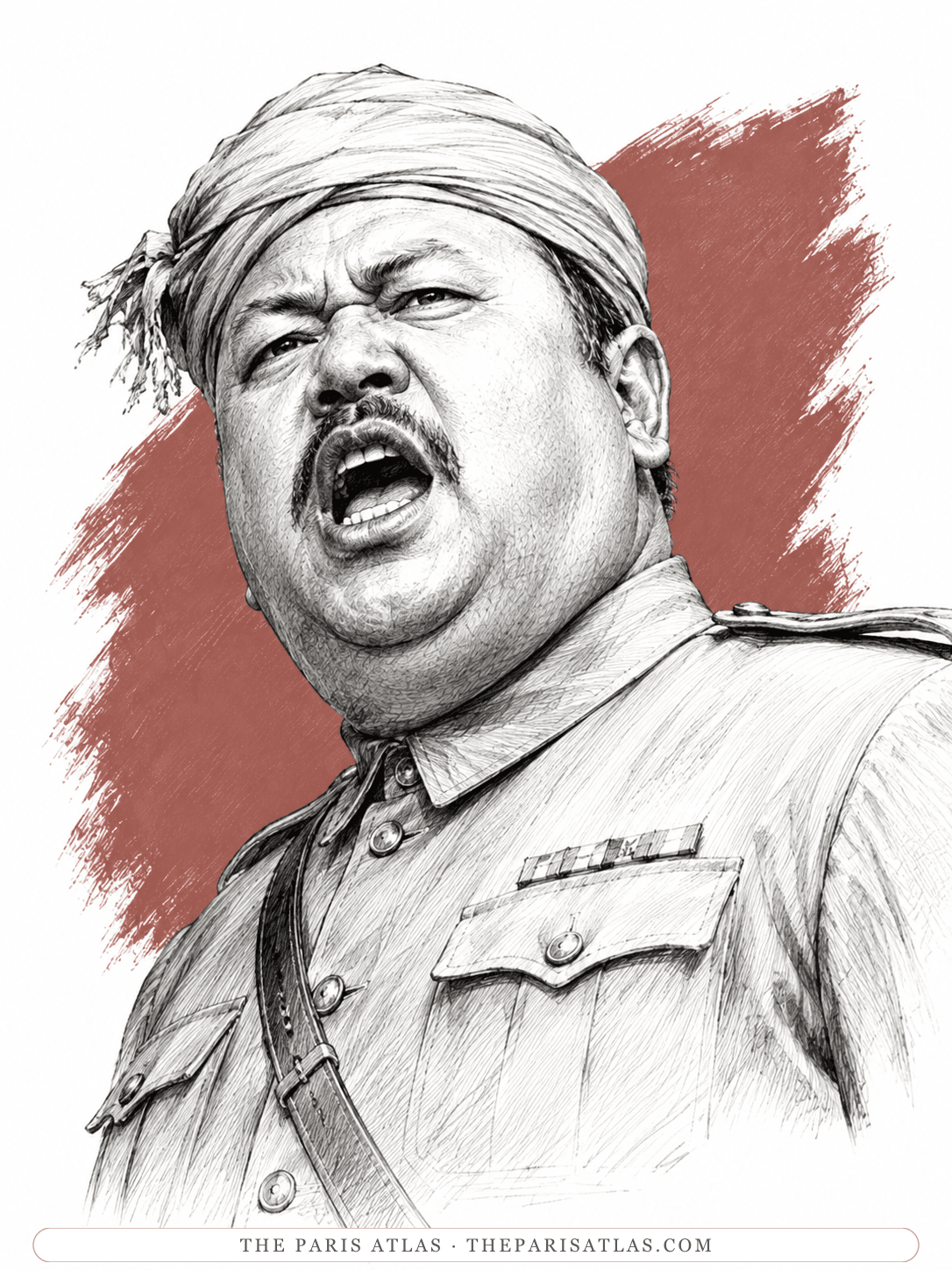
The police officer George Orwell shows interrogating a suspected ring-thief at the station, turning on the man and roaring in an enormous voice that he stole the ring, then bellowing at him to turn round, on an inspiration. Westfield calls him Maung Ba. Orwell later wrote in The Road to Wigan Pier that this was the scene an American missionary walked in on while he was serving in the Burma police.
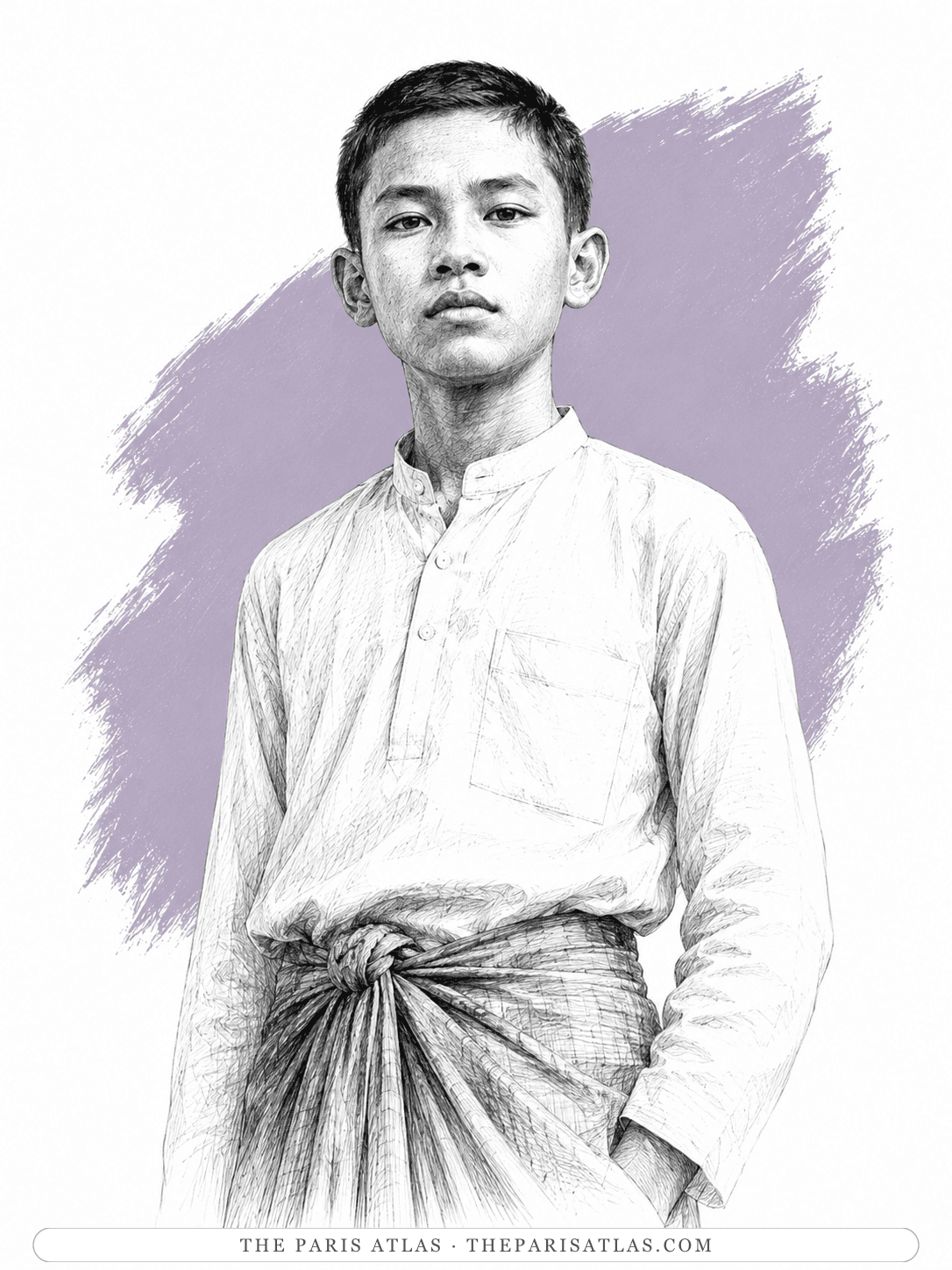
One of a group of schoolboys who jeer at Ellis in the road. He answers a question with three words, and Ellis lashes his cane across the boy's eyes. He recoils screaming that he is blinded, and a Burmese doctor's poultice, applied afterwards, finishes the job. His injury is what brings the crowd to the Club, and the Europeans close ranks around Ellis rather than give him up.
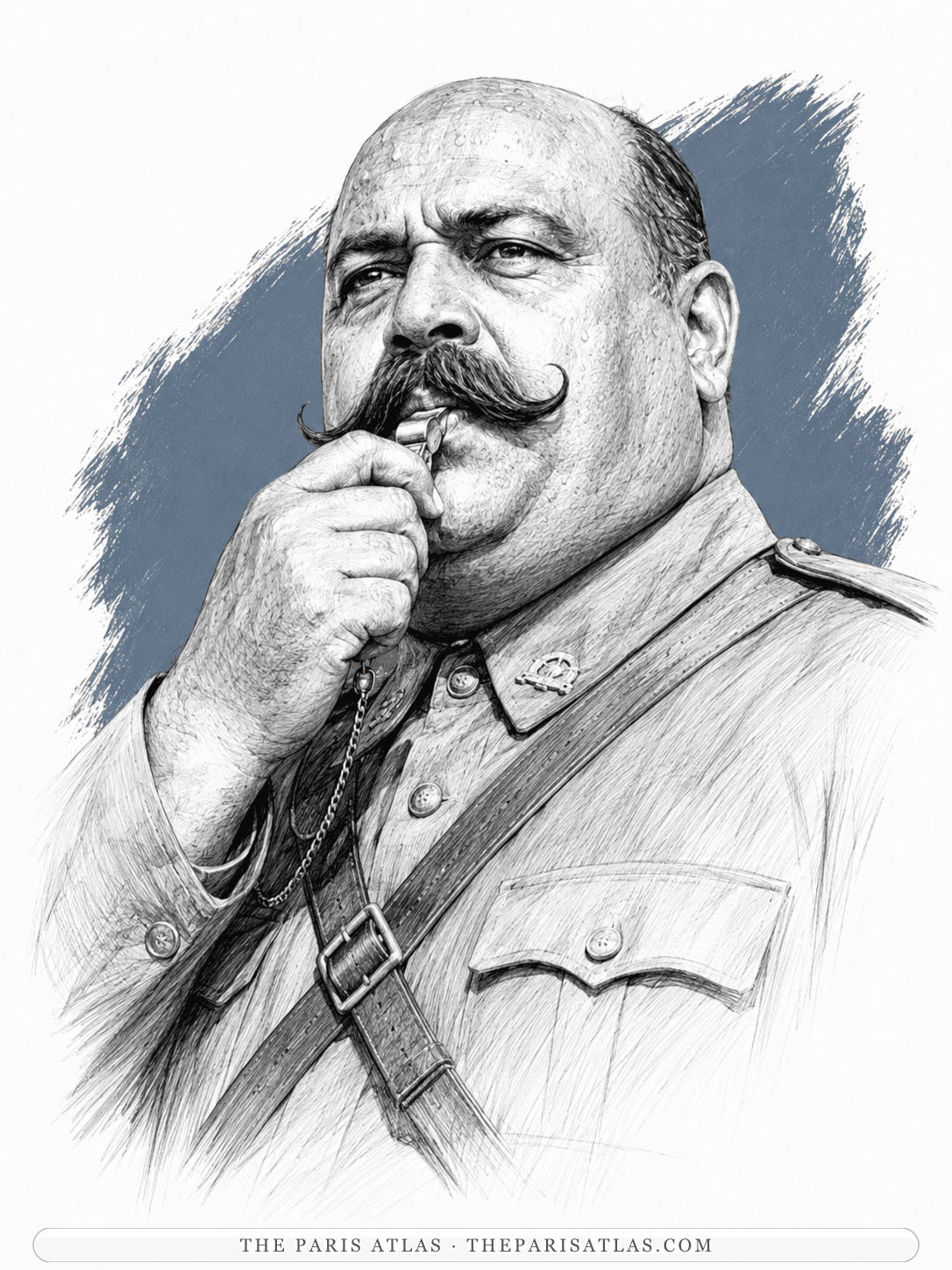
A Rajput, very fat and moustachioed, found in the middle of the riot with his pagri gone and the sweat rolling off his bald crown, throttling a rioter. Asked why his men have not fired, he answers that he has had no order, then blows piercing blasts on his whistle and tells John Flory that the sahib will give the order. Flory does, and disperses the crowd without a shot.
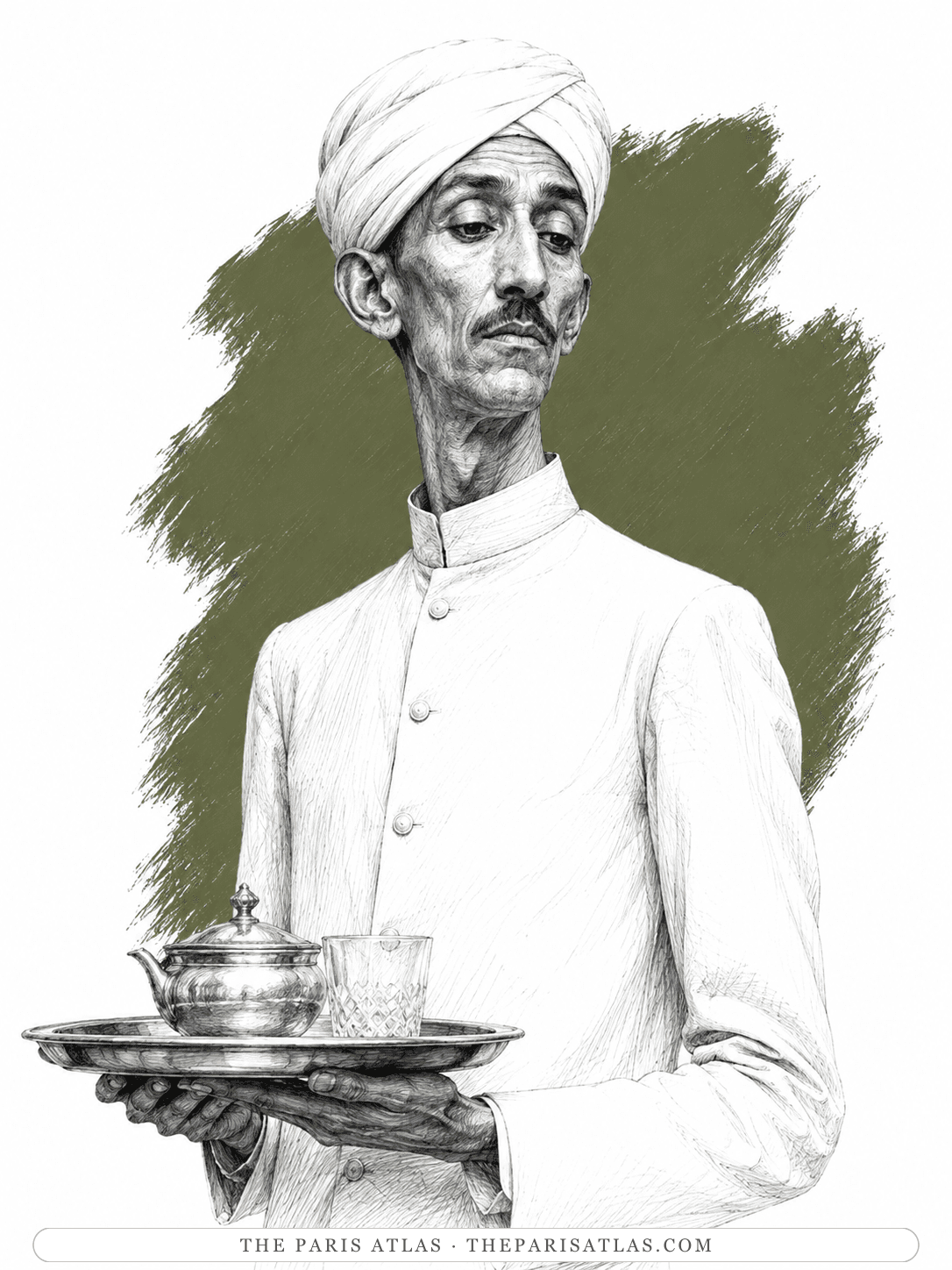
The tall, stork-like Mohammedan butler in white suit and pagri who waits at the Lackersteens' table. He speaks English well, which is why he is the only person in the room who understands both what Elizabeth Lackersteen has just said about Ma Hla May and what it means. His long body stiffens, and he squints down at her with his white eyeballs.
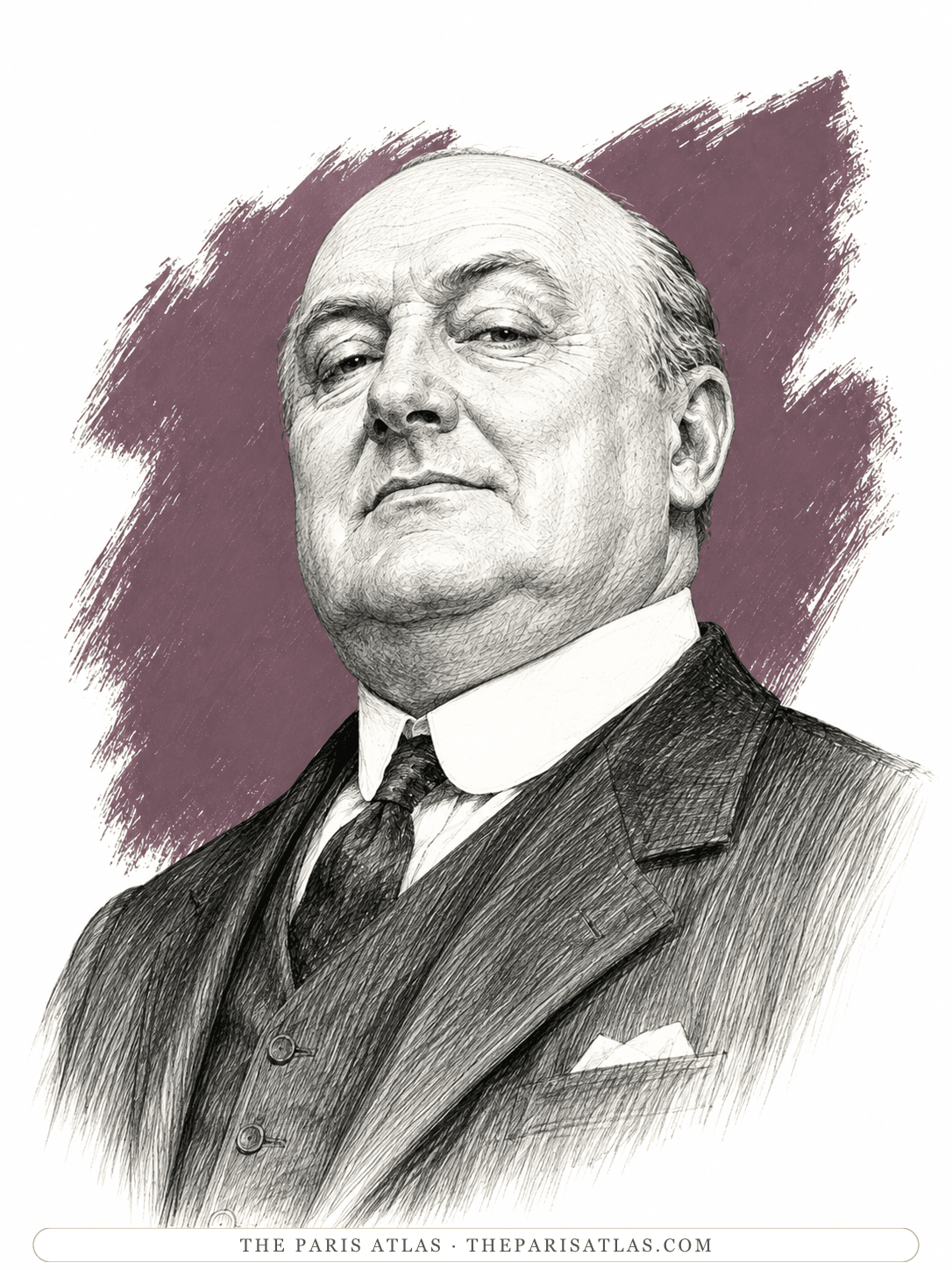
Elizabeth Lackersteen's employer during the Paris year, when she taught English to his family: a man of fifty with a fat worn face and a bald dark-yellow crown that George Orwell compares to an ostrich's egg. His campaign advanced by stages — behind the knee on the fourth day, above it on the fifth — and her evenings went in keeping his hand away from her.
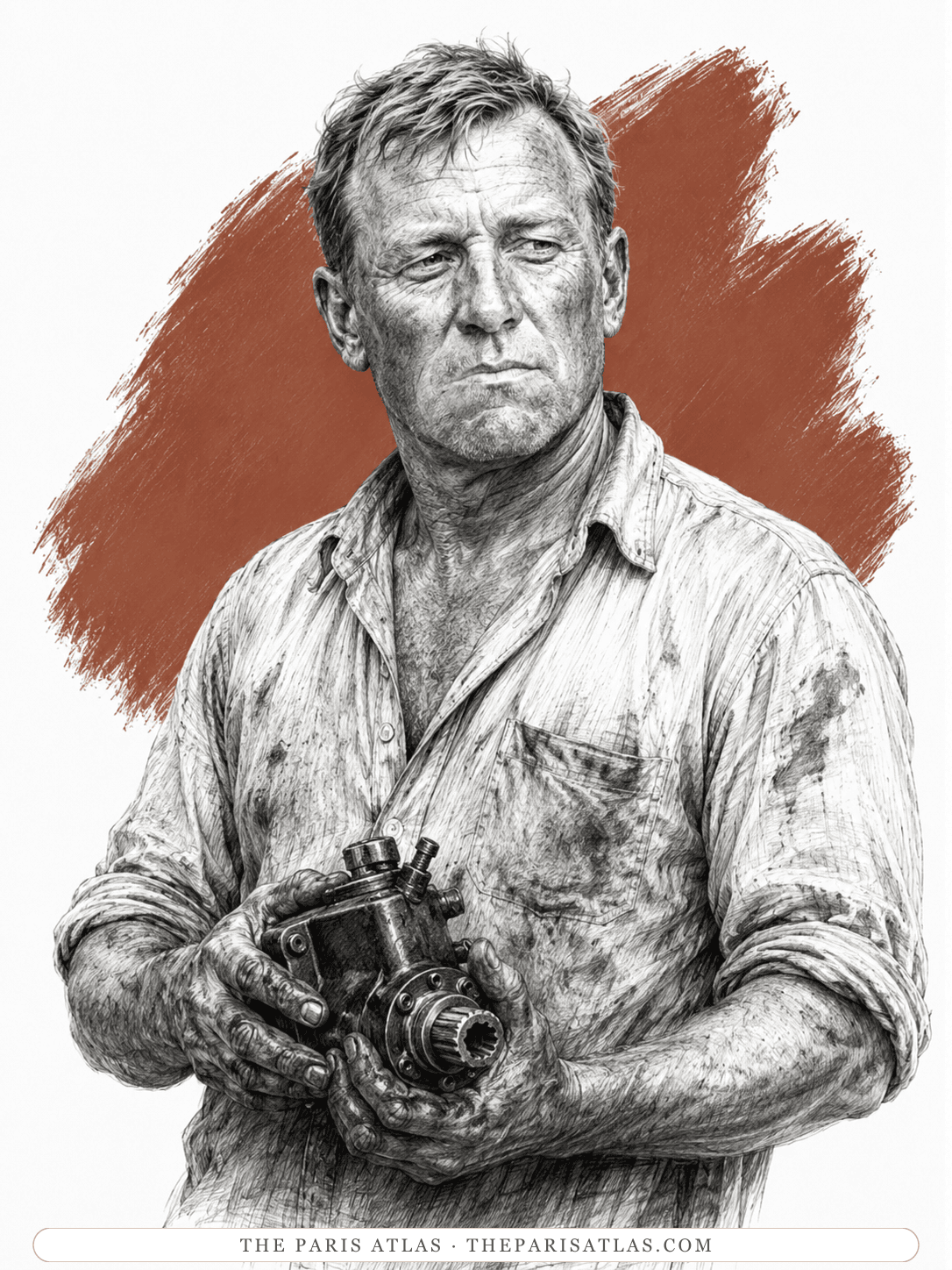
A Glasgow electrician sacked from the Irrawaddy Flotilla Company for drunkenness, now scraping a living out of a garage in Mandalay. He is the single European member of the second-rate club Dr Veraswami joins after he is demoted and transferred there, and the only white man left for the doctor to talk to. He is interested in whisky and magnetos and nothing else, and the doctor tries almost every night to engage him in what he still calls cultured conversation.
1922
Eric Blair, aged nineteen, sails for Burma to join the Indian Imperial Police, and trains at Mandalay.
December 1926
He is posted to Katha in Upper Burma, the railway town on the Irrawaddy that becomes the novel's Kyauktada.
1927
He leaves Burma on home leave after five years' service and resigns rather than return.
25 October 1934
Harper & Brothers publishes Burmese Days in New York, after English publishers decline it for fear of a libel action.
24 June 1935
Victor Gollancz publishes the British edition, with names and details altered. Orwell afterwards regarded the American text as the true one.

The next thing he published, and the other half of the same decision: he left the Burma police in 1927 and was washing dishes in Paris by 1929.
Read our take
Fifteen years apart, and both about what holding power does to the person holding it. U Po Kyin and O'Brien are the same study at different scales.
Read our take
Empire from inside the club, then revolution from inside the militia. Orwell is a participant in both, and distrusts his own side in both.
Read our takeIt is George Orwell's first novel, about the seven English people who run a small district of British Burma and the Indian doctor and Burmese magistrate who both want the one seat their club has been ordered to open to an Asian member. The English central character, John Flory, is a teak-company man who privately hates the Empire he works for and has never said so out loud.
Harper & Brothers published it in New York on 25 October 1934, and Victor Gollancz published the British edition on 24 June 1935. It was Orwell's first novel and his second book, after Down and Out in Paris and London.
Because English publishers were afraid of a libel action. Gollancz, Jonathan Cape and William Heinemann all declined it on the grounds that officials in Burma might recognise themselves. Gollancz agreed to publish in 1935 once Orwell had satisfied him the characters were invented, which meant altering names and details — changes Orwell disliked, and after which he treated the American text as the real one.
It comes out of his job rather than his biography. Eric Blair — Orwell's real name — served five years in the Indian Imperial Police in Burma, from 1922 to 1927, and was posted to Katha in Upper Burma from December 1926. Kyauktada, the novel's district town, is modelled on Katha. The characters are invented, and Orwell had to demonstrate as much before the book could be published in Britain.
Yes, heavily and throughout, in the narration as well as in the dialogue. The English club's racism is the novel's explicit subject: the club's proudest boast is that it has never admitted an Asian member, and the plot turns on an order to elect one. Orwell reproduces the vocabulary of the men who used it rather than reporting it at a distance.
U Po Kyin is the Sub-divisional Magistrate of Kyauktada and the novel's antagonist — a corrupt official who takes bribes from both sides of a case and then decides it correctly, plans to atone for his life by building pagodas, and sets out to destroy the Indian Civil Surgeon, Dr Veraswami, so that he can take the club seat himself.
Explore authors with a similar voice, perspective, and influence.

The Brooklyn dropout who arrived in Paris broke at thirty-eight and wrote the exuberant, banned books that ended American censorship.
View author
The doctor of the Paris slums who wrote the century's blackest, funniest novel — and changed the sound of French prose.
View author
French writer and philosopher whose novels, memoirs, and social analysis examined freedom, gender, responsibility, aging, and the material conditions that shape a life.
View authorThe sources below include the primary text, editions, scholarship, archival materials, and other records that informed this page. They document Burmese Days, its publication, and its place in literary history.


Project Gutenberg Australia transcription, first posted June 2015 and updated November 2015. Chapter III was read in full, with selected chapter II club passages and the chapter XXI nomination exchange. These support readings of private dissent and racial gatekeeping, not a collation of the differing 1934 and 1935 editions. Flory's public nomination in XXI also qualifies any absolute claim that he never speaks up; existing copy remains unchanged.
A work-specific source used for Burmese Days's publication history, textual context, or critical reception.
Used for independent biographical, archival, or historical context surrounding George Orwell's career and the period in which Burmese Days appeared.

Used to cross-check authorship, chronology, and the work's place in George Orwell's wider catalogue.
Used to verify George Orwell's bibliography and place Burmese Days within the broader chronology of George Orwell's career.
The primary text is the baseline reference for every book page. Additional references document publication history, interpretation, and historical context where that evidence is available.
 Explore more resources