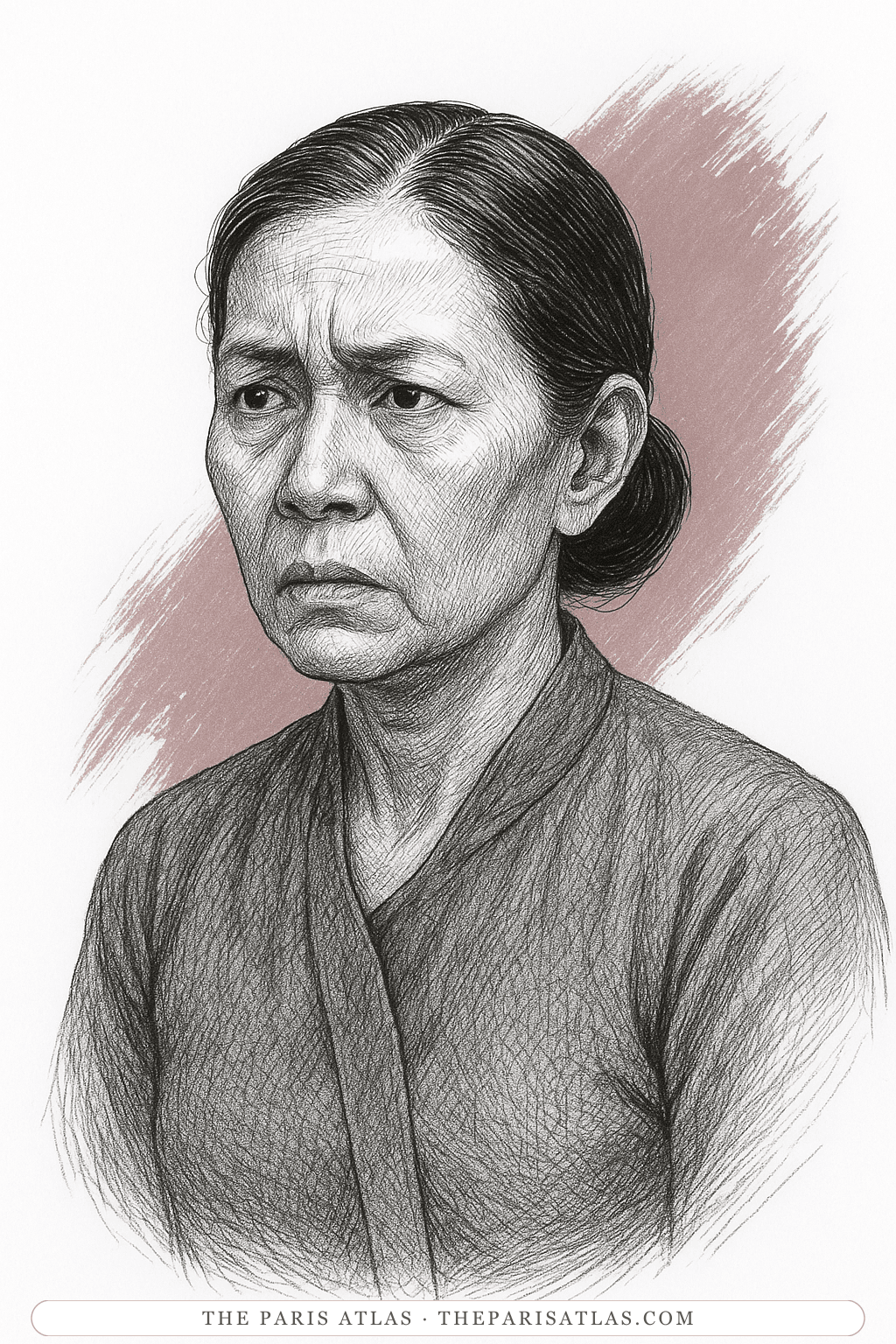
Ma Kin
U Po Kyin's wife: a thin woman of five and forty who has been the confidante of his intrigues for twenty years and tells him, without effect, that he has done very much evil in his life.
Merit, for both of them, before it is too late. She keeps telling him it is never too soon to acquire it, and reminds him that he is not going to live a thousand years.
The book

At a glance
- U Po Kyin's wife
- Five and forty
- More than twenty years; the confidante of all his intrigues
- Devout; prays nightly to the pagoda above the town
- Chapters 1, 12 and 22, and at the durbar in the last chapter
Who they are in the book
Spoiler-freeMa Kin is a thin woman of five and forty with a kindly, pale brown face, who serves her husband his breakfast standing behind his chair and is taken no notice of while he eats. She is simple and old-fashioned and has learned even less of European habits than he has; she cannot sit on a chair without discomfort, goes to the bazaar every morning with a basket on her head like a village woman, and kneels in the garden in the evenings to pray to the white spire of the pagoda that crowns the town.
She is the one person in U Po Kyin's circle who is not afraid of him, which is why he tells her things. Her objections are moral and entirely unavailing. She asks what good the money has done him and says they were happier when they were poor; she remembers the pride of their first house, the wicker furniture and the fountain-pen with the gold clip, and the honour of a young English police officer sitting in the best chair and drinking a bottle of beer. She recommends buying live fish and setting them free in the river, and feeding the two hungry new priests at the monastery — declining to feed them herself so that her husband can have the merit.
When he finally explains the plan against Dr Veraswami she calls it a base, evil plan and wonders that he is not ashamed to tell her. When he explains that he has raised the rebellion himself she drops her cigar. She recites to him what a priest once told her about hell, translated from the Pali: once in a thousand centuries two red-hot spears will meet in your heart, and you will say to yourself that another thousand centuries of torment are ended and there is as much to come as there has been before.
And then he tells her what it is really for, and she is silenced. The European Club, and herself sitting on a high chair in it with her feet in silk stockings and shoes, talking to English ladies in Hindustani about baby-linen. For the first time in her life she surveys her husband's intrigues without disapproval. Orwell's line on the moment is the sharpest thing said about the club in the book: to have planted a grain of ambition in Ma Kin's gentle heart was perhaps a feat greater even than storming it.
How Ma Kin Is Portrayed
- The matShe sits on it in the corner stitching an ingyi, or smoking slender white cigars, while he paces the room boasting. The room is furnished 'Ingaleik fashion' with a veneered sideboard, lithographs of the Royal Family and a fire extinguisher, and she is proud to own English chairs she has never sat in.
- How she looksA thin woman of five and forty with a kindly, pale brown face, sitting on the floor beside a husband who cannot get out of a chair unaided. When she disapproves of something she bends her head over her sewing, or turns one thin shoulder on him and relights her cigar.
- The fishHer standing proposal for acquiring merit: buy live fish and set them free in the river. Her other is feeding the priests, and she deliberately gives them nothing herself so that the merit will be his.
- 'You have done very much evil in your life'Said to his face, twice, in the first chapter and the last third. He waves a hand and answers that his pagodas will atone for everything and there is plenty of time.
- The two spearsHer account of hell, learned from a priest and translated from the Pali scriptures, offered as an argument against the rebellion. He laughs and makes the careless gesture that means 'pagodas'.
- The motor-carInvited to guess the greatest achievement of his life, she guesses a motor-car and begs not to be made to ride in it. He throws up his hands in disgust and tells her she has the mind of a bazaar peanut-seller.
- What silences herThe club. The magnificence of the project strikes her dumb, and she sits for a long time with her lips parted, thinking of the splendours it might contain.
If you like Burmese Days


If you like George Orwell
Explore authors with a similar voice, perspective, and influence.
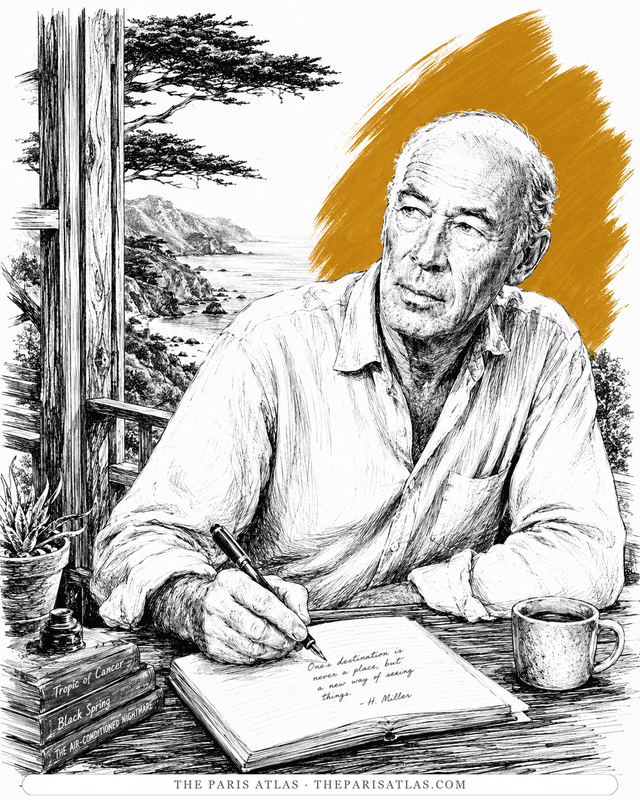
Henry Miller
The Brooklyn dropout who arrived in Paris broke at thirty-eight and wrote the exuberant, banned books that ended American censorship.
View author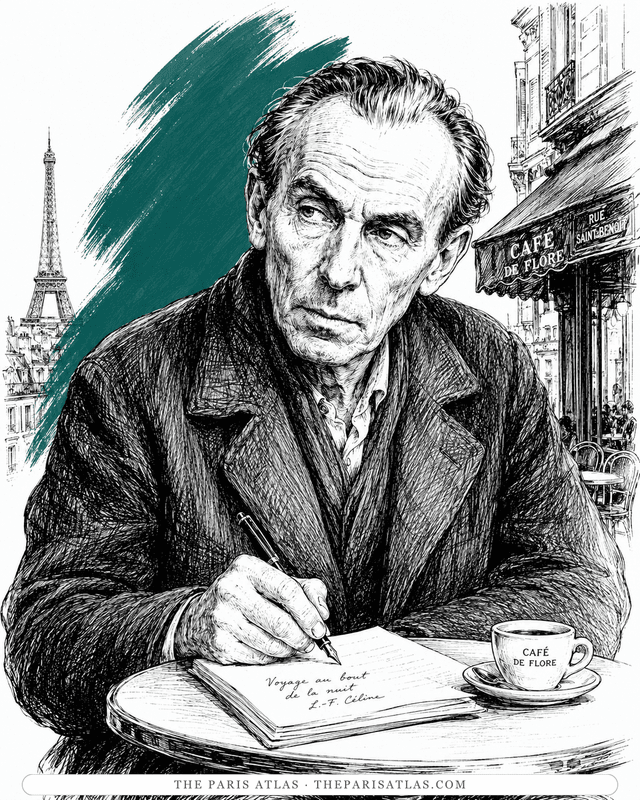
Louis-Ferdinand Céline
The doctor of the Paris slums who wrote the century's blackest, funniest novel — and changed the sound of French prose.
View author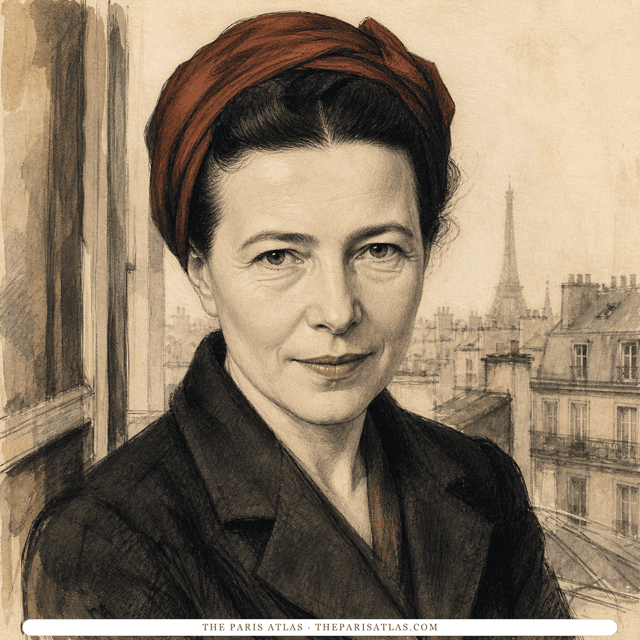
Simone de Beauvoir
French writer and philosopher whose novels, memoirs, and social analysis examined freedom, gender, responsibility, aging, and the material conditions that shape a life.
View author