Li Yeik
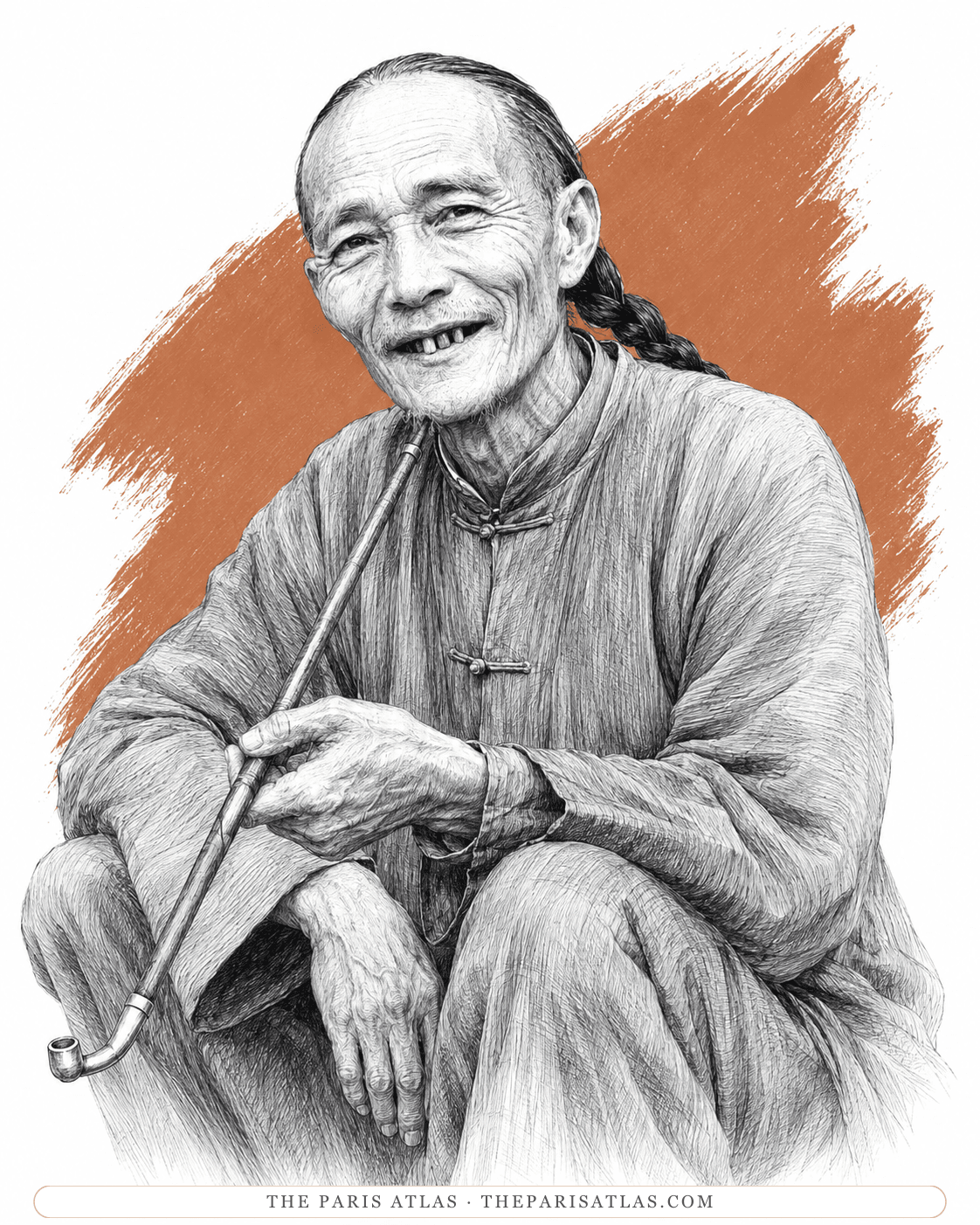
The Chinese grocer and illicit pawnbroker of the bazaar, old and bent-kneed and wearing a pigtail, with a chinless face all cheekbones that George Orwell likens to a benevolent skull. He gives John Flory and Elizabeth Lackersteen tea, chocolates and two fans, and the visit ends in a disaster nobody intended.
To please his guests. He fetches the tea himself, stands watching to see whether they drink it, and Flory says afterwards that he would hate to think he had given offence.
The book

At a glance
- Grocer in the Kyauktada bazaar, and a pawnbroker without a licence
- Old and bent-kneed, dressed in blue, wearing a pigtail
- Two Chinese women and a girl rolling cigarettes; two Burmese sisters who are or have been his concubines; a small child
- A friend, and the person he takes Elizabeth Lackersteen to see when the bazaar becomes too much for her
- Chapter 11, with mentions in chapters 9, 14 and 19
Who they are in the book
Spoiler-freeLi Yeik keeps a grocery at the far end of the bazaar in Kyauktada and lends money on pawned goods without a licence. John Flory, the English timber merchant who is the novel's central character, is a friend of his. In chapter 11 Flory brings Elizabeth Lackersteen, the young Englishwoman newly arrived from Paris to stay with her uncle and aunt, into the shop to get her out of the heat and the smell of the market. She had wanted to go straight back to the European Club, and what changes her mind is the shop-front, piled with Lancashire cotton shirts and very cheap German clocks.
Inside there is no counter. Li Yeik sits smoking among his baskets of stock, under long strips of red paper lettered in black, beside a small altar holding a portrait of two serene figures in embroidered robes and two smouldering sticks of incense. The air smells faintly and sweetly of opium. He is old and bent-kneed, dressed in blue, and wears a pigtail, which Flory calls an anachronism.
He hobbles forward the moment he sees who has come in, and then hobbles to the back of the shop to call for refreshments. He returns with two Burmese sisters carrying two chairs between them and a blue teapot holding half a gallon of green tea he imports from China with orange blossom in it. One girl fans the visitors, the other kneels and pours. He prises the lid off a tin of chocolates, smiling in a fatherly way, and stands holding a pipe two feet long with a metal bowl the size of an acorn, watching to see whether the Europeans enjoy his tea. Elizabeth takes a chocolate and cannot bring herself to say thank you.
The visit collapses without anybody intending it. A small naked child crawls over to the visitors, examines their shoes and stockings, looks up at their white faces, takes fright and urinates on the floor. Nobody in the household had been paying it any attention, because the incident is too ordinary to notice, and Elizabeth is out of the shop within a moment calling the whole family disgusting. Flory follows her, leaving Li Yeik and the others looking after them in dismay. His apology afterwards is made to her rather than to his host: Li Yeik is a decent old chap, he says, and would hate to think he had given offence.
Orwell's narration describes Li Yeik in the racial vocabulary of 1934, giving his complexion as a colour and rendering his accented Burmese as a noise rather than reporting what he says. The pigtail, the bent knees, the cheekbones, the three blackened teeth and the long pipe carry the portrait without any of that.
How Li Yeik Is Portrayed
- How the book draws himAn old man with bent knees, dressed in blue, wearing a pigtail, with a chinless face that is all cheekbones. Orwell's image for it is a benevolent skull. He hobbles twice in the space of a page, once eagerly forward when he recognizes Flory and once to the back of the shop to order the tea.
- Three teethHe prises the lid off a tin of chocolates, smiling in a fatherly way, and the smile shows three long teeth blackened by tobacco.
- The pipeTwo feet long, with a metal bowl the size of an acorn. He stands holding it while his visitors drink, watching to see whether they like the tea.
- A shop with no counterHe sits and smokes among the baskets of stock. Red paper strips lettered in black on the walls, a small altar with a portrait of two figures in embroidered robes and two sticks of incense burning in front of it, and a cool sweetish smell of opium. The frontage is stacked with Lancashire cotton shirts and German clocks.
- The teaGreen, brought from China, with orange blossom in it, served from a blue teapot holding half a gallon. Flory drinks it and says it is not bad. Elizabeth tastes it once, says it tastes exactly like earth, and does not touch it again.
- How he speaksHe greets Flory in Burmese, a language he has plainly learned late and speaks with a heavy accent. The narration gives the sound of it dismissively instead of reporting the words, which is the book's framing rather than anything he does.
- "Ch!"One of the Burmese girls asks Flory whether the English lady is wearing stays, which both girls have been curious about all their lives. Li Yeik silences her with a click of the tongue and a nudge of his toe.
- The pawnbrokerHe lends money against pledged goods without a licence, and he will cash a cheque. In chapter 9 Ma Hla May pawns Flory's stolen gold cigarette-case at his house, which hands Flory the pretext he wants for turning her out.
If you like Burmese Days


If you like George Orwell
Explore authors with a similar voice, perspective, and influence.
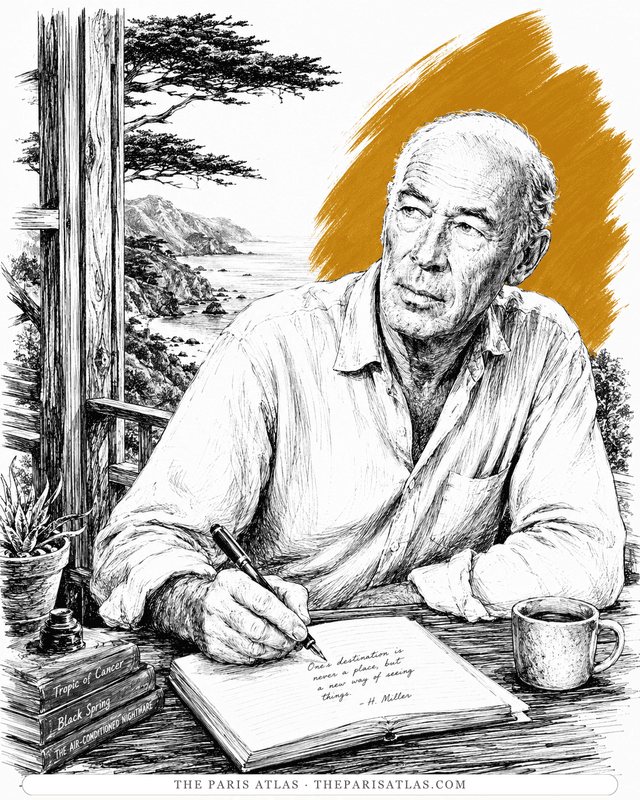
Henry Miller
The Brooklyn dropout who arrived in Paris broke at thirty-eight and wrote the exuberant, banned books that ended American censorship.
View author
Louis-Ferdinand Céline
The doctor of the Paris slums who wrote the century's blackest, funniest novel — and changed the sound of French prose.
View author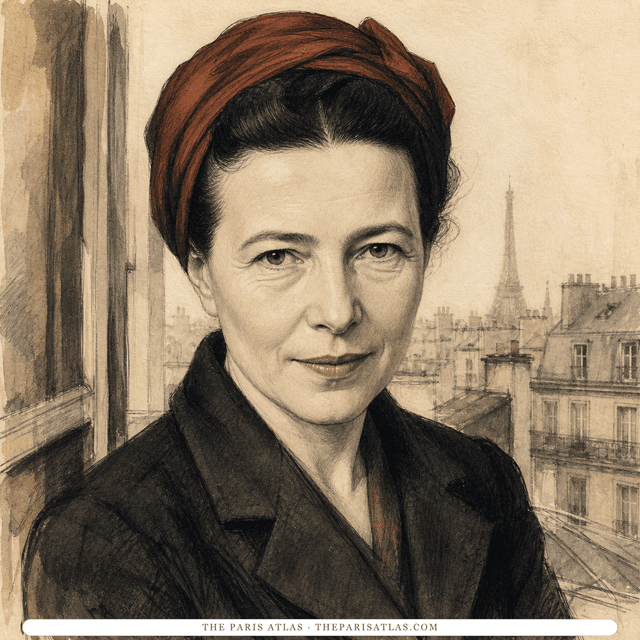
Simone de Beauvoir
French writer and philosopher whose novels, memoirs, and social analysis examined freedom, gender, responsibility, aging, and the material conditions that shape a life.
View author