Maxwell
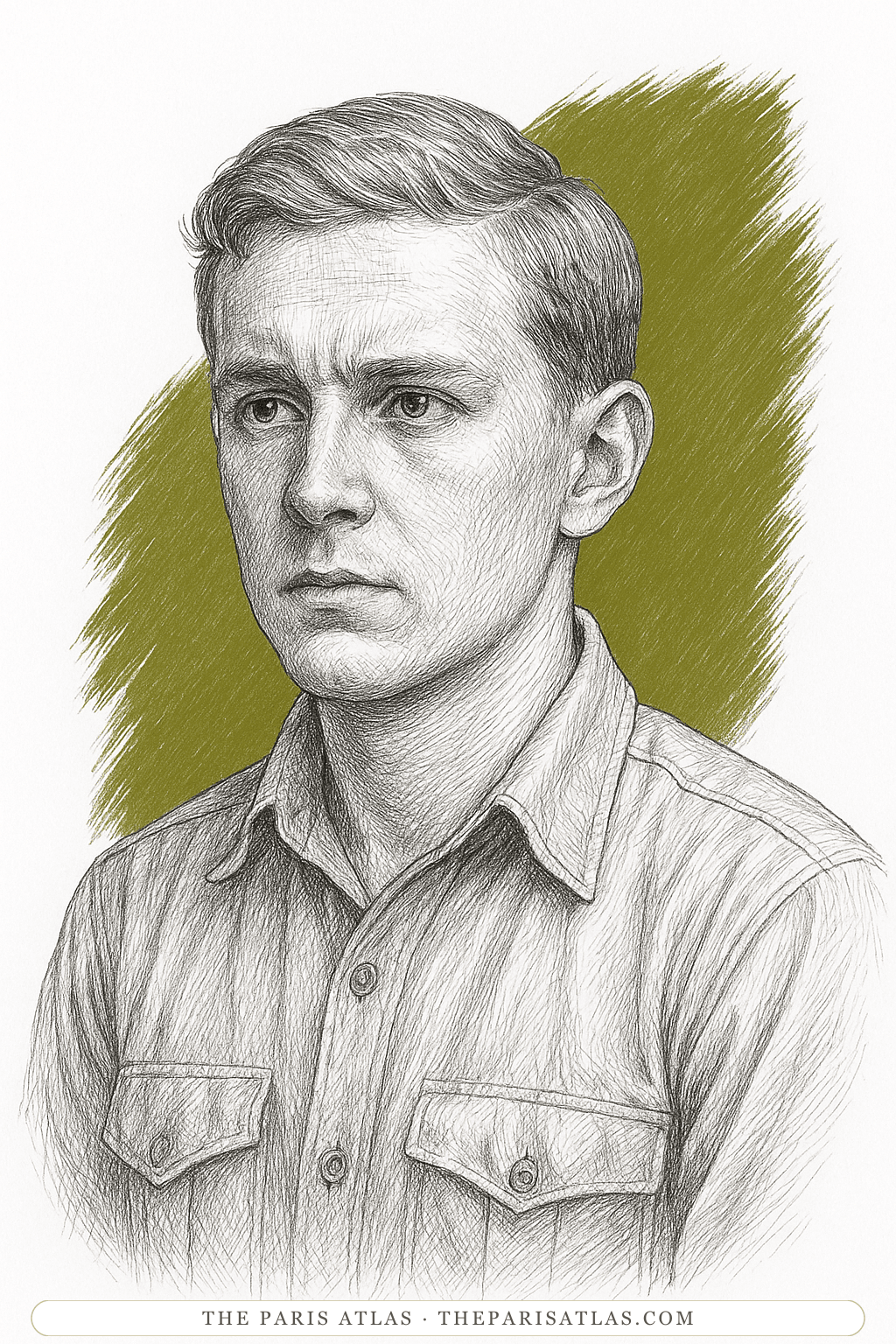
The acting Divisional Forest Officer: a fresh-coloured blond youth of twenty-five or six, very young for the post, silent except for a smutty rhyme now and then. He is the one who fires the shot that turns the fake rebellion real.
To be equal to the job. He holds an acting appointment several years early, keeps to his camp, and is the one European who goes armed towards the rebellion instead of waiting for a report of it.
The book

At a glance
- Acting Divisional Forest Officer, Kyauktada
- Not more than twenty-five or six
- Barely three years
- Chapter 2, then by report from the Thongwa camp
Who they are in the book
Spoiler-freeMaxwell is first seen lying invisible in a long chair at the club, reading the Field, with nothing showing but two large-boned legs and thick downy forearms. He is a fresh-coloured blond youth of not more than twenty-five or six — very young for the post he holds — and with his heavy limbs and thick white eyelashes he reminds one of a cart-horse colt. He is rather a silent young man, and, like other young men, has an affection for a good smutty rhyme.
He spends most of the book off-page, girdling teak in a camp near the village of Thongwa, where the rumoured rebellion is supposed to be brewing. Hearing of it, he comes across with his rifle in time to join U Po Kyin and the police in their raid on a field hut containing seven rebels. Dr Veraswami's account of what followed is careful: Mr Maxwell was, he thinks, too anxious to use his rifle, and when one of the rebels tried to run he fired and shot him in the abdomen, at which he died. Legally, the doctor adds, all is well, because the men were undoubtedly conspiring. The villagers have some bad feeling about it.
He is not mourned. When his death reaches Kyauktada the Europeans are almost mad with rage, but the narration is blunt about why: not because of Maxwell, who had been almost a nonentity — just a good fellow like any other of the ten thousand good fellows of Burma, with no close friends — but because a white man had been killed. Eight hundred people are murdered every year in Burma and matter nothing. Only a servant or two and the Forest Ranger who brought in his body shed any tears.
How Maxwell Is Portrayed
- The first sight of himTwo large-boned legs and thick downy forearms projecting from a long chair, the rest hidden behind the Field. Ellis has to tell him twice to wake up and listen.
- The white eyelashesA fresh-coloured blond of twenty-five or six, heavy through the limbs and not yet finished-looking, with eyelashes so thick and pale they are almost white. Orwell's comparison for the whole effect is a cart-horse colt.
- Ellis's opinion of himIncluded in the general tirade: Maxwell spends his time running after Eurasian girls, and would have married one in Mandalay, Ellis says, if they hadn't transferred him up here.
- The rhymeHis one contribution to club conversation is a limerick about a young lady of Woking, which starts a round of them and briefly makes everyone friendly in spite of the heat.
- At ThongwaHe hears the rumours, brings his rifle across from camp, joins the night raid on the hut, and shoots a fleeing man in the abdomen. Six others are caught. Two of them later get fifteen years' transportation.
- AfterwardsThe rebellion being finished, he goes back to camp unguarded, and sends word that Ellis is to vote for him if there is any voting to be done at the club meeting. Ellis casts his black ball for him.
If you like Burmese Days


If you like George Orwell
Explore authors with a similar voice, perspective, and influence.

Henry Miller
The Brooklyn dropout who arrived in Paris broke at thirty-eight and wrote the exuberant, banned books that ended American censorship.
View author
Louis-Ferdinand Céline
The doctor of the Paris slums who wrote the century's blackest, funniest novel — and changed the sound of French prose.
View author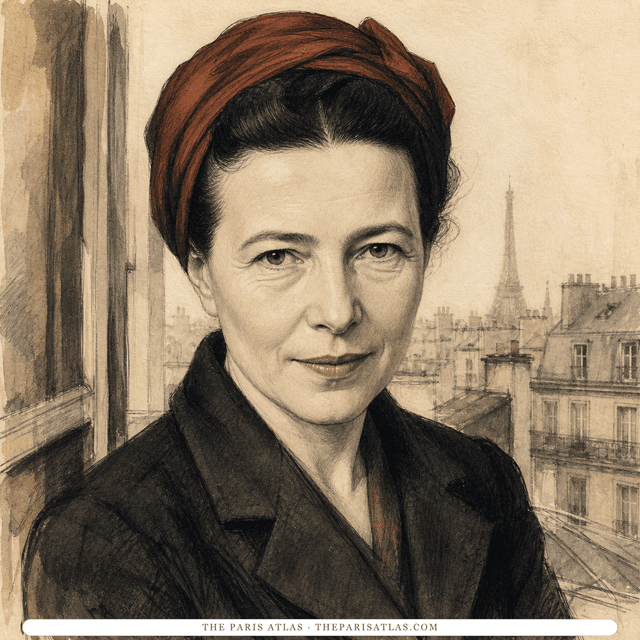
Simone de Beauvoir
French writer and philosopher whose novels, memoirs, and social analysis examined freedom, gender, responsibility, aging, and the material conditions that shape a life.
View author