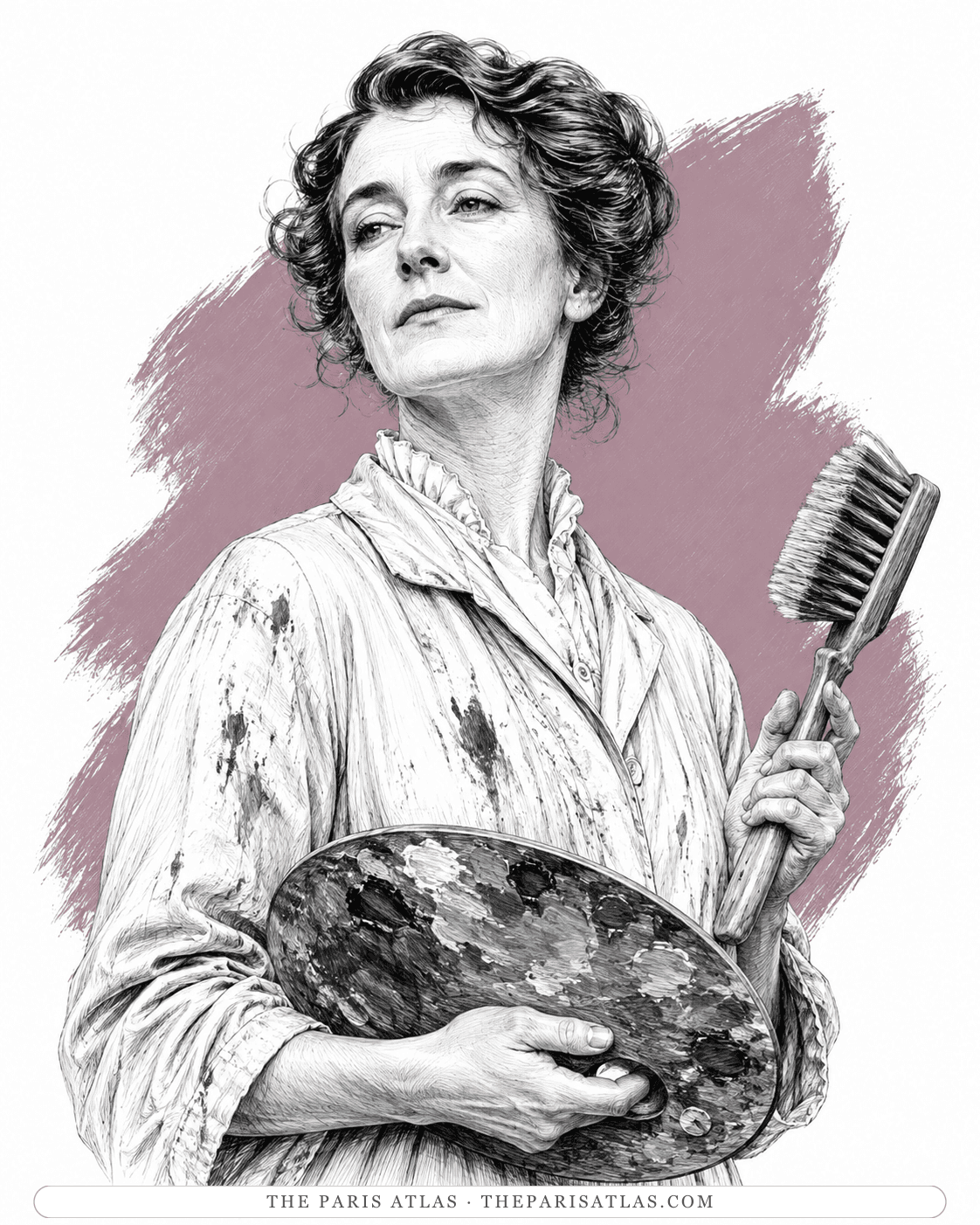
Elizabeth's mother
Elizabeth Lackersteen's mother in England and Paris, and a different woman from Mrs Lackersteen the aunt in Kyauktada. George Orwell calls her incapable, half-baked, vapouring and self-pitying, a woman who took up Women's Suffrage, then Higher Thought, then painting, and used the scrubbing-brush to clean her palette. She died of ptomaine poisoning, and the Paris flat went with her.
To be an artist without doing the work, and to be forgiven for it. She takes up a new cause whenever the last one asks anything of her.
The book

At a glance
- Elizabeth Lackersteen's mother; not the aunt of the same surname
- England, then a studio flat in Paris
- Of ptomaine poisoning, when Elizabeth was about twenty
- Chapter 7
Who they are in the book
Spoiler-freeThe chapter that explains Elizabeth Lackersteen goes back to her mother, and the portrait is merciless. George Orwell describes her as an incapable, half-baked, vapouring, self-pitying woman who took up a series of causes — Women's Suffrage, then Higher Thought — and relapsed after each into squalid, muddling idleness. She was so foolish with money that her husband's fluctuating income never covered the household.
After his death she moved to Paris to be a painter, and the painting was the last enthusiasm. She kept a filthy studio flat and a phrase for it: we are such Bohemians, we artists. Work of any kind produced what Orwell calls a rapt, other-worldly look. She cleaned her palette with the scrubbing-brush and ate her lunch off a magazine to save washing plates, which is the household Elizabeth had to run at twenty.
She died abruptly of ptomaine poisoning, leaving Elizabeth with a hundred pounds a year and no home, and the offer from her uncle and aunt in Burma. The mother is the reason Elizabeth's horror of anything shabby, arty or foreign is as total as it is, and why she arrives in Kyauktada determined never to be poor or peculiar again.
How Elizabeth's mother Is Portrayed
- The enthusiasmsWomen's Suffrage first, then Higher Thought, then painting. Each collapsed back into what Orwell calls squalid, muddling idleness.
- The catchphraseWe are such Bohemians, we artists. It covers the dirt, the debts and the unwashed plates, and Elizabeth spends the rest of the novel recoiling from everything it stands for.
- The scrubbing-brushMissing from the kitchen because she had used it to clean her palette. She ate her lunch off a magazine to save time washing up.
- MoneySo foolish with it that her income never came near covering expenses, in a marriage where the income already rose and fell with the tea market.
- The deathPtomaine poisoning, quite suddenly, in Paris. It leaves Elizabeth twenty years old with a hundred pounds a year and an invitation to Burma.
If you like Burmese Days


If you like George Orwell
Explore authors with a similar voice, perspective, and influence.

Henry Miller
The Brooklyn dropout who arrived in Paris broke at thirty-eight and wrote the exuberant, banned books that ended American censorship.
View author
Louis-Ferdinand Céline
The doctor of the Paris slums who wrote the century's blackest, funniest novel — and changed the sound of French prose.
View author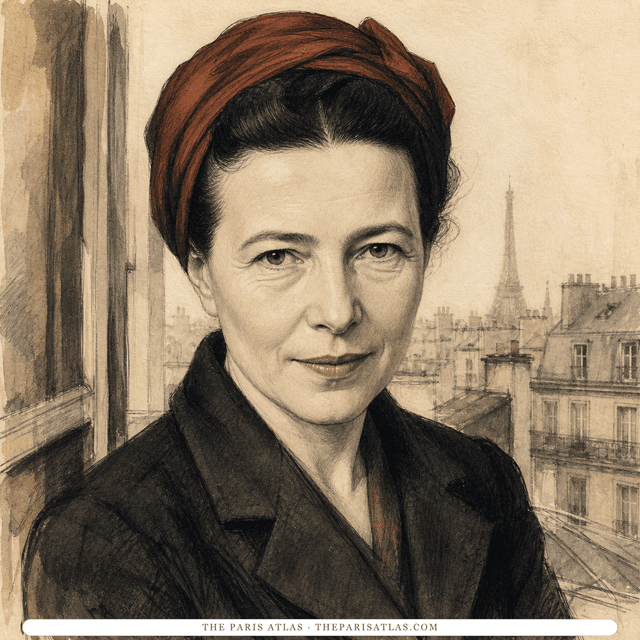
Simone de Beauvoir
French writer and philosopher whose novels, memoirs, and social analysis examined freedom, gender, responsibility, aging, and the material conditions that shape a life.
View author