The padre
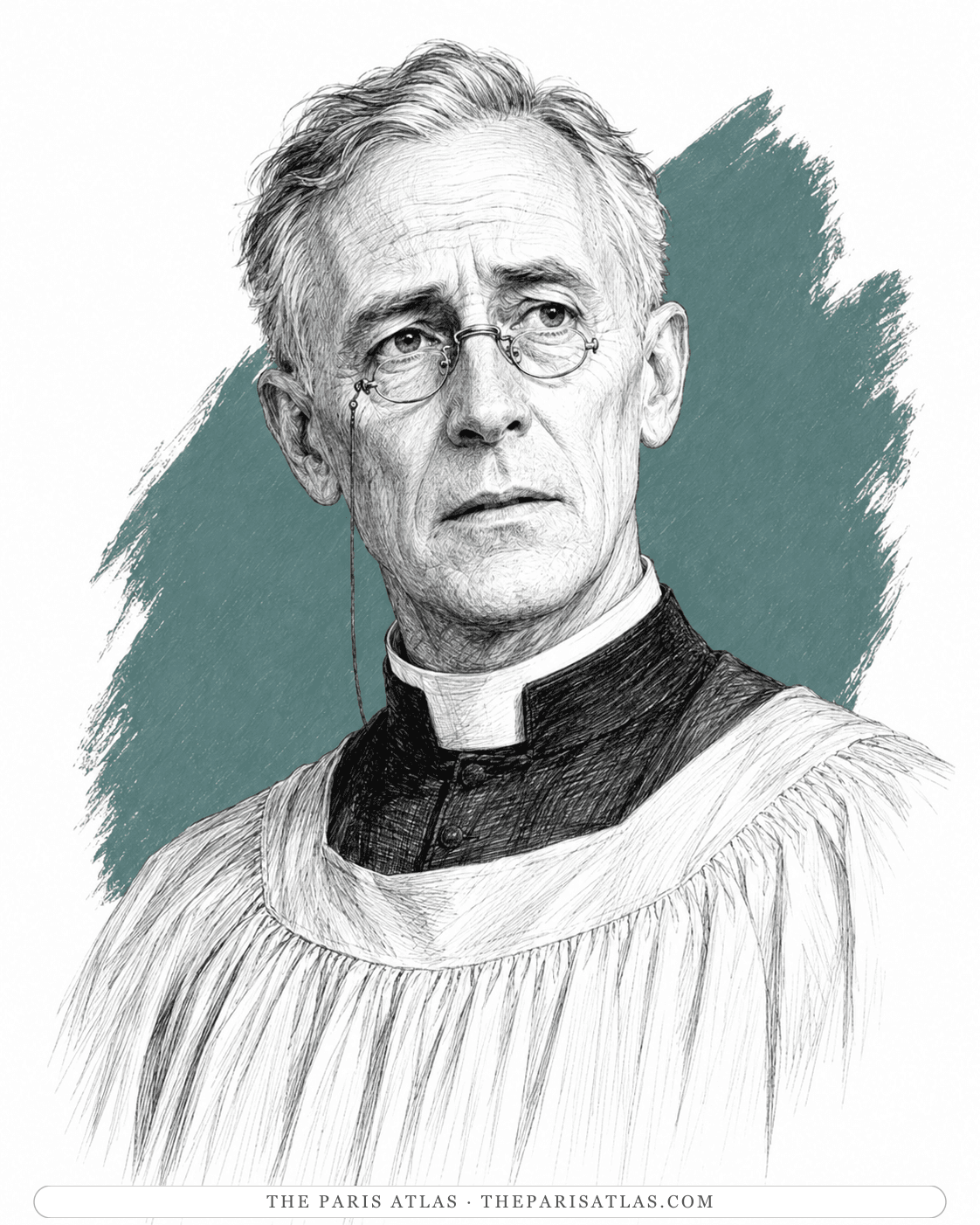
The clergyman who comes to Kyauktada every six weeks to hold a service: a tall man with grey hair, a refined discoloured face and pince-nez, who cannot speak a word of Karen to the Karen Christians who wait for him, or they a word of English to him. He is partway through his sermon when Ma Hla May forces her way in at the church door, and after a moment of shaking his pince-nez in distress at the doorway he gives the only order anyone manages in the scene, then brings the sermon to an end almost at once.
The book

At a glance
- The travelling clergyman who serves Kyauktada
- Once every six weeks, for one evening service
- Fifteen people: European, Karen, Indian and Eurasian
- Never given
- Chapter 24, with talk of him in chapters 2 and 9
Who they are in the book
Spoiler-freeKyauktada, the small town in Upper Burma where the novel is set, has a church but no resident clergyman. A padre travels a circuit and reaches the town once every six weeks, holds one evening service and leaves the next day. He is never named. The whole Christian community of the town is fifteen people.
He is talked about long before he appears. Ellis, the most openly racist of the Europeans at the Club, calls the service knee-drill and makes a point of being out of town for it, mostly because Indian and Karen Christians attend the same church and once sat in the front pews. Westfield, the police officer, says it is a bit hard on the poor devil of a padre, who only gets there once in six weeks, and that they might as well turn out for him.
When he does arrive, in chapter 24, the picture George Orwell gives is of a courteous man with no way of reaching most of the people in front of him. He stands on the church steps in his cassock and surplice, smiling in a friendly but helpless way at four Karen Christians who have come up to bow to him, because he does not speak a word of their language and they do not speak a word of his.
He is partway through his sermon when Ma Hla May, the Burmese woman John Flory kept as his mistress and then paid off, forces her way in at the door and starts screaming at him in front of the congregation. The clergyman stops in the middle of a word, takes off his pince-nez and shakes them at the doorway. Orwell says he was bleating ineffectually. Then he finds his voice and gives the only instruction anyone manages in the whole scene: take that woman outside. He brings the sermon to an end almost immediately afterwards.
How The padre Is Portrayed
- How the book draws himTall, grey-haired, with a refined discoloured face and pince-nez. He dresses for the service in Mr Macgregor's house and walks down in his cassock and surplice.
- Once every six weeksThat is the whole of his presence in the town. He holds an evening service, stays the night at Mr Macgregor's house and catches the train the following evening.
- The four Karen ChristiansThey come up to make their bows to him on the church steps. He smiles at them in an amiable but helpless way. Neither side has a word of the other's language.
- What the Club makes of himEllis calls the service the snivel-parade and arranges to be in the jungle for it. Westfield thinks it hard on the man and turns up out of politeness. Mr Francis and Mr Samuel, the two Eurasian men the Europeans will not admit to the Club, put on freshly laundered suits, because it is the largest social occasion they get.
- Stopping in the middle of a wordWhen the shouting starts at the door he breaks off, takes off his pince-nez and shakes them at the interruption with a distressed air, and for a moment produces no useful sound at all.
- The one order given"Take that woman outside!", said sharply once he has recovered his voice. Mr Francis and Mr Samuel are the two who act on it.
Because he is still in Kyauktada, the padre is able to read the burial service for Flory the next day and to deliver a short address on the dead man's virtues before catching his train. Orwell's comment on the address is one flat sentence: all Englishmen are virtuous when they are dead. The verdict entered on the tombstone is accidental death, which nobody believes.
If you like Burmese Days


If you like George Orwell
Explore authors with a similar voice, perspective, and influence.

Henry Miller
The Brooklyn dropout who arrived in Paris broke at thirty-eight and wrote the exuberant, banned books that ended American censorship.
View author
Louis-Ferdinand Céline
The doctor of the Paris slums who wrote the century's blackest, funniest novel — and changed the sound of French prose.
View author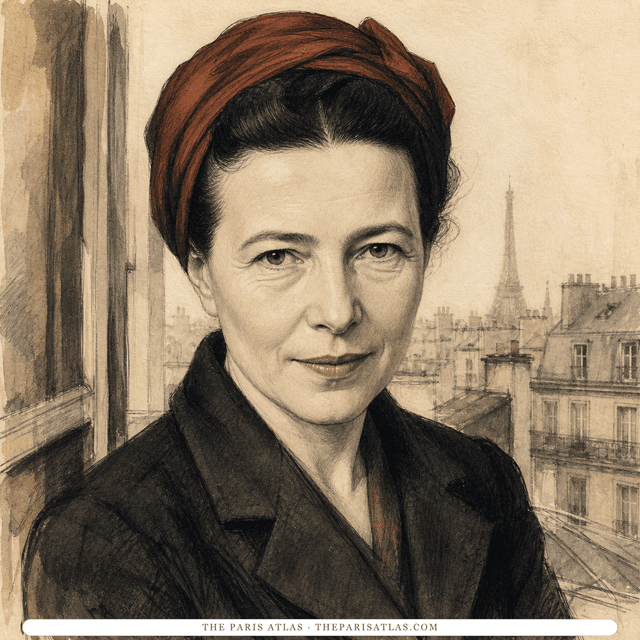
Simone de Beauvoir
French writer and philosopher whose novels, memoirs, and social analysis examined freedom, gender, responsibility, aging, and the material conditions that shape a life.
View author