Westfield
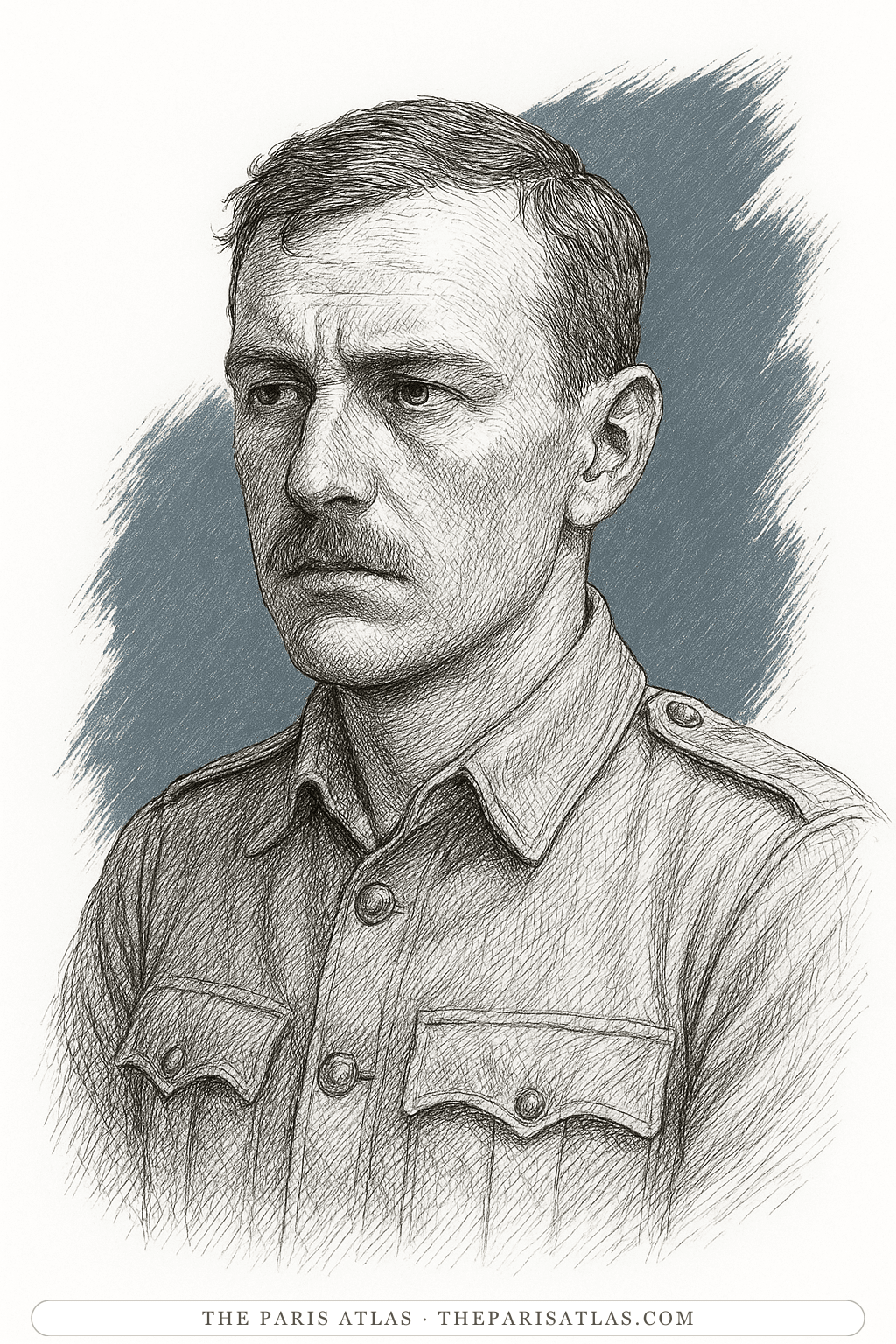
District Superintendent of Police: sandy-haired, bored, clipped in speech, and permanently disappointed that eleven years in Burma have not given him a rebellion to put down or a man to kill.
One proper riot. Eleven years in the country, not counting the war, and he has never fired his gun at a man or killed one. He calls it depressing, and says so twice.
The book

At a glance
- District Superintendent of Police, Kyauktada
- Eleven years in Burma, not counting the war
- Sandy hair, prickly moustache, pale grey eyes too far apart, thin calves
- Black, stinking Burma cheroots
- Has never fired his gun at a man
- From chapter 2 to the last club scenes
Who they are in the book
Spoiler-freeWestfield is sandy-haired with a prickly moustache, pale grey eyes set too far apart, and abnormally thin calves, and he is usually to be found rocking on his heels with his hands in his pockets and a bored air. His way of speaking is clipped and soldierly, missing out every word that well could be missed out. Nearly everything he says is intended for a joke, and the tone of his voice is hollow and melancholy. He has a catchphrase — 'Lead on, Macduff' — which he produces on the way into almost any room.
His politics amount to one recurring theme: the ruin of the Indian Empire through too much legality. Beggars of natives know the law better than we do; office babus are the real rulers of this country now; nothing but a full-sized rebellion and a consequent reign of martial law could save the Empire from decay. He wishes aloud that the war were on again, and goes out on tour at the first threat, or rather hope, of trouble, taking a dozen Gurkha constables who are pining to use their kukris on somebody. The district is always depressingly peaceful.
Orwell gives him one thing the other club members do not have, which is a flinch. Watching his fat sub-inspector bully a suspect at the police station — roaring in the man's face, then stripping him to show old flogging scars as proof of guilt — he looks away, and the narration says that at the bottom of his heart he loathed running in these poor devils of common thieves. Dacoits and rebels, yes; not these poor cringing rats. Then he says 'All right, put him in the clink' and lounges out with his hands in his pockets.
He is Flory's friend in a limited way — he calls him a good chap, thinks he does not mean half of what he says, and tries to talk him down from the doctor's nomination rather than shout at him. He is also the man who reads Flory a snappish little sermon on the five chief beatitudes of the pukka sahib: keeping up our prestige, the firm hand without the velvet glove, we white men must hang together, give them an inch and they'll take an ell, and esprit de corps.
How Westfield Is Portrayed
- The mannerClipped, soldierly, every unnecessary word dropped, and everything meant as a joke in a voice that is hollow and melancholy. 'Bloody awful morning, what?' is how he greets Flory in the first club scene.
- Rocking on his heelsHow he is nearly always found: hands in the pockets of his shorts, rocking backwards and forwards on his heels with a very bored air, pouting his upper lip until the prickly moustache tickles his nose, stretching his arms and yawning through it. His shoulders are thin and get shrugged philosophically. In a rage the sandy face goes quite pink.
- Lead on, MacduffSaid on the way into the club lounge, on the way out of it, and at the start of the general meeting. Mr Macgregor's Latin tags and Westfield's Macbeth are the club's entire literary output.
- The theoryThat law and order has done for the Empire — all this paper-chewing and chit-passing, and beggars of natives who insult you to your face and then run you in the moment you hit them. His remedy is martial law and no quarter given.
- At the police stationHe turns his face away while the sub-inspector strips a suspect to display flogging scars as evidence, then orders the man locked up. The narration says he loathed running in common thieves and made an exception for dacoits and rebels.
- The five beatitudesHis sermon to Flory, delivered when the Bolshie opinions get too much: keeping up our prestige, the firm hand without the velvet glove, we white men must hang together, give them an inch and they'll take an ell, and esprit de corps.
- At the gravesideHe promises Ellis a couple of chaps shall swing for Maxwell — two corpses against their one, best we can do — and regrets that his men are no longer allowed to tie a witness down on an ant-hill with red peppers. His summary: much better hang wrong fellow than no fellow.
- Missing it againHe is away arresting Maxwell's murderers on the night the club is besieged, and comes back gloomy but resigned. A veritable riot, and he not there to quell it. It seemed fated that he should never kill a man.
If you like Burmese Days


If you like George Orwell
Explore authors with a similar voice, perspective, and influence.

Henry Miller
The Brooklyn dropout who arrived in Paris broke at thirty-eight and wrote the exuberant, banned books that ended American censorship.
View author
Louis-Ferdinand Céline
The doctor of the Paris slums who wrote the century's blackest, funniest novel — and changed the sound of French prose.
View author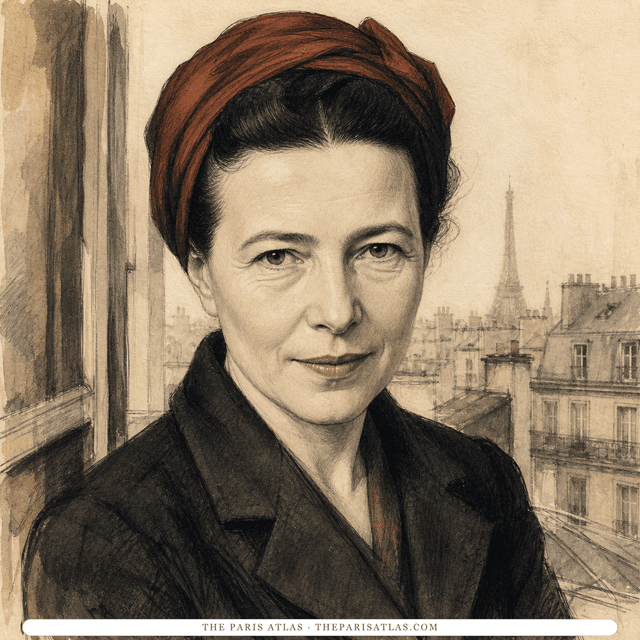
Simone de Beauvoir
French writer and philosopher whose novels, memoirs, and social analysis examined freedom, gender, responsibility, aging, and the material conditions that shape a life.
View author