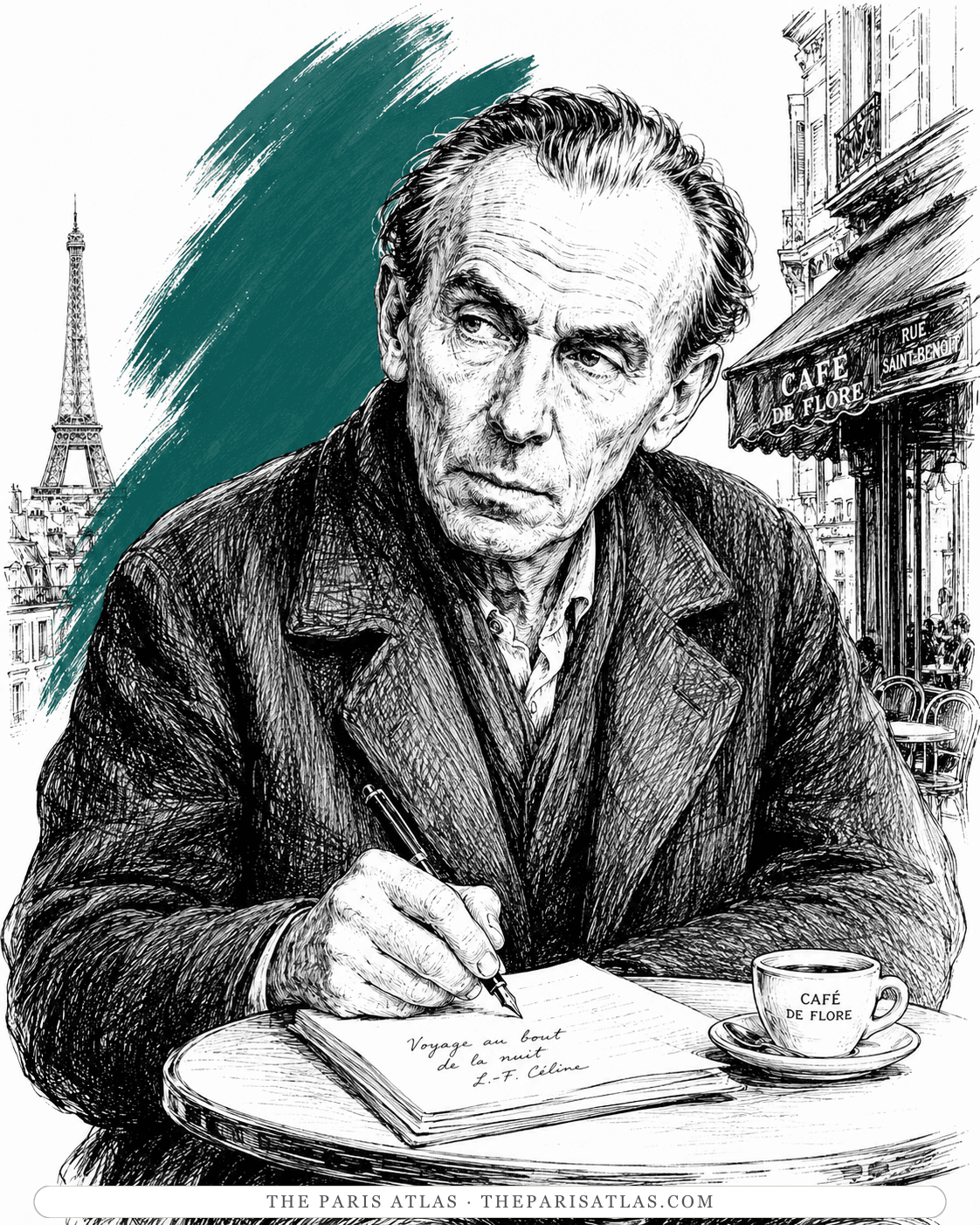

North
The trilogy's earlier chapter — chronologically, the events of North precede Sigmaringen.
Read our take
Louis-Ferdinand Céline's 1957 novel — the first of the German trilogy — about the last months of the Vichy government-in-exile at Sigmaringen.
In the final months of the Second World War, Céline, his wife Lili, their cat Bébert, and thousands of French collaborators find themselves stranded in the German town of Sigmaringen, where the remnants of the Vichy regime have established a surreal government-in-exile. Surrounded by shortages, illness, political fantasies, and the approaching collapse of Nazi Germany, the narrator observes the disintegration of an entire political world with savage humor. The wartime story is framed by an older Céline living after the war in Meudon, embittered, isolated, and attempting to rebuild his life as a doctor and writer.
The novel begins not in Germany but in postwar France. Céline complains about his poverty, his publishers, his ruined reputation, his dwindling medical practice, and the literary establishment he believes has abandoned him. A visit to a patient and an encounter connected with his former companion La Vigue lead his thoughts backward to 1944.
From there, the book plunges into Sigmaringen. The château still houses Marshal Pétain and the remnants of the Vichy leadership, while officials, collaborators, soldiers, refugees, mistresses, opportunists, and frightened civilians crowd into the surrounding hotels and buildings. Céline resumes work as a doctor and sees the physical misery concealed behind the rituals of government: poor food, inadequate medicine, disease, cold, gossip, black-market dealings, sexual intrigues and endless rumors that Germany might somehow still win.
Céline and Lili live at the Löwen hotel while Sigmaringen becomes a grotesque imitation of a functioning French state. Pétain continues ceremonial walks; ministers and officials hold meetings and receptions; political figures speculate about miracle weapons and counterattacks even as the military situation deteriorates around them.
Céline moves between his medical duties and the extraordinary characters collected in the enclave. He describes the monotonous ration food, epidemics and sanitation problems, drunken gatherings, bureaucratic disputes and the bizarre social hierarchy maintained by people who are effectively fugitives. Historical figures including Pétain, Pierre Laval, Fernand de Brinon, Otto Abetz, Jean Bichelonne and others pass through the narrative, but Céline refuses to organize them into a conventional political history. Instead, their world appears as a procession of humiliations, ceremonies and absurd episodes.
One extended episode involves an official journey connected with the funeral of Jean Bichelonne, another example of the refugees attempting to preserve ceremony and status while everything around them is collapsing.
Throughout the Sigmaringen narrative, Céline repeatedly interrupts himself and returns to his postwar existence in Meudon. The two periods begin to mirror one another: the sick, besieged Céline of the present and the collapsing Vichy enclave of his memory.
Castle to Castle does not end with Céline escaping Germany. That part of the journey belongs to the later books in the trilogy.
Instead, the Sigmaringen recollection gradually gives way to the postwar frame. Céline recovers from the illness that helped trigger his memories and returns to the mundane concerns of his medical practice and his patient Niçois. The enormous historical catastrophe has effectively become a long digression inside the life of an aging doctor.
It is a deliberately anticlimactic ending: Sigmaringen remains suspended in memory, while Céline returns to the diminished present from which he has been narrating it.
The château's apparent grandeur is undermined by the language describing it. Christine Sautermeister follows Céline's comparisons with theatrical scenery, improvised materials and a structure that seems ready to topple into the river. The building becomes an image of authority whose imposing appearance cannot guarantee stability. Its height also organizes the novel's social division: privileged officials occupy the château while other refugees endure cramped lodgings and hunger below. The spectacle therefore has a material underside. Maintaining the appearance of government does not mean sharing equally in its collapse.
The physician's rounds establish a different claim to authority: practical attention to bodies rather than political ceremony. Yet Sautermeister also reads this tireless doctor as part of the narrator's self-defense. His efforts to obtain medicines and interrupt Laval's monologue on behalf of patients place immediate needs against official self-importance. Those contrasts invite sympathy, but they also shape the account in the speaker's favor. The doctor can be both a figure of care within the narrative and a carefully constructed version of its author; recognizing the first does not require accepting the second as unmediated history.
Castle to Castle is the only French novel that fully occupies Sigmaringen — the enclave the remnants of Pétain's government held under German protection in the last months of the war.
The first published of the three books that turn Céline's 1944–45 flight through Germany into late fiction. Read it first, then North and Rigadoon for the earlier and later events.
The novel is narrated from Céline's postwar house at Meudon, where a poor, embittered, aging doctor keeps returning from Sigmaringen memory to a diminished present. The two periods rhyme.

The narrator. An aging Céline living at Meudon, embittered and ill, whose memories reach back through the enclave at Sigmaringen and forward to the ruined present of his medical practice.

The narrator's wife, Céline's real companion Lucette Destouches. She keeps house at the Löwen hotel and later at Meudon; she is his witness through the whole trilogy.

The cat. He crosses Germany with Céline and Lili and reappears at every stage of the trilogy — as much a character as a companion.

Céline's former companion, an actor whose name in the trilogy fictionalizes the real Robert Le Vigan. He is the figure whose visit sends the narrator's memory back to Sigmaringen.
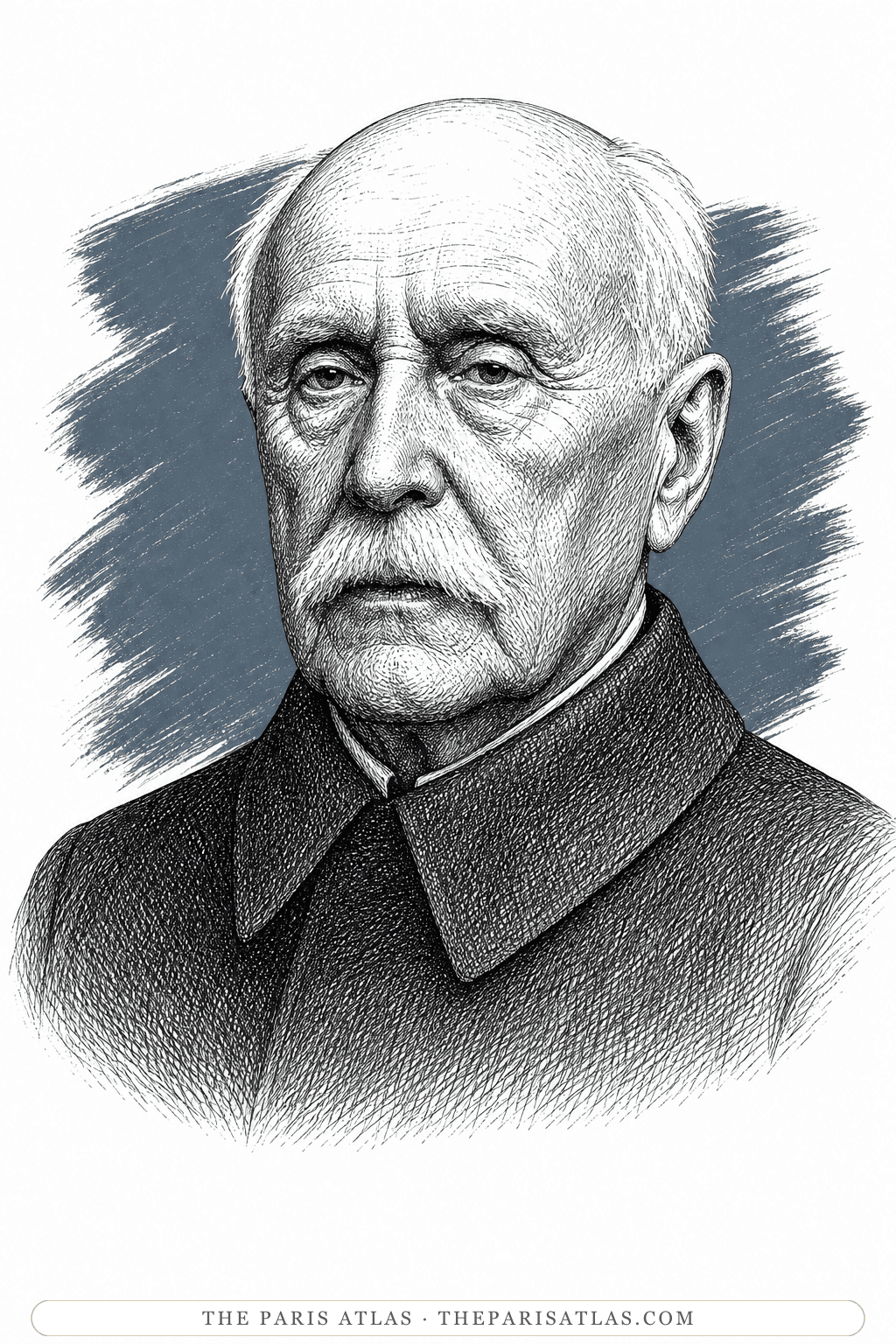
The historical head of the Vichy regime, kept at the château at Sigmaringen. He appears as a ceremonial figure taking his daily walks while everything around him disintegrates.
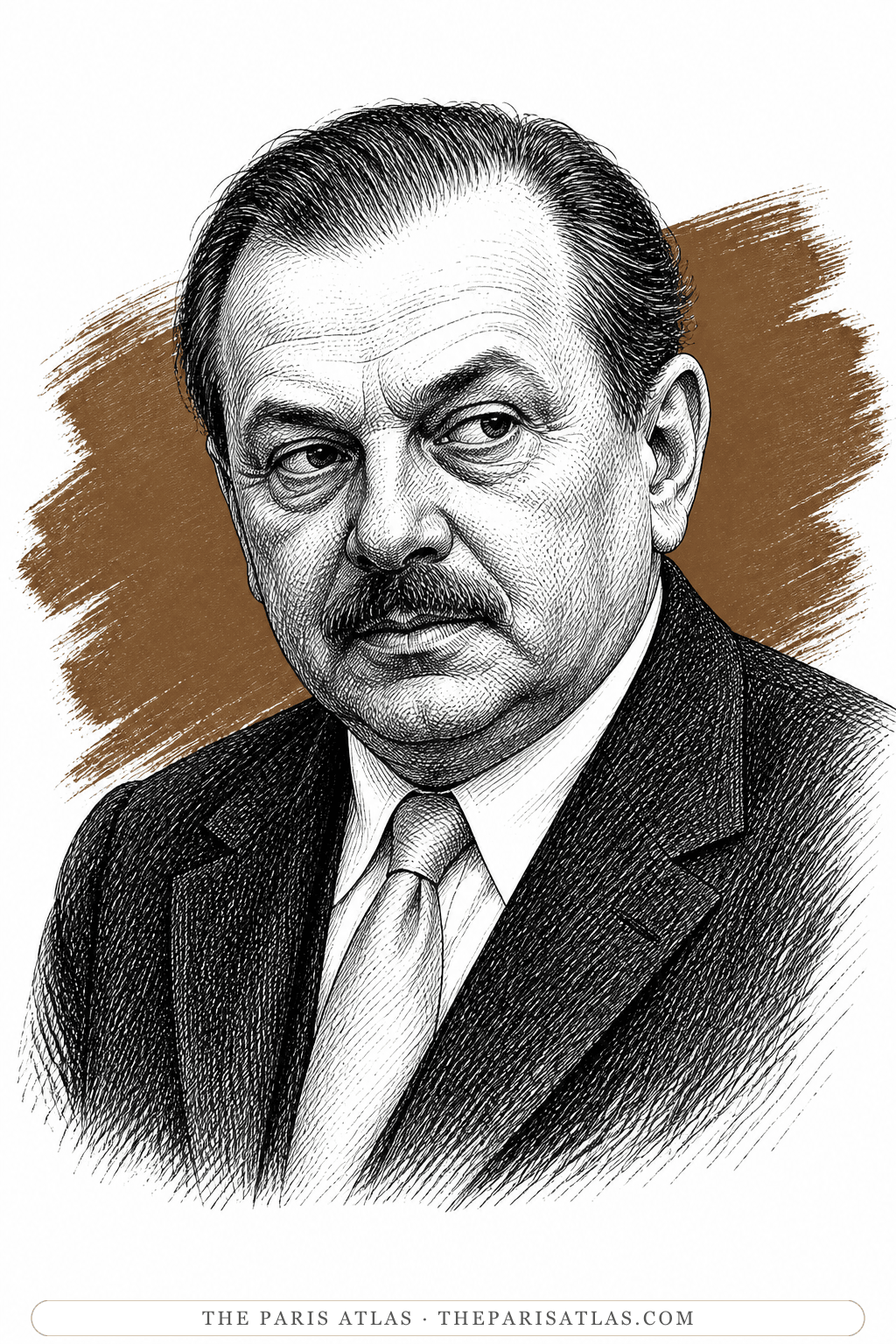
The Vichy Prime Minister, one of the political figures crowded into the enclave. Céline gives him no more or less weight than the pimps, doctors, mistresses and hangers-on around him.
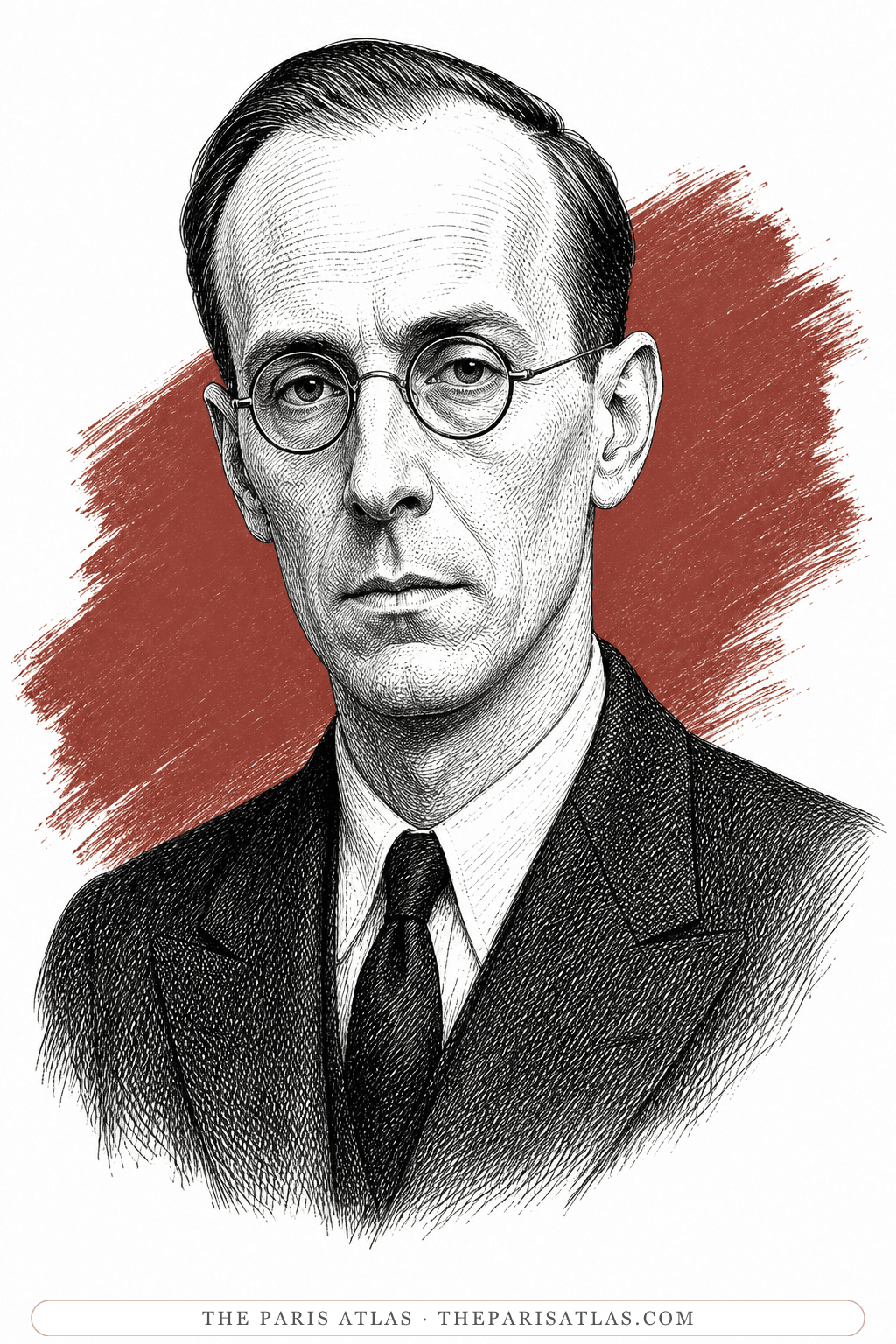
Vichy minister whose funeral occasions one of the novel's set pieces — refugees preserving ceremony while everything else is falling apart.
1944–1945
Céline lives among the French collaborators at Sigmaringen, the historical setting later reworked in the novel.
1957
Gallimard publishes D’un château l’autre, the first published volume of the German trilogy.
1960
Nord follows, returning to events that precede the Sigmaringen section in the trilogy’s story.
The trilogy's earlier chapter — chronologically, the events of North precede Sigmaringen.
Read our take
The trilogy's final volume — the escape from Germany that Castle to Castle leaves suspended.
Read our take
Céline's first novel, with the same narrator (Ferdinand) and the same voice, twenty-five years earlier.
Read our take
Céline's childhood novel, the second full-length work before the German trilogy.
Read our take
Hemingway on the earlier war — the same generation and the same disillusionment in a very different tone.
Read our takeThe last months of the Vichy government-in-exile at Sigmaringen in 1944–45, framed by an older Céline living in postwar Meudon. He observes the disintegration of an entire political world — Pétain, Laval, ministers, mistresses, refugees — with savage humor.
Gallimard published D'un château l'autre in 1957. It was the first of the three novels of Céline's German trilogy — the book that brought him back into French literary discussion after his years in Danish exile and postwar isolation.
Yes, by publication order. Chronologically the events happen after North (1960), so the trilogy runs North → Castle to Castle → Rigadoon in story time but was written and published in a different order.
It is a novel. Historical figures including Pétain, Pierre Laval, Fernand de Brinon and Jean Bichelonne pass through the pages, but Céline refuses to organize them into a conventional political history. Sigmaringen appears as a procession of humiliations, ceremonies and absurd episodes.
A German town on the Danube where the remnants of the Vichy regime and thousands of French collaborators were housed under German protection from late 1944 until the war's end. Céline, his wife Lili and their cat Bébert lived there while he worked as the enclave's doctor.
Journey to the End of the Night (1932) is the usual starting point — the debut that made him famous. If you want the late voice first, Castle to Castle is a good entry to the German trilogy; read it before North and Rigadoon.
Explore authors with a similar voice, perspective, and influence.
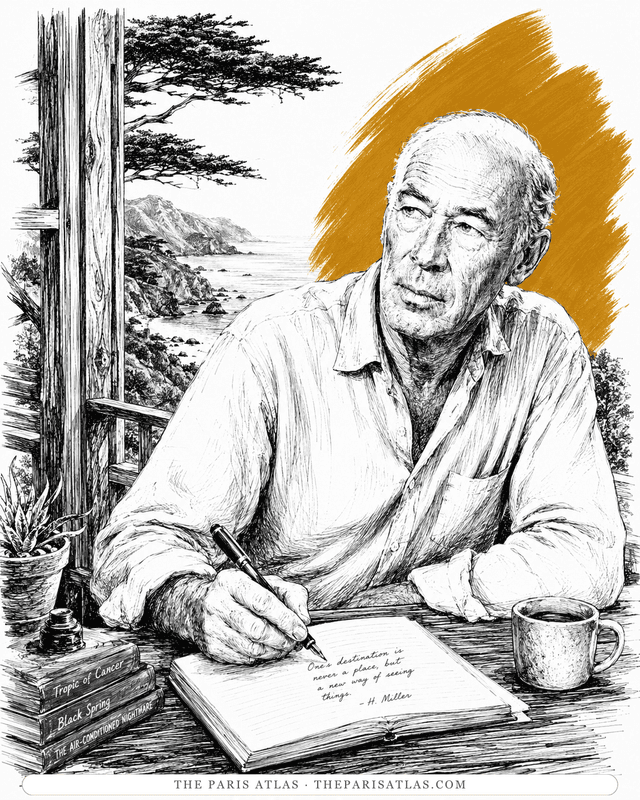
Miller read Journey in manuscript while writing Tropic of Cancer and never recovered — the two books are the era's twin gutter-testaments.
View author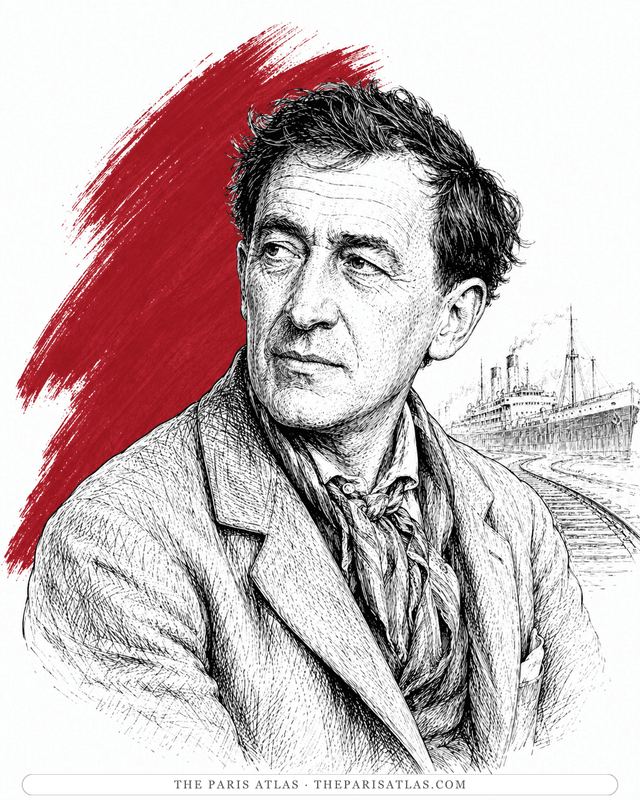
The other French modernist Céline could not look away from: a war-wounded amputee whose spoken prose ran ahead of grammar and whose Moravagine anticipates Bardamu's tour of the century's slaughterhouses.
View author
The same war, the same refusal of the big words — delivered in whispers where Céline delivers it in screams. Both writers died in the same week of July 1961.
View authorThe sources below include the primary text, editions, scholarship, archival materials, and other records that informed this page. They document Castle to Castle, its publication, and its place in literary history.


Published analysis and historical context used in preparing the Castle to Castle page.
Published analysis and historical context used in preparing the Castle to Castle page.
Published analysis and historical context used in preparing the Castle to Castle page.
Contemporary reporting or criticism used to document the historical reception and context of Castle to Castle.
Published analysis and historical context used in preparing the Castle to Castle page.
The primary text is the baseline reference for every book page. Additional references document publication history, interpretation, and historical context where that evidence is available.
 Explore more resources