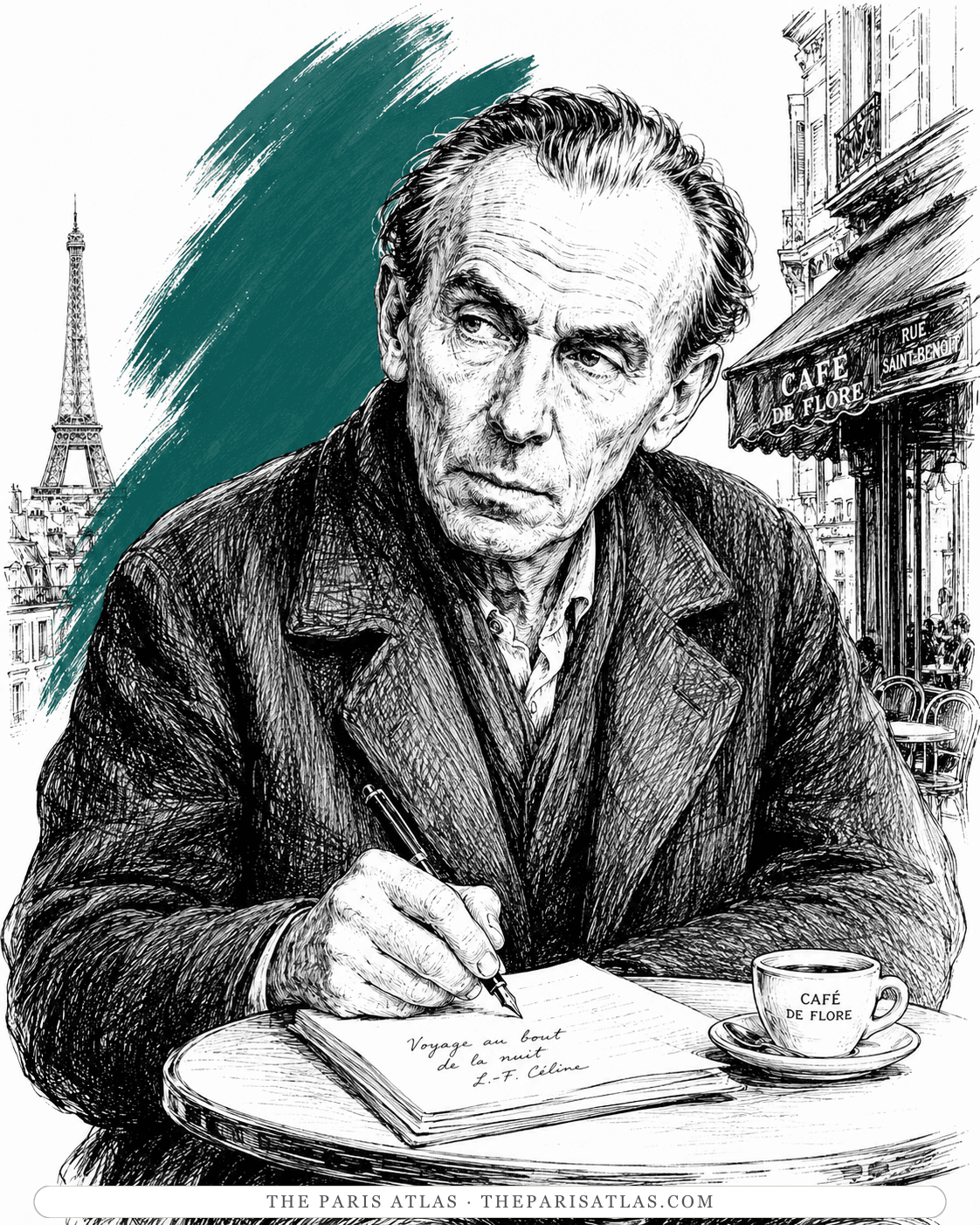

Journey to the End of the Night
The debut novel Céline wrote eight years later — where the same doctor's eye and the same tragic sensibility come together in fiction.
Read our take
Louis-Ferdinand Céline's 1924 medical thesis — a literary account of the Hungarian physician who discovered that doctors were killing their own patients.
This is not a novel in the usual sense but Céline's highly literary medical thesis about Ignaz Semmelweis, the nineteenth-century Hungarian physician who discovered that doctors themselves were transmitting the infection responsible for many deaths from puerperal, or childbed, fever. Semmelweis finds a simple way to save enormous numbers of women — hand disinfection — but struggles to persuade the medical establishment to accept what he has discovered. Céline presents his life as the tragedy of a man who sees the truth before his contemporaries are prepared to recognize it.
Working in the maternity clinics of Vienna, Semmelweis becomes disturbed by the enormous number of women who die soon after childbirth.
He notices a crucial discrepancy. Mortality is much higher in the clinic staffed by doctors and medical students than in the clinic largely staffed by midwives.
The decisive insight comes when Semmelweis recognizes that doctors frequently move directly from autopsies to examinations of women in labor. Long before modern germ theory is fully established, he concludes that some infectious material is being carried on their hands.
He institutes handwashing with a chlorine solution. The death rate falls dramatically.
Instead of bringing immediate triumph, the discovery creates conflict. Accepting Semmelweis's explanation means accepting that physicians have unknowingly caused many of the deaths they were supposed to prevent.
Céline begins with the young Semmelweis entering the medical world of nineteenth-century Vienna. Obstetrics is undergoing rapid development, but maternity wards are plagued by puerperal fever.
Semmelweis studies mortality patterns and realizes that women treated by doctors and medical students die at a far higher rate than women delivered by midwives. His investigation gradually focuses on the doctors' contact with corpses during autopsies.
He orders physicians to disinfect their hands before examining patients. Mortality falls dramatically, providing powerful practical evidence that the procedure works.
But Semmelweis cannot fully explain the mechanism because bacteria have not yet been established as the accepted cause of such infections. His theory also insults professional pride: if he is correct, respected physicians have carried death from the dissecting room directly to their patients.
Resistance from colleagues grows. Semmelweis eventually leaves Vienna for Budapest, continues practicing and continues arguing for his method. As opposition persists, his campaign becomes increasingly angry and personal. He publicly attacks obstetricians who refuse to adopt his procedures.
His physical and mental health deteriorates. Céline renders this deterioration not simply as illness but as the destruction of a man driven desperate by the refusal of others to recognize an observable truth.
Semmelweis is eventually committed to a psychiatric institution in 1865 and dies shortly afterward at only 47.
The exact medical circumstances surrounding his final illness and death remain historically disputed, so it is better not to repeat the overly neat popular version of his death as unquestioned fact.
For Céline, however, the ending is fundamentally tragic: Semmelweis dies rejected and broken while the principle for which he fought — preventing physicians from carrying infection from one patient or corpse to another — will ultimately become a foundation of modern medical hygiene.
That irony is what gives Céline's thesis the shape of a tragedy rather than a conventional scientific biography.
André Smith reads Semmelweis through the clash between an effective remedy and a fatalistic narrative. The disinfection passage he quotes makes prevention depend on a repeatable action, not on a miraculous cure. Yet improvement does not determine the story's direction: Céline returns to the doctor's isolation and failure to persuade. This is the book's unsettling division between what medicine can do and what people will permit it to do. The procedure works within the account; the tragedy lies in the distance between that practical result and collective acceptance.
Jérôme Meizoz identifies a further transformation: the physician's biography becomes a narrative of unrecognized genius and martyrdom. In the passages he examines, resistance is explained through destiny and a moral opposition between those protecting life and those aligned with death. Such language asks readers to take sides before weighing every historical detail. It gives the account its accusatory force, but also limits its neutrality. Reading the colleagues' hostility as part of Céline's narrative design keeps literary sympathy from becoming an uncritical endorsement of every event the biography recounts.
Semmelweis is the first thing he wrote. Reading it means seeing his voice — the doctor's precision, the tragic sensibility — before Bardamu.
Independently of Céline's later career, Semmelweis's story is one of the great tragedies of modern medicine, and Céline tells it with the seriousness of a man who has just qualified as a physician himself.
The thesis is short. Its shape is the whole point: a good idea, refused, destroys the man who had it. It has almost no wasted pages.
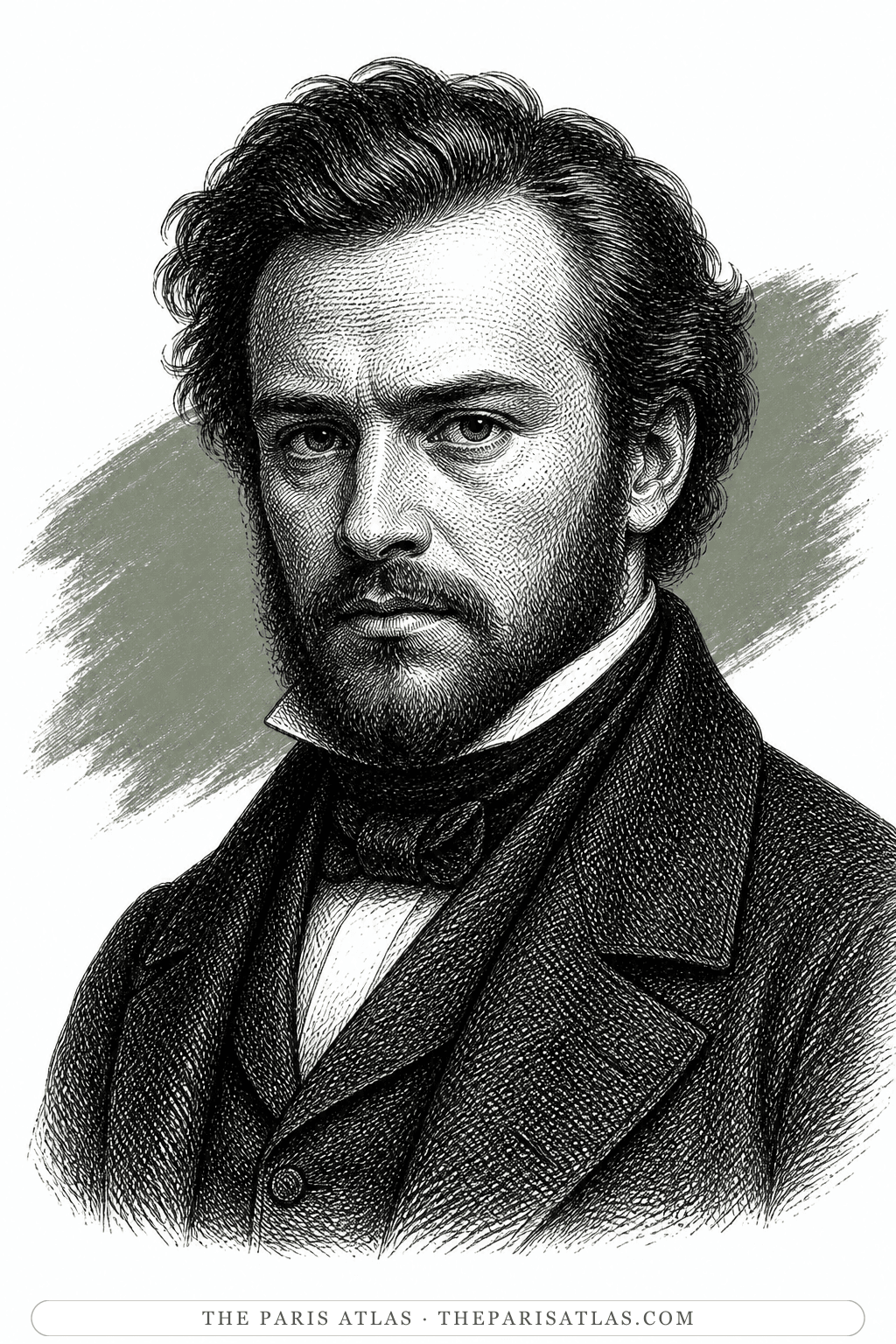
The Hungarian physician (1818–1865) whose insight that doctors themselves were transmitting childbed fever cost him his career, his reputation, and eventually his mind. Céline treats him as tragic hero.
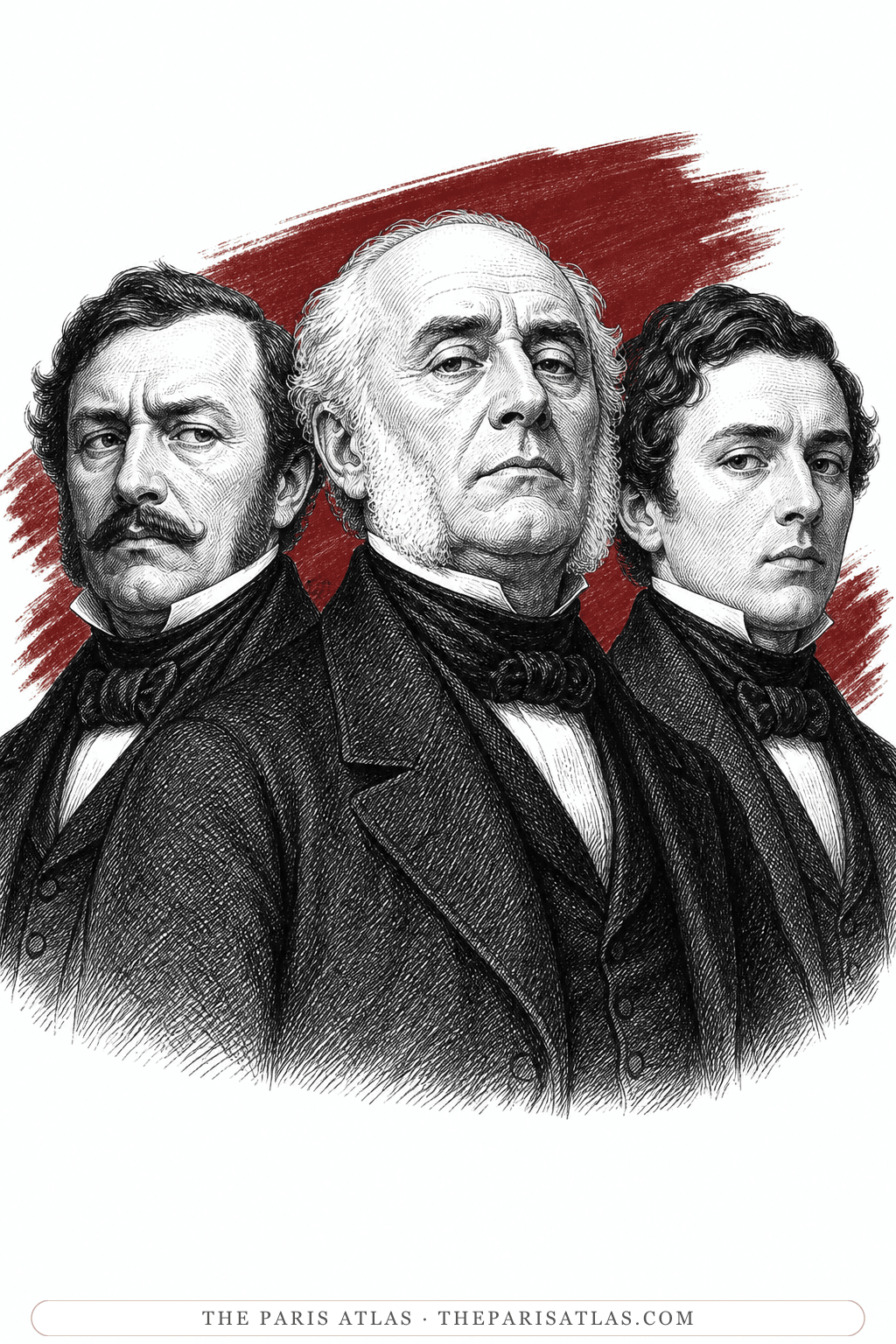
Semmelweis's colleagues at the maternity clinics. Their refusal to accept his findings — that they were carrying death from the dissecting room to their patients — drives the tragedy.
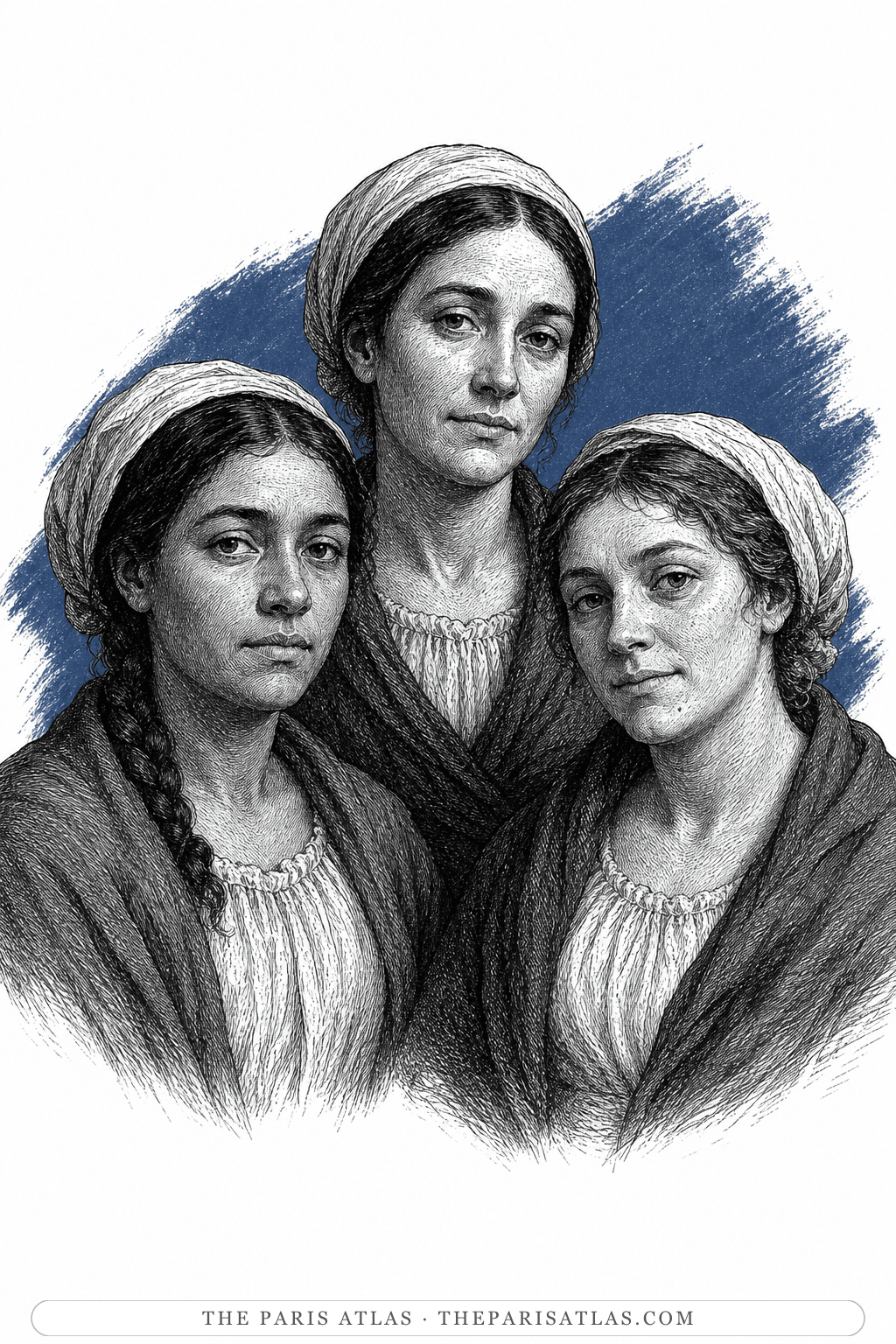
The women in the second maternity clinic — attended by midwives rather than doctors — who died at a far lower rate. Their survival was the anomaly Semmelweis followed to his conclusion.
1924
Louis Destouches writes the work as his medical doctoral thesis, before adopting the name Céline.
1952
Gallimard publishes a French edition under the title Semmelweis.
2008
Atlas Press publishes John Harman’s English translation with an introduction by Philippe Sollers.

The debut novel Céline wrote eight years later — where the same doctor's eye and the same tragic sensibility come together in fiction.
Read our take
The second novel — Ferdinand's medical training returns as autofiction.
Read our take
The recovered war novel where the young Céline's medical eye watches his own wounded body.
Read our take
The late novel where the doctor from Semmelweis is now the aged physician of Sigmaringen and Meudon, watching another world die.
Read our take
The earliest layer of Ferdinand — before he had qualified as a physician, back when he was only a barracks-bound cavalry volunteer.
Read our takeThe life and work of Ignaz Semmelweis, the nineteenth-century Hungarian physician who discovered that doctors themselves were transmitting the infection that killed so many women in maternity wards. Céline presents him as a tragic figure: a man who saw the truth before his colleagues were prepared to accept it.
No — it is Céline's 1924 medical thesis at Rennes, a biographical study of Semmelweis. But Céline writes it as literature, with the tragic shape of a man destroyed by the refusal of others to recognize an observable truth.
He established, before modern germ theory was accepted, that doctors moving directly from autopsies to examinations of women in labor were carrying infectious material on their hands. His hand-disinfection protocol dramatically lowered maternal mortality in his Vienna clinic.
He was committed to a psychiatric institution in 1865 and died shortly afterward at 47. The exact medical circumstances of his final illness and death remain historically disputed; the popular version — that he died of an infected wound inflicted by an asylum guard — is contested and not settled.
Semmelweis was Céline's medical thesis — the qualifying work of a man just becoming a doctor. Céline chose a subject that let him work at the intersection of medical science and tragedy, and the sensibility he brought to it is recognizable in every novel that followed.
Either. Reading it first shows the voice — the doctor's precision, the tragic sensibility — before Bardamu. Reading it after shows how much the fictional narrator inherited from the qualifying physician who wrote the thesis.
Explore authors with a similar voice, perspective, and influence.
Miller read Journey in manuscript while writing Tropic of Cancer and never recovered — the two books are the era's twin gutter-testaments.
View author
The other French modernist Céline could not look away from: a war-wounded amputee whose spoken prose ran ahead of grammar and whose Moravagine anticipates Bardamu's tour of the century's slaughterhouses.
View author
The same war, the same refusal of the big words — delivered in whispers where Céline delivers it in screams. Both writers died in the same week of July 1961.
View authorThe sources below include the primary text, editions, scholarship, archival materials, and other records that informed this page. They document Semmelweis, its publication, and its place in literary history.


The primary text represented by this page, used for descriptions of the work’s contents and for any quoted passages shown here.
Web source consulted for documented facts and historical context presented on the Semmelweis page.

Published analysis and historical context used in preparing the Semmelweis page.
Published analysis and historical context used in preparing the Semmelweis page.
Used to verify Louis-Ferdinand Céline's bibliography and place Semmelweis within the broader chronology of Louis-Ferdinand Céline's career.
Web source consulted for documented facts and historical context presented on the Semmelweis page.
Literary interpretation and quoted primary passage, pp. 147–148; not used as medical-history verification.
Critical account of the biography's literary construction and martyr narrative.
The primary text is the baseline reference for every book page. Additional references document publication history, interpretation, and historical context where that evidence is available.
 Explore more resources