

Journey to the End of the Night
The 1932 debut whose treatments of ugliness and inflated patriotism La Vieille dégoûtante anticipates in conventional narrative form.
Read our take
Louis-Ferdinand Céline's recovered short story, published in La Nouvelle Revue française in 2023 — a humiliated elderly woman in Pontabon carries her private mythology of a dead captain to his grave and walks away.
In the village of Pontabon, an elderly woman, Mademoiselle Balavet, is publicly humiliated when she is called an "old disgusting woman." She retreats to her room, where Madame Morin confronts her again. The Morin family is preparing for the marriage of their daughter Élise to Monsieur Fulmouche, and Madame Morin wants Balavet kept away from the family. Balavet's private emotional life centres on Captain Beaujarret, a military figure she has transformed into a hero through memory, documents and imagination. At the end of the story she carries her notebook to Beaujarret's grave, leaves it there and disappears down the rainy road.
Balavet lives on the margins of provincial society. Her humiliation exposes how thoroughly the people around her have reduced her to her body and age.
Madame Morin soon arrives to reinforce the rejection. The Morins are concerned with respectability and the wedding of Élise and Fulmouche. Balavet's attachment to Captain Beaujarret — and the patriotic mythology she has constructed around him — is treated as embarrassing.
But Balavet possesses a hidden world. She has collected letters, newspaper material and memories and rewritten or rearranged details in a notebook so that the dead military man becomes a greater hero.
The notebook gives her a parallel reality in which humiliation, aging and social exclusion can be replaced by devotion and grandeur.
Balavet emerges from the Morin household after a humiliating confrontation. She has been called an "old disgusting woman" loudly enough for the village to hear. She returns slowly to her room.
Madame Morin follows her and launches another attack, warning her not to interfere with the family, particularly on the eve of Élise's wedding to Fulmouche. The argument turns toward Balavet's patriotic fixation on Captain Beaujarret.
Once Madame Morin leaves, Balavet returns to the materials she has collected. She takes letters and newspaper accounts and adjusts details as she copies them into her notebook, gradually constructing a heroic alternative biography.
Her notebook is effectively a private literary work.
Balavet eventually carries it to Beaujarret's grave. There she leaves the object that has contained her imagined world. She asks, in effect, whether the insult hurled at her is true.
Then she walks away in the rain.
Balavet leaves the notebook at Beaujarret's grave and departs. She becomes progressively smaller along the road until she disappears into rain and distance.
There is no reversal in which the village recognises her worth and no exposure of her private mythology to an appreciative audience. Her imagined life remains private.
Balavet's notebook gives her something the village withholds: the power to decide which details matter. In Stefano Fiorucci's synopsis, she alters documents to enlarge Beaujarret's heroism. That makes the notebook an act of invention, not a reliable archive. Yet the story does not leave disgust entirely on the side of the villagers. In the passage quoted by Pierluigi Pellini, Madame Morin's speaking mouth becomes repellent. The woman enforcing respectability is herself exposed to a hostile gaze. This reversal complicates the distance between social judgment and narrative judgment.
The closing sentences reproduced by Fiorucci widen the scene from a disappearing figure to a cloud measured against the sky and the earth. Balavet becomes harder to see, but the scale of sadness grows. Rather than supplying the public recognition missing from her life, the narration carries her feeling into the landscape. The departure remains a disappearance, not an explicitly narrated death. That restraint matters: the story leaves the reader with her absence instead of turning it into a settled moral or a consoling reunion.
The story is particularly interesting because its prose is stylistically much earlier than the Céline most readers know. Pierluigi Pellini points to its nineteenth-century, even Balzacian, narrative manner and sees in the story several motifs that anticipate later Céline — including the inflated military patriot and certain treatments of physical ugliness that will return in Journey to the End of the Night.
That makes the piece valuable less because it resembles mature Céline than because it doesn't. It shows the young writer working through conventional narration before the spoken, fractured style associated with his novels had emerged.
What the story explores:
The story matters less because it resembles mature Céline than because it doesn't. It shows the young writer working through conventional narration before the spoken, fractured style associated with his novels had emerged.
The notebook Balavet constructs around Captain Beaujarret is an unusually delicate treatment of what people build to survive humiliation — memory, revision and idealisation as a private stay against exclusion.
Balavet walks into the rain and becomes progressively smaller until she disappears. It is one of the plainest and most quietly devastating endings Céline ever wrote.
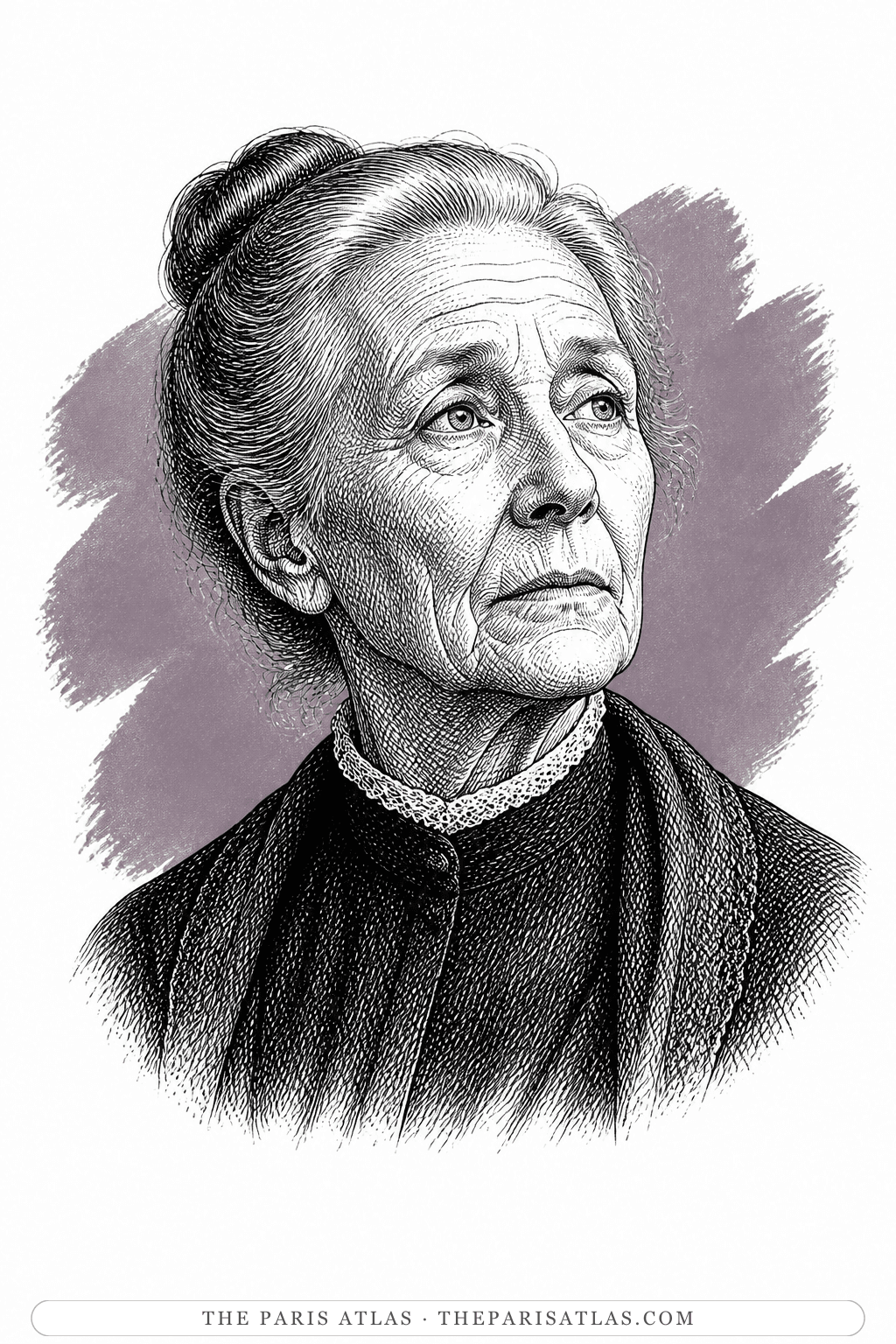
Elderly central character; the "old disgusting woman" of the title, whose private notebook idealises Captain Beaujarret.
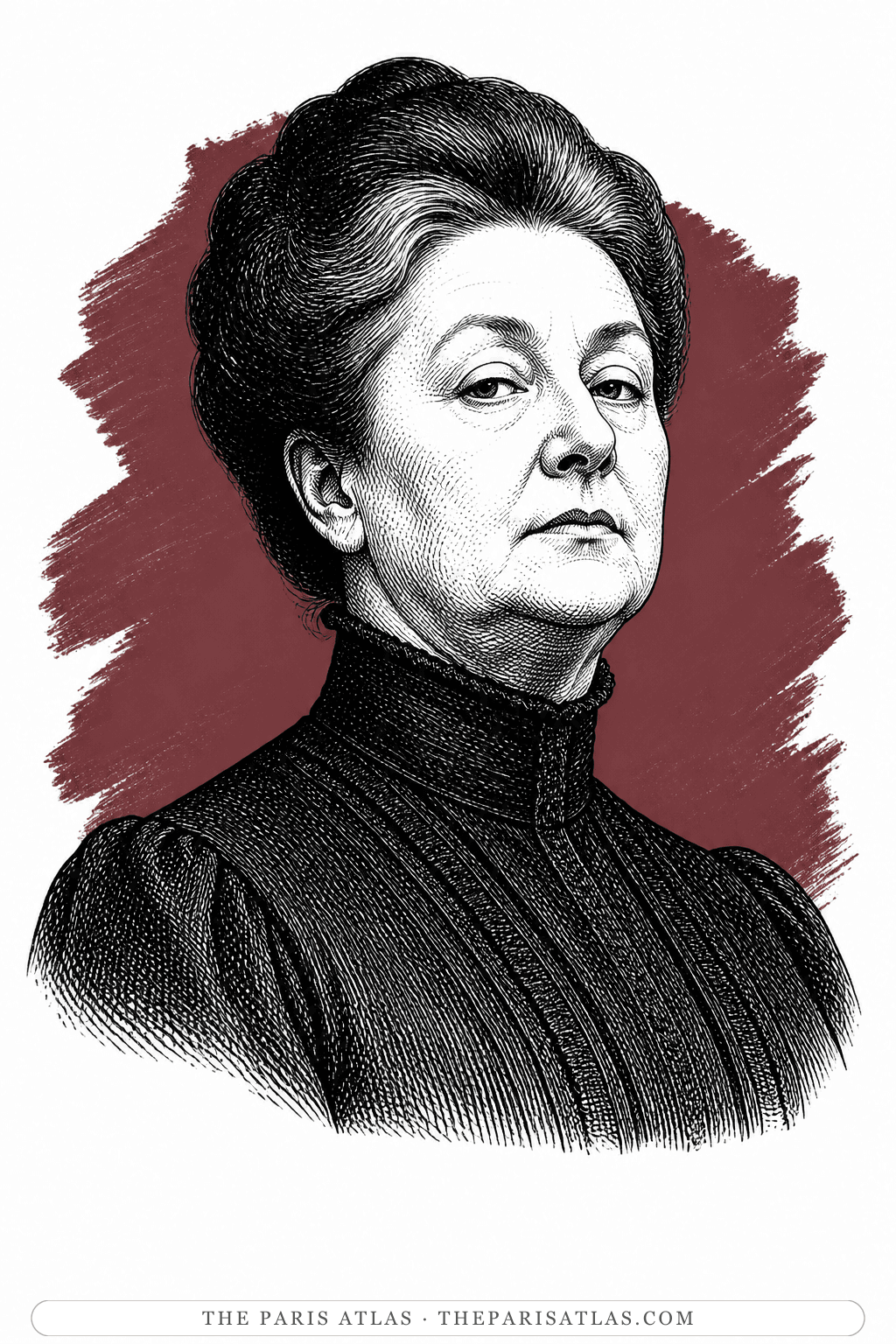
Balavet's principal social antagonist; enforces the family's respectability around Élise's approaching wedding.
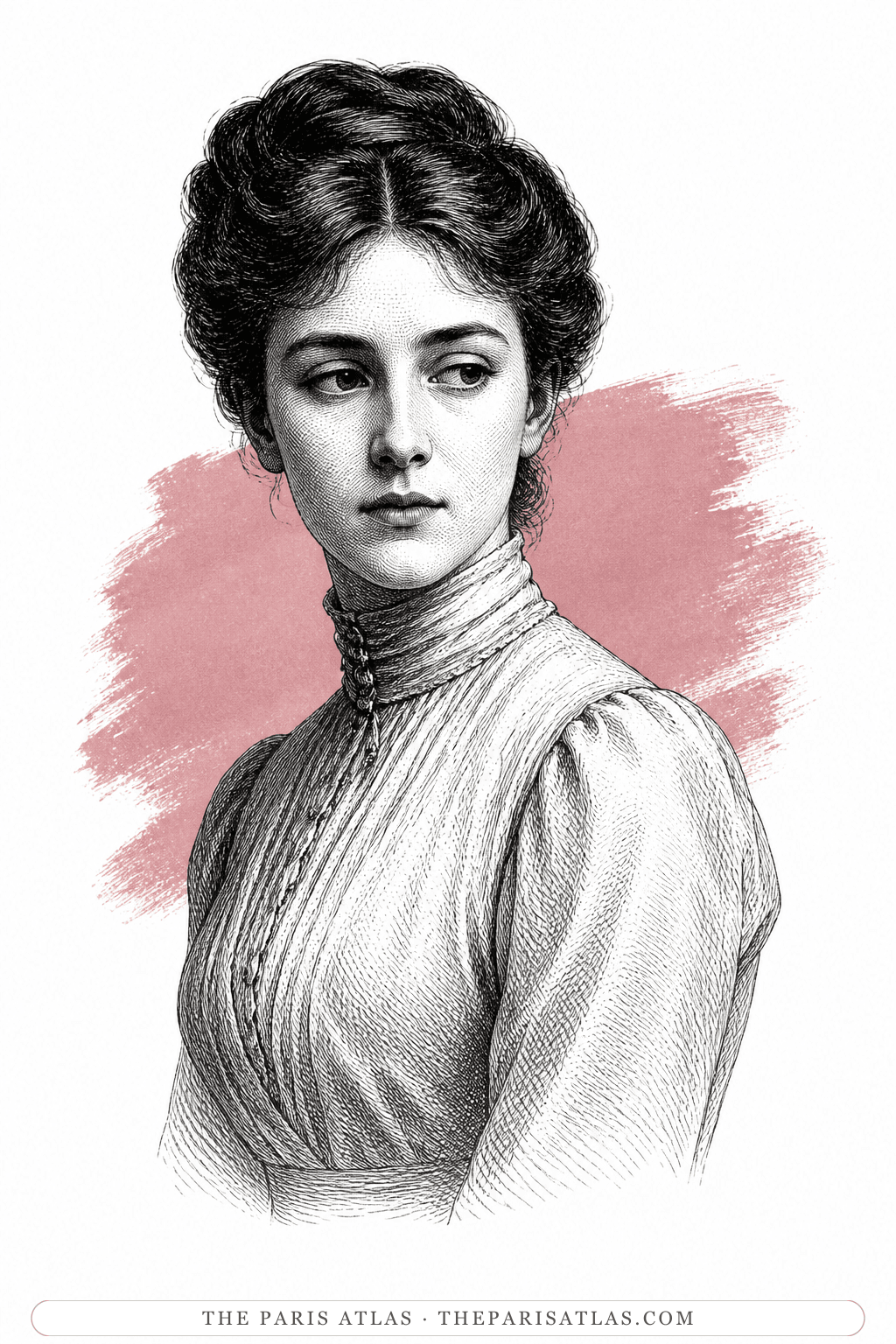
Madame Morin's daughter; her marriage to Monsieur Fulmouche is the wedding Balavet must be kept away from.
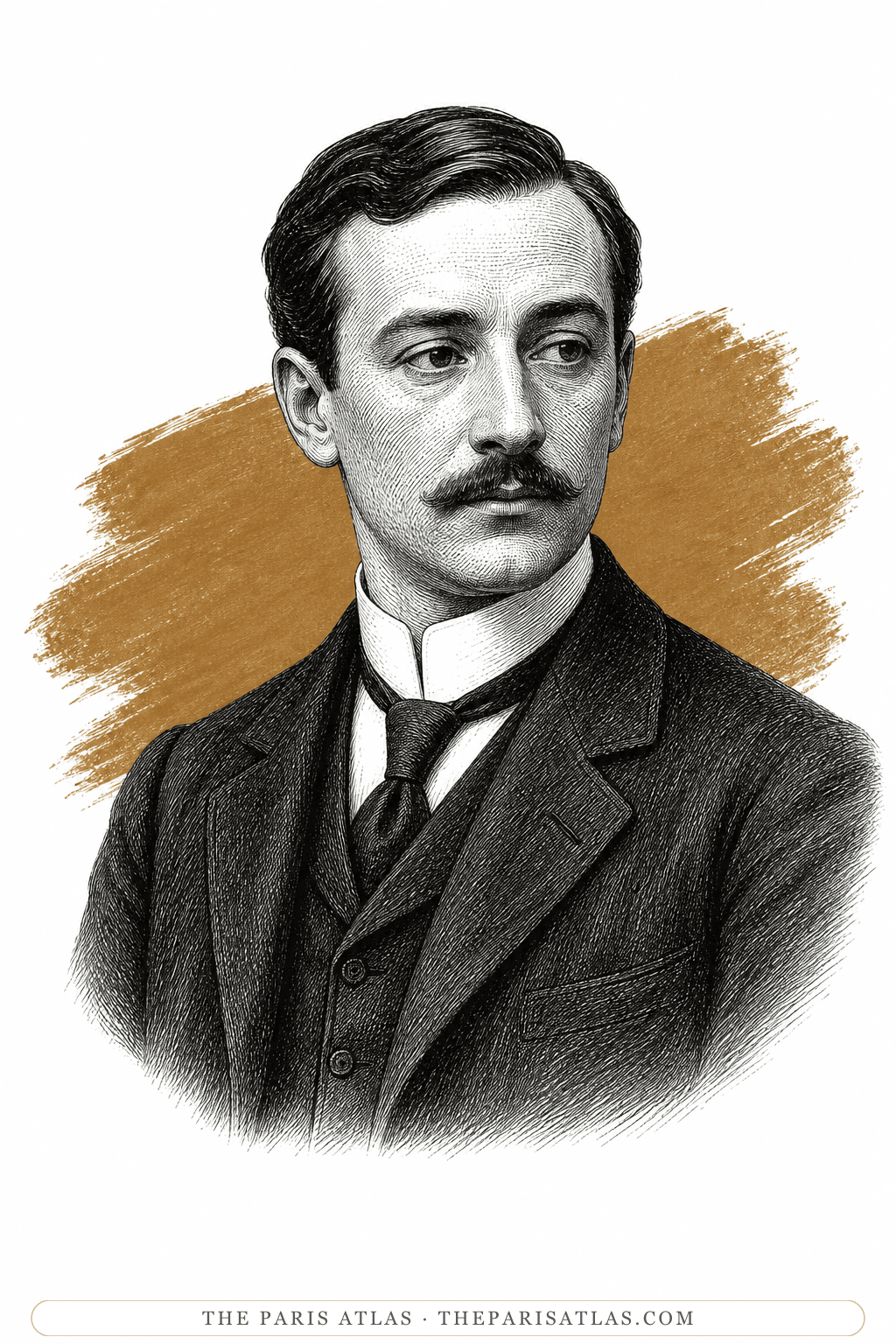
Élise's intended husband; the social occasion around whom the Morins organise the exclusion of Balavet.
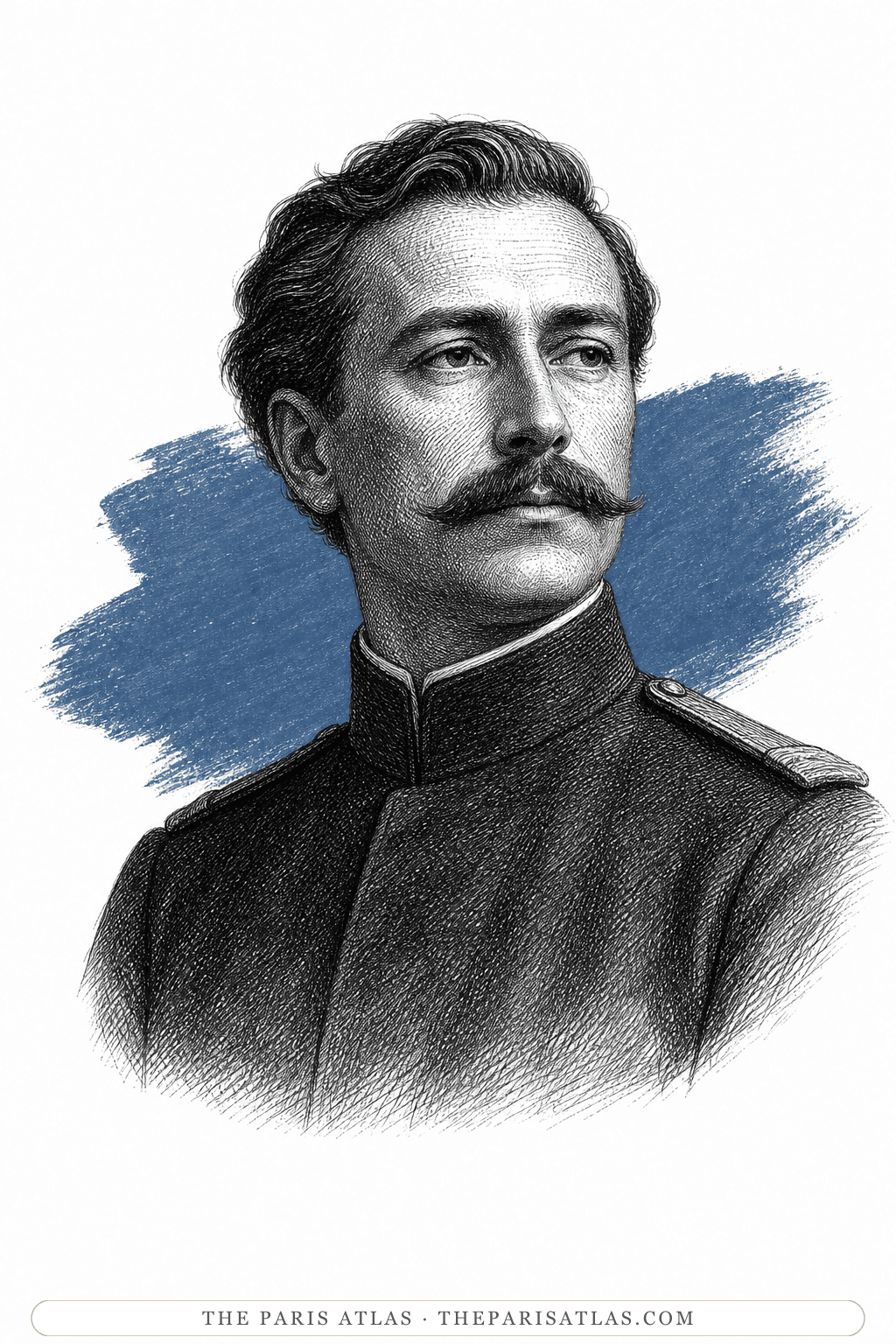
Dead military figure around whom Balavet builds her private mythology, using letters, newspapers and imagination.
Before 1932
Céline writes this early story before the mature style of Journey to the End of the Night.
2021
The recovery of Céline’s missing manuscripts brings the unpublished story back into the literary record.
Spring 2023
La Nouvelle Revue française publishes the story in issue 655.
The 1932 debut whose treatments of ugliness and inflated patriotism La Vieille dégoûtante anticipates in conventional narrative form.
Read our take
Céline's 1924 medical thesis; La Vieille dégoûtante shares its pre-Journey period and its willingness to look at bodily reality without softening.
Read our take
The recovered 2022 novel; La Vieille dégoûtante is another piece of the wave of Céline material recovered after 2021.
Read our takeIn the spring 2023 issue of La Nouvelle Revue française, no. 655.
No. It is an unpublished early text recovered from Céline's manuscripts and published posthumously.
Mademoiselle Balavet — the villager whose humiliation the story is built around.
She constructs an enhanced heroic version of Captain Beaujarret using letters, reports and altered details.
It helps document Céline's literary development before the mature style of Journey to the End of the Night — showing him working in a nineteenth-century, near-Balzacian narrative manner.
The text does not explicitly stage her death. She simply walks away and disappears into the rainy distance.
Explore authors with a similar voice, perspective, and influence.

Miller read Journey in manuscript while writing Tropic of Cancer and never recovered — the two books are the era's twin gutter-testaments.
View author
The other French modernist Céline could not look away from: a war-wounded amputee whose spoken prose ran ahead of grammar and whose Moravagine anticipates Bardamu's tour of the century's slaughterhouses.
View author
The same war, the same refusal of the big words — delivered in whispers where Céline delivers it in screams. Both writers died in the same week of July 1961.
View authorThe sources below include the primary text, editions, scholarship, archival materials, and other records that informed this page. They document La Vieille dégoûtante, its publication, and its place in literary history.


The primary text represented by this page, used for descriptions of the work’s contents and for any quoted passages shown here.

Published analysis and historical context used in preparing the La Vieille dégoûtante page.
Published analysis and historical context used in preparing the La Vieille dégoûtante page.
Published analysis and historical context used in preparing the La Vieille dégoûtante page.
Used to verify Louis-Ferdinand Céline's bibliography and place La Vieille dégoûtante within the broader chronology of Louis-Ferdinand Céline's career.
Web source consulted for documented facts and historical context presented on the La Vieille dégoûtante page.
Web source consulted for documented facts and historical context presented on the La Vieille dégoûtante page.
The primary text is the baseline reference for every book page. Additional references document publication history, interpretation, and historical context where that evidence is available.
 Explore more resources