
London
The direct sequel — Ferdinand's arrival in England and his descent into the Leicester Pension underworld.
Read our take
Louis-Ferdinand Céline's recovered 2022 novel — a young Ferdinand comes to on a battlefield, survives a military hospital, and starts moving toward London.
Ferdinand wakes on a First World War battlefield gravely wounded, surrounded by bodies and unable to escape the roaring, ringing noise inside his damaged head. Taken to a military hospital, he discovers that survival brings its own forms of absurdity: medals, family expectations, sexual bargaining, military discipline and the constant possibility of being sent back to war. The recovered manuscript fills in part of Ferdinand's life between the battlefield and his later London adventures.
Much of War takes place during Ferdinand's convalescence. His wounds, especially the damage associated with his head and ear, leave him in continual pain and with persistent noise and vertigo.
At the hospital he befriends another wounded soldier known as Cascade. Cascade has deliberately injured himself to escape military service and survives partly through the earnings of his wife, Angèle, who works as a prostitute.
Ferdinand's parents visit and attempt to turn their injured son into a respectable patriotic hero. Ferdinand himself knows how arbitrary the distinction between heroism, cowardice and simple survival has become.
As he recovers, he becomes increasingly involved with Cascade and Angèle and begins moving from the institutional world of the military hospital toward the criminal and sexual underground that will eventually lead him to London.
The surviving manuscript begins abruptly because its opening pages are missing. Ferdinand regains consciousness after a battle and somehow reaches assistance despite serious wounds.
He is transferred to a hospital, where the narrative becomes an account of physical trauma as much as external events. The war remains permanently lodged in his senses through the noise in his damaged head.
At the hospital Ferdinand meets Cascade. Ferdinand's parents, desperate to transform their son's ordeal into a reassuring story of patriotism and advancement, become involved in social occasions celebrating his supposed heroism. Ferdinand receives a military decoration, but the honor has little relationship to what he actually experienced.
Cascade's situation is more precarious than Ferdinand's, and his marriage to Angèle is built on exploitation and resentment on both sides.
Ferdinand becomes increasingly involved with Angèle. She has connections to a wealthy British officer, Major Purcell, and London appears as a possible escape from France, the army and the life Ferdinand has known.
Angèle denounces Cascade — she has evidence that his wound was self-inflicted, and she exposes him. He is arrested, condemned, and executed by firing squad.
Ferdinand effectively moves into the space Cascade has left behind, becoming closer to Angèle and increasingly involved in her world.
The surviving manuscript ends with Ferdinand heading for England. There is no elaborate final resolution because War is an unfinished draft rather than a novel Céline prepared for publication. Its endpoint functions almost like a bridge: the battlefield and hospital narrative is over, and London is about to begin.
War begins with a body trying to establish what it can still do. In the opening passage quoted by Michael W. Clune, Ferdinand reaches toward another soldier but cannot locate one of his own arms; the account moves through touch, pain, rain and noise before offering any wider view. That restricted perception denies the battlefield the coherence of a military report. The remembered scene also breaks into the narrator's present: he says the noise continues as he tells it. Survival has not made the experience safely past.
The medal becomes useful in a social economy as well as a military one. In Clune's account of the luncheon, Ferdinand's parents use the decoration to strengthen their connection with an influential host, while troops move toward the front outside. Respectability and destruction occupy neighboring spaces. Clune also stresses that bureaucratic error and Ferdinand's own lies contribute to his heroic status. The narrator is therefore not simply an innocent observer of institutional absurdity. He benefits from a public version of himself that cannot accommodate the experience described at the book's opening.
Guerre is the first of the recovered 1930s manuscripts to appear in print. Reading it now means encountering Céline's early prose for the first time since it was written.
Journey to the End of the Night briefly showed Ferdinand wounded and hospitalized; War is the whole hospital arc, at Céline's earliest voice.
Guerre ends with Ferdinand heading for England. The recovered Londres (2022) picks up almost exactly where this book leaves off.
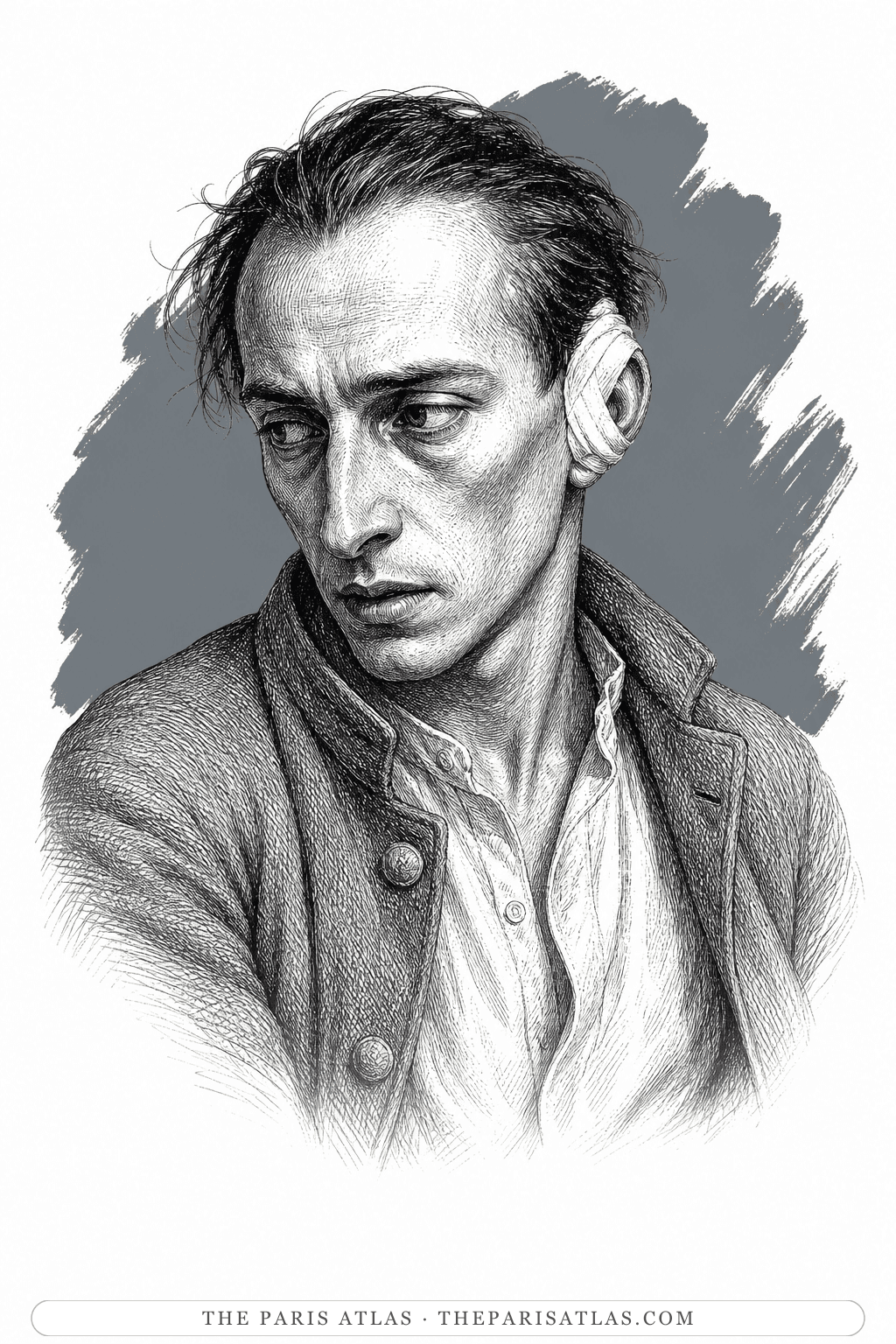
The narrator. A young French soldier who comes to on the battlefield gravely wounded, survives the hospital, and moves through convalescence toward the criminal underground that will take him to London.

A fellow wounded soldier Ferdinand befriends in the hospital ward — a Parisian low-life who schemes, with a wife, Angèle, whose money keeps him afloat.
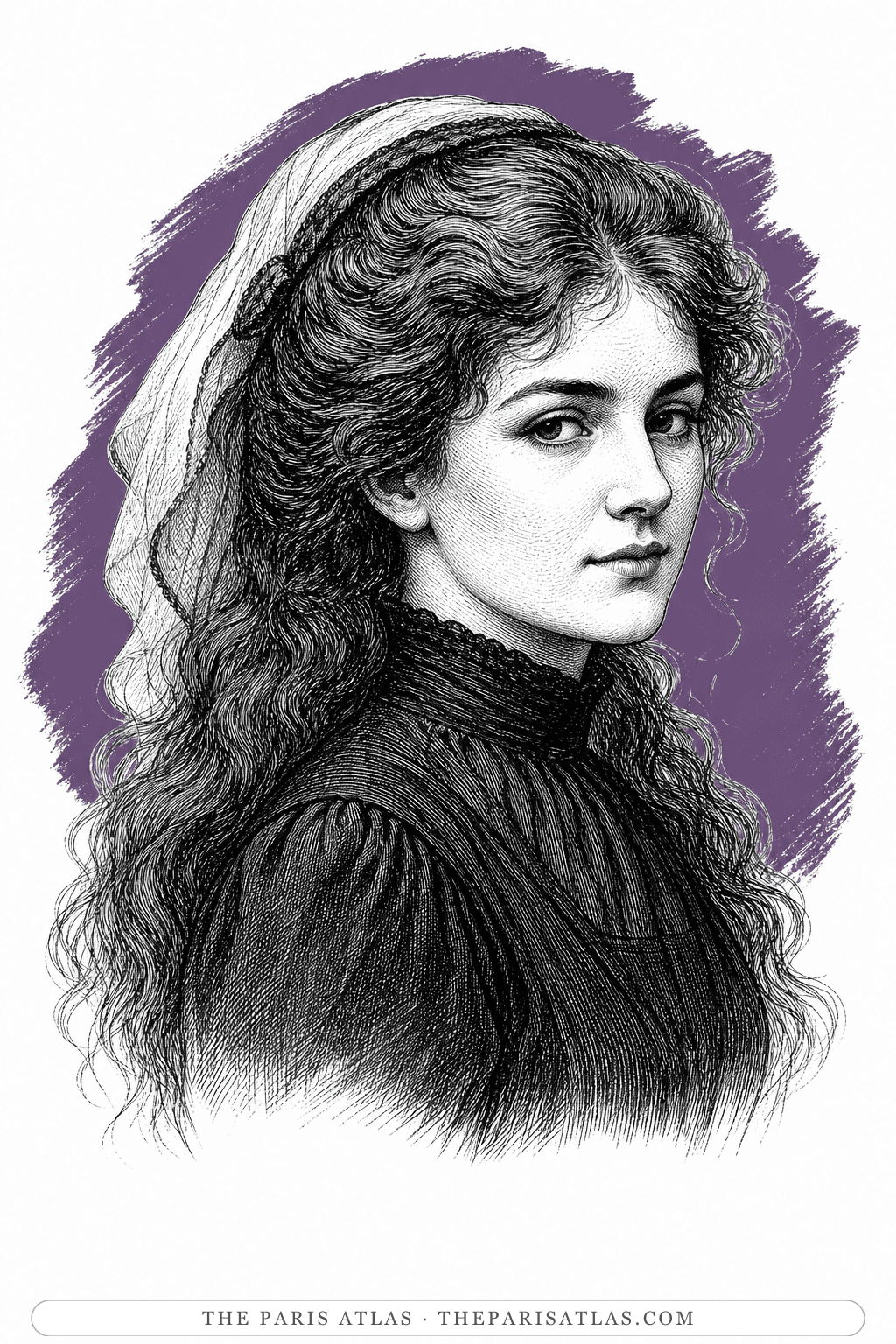
Cascade's wife, who arrives from Paris and pulls Ferdinand into her orbit. She earns her money as a prostitute, and she knows more about her husband than he would like.
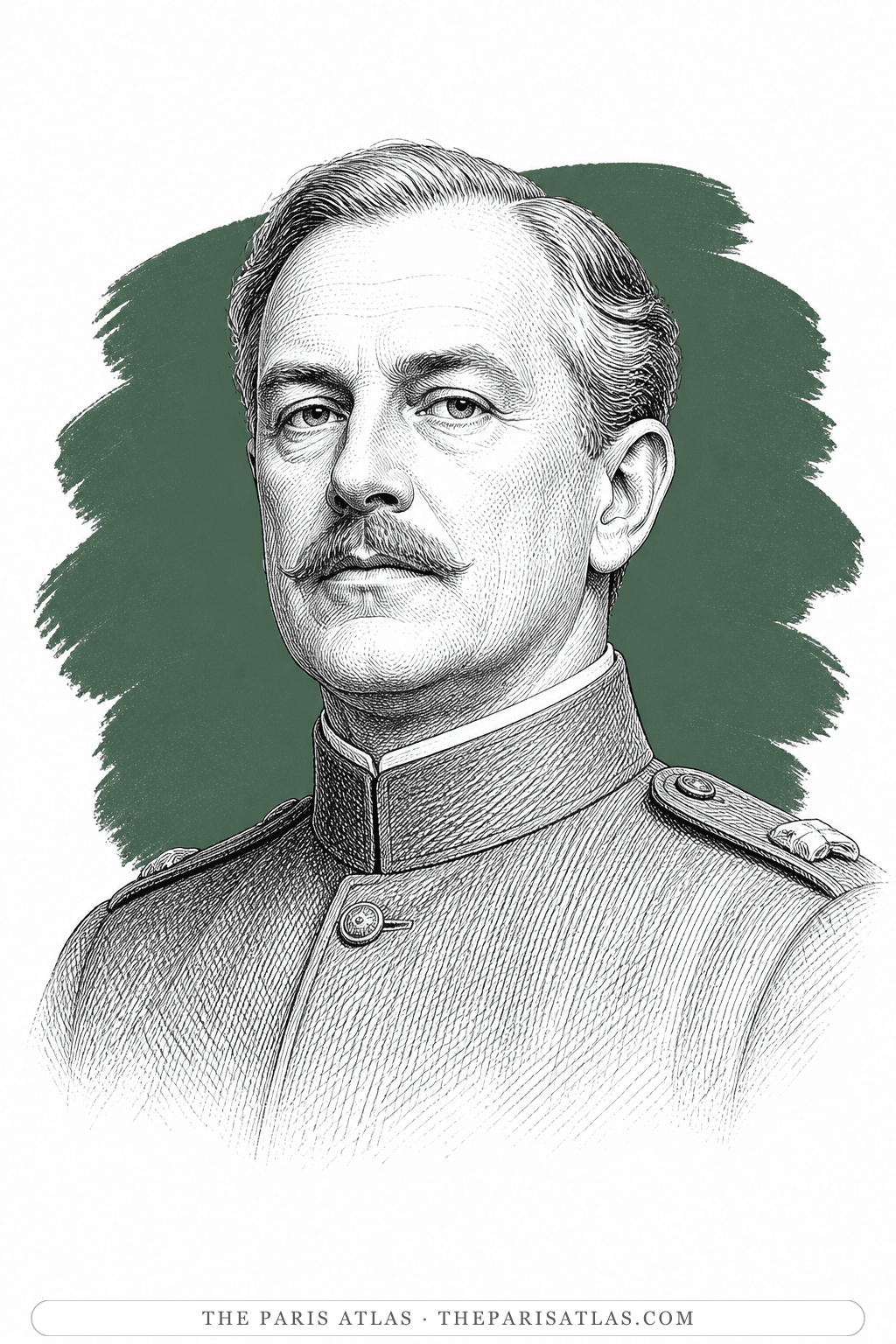
A wealthy British officer who supports Angèle. His involvement makes London appear as a possible escape from France and the army.
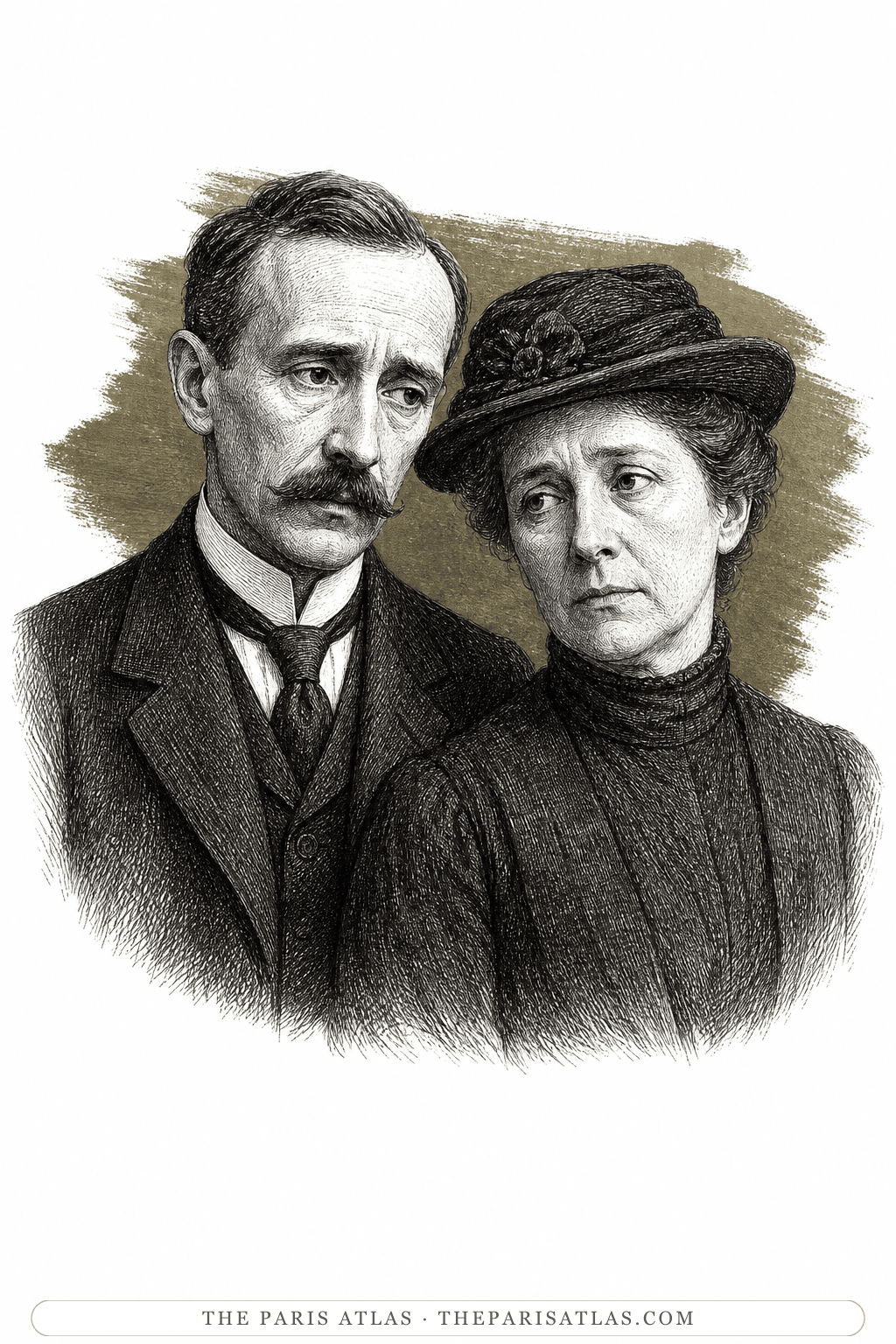
They visit the hospital and attempt to transform their injured son's ordeal into a reassuring story of patriotism and social advancement.
1944
The manuscript disappears with papers left behind when Céline flees Paris.
2021
The recovered papers become publicly known.
2022
Gallimard publishes Guerre from the surviving unfinished manuscript.

The direct sequel — Ferdinand's arrival in England and his descent into the Leicester Pension underworld.
Read our take
The 1944 London novel Céline actually published in his lifetime; comes chronologically after Londres.
Read our take
The 1932 debut whose wartime hospital chapters War develops into a full book.
Read our take
Céline's other early autofiction; both are Ferdinand's story before Guignol's Band.
Read our take
Hemingway on the same war — an American ambulance driver's hospital arc in a very different tone.
Read our takeFerdinand comes to on a First World War battlefield gravely wounded. Transferred to a military hospital, he encounters a fellow-wounded soldier named Cascade, receives a medal, and eventually moves from institutional convalescence toward the criminal and sexual underground that will lead him to London.
Gallimard published Guerre in 2022. The English-language edition (War, translated by Charlotte Mandell) followed from New Directions.
Guerre is one of roughly 6,000 manuscript pages Céline believed stolen when he fled Paris in 1944. The papers were revealed publicly in 2021 and Gallimard began publishing them in 2022. Guerre was the first novel-length text to appear.
Chronologically it sits between Death on the Installment Plan and Guignol's Band. It ends with Ferdinand heading for England, and the recovered Londres (2022) picks up almost exactly where it leaves off.
No — it is an unfinished draft rather than a novel Céline prepared for publication. The opening pages are missing (the manuscript begins abruptly), and the endpoint functions like a bridge rather than a conventional resolution.
The surviving manuscript ends with Ferdinand leaving for England — the recovered Londres (2022) picks up almost where it stops. There is no conventional resolution because Guerre is an unfinished draft; the full ending is on this page under "How it ends," behind the spoiler bar.
Explore authors with a similar voice, perspective, and influence.
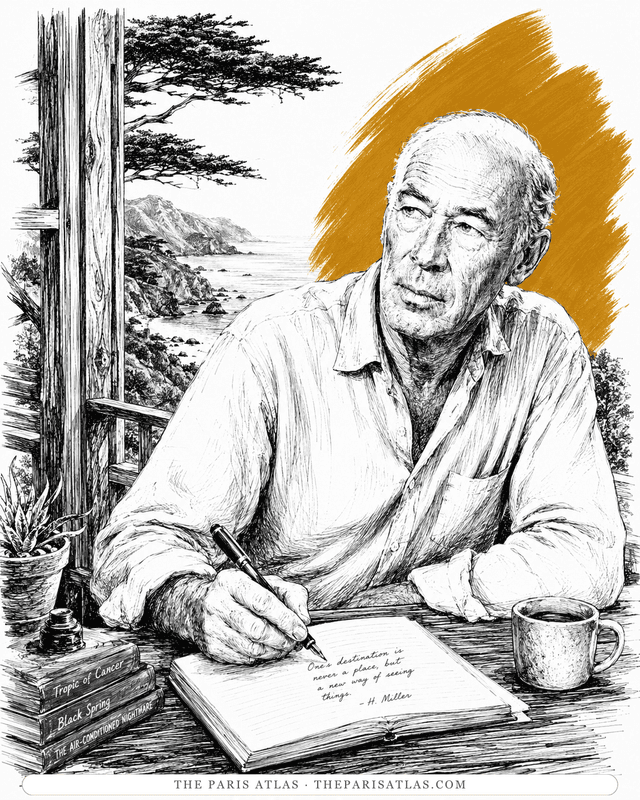
Miller read Journey in manuscript while writing Tropic of Cancer and never recovered — the two books are the era's twin gutter-testaments.
View author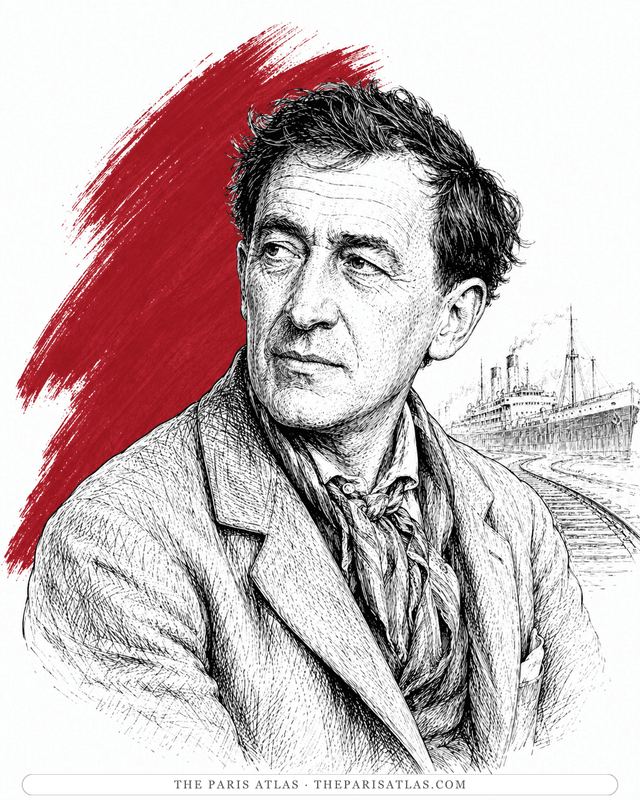
The other French modernist Céline could not look away from: a war-wounded amputee whose spoken prose ran ahead of grammar and whose Moravagine anticipates Bardamu's tour of the century's slaughterhouses.
View author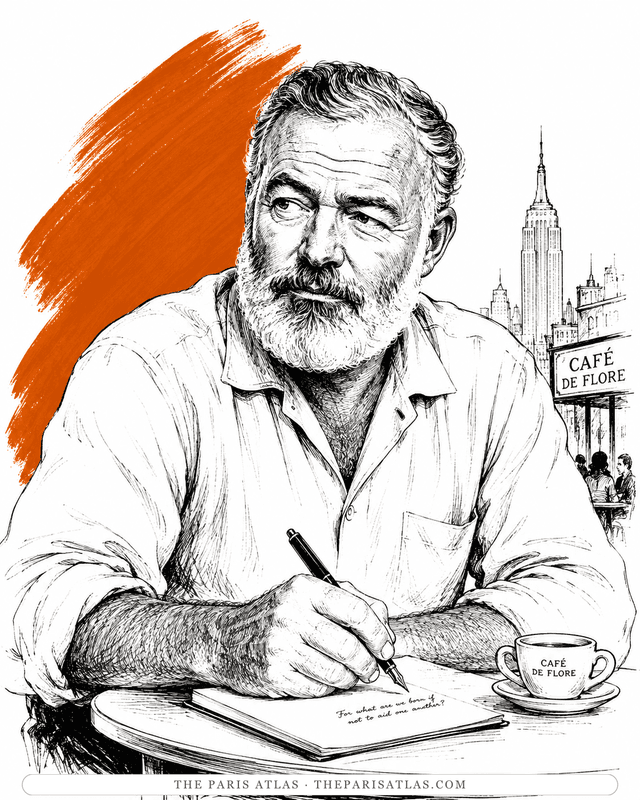
The same war, the same refusal of the big words — delivered in whispers where Céline delivers it in screams. Both writers died in the same week of July 1961.
View authorThe sources below include the primary text, editions, scholarship, archival materials, and other records that informed this page. They document War, its publication, and its place in literary history.


The primary text represented by this page, used for descriptions of the work’s contents and for any quoted passages shown here.
Web source consulted for documented facts and historical context presented on the War page.
Web source consulted for documented facts and historical context presented on the War page.

Contemporary reporting or criticism used to document the historical reception and context of War.
Contemporary reporting or criticism used to document the historical reception and context of War.
Contemporary reporting or criticism used to document the historical reception and context of War.
Published analysis and historical context used in preparing the War page.
The primary text is the baseline reference for every book page. Additional references document publication history, interpretation, and historical context where that evidence is available.
 Explore more resources