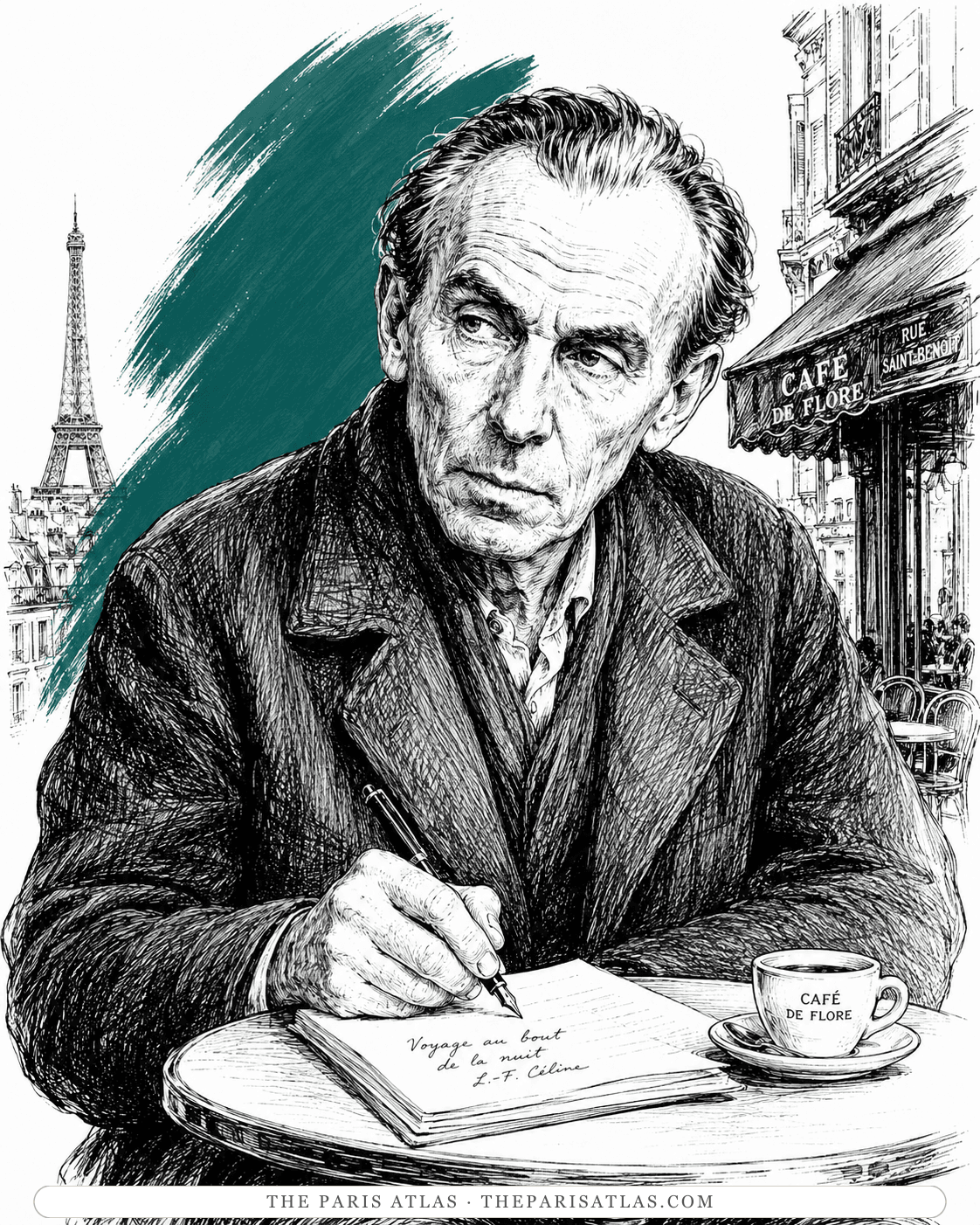

Journey to the End of the Night
The 1932 debut whose Africa, America and suburban medicine chapters L'Église prefigures in dramatic form.
Read our take
Louis-Ferdinand Céline's 1933 play in five acts — Doctor Bardamu moves through colonial Africa, New York, the League of Nations and the Paris suburbs, everywhere finding institutions absorbed by hierarchy, money and paperwork instead of the people they claim to serve.
Doctor Ferdinand Bardamu works for the League of Nations on a public-health mission that carries him from colonial Africa to New York and then to the League's headquarters in Geneva. Everywhere he goes, institutions that claim to serve humanity seem absorbed instead by hierarchy, money, ambition, paperwork or spectacle. After losing his institutional position, Bardamu returns to France and practices medicine among poor patients in the Paris suburbs. The final acts bring together sickness, poverty, frustrated love, alcohol and dance — the two poles that repeatedly attract Céline: suffering bodies and the possibility of beauty. Gallimard describes the play as a kind of general rehearsal for Journey to the End of the Night, with Africa, America, the League of Nations and suburban medicine all anticipating episodes of the later novel.
The first act places Bardamu in colonial Africa, where he is investigating disease and hygiene for the League of Nations. He encounters sick Africans, colonial administrators, medical officials and Europeans whose ambitions often seem remote from the suffering surrounding them. Doctor Gaige dies, leaving Bardamu to deal with both the practical consequences of his death and the young African boy Mamadou.
The action then moves to New York. Bardamu enters the backstage world of the Quick Theatre, where he encounters Vera Stern, dancers and performers while seeking Elisabeth Gaige to tell her that her husband has died. The abrupt move from epidemic disease to theatrical spectacle establishes one of the play's recurring contrasts: death and bodily misery exist beside dance, entertainment and beauty.
In Geneva, Bardamu returns to the bureaucratic world of the League of Nations. His experience in the field has little value within an organisation governed by reports, committees and institutional language. He clashes with Yudenzweck and other officials and is pushed out.
The final acts take place in working-class suburban France. Bardamu treats people who have little money and few prospects. Pistil, whom he knew in the colonial world, reappears as a physically ruined alcoholic. Janine falls in love with Bardamu, while Bardamu remains attracted to an ideal of physical beauty represented above all by dancers.
Act I — Africa. Bardamu is stationed in Cameroon as a physician attached to a League of Nations health mission. His nominal purpose is to investigate epidemic disease and colonial sanitation. Instead, he encounters a landscape dominated by sickness, exploitation and administrative absurdity. Doctor Gaige is already gravely ill. Pistil drinks heavily. Officials such as Inspector Clapot represent the colonial medical hierarchy, while the local African population bears the consequences of conditions the administration claims to be managing. Gaige dies. Bardamu is left with the knowledge of his death and with Mamadou, the young African boy associated with Gaige's household.
Act II — New York. Bardamu reaches New York and goes to the Quick Theatre. His immediate task is personal rather than institutional: he needs to tell Elisabeth Gaige that her husband has died. Around her is an entirely different world — dancers, entertainers, theatrical entrepreneurs and people pursuing money, attraction and success. Vera Stern and the other performers introduce Bardamu to a world in which bodies are not diseased colonial bodies but bodies trained and displayed as spectacle. Mamadou is also present, creating a direct thread between the African and American acts.
Act III — Geneva. Bardamu reports back to the League of Nations. Céline turns the organisation into an extended bureaucratic comedy populated by delegates, secretaries, typists and administrators. Bardamu has seen disease and death directly, but the institution processes such realities through paperwork and official language. Yudenzweck becomes the clearest representative of this institutional mentality. Bardamu does not fit into it and loses his position. This is also the act containing the line later chosen by Jean-Paul Sartre for the epigraph to La Nausée: Bardamu is described as a man of no "collective importance," merely an individual.
Act IV — the Paris suburbs. Bardamu is now practising medicine in Blabigny, a working-class suburb. Instead of international public health, he treats individuals who are poor, sick, frightened or socially marginal. The scale has collapsed from global institutions to individual bodies. Pistil reappears, physically deteriorated by alcoholism. Janine becomes emotionally attached to Bardamu.
Act V — the bistro-clinic. The final act centres on a bistro that has effectively become an improvised clinic. Pistil is dying of cirrhosis. Janine declares her feelings for Bardamu, but Bardamu cannot return them in the way she wants. His conception of attraction remains bound to physical grace and beauty. Then Elisabeth appears and dances. Janine's frustration erupts and she produces a revolver, threatening Bardamu. Yet the play finally shifts attention away from violence and toward Elisabeth's dancing, around which the other characters gather. The ending replaces institutional speeches, illness and argument with bodily movement.
Pistil is dying, Janine's love for Bardamu has failed, and Janine turns a gun on him. But Céline does not close the play with a shooting or a conventional romantic resolution. Elisabeth dances, and the others become absorbed by her movement.
The contrast is characteristic of the play: the physical body can be diseased, exhausted, exploited and imprisoned by circumstance, yet the dancer's body temporarily creates another possibility — rhythm, beauty and freedom.
Bardamu himself reaches no triumphant conclusion. He has moved through colonial administration, America, the League of Nations and medicine without finding an institution capable of resolving the suffering he encounters.
The Geneva act makes institutional secrecy visible: most of the stage remains dim, with light catching people entering and leaving the commissions. Yudenzweck demands a longer report even when Bardamu has little to report. Paperwork becomes an end in itself, keeping the institution busy rather than making suffering intelligible. But this is not simply a universal satire of bureaucracy. Céline explicitly identifies the officials as Jewish and depicts them through antisemitic caricatures. Recognizing that framing prevents the comic attack on administration from being mistaken for a neutral portrait of the League.
Bardamu's attraction to graceful bodies has an excluding side. Guy Barral's comparison of the early typescript with the published play shows Céline sharpening the doctor's cruelty toward Janine: a new line questions the point of being ugly and ill, and her reply becomes more threatening. The revision makes her anger an answer to a judgment about her worth, not merely frustrated romance. Beside the promise of relief associated with dance, this exchange exposes a failure of care. Admiring bodily beauty does not necessarily produce compassion for someone whose body cannot meet that ideal.
L'Église matters enormously for understanding the construction of Bardamu. Almost every major geographical stage of Journey to the End of the Night already exists here: Africa, the United States and impoverished suburban medicine. The League of Nations material supplies a bureaucratic equivalent to the other institutions Bardamu encounters.
But the play is not simply an early draft of Journey. Its theatrical structure makes dance far more immediately visible. Sickness and beauty repeatedly appear as opposite possibilities of the human body: Bardamu is a doctor surrounded by bodies falling apart, yet he is drawn obsessively toward bodies capable of rhythm and grace.
The title also takes on a broader meaning than organised religion. The play repeatedly asks what happens when human institutions — colonial medicine, international organisations, theatres, clinics — acquire the authority and ritual of a "church" without being able to rescue the people inside them.
What the play explores:
L'Église is where Bardamu, Africa, America, the League of Nations, suburban medicine and dance first take shape. Reading it means catching Céline's most famous character in his earliest form, six years before his debut novel.
Progrès stayed in a drawer until 1978. L'Église is the one full drama Céline saw through to publication in his lifetime — the closest thing to a theatrical statement he ever made.
The line Sartre used to open La Nausée is spoken in Act III. Reading L'Église is the way to encounter it in its original scene rather than as detached epigraph.
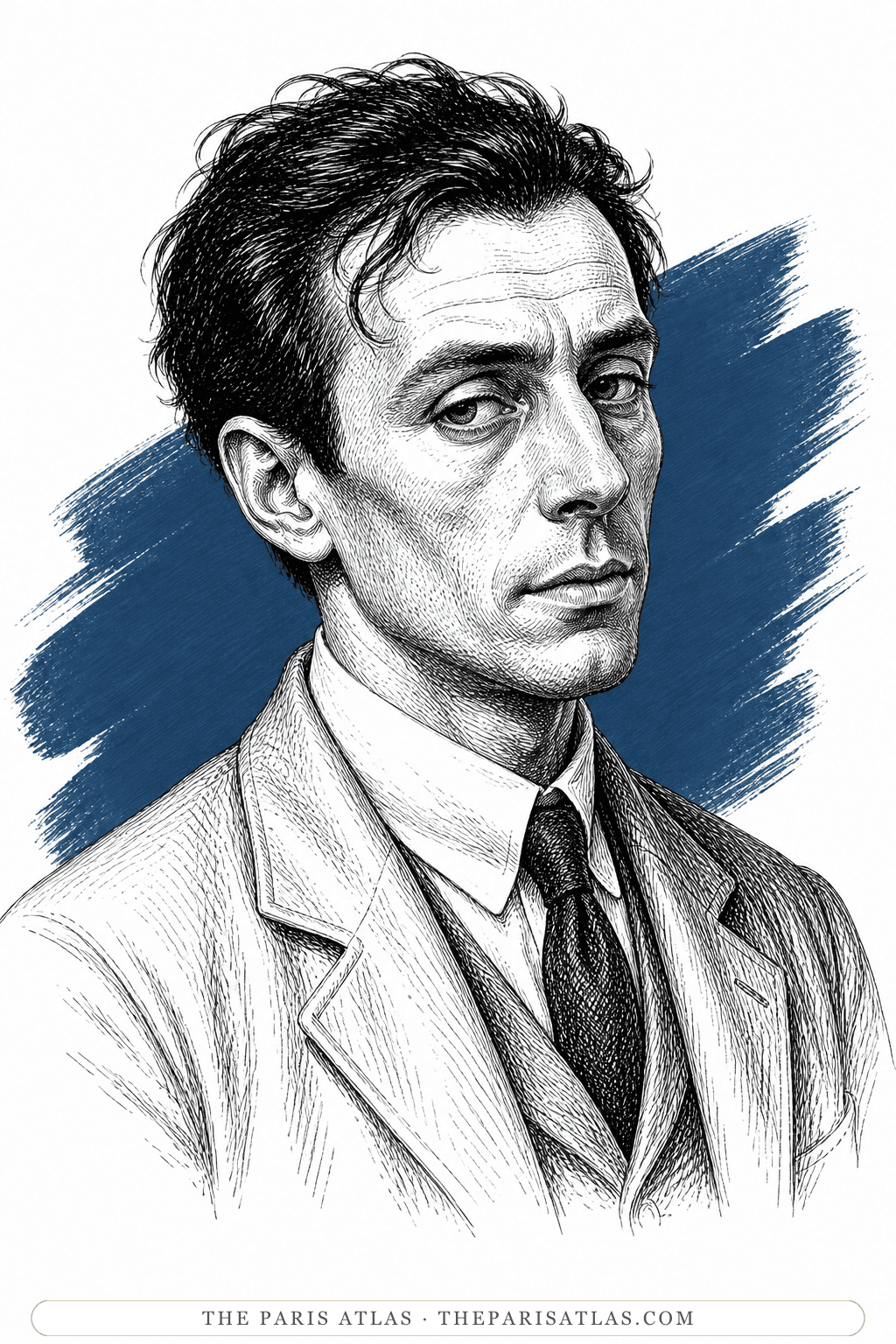
Physician and central character; the earliest surviving version of the narrator later carried into Journey to the End of the Night.
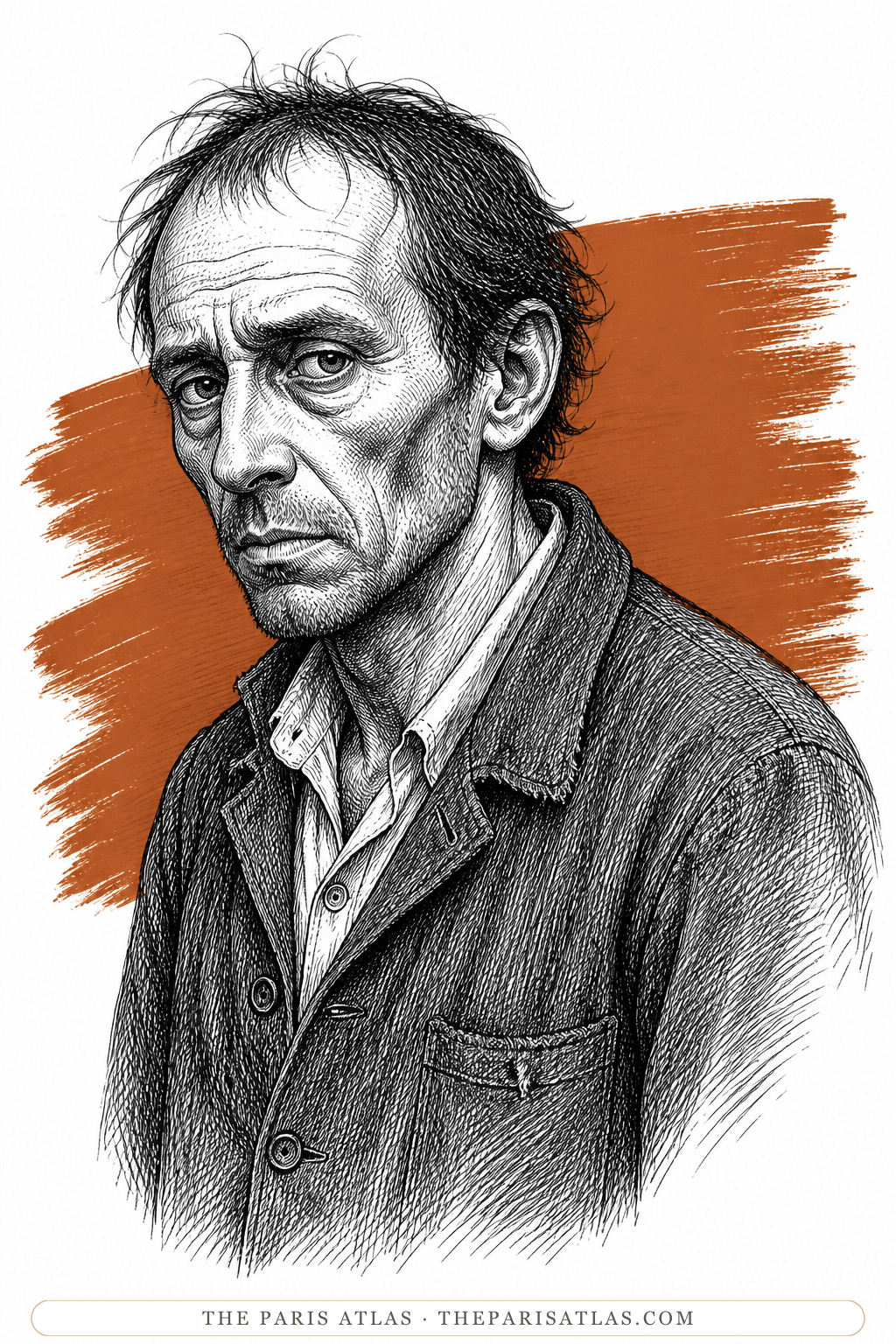
Alcoholic acquaintance who appears in Africa and later in suburban France, physically ruined by drink.
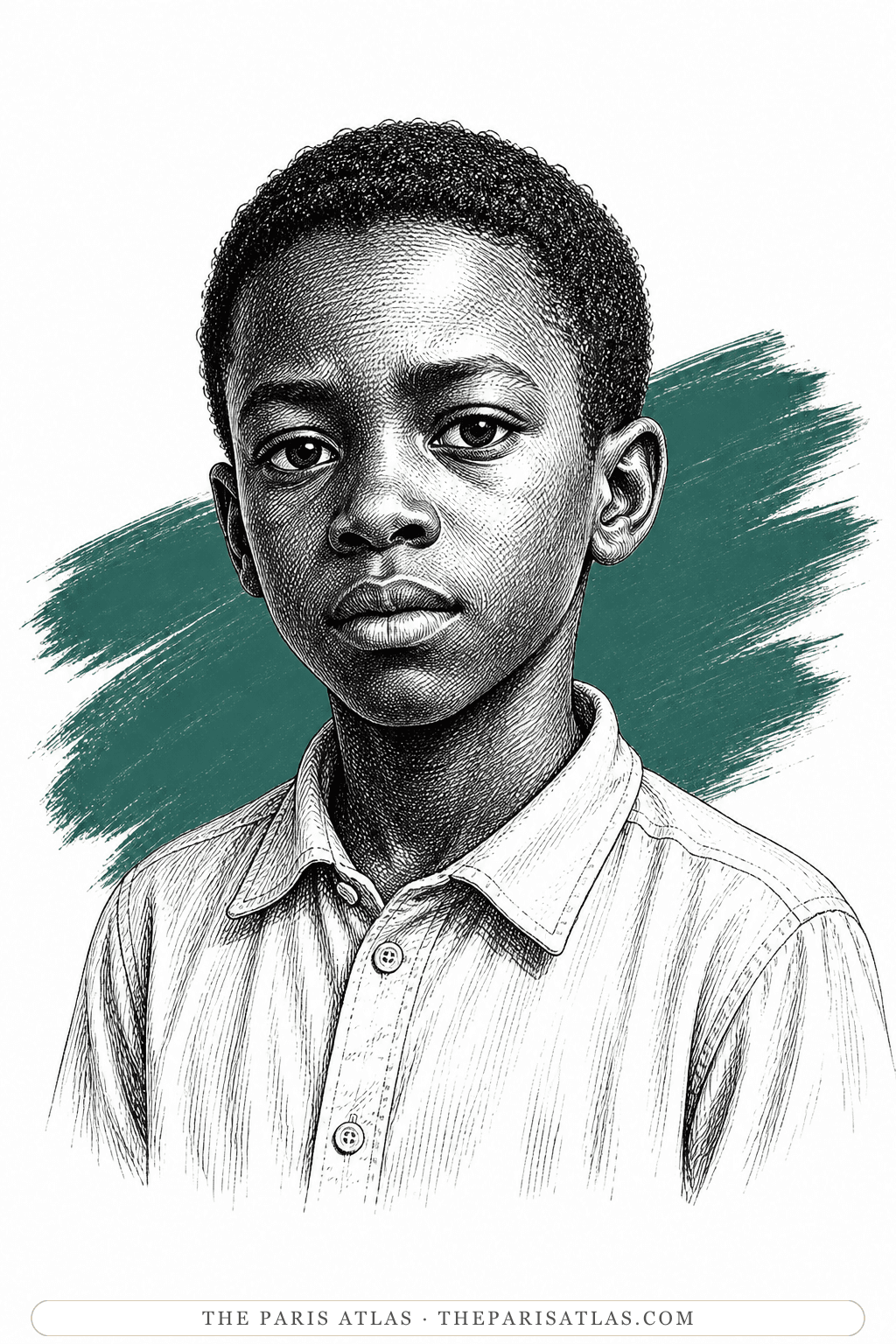
Young African boy associated with Doctor Gaige's household; travels with Bardamu from Africa to New York.

Physician whose death in Africa drives part of the early action.
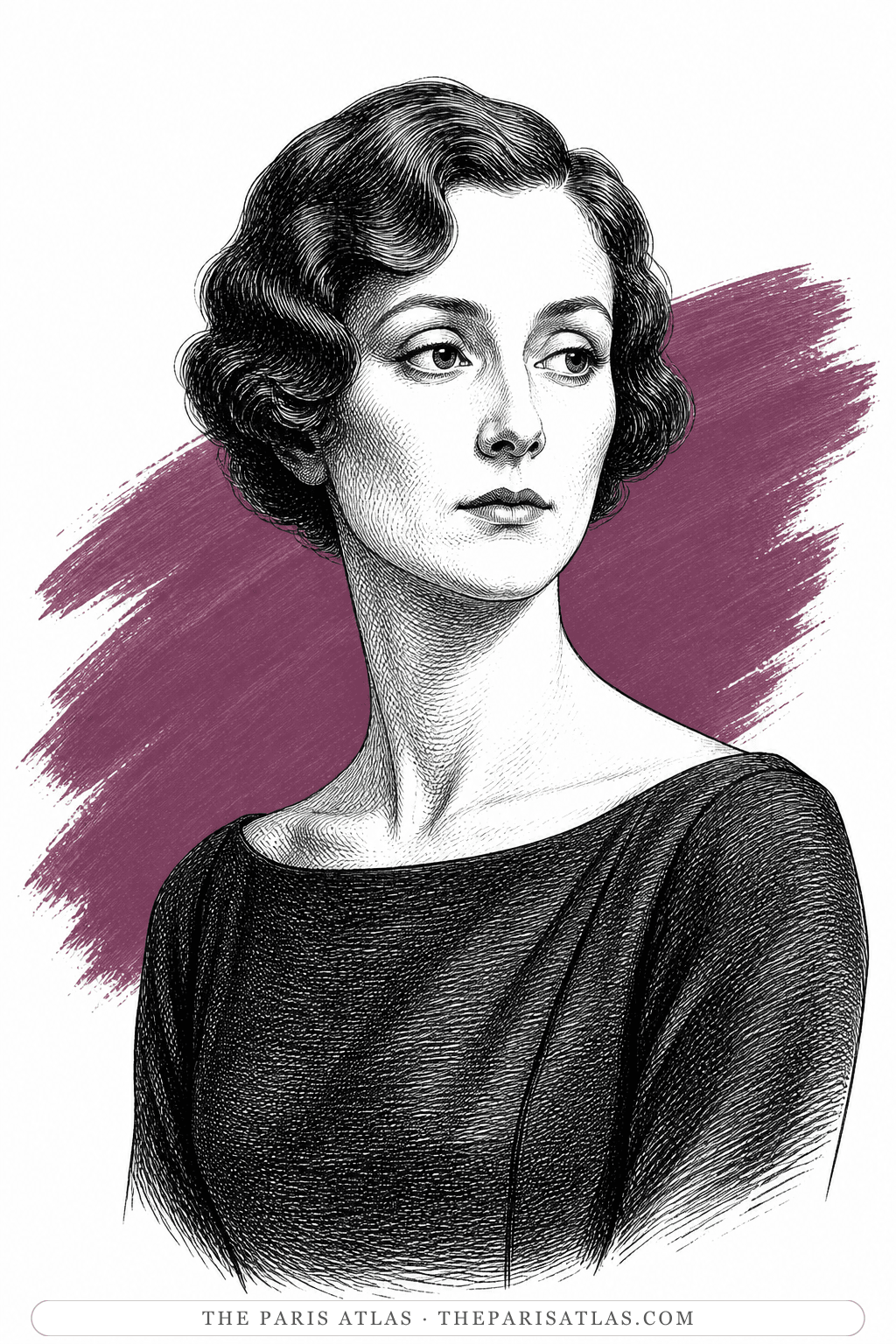
Gaige's widow; associated with the American theatrical world and dance.
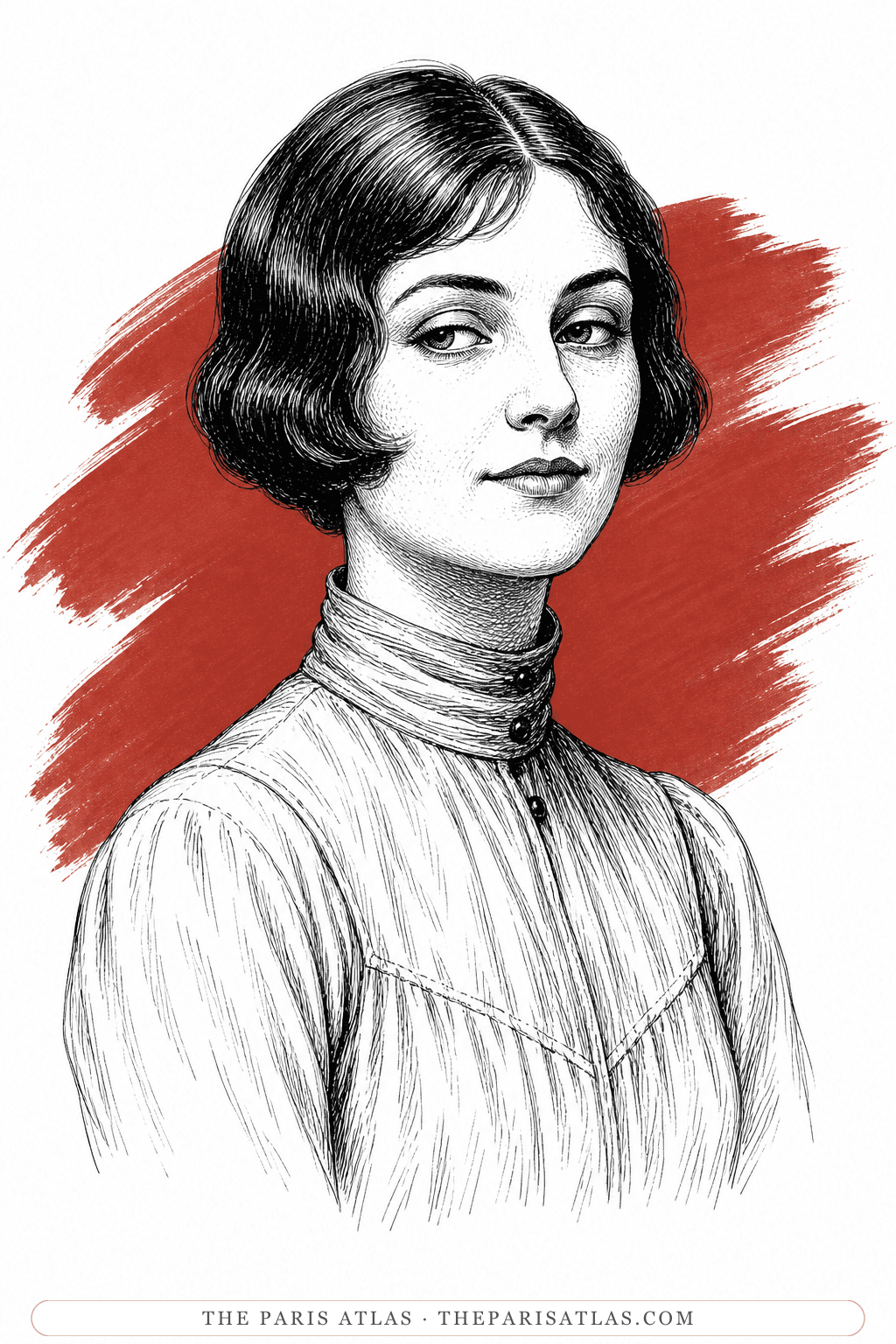
Performer associated with the Quick Theatre in New York.
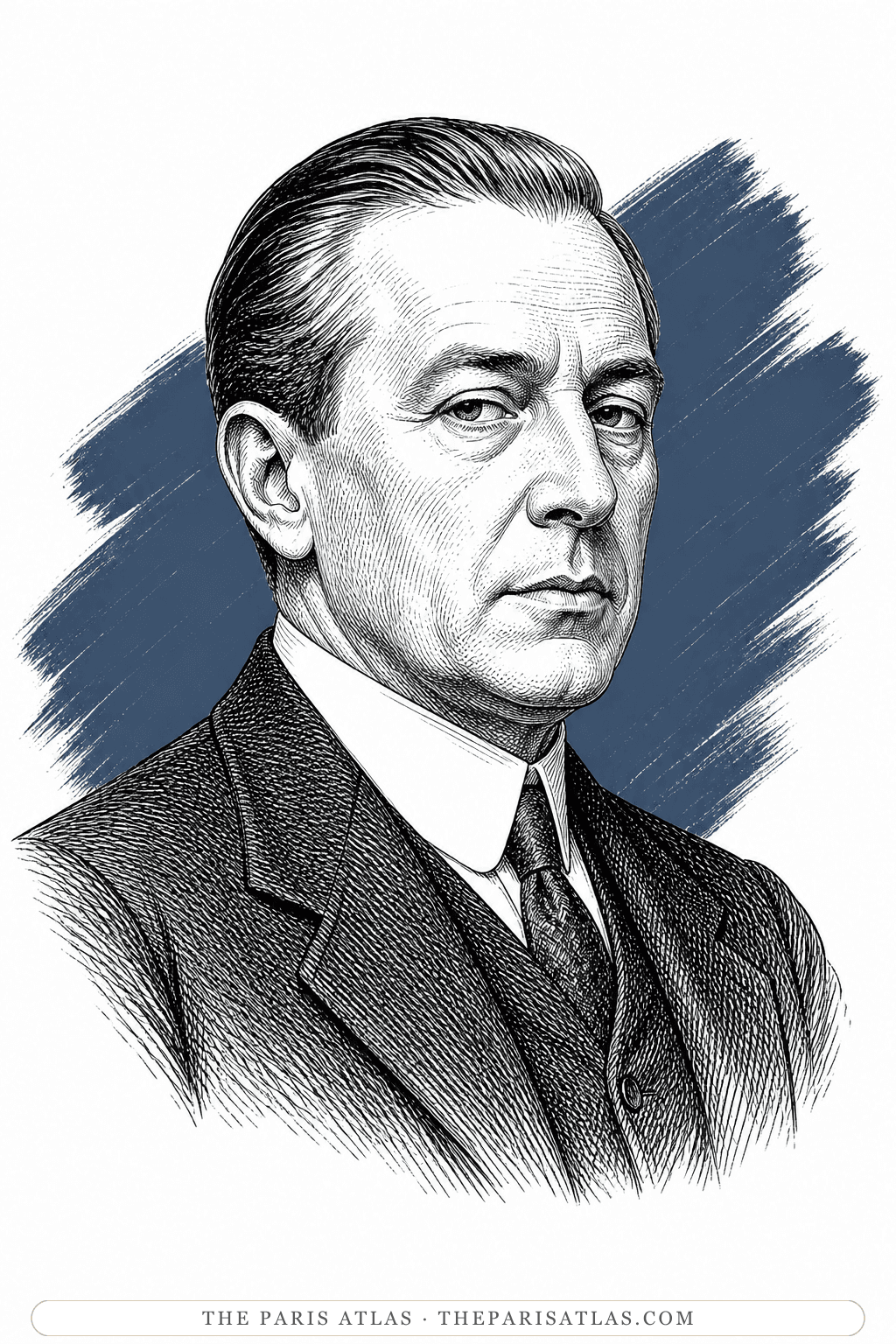
League of Nations official and Bardamu's institutional antagonist in the Geneva act.

Young woman treated by Bardamu in suburban France who falls in love with him.
1926–1927
Céline writes L’Église before completing his first published novel.
1932
Journey to the End of the Night appears, sharing several settings and concerns with the earlier play.
1933
Denoël publishes L’Église.
The 1932 debut whose Africa, America and suburban medicine chapters L'Église prefigures in dramatic form.
Read our take
Céline's other early play — a domestic-into-theological farce he never published in his lifetime.
Read our take
The recovered 2022 novel whose battlefield and hospital arc predates the League of Nations material in L'Église.
Read our takeYes. He wrote it principally in 1926–27, although it was not published until 1933, one year after Journey.
He is an earlier version of Ferdinand Bardamu. Several settings and experiences in the play were later radically reworked in Journey.
It was the only full play he published during his lifetime. He also wrote Progrès, which remained unpublished until 1978.
Sartre used the line describing Bardamu as having no collective importance and being merely an individual. It comes from Act III, not Act II as sometimes reported.
Céline had himself undertaken public-health work connected with the League. In the play, its international humanitarian mission becomes a setting for satire of bureaucracy and institutional language.
Because it shows Bardamu, Africa, America, international bureaucracy, suburban medicine, dance and many of Céline's recurring concerns already taking shape before his first novel.
Explore authors with a similar voice, perspective, and influence.
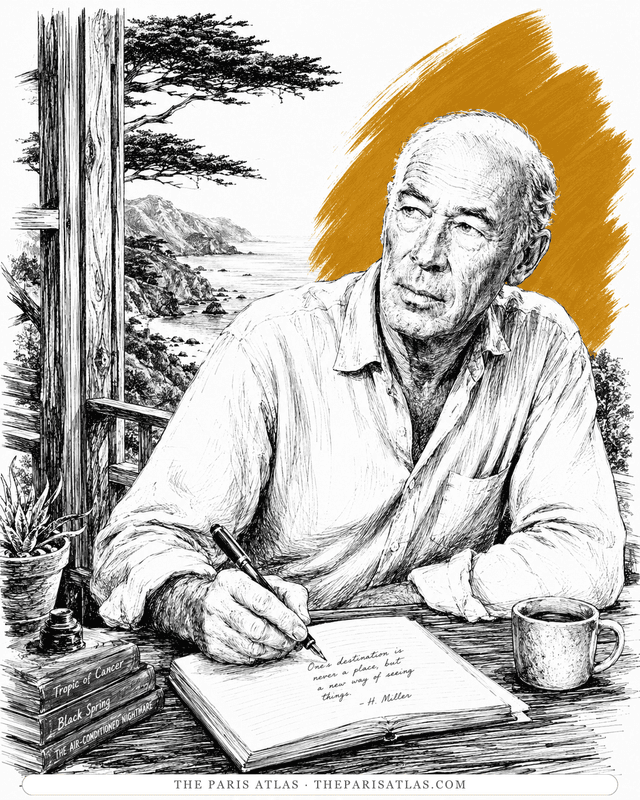
Miller read Journey in manuscript while writing Tropic of Cancer and never recovered — the two books are the era's twin gutter-testaments.
View author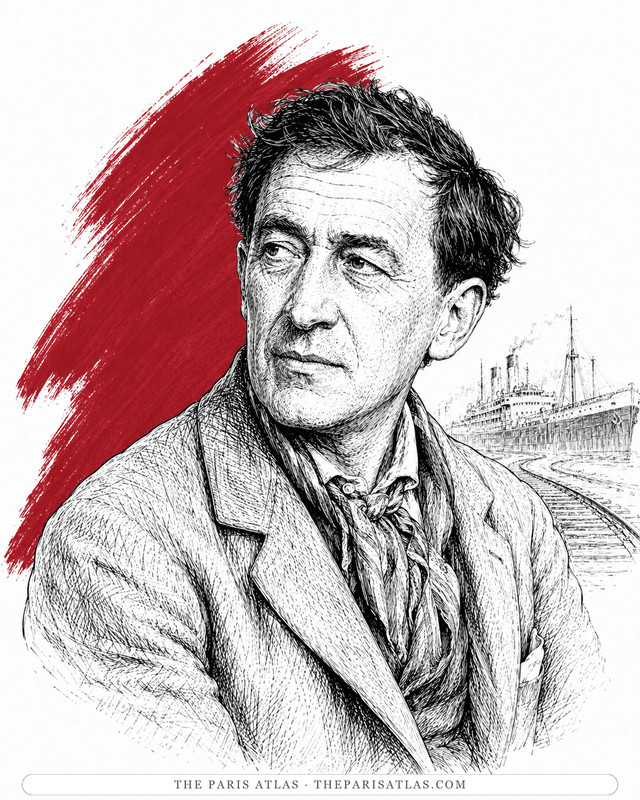
The other French modernist Céline could not look away from: a war-wounded amputee whose spoken prose ran ahead of grammar and whose Moravagine anticipates Bardamu's tour of the century's slaughterhouses.
View author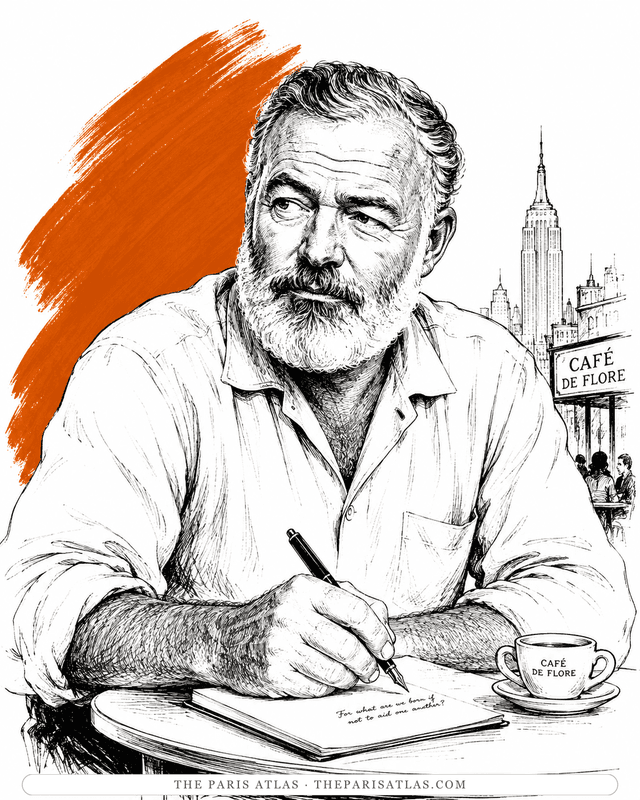
The same war, the same refusal of the big words — delivered in whispers where Céline delivers it in screams. Both writers died in the same week of July 1961.
View authorThe sources below include the primary text, editions, scholarship, archival materials, and other records that informed this page. They document L'Église, its publication, and its place in literary history.


The primary text represented by this page, used for descriptions of the work’s contents and for any quoted passages shown here.

Published analysis and historical context used in preparing the L'Église page.
Published analysis and historical context used in preparing the L'Église page.
Published analysis and historical context used in preparing the L'Église page.
Published analysis and historical context used in preparing the L'Église page.
Published analysis and historical context used in preparing the L'Église page.
The primary text is the baseline reference for every book page. Additional references document publication history, interpretation, and historical context where that evidence is available.
 Explore more resources