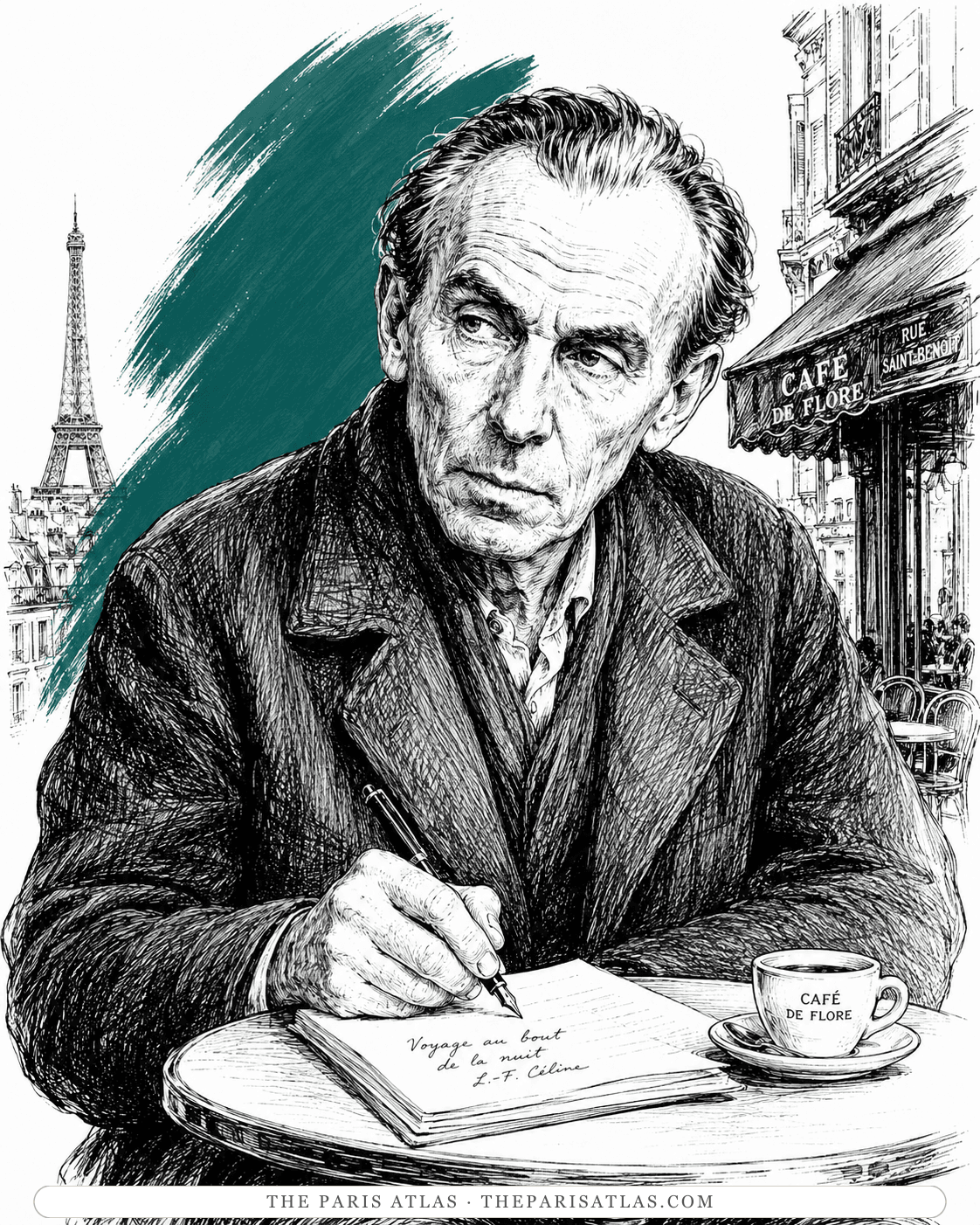

Bagatelles pour un massacre
The 1937 pamphlet that first published La Naissance d'une fée, Voyou Paul. Brave Virginie and Van Bagaden.
Read our take
Louis-Ferdinand Céline's 1959 collection of five ballet scenarios — witches, sirens, gods and dockworkers, all speaking through movement rather than music.
This collection brings together five of Céline's attempts to write stories for movement, dance, music or animation: La Naissance d'une fée, Voyou Paul. Brave Virginie, Van Bagaden, Foudres et flèches and Scandale aux abysses. The first three had appeared inside Bagatelles pour un massacre. Foudres et flèches and Scandale aux abysses had appeared separately after the war. Céline gathered all five in 1959, with illustrations by Éliane Bonabel. They range from fairy tale to parody, dockside comedy and classical mythology, but dance is the common language: people fall in love, transform, rebel, deteriorate or escape through movement.
La Naissance d'une fée. Évelyne loves a Poet, but the jealous witch Karalik casts a spell that disrupts their relationship. The Poet abandons Évelyne after becoming infatuated with a dancer. Évelyne encounters an embodiment of the spirit of dance and receives a golden reed that gives her extraordinary dancing powers. Karalik responds by arranging her murder. Forest spirits revive Évelyne with drops of moonlight. She has now completed her transformation into a fairy and ultimately confronts the forces that destroyed her old life.
Voyou Paul. Brave Virginie. Céline rewrites Bernardin de Saint-Pierre's Paul et Virginie. Paul and Virginie survive their supposed shipwreck with help from a witch's potion. Paul drinks too much of it and changes from an innocent lover into a reckless "voyou." When they return to Le Havre, Paul becomes involved with Mirella. Virginie uses the potion herself to win him back, provoking Mirella's jealousy.
Van Bagaden. On the docks of Antwerp around 1830, wealthy shipowner Van Bagaden tries to maintain control over his workers and valuable cargo. His clerk Peter is literally confined to his work station while dockworkers labour under supervision. A band passes outside, music erupts, and the workers abandon discipline for dance.
Foudres et flèches. Classical mythology is turned into domestic and military comedy. Jupiter and Juno quarrel while Achilles, Ulysses and Ajax remain preoccupied with conflict. The generals want Jupiter's thunderbolts — weapons of overwhelming power — but Cupid intervenes with a very different weapon: his arrows. Love begins defeating military ambition.
Scandale aux abysses. Neptune rules an underwater kingdom increasingly unable to defend itself from modern humanity. Industrial ships kill marine animals, including seals, and Neptune's traditional powers are becoming ineffective. He falls in love with the siren Pryntyl. Venus becomes jealous and engineers Pryntyl's exile to the human world. Pryntyl arrives in Le Havre, where she is absorbed into the nightlife and criminal economy of the port. Neptune eventually follows her, producing a collision between mythological gods and modern industrial life.
La Naissance d'une fée. Évelyne and the Poet begin as lovers in an idealised eighteenth-century world. Karalik intervenes to break them apart. The Poet becomes fascinated with one of the ballerinas and abandons Évelyne. Heartbroken, Évelyne enters the forest and meets a hunter who has killed a doe. A spirit of dance gives her a golden reed, and with it she acquires marvellous powers of dance. Her transformation provokes another woman's jealousy; a gypsy, acting under Karalik's influence, stabs her. Évelyne dies, but forest spirits revive her with drops of moonlight.
Voyou Paul. Brave Virginie. Paul and Virginie survive the famous shipwreck of Bernardin de Saint-Pierre's original novel because a witch saves them with a magical drink. Paul consumes too much and becomes impulsive, sensual and unruly. Three years later, fashionable society gathers at Tante Odile's home in Le Havre, where Mirella and Oscar are preparing to marry. News arrives that Paul and Virginie have survived. Paul adapts quickly to the pleasure-seeking world around him and becomes Mirella's lover. Virginie drinks the witch's potion herself to recover him. Mirella responds by shooting her.
Van Bagaden. Van Bagaden supervises valuable merchandise in a dockside warehouse at Antwerp. His workers are exhausted and restless. Peter, his clerk, is bound to his stool by a metal restraint — an exaggerated physical image of labour discipline. A captain announces an incoming cargo of pearls and jewels. Peter is sent to deal with the shipment. Then music intrudes. A passing band starts playing, and the dockworkers begin dancing rather than working. Van Bagaden orders Peter to restore discipline, but Peter cannot stop them.
Foudres et flèches. On Olympus, Jupiter and Juno are fighting over Jupiter's infidelities. Meanwhile Achilles, Ulysses and Ajax remain committed to warfare. Women urge the generals to stop fighting. The generals instead seek access to Jupiter's thunderbolts. Cupid provides a competing arsenal: arrows of love. The conflict shifts from military conquest to erotic attraction, and Éryx wins Achilles back.
Scandale aux abysses. Neptune receives complaints from the ocean's inhabitants: modern industrial fishing and sealing vessels are slaughtering marine animals faster than his storms can stop them. His marriage to Venus is troubled. Neptune becomes fascinated by Pryntyl, a young siren. Venus discovers the attraction and engineers her exile to the human world. Pryntyl arrives in Le Havre, where a criminal named Victor takes advantage of her. Her beauty and supernatural voice make her a sensation, but she gradually becomes absorbed into drinking, nightlife and prostitution. Neptune eventually travels to Le Havre disguised as a human. He drinks, is robbed and loses his crown and trident. Pryntyl feels the pull of the sea again and boards a sealing vessel commanded by Captain Krog.
Because this is a collection, there are five endings. In La Naissance d'une fée, Évelyne becomes a fairy and rejects the Poet who abandoned her. In Voyou Paul. Brave Virginie, Virginie is shot by Mirella and left with the dog Piram. In Van Bagaden, the shipowner's attempt to impose discipline is overwhelmed by music and dancing workers. In Foudres et flèches, Cupid's arrows and erotic desire displace martial violence. In Scandale aux abysses, Pryntyl is killed by Captain Krog after beginning her transformation back into a siren; the other sirens retaliate by destroying his ship, and Neptune punishes his crew.
Taken together, the endings repeatedly oppose rigid systems — work, military discipline, social convention, marriage, industrial technology — with unstable forces such as dance, desire, myth and transformation.
Évelyne's transformation is not a simple return to life. After the moonlight revives her, she asks who she is and whether she is alive; the forest spirits explain that she can no longer return among the living. Her greater lightness as a dancer therefore comes with a loss of belonging. The scene holds delight and grief together. It also prepares the ending: rescuing the Poet does not restore their former relationship. The fairy can free him without becoming his human companion again.
The sea creatures approach Neptune as petitioners, making industrial slaughter a failure of government as well as an assault on nature. His elaborate court cannot protect them, and their complaints turn his grandeur into comedy. Yet the scenario does not simply oppose innocent nature to destructive machinery. Near the end, Neptune adopts radio and telephone surveillance, then interferes with naval communications to cause further sinkings. The protector becomes an imitator of the violence he opposed. Technical power returns, but compassion does not necessarily return with it.
Céline's fascination with dance was not merely decorative. He repeatedly tried to get these works staged and told Georges Conchon in 1958 that he was particularly proud of the ballets. His correspondence shows that the 1959 collection was a project he actively wanted to bring back into print.
The collection is also useful because it reveals a side of Céline's imagination that can disappear behind the realism of Journey: witches, sirens, gods, magic potions, personified forces and fairy-tale transformations recur constantly.
Bodies are central. A dancer can momentarily escape ordinary physical limitation; workers respond to music instead of commands; an aging Venus fears bodily decline; Pryntyl loses and regains her siren body; Virginie changes through a potion.
What the collection explores:
Sirens, gods, witches, potions, fairies and gunfire at wedding parties — the ballets show a Céline the novels usually hide, working in fairy tale, classical myth and dockside comedy.
He kept trying to have these staged. Marc Laudelout's essay documents the effort. The collection is Céline's own attempt to give the work a permanent home when the theatres would not.
Three of the five originally appeared inside Bagatelles pour un massacre. Reading them here, separated from that book's political material, isolates the ballet imagination on its own terms.
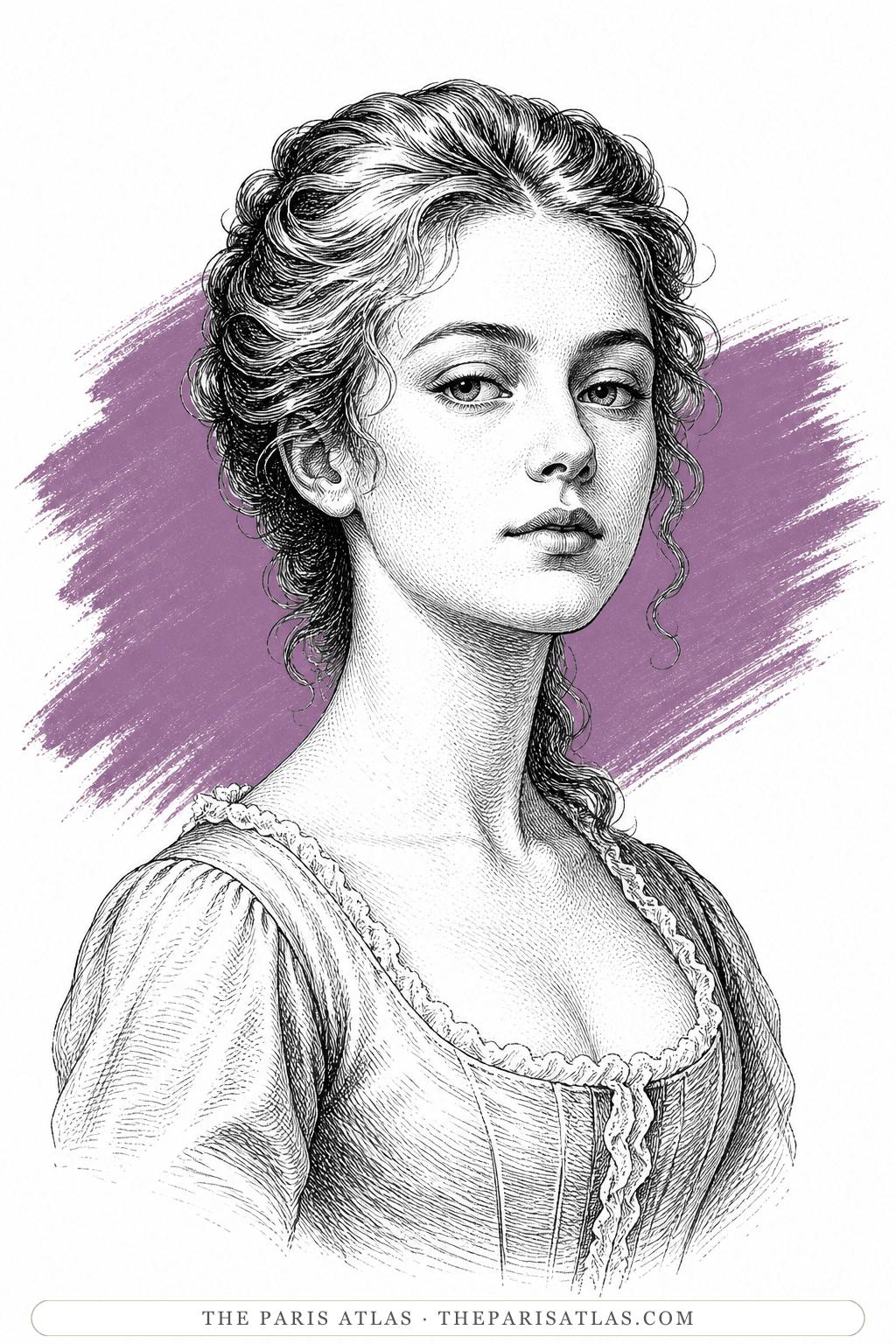
Central figure of La Naissance d'une fée — young lover who becomes a fairy after being betrayed, murdered and revived by forest spirits.
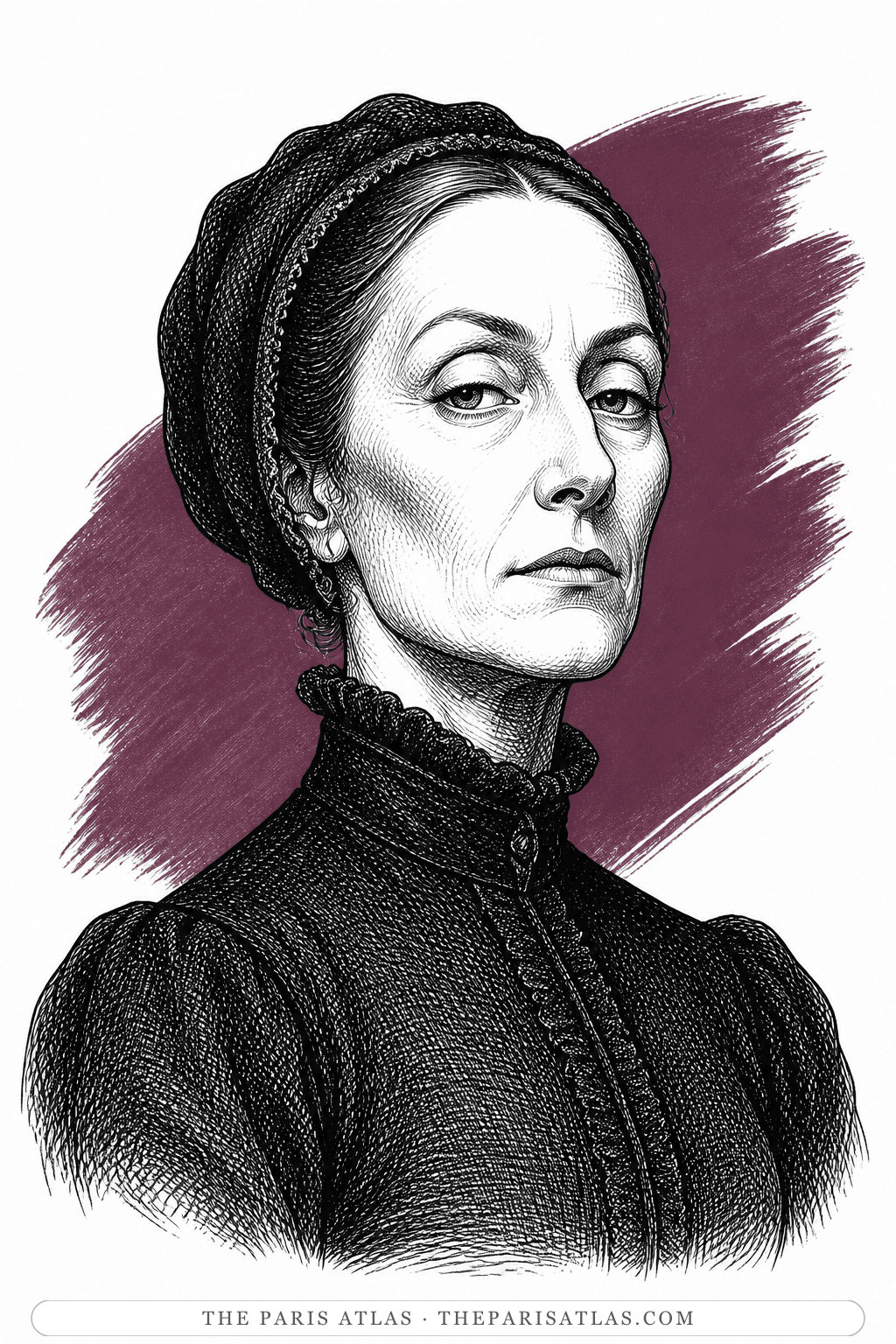
Jealous witch in La Naissance d'une fée who separates Évelyne from the Poet and later engineers her murder.
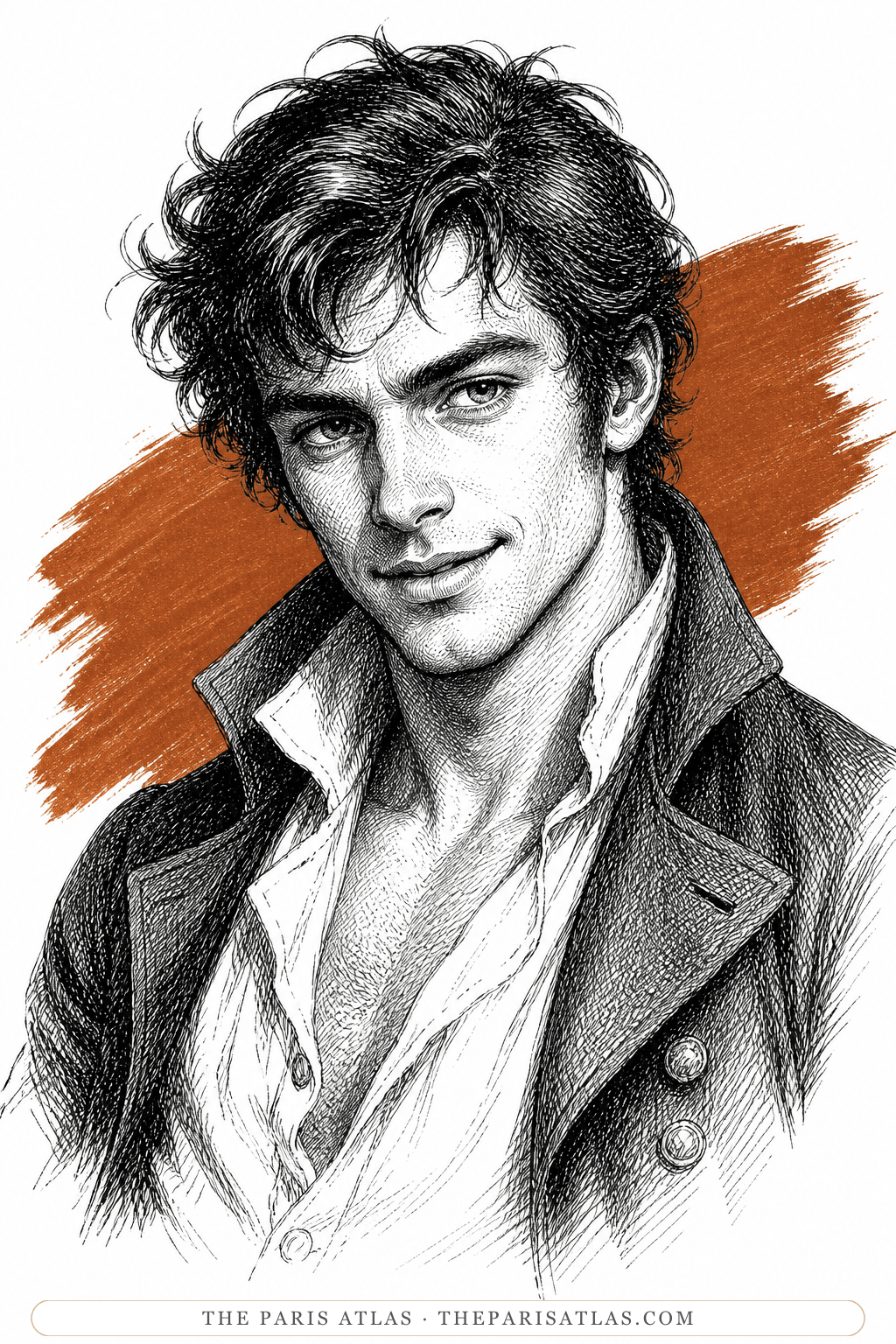
In Voyou Paul. Brave Virginie, the sentimental hero of Bernardin de Saint-Pierre's novel rewritten as a reckless voyou after over-consuming the witch's potion.
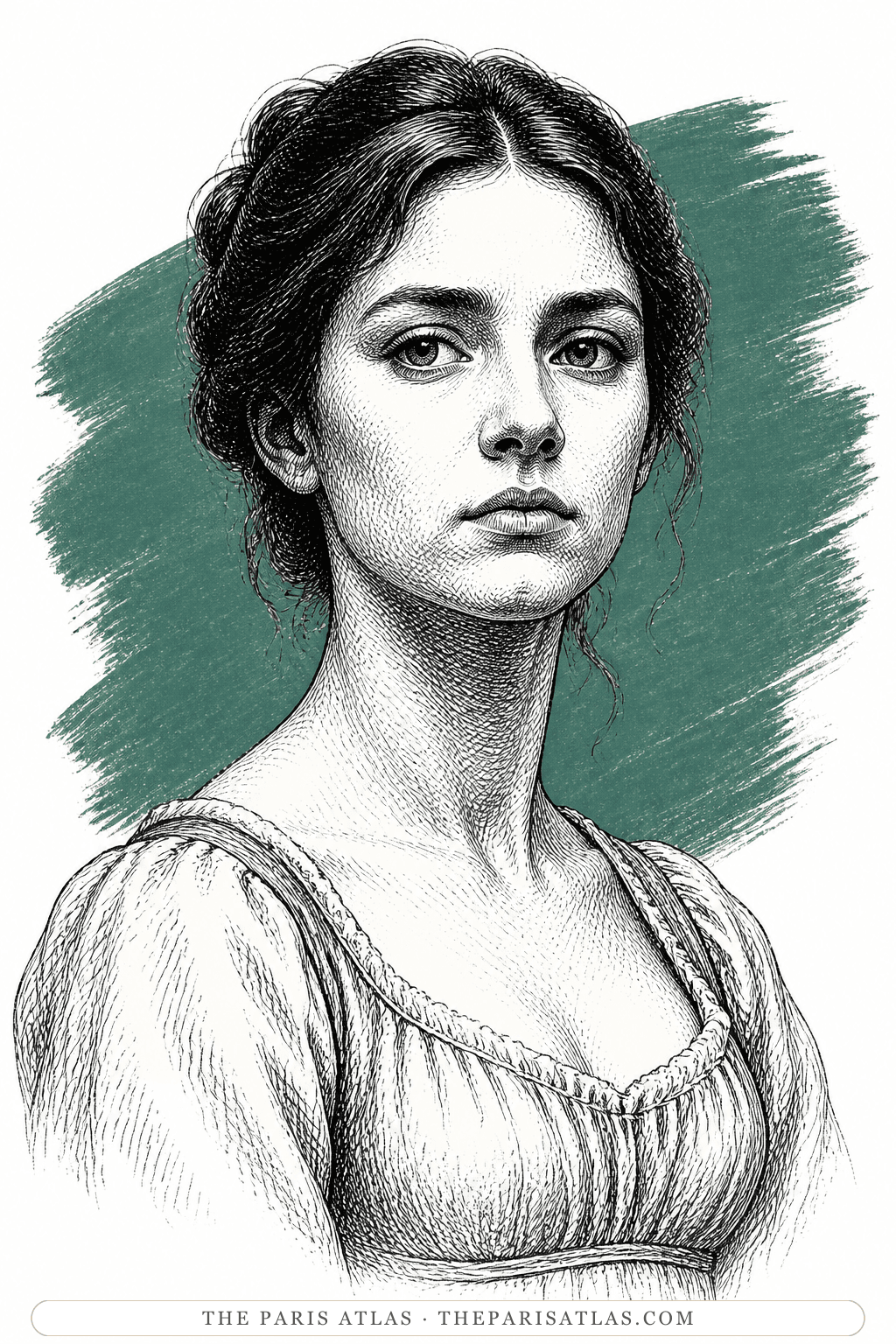
In Voyou Paul. Brave Virginie, the loyal partner who drinks the witch's potion herself to reclaim Paul, and is shot by Mirella.
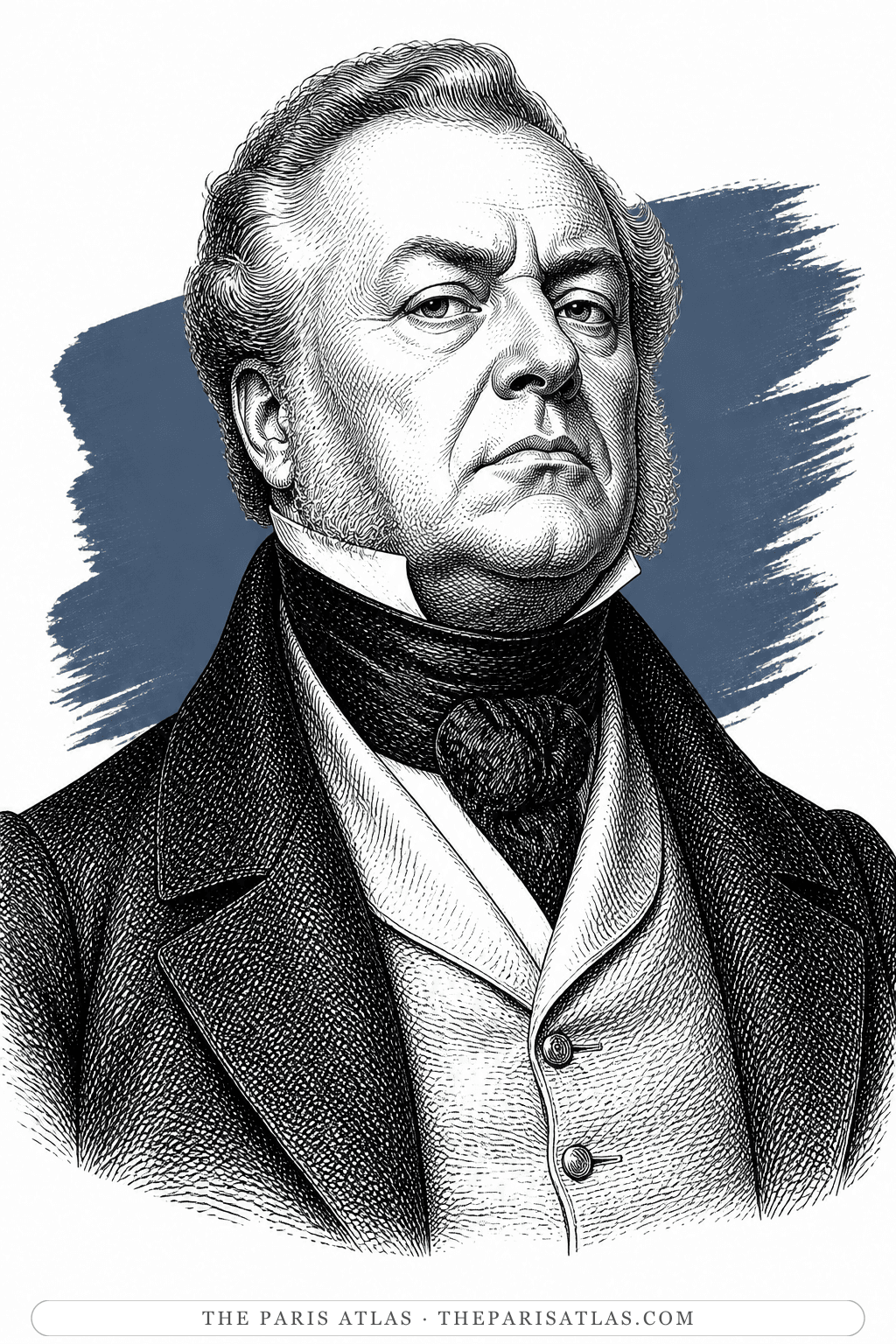
Antwerp shipowner and central figure of the eponymous ballet — labour discipline personified, defeated by a passing band and dancing dockworkers.
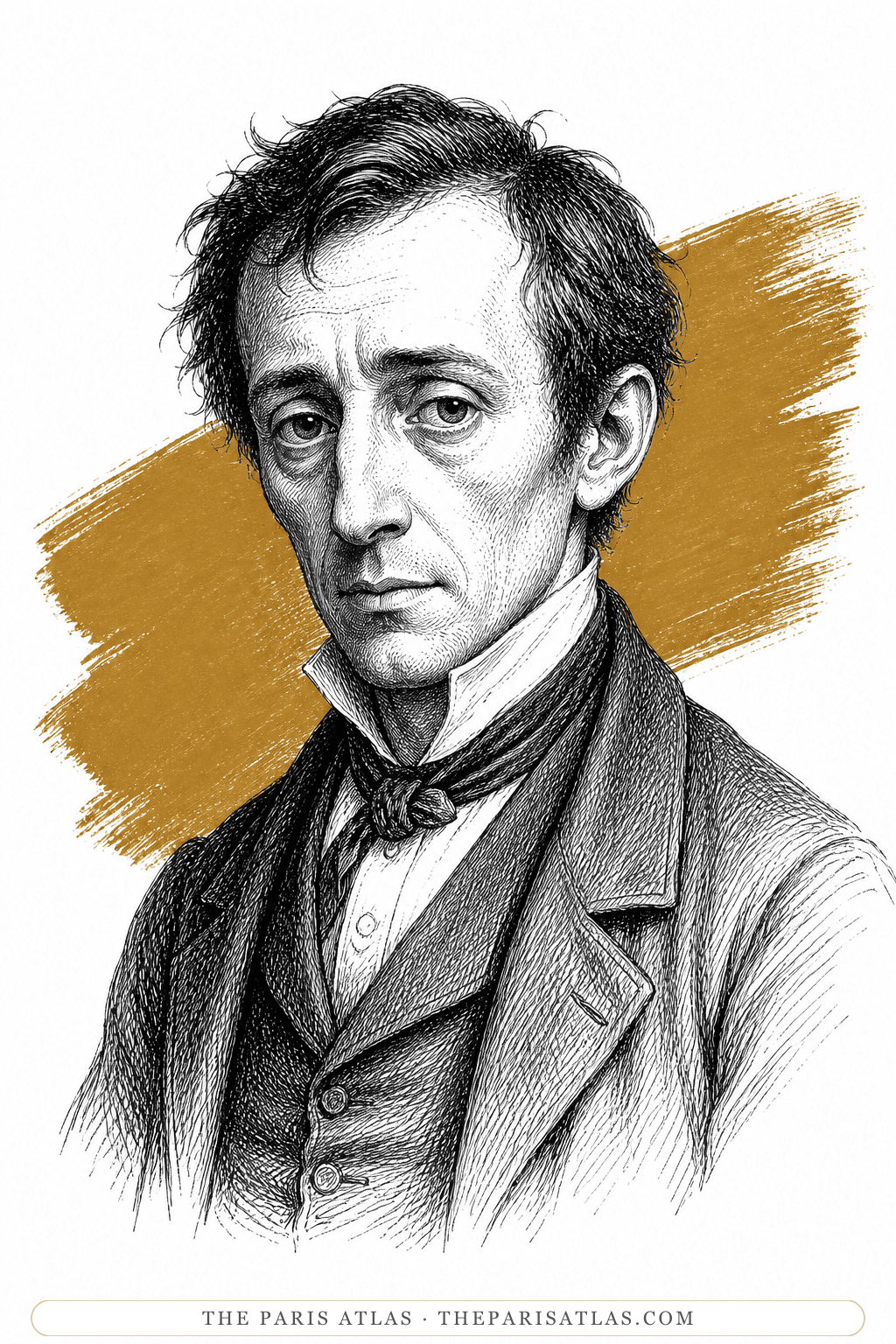
Van Bagaden's clerk, physically restrained at his work station — the play's most concrete image of labour discipline.
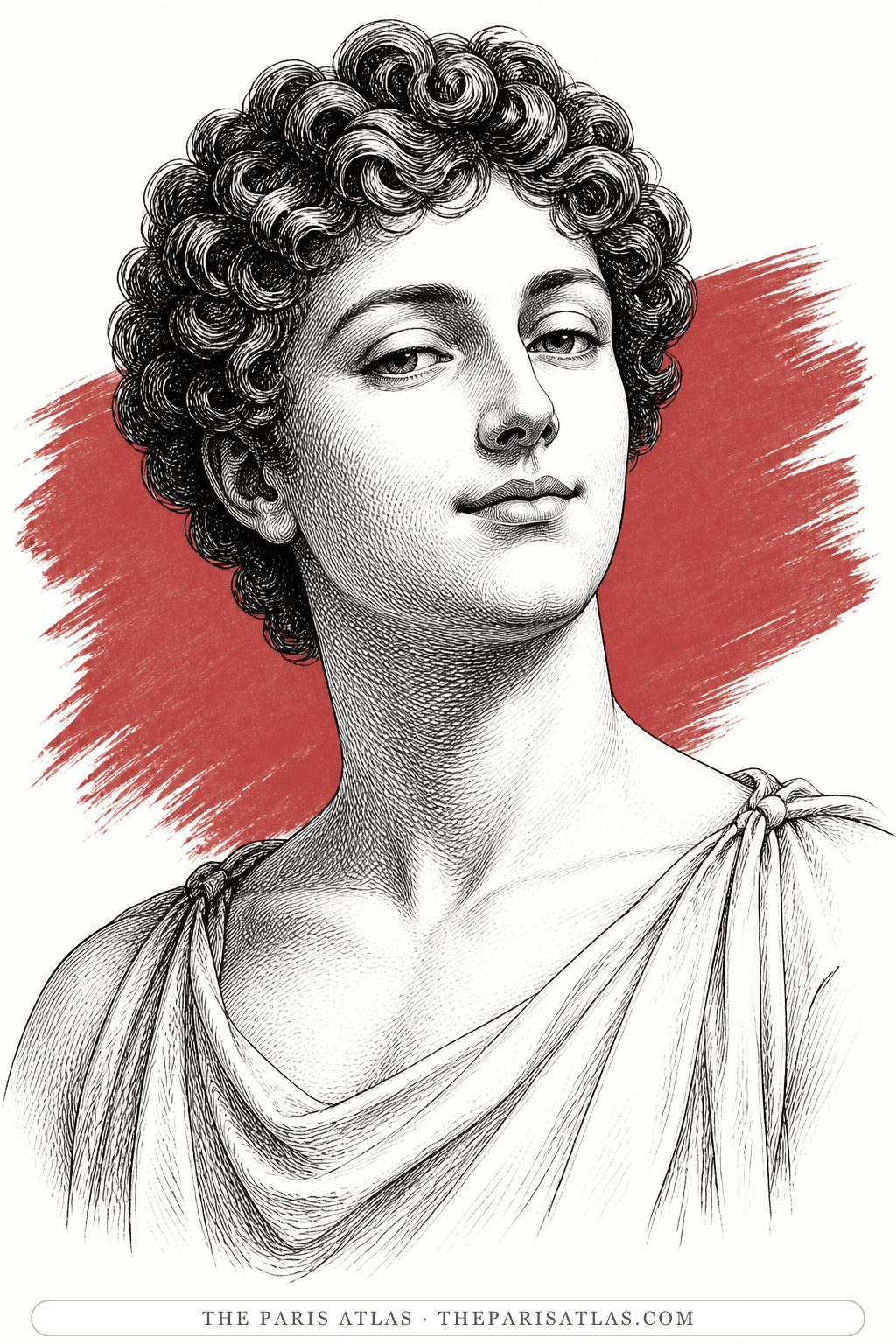
In Foudres et flèches, the god whose arrows defeat military ambition and turn the war-council into a scene of erotic attraction.
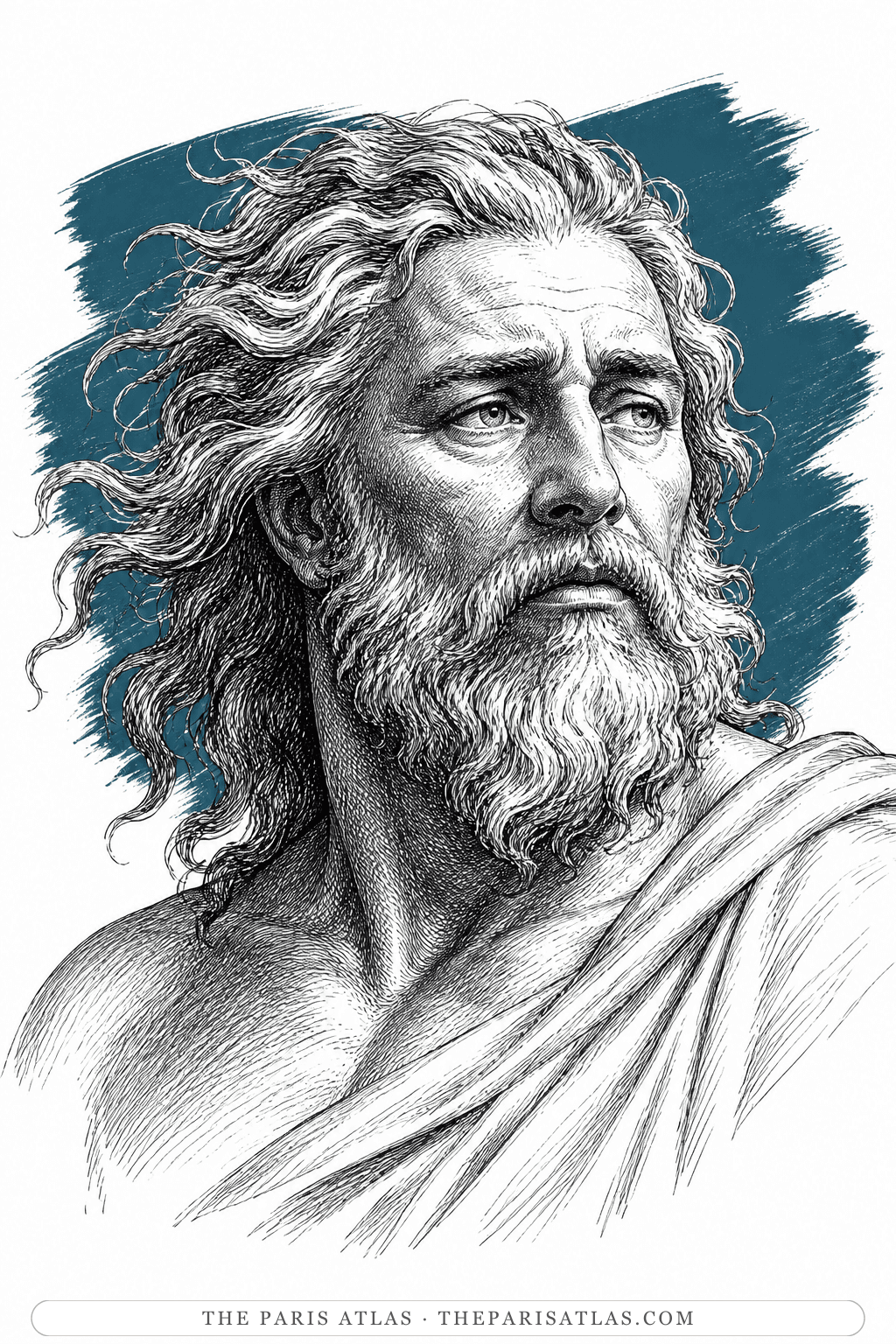
Ruler of the ocean in Scandale aux abysses whose traditional powers cannot stop modern industrial fishing. Falls in love with the siren Pryntyl.
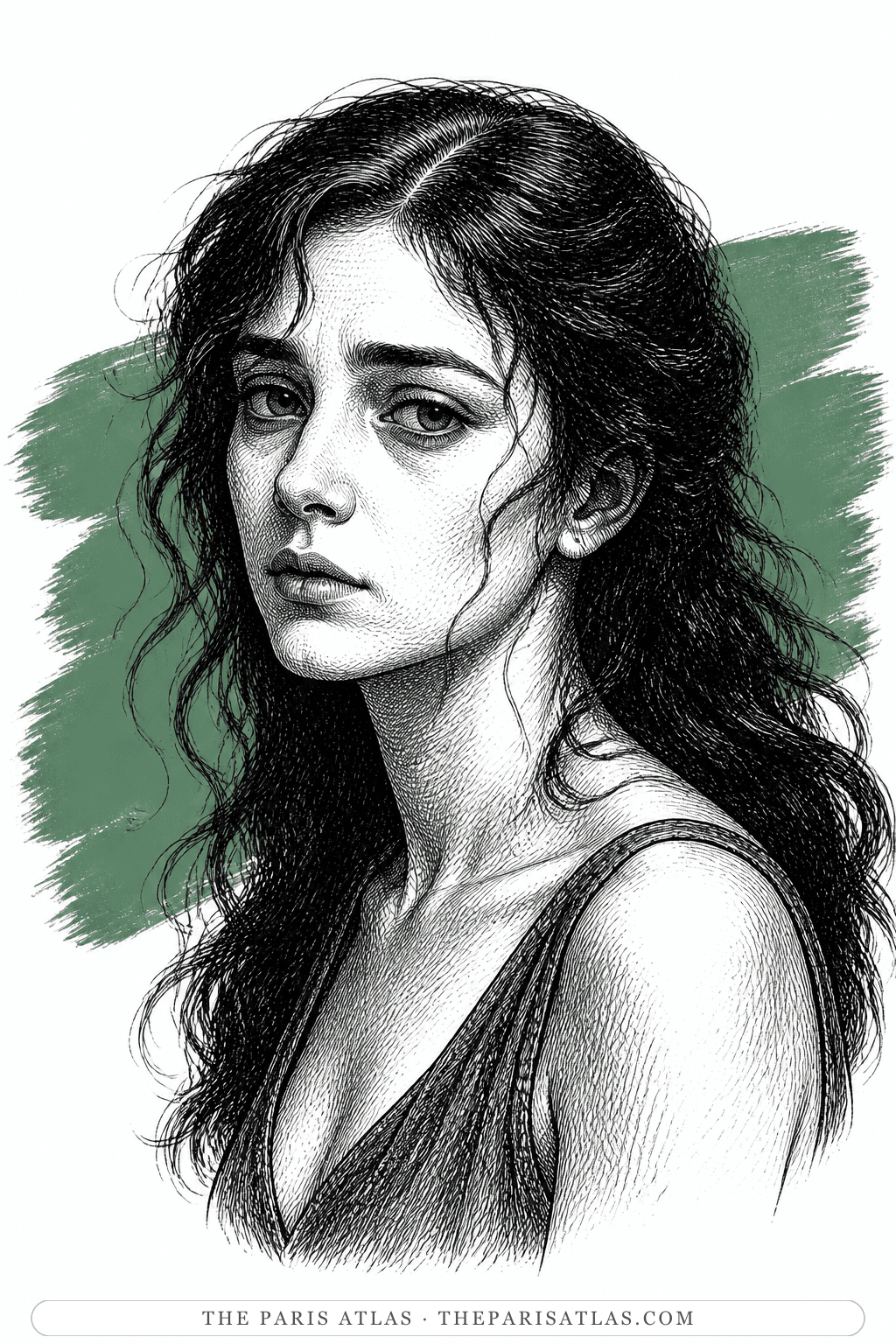
Young siren in Scandale aux abysses, exiled to Le Havre by a jealous Venus and killed on Captain Krog's sealing vessel.
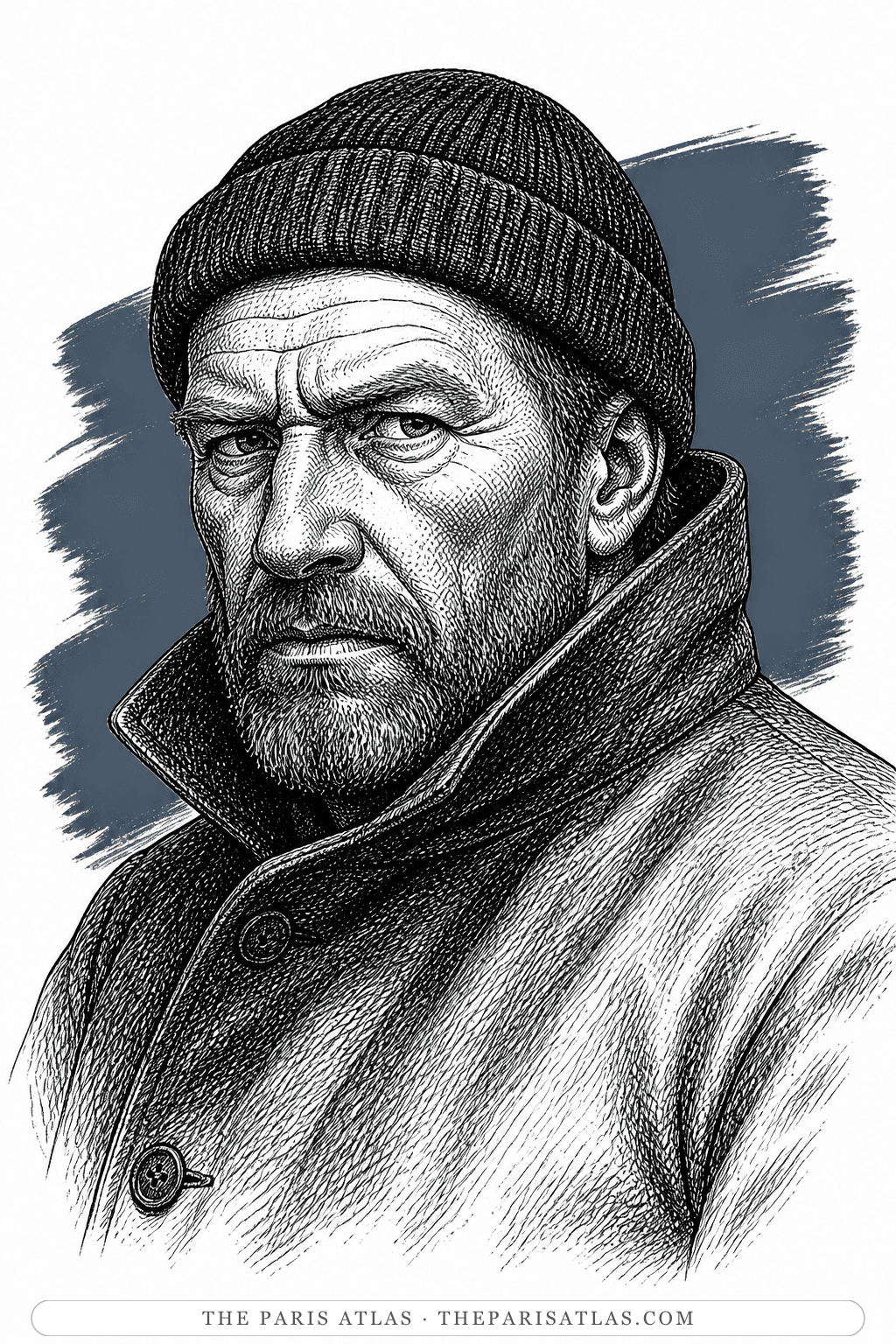
Sealing captain in Scandale aux abysses whose ship the sirens destroy after he kills the transforming Pryntyl.
1937
Three of the ballet scenarios appear within Bagatelles pour un massacre.
1958
Céline discusses his enthusiasm for his ballets in an interview with Georges Conchon.
1959
Gallimard publishes the five-scenario collection with illustrations by Éliane Bonabel.
The 1937 pamphlet that first published La Naissance d'une fée, Voyou Paul. Brave Virginie and Van Bagaden.
Read our take
Céline's other extended theatrical work — dance is central to both L'Église and the ballets.
Read our take
Céline's debut; both Journey and the ballets keep coming back to the dancer's body as an alternative to the diseased or exploited one.
Read our takeFive: La Naissance d'une fée, Voyou Paul. Brave Virginie, Van Bagaden, Foudres et flèches and Scandale aux abysses.
No. The volume gathers works written and published at different points in Céline's career.
La Naissance d'une fée, Voyou Paul. Brave Virginie and Van Bagaden.
Yes. His attempts to interest theatres, directors and choreographers in them are documented in his correspondence.
It is closer to a scenario for an animated film, although Céline incorporated it into the ballet collection.
Éliane Bonabel, a longtime acquaintance of Céline who had already produced costume designs connected with La Naissance d'une fée.
Explore authors with a similar voice, perspective, and influence.
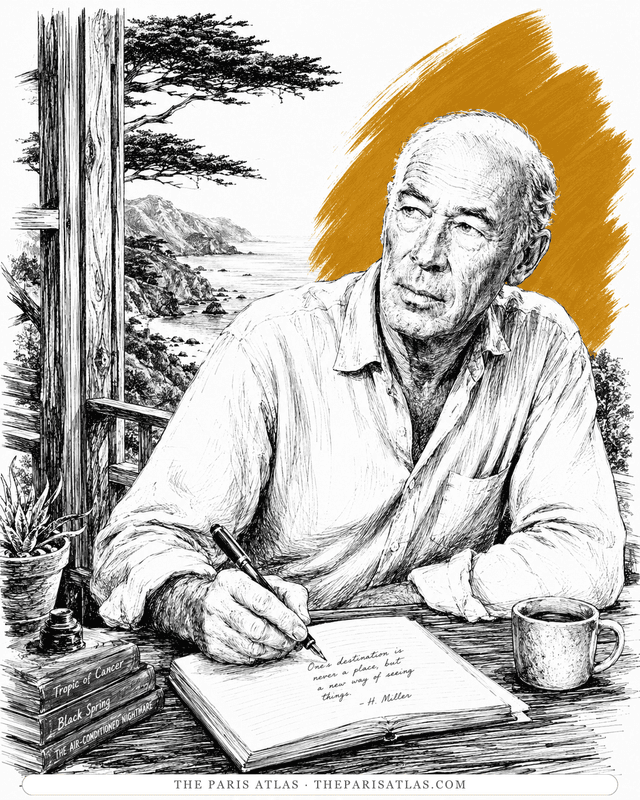
Miller read Journey in manuscript while writing Tropic of Cancer and never recovered — the two books are the era's twin gutter-testaments.
View author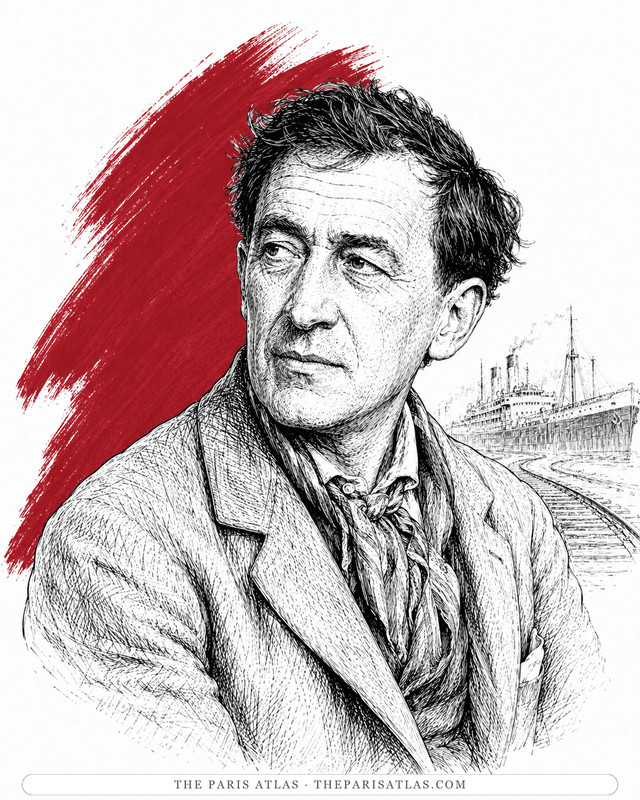
The other French modernist Céline could not look away from: a war-wounded amputee whose spoken prose ran ahead of grammar and whose Moravagine anticipates Bardamu's tour of the century's slaughterhouses.
View author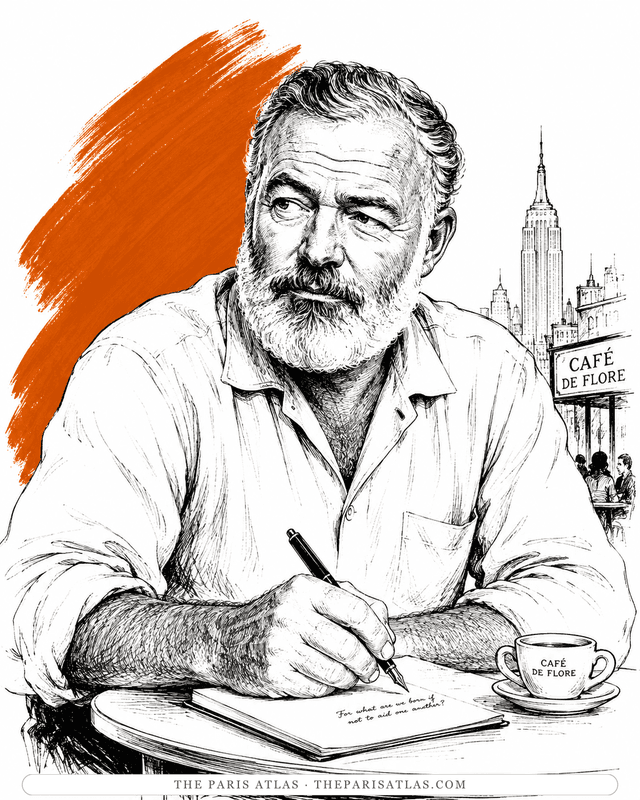
The same war, the same refusal of the big words — delivered in whispers where Céline delivers it in screams. Both writers died in the same week of July 1961.
View authorThe sources below include the primary text, editions, scholarship, archival materials, and other records that informed this page. They document Ballets sans musique, sans personne, sans rien, its publication, and its place in literary history.

The primary text represented by this page, used for descriptions of the work’s contents and for any quoted passages shown here.

Published analysis and historical context used in preparing the Ballets sans musique, sans personne, sans rien page.
Published analysis and historical context used in preparing the Ballets sans musique, sans personne, sans rien page.
Published analysis and historical context used in preparing the Ballets sans musique, sans personne, sans rien page.
Published analysis and historical context used in preparing the Ballets sans musique, sans personne, sans rien page.
Selected primary passages in the publicly readable reproduction of Pascal Fouché's edition; no claim of collating the 1959 printing, viewing original manuscripts or seeing a staged performance.
The primary text is the baseline reference for every book page. Additional references document publication history, interpretation, and historical context where that evidence is available.
 Explore more resources