
War
One of the other 2020s-recovered manuscripts, published in 2022 alongside Londres — Krogold completed the recovered trio in 2023.
Read our take
Louis-Ferdinand Céline's recovered 2023 legendary novel — an imaginary Middle Ages of kings, troubadours, murder and personified Death, drawn from two overlapping manuscripts he never completed.
In an imaginary medieval world extending from Brittany toward Scandinavia, King Krogold defeats the rebellious Prince Gwendor, who loves the king's daughter Wanda. Elsewhere, the young Joad dreams of Wanda while travelling with his friend, the wandering troubadour Thibaut. After Thibaut kills Joad's father, President Morvan, the two friends set off toward the northern lands ruled by Krogold. War, wandering, forbidden or unfulfilled love, murder, poetry, dreams and personified Death intertwine in a deliberately legendary "Middle Ages of opera." The surviving work is unfinished and exists in two overlapping versions, published together in 2023.
Céline worked on this legendary material during the 1930s. The 2023 edition contains two versions: the earlier La Légende du Roi René and the later rewrite La Volonté du roi Krogold, composed in 1939–40.
The plot divides into interconnected strands. In one, King Krogold wages war against the rebellious Prince Gwendor. Krogold kills him. In the later version, the dying Gwendor encounters Death itself, attempts unsuccessfully to bargain for more time, and thinks of Wanda, Krogold's daughter and his beloved.
Wanda learns that Gwendor is dead. Contrary to a later reference in Death on the Installment Plan suggesting "Wanda's revenge," the recovered manuscripts do not contain that revenge episode. In the surviving material Wanda responds by placing herself under her father's authority.
A second storyline follows Thibaut / Tébaut, a wandering poet and musician, and his former school friend Joad, the son of the powerful President Morvan. Joad is himself in love with the inaccessible Wanda. Thibaut eventually murders Morvan. The two young men leave Brittany and head east and north, toward the world of Krogold.
In the later Krogold version, the legendary narrative opens with Gwendor's death. The defeated prince speaks with Death as if Death were another character. Gwendor attempts to bargain for one more day so that he can avenge himself on Krogold, but Death refuses and takes him away.
Krogold's victorious army camps after battle. The king himself has killed Gwendor. During the night Krogold discovers that a valuable golden crescent has been stolen from his tent; he pursues the thief and kills him before returning to camp.
News of Krogold's victory reaches the royal household. Wanda understands that Gwendor has died. At Christianie, news of the rebel army's defeat produces fear as inhabitants prepare for the victorious king's arrival.
The narrative then expands away from the royal conflict. The wandering troubadour Thibaut, renamed Tébaut in the later version, travels toward Rennes searching for his old school friend Joad. He survives by singing, playing music, stealing and improvising his way through difficult circumstances.
Joad lives under the authority of his father, President Morvan, an important official connected with the Parlement of Brittany. Joad is timid, restless and dissatisfied with the future planned for him.
Thibaut and Joad reunite and move through taverns, streets, festivities and a brothel run by Mère Amelot. Céline uses their adventures to build an invented medieval popular world full of musicians, thieves, prostitutes, clergy, officials, bards and travellers. Among its striking figures is the imprisoned bard Gwenchalan, punished repeatedly for his attacks on religious authority.
Joad remembers Wanda, whom he once saw and has idealised precisely because she is inaccessible and devoted to Gwendor.
President Morvan eventually invites Thibaut to perform during a dinner. Instead, Thibaut secretly waits outside the house. When Morvan appears at a window, Thibaut throws a stone that kills him. After the murder, Thibaut and Joad prepare to leave.
They set out together through Vitré and eventually into Germany, moving ever closer to the northern legendary world of Krogold. They stay at a monastery and continue their erratic journey. Near the furthest surviving point of the earlier version, their paths begin to separate. Thibaut prepares to leave on crusade, while Joad faces the prospect of remaining behind. His earlier determination to reach Wanda has begun to falter.
The surviving versions do not carry all of these strands through to a final reunion or resolution.
There is no definitive ending. This matters for how the book should be read.
The two surviving manuscripts are incomplete in different places. The later La Volonté du roi Krogold contains material missing from the earlier version but eventually breaks off. La Légende du Roi René carries the narrative considerably farther and roughly follows a chapter plan Céline left behind, though it too has missing material.
The later surviving movement of the earlier version finds Thibaut preparing to depart for the Crusades and Joad confronting the prospect of being left behind. Joad has long dreamed of Wanda, yet by this stage even his desire to reach her has weakened.
One detail should not be added as the ending: Death on the Installment Plan refers elsewhere to a "revenge of Wanda" against her father after Gwendor's death. The newly recovered Krogold / Roi René manuscripts do not contain that episode.
The most honest account of the ending is therefore that the surviving legend breaks off before Céline supplies a final resolution.
In the exchange reproduced by Jean-Pierre Thibaudat, Gwendor offers Death a body glorified by revenge in return for another day. Death answers with affection rather than a counter-offer. The prince still measures life by victory and honour; Death refuses those terms. Its gentleness makes the refusal stranger, not less final. This is no last duel in which courage might win. The heroic language that sustained Gwendor has ceased to buy him anything.
Departure looks different to the person left behind. In Thibaudat's reconstruction across the two versions, Joad strides ahead while Thibaut speaks to Joad's mother; she is already too alone to listen. The same departure becomes adventure and abandonment. Later, as Thibaut prepares to leave for a crusade, Joad fears the solitude he once wanted. Read together, these moments complicate the promise of the open road: one traveller's freedom can mean another person's isolation.
Krogold reveals a side of Céline that can easily be obscured by the autobiographical settings of his better-known novels: his attraction to legend, bardic storytelling, fairy tale, medieval romance and myth.
Gallimard describes the world aptly as a "Middle Ages of opera." It is not an attempt at rigorous medieval historical fiction. Céline combines Brittany, Scandinavia, Germany, crusaders, castles, bards, folklore and invented archaic language into a portable mythology of his own.
The role of Death is particularly important. Gwendor literally converses with Death, making explicit a subject that haunts almost all Céline's fiction. Here mortality is not merely realistic — it has become mythical and personified.
The poet is equally important. Thibaut survives by performing, lying, improvising and manipulating words. Gwenchalan suffers because of his words. The entire work repeatedly asks what poets and storytellers can do in a world governed by kings, war and death.
This helps explain why Céline refused to abandon the legend even after he failed to publish it. He broke pieces of it apart and inserted them into Death on the Installment Plan, Guerre and Londres, while continuing to rewrite the independent legend. Gallimard's 2023 edition therefore gives us something close to a missing workshop beneath several of his novels.
What the book explores:
Krogold shows the legendary, bardic, fairy-tale writer that Céline mostly hid inside his autobiographical novels. The Middle Ages of opera on display here is the workshop underneath Death on the Installment Plan and the recovered London books.
Reading the 1930s Roi René against the 1939–40 Krogold rewrite is a rare chance to watch Céline reshape the same material at two different stages of his career.
The opening dialogue between the dying prince and personified Death is one of the great fantasy passages Céline ever wrote — a subject that had already haunted Journey to the End of the Night made explicit and mythological.
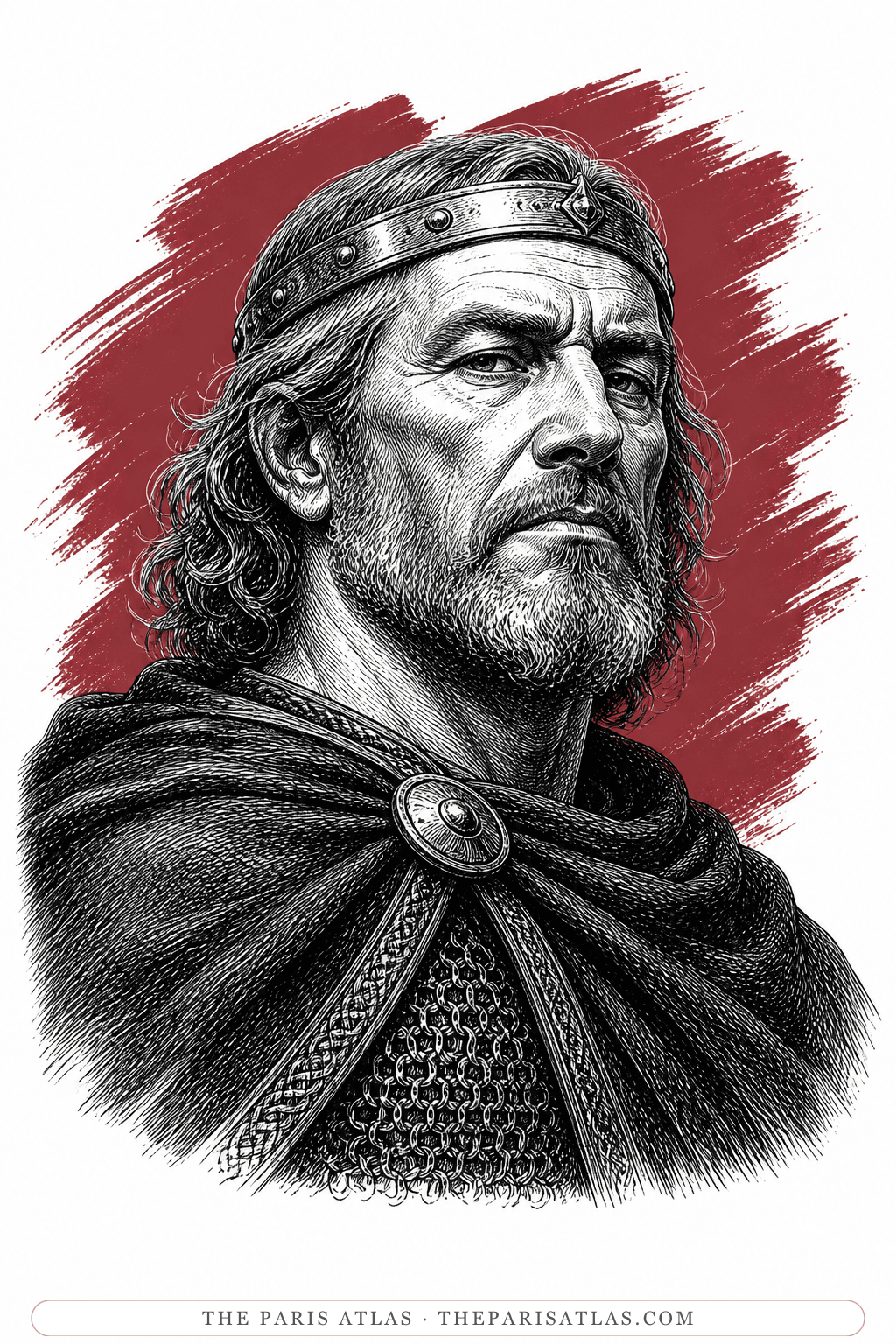
Victorious northern ruler and father of Wanda. The battlefield king whose name appears on the later manuscript's title.
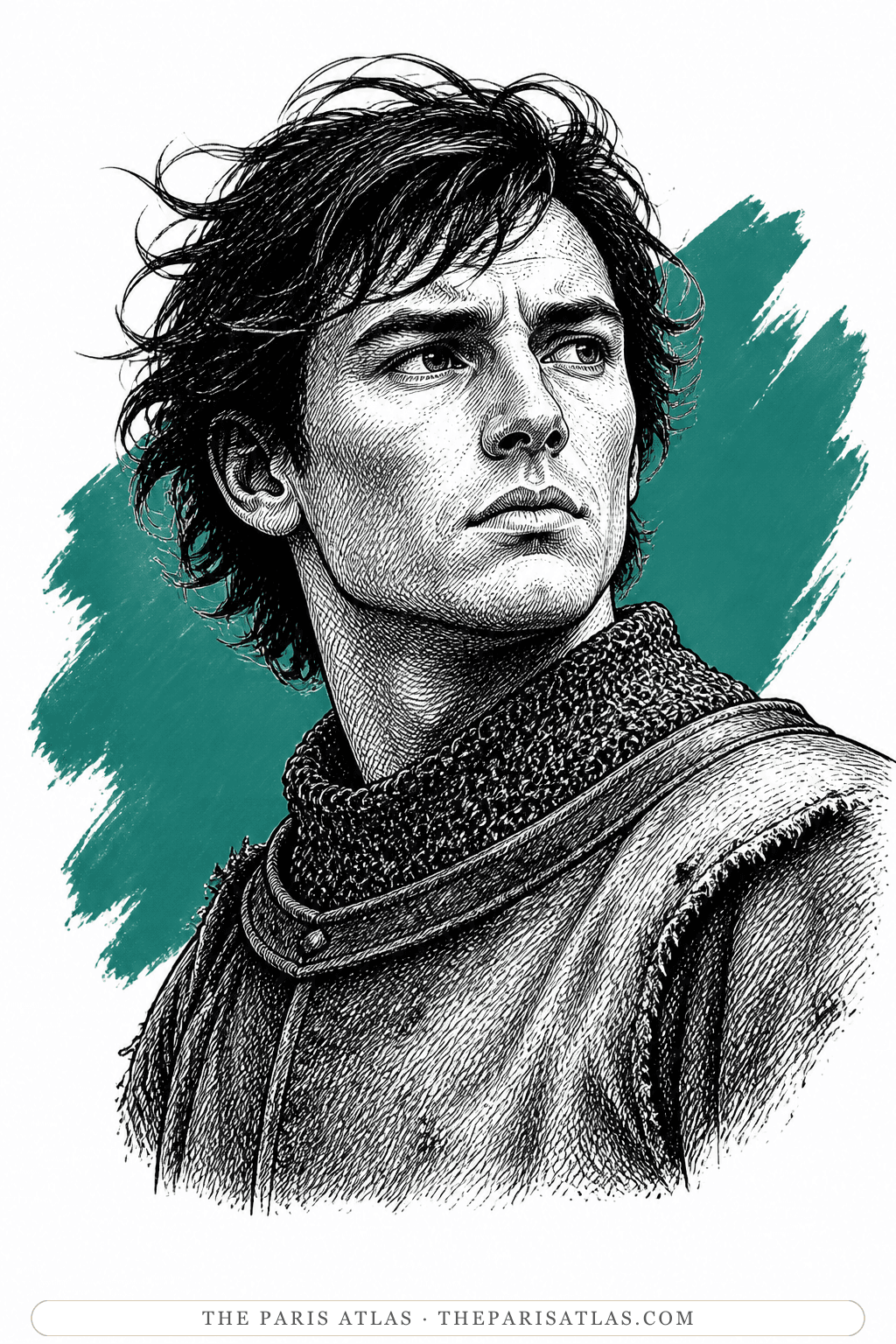
Rebellious prince defeated and killed by Krogold. Wanda's beloved, and the character who speaks with Death in the novel's opening pages.
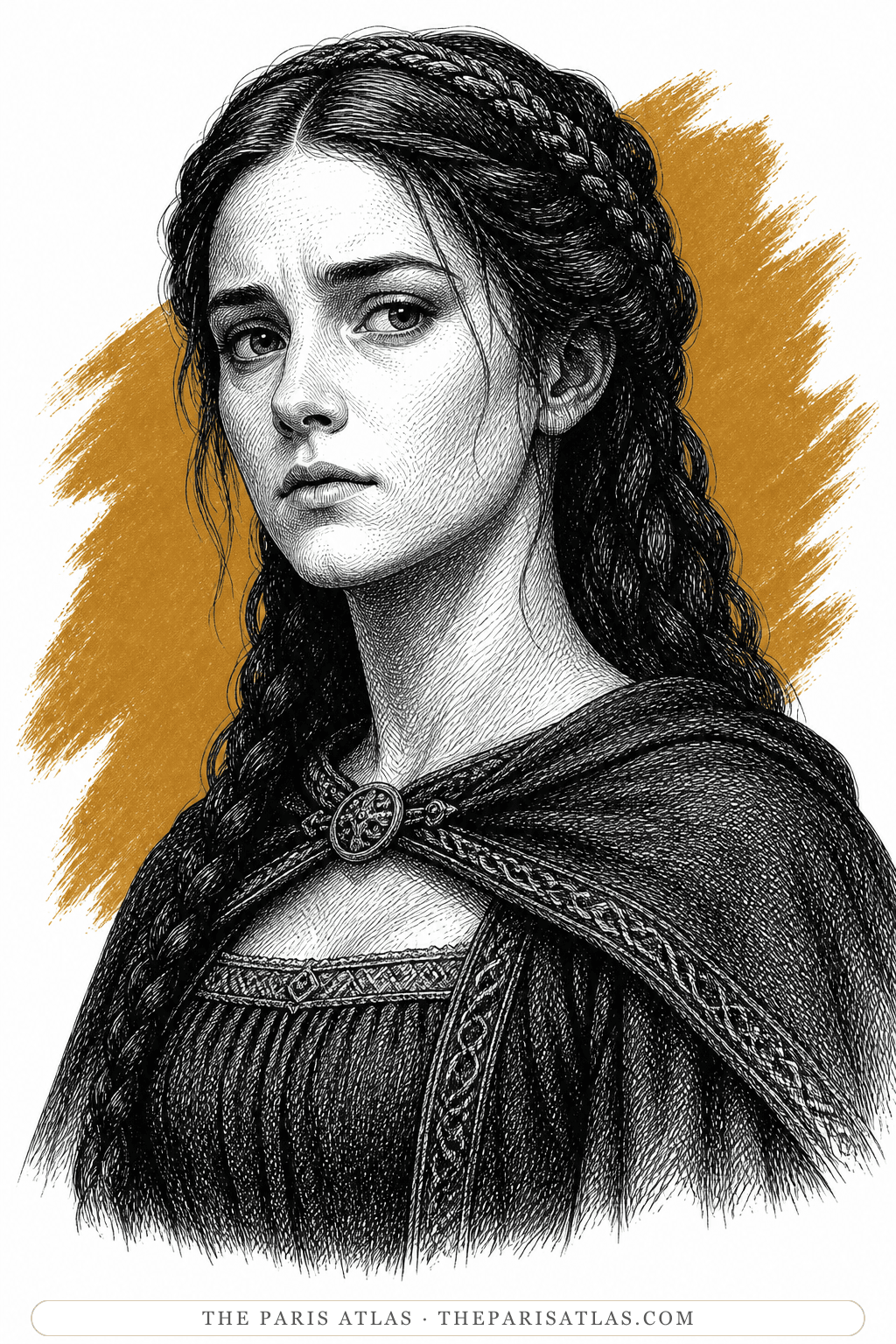
Krogold's daughter and Gwendor's beloved. Also loved from afar by Joad. In the recovered manuscripts, her "revenge" against her father — referenced elsewhere in Céline — is not present.
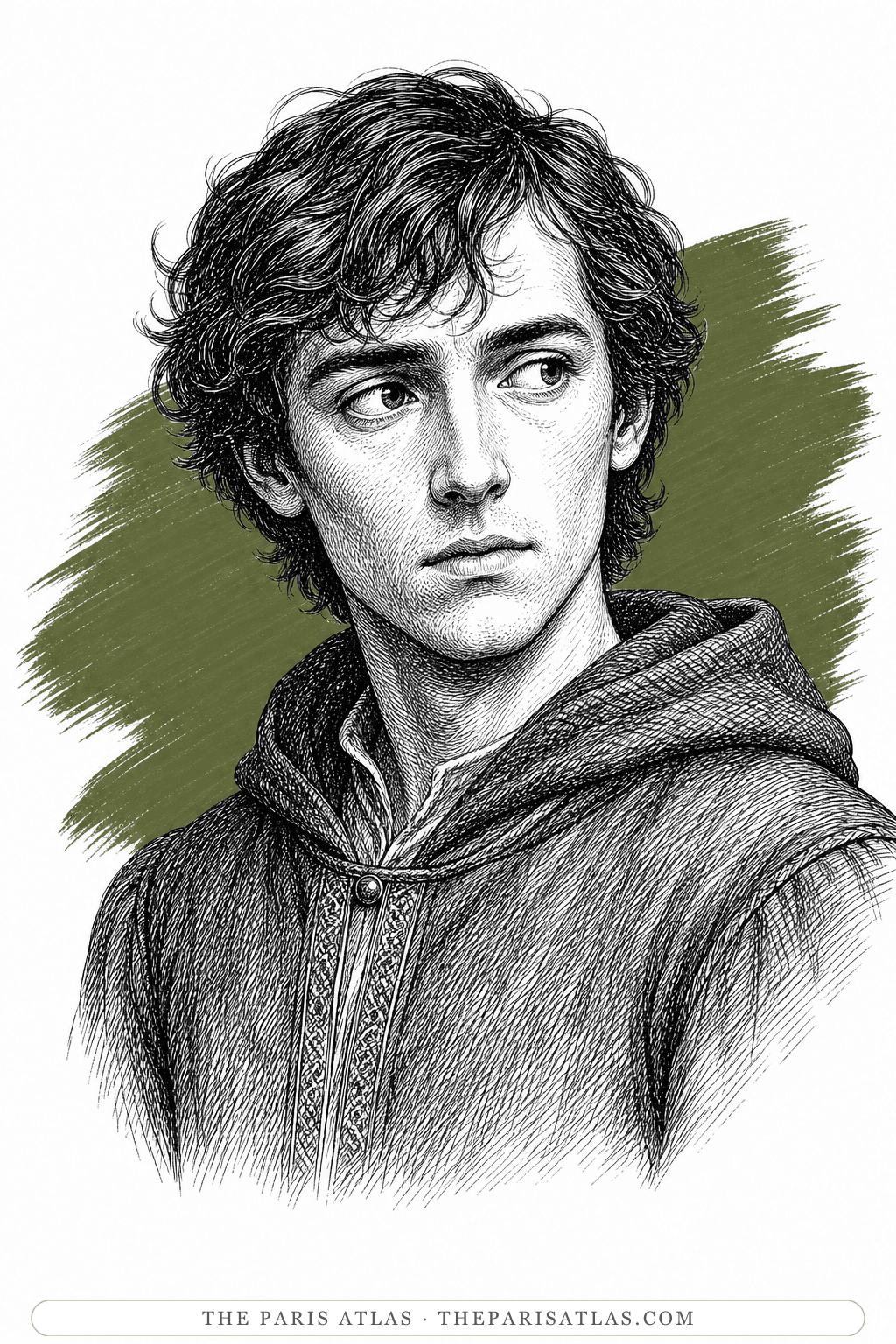
Son of President Morvan. Timid and restless, he idealises the unreachable Wanda and follows Thibaut across Brittany and into Germany.
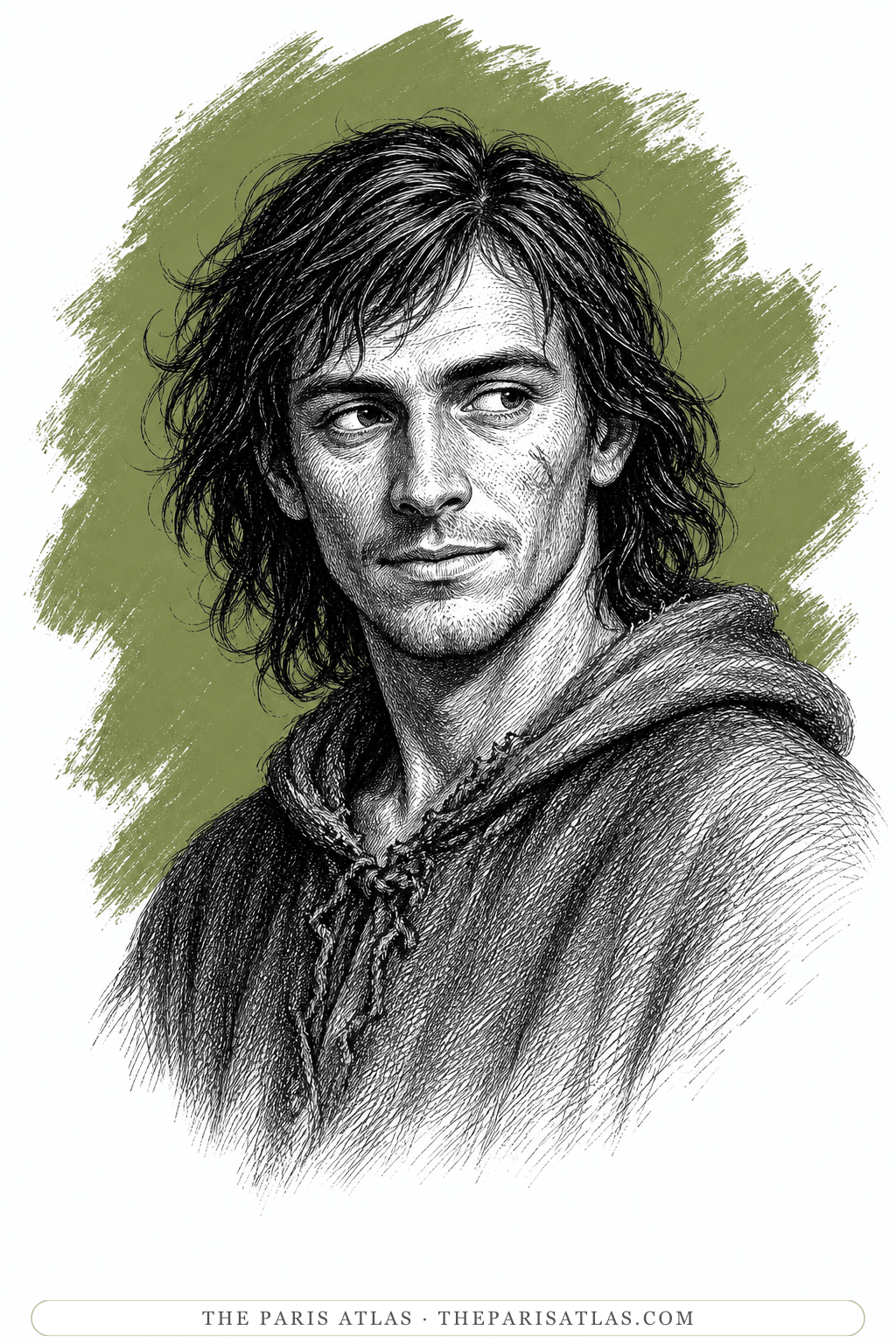
Wandering troubadour, Joad's friend and Morvan's eventual killer. His name shifts between the two surviving versions.
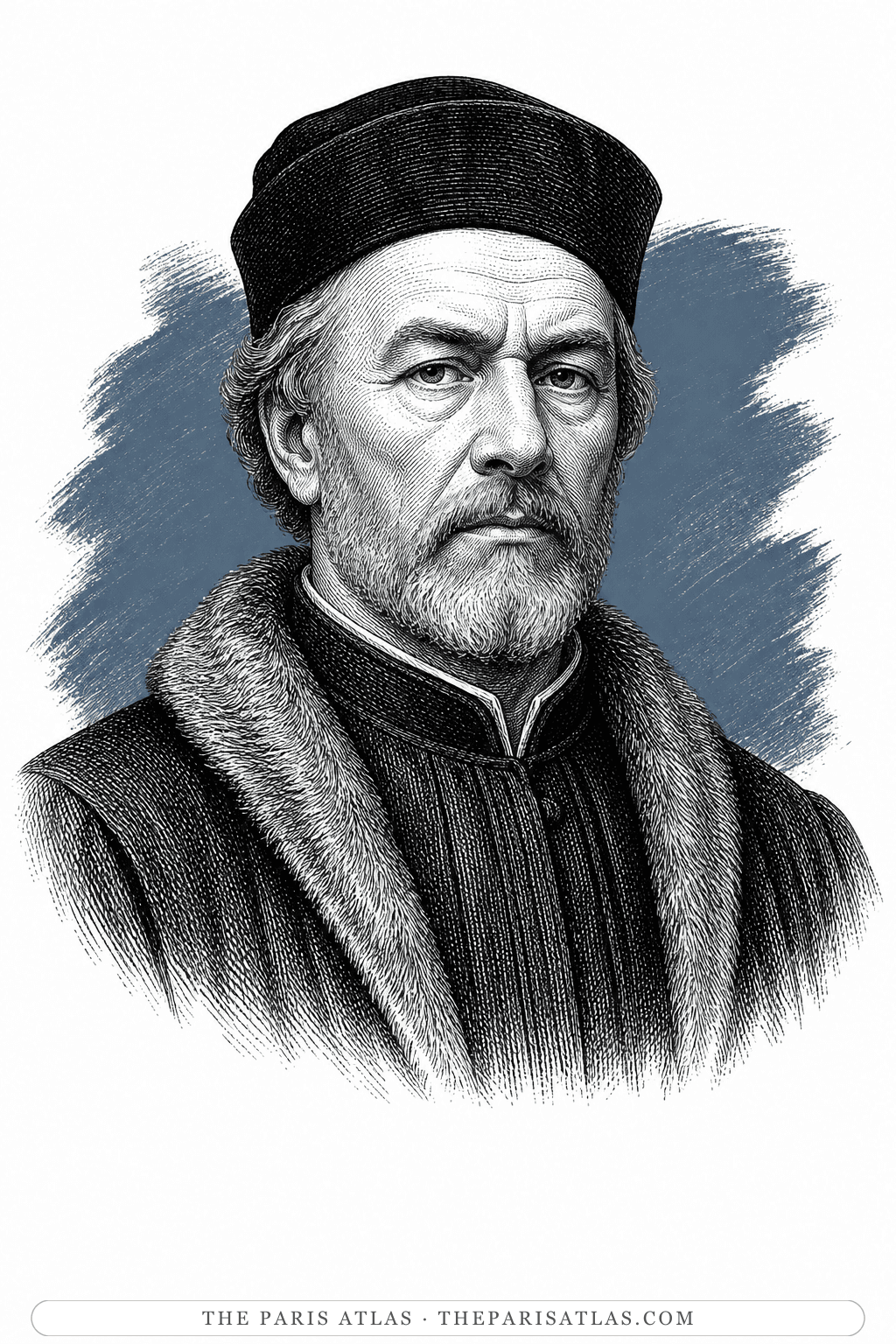
Senior official connected with the Parlement of Brittany. Joad's father, killed by Thibaut with a thrown stone at a window.
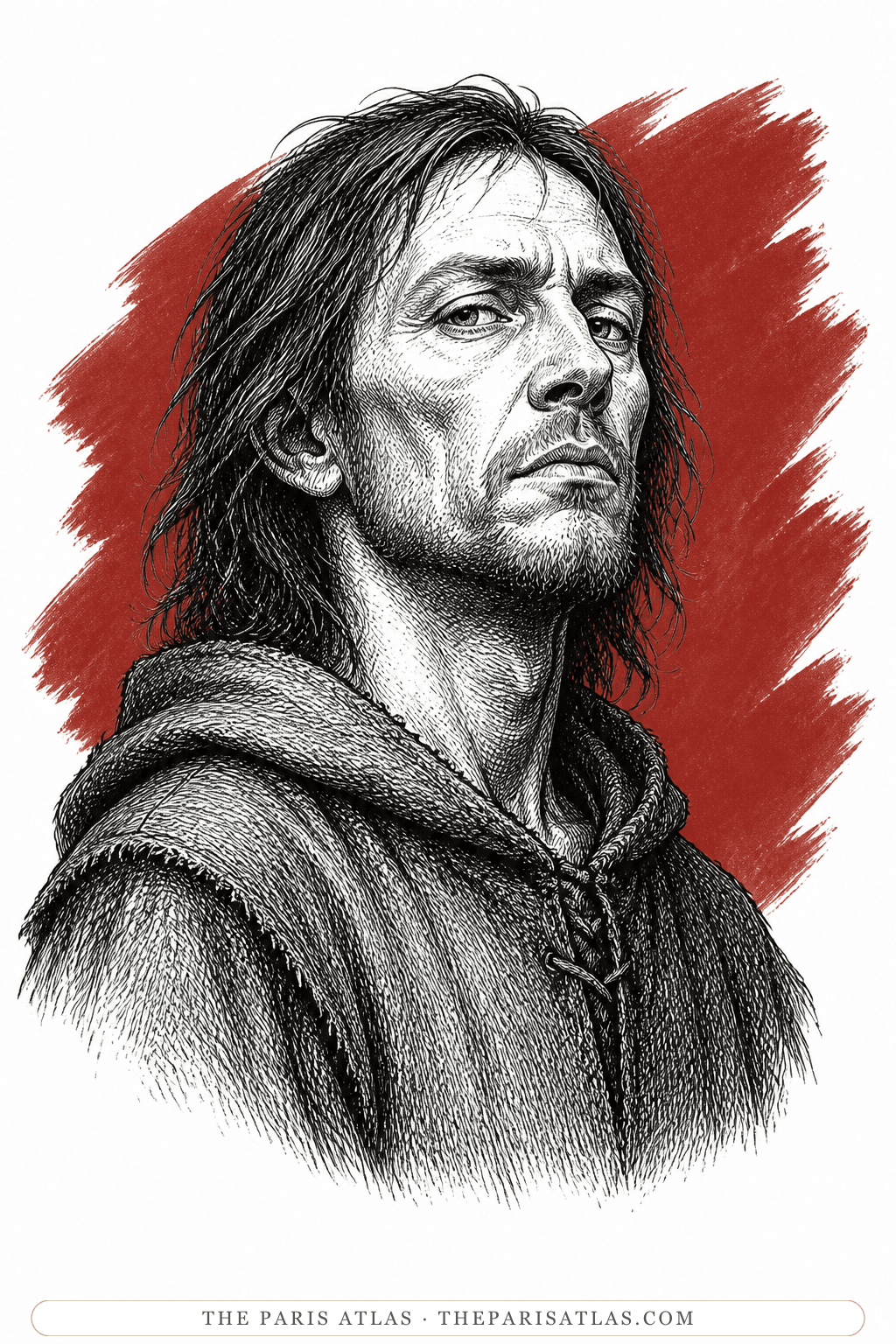
Imprisoned bard, punished repeatedly for his attacks on religious authority — the novel's model of the poet against power.
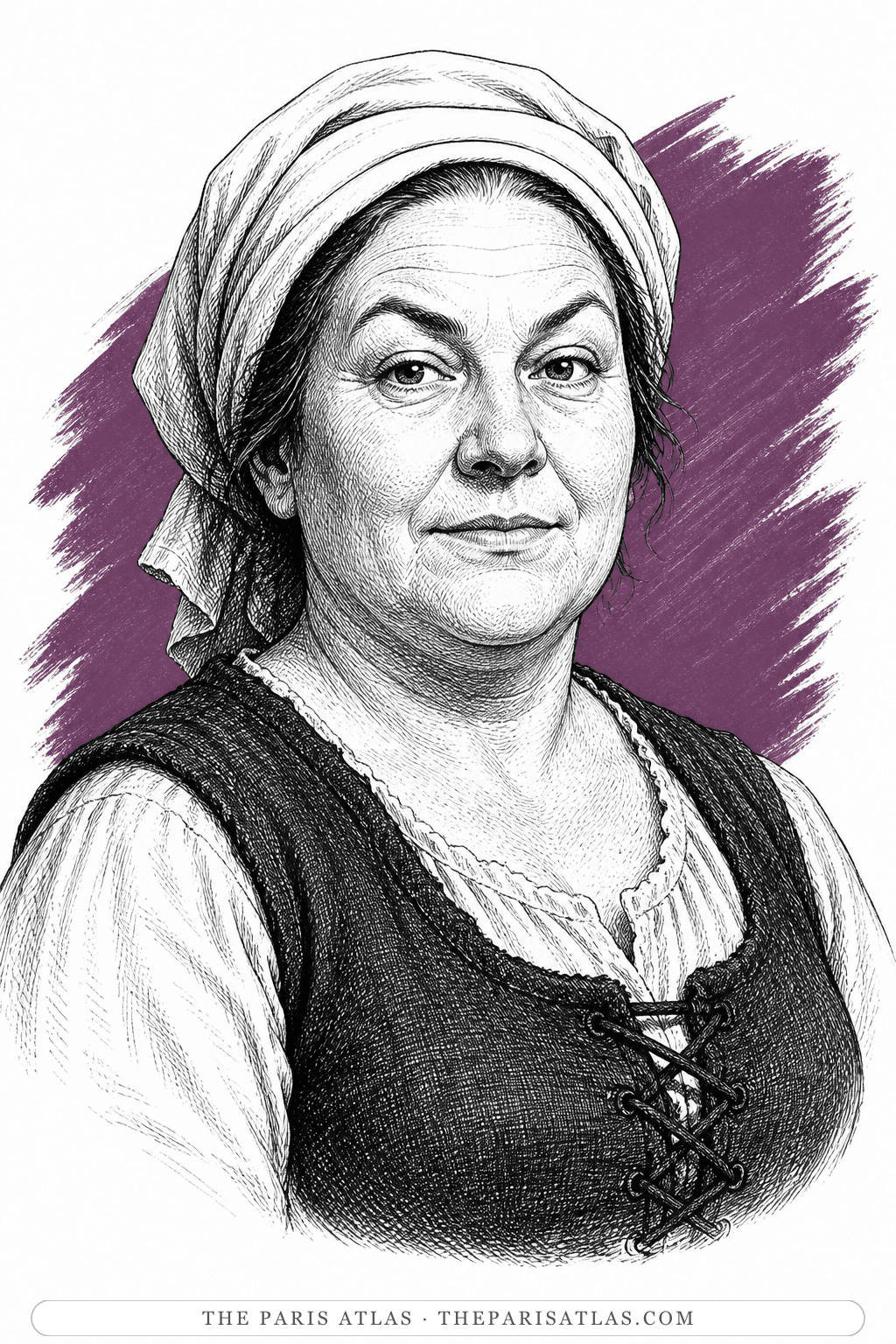
Keeper of the brothel Thibaut and Joad visit — one of the pivots of the invented medieval popular world Céline builds around the two friends.
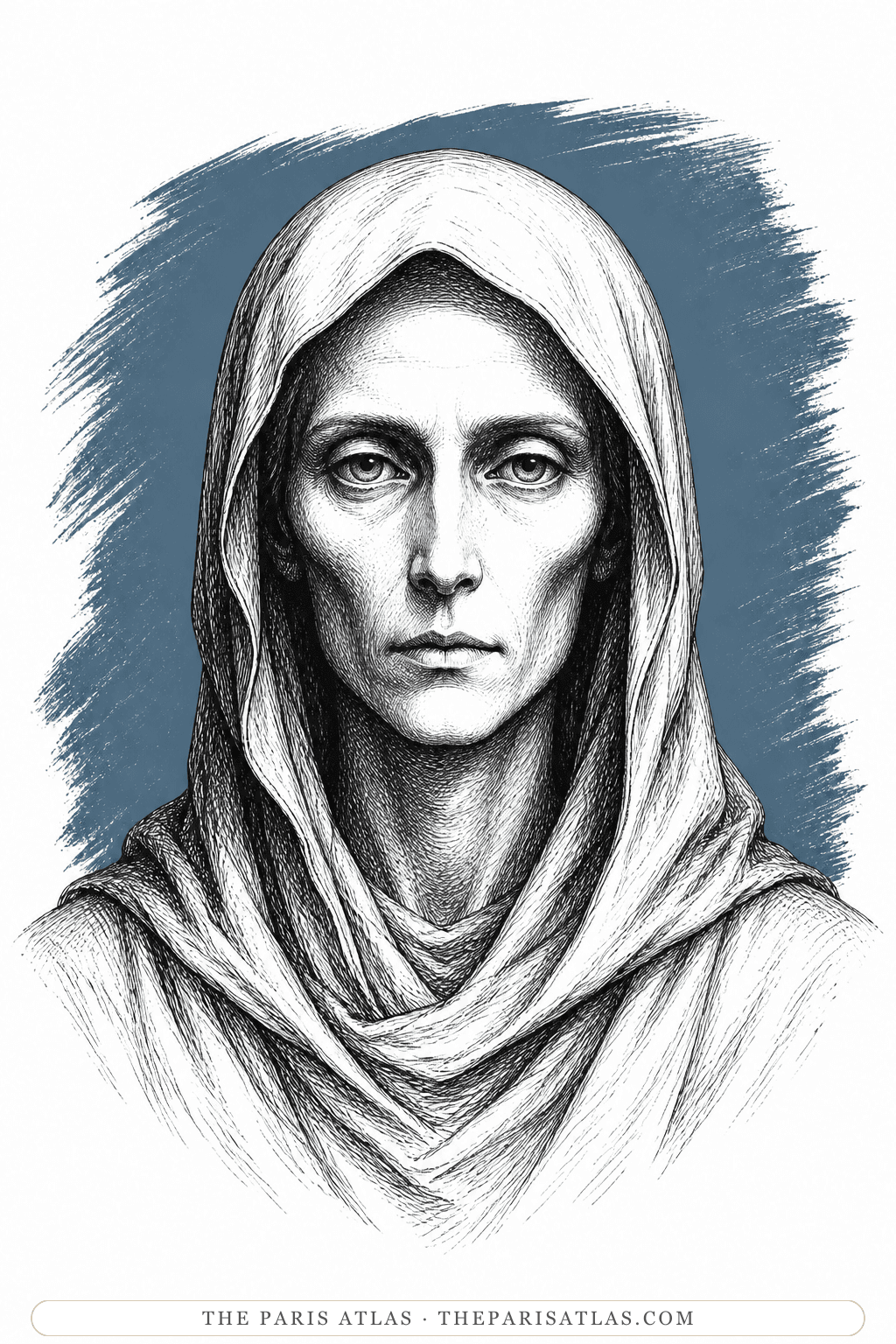
Personified figure who comes for Gwendor in the opening pages — the closest thing in Céline to a straight allegorical character.
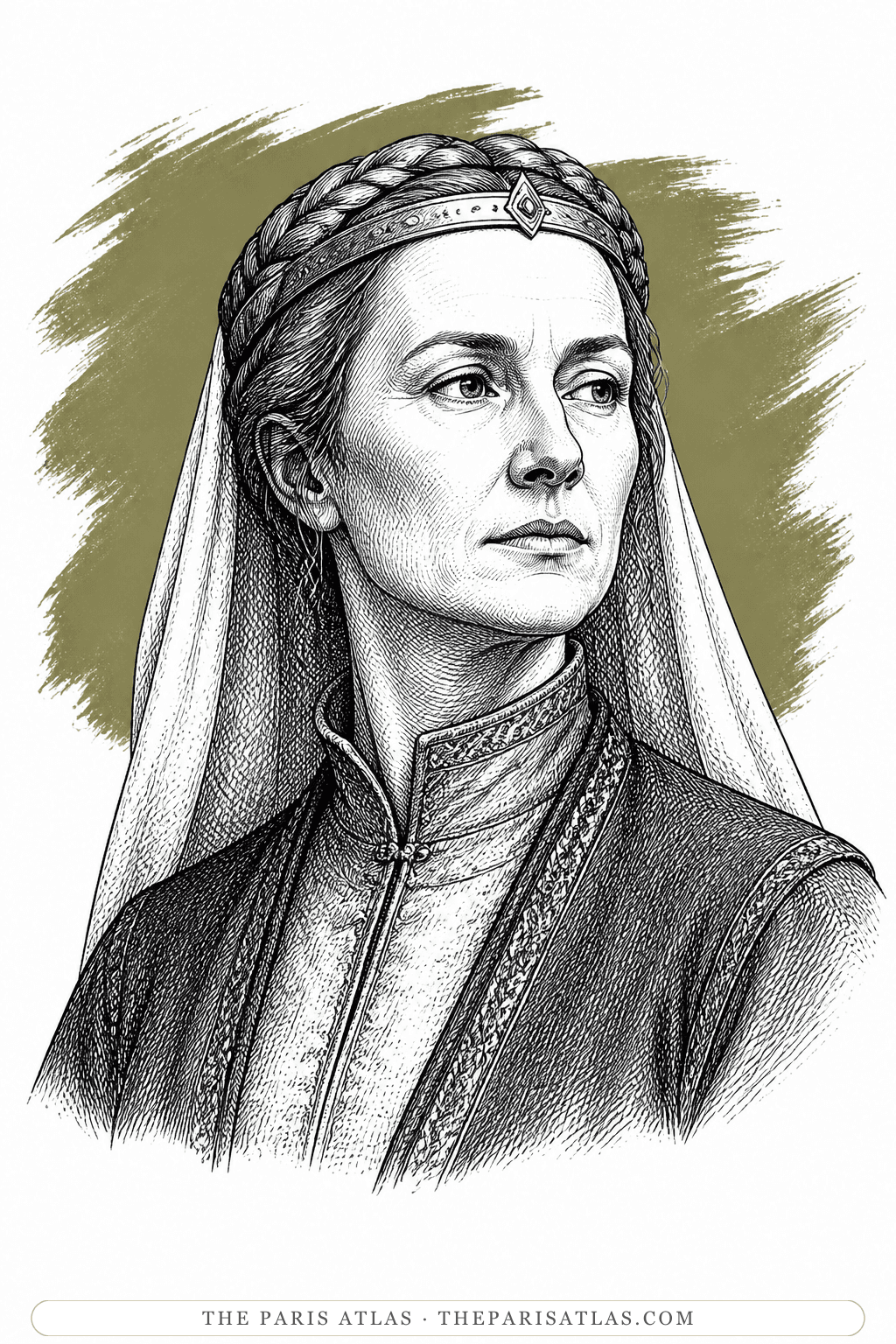
Krogold's queen and Wanda's mother.
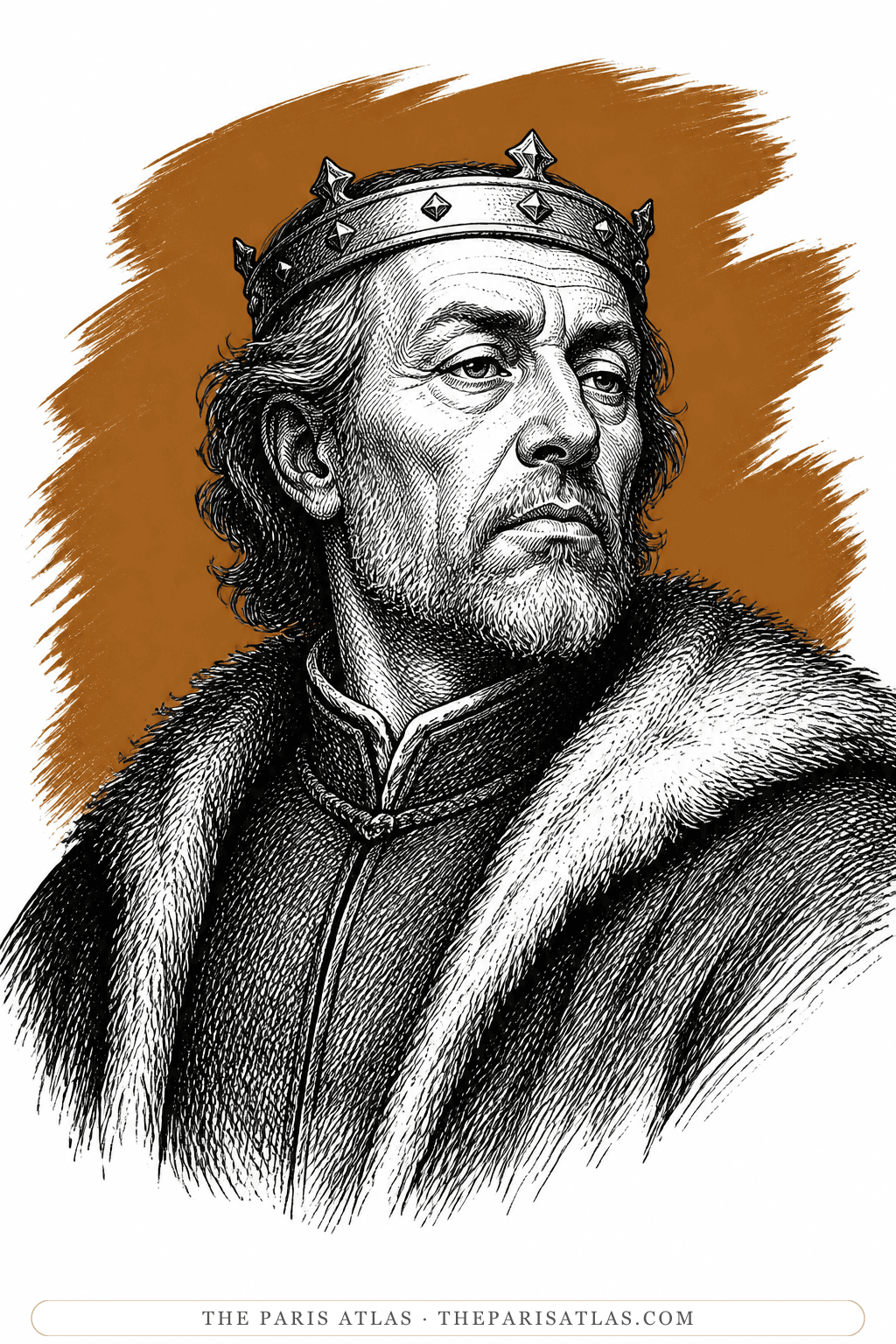
The ruler's name in the earlier version of the legend — essentially Krogold's earlier textual counterpart rather than a separate king existing alongside him in one continuous version.
Early 1930s
Céline develops the earlier legendary narrative La Légende du Roi René.
1939–1940
He works on the rewrite titled La Volonté du roi Krogold.
2023
Gallimard publishes the two surviving versions together.
One of the other 2020s-recovered manuscripts, published in 2022 alongside Londres — Krogold completed the recovered trio in 2023.
Read our take
The recovered London novel of 2022; Krogold is the third book in the wave of Céline manuscripts recovered from the 1944 loss.
Read our take
The 1936 novel that quotes and refers to Krogold material; the two books share a workshop, and the reference in Death on the Installment Plan is where readers first encountered pieces of the legend.
Read our take
Céline's debut, whose conversation with mortality Krogold gives a mythological form.
Read our takeNo. 2023 is the publication date. The earlier Roi René version dates from the first half of the 1930s, while La Volonté du roi Krogold was written in 1939–40.
Because Gallimard published the two surviving versions together: La Légende du Roi René and Céline's later rewrite, La Volonté du roi Krogold.
No. Both versions are incomplete, though they preserve different portions of the story and can partly fill gaps in one another.
Céline reused fragments and references to the legend in Death on the Installment Plan, Guerre and Londres.
Not really. Its imagined medieval world borrows from Brittany, Scandinavia, chivalric legend, folklore and medieval language, but it is deliberately fantastical rather than a reconstruction of a precise historical period.
Not in the surviving manuscripts. Céline alludes to a "revenge of Wanda" elsewhere in Death on the Installment Plan, but that episode is absent from both recovered versions.
Explore authors with a similar voice, perspective, and influence.
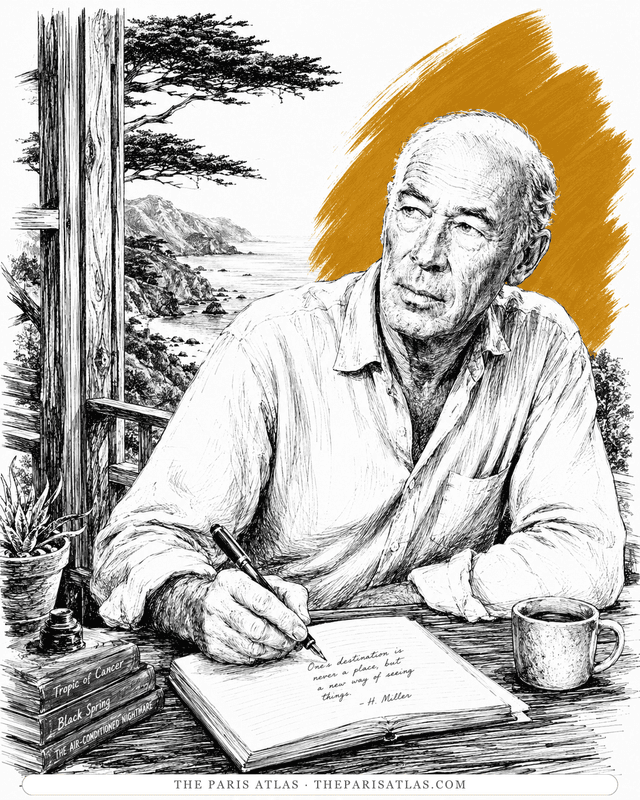
Miller read Journey in manuscript while writing Tropic of Cancer and never recovered — the two books are the era's twin gutter-testaments.
View author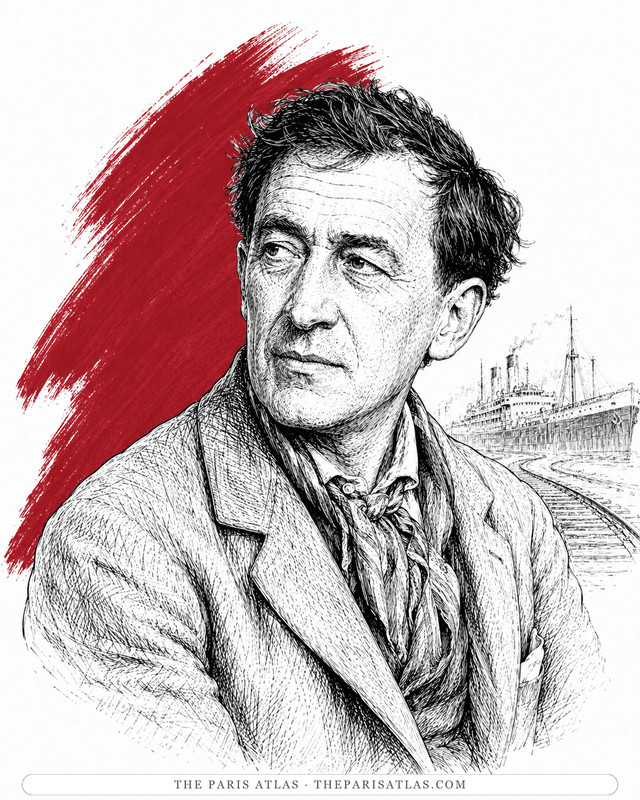
The other French modernist Céline could not look away from: a war-wounded amputee whose spoken prose ran ahead of grammar and whose Moravagine anticipates Bardamu's tour of the century's slaughterhouses.
View author
The same war, the same refusal of the big words — delivered in whispers where Céline delivers it in screams. Both writers died in the same week of July 1961.
View authorThe sources below include the primary text, editions, scholarship, archival materials, and other records that informed this page. They document The Will of King Krogold, its publication, and its place in literary history.


The primary text represented by this page, used for descriptions of the work’s contents and for any quoted passages shown here.

Published analysis and historical context used in preparing the The Will of King Krogold page.
Published analysis and historical context used in preparing the The Will of King Krogold page.
Published analysis and historical context used in preparing the The Will of King Krogold page.
Used to verify Louis-Ferdinand Céline's bibliography and place The Will of King Krogold within the broader chronology of Louis-Ferdinand Céline's career.
The primary text is the baseline reference for every book page. Additional references document publication history, interpretation, and historical context where that evidence is available.
 Explore more resources