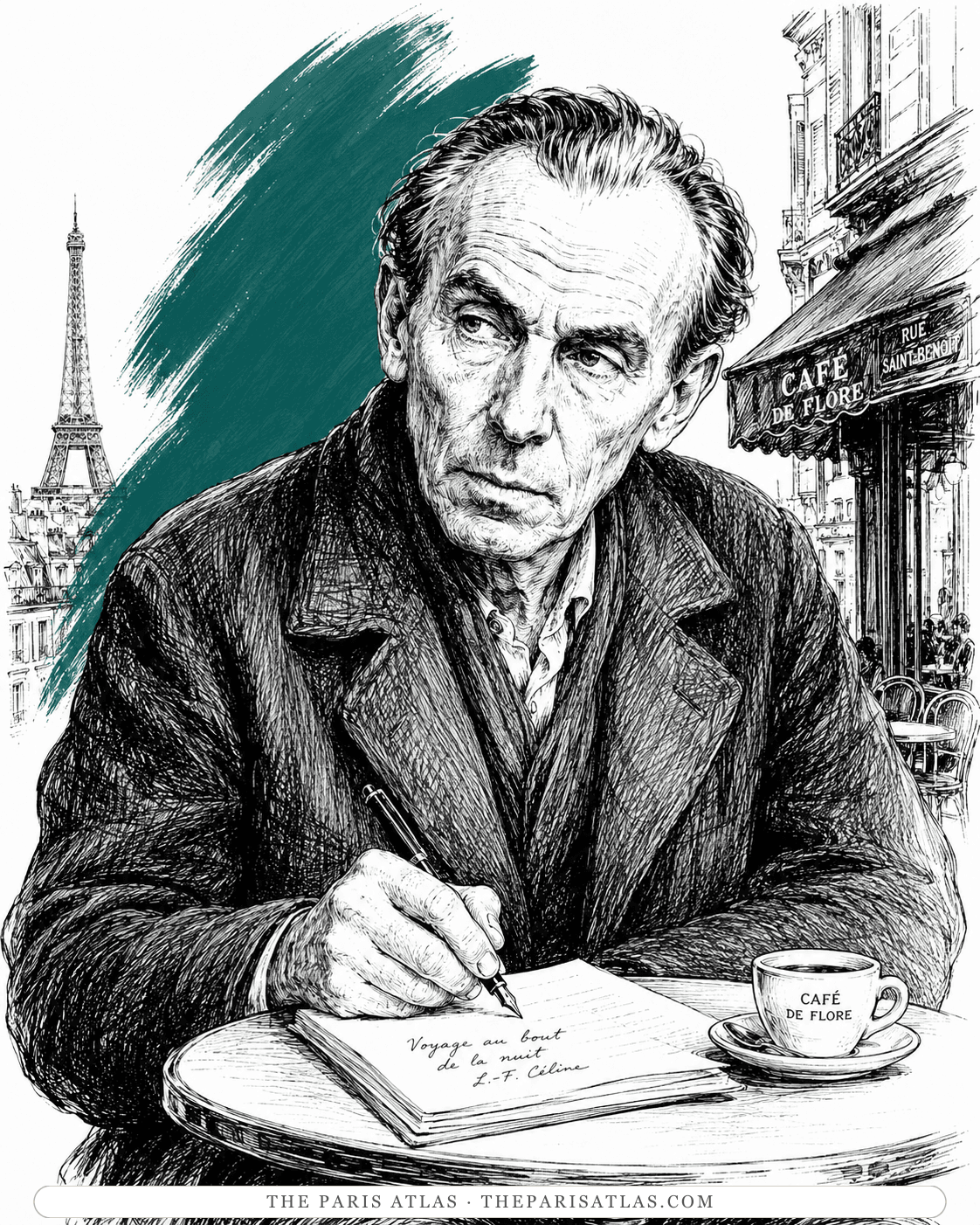

Journey to the End of the Night
Céline's 1932 debut — the child Mouck's refusal to settle prefigures the adult Bardamu who cannot stop moving.
Read our take
Louis-Ferdinand Céline's Oriental fairy tale, written around 1923 for his young daughter and illustrated by his first wife — a wandering child who is repeatedly offered safety and repeatedly leaves.
Little Mouck is a wandering boy who becomes lost in an Oriental fairy-tale world. He falls into the hands of a malicious woman who keeps enchanted children and animals captive. Among her birds is a prince who has been transformed and imprisoned. With magical slippers and a wand, Mouck helps free the prince and reaches the royal palace. The king rewards him, but Mouck refuses the security of court life and chooses to continue wandering. His journey carries him toward giants, dwarfs, magical wishes and sirens before the surviving story suddenly breaks off.
The young Mouck wanders through a desert and encounters a woman who initially seems willing to help him. Her home proves to be dangerous. She keeps birds and other captives, including a young prince who has been magically transformed.
Mouck escapes with magical objects — including extraordinary slippers and a wand — and helps the prince return to his father. At the royal palace, Mouck could finally stop wandering. He chooses not to.
The second part of the surviving story becomes increasingly episodic. Mouck encounters a giant who offers him status, encounters dwarfs and acquires magical stones capable of granting wishes.
A wish carries him toward the sea. Then the song of sirens begins drawing him toward another world. The manuscript stops before the adventure reaches a conclusion.
Mouck begins alone in the desert. He reaches the house of a woman who takes him in but soon proves to be an enchantress or sorceress. Her birds are not merely animals: one is the son of a king transformed into avian form.
Mouck learns the truth and escapes, taking magical slippers and a wand. The objects give him extraordinary powers. He reaches the royal palace with the prince and exposes what has happened. The king retaliates against the woman and frees her other victims.
Mouck is welcomed and could remain at court. Instead, melancholy and curiosity push him back onto the road.
He then encounters a giant, who makes Mouck a grand vizier. Mouck again rejects permanent status. The giant gives him three stones capable of granting wishes.
Mouck uses one to travel far away over the sea. He reaches an island populated by dwarfs. Then sirens begin calling to him from the water, promising or inviting another journey beneath the sea.
The surviving story ends there.
It does not have a completed ending.
Mouck has repeatedly rejected the possibility of settling down — first at the royal palace and again after encountering the giant. His final surviving adventure draws him toward the sea and the song of sirens.
Because the manuscript breaks off, we do not know what Céline and Édith Follet intended to happen next.
The welcome becomes a trap almost as soon as Mouck crosses the threshold. The woman's friendly invitation turns into orders to grind food for her birds, and he obeys because obedience seems safest. His escape begins with recognizing what this household conceals: a bird's song describes a lost princely identity, and Mouck later sees the birds become children. When he encourages the prince to sing again, he acts on that knowledge before taking the magical objects. Rescue therefore depends on attention to another captive, not simply on possessing powerful slippers and a wand.
The Paris Match text carries Mouck beyond the shoreline shown here: he agrees to follow the sirens, who take him underwater toward a room in a green grotto. What remains unresolved is whether another home can answer his sadness. Neither the giant nor the sirens receives an explanation for it; Mouck repeatedly cannot say why he is unhappy. Their offers of travel or companionship provide movement without understanding. The final invitation thus repeats the story's promise of welcome in a new setting, without supplying a settled answer to the child's restlessness.
The strongest connection to later Céline is wandering. Mouck repeatedly reaches places where a fairy-tale hero would normally settle and live happily ever after. Instead, he leaves.
The story is directly inspired by Wilhelm Hauff's The Story of Little Muck of 1826, but the Destouches / Follet version moves away from Hauff and develops its own chain of episodes. Gallimard explicitly identifies Hauff as its model.
The manuscript is also unusual bibliographically. Gallimard now describes the story as imagined by Louis Destouches and transcribed and illustrated by Édith Follet. Earlier scholarship pointed out that the surviving leaves are apparently not in Céline's handwriting, suggesting that an orally improvised family story may have been written down by Édith.
What the story explores:
Written for his young daughter Colette, illustrated by his first wife Édith — this is the corner of Céline's life the novels almost never show. The 2025 Gallimard facsimile is the closest thing to being handed the book she was handed.
Mouck rejects the royal palace, rejects the giant's vizierate, and follows the song of sirens. Every fairy tale of settling down is refused. In a Céline reader's ear it is the earliest, gentlest version of the wandering that dominates the later novels.
The Gallimard 2025 edition prints Édith Follet's illustrations alongside the surviving manuscript pages — the story as an object of family life, not a polished commercial book.
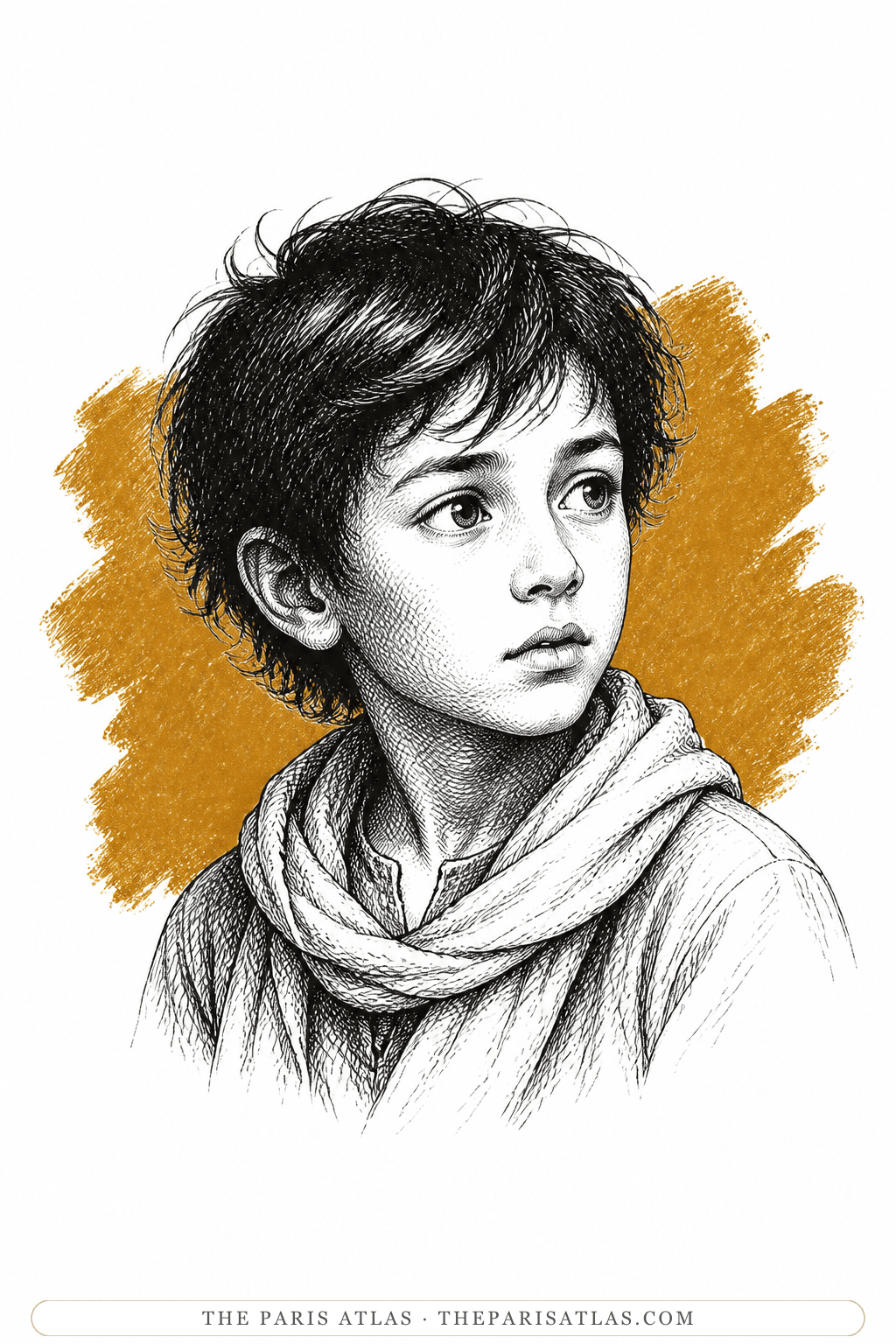
Wandering child and protagonist; repeatedly offered a place to stop and repeatedly chooses to leave.
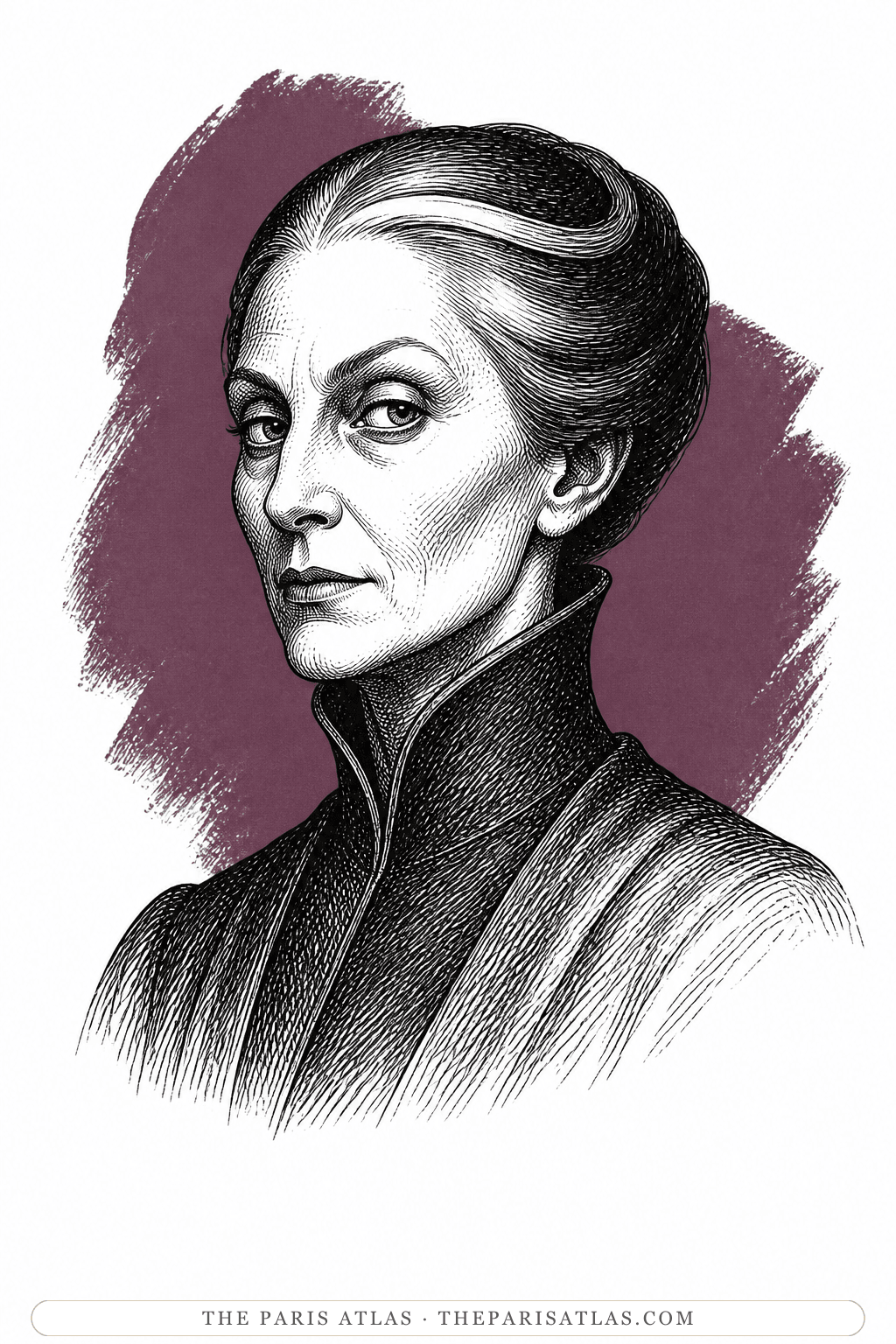
Traps enchanted children and animals in her house; the first captor Mouck escapes.
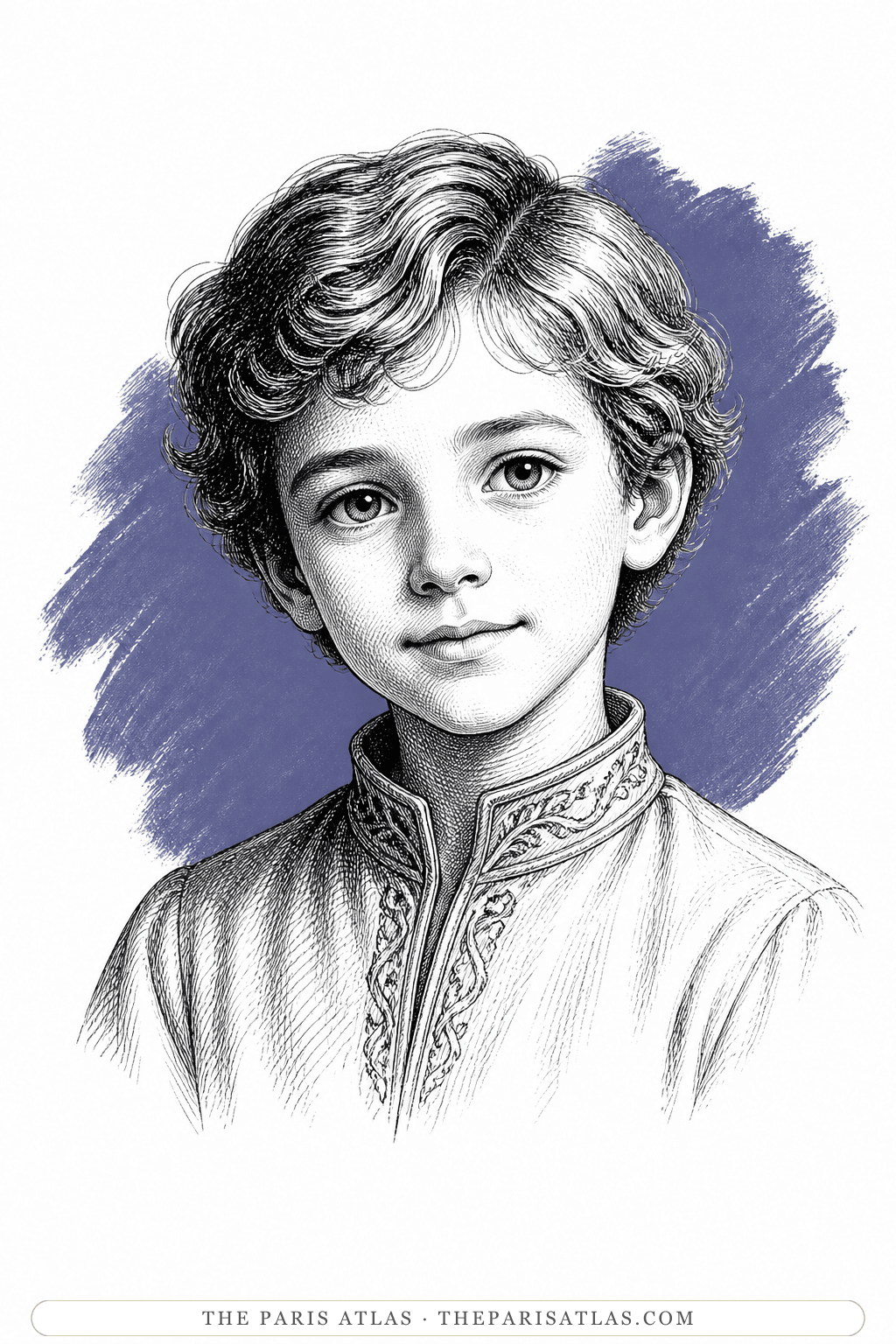
Royal child transformed into a bird by the sorceress; freed by Mouck and returned to his father.
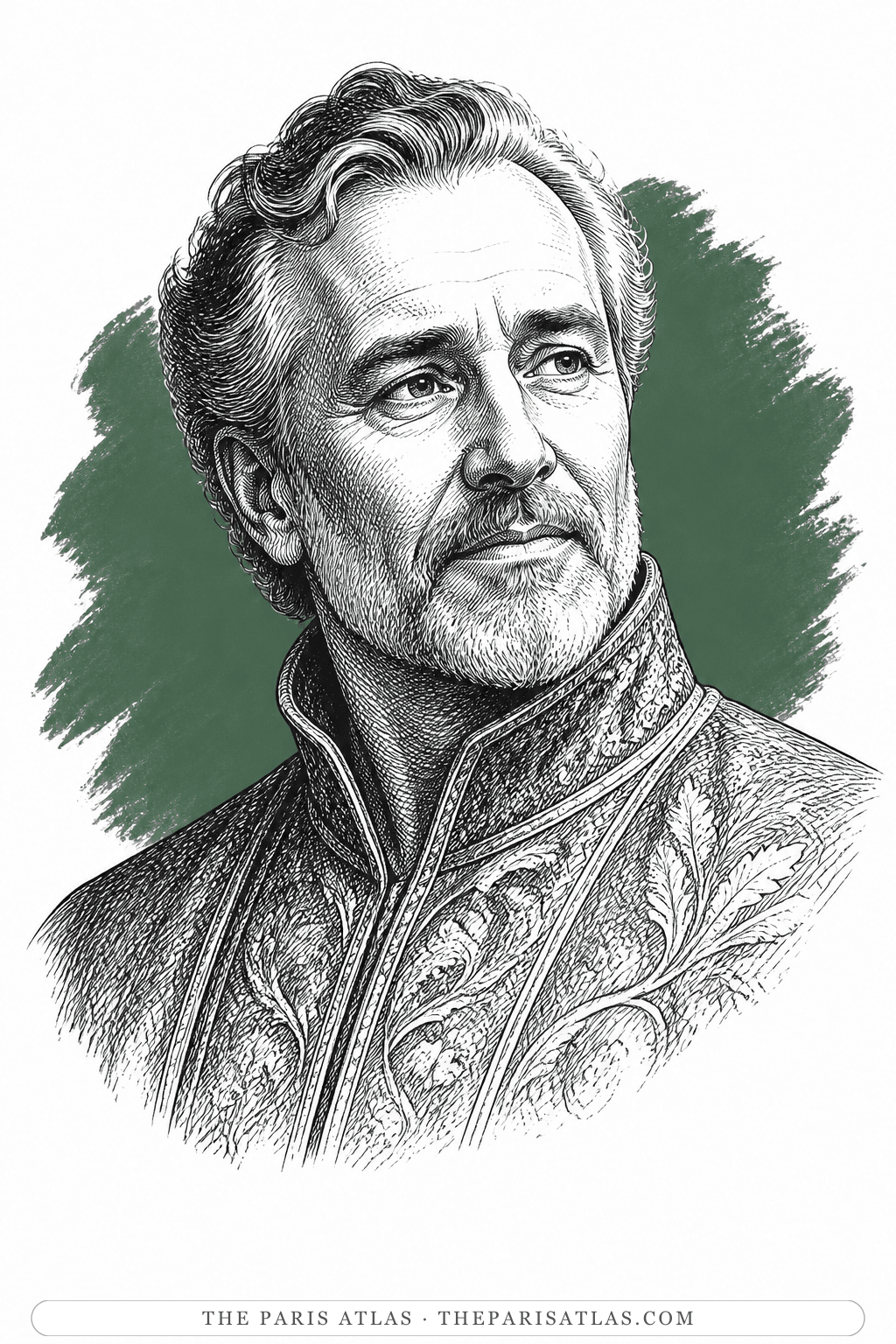
Father of the rescued prince; welcomes Mouck to the court he ultimately leaves.
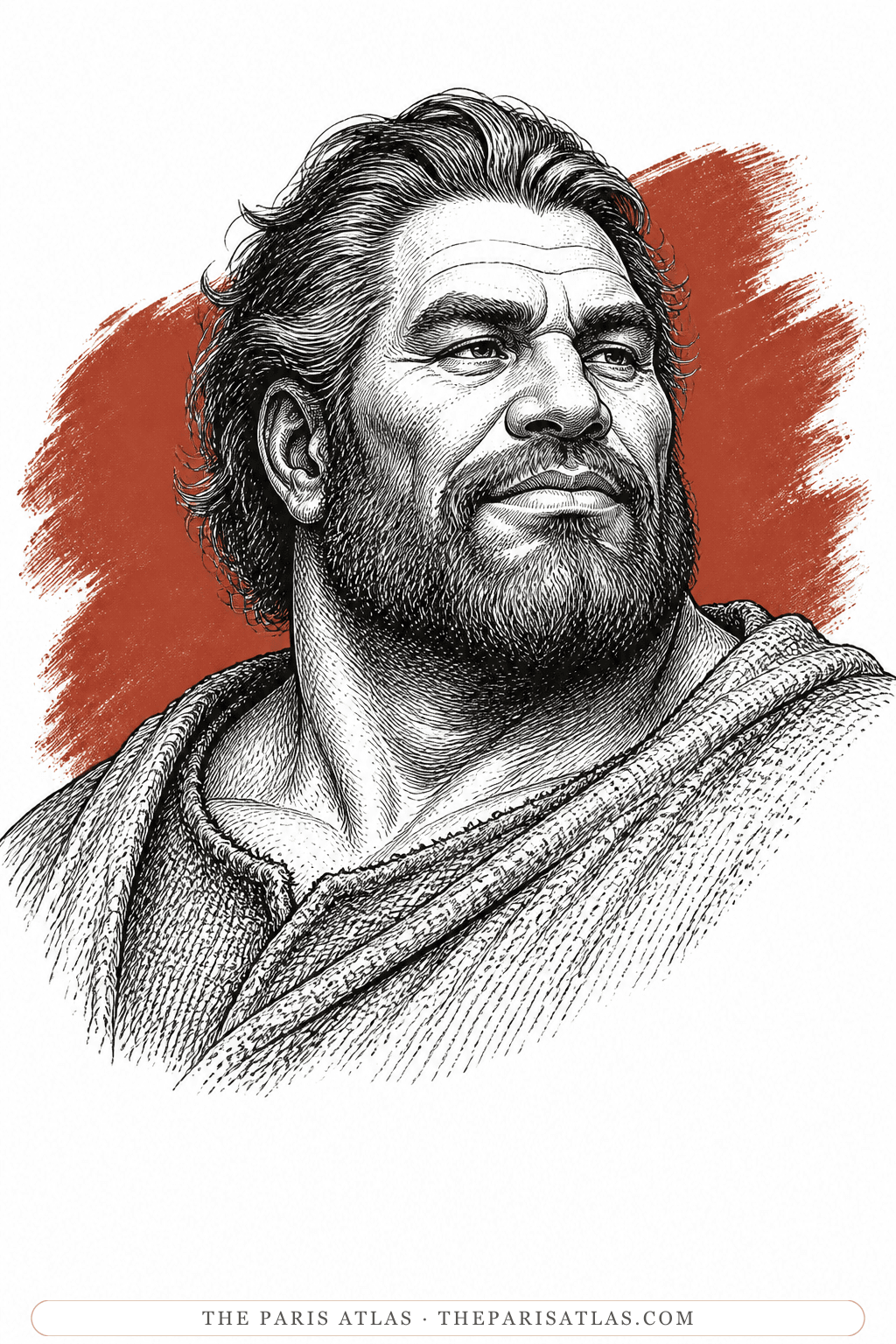
Offers Mouck the vizierate and gives him three wish-granting stones; the second refusal to settle down.

Call Mouck from the water at the end of the surviving manuscript — the last invitation before the story breaks off.
c. 1923
Louis Destouches and Édith Follet create the illustrated story for their daughter.
1994
The story appears in Paris Match.
1997
Éditions du Rocher publishes a book edition.
2025
Gallimard republishes the manuscript as a facsimile.
Céline's 1932 debut — the child Mouck's refusal to settle prefigures the adult Bardamu who cannot stop moving.
Read our take
Céline's medieval legend, also unfinished — the same imaginative territory of witches, magic and sirens as Mouck.
Read our takeNo. The surviving manuscript is dated approximately 1923. The 1919 date sometimes attached to the story is actually when Louis Destouches married Édith Follet.
For Céline's young daughter, Colette Destouches, born in 1920.
Céline's first wife, Édith Follet, who also appears to have transcribed the surviving manuscript from an orally improvised family story.
Yes. It is directly inspired by Wilhelm Hauff's 1826 Die Geschichte von dem kleinen Muck.
No. The surviving story breaks off during Mouck's later adventures — the sirens are calling him but he never reaches them.
It appeared in Paris Match in 1994, received a book edition from Éditions du Rocher in 1997, and was republished by Gallimard as a facsimile in December 2025.
Explore authors with a similar voice, perspective, and influence.
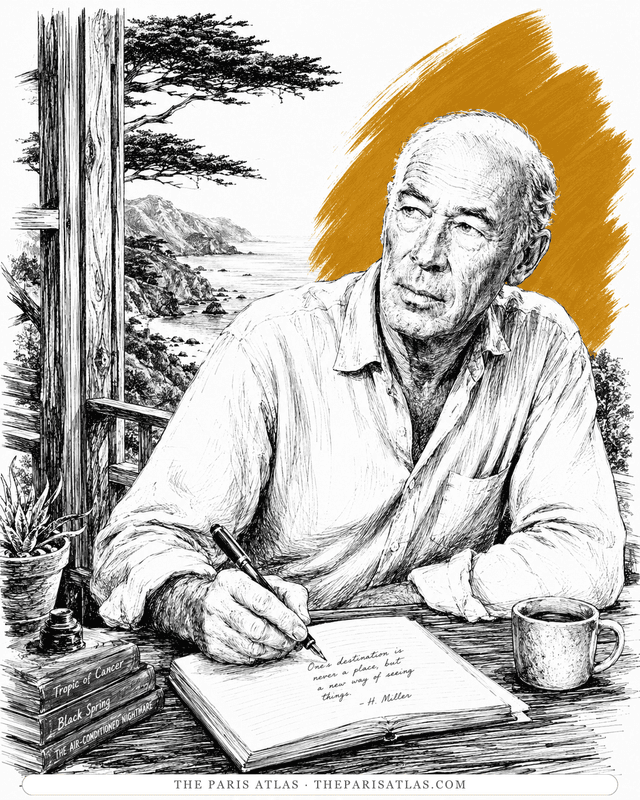
Miller read Journey in manuscript while writing Tropic of Cancer and never recovered — the two books are the era's twin gutter-testaments.
View author
The other French modernist Céline could not look away from: a war-wounded amputee whose spoken prose ran ahead of grammar and whose Moravagine anticipates Bardamu's tour of the century's slaughterhouses.
View author
The same war, the same refusal of the big words — delivered in whispers where Céline delivers it in screams. Both writers died in the same week of July 1961.
View authorThe sources below include the primary text, editions, scholarship, archival materials, and other records that informed this page. They document Histoire du petit Mouck, its publication, and its place in literary history.


The primary text represented by this page, used for descriptions of the work’s contents and for any quoted passages shown here.

Published analysis and historical context used in preparing the Histoire du petit Mouck page.
Published analysis and historical context used in preparing the Histoire du petit Mouck page.
Published analysis and historical context used in preparing the Histoire du petit Mouck page.
Used to verify Louis-Ferdinand Céline's bibliography and place Histoire du petit Mouck within the broader chronology of Louis-Ferdinand Céline's career.
Primary story text printed on pages 62 and 64, read directly in the public scans. The magazine presentation and the later publisher's description are distinguished from the story; no original-manuscript or edition-collation claim is made.
The primary text is the baseline reference for every book page. Additional references document publication history, interpretation, and historical context where that evidence is available.
 Explore more resources