
The Paris AtlasCharting the artists, works, and places worth returning to.

On a les maîtres qu'on mérite

We Get the Masters We Deserve

by Louis-Ferdinand Céline

The 1924 philosophical opening Louis Destouches wrote for La Vie, Pasteur, Semmelweis et la Mort — cut by La Presse médicale, lost to the League of Nations archive in Geneva, and rediscovered in 2014.

Published
1924
Setting
Shelf rating
3.6

About Louis-Ferdinand Céline

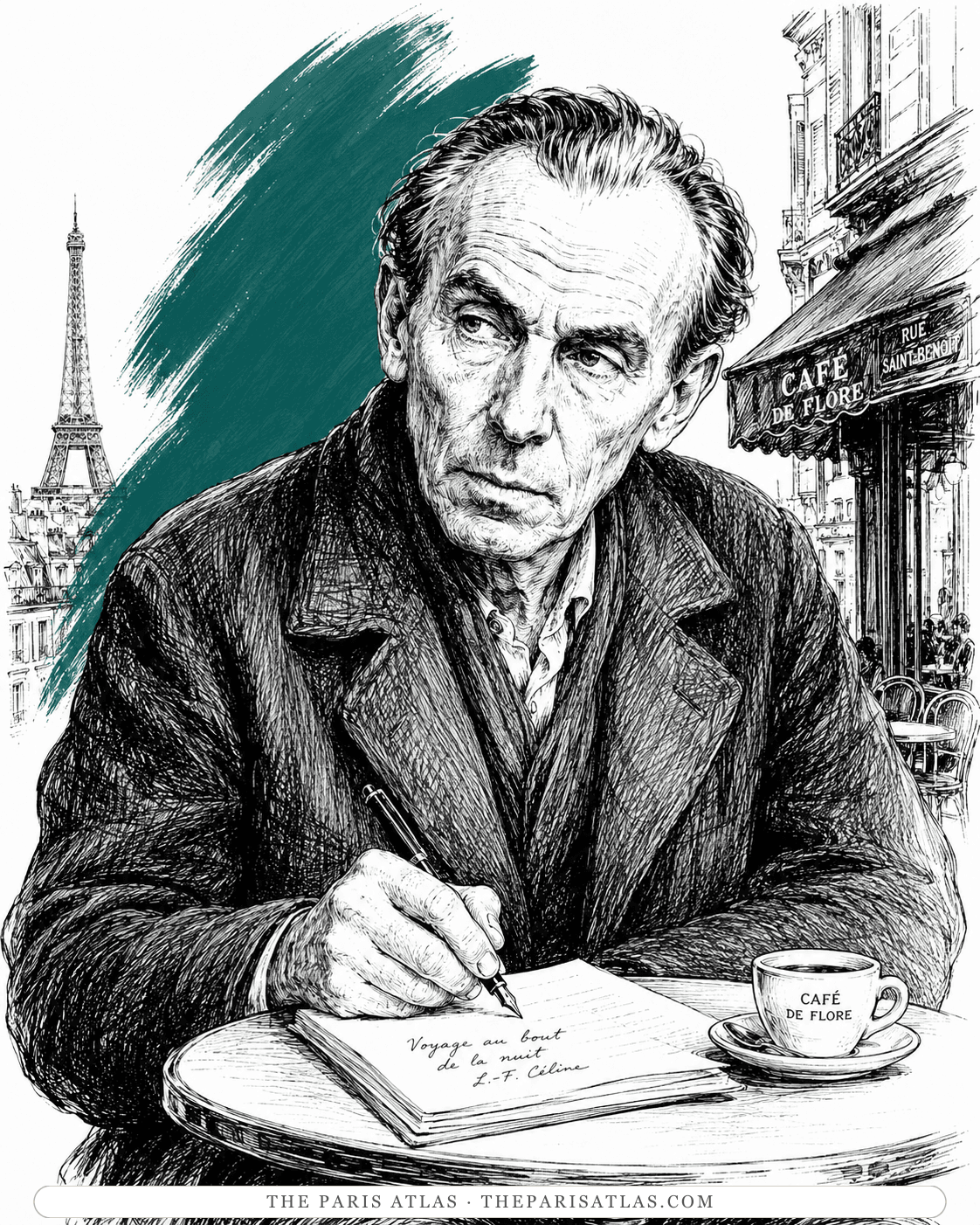
Illustrated portrait of Louis-Ferdinand Céline

The story, briefly

Spoiler-free

On a les maîtres qu'on mérite consists of pages from a 1924 typescript titled La Vie, Pasteur, Semmelweis et la Mort. Destouches sent the piece to La Presse médicale as a condensed development of his Semmelweis thesis. The journal published the medical portion on 25 June 1924 as Les Derniers jours de Semmelweis — but removed roughly the first third, apparently because it was too philosophical for the journal. Those omitted pages survived in the League of Nations archive in Geneva. Alexandre Junod rediscovered them, and they appeared in Le Bulletin célinien no. 367 in October 2014 under the editorial title On a les maîtres qu'on mérite.

The story, in more detail

The young Dr. Destouches begins with a question far larger than medical history: why do human beings repeatedly submit themselves to leaders and systems that produce war, violence and suffering?

Against those destructive "masters," he places figures such as Pasteur and Semmelweis, whose work is directed toward preserving life.

The piece consequently joins medicine, war, politics and pessimism several years before Céline writes Journey to the End of the Night.

The full progression

What happens, beginning to end — the ending included. Open when you're ready.

The young physician begins from mortality and the repeated spectacle of human societies destroying themselves. War is not presented as an accidental interruption in civilisation. It appears as something societies repeatedly organise and return to.

This produces the title idea: perhaps populations have, in some sense, the masters they accept or choose.

Destouches then establishes a counter-tradition. There are also figures whose authority comes not from commanding armies or political systems but from saving lives.

Pasteur and Semmelweis become examples of this second type. The philosophical opening therefore prepares for the medical history that follows.

How it ends — spoilers aheadThe final movement, ending included. Open when you're ready.

The recovered fragment does not possess an independent ending because it was never an independent essay.

It flows into Les Derniers jours de Semmelweis.

That fact should actually be part of the page rather than treated as a problem: On a les maîtres qu'on mérite is best understood as the missing first movement of a longer 1924 composition.

Themes and analysis

The most striking thing is how early several familiar Céline themes already exist. This is 1924 — eight years before Journey. Yet we already find: distrust of political authority, the recurrence of war, human self-destruction, mortality, scepticism about progress, and the physician as someone working against death.

What is not yet fully present is the mature Célinian prose style. The ideas appear before the famous voice has completely developed.

What the text explores:

  • Authority & political power
  • War & human destruction
  • Medicine vs. death
  • Pasteur & Semmelweis
  • Progress & disillusionment
  • The origins of Céline's worldview

Why we recommend it

  1. Céline in 1924, eight years before Journey

    The politics of authority, the recurrence of war, medicine against death, human self-destruction — a striking amount of the later Céline is already here, in the voice of Dr. Destouches.

  2. The philosophical frame Semmelweis was published without

    The medical thesis is Céline's first published work, but this is the doorway Céline himself wanted around it — cut in 1924, restored in 2014.

  3. A short primary source, recovered in this century

    Alexandre Junod's discovery in the League of Nations archive is one of the more moving pieces of Céline recovery, and the surviving fragment is short enough to read alongside Semmelweis in a single sitting.

What this book explores

Real people in this book

The real people this book portrays, dedicates itself to, or draws from — every connection carries its source.

Alexandre Junod

  • Archivist

Read in manuscript by · 2014

The Genevan jurist identified the omitted opening pages of Céline's 1924 typescript La Vie, Pasteur, Semmelweis et la Mort in the archives of the former League of Nations in Geneva, prepared the text and saw it printed in Le Bulletin célinien no. 367 in October 2014 under the editorial title On a les maîtres qu'on mérite. The manuscript had been cut by La Presse médicale before it printed the medical portion as Les Derniers jours de Semmelweis on 25 June 1924.

Archives Louis-Ferdinand Céline — history of the 1924 manuscript titled La Vie, Pasteur, Semmelweis et la Mort, the philosophical opening cut by La Presse médicale before it printed the medical portion as Les Derniers jours de Semmelweis on 25 June 1924, and the 2014 publication of the recovered opening as On a les maîtres qu'on mérite in Le Bulletin célinien no. 367; Antoine Grosjean, Tribune de Genève — report on Alexandre Junod's discovery of the unpublished Céline typescript in the archives of the former League of Nations in Geneva

Book editions

Paperback
Paperback
French
Le Bulletin célinien no. 367 (October 2014)

Reader reviews

Loading reviews…

Recommended alongside Semmelweis et autres écrits médicaux.

On a les maîtres qu'on mérite: frequently asked questions

Did Céline write On a les maîtres qu'on mérite in 2014?

No. It was written in 1924 and first published in 2014.

Was that Céline's original title?

No. The complete typescript was titled La Vie, Pasteur, Semmelweis et la Mort. On a les maîtres qu'on mérite is the title under which the rediscovered opening was published in Le Bulletin célinien no. 367.

Where was it found?

In the archives of the former League of Nations in Geneva.

Who found it?

Genevan jurist and writer Alexandre Junod.

Why wasn't it published in 1924?

La Presse médicale printed the later medical portion of the typescript (as Les Derniers jours de Semmelweis) but omitted the philosophical opening.

How is it related to Semmelweis?

It was written immediately after Céline's medical thesis and serves as the philosophical introduction to a condensed article about Semmelweis.

If you like Louis-Ferdinand Céline

Explore authors with a similar voice, perspective, and influence.

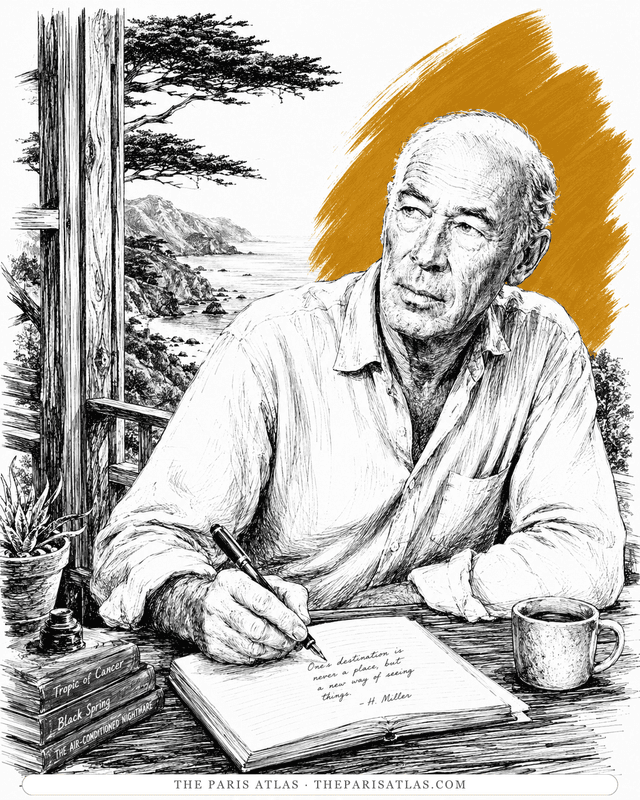
  • Illustrated portrait of Henry Miller

    Henry Miller

    Miller read Journey in manuscript while writing Tropic of Cancer and never recovered — the two books are the era's twin gutter-testaments.

    View author
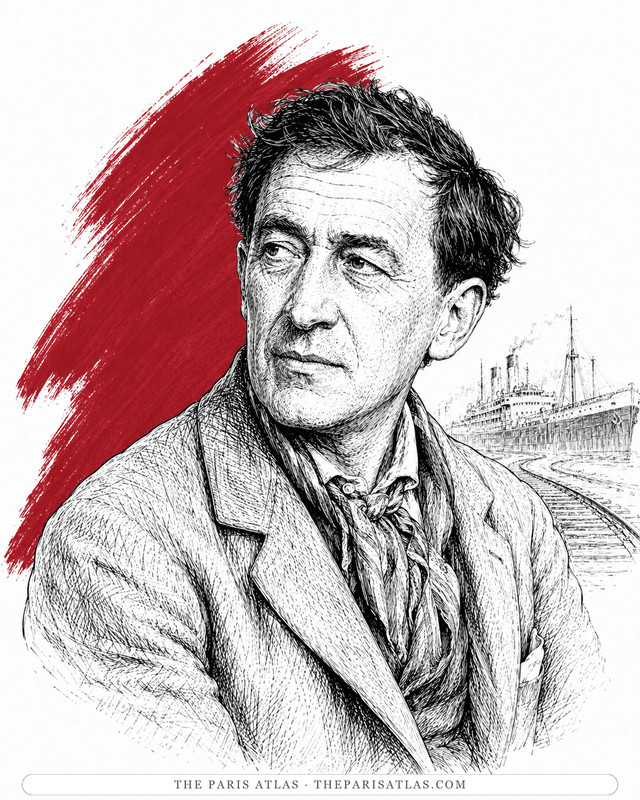
  • Illustrated portrait of Blaise Cendrars

    Blaise Cendrars

    The other French modernist Céline could not look away from: a war-wounded amputee whose spoken prose ran ahead of grammar and whose Moravagine anticipates Bardamu's tour of the century's slaughterhouses.

    View author
  • Illustrated portrait of Ernest Hemingway

    Ernest Hemingway

    The same war, the same refusal of the big words — delivered in whispers where Céline delivers it in screams. Both writers died in the same week of July 1961.

    View author
References

References

The sources below include biographies, scholarly essays, interviews, and primary materials that informed this page. They reflect both the historical record and ongoing critical conversations about Louis-Ferdinand Céline and his work.

  1. 1Archives Louis-Ferdinand Céline — history of the 1924 manuscript titled La Vie, Pasteur, Semmelweis et la Mort, the philosophical opening cut by La Presse médicale before it printed the medical portion as Les Derniers jours de Semmelweis on 25 June 1924, and the 2014 publication of the recovered opening as On a les maîtres qu'on mérite in Le Bulletin célinien no. 367

    Archives Louis-Ferdinand Céline
    View source
  1. 2Tribune de Genève — report on Alexandre Junod's discovery of the unpublished Céline typescript in the archives of the former League of Nations in Geneva

    Tribune de Genève
    View source
i
Why these sources are here

These references anchor the page in the documented record and in the scholarly conversations around Louis-Ferdinand Céline. Every claim on this page traces back to one or more of the works listed here.

Explore more resources