
Fable for Another Time
The 1952 novel whose earliest architecture Céline began building in the Cahiers.
Read our take
Louis-Ferdinand Céline's ten Copenhagen prison notebooks — February to October 1946 — first published in complete scholarly form in 2019, and the workshop in which the postwar novels began.
After being arrested in Copenhagen in December 1945, Céline was imprisoned in Vestre Fængsel, Copenhagen's western prison. He asked for writing materials. The prison administration gave him ten 32-page school notebooks, although prison rules prohibited him from writing directly about his legal case or detention. The notebooks begin as preparations for his defence against extradition to France. Gradually, however, Céline began using them for something larger: memories of London and Montmartre, observations about Lucette, notes on books, thoughts about other imprisoned writers, fragments of future fiction and the beginnings of what would become Féerie pour une autre fois.
Céline occupies cell 609, section K. His immediate concern is legal survival. France wants him returned, and he is determined to avoid extradition.
But the notebooks soon cease to function simply as legal preparation. Lucette brings him books. He reads Chateaubriand, Hugo, Chamfort, Voltaire and others, quoting and responding to them. He thinks about writers who have endured imprisonment or exile and begins placing his own situation within that literary tradition.
His memories also open outward: Montmartre, London, his life with Lucette and the journeys that brought him to Denmark.
Most importantly for the later novels, prison becomes an experimental writing space. Jean-Paul Louis describes the notebooks as documenting the transition toward Céline's "second narrative and stylistic revolution." Material begun here will feed Féerie pour une autre fois and later the German trilogy.
Notebooks 1–2 — defence and imprisonment. The earliest entries are closely tied to Céline's predicament. He works through arguments intended to prevent extradition and attacks officials he believes responsible for his situation, including the French ambassador Charbonnières.
The notebooks widen. His attention turns increasingly toward memory. London and Montmartre reappear. Lucette exists outside the cell as his essential connection to ordinary life and to books.
Céline becomes a reader inside the text. The notebooks fill with references to writers. Chateaubriand is especially useful to Céline because exile, persecution and historical displacement can be incorporated into his own self-conception as a writer. Hugo, Chamfort and Voltaire become part of the same internal library.
Fiction begins taking over. Fragments of remembered experience cease to function merely as autobiography. They become material to be rearranged, exaggerated and transformed. The earliest architecture of Féerie pour une autre fois begins emerging. Other notes and memories will eventually feed D'un château l'autre, Nord and Rigodon.
There is no conventional ending — and, importantly, the notebooks do not end with Céline leaving prison. The published sequence simply ends in October 1946.
By then, however, a transformation has occurred. What began primarily as a prisoner's attempt to defend himself has become an active literary workshop. The juridical question — how does Destouches avoid extradition? — is increasingly joined by a literary one: how can Céline turn imprisonment, exile, memory and accusation into a new kind of narrative?
That is the real endpoint of the notebooks.
At the beginning of the second notebook, a small wandering gosling is caught in an enormous wringer, and the image expands into a factory destroying the world. The contrast between the vulnerable creature and the overwhelming machine gives helplessness a physical scale. Piled-up verbs make the passage accelerate even while its human figure loses the ability to act. This is more than a statement of distress: the notebook tests how rhythm and disproportion can make a reader experience it.
Literature also supplies a way of judging the people around him. In one note, Céline compares the gaoler to Caliban from Shakespeare's The Tempest, placing him between humanity and animality. Reading does not simply offer escape from the cell: it furnishes the figures through which the prisoner interprets it. The comparison also has a cost. A real person becomes a ready-made literary adversary. Recognizing that caricature lets us examine the writer's sense of persecution without accepting his description as an impartial portrait.
The most important thing about Cahiers de prison is that they show Céline's later style under construction. The finished Féerie books can feel like fully formed eruptions of memory, polemic, fantasy and interruption. The notebooks reveal the earlier stage in which memories are being tested, writers are being read, phrases are being tried and the experience of captivity is being converted into narrative.
They also show how extensively Céline read. The popular image of the author as a writer who simply transcribed spontaneous speech becomes much harder to sustain when confronted with notebooks filled with literary references.
What the notebooks explore:
The finished Féerie books can feel like fully formed eruptions of memory, polemic, fantasy and interruption. The notebooks reveal the earlier stage in which memories are being tested, writers are being read, phrases are being tried and the experience of captivity is being converted into narrative.
The popular image of the author as a writer who simply transcribed spontaneous speech becomes much harder to sustain when confronted with notebooks filled with literary references — Chateaubriand, Hugo, Chamfort, Voltaire.
The Cahiers show the writer engineering his own self-image in real time: exile, persecution and imprisonment slotted into a much longer tradition of imprisoned writers, whose company Céline is deliberately entering.

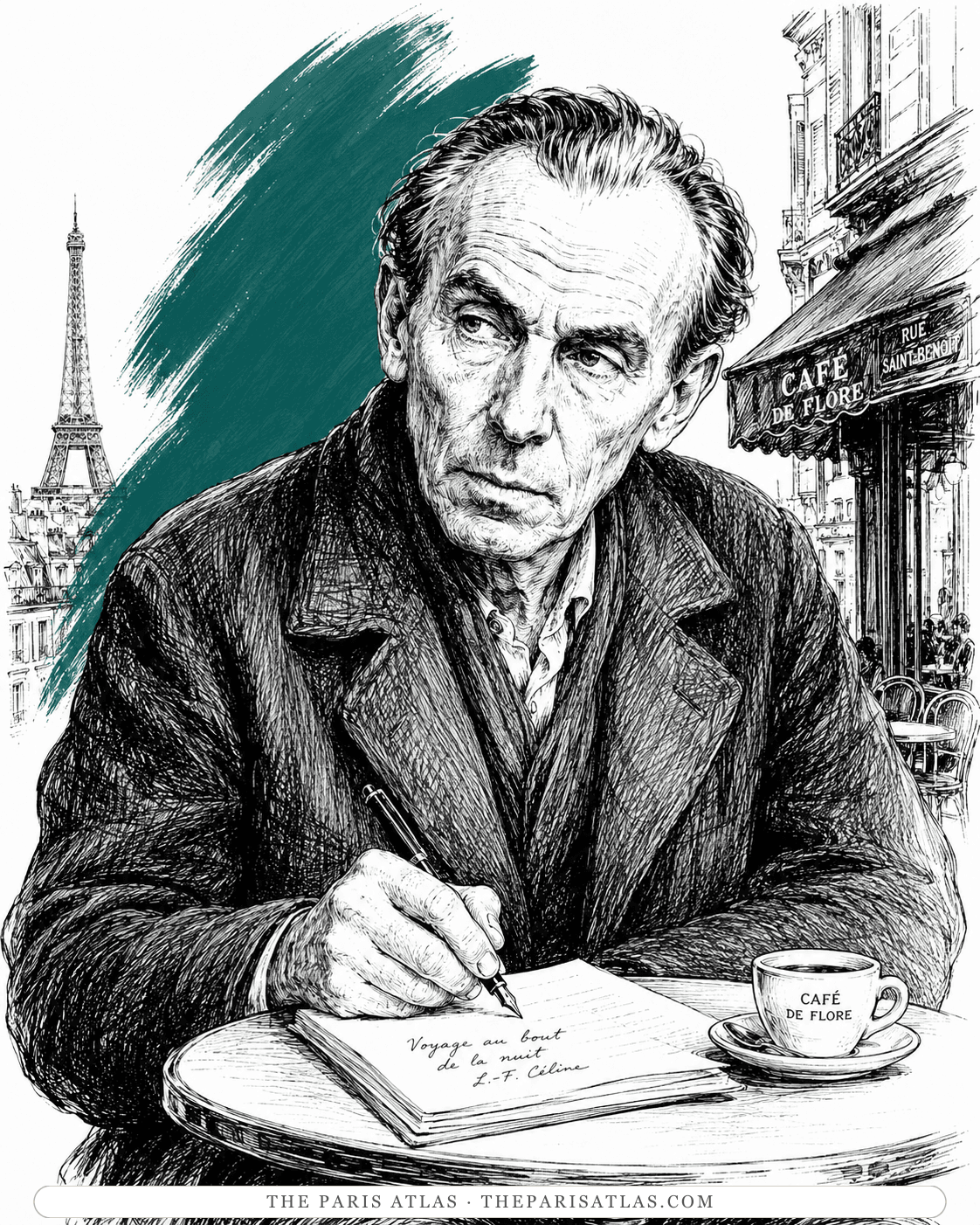
The imprisoned narrator; alternates in the notebooks between the defendant Destouches and the writer Céline.
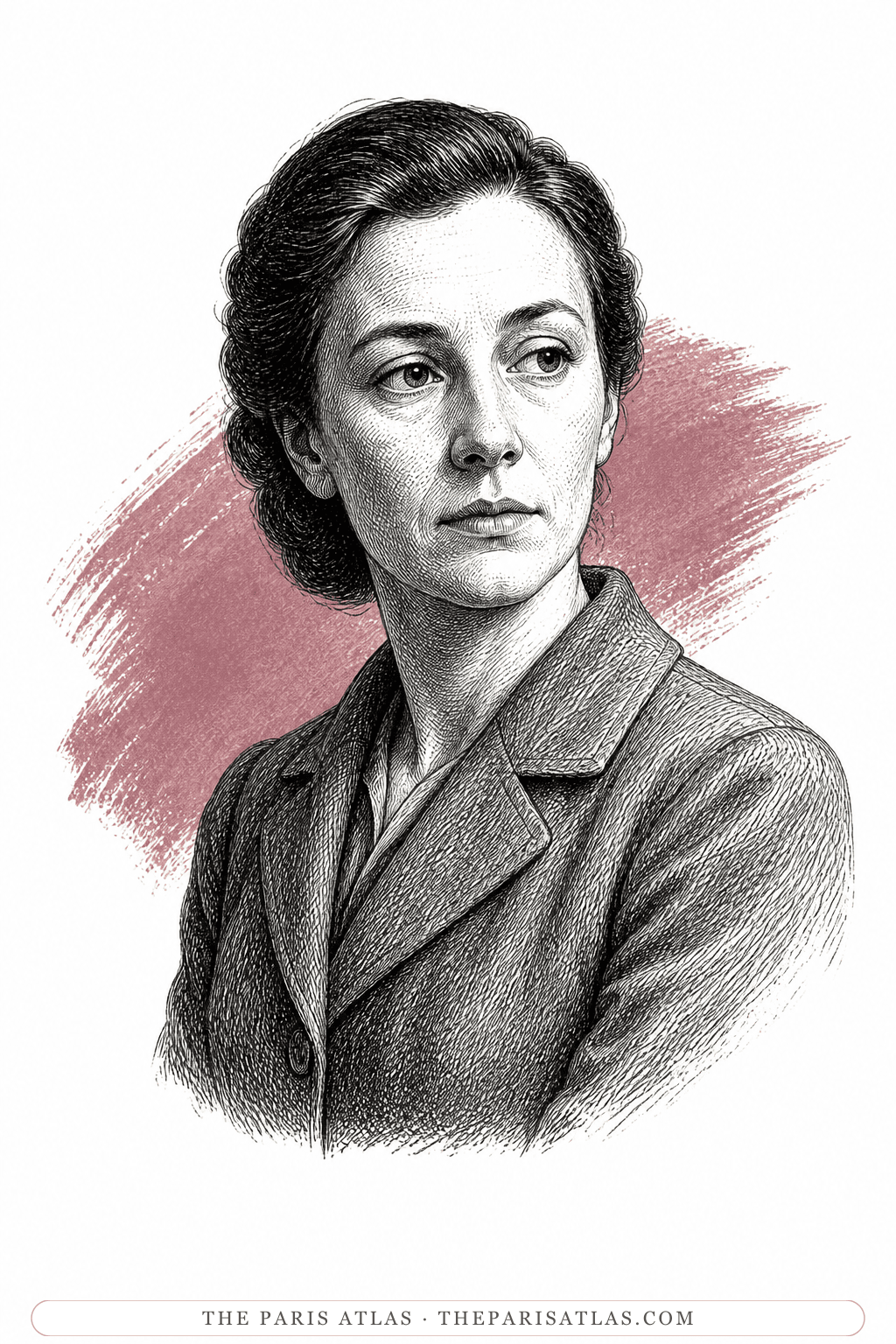
Céline's wife; free in Copenhagen while he is imprisoned. Brings him books and remains his lifeline to the outside world.
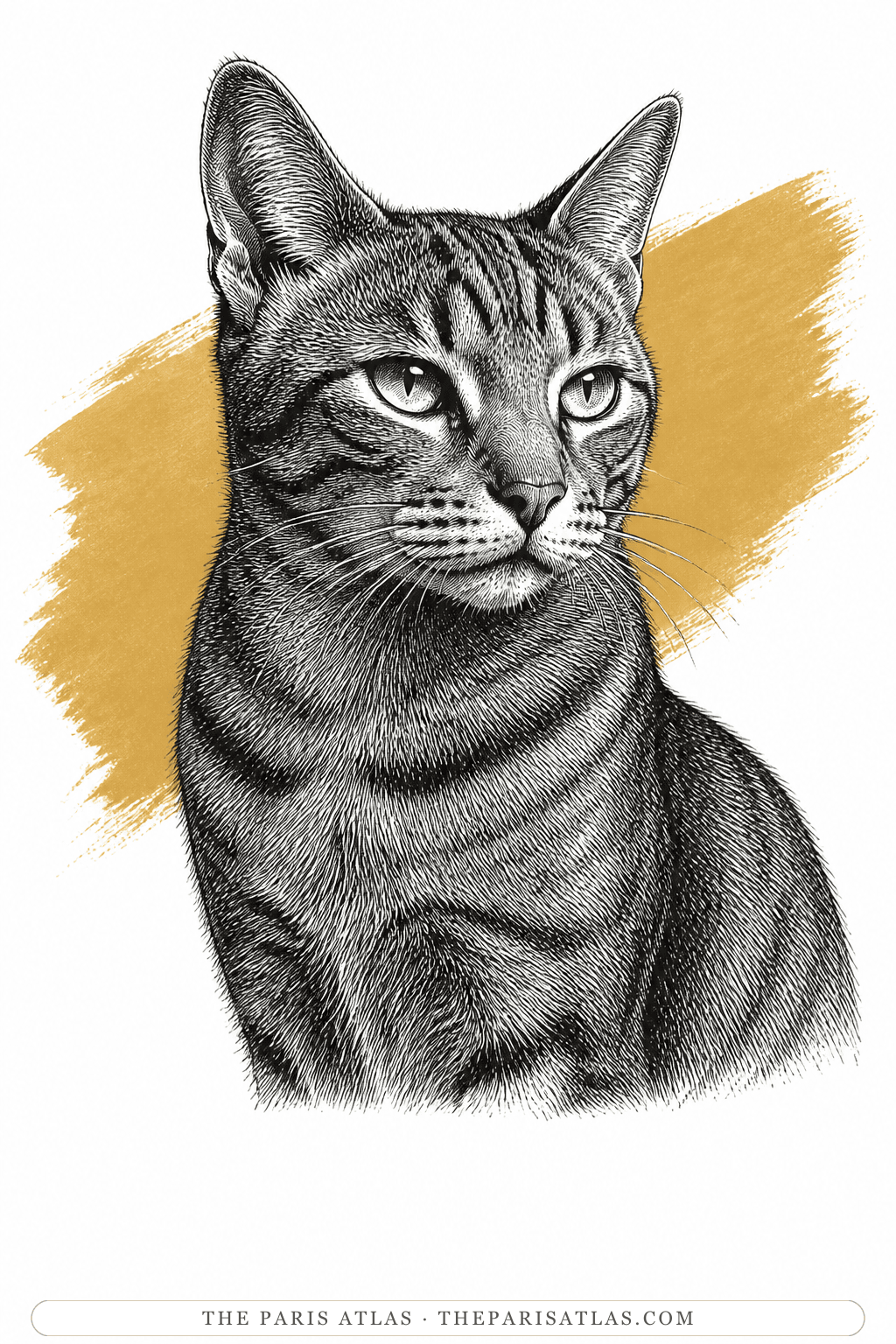
The cat who crossed collapsing Germany with the Destouches in 1944; present in the surrounding Danish life even though Céline is separated from him in prison.
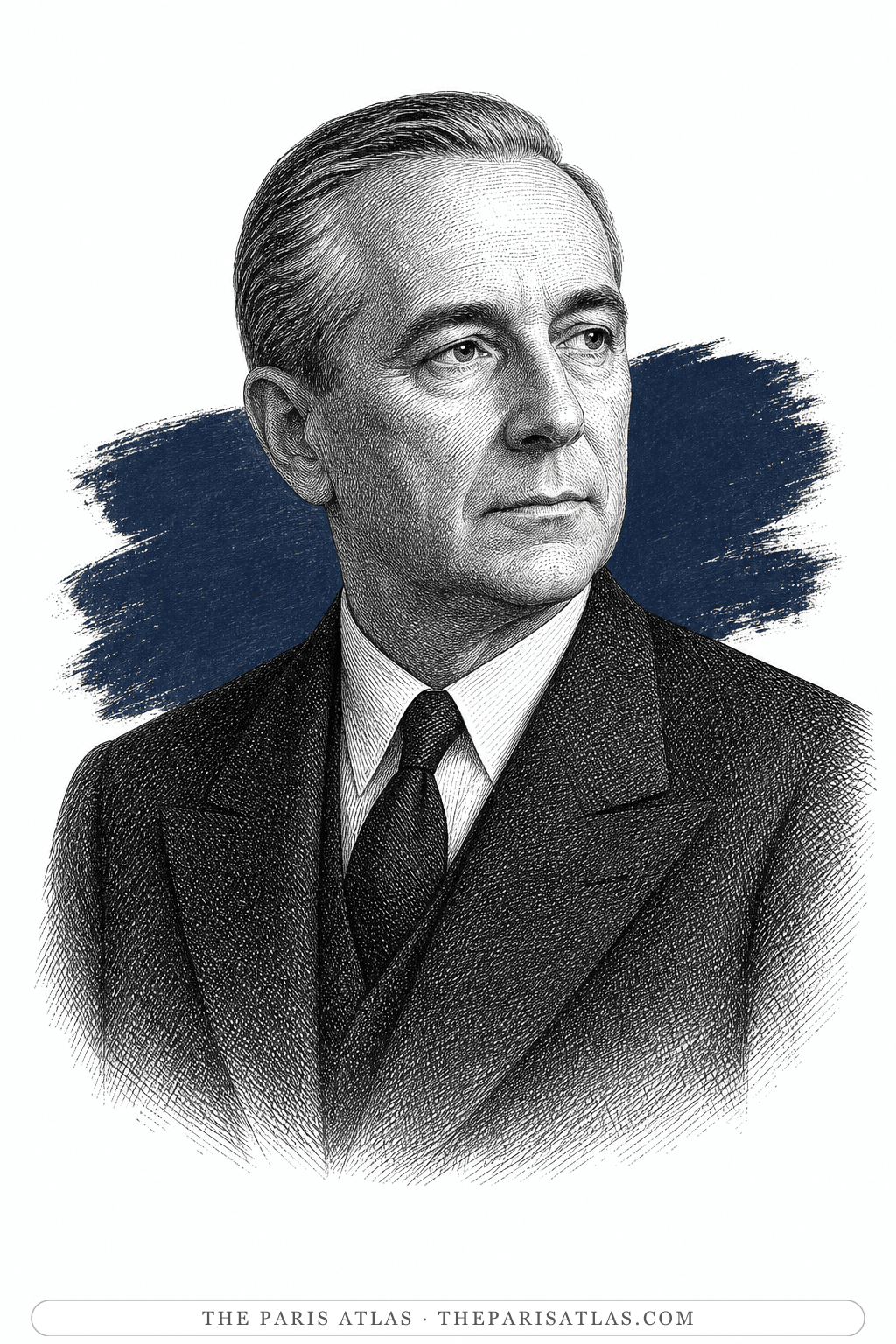
French ambassador in Copenhagen; Céline blames him repeatedly in the early notebooks for his continued detention.
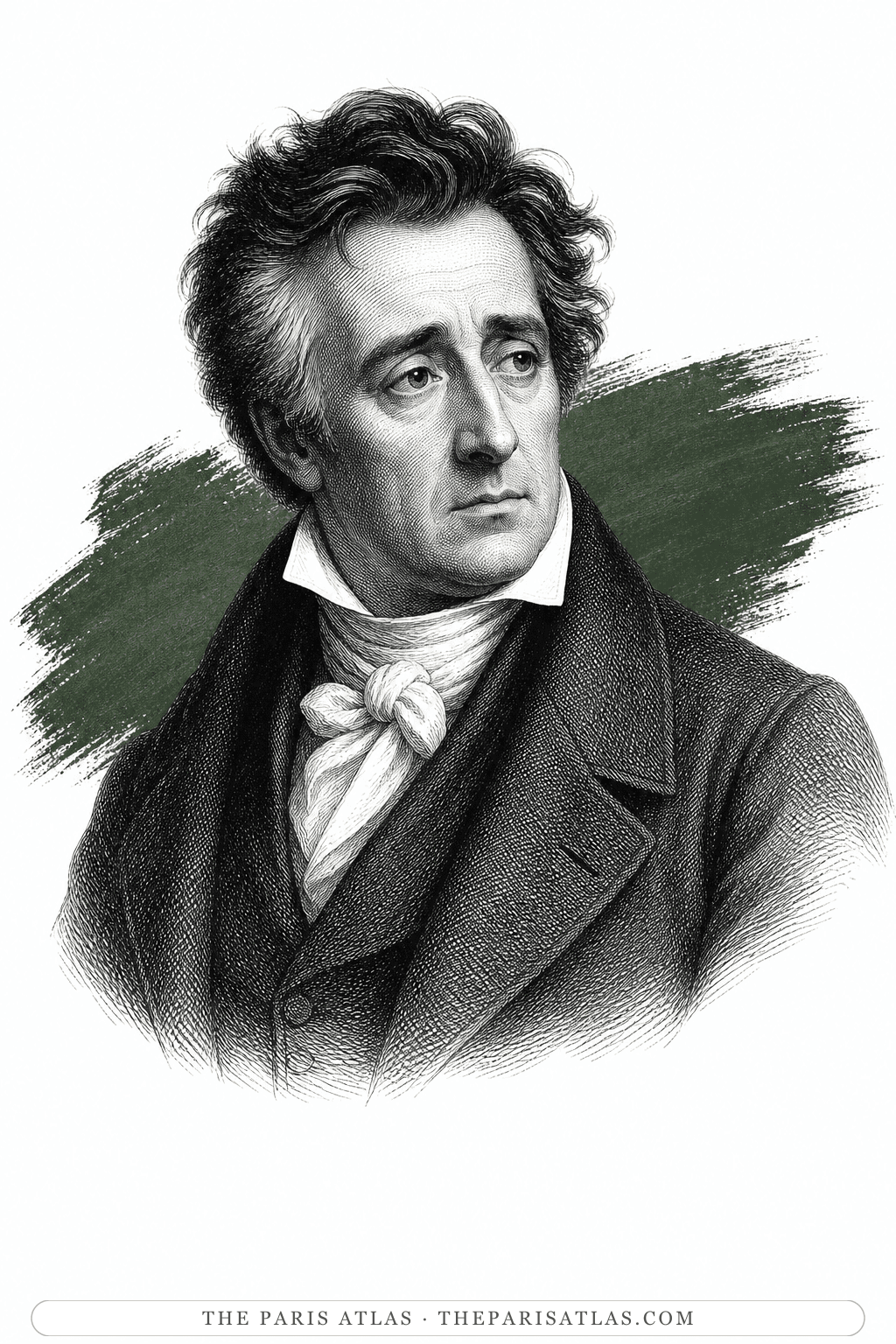
One of the writers Céline reads most closely in prison; Chateaubriand's own exile becomes a template for Céline's self-conception.
1945
Céline is arrested in Copenhagen in December.
1946
He fills ten notebooks during his detention, between February and October.
2019
Gallimard publishes Jean-Paul Louis’s complete scholarly edition as Cahiers Céline 13.
The 1952 novel whose earliest architecture Céline began building in the Cahiers.
Read our take

The 1957 first book of the German trilogy — a further beneficiary of the prison notebooks' experiments.
Read our takeHe had been arrested in Copenhagen in December 1945 while French authorities were seeking his extradition after the war.
Ten school notebooks of 32 pages each, kept between February and October 1946.
At Copenhagen's western prison, Vestre Fængsel, in cell 609 of section K.
Only partly. They combine defence notes, memories, reading notes, literary experiments and fragments that would later enter fiction.
They document the period in which Céline began developing the material and narrative method that became Féerie.
No. The Jean-Paul Louis edition published by Gallimard in 2019 was the first complete scholarly publication of all ten.
Explore authors with a similar voice, perspective, and influence.

Miller read Journey in manuscript while writing Tropic of Cancer and never recovered — the two books are the era's twin gutter-testaments.
View author
The other French modernist Céline could not look away from: a war-wounded amputee whose spoken prose ran ahead of grammar and whose Moravagine anticipates Bardamu's tour of the century's slaughterhouses.
View author
The same war, the same refusal of the big words — delivered in whispers where Céline delivers it in screams. Both writers died in the same week of July 1961.
View authorThe sources below include the primary text, editions, scholarship, archival materials, and other records that informed this page. They document Cahiers de prison, its publication, and its place in literary history.


The primary text represented by this page, used for descriptions of the work’s contents and for any quoted passages shown here.

Published analysis and historical context used in preparing the Cahiers de prison page.
Published analysis and historical context used in preparing the Cahiers de prison page.
Published analysis and historical context used in preparing the Cahiers de prison page.
Selected primary notebook passages quoted in the review; not a claim of reading the complete edition, original notebooks or prison records.
Used to verify Louis-Ferdinand Céline's bibliography and place Cahiers de prison within the broader chronology of Louis-Ferdinand Céline's career.
The primary text is the baseline reference for every book page. Additional references document publication history, interpretation, and historical context where that evidence is available.
 Explore more resources