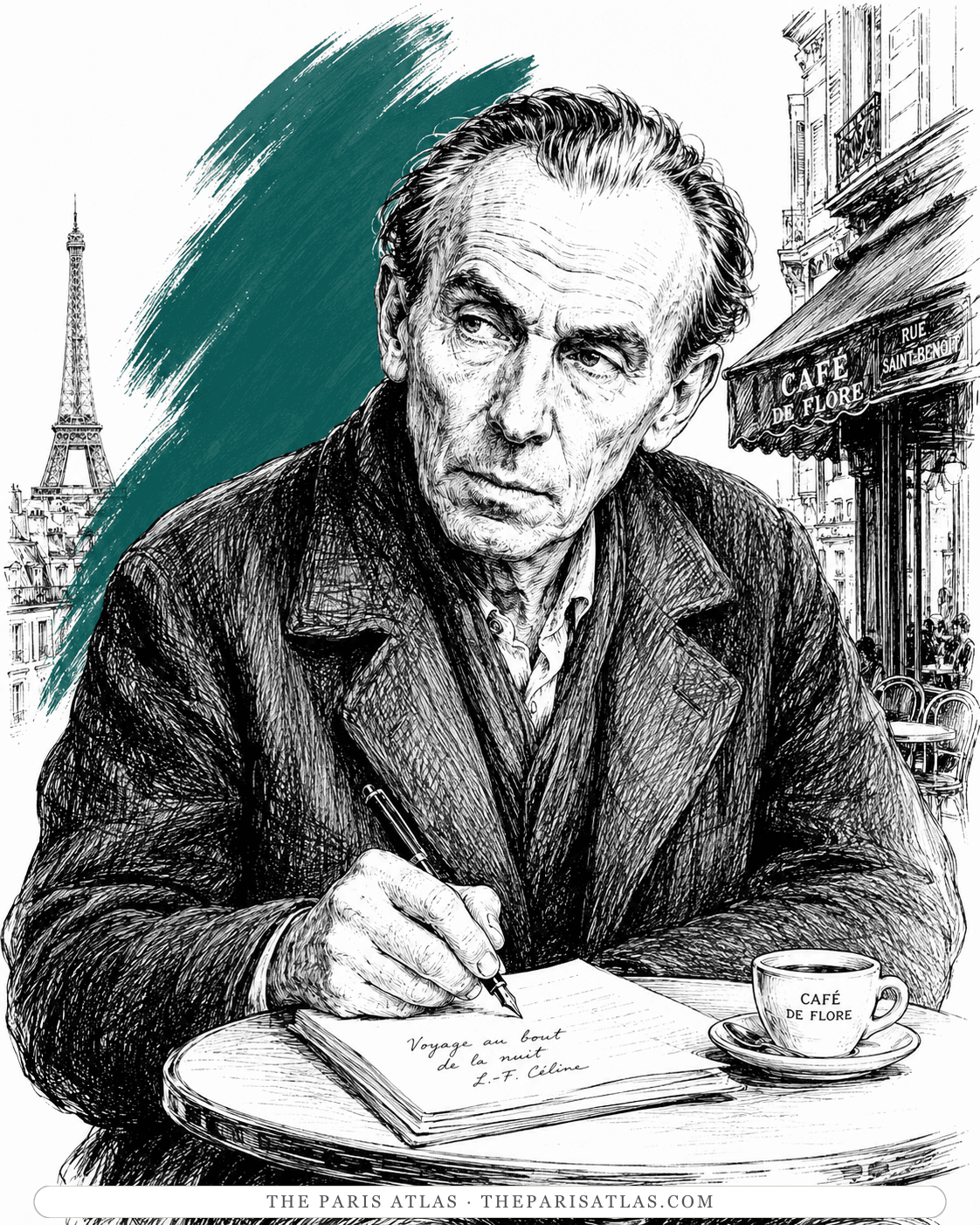

Castle to Castle
The trilogy's other Sigmaringen-adjacent novel — chronologically, Castle to Castle follows the events of North.
Read our take
Louis-Ferdinand Céline's 1960 novel — the second of the German trilogy — about his 1944 flight into a collapsing Germany.
Céline, Lili, Bébert and the actor La Vigue flee France in 1944 and travel deeper into a Germany already being destroyed by Allied bombing. After stops in Baden-Baden and Berlin, they are sent to a rural estate Céline calls Zornhof, where aristocrats, refugees, workers and displaced people wait uneasily for the end of the war. Although published after Castle to Castle, North largely recounts what happened before the Sigmaringen episode.
The fugitives initially hope to cross Germany and reach neutral Denmark. Instead, German bureaucracy repeatedly redirects them.
In Baden-Baden, the atmosphere changes drastically after the failed July 1944 attempt to assassinate Hitler. They move on to Berlin, where bombings have transformed the city into a landscape of rubble, fires and overcrowded shelters. Through Harras, a German doctor and officer known to Céline, they obtain permission to stay at Zornhof, a large rural property outside the capital.
There, they become trapped in a strange household populated by members of the aristocratic von Leiden family, servants, foreign laborers, conscientious objectors, refugees and government personnel. Everyone knows the Russians are drawing closer, yet normal routines and social hierarchies somehow continue.
Ferdinand, Lili, Bébert and La Vigue leave France expecting their trip through Germany to be temporary. Baden-Baden proves unsafe, and Berlin is considerably worse: air raids, fires, shortages and bureaucratic confusion dominate daily existence.
Harras manages to get the group transferred to Zornhof. The estate initially looks like a refuge from the bombed cities, but it soon becomes another enclosed Célinian nightmare. The household is divided among the German owners, displaced foreigners, workers, servants and assorted dependents. Food becomes scarce. Rumors circulate constantly. Violence, jealousy and fear erupt inside the estate while Allied bombers pass overhead and the Soviet advance grows nearer.
Ferdinand spends much of the novel observing the bizarre behavior of those around him and trying to obtain papers that will allow the group to continue north. La Vigue becomes increasingly difficult and detached. The aristocratic world of Zornhof begins falling apart just as completely as Berlin has.
Eventually Ferdinand succeeds in obtaining authorization to travel again. Their objective is Rostock and the Baltic coast, from which they hope to reach Denmark.
The escape is not completed.
Ferdinand and Lili finally receive permission to leave Zornhof and head north toward Rostock in the hope of finding passage to Denmark. Bébert is temporarily left in La Vigue's care while arrangements are made.
The book therefore ends at the beginning of another journey rather than at a destination. Their attempt to reach Denmark — and the catastrophes that follow — continues in Rigadoon. Chronologically, the trilogy runs roughly North → Castle to Castle → Rigadoon, even though the books were published in a different order.
Berlin's ruins remain a workplace. Bernabé Wesley draws attention to the old men who sort, pile and label the debris: the city has broken apart, but habits of obedience continue to organize its remnants. Read this way, destruction does not suspend the demands made on those too old for the front. Their careful labor extends the war's discipline into the shattered streets. Against that background, the travelers' passage through Berlin encounters a population still performing duties inside a world that can no longer protect it.
Waiting at Zornhof is governed by more than the danger of another air raid. Wesley emphasizes the continued efficiency of police and paperwork amid general collapse; even a traveler's altered face can make identification uncertain. Permission to move becomes another form of exposure to authority. This helps explain why shelter does not feel secure: leaving requires approval from institutions that can also threaten the fugitives. The narrative's attention to documents keeps the hoped-for journey north suspended between physical survival and the administrative power to permit it.
North is the middle volume of the German trilogy in publication order but the first in chronology. It covers the 1944 flight into Germany that ends with the events of Castle to Castle.
The Berlin chapters are one of the great firsthand French accounts of the city under Allied bombing — rubble, fires, air raids, shelters, and bureaucratic paralysis.
The rural estate at the novel's center — modeled on the Kränzlin estate outside Berlin — becomes a Célinian nightmare in miniature, populated by aristocrats, refugees, workers, and displaced people all waiting for the war to end.
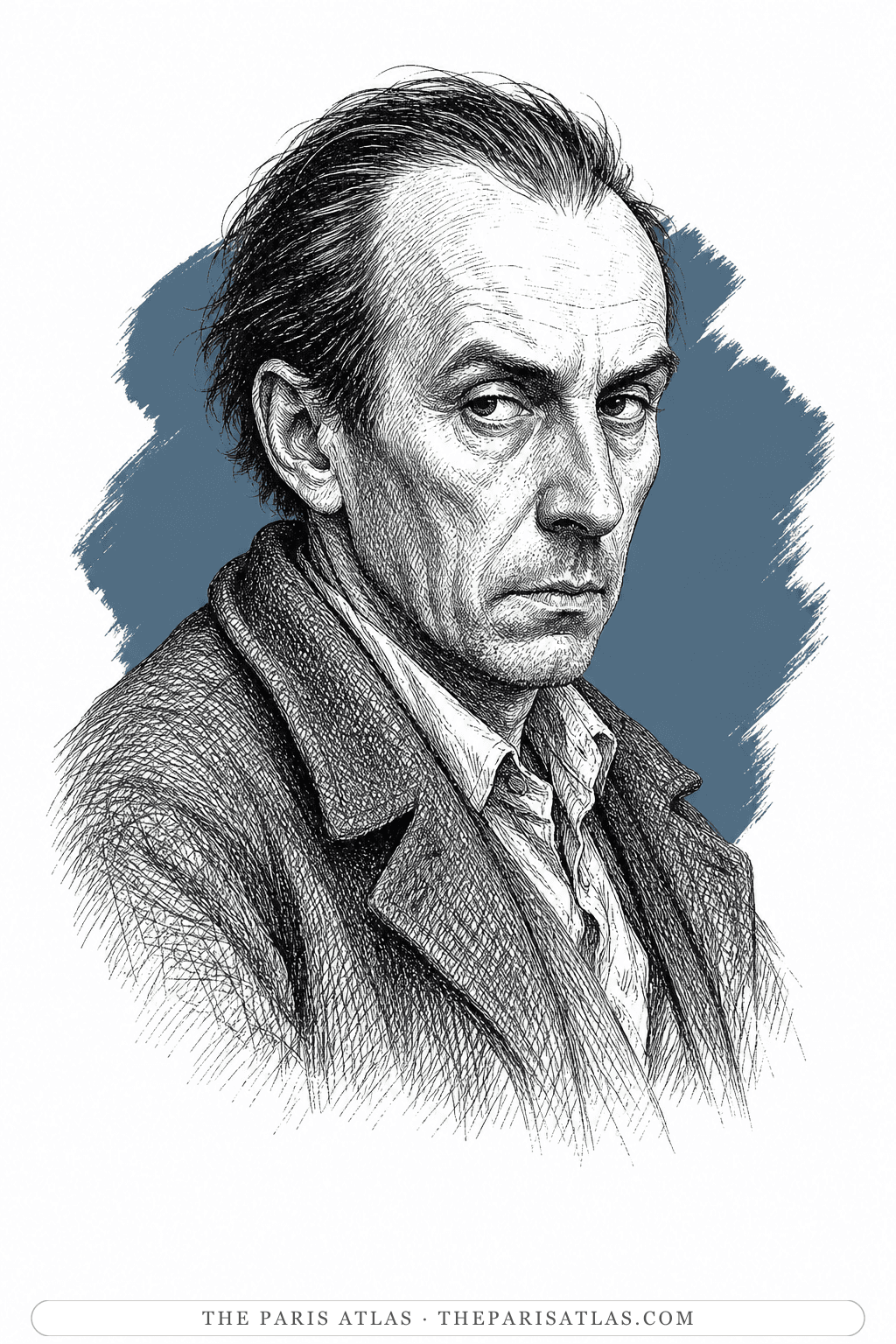
The narrator. Céline himself, in flight from France with his wife, his cat and an actor friend, trying to reach Denmark and repeatedly redirected by German bureaucracy.
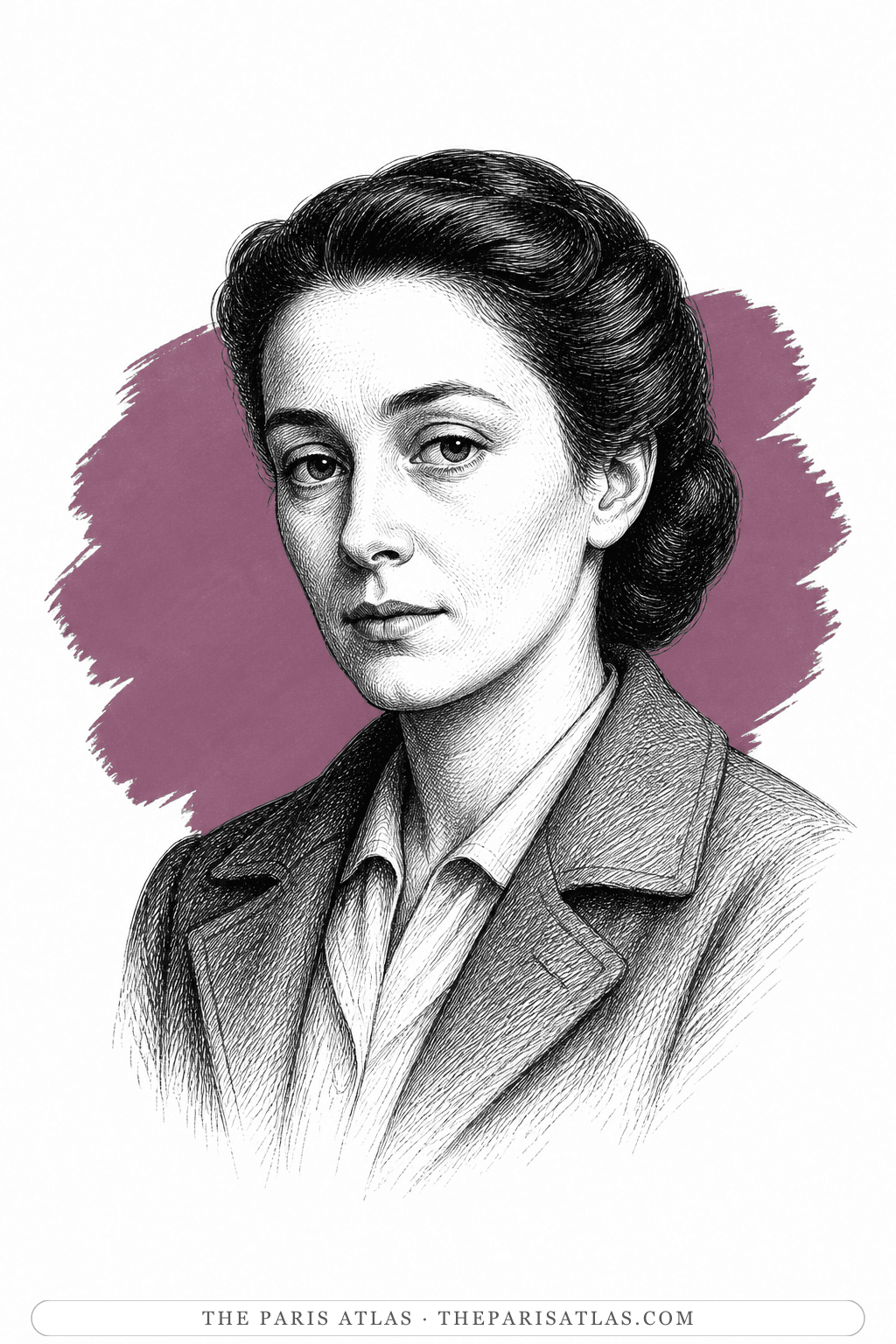
The narrator's wife, Céline's real companion Lucette Destouches, who crosses Germany with him and holds their small group together at Zornhof.

The cat, present through the flight from Paris, the wartime cities, and the Zornhof estate.

The actor traveling with Céline, fictionalized from Robert Le Vigan. He becomes increasingly difficult and detached across the German journey.
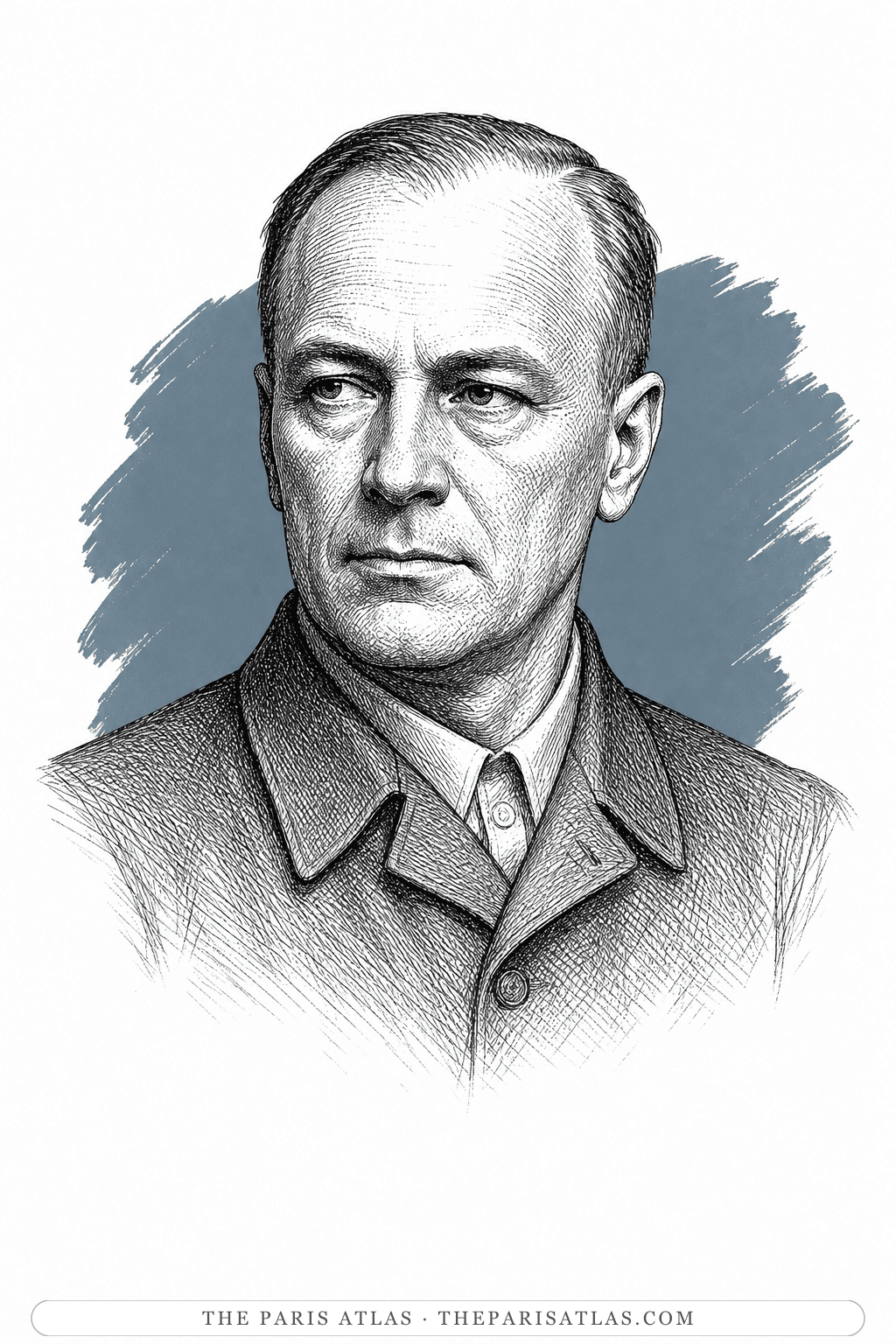
A German doctor and officer known to Céline. His intercession gets the group transferred out of bombed Berlin to the Zornhof estate.
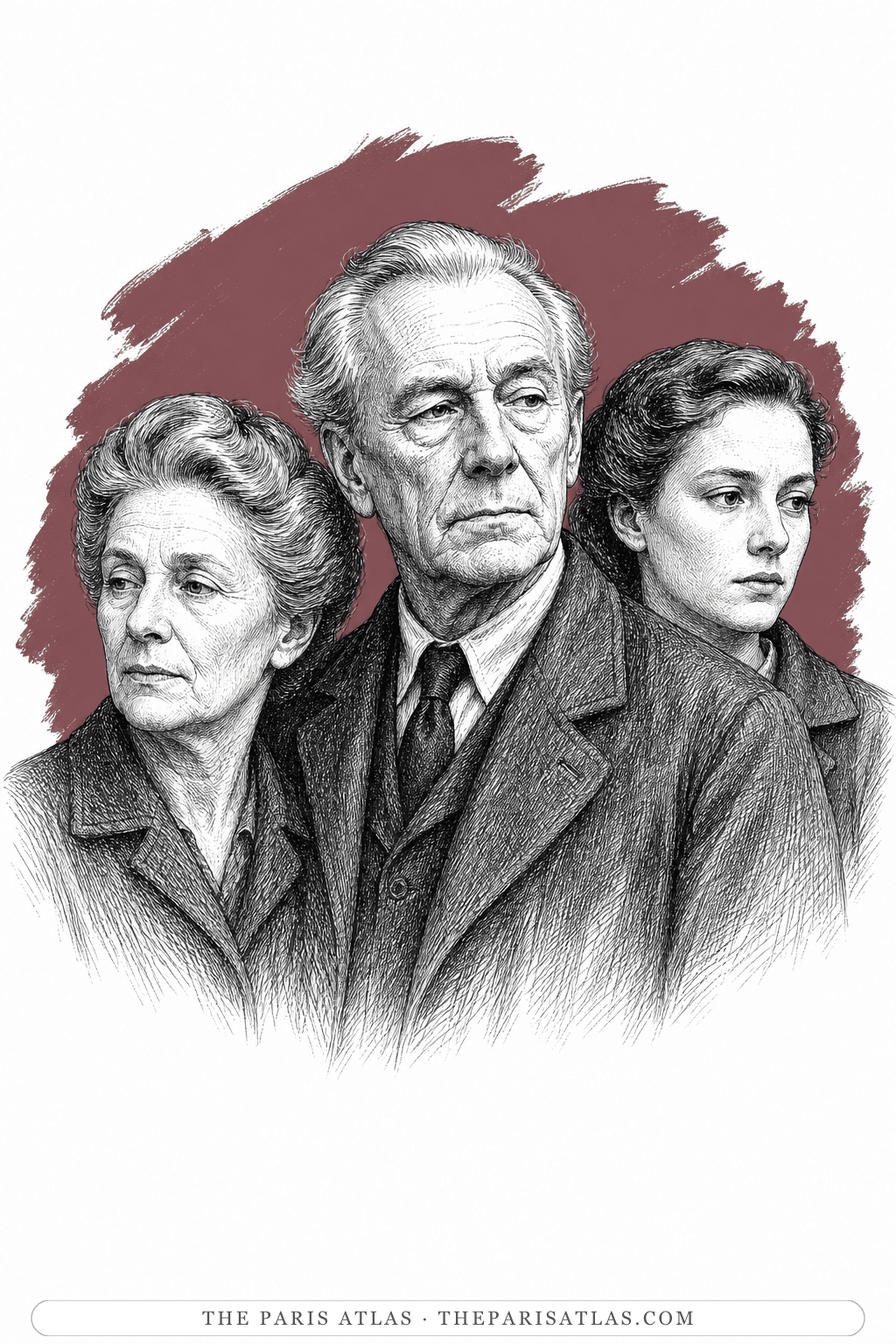
The German aristocratic owners of Zornhof and their household — servants, foreign laborers, conscientious objectors, refugees — a self-contained world holding on to routine while the Reich collapses.
1944
Céline flees France and travels through Germany, the experience later reworked in Nord.
1957
Castle to Castle opens the published German trilogy, though its principal events occur later than those in Nord.
1960
Gallimard publishes Nord as the trilogy’s second volume.
The trilogy's other Sigmaringen-adjacent novel — chronologically, Castle to Castle follows the events of North.
Read our take

Céline's first novel, twenty-eight years earlier — same narrator, same voice.
Read our take

Hemingway on the earlier war — the same generation and the same disillusionment in a very different tone.
Read our takeCéline, his wife Lili, their cat Bébert, and the actor La Vigue flee France in 1944 and travel deeper into a Germany already being destroyed by Allied bombing. After Baden-Baden and Berlin they end up on a rural estate Céline calls Zornhof, where aristocrats, refugees, workers and displaced people wait uneasily for the end of the war.
Gallimard published Nord in 1960, three years after Castle to Castle. Céline was in the last year of his life while working on it.
By publication order it is the middle volume. Chronologically it is the first — the trilogy runs North → Castle to Castle → Rigadoon in story time.
It is a fictionalized version of the Kränzlin estate near Berlin, where Céline and Lili actually stayed with the Scherz family during their flight.
It ends before the escape — Ferdinand and Lili leave Zornhof and head north toward Rostock in the hope of finding passage to Denmark, but the journey continues in Rigadoon. The book stops at the beginning of another journey rather than at a destination.
Céline wrote and published Castle to Castle first (1957) and North second (1960). Most readers follow publication order and start with Castle to Castle. Chronologically, however, North comes first, so either order works.
Explore authors with a similar voice, perspective, and influence.
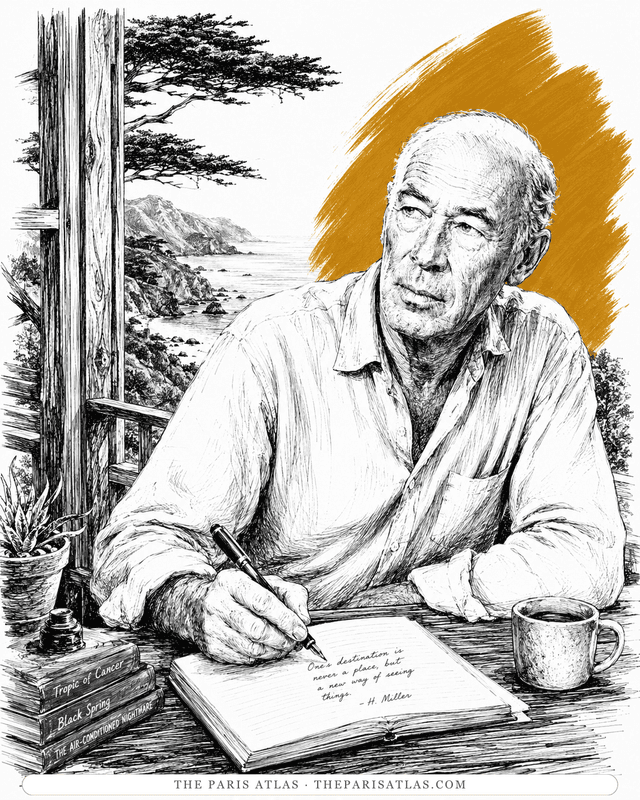
Miller read Journey in manuscript while writing Tropic of Cancer and never recovered — the two books are the era's twin gutter-testaments.
View author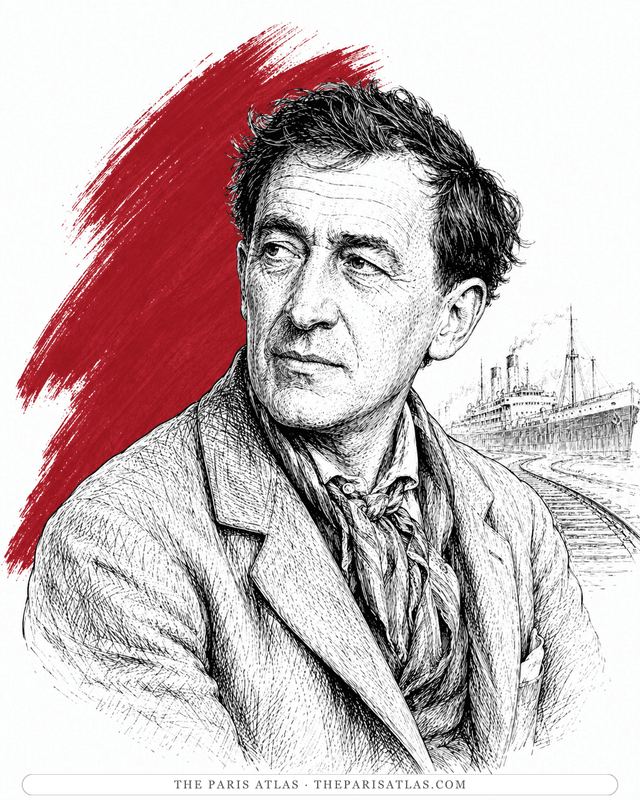
The other French modernist Céline could not look away from: a war-wounded amputee whose spoken prose ran ahead of grammar and whose Moravagine anticipates Bardamu's tour of the century's slaughterhouses.
View author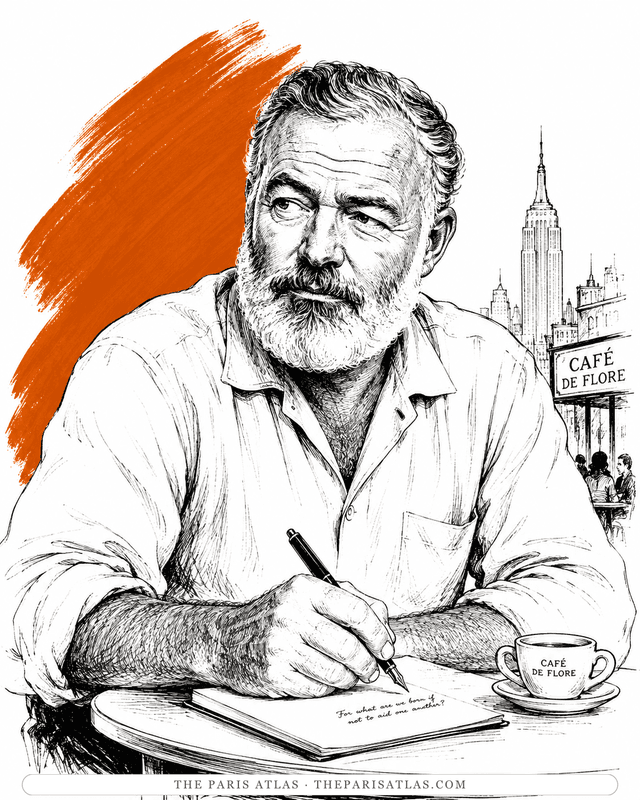
The same war, the same refusal of the big words — delivered in whispers where Céline delivers it in screams. Both writers died in the same week of July 1961.
View authorThe sources below include the primary text, editions, scholarship, archival materials, and other records that informed this page. They document North, its publication, and its place in literary history.


Selected pages of Wesley's literary study; critical interpretation is attributed, not presented as independently verified wartime history or complete primary-text collation.

Published analysis and historical context used in preparing the North page.
Biographical evidence used to verify chronology, relationships, and historical context connected to North.
Web source consulted for documented facts and historical context presented on the North page.
Used to verify Louis-Ferdinand Céline's bibliography and place North within the broader chronology of Louis-Ferdinand Céline's career.
The primary text is the baseline reference for every book page. Additional references document publication history, interpretation, and historical context where that evidence is available.
 Explore more resources