The pwe dancer
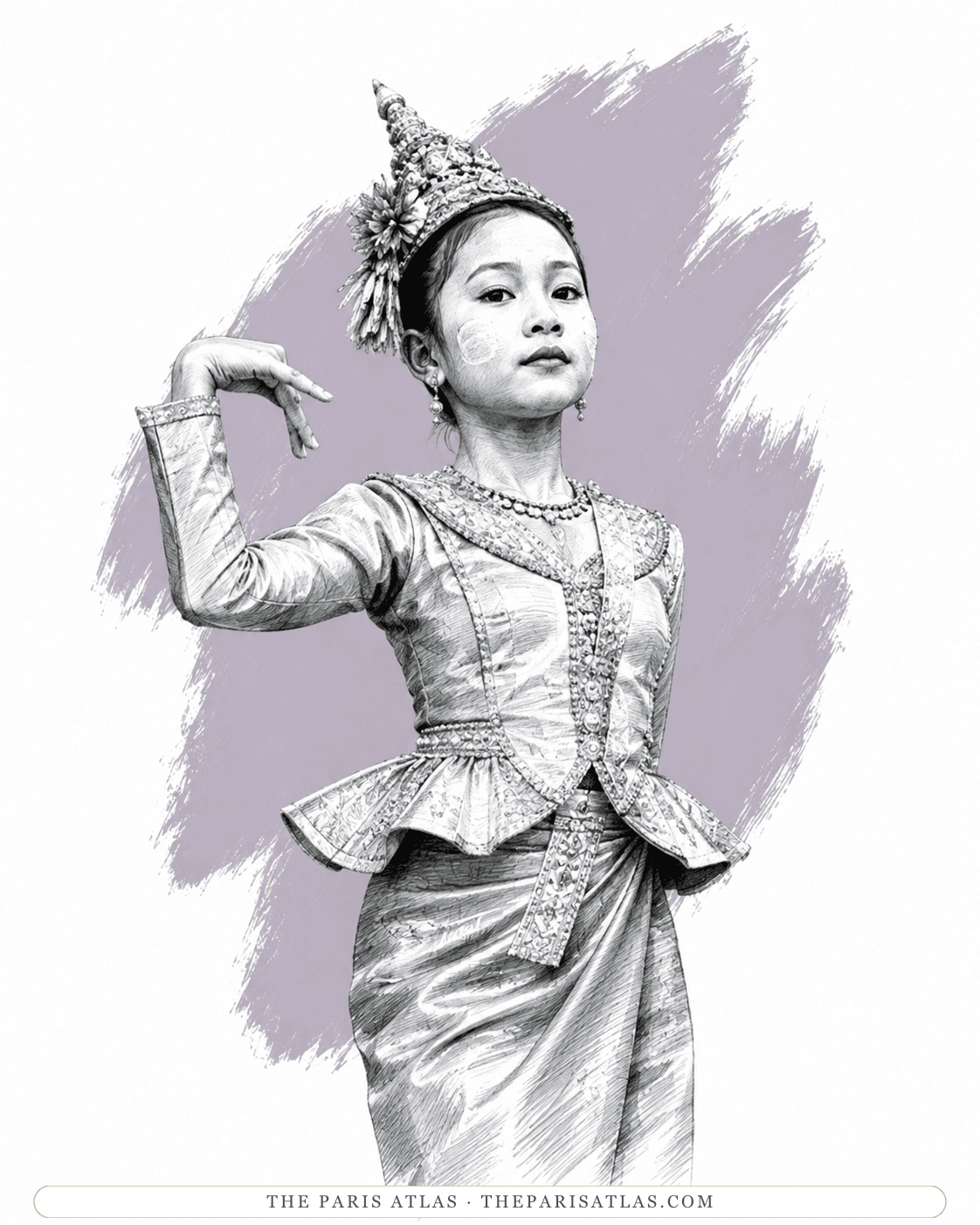
The best dancer in the travelling pwe troupe that performs in the bazaar road, in a pale blue satin longyi that hides her feet, her face powdered so thickly that it gleams in the lamplight like a chalk mask with live eyes behind it. She throws her cigar to a man in the orchestra to begin, sings in a brassy voice, and dances with her hands twisting like snakeheads. Elizabeth Lackersteen leaves in disgust, and John Flory has to follow her.
To be watched to the end. She is brought on early to please two visitors who leave in the middle of her second dance, and afterwards she refuses to carry on, against an audience demanding that she should.
The book

At a glance
- The best dancer in a travelling pwe company
- No. She is "the pwe girl" throughout
- Very young; the book gives no number
- U Po Kyin, who arranged the pwe and had somebody else pay for it
- Chapter 8
Who they are in the book
Spoiler-freeA pwe is a Burmese travelling theatre show, part historical drama and part revue, played on a rough stage put up in the road and taken down again in the morning. It runs all night, the audience sits on mats in the roadway, and some of them sleep through it. In chapter 8 one is playing outside the house of U Po Kyin, the magistrate who arranged it and had somebody else pay for it, and John Flory brings Elizabeth Lackersteen along on the walk back to the European Club to watch a few minutes. U Po Kyin gives an instruction to a boy beside him, and the company's best dancer is brought on in the Europeans' honour, two hours before she was due.
She has been squatting at the back of the stage, smoking. She is very young, slim-shouldered and flat-chested, in a pale blue satin longyi long enough to hide her feet, with the skirts of her ingyi curving out above the hips in little panniers in the old Burmese fashion. Orwell's image for that shape is the petals of a downward-pointing flower. She throws her cigar to one of the men in the orchestra, holds out an arm and writhes it to shake the muscles loose, and waits for the drums.
The dance is described in stages, and it runs for most of a page. At first it is not a dance at all but a rhythmic nodding and twisting of the elbows, the neck and elbows rotating like a jointed doll and yet, the book says, incredibly sinuous. Her hands turn with the fingers held close together and bend back until they lie almost flat along her forearms. Then the movements quicken: leaps from side to side, a drop into a kind of curtsy and a spring up again despite the long longyi round her feet, a crouching posture with the body leaning forward and the arms writhing, and finally a whirl on the spot as fast as a top, the panniers of the ingyi flying out like the petals of a snowdrop. The music stops dead and she sinks into a curtsy.
When it starts again her face is powdered so thickly that it gleams in the lamplight like a chalk mask with live eyes behind it. She sings in a brassy voice, a fast song, gay and fierce at once, and a hundred people in the road chant it back at her in unison. Then she turns her back on the chairs, dances to the crowd, and works each side of her hips independently in time with the drums. The road applauds. Elizabeth stands up and says it is time they were going.
The scene is written from inside Elizabeth's head, and most of what it records is her revulsion: at the crowd she has had to push through to reach a chair, at the iced sherbet she thinks tastes of hair oil, at Flory for bringing her there at all. Orwell is explicit that the dancing was not the offence. It had only brought things to a head, and what had really impressed her badly was the idea of a white man wanting to sit among Burmese people. Flory, meanwhile, talks through the performance in a low voice about the centuries of training behind every movement, in language that also carries the racial thinking of his time and place. Elizabeth catches the word Art and decides she has misjudged him.
The dancer never speaks and is never named. What happens after the two Europeans walk out is given in a single sentence: she refuses to go on, the audience demands that she continue, and the row is settled by two clowns sent on with crackers and obscene jokes. She does not appear again. The dance does, once, when a Military Police officer waggles his backside in imitation of a pwe-dancer on the way into the church service in chapter 24.
How The pwe dancer Is Portrayed
- What she wearsA pale blue satin longyi long enough to hide her feet, and an ingyi whose skirts curve outwards above the hips in little panniers, in what the book calls the ancient Burmese fashion. Orwell compares the shape to the petals of a downward-pointing flower.
- The cigarShe has been squatting at the back of the stage smoking, and is still smoking when she steps into the lamplight. She throws the cigar languidly to one of the men in the orchestra, then holds out one arm and writhes it to shake the muscles loose.
- How it beginsNot as a dance. A rhythmic nodding, posturing and twisting of the elbows, with the neck and elbows rotating like a jointed doll, and yet, the narration adds, incredibly sinuous.
- The handsThey twist with the fingers held close together, and bend back until they lie almost along her forearms.
- The leaps and the whirlBy degrees the movements quicken. She flings herself down into a kind of curtsy and springs up again with extraordinary agility, in spite of the long longyi that imprisons her feet, dances for a while in a crouch with the body leaning forward and the arms writhing, then rises upright and turns on the spot as fast as a top.
- The powdered facePowdered so thickly that under the humming petrol lamps it gleams like a chalk mask with live eyes behind it.
- The songShe sings in a brassy voice, a fast song, gay and fierce at once, and a hundred voices in the road chant the syllables back in unison.
- The second danceShe turns her back on the seated Europeans and dances to the crowd, wagging her hips and then working each side independently in time with the drums, visible through the silk. The road shouts its applause, U Po Kyin frowns and waves his hand, and Elizabeth is already on her feet.
If you like Burmese Days


If you like George Orwell
Explore authors with a similar voice, perspective, and influence.
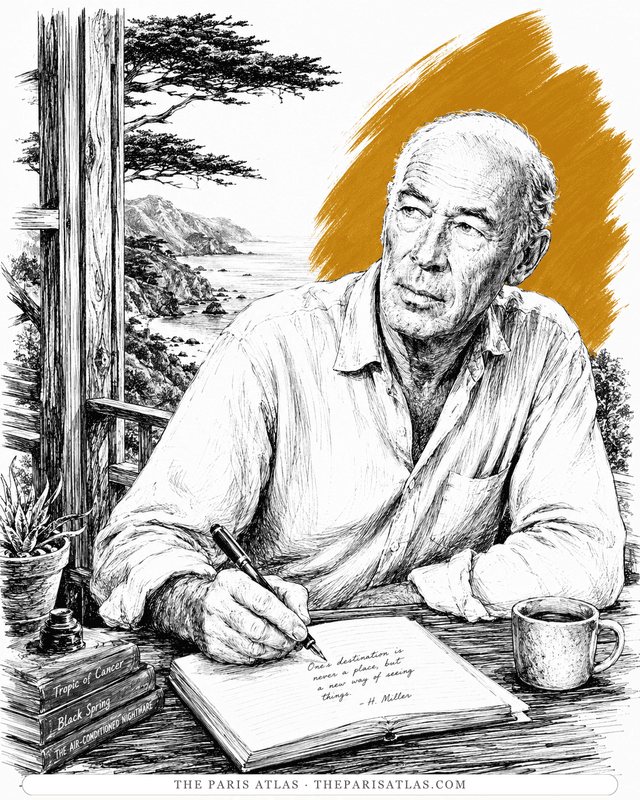
Henry Miller
The Brooklyn dropout who arrived in Paris broke at thirty-eight and wrote the exuberant, banned books that ended American censorship.
View author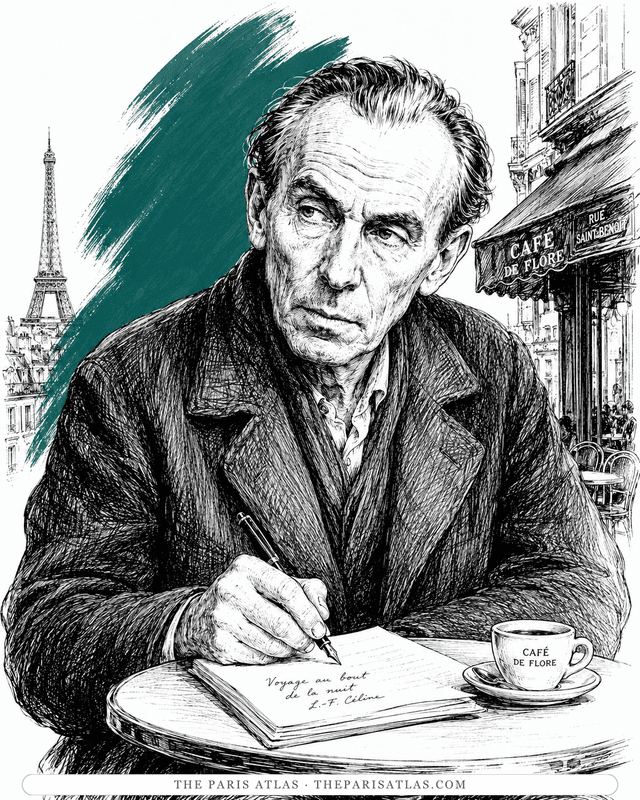
Louis-Ferdinand Céline
The doctor of the Paris slums who wrote the century's blackest, funniest novel — and changed the sound of French prose.
View author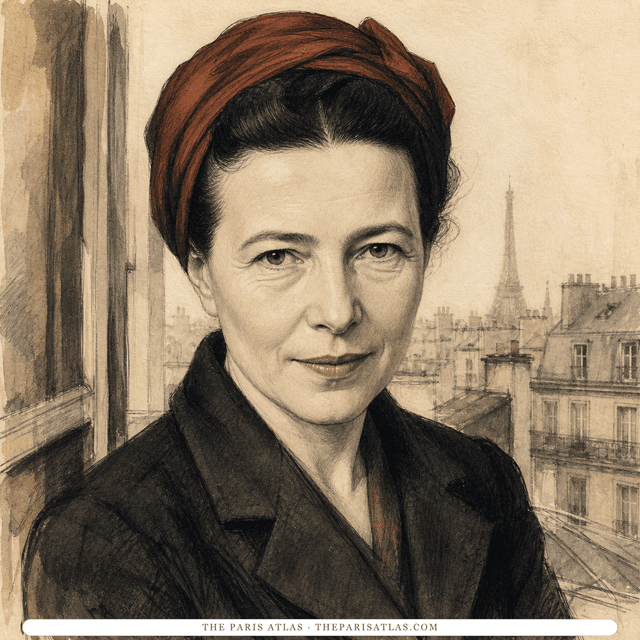
Simone de Beauvoir
French writer and philosopher whose novels, memoirs, and social analysis examined freedom, gender, responsibility, aging, and the material conditions that shape a life.
View author